Trekking in the Himalayas sounds adventurous and exciting. But what about the challenges you will encounter? Not preparing well can likely lead to a bad experience.
High-altitude remote destinations like the Manaslu region demand 7 to 8 hours of daily hiking, uneven rugged terrain, and unpredictable weather. Accommodations are not luxurious, health care is limited, and the fear of altitude sickness remains in your mind throughout the journey.
Your physical fitness matters when it comes to the Manaslu Circuit Trek because it is a serious test of stamina. More than that, your mental awareness and endurance also matter.
Does this mean a novice trekker cannot do this trek? No, it’s not like that. In fact, if your Manaslu Circuit Trek preparation is done well, it can become an experience you will savour for a lifetime.
So, what should you prepare for? I will guide you step by step in this detailed blog.
Manaslu Circuit Trek Pre-Trip Planning
Before getting into the actual trek preparation, remember that completing the Manaslu Circuit can take from 13 days to a month, depending on different itineraries. Only after you decide on the number of days and the itinerary can you properly start your trip planning.
Pick the Right Season
The ultimate best time to do the Manaslu Circuit Trek is during the spring and autumn seasons. Particularly, late March, April, May, early June, mid to late October, November, and early December are considered the most ideal months.
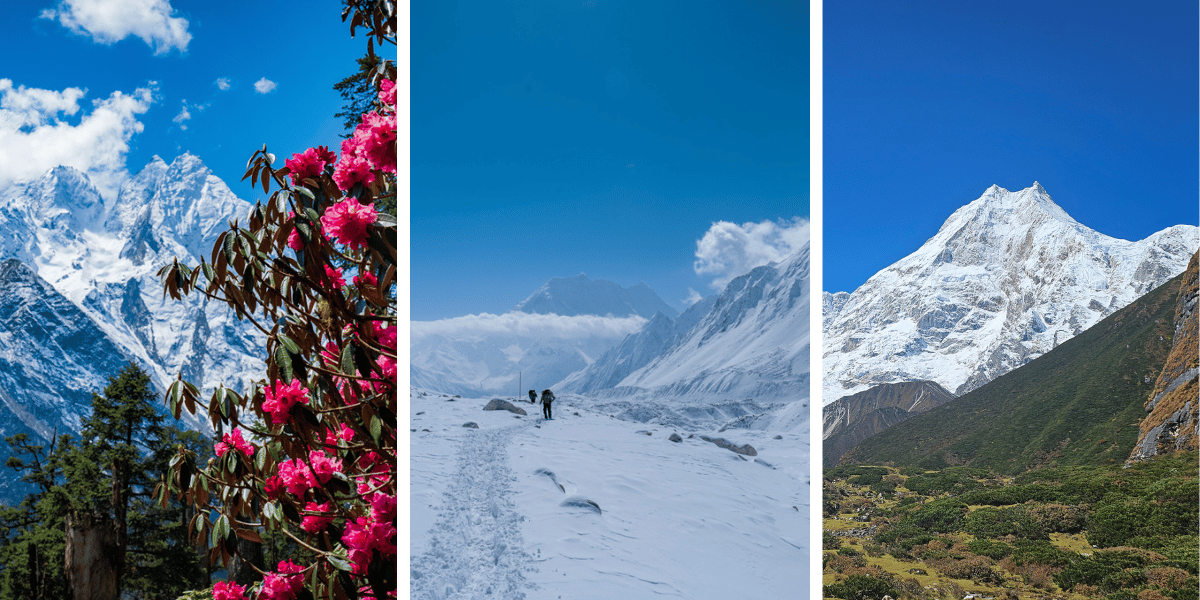
We have ranked the aforementioned months as “best” considering favorable weather and temperature conditions, along with spectacular views of the Mansiri Himal range. That is also what most trekkers prefer.
But if you want a more secluded experience, you might want to choose other months. In the end, it is up to you to decide which season suits you best.
For a general idea, here are the main highlights in different seasons:
- Spring (March to April): Lush rhododendrons and clear mountain views
- Summer (May to June): Warmer temperatures compared to other months, fewer crowds, and pre-monsoon conditions
- Monsoon (July to September): Greener trails, powerful waterfalls, and a secluded experience
- Autumn (October to Early November): Best for mountain views. Peak season, so overcrowding is common
- Early Winter (Mid November to Mid December): Cold temperatures, possibility of snow, and fewer crowds
- Winter (Late December to February): Extremely cold temperatures, high chances of snow, difficulty trekking, but a very secluded experience
Select Destinations and Itinerary Beforehand
You are doing this trek in Nepal mainly for the views of the Manaslu mountain, right? So, choosing the right destinations that provide the best glimpses should definitely be on your mind.
I will tell you right away. Mt. Manaslu is only fully visible once you reach Lho village. Up to this point, it will be a serious test of your stamina. There are constant ups and downs, a secluded atmosphere, language barriers, and only your guide to rely on.
A typical Manaslu Circuit Trek itinerary lasts 13 to 15 days. But for a deeper cultural exploration, adding Tsum Valley would be ideal.
Specifically for the Manaslu Circuit, you do not want to miss Pungen Gumba. It is far more than just a monastery visit and is more about the panoramic views.
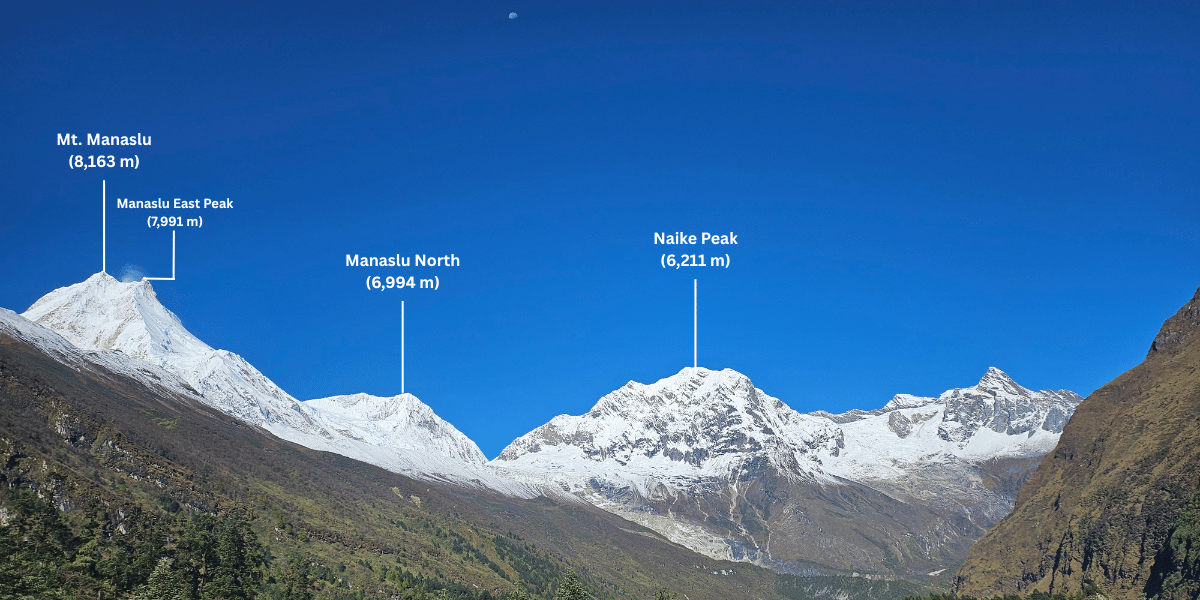
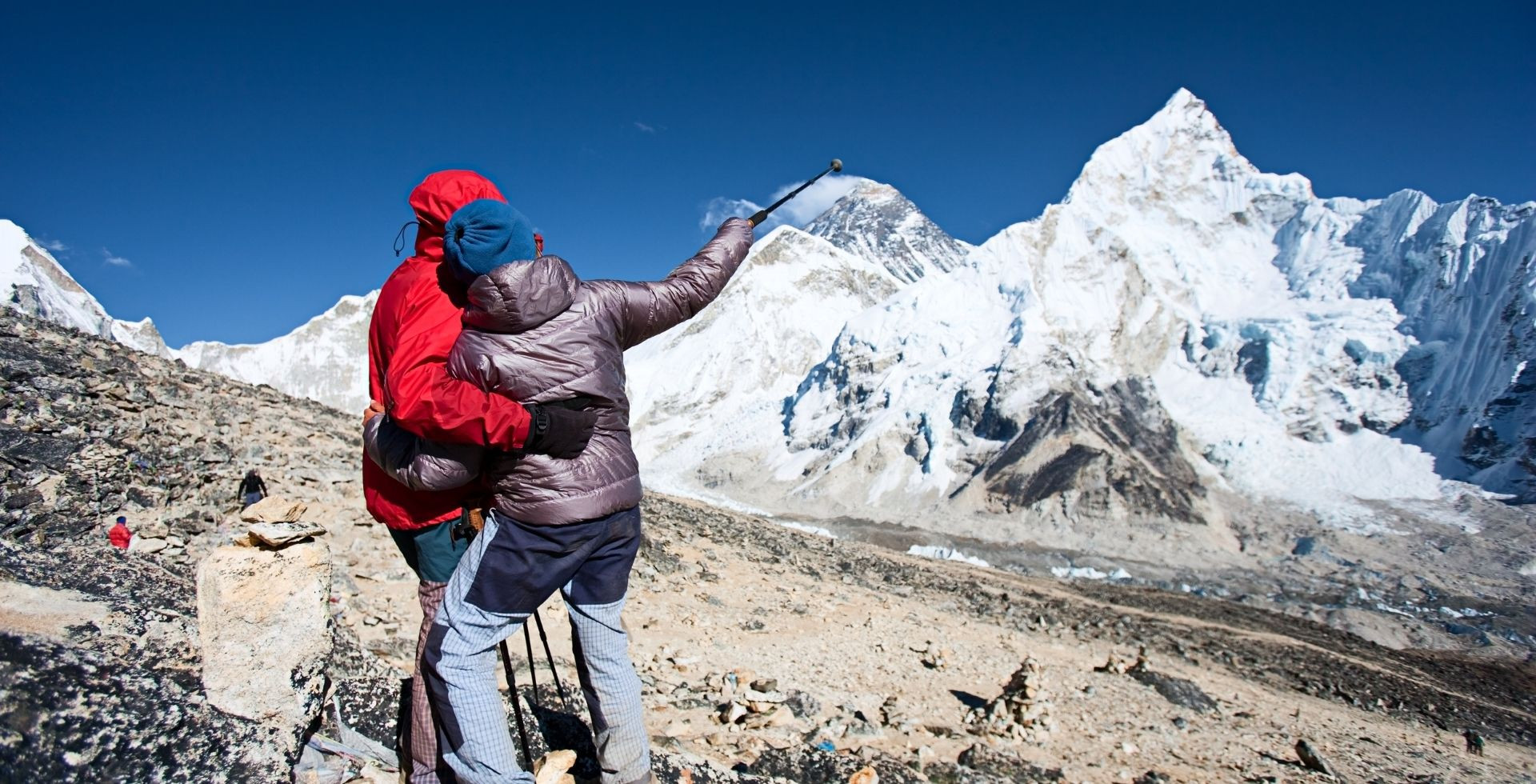
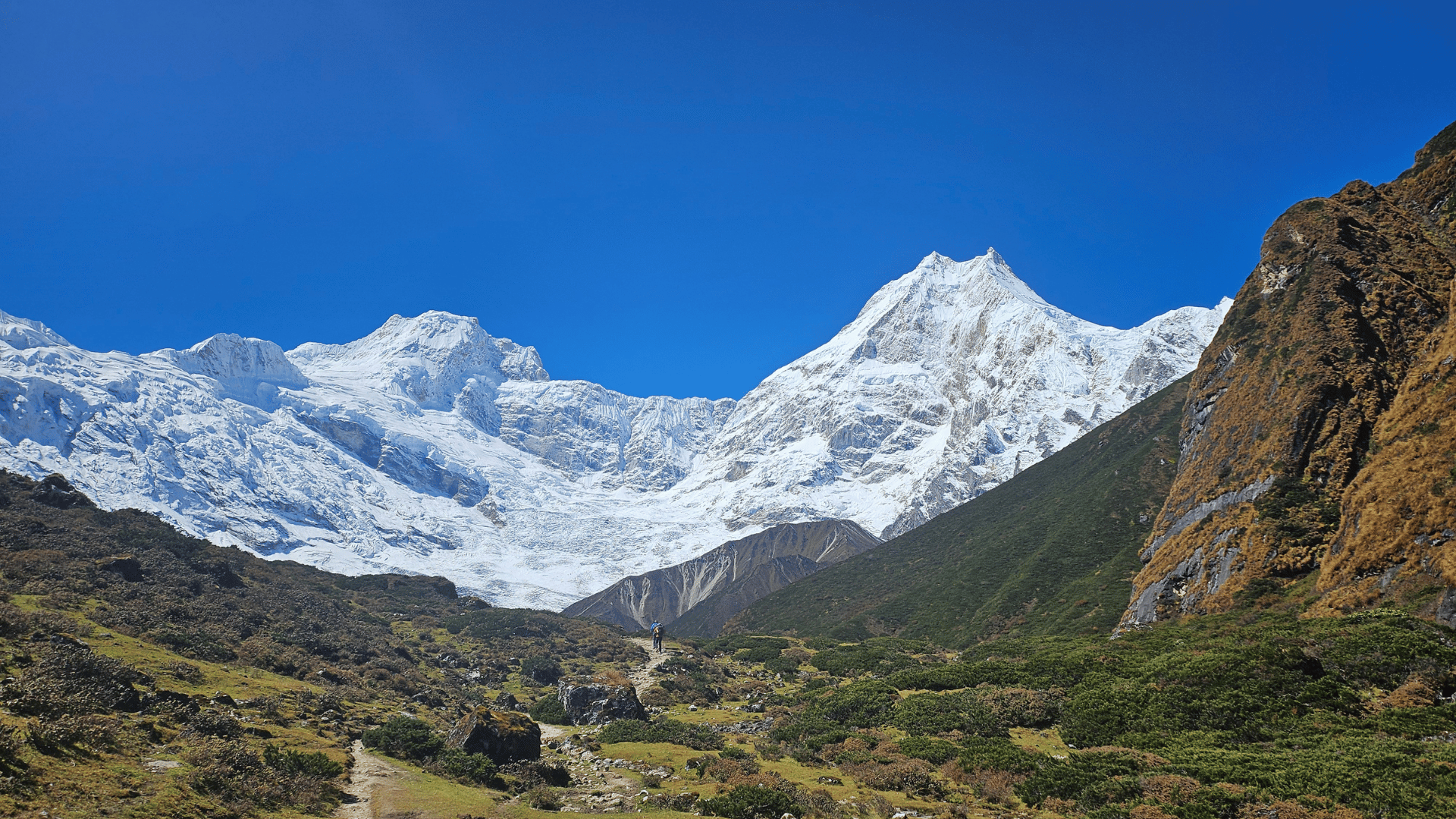
The 360-degree view of the Mansiri Himal range will take your breath away, especially Mt. Manaslu, which appears incredibly close!
Next is Birendra Lake. This serene glacial lake right beneath Mt. Manaslu will truly fill your heart with joy. I am saying this from my own experience. You will feel tempted to take a dip. But do not do it.
Among all the major attractions along the Manaslu trail, Manaslu Base Camp is one you will not want to miss. For that, a quick 13 to 15-day itinerary might not be enough. The route is icy, difficult, long, and exhausting.
So, dedicating extra days in Samagaun is essential. You might also want to skip this during the cold winter months when the route becomes extremely difficult.
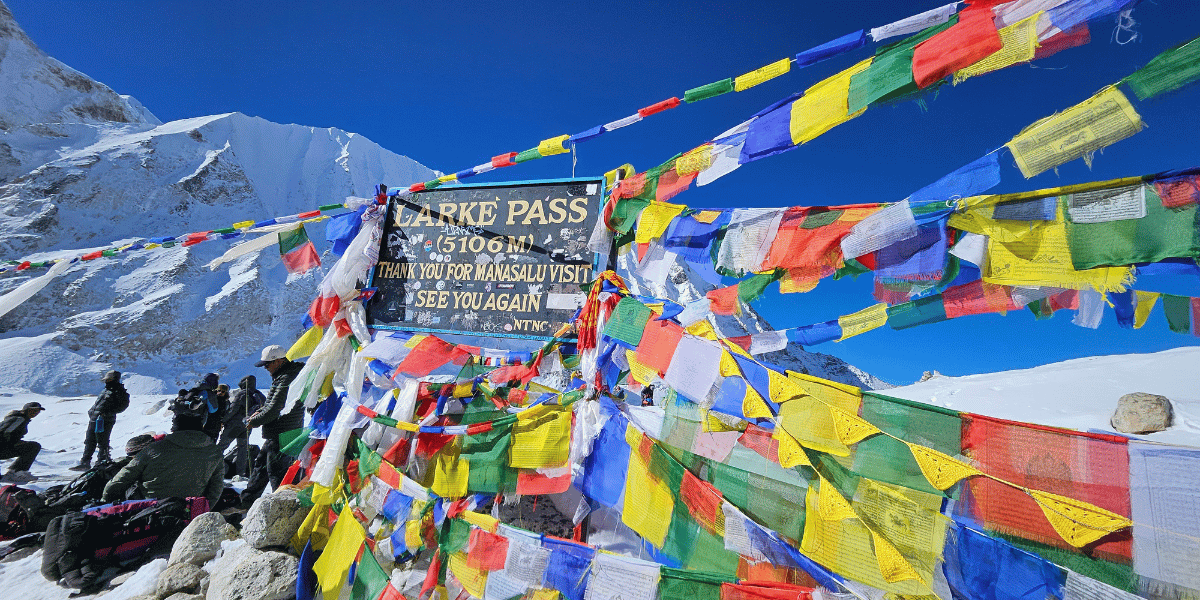
To ensure that you cross Larkya La (5,106 m) in good health, I suggest allocating at least 1 to 2 extra days beyond the classic itinerary.
If you are looking for a more comprehensive experience in the Manaslu region, you might want to visit other hidden gems. These include Kalchuman Tal in Prok, Serang Gumba, Ponkar Lake, Milarepa Cave, or even extending your trip to complete the Annapurna Circuit on the same Nepal visit.
For this, more days are required, and your preparation also becomes more intense.
Tip: Once you are done selecting your destinations, you can contact us directly. At Altitude Himalaya, we prioritize your experience over everything else and prepare an itinerary that perfectly matches your requirements.
ADD Buffer Days!
Here’s the thing: if you’re heading for the Manaslu Circuit Trek during the peak season, overcrowding and accommodation difficulties can extend your days.
Moreover, season shifting (season creep) has brought unexpected rainfall and heavy snowfall even in times when it’s less expected. A similar case that I personally experienced during my own Manaslu Circuit Trek in October.
And if this is the first time you’re planning to visit Nepal, you could use some extra days to roam around Kathmandu or even visit other popular destinations, like Pokhara and Chitwan. That’s how you truly experience this Himalayan country.
Good news if you’re booking any treks through Altitude Himalaya! If you peek into our packages, you’ll usually find relevant side trips included in our packages (inclusive of the same cost).
Trekking Agency Selection: Why It’s a Must?
I understand that many of you might be looking to do the Manaslu Circuit Trek independently. But it is simply not possible to do it entirely on your own, considering the fact that Manaslu is a “restricted” area.
To be precise, restricted areas in Nepal are regions that you cannot enter freely. Besides national park or conservation area entry fees, there is a special RAP (Restricted Area Permit) that you must obtain for exploration.
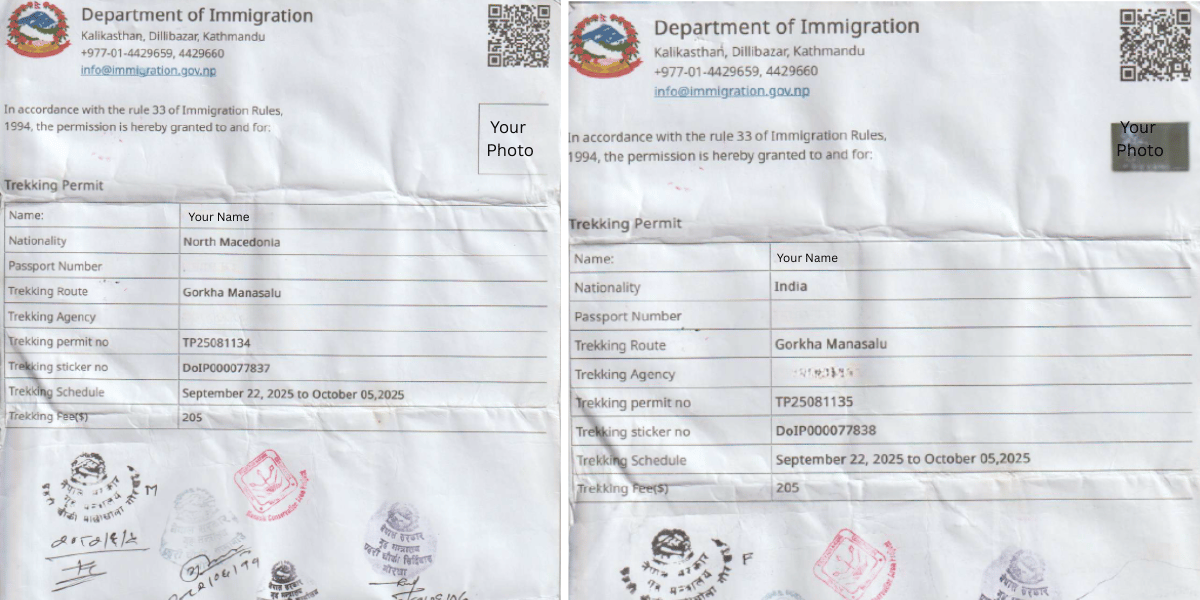
Moreover, these zones have strict rules and regulations set for foreign travellers. It is meant to protect the fragile ecosystem and preserve the indigenous culture.
The RAP for Manaslu and other restricted areas is issued by the Department of Immigration. You cannot apply for it yourself. You must go through a registered trekking agency in Nepal.
Another restriction you will encounter in areas like Manaslu is that you cannot roam around the region alone. A professional, government-licensed guide is compulsory.
Choosing a company that is registered under TAAN (Trekkers’ Agencies Association of Nepal) is therefore not just a choice but a requirement when trekking in the Manaslu region.
Booking with us means your Manaslu permits are fully handled, and you are accompanied by some of the best guides in the country. On top of that, we help you thoroughly with every level of preparation you need.
MARCH 2026 UPDATE: Even a single trekker is now eligible to obtain a restricted area permit (meaning, you no longer need a minimum group of two). However, applications must still be processed through a registered trekking agency, and each guide can now accompany a maximum of seven trekkers.
Budgeting For Trekking in Manaslu Region
The cost of the Manaslu Circuit Trek varies based on the itinerary provided by the trekking agency. If you look into our packages, you can complete Manaslu treks at the following prices:
I know some of you might be planning to visit Nepal alone or in a small group with a limited budget. Do not worry. We have a solution for that as well.
We have introduced a group-joining trek for the Manaslu Circuit Trek that costs USD 1,450 per person, which is a discount of USD 100.
Besides these costs, here are a few budget-related preparations you should make:
- Allocate an additional cost of at least USD 500 to 600 for emergencies.
- Properly check the “Price Includes” and “Price Excludes” sections of your package, as personal expenses, international flights, visa costs, and similar items may not be included.
- Carry NPR cash with you for any additional expenses you may incur. This can be exchanged at money exchange counters, or you can take help from your agency, which we also assist with.
- On the Manaslu trail and other trekking routes in Nepal, there is a tipping culture. It's best that you allocate around 10% of your total Manaslu trek cost to tip your guides, porters, and drivers (which is a standard tip rate across all trekking destinations of Nepal).
Physical and Mental Preparation
The Manaslu Circuit Trek is a “Difficult” level trek. A total distance of 135 to 160 km, 12 to 13 days of hiking, crossing the high elevation Larke Pass, and unpredictable weather together make this a challenging trek.
To those having prior experience in high-altitude trekking and long walking hours in mountainous terrain, the trek can feel like a blessing. But for beginners and trekkers with less experience, you need to be physically and mentally prepared.
Be Wary of Your Fitness Level
For a “Difficult” trek like the Manaslu Circuit, you should have a good fitness level. This means you need to be able to walk for at least 7 to 8 hours.
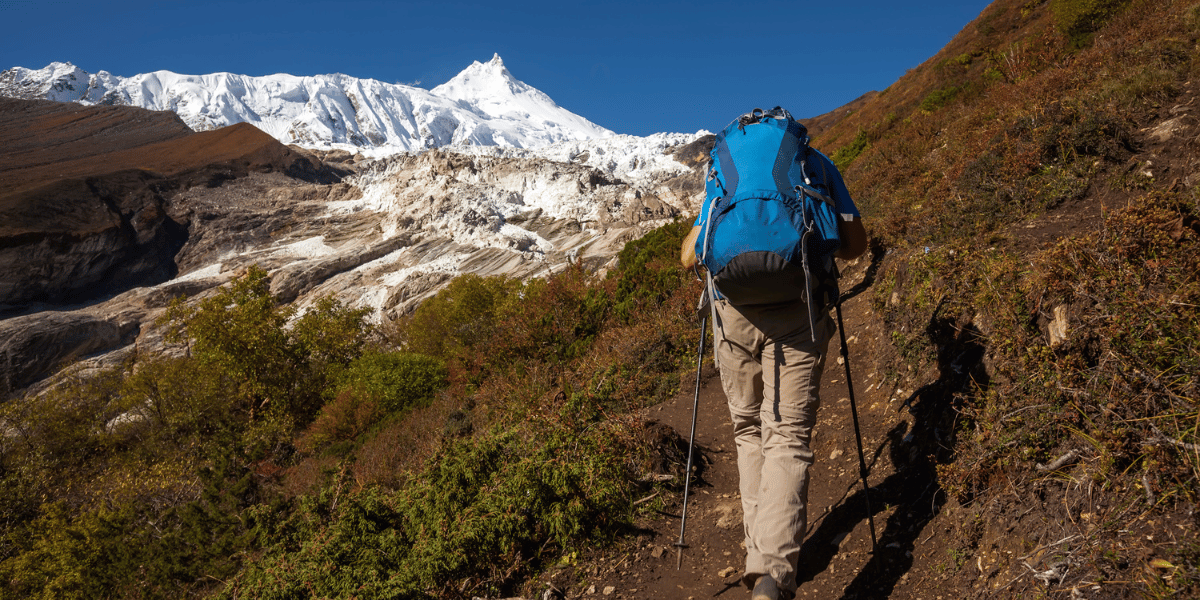
Moreover, if you are not planning to hire a porter, you have to carry your backpack weighing 10 to 12 kg (on average). This clearly means you should have good leg strength, proper back support, and strong stamina!
Well, if you regularly work out, that is already great! But even if you do not exercise regularly, do not worry. There's still enough time. And yes, you can start from today!
Let me share with you some handy tips that has always helped me before treks:
- First, focus on your cardiovascular endurance. Start running or walking uphill (one hour per day should be enough). Some other options you can opt for include cycling, swimming, or aerobics.
- Second, focus on training your muscle strength. My favourite exercises for this are squats, lunges, and planks are excellent. It is even better if you can do deadlifts and weight lifting.
- Schedule weekly hikes or try a short trek first. Try to imitate what you will do on the Manaslu Circuit Trek. Hike for 7 to 8 hours on gradual uphills while carrying a good load.
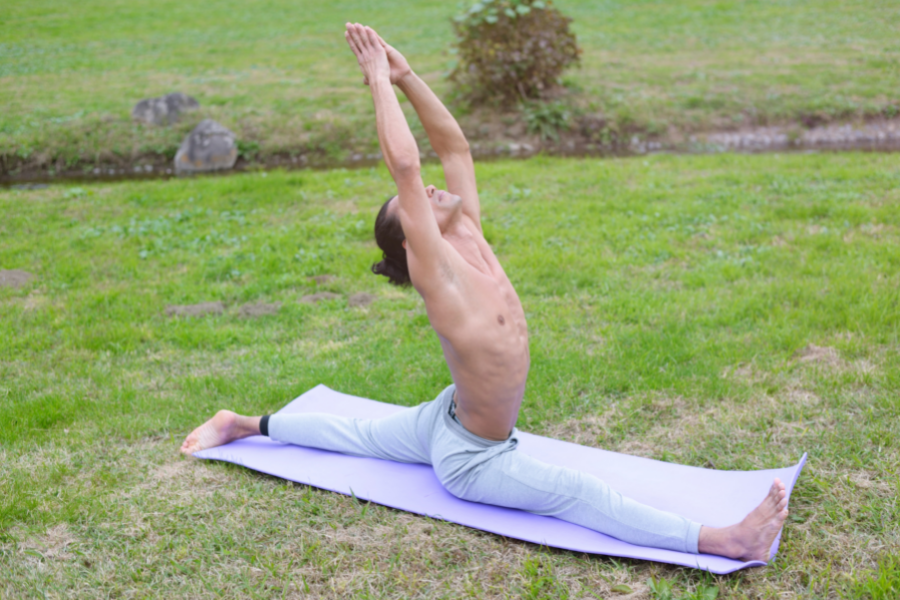
- For better flexibility, yoga is great for beginners. Focus on your hamstrings, calves, and quads to improve mobility.
Don’t Underestimate Your Diet
Good nutrition, both before and during your trek, is essential. Opt for a balanced diet that matches your physical activity by consuming a good amount of carbohydrates and proteins.

Before your trek, while training for the circuit trek, prepare a diet chart:
- Set a daily calorie target. Increase your carbohydrate intake as you need to reserve more energy. Recommended foods include oatmeal, whole grains, potatoes, legumes, and similar items.
- Consume a good amount of protein for muscle strength. Recommended foods include eggs, meats like chicken and fish, nuts, and similar items.
- Add healthy fats to your diet. These include nutrition from seeds, avocados, and ghee.
- Make a habit of drinking plenty of water. Keep yourself hydrated from today.
During your Manaslu Circuit Trek, your diet changes slightly:
- High carbohydrates become your go-to option for lunch and dinner because you need energy throughout the day. You will frequently hear “Dal Bhat Power 24 Hour”.
- Proteins are equally essential. But rely more on nuts, seeds, and protein bars rather than meat. Meat along the trails does not get enough time for proper refrigeration and can also slow your digestion.
- Hydration is very important. Drinking more than 4 litres per day is the norm.
- Rely on oxygen-rich and easy-to-digest foods like garlic soup, ginger tea, noodle soup, and similar items.
You might like reading: Best Nepalese food to try
Examine Your Health Before Booking
You might feel physically well, but underlying health issues can cause serious trouble if you are not aware of them. Remember that you are travelling to a remote and high-altitude region where proper health facilities are almost non-existent.

So, before booking your Manaslu Circuit Trek package, go for a full body check-up. Consult your physician and proceed only after they approve that the trek is safe for you. It is best to inform your tour operator beforehand if you have any of the following health conditions:
- Heart or lung conditions: Low oxygen levels can worsen your condition.
- Severe joint and knee pains: While general pains are common, persistent issues will make the trek extremely difficult, especially after crossing Larke Pass and taking on the long downhill section to Tilche.
- Pregnancy: Do not follow social media trends and risk your life or the baby’s life. While short treks might be manageable during this condition, long treks like Manaslu involve serious risks, and it's a big no!
- Type 1 or Type 2 Diabetes: Without a doubt, this Manaslu Circuit Trek can leave you physically exhausted. Also, it requires sleeping at high altitudes (including one night at 4,470 m in Dharmashala). Clearly, this can be risky as sudden routine changes can affect blood sugar levels and insulin sensitivity for people living with diabetes.
- High BMI: If your BMI is above 28, your body consumes more oxygen at high altitudes. Your respiratory efficiency is therefore greatly affected.
If your health condition is more severe or chronic, I would personally recommend not choosing Manaslu or any other high-altitude trek. These conditions include unstable angina, arrhythmias, emphysema (COPD), severe asthma, obstructive sleep apnea (OSA), and similar issues.
If your physician says “okay” but you still have medical concerns, still carry all prescribed medicines with you, choose a longer itinerary, and go slow.
Be Aware of Altitude Sickness

Many people underestimate the mountains and the importance of acclimatization. It is important to understand that our bodies are not used to the region’s barometric pressure.
Ascending too quickly means your body will not properly adapt to the thin air and lower oxygen levels of the high-altitude Manaslu region, especially beyond Namrung (2,630 m).
As a result, you may start experiencing mild symptoms like headache, insomnia, and extreme fatigue.
This is known as acute mountain sickness (AMS) or simply altitude sickness. Many trekkers make a mistake at this stage by ignoring the signs. This can lead to HACE (High Altitude Cerebral Edema).
This is the second stage of altitude sickness, where symptoms become more severe. You may feel confused, show irrational behaviour, and even experience hallucinations.
If these signs are still ignored, you may start feeling extreme breathlessness, suffer from a persistent dry cough, and your skin may turn blue or gray due to lack of oxygen. This condition is known as HAPE (High Altitude Pulmonary Edema).
Both HACE and HAPE are serious conditions that can cause swelling in the brain and fluid buildup in the lungs. To avoid medical emergencies, be sure to inform your assigned guide immediately if you notice any of these symptoms.
Here are some essential tips for altitude sickness preparation before hitting the trails:
- Choose an itinerary that includes proper acclimatization days. Our 15-day package includes one in Samagaun.
- Note the timing. If it is not mentioned in your itinerary, ask the operator beforehand. The idea is to reach the destination early and walk around to acclimatize to the surroundings.
- Get used to the “Climb High, Sleep Low” principle. For example, when you are in Dharmashala, there are vantage points nearby, some close to 5,000 m. Plan short hikes to these points, as it helps with acclimatization. Once you return to a lower elevation, your sleep improves, and the Larke Pass hike also becomes easier the next day.
- While guides usually carry necessary medicines, I suggest carrying your own as well.
- Remember that you must seek your guide’s immediate help if you show any of the early signs of AMS.
- Be mentally prepared to stop your ascent immediately if symptoms appear. Rest, drink water, and observe your condition before continuing. Otherwise, consider returning. If you have buffer days, you can try again the next day.
- Learn proper breathing techniques beforehand so you can apply them effectively on the trail.
Work on Your Mental Endurance
By now, you probably have a lot on your mind regarding the Manaslu Circuit Trek. You need to be prepared with all the above factors and also understand that strong mental endurance is equally important during the trek.
Your patience is tested from the very first day. A long 8 to 10-hour drive on a bumpy countryside road can exhaust you. This is followed by a tiring 12 to 13-day journey where you walk an average of 13 to 15 km each day (some days from 18 to 20 km too!).
Do not forget that the destination is remote with very limited facilities. Some sections have steep uphills, although most parts are gradual. These stretches tire you physically and, more importantly, mentally.
Your mental endurance is especially tested once you reach the midway point. There is a mixed feeling. The astonishing mountain range ahead fills you with awe, while the evenings can bring a sense of tiredness and even homesickness.
I have seen many trekkers quit after feeling mentally discouraged. So, it is essential that you train your mind just as you train your body for fitness.
Travel Insurance: Not Compulsory But Highly Recommended
By now, you already know that there are quite a lot of associated risks when doing the Manaslu Circuit Trek. Altitude sickness, possible injuries, limited medical access, emergency evacuation, trip cancellation due to bad weather, and so much more.
Imagine booking your trip but having to cancel due to external factors. Not everybody has a generous cancellation policy like Altitude Himalaya, and you may end up losing your money. But if you’re insured, you need to care less about these things.
Travel insurance is actually not compulsory, meaning there’s no such governmental regulation. But considering those risks related to Manaslu Circuit trekking, insuring yourself is highly recommended. Just be sure your travel insurance covers:
- High-altitude trekking (with 24/7 emergency assistance support, if applicable). Make sure it covers 5,000 m+ elevation too.
- Medical coverage, like treatment for altitude sickness, medical expenses, hospitalization, etc.
- Emergency evacuation, which in this case is only via helicopter rescue.
- Trip interruption or cancellation, possibly due to sudden weather change.
- Lost gear or baggage.
- Flight delays or cancellations.
Packing Your Gear For Manaslu: Here’s the Checklist
Trekking in Manaslu can range from 15 to 21 days, depending on the itinerary and destination. Packing varies accordingly and is also based on the season.
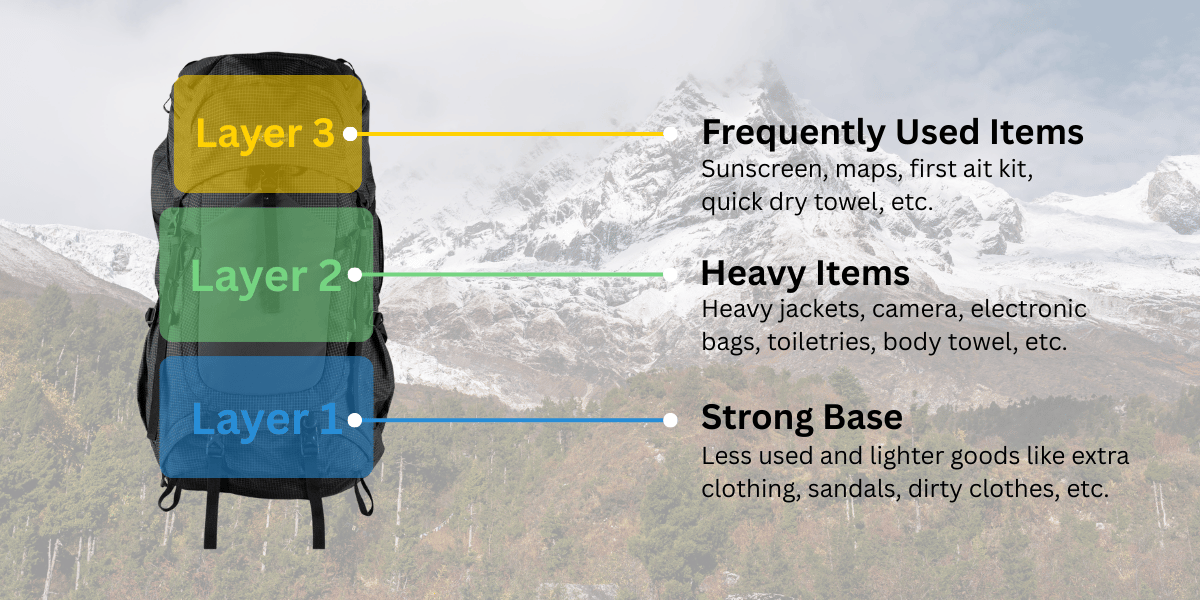
Here’s a detailed list of trekking essentials that you need to prepare for the Manaslu Circuit and other treks in the region:
- Headwear and eyewear: beanie, bandana, sunhat, mountain sunglasses, etc.
- Body wear:
- Inner Layer: undergarments, sports bra
- Base Layer: trekking shirts or moisture-wicking t-shirts
- Mid Layer: fleece/merino jacket, insulated down jacket
- Outer Layer: hard shell jacket or windbreaker
- Bottoms: shorts, trekking pants, leggings (optional)
- Sleep wear: thermals, woolen sweaters, cotton trousers
- Hand and footwear: gloves, trekking socks, sturdy hiking boots, camp shoes/flip-flops
- Trekking equipment: trekking poles (in pair), crampons, 70–80 L trekking bag (if no porter) or 30-40 L bag (if porter), daypack, rain poncho
- First aid and medicines: must-essentials (like ibuprofen, paracetamol, acetazolamide, metronidazole, painkillers, etc.), saline eye drops, knee supports, relief spray, and other personal medications (bring prescription too)
- Personal care and toiletries: personal towel, soap sheets, sunscreen, lip balm, tissues (dry + wet), hand sanitizer, deodorant, shampoo, etc.
- Gadgets and electronics: chargers, camera cases, universal travel adapter (must support 220–240V and 50 Hz), headlamp (important)
- Snacks and hydration essentials: water bottle/thermos, purification tablets/drops, electrolytes, chocolates, protein bars, instant coffee
- Besides, don’t forget to carry your travel items in a zip-lock bag.
The exact number of items varies based on the season and itinerary. Also, most packages include porters on a two-person basis. This means you can only allocate 10 to 12 kg to the porter and carry the rest with you.
All these do affect your packing style and what things to carry. For an even more detailed explanation, check out my detailed guide on Manaslu Trek packing.
Pre-Trek Setup: Welcome to Kathmandu!
Once you’ve decided to finalize your Manaslu Circuit Trek, be sure to contact the tour operator. In our case, you can reach out to us on WhatsApp directly, and we will provide you with even more details about this trekking expedition (with your comfort-based customization).
Your booking is finalized once you pay half the amount of the package cost (in most trekking agencies). Then, you can start your preparation for coming to Nepal, the land of mountains.
What You Should Know About Nepal Tourist Visa
Of course, we can’t miss out on the tourist visa. This is the most important but less of a hassle.
It’s the Department of Immigration that’s overseeing visa processes in Nepal. And an on-arrival visa is granted to maximum travellers.
However, citizens of Nigeria, Ghana, Zimbabwe, Swaziland, Cameroon, Somalia, Liberia, Ethiopia, Iraq, Palestine, Afghanistan, Syria, and refugees are required to request a Nepal Tourist Visa before arrival.
The only headache is during the peak season because of overcrowding. So, in the Spring and Autumn months, it’s better to get a visa from the Nepalese Diplomatic Missions in your country.
There’s no hard preparation required. All you need to do is fill out the arrival card at the Tribhuvan International Airport or fill out the online form here. Payment can be done as per the banking details provided (don’t forget to take the receipt!).
For a short Manaslu Circuit Trek (13 to 15 days), a 15-day visa (USD 30) should suffice. But to be really honest, it’s better to take a 30-day visa (USD 50). Because you’ll likely add buffer days as mentioned earlier.
Choosing the Best Flight
Remember, flight tickets to Nepal can get expensive in the peak seasons (Spring and Autumn). So, once your Manaslu trip is finalized, be sure to book your tickets at the earliest possible date.
Be sure to compare prices among different flights and schedules, too. Popular ones that land in Tribhuvan International Airport (TIA) include Nepal Airlines, Qatar Airways, Turkish Airlines, Emirates, Singapore Airlines, and Air India.
While not a compulsion, see if it’s possible to arrive in Nepali time before 4 or 5 PM. This way, you get proper rest and also a chance to explore the streets of Thamel, Kathmandu.
At Altitude Himalaya, we usually do the briefing at around 6 PM, which gives you a clear idea about your upcoming journey.
Airport Arrival Tips
Once you land in TIA, Kathmandu, the immigration clearance and baggage claim can take about an hour (or sometimes more). As mentioned earlier, you can get your visa on arrival (or show your passport) before proceeding to the exit lane.
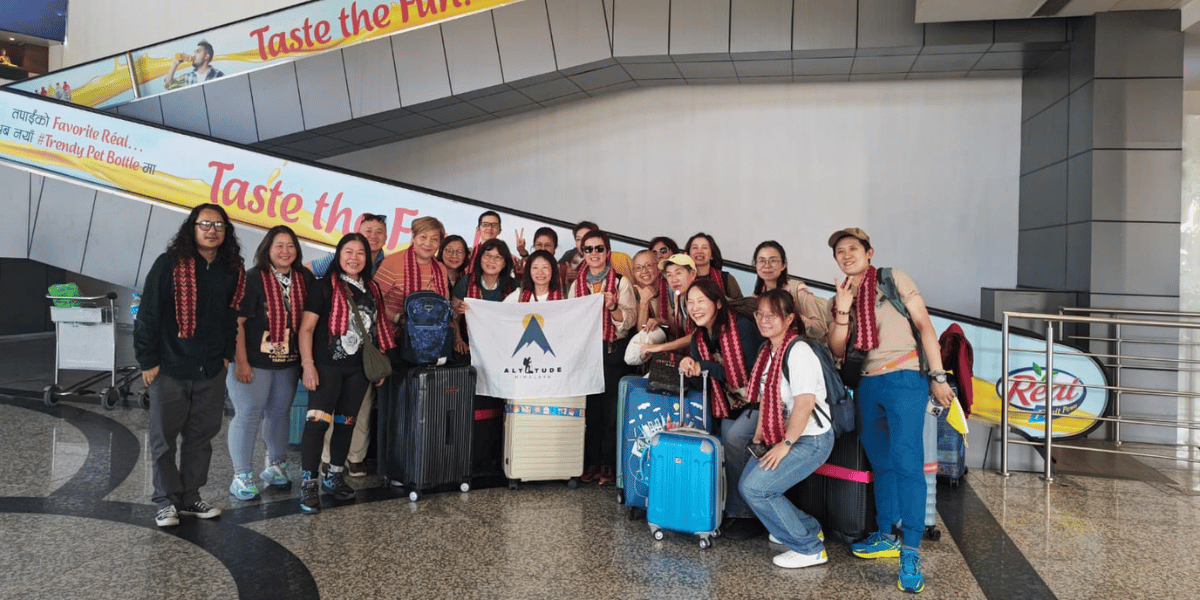
Usually, tour operators welcome you with flower garlands, a traditional silk/polyester scarf (called a 'khada') or bouquets. Be sure to greet them back with 'Namaste' and 'Dhanyabad' (thanks).
There are stalls to purchase SIM cards and exchange currency. You can do that next, or let your tour operator handle it from here on.
Go Sightseeing in Kathmandu
Don’t rush to do the Manaslu Circuit Trek. It’s best that you give yourself a day off to adapt to this culturally rich environment of Nepal.
Since you’re in Kathmandu, it definitely calls for exploring the capital city. Visiting UNESCO World Heritage Sites is one thing I highly recommend, as Kathmandu city is home to four monumental zones.
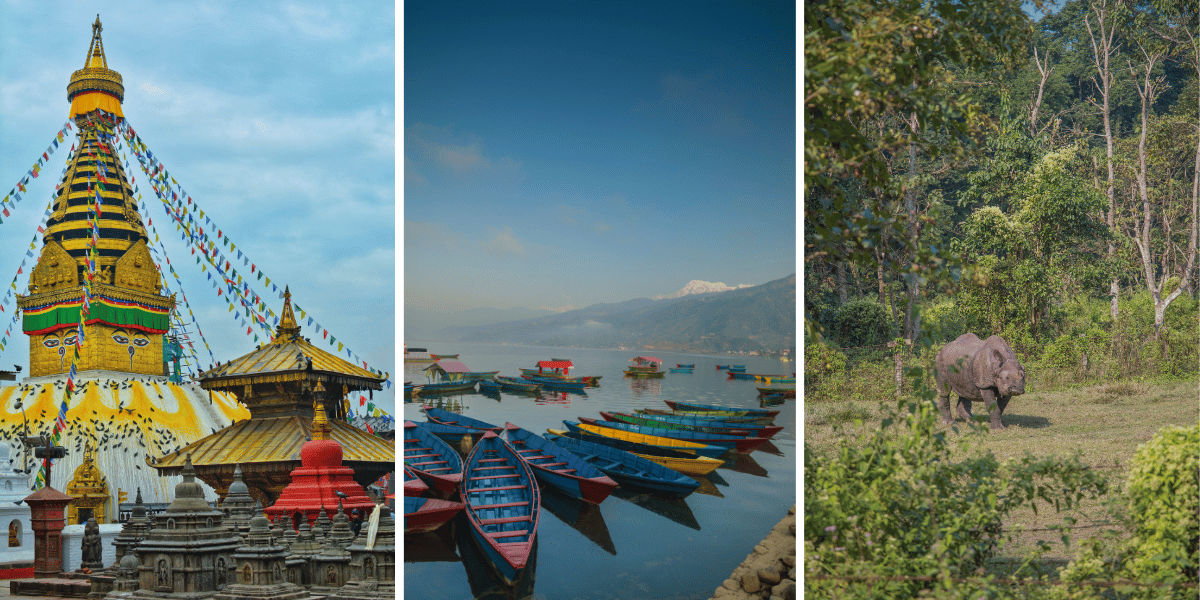
You can start with a morning visit to Kathmandu Durbar Square to meet Kumari, the living goddess of Nepal. Then move towards Swayambhunath Stupa for views of the valley, followed by Pashupatinath Temple to observe Hindu rituals, before enjoying an evening kora walk on Boudhanath Stupa premises.
At Altitude Himalaya, we usually include Kathmandu sightseeing in every one of our packages because we don’t want you to miss the major cultural highlight of this country.
Last Minute Preparation Tips
Your Manaslu Circuit Trek is very close now. It’s time to pack your trekking bag, separate items into the duffel bag (to give to porters), and check if you’re not missing out on anything.
You can recheck the packing list included above. Save it somewhere on your device. Your stay is usually in Thamel, which is the best market to shop for anything you might be missing.
Assessing the situation, we often include a sleeping bag and provide you with a trek map too. So, you don’t have to worry about it. But in case you plan to book with another operator, request them or rent such items.
But if you ask me, I would rather suggest buying a good-quality product over renting any trekking equipment in Kathmandu. The price range is pretty similar.
Apart from that, keep your devices fully charged, be mentally prepared with the itinerary, brainstorm your video ideas, communicate with the guide beforehand, and double-check your documents. Usually, guides carry your permits, so it isn’t a major issue to deal with.
Understanding the Route of Manaslu Circuit Trek
Remember what I said earlier regarding mental preparation? You’ll learn more about this after going through the Manaslu Circuit Trek route.
Reaching Starting Point: No Flight Only Vehicle
Let’s begin with reaching the trek start point, which varies based on the season.
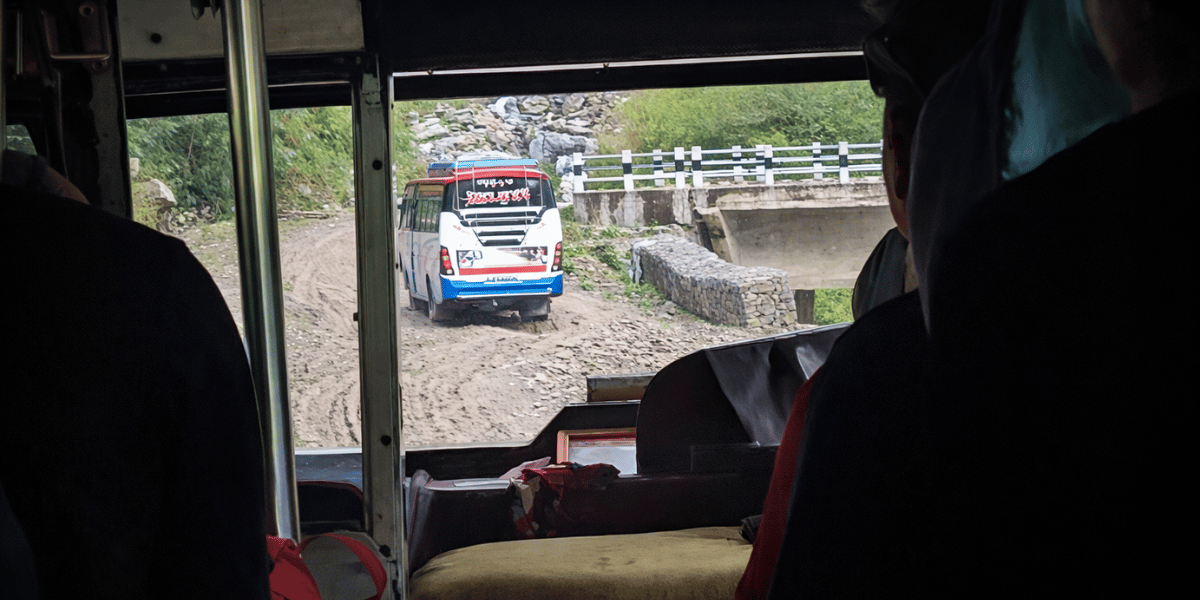
The thing is, your bus or private vehicle only reaches up to Soti Khola during monsoon and post-monsoon times. And to reach Machhikhola (aka Machha Khola), you’ll have to change the vehicle.
Depending on the road condition, the vehicles may reach the starting point of Jagat/Philim or simply Machhakhola/Tatopani. It’s best that you stay overnight in Machhakhola the first day as the distance from the capital up to here is approximately 160 km.
Such a long drive on a bumpy road just adds to the exhaustion. And if you’re thinking about domestic flights, they don’t exist here. For the Manaslu Circuit and treks in this region, you have to rely on a full-day drive (extending to a second day).
Weather and Route Challenges
No matter the season, the weather in the Manaslu region remains unpredictable. This is especially true in the Upper Nubri Valley, which can experience snow at any time of the year.
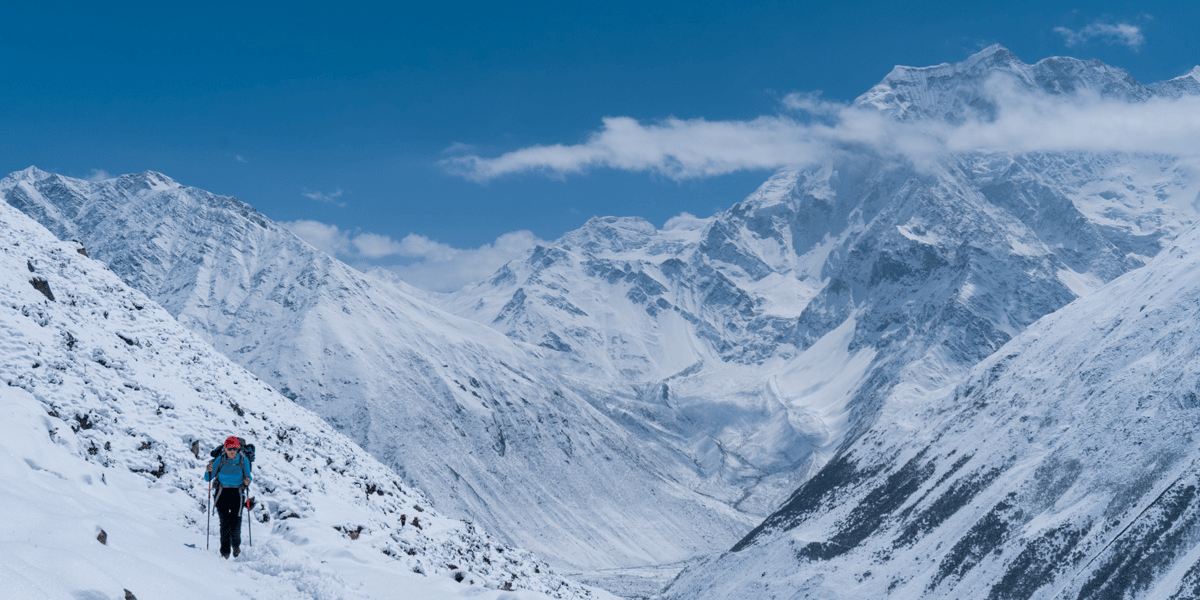
The clearest days are during Spring and Autumn, but the chances of snow in those high altitude regions still remain. And due to seasonal shifts (creep), trekkers are facing random precipitations at times even when it’s less expected.
Typical Route: Machhakhola > Jagat > Dyang (Deng) > Gap > Namrung > Lhi > Lho > Shyala > Pungen Gumba > Samagaun > Birendra Lake > Manaslu Base Camp > Samagaun > Samdo > Dharmashala > Larke Pass > High Camp > Bhimthang > Tilche
Talking about the Manaslu route, here’s what you need to be mentally prepared for:
- If you start your hike from Machha Khola, you need an extra day just to reach Jagat, the starting point of the Manaslu Conservation Area. Highlights include Tatopani Hot Springs, numerous waterfalls, and a cantilever bridge in Yaru Khola.
- The lower sections of Manaslu (up to Gap) are prone to landslides in monsoon and post-monsoon time. So, be wary and cross these zones as fast as possible!
- Prok Village (where Kaal Lake is located) route diverges from Bihi and that of Sherang Gumba from Gapshya. These take extra days, so be sure to plan them ahead (like mentioned earlier).
- Many prefer to stop at Gap (same in our itinerary), considering the major uphill to Namrung. This part of the trail is where you’ll find local apples.
- You get the first proper glimpse of Mt. Manaslu from Lho. This is where many stop for the night, but you can also stay in Lhi (home to Buddha Temple).
- The Manaslu route is full of monasteries, with each major destination home to a major gumba. Ones not to miss include Ribung Gompa (in Lho), Shyala Monastery, Pema Choeling Monastery (in Samagaun), etc.
- Don’t miss Pungen Gumba (6 km from Shyala) and Birendra Lake (3 km from Sama). Manaslu Base Camp is optional but highly recommended but the route can be a little risky considering sudden weather changes that bring icy/snowy terrain.
- The highest altitude you’ll sleep at is Dharmashala (4,470 m) and you need to wake up before dawn (3 to 4 AM) to start your Larke Pass hike. Depending on the season, the route can be snowy (so wear crampons!).
- The real challenge is the downhill up to High Camp, which majorly involves icy, rocky, and rugged terrain.
- You can choose to stop your trek at Tilche or Dharapani, depending on the conditions.
For Tsum Valley: The route diverges from Gampul and the major attractions are Mu Gompa and Rachen Gompa. If you want to include both Nubri and Tsum Valleys on a single trip, visit here first before proceeding on to the high-altitude Larkya La.
Accommodation Conditions
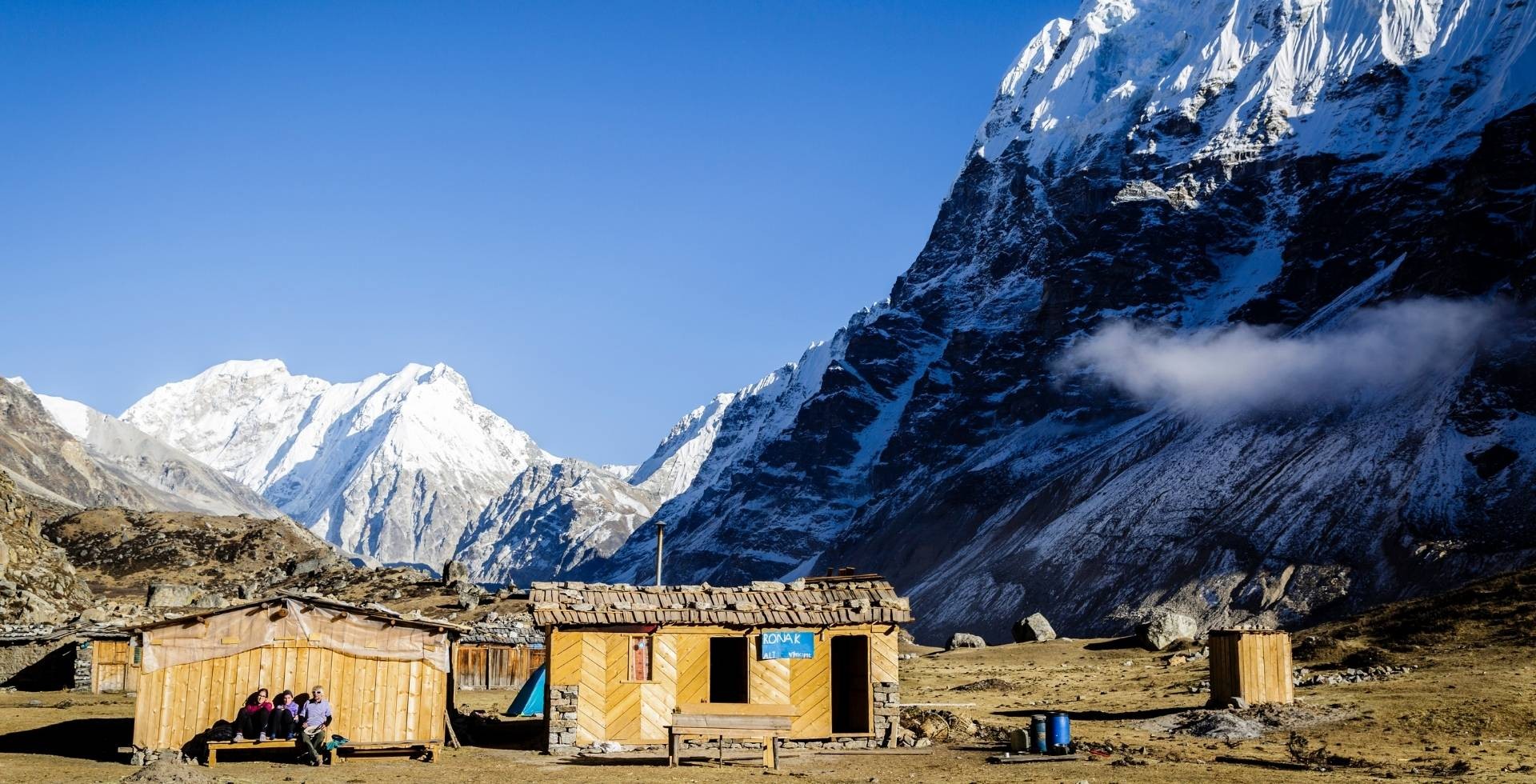
Since you’re visiting a remote, secluded destination in Nepal, do not expect the best services everywhere. While the mountain lodges and teahouses are slowly improving and increasing along the trail, the amenities are still basic.
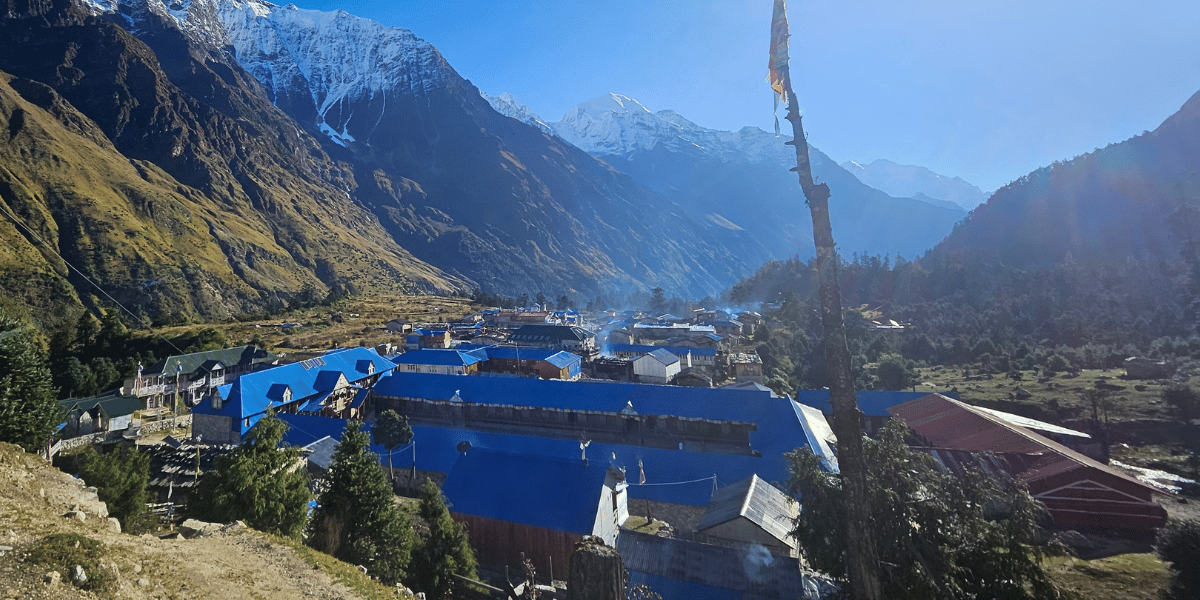
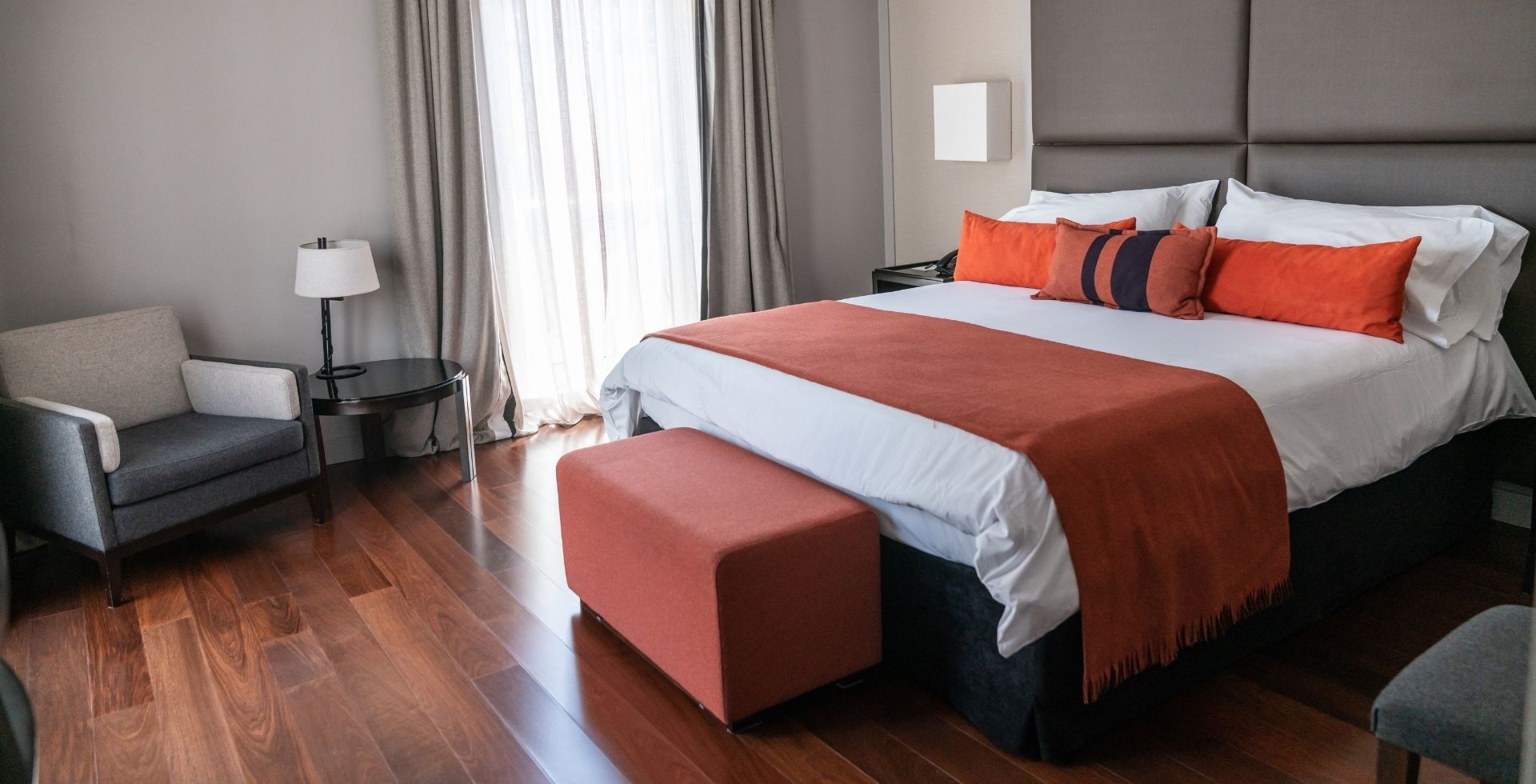
Accommodations in Manaslu region are usually on a twin room sharing basis with mainly squat-style toilets, hot showers up to Samagaun, warm dining areas with fireplaces up to Samdo, and availability of both local and western food.
Thanks to microhydro in major locations, electricity is available up to Samdo, with proper charging facilities available. Just be sure to bring a universal travel adapter that supports Nepal’s standard voltage of 230V, 50 Hz.
Still, carrying a power bank will help you charge your devices on the trail and on the final day at Dharmashala.
The only major issue you’re going to face on the Manaslu Circuit Trek is the final night in Dharmashala. Here, depending on the crowds, you might have to adjust in a tent, and a sleeping bag might be necessary.
Mobile network and data can be spotty, with only an NTC SIM card being reliable. But do not over-rely on it, especially when the weather is bad.
Health Care [Be Prepared!]
I’ve already explained in detail about altitude sickness earlier. But what about injuries or other health-related issues?
Well, there are no major health centers on the Manaslu trail. Only basic health care facilities can be expected in the major destinations of Philim, Prok, Namrung, Lhi, Lho, and Samagaun.
In case you’re injured or suffer from sickness, the first help comes from the locals. Porters here are generous enough to carry you on their backs and take you to the nearest basic health care option.
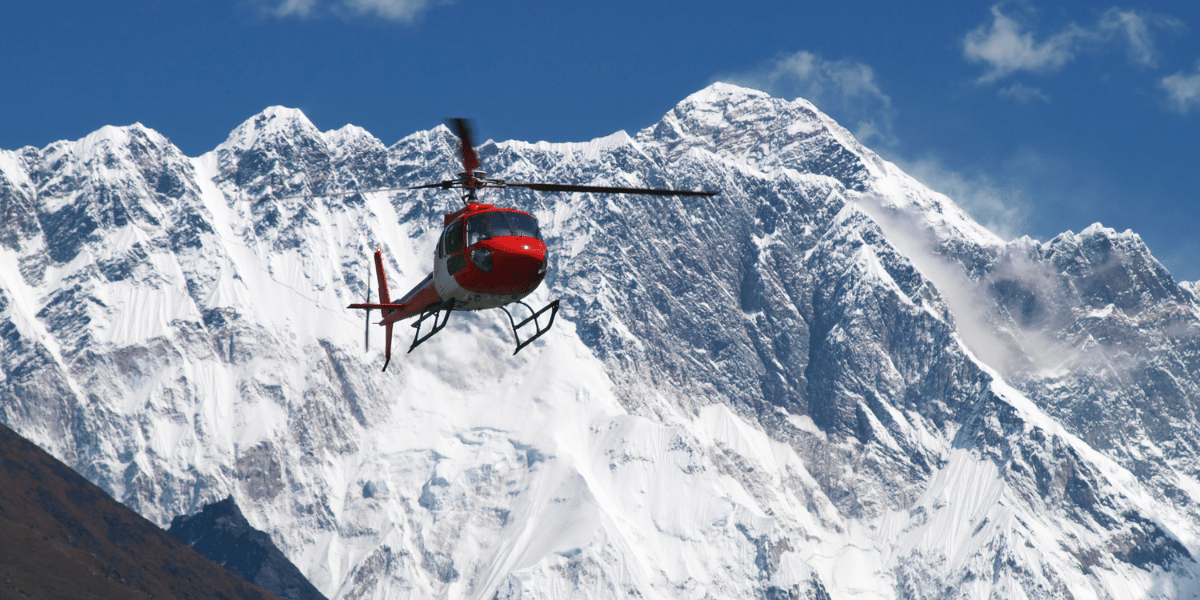
If your case is severe, the only option is a helicopter rescue. So, you have to be extremely careful when trekking in the Manaslu region. That’s why I’ve emphasized getting travel insurance throughout this blog.
Cultural Awareness and Responsible Trekking
Nepal is a country with a rich and diverse culture. No matter where you go, you’ll meet indigenous communities with a unique way of life, language, and traditions.
When it comes to the Manaslu region, it’s home to the Nubripa and Chumba/Tsumba communities, who are newly registered ethnic groups as per the 2021 census.
So, when you’re visiting here, be sure you’re not causing harm to their culture and customs in any way.
Understand People and Their Culture
The Manaslu Circuit Trek starts from the Chumnubri Rural Municipality, Gorkha, and ends in Nason Rural Municipality, Manang. You’ll meet a wide range of ethnic groups, mainly Gurung, Magar, Tamang, and Bhotia communities, when traversing from one region to another.
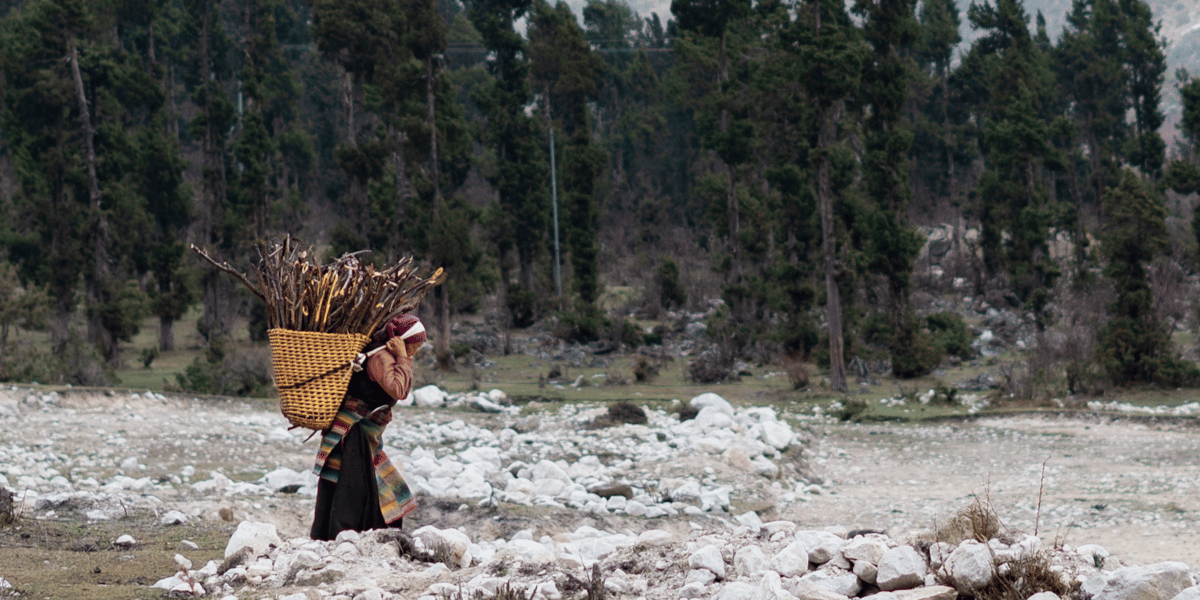
While Hindus are in the minority, most Manaslu people are of Tibetan Buddhist descent. The region from Kutang to Nubri is considered the lotus feet of Mt. Manaslu, and the community has strong Beyul Kyimalung beliefs.
Whether it be passing by the mani walls or visiting sacred monasteries, you have to be wary of their culture. Stepping in without permission, wearing your boots, or even stepping on any sacred objects is considered disrespectful.
From water sources to mountains, people in Manaslu consider them protector deities (Lha, Lhu, and Shipda). Even animals like snow leopards (that you might encounter) are considered protector deities.
The way their family life runs is very different from the western world. People in Manaslu are very hospitable and friendly to you. Don’t hesitate to wave your hi and bye along the route.
Social Behaviour and Cultural Etiquette
I gave you a basic glimpse of the life of the people in the Manaslu region. Beyond that, here are some essential tips related to social behaviour and cultural etiquette:
- Be wary of your dress code. Wear full-sleeve clothes that cover your shoulders and knees.
- When you encounter gompas and chortens, take a clockwise direction out of respect. The same applies when you’re spinning prayer wheels in different landmarks like Bihi, Bhanjam, Samagaun, Samdo, etc.
- Seek permission before photographing people. They won’t say no, but it’s always best to ask.
- Photography and videography in monasteries may cost you separate fees. For filming, documentation, and flying drones, you need separate permits too.
- Don’t interrupt monks during their prayers.
- Be patient inside the teahouse, especially when it’s overcrowded. There aren’t many staff members, so handling everything can be hectic. Get assistance from your own guide instead.
- Avoid public displays of affection, especially when locals are near. They find it uncomfortable and religiously disrespectful.
Responsible and Sustainable Tourism
At Altitude Himalaya, we are fully committed to responsible and sustainable tourism, whether it be along the Manaslu trails or any other tourism destination across the country. And we also make sure our dear guests stand by us.
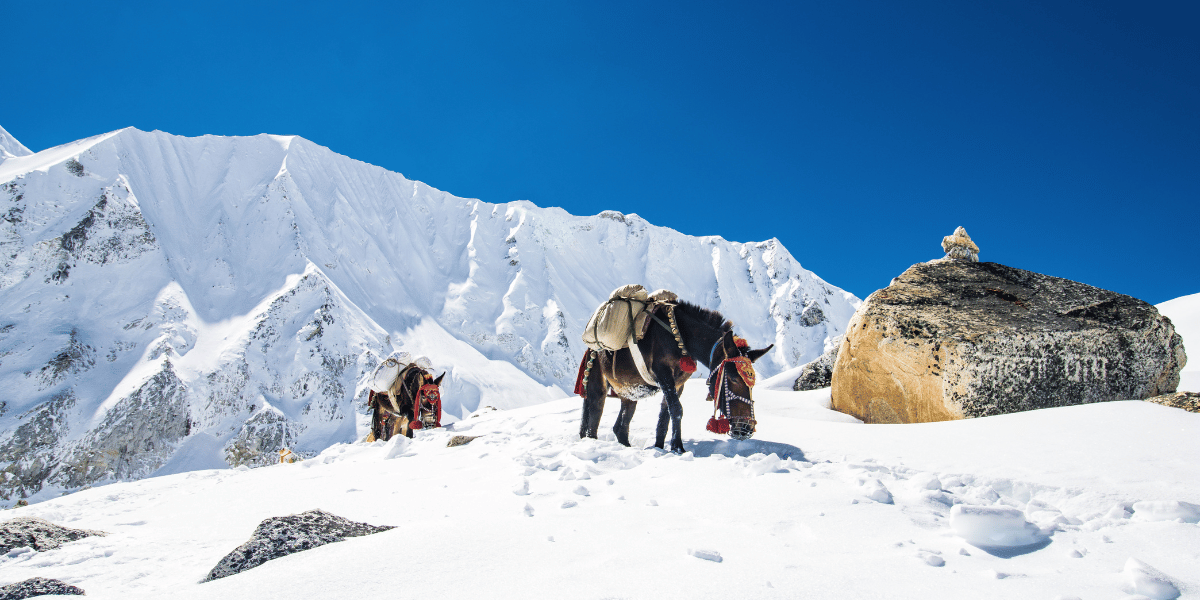
Here are a few tips to help you support responsible and sustainable tourism:
- Only rely on environmentally friendly products. These include minimizing plastics, using biodegradable toiletries, and bringing back waste (or throwing it in dustbins provided by lodges).
- Note that many parts of the Nubri Valley (and also Tsum Valley) are non-violent zones. While meat might be available for commercial use, I still recommend avoiding it out of respect for their culture.
- Support the local community by buying snacks and hand-knitted clothes (like gloves), hiring local porters, and choosing to stay in lodges run by locals.
Post-Trek Activities: Beyond Manaslu
After your Manaslu Circuit Trek concludes in Tilche of the Annapurna region, most packages include a drive to Kathmandu directly and departure the next day.
But Nepal is more than just Manaslu, and I highly recommend arranging some additional side trips across the country. That is, if your time and visa allow.
Here are some ideas:
Remember: Our team at Altitude Himalaya is always here to welcome you for any sort of short or long trips.
Final Thoughts
Phew… that was a long preparation list for your Manaslu Circuit Trek. But if you have read up until here, I’m sure you’re now all prepared for this long and demanding journey.
Don’t lose hope. Even if you’re a beginner, with the right preparation, the Manaslu Circuit Trek is definitely doable. And if you book this trip with us, we even help you with pre-trip preparation to post-trek activities.
But be sure that you’re mentally prepared before even booking your flights to Nepal. Understand the destinations in Manaslu, get insured, and examine your health to ensure you’re all good.
Lastly, don’t forget to check each of our blogs listed under Altitude Chronicles for further information. And if there is still confusion, don’t hesitate to reach out to us. Happy travelling!


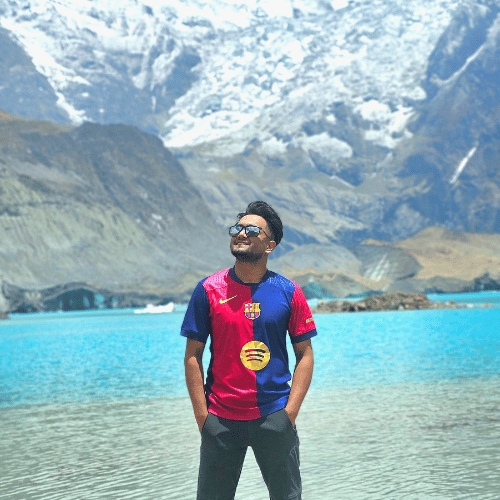 Bhishu Acharya