Manaslu Circuit Trek covers approximately 160 to 180 km and lasts around 10 to 13 days. This means it’s a challenging trek guaranteed to exhaust you. And what adds to the burden is a heavy backpack to carry for that long!
You are likely thinking about whether to carry technical equipment and a robust sleeping bag or simply stick with trekking poles and general winter clothes. Well, I will answer all your doubts in this detailed Manaslu Trek Packing List guide!
In fact, we will deep dive together into every single item that you should carry based on season, availability of porters (and whether to hire them), along with essential packing tips to make your trek more comfortable.
Sure, reading this article thoroughly will give you a basic idea of packing for your Manaslu trip. But what would be better is to bookmark this guide so you can come back later when preparing for your Manaslu trek to ensure you are not missing out on anything!
Manaslu Circuit Packing List Categorized
For the 10 to 13 days of trekking in the Manaslu region, you need to carry quite a lot of stuff. From clothing and personal items to medicines and trekking equipment, it can feel overwhelming to pack them all.
Without a doubt, your bag is going to be a little heavy, especially when compared to other short treks. To ensure you do not miss out on a thing, here’s a complete checklist.
I’ll also be listing the items that I carried on my own Manaslu Circuit Trek in October.
Note: This same packing list can be used if you’re planning for the Tsum Valley Trek. But for the combined Manaslu and Tsum Valley, you’ll need to carry slightly more clothes.
Head and Eyewear
Let's start with the items that protect your head, neck, and eyes from the elements, because on the Manaslu trail, you will face all of them.
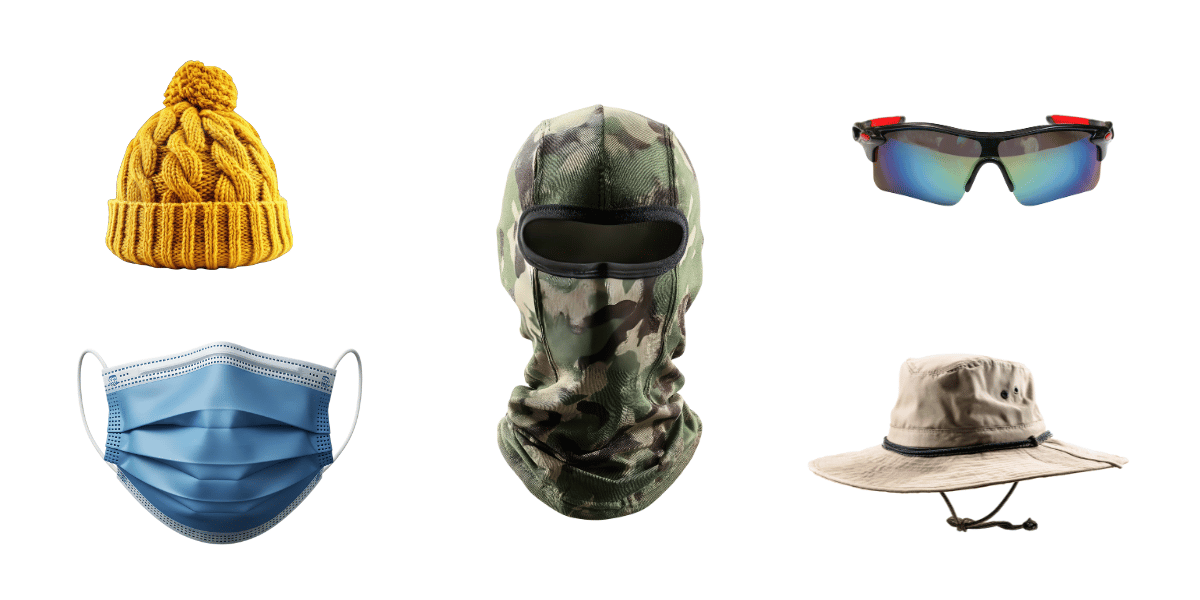
- Beanie (alpaca or fleece) / Ear-Flap Hat: Cold mornings and evenings at altitude make this non-negotiable, especially above Namrung.
- Bandana/Buff (Neck Gaiter)/Balaclava: Multi-purpose and essential. Absorbs sweat, protects your scalp and neck from cold wind, and doubles as a face covering when needed. I personally use Buff and would not swap it for anything else.
- Sunhat/Cap: Protects your face, head, and neck from the intense UV radiation at high altitude. Do not underestimate the Himalayan sun.
- Mountain Sunglasses: Reduces glare from snow, blocks intense UV radiation, and most importantly, prevents snow blindness. This is not a luxury item on this trek.
- Polarized Clips: A practical alternative for those who wear spectacles. Simply attach the clip to your regular frames. Just make sure your frames are compatible before you leave home.
- Face Mask (optional): Genuinely useful on the dusty lower sections of the Manaslu route.
What I carried: Ear-flap hat, neck gaiter, balaclava, sunhat and cap (both), polarized clip with a supporting frame.
Body Wear
Moving below your head, it’s time to pack the main clothes. I will sub-categorize them into inner, base, mid, and outer layers for easy organization:
Inner Layer
Be sure to carry multiple pairs of inner layers. I’d say carry a number equivalent to the number of days you will be spending on the Manaslu trail.
- Undergarments: Must be quick-dry as days can be sweaty.
- Sports bra (for ladies): Very breathable and sweat-wicking as well.
Base Layer
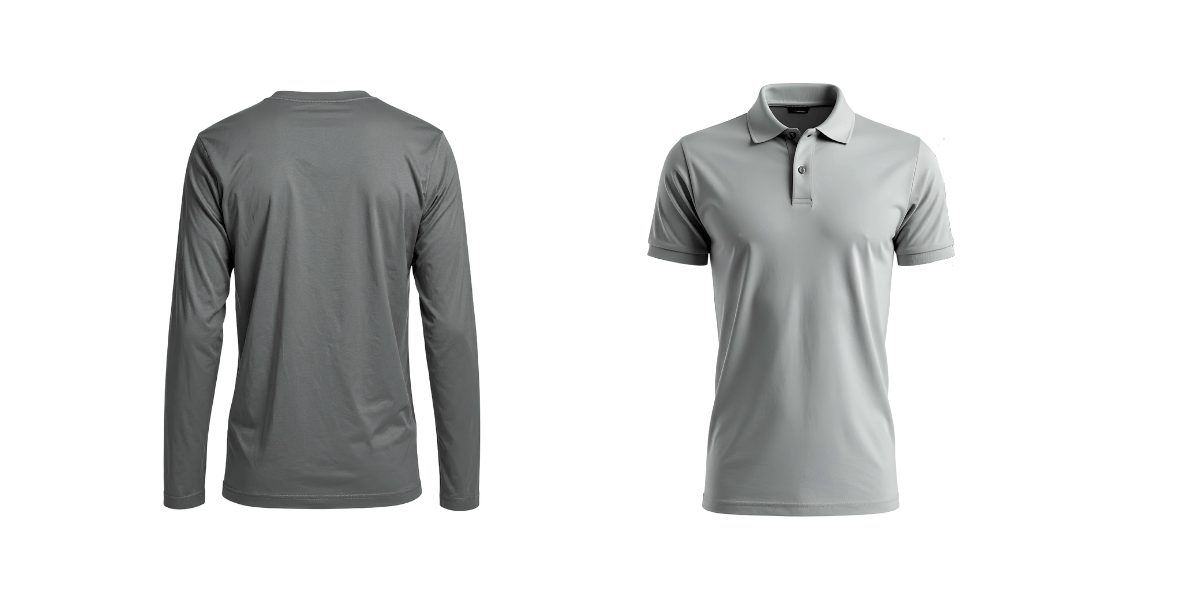
These are the clothes worn during the actual trek.
- Trekking shirts: Carry 4–5 merino wool, polyester, or nylon shirts and 1–2 cotton ones for higher altitudes beyond Samagaun.
- Moisture-wicking jerseys: If you are not purchasing dedicated trekking t-shirts, jerseys are great alternatives.
Tip: I suggest full-sleeve t-shirts to protect your hands from UV rays. In case you opt for half-sleeve t-shirts, it is best to carry compression sleeves or inner layers or apply sunscreen repeatedly.
Mid Layer
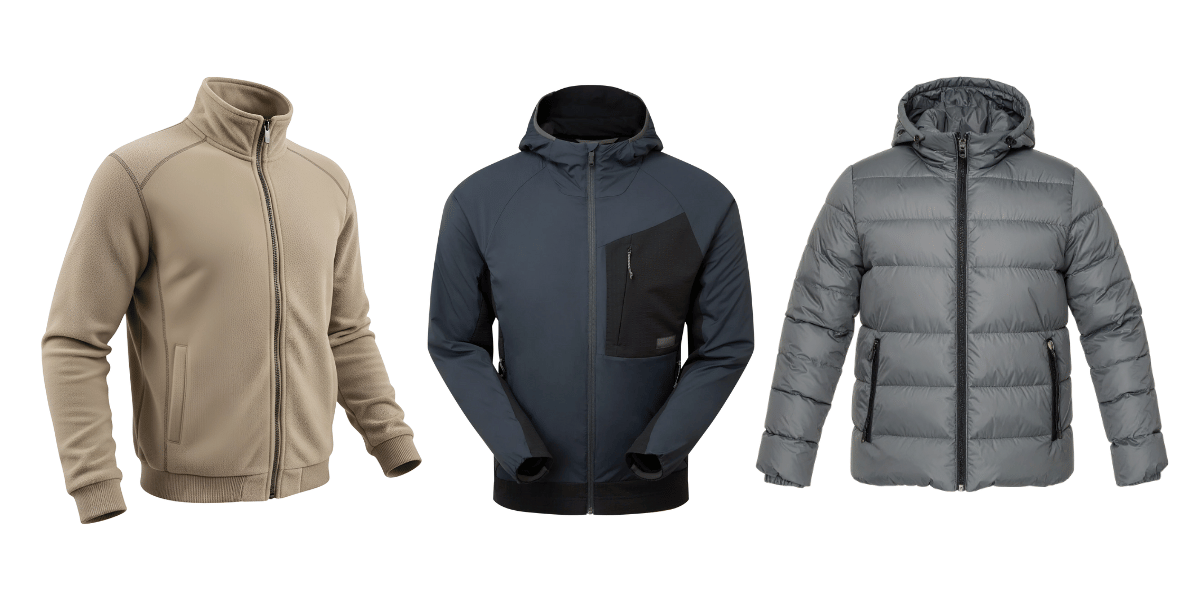
Next are the clothes that protect you from the cold. Whether it is winter or summer, the weather in the high-altitude Manaslu region remains chilly throughout the year. So, these are really essential:
- Fleece / Merino Wool / Alpaca / Softshell (×1 or 2): Based on your comfort and budget, carry any one or two of these mid-layers. Fleece and softshell are more comfortable for long treks like Manaslu.
- Insulated synthetic or down jacket (x1): Carry a synthetic jacket when conditions are damp or wet. Otherwise, a down jacket is best for cold regions like Manaslu.
Outer Layer
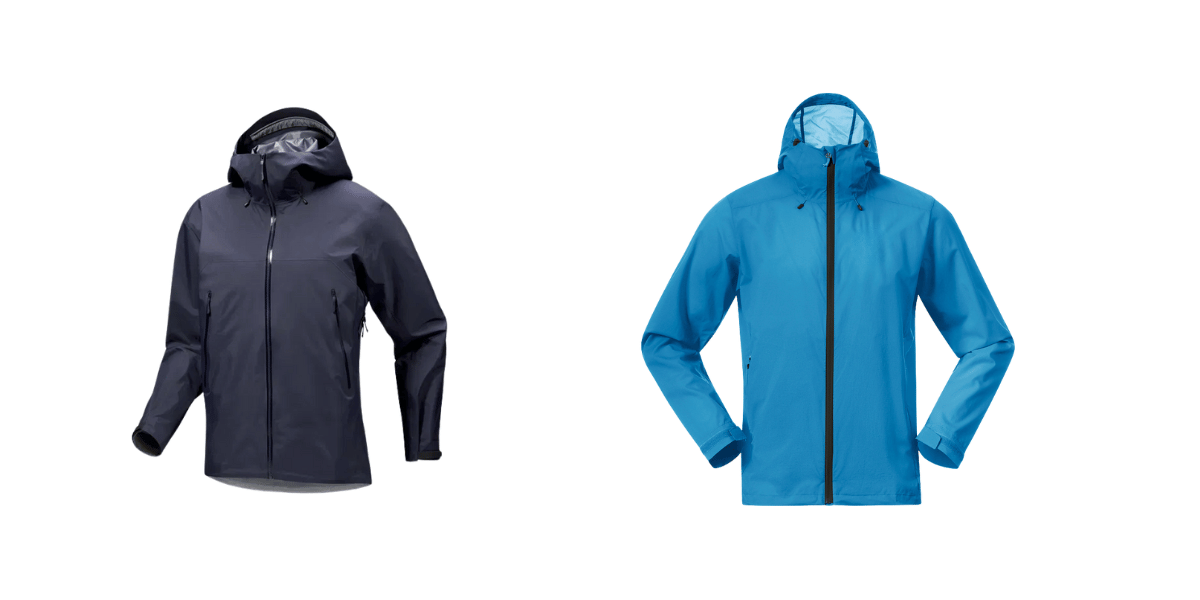
While the mid layer is enough to trap heat, the outer layer becomes more useful during harsh weather conditions. It is meant to protect you from snow, rain, sleet, and hail.
You may carry any one of the following:
- Hard shell jacket: Great for heavy rain, snow, and strong winds.
- Windbreaker: Wear this during afternoon hikes when the wind is strong on ridges, like the hike to Larke Pass and the downhill stretch up to Bhimthang.
It is best that you experiment with what suits your body while walking. Some trekkers, including me, only choose a mid-layer and opt for rain gear during harsh weather conditions.
On summer days, I usually rely on a combination of fleece and a hard shell jacket instead of carrying a synthetic down jacket.
Bottoms
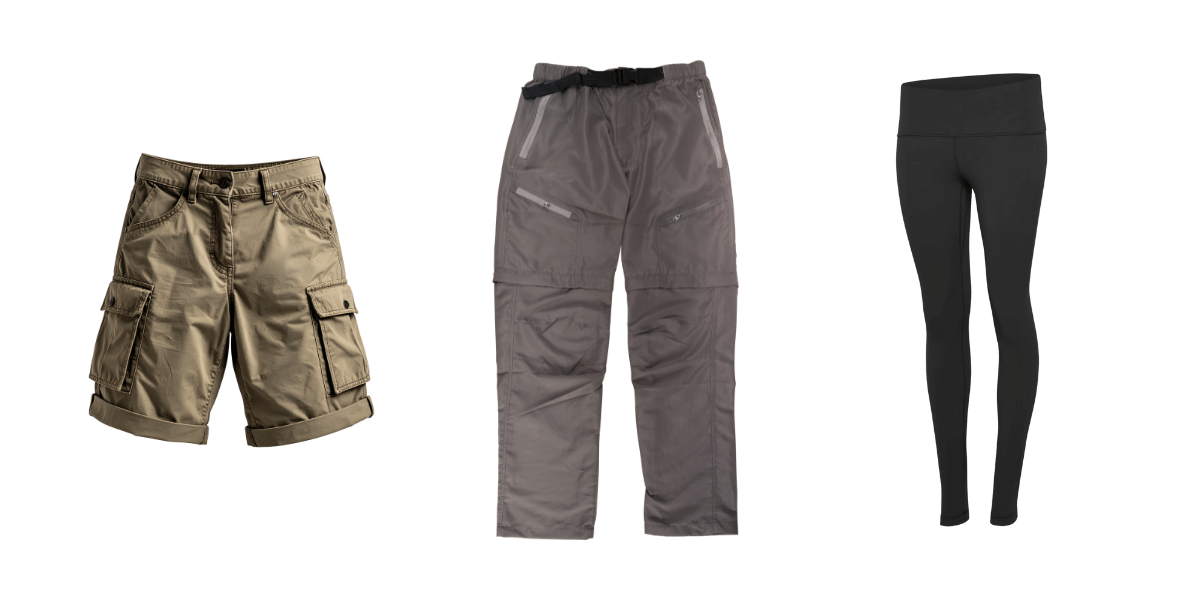
For your lower body, consider the following:
- Shorts (x2): Great for the lower parts of the Manaslu trail (up to Shyala) and for easy trail conditions. However, they are not recommended for difficult terrains.
- Trekking pants (x2 or 3): Choices include convertibles, softshells, hardshells, fleece-lined, and more. Choose depending on the season.
- Leggings (optional): Ladies can wear leggings instead of trekking pants for better mobility. Even men’s leggings are available and can be worn inside shorts.
Sleep Wear
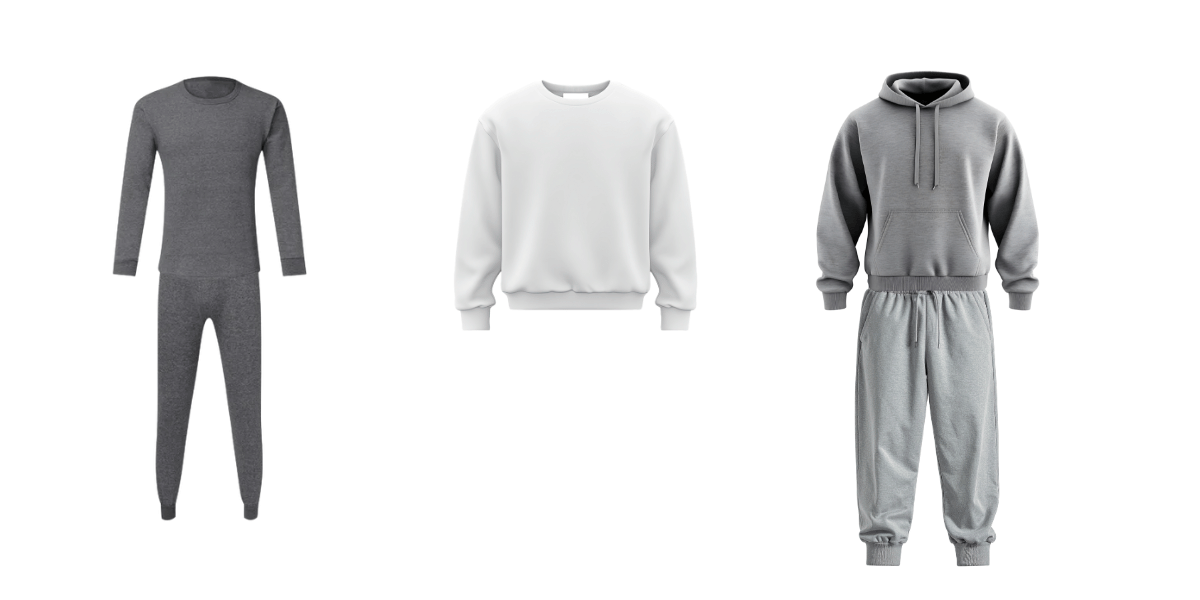
I usually carry extra clothes for the night. These are more cotton-based and provide warmth even in the coldest months.
You can pack anything comfortable for you. Just be sure they are lightweight and do not add to your or the porters’ burden. One pair is more than enough.
Here is a general idea:
- Base layer: Compression t-shirts and pants or thermals
- Mid layer: Pullovers, sweatshirts, or sweaters
- Outer layer: Hoodies or simply choose to wear the extra middle layer
- Bottom layer: Cotton trousers
To reduce weight, you can completely skip sleepwear except for thermals. Instead, carry a few extra clothes that can be used both during treks and at night.
What I carried: Undergarments, trekking shirts (×4), insulated down jacket, fleece jacket, windbreaker, shorts (×1), trekking pants (×3), thermals, sweaters (×2 for vehicle travel and night stays), cotton trousers (×1).
Hand and Foot Wear
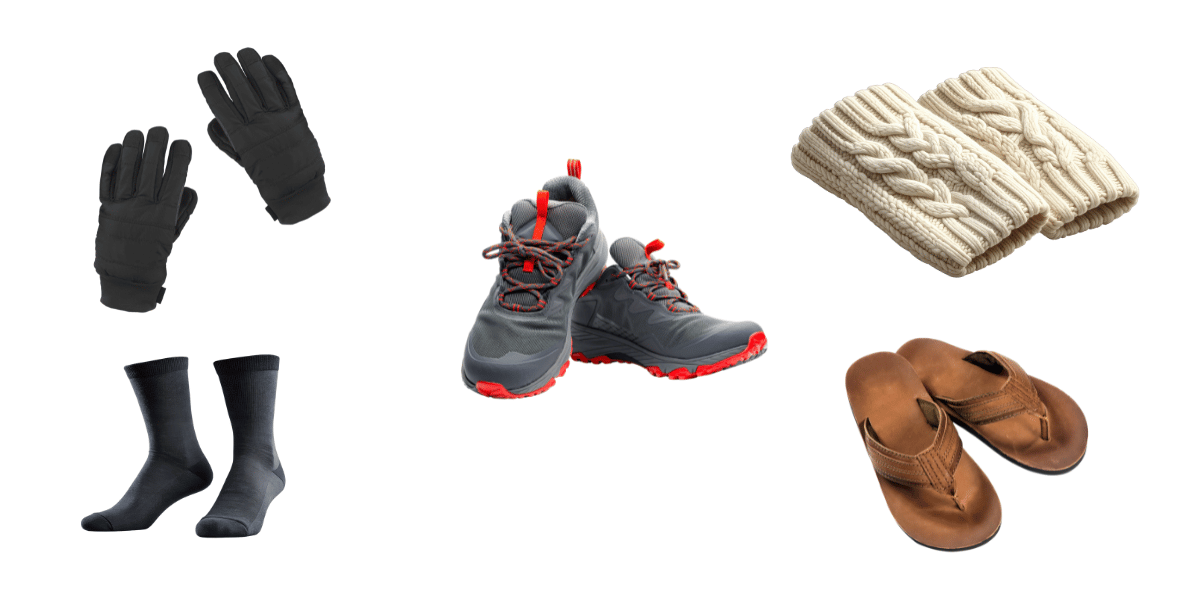
Along with your head and body, high-altitude treks like the Manaslu Circuit require you to keep your hands and feet warm. Moreover, you need good-quality boots and an extra pair of sandals during your stay.
Let me list them below.
- Gloves: Carry waterproof lightweight gloves for hikes and an additional pair of cotton hand-knitted gloves for chilly mornings and evenings.
- Trekking socks: Carry a number equivalent to your trekking days. Choose ones made of synthetic fibre or merino wool.
- Hiking boots: Sturdy, high-cut, with excellent ankle support and waterproof.
- Sandals/Flip-flops: Carry lightweight ones for night stays, as lodges in Manaslu do not provide any.
What I carried: Crochet gloves, silk liner gloves, trekking socks (x10), hiking boots, sandals for lodges.
Trekking Equipments
The Manaslu Circuit Trek does not require ice axes, harnesses, ropes, helmets, avalanche safety gear, or any other technical equipment. However, crampons or spikes are necessary during snowy conditions.
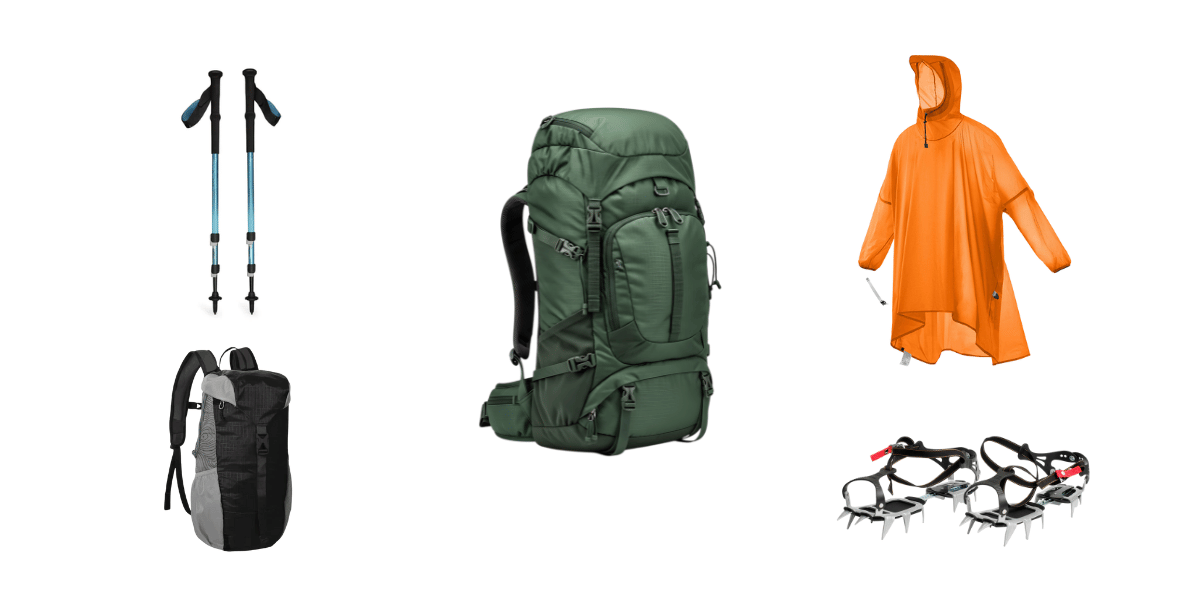
Other than that, basic trekking essentials are more than enough for your 10 to 13 days trek. Here are the ones you shouldn’t miss out on:
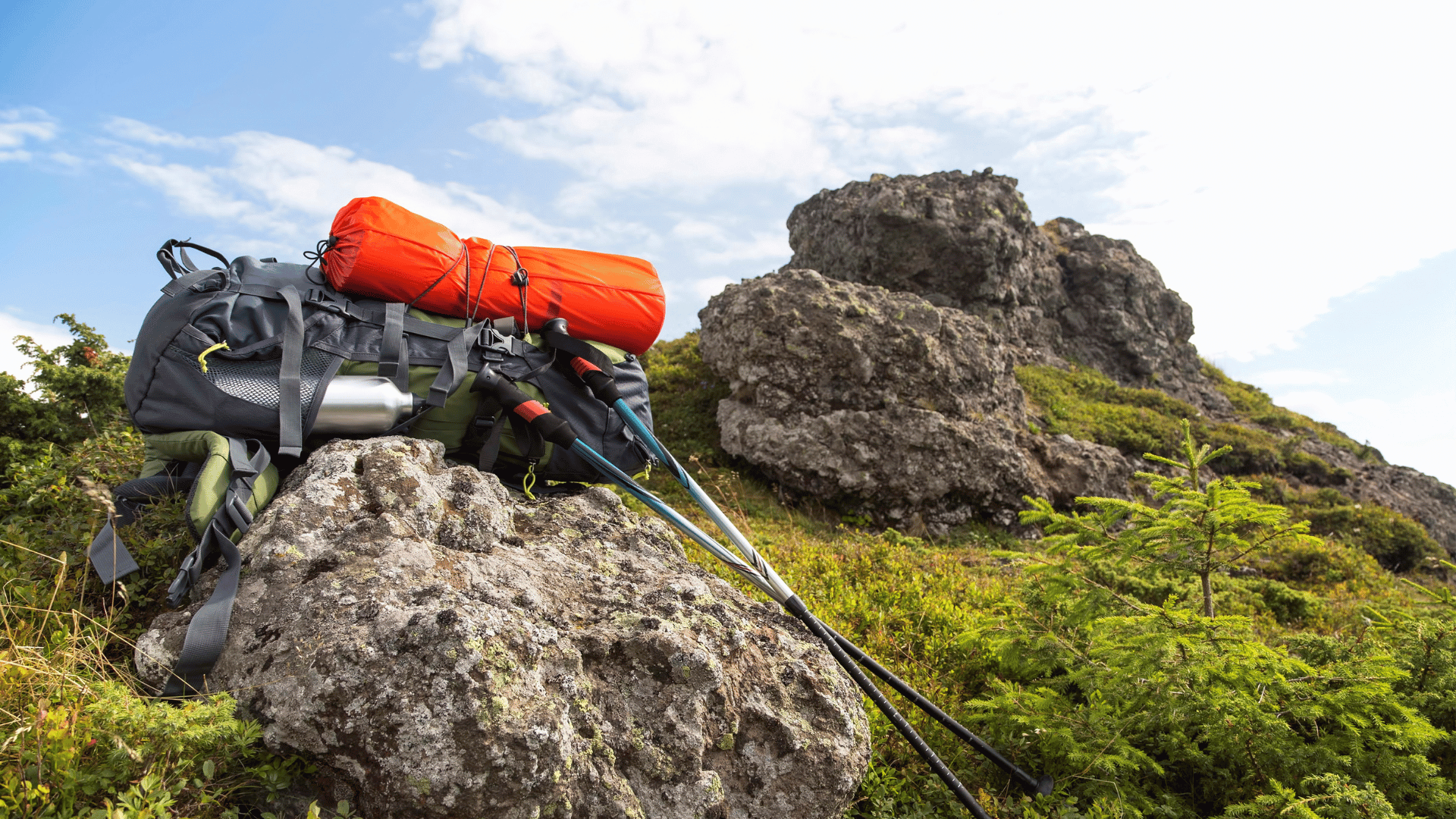
- A pair of trekking poles: Even a single stick is helpful. Choosing a pair is even better, especially during the final downhill days from the Larke Pass to Tilche.
- Crampons or spikes: Absolutely during and after snowfall in the upper parts of the Manaslu Conservation Area. Rocky terrain covered with snow becomes hard to pass, and melting snow makes it even more slippery.
- Trekking bag: If you are carrying it yourself, 70 to 80L is ideal. Those hiring porters can carry a 30 to 40L daypack.
- Daypack: A 10 to 20L daypack for acclimatization hikes to Birendra Lake and Manaslu Base Camp (or other attractions in Manaslu region) is essential for all, whether you've hired a porter or carrying your own trekking bag.
- Rain poncho/rain shells/rain suits: Must carry throughout the season considering how unpredictable weather conditions are in Manaslu.
What I carried: a single trekking pole, crampons, 60L trekking bag, cinch bag (as a daypack), and a rain poncho.
First Aid and Medicines
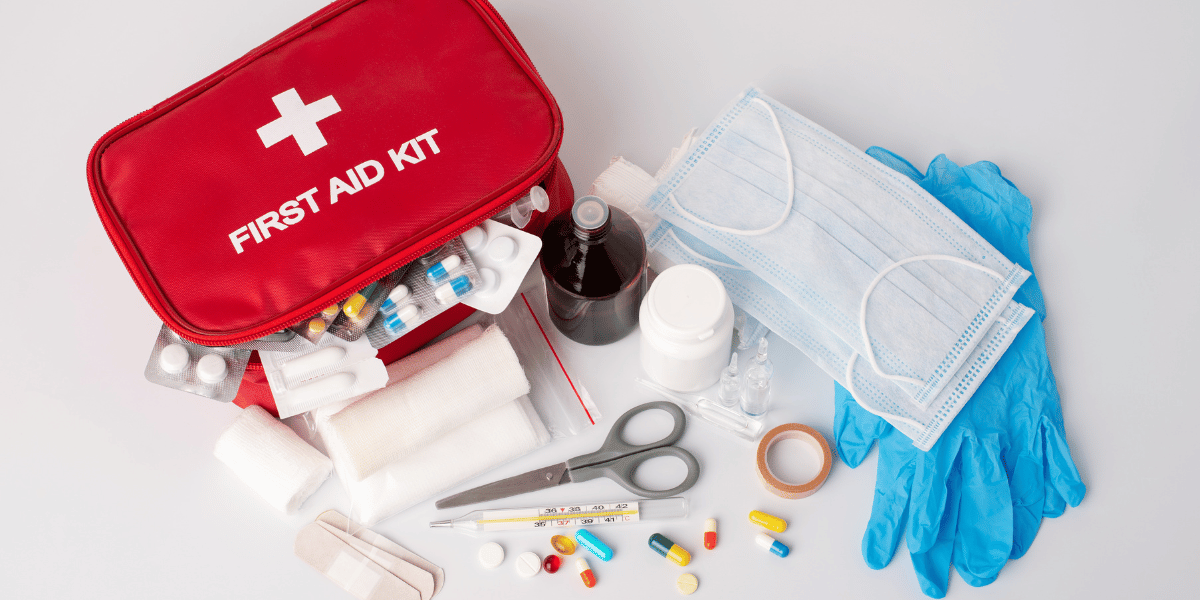
While your trek guide is usually equipped with basic first aid and medications, it is still a good idea to carry some on your own. Personally, I have made a small pouch that I call first aid, and it usually includes the following essentials.
- Must-essential meds: Ibuprofen, dextromethorphan for dry cough, guaifenesin for wet cough, paracetamol, acetazolamide (often carried by guides used as a preventive measure for altitude sickness), pantoprazole, domperidone, metronidazole, throat lozenges, and painkillers.
- Drops: Saline nasal sprays or drops and saline eye drops to reduce dryness caused by high-altitude mountain air.
- For aches aches and injuries: Pain relief spray, painkillers, knee pads or supports, and adhesive bandages. Your knees will particularly thank you for the supports after the Larke Pass descent.
- Personal medications: Based on your physician’s prescription, if any.
Caution: It is highly discouraged to do the Manaslu Circuit Trek if you are suffering from any chronic illness. It is a trek of strenuous difficulty, and physical exertion only adds to discomfort. Instead, opt for shorter treks in Nepal.
Personal Care and Toiletries
Since accommodations on the Manaslu Circuit Trek are basic and have fewer amenities, it is best that you carry most things by yourself.
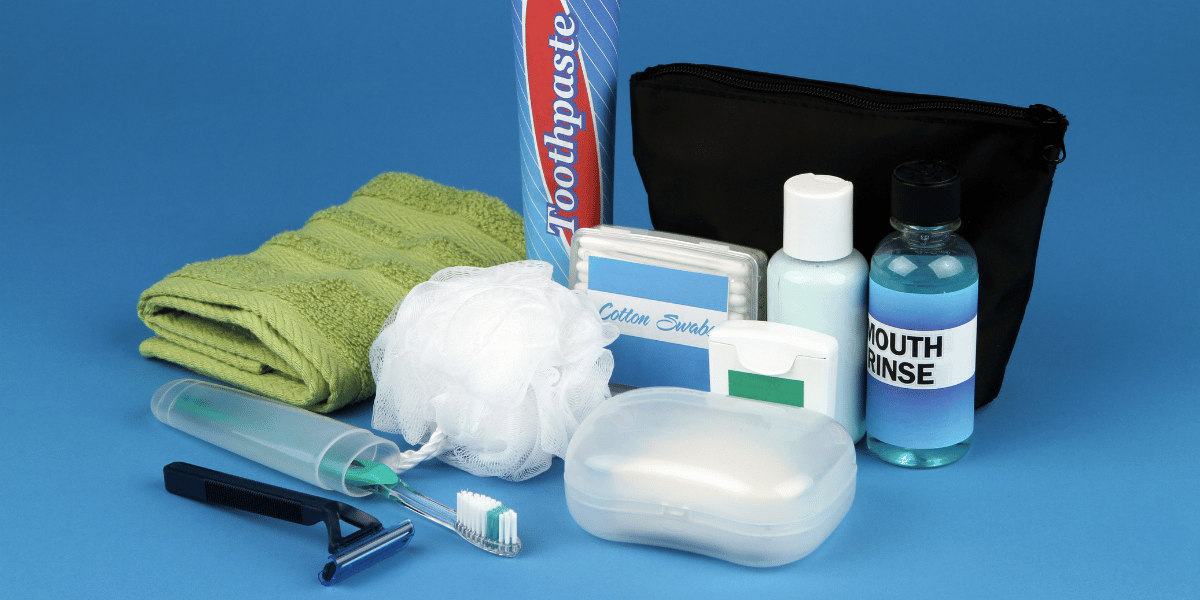
Check the list below for precise details:
- Personal towels (×1 or 2): Unavailable in most teahouses, so carry quick-dry ones.
- Soap sheets: Although soap and handwash might be available in lower and middle Manaslu, hygiene may not always be optimal. So, it is better to carry your own.
- Sunscreen and lip balm: Carry ones with SPF 50 or higher.
- Tissues and wet wipes: Absolutely required in high-altitude remote sections like Samdo and Dharmashala. Also helpful if you are not used to using water for cleaning.
- Hand sanitizer: Taps are not available throughout the trail, so carry a small bottle to keep your hands clean.
- Deodorant: Hot showers can be tough to get, so sprays help prevent bad odors.
- Shampoo and body wash: Carry small bottles if you plan to shower. Otherwise, you can clean yourself using a sponge dipped in hot water.
- Items to fight boredom: Card games, books, journals, and similar items.
What I carried: personal towel, hand sanitizer, sunscreen, petroleum jelly, wet and dry tissues, pocket deodorant, hairbrush, shampoo packets, other essential meds.
Gadgets and Electronics
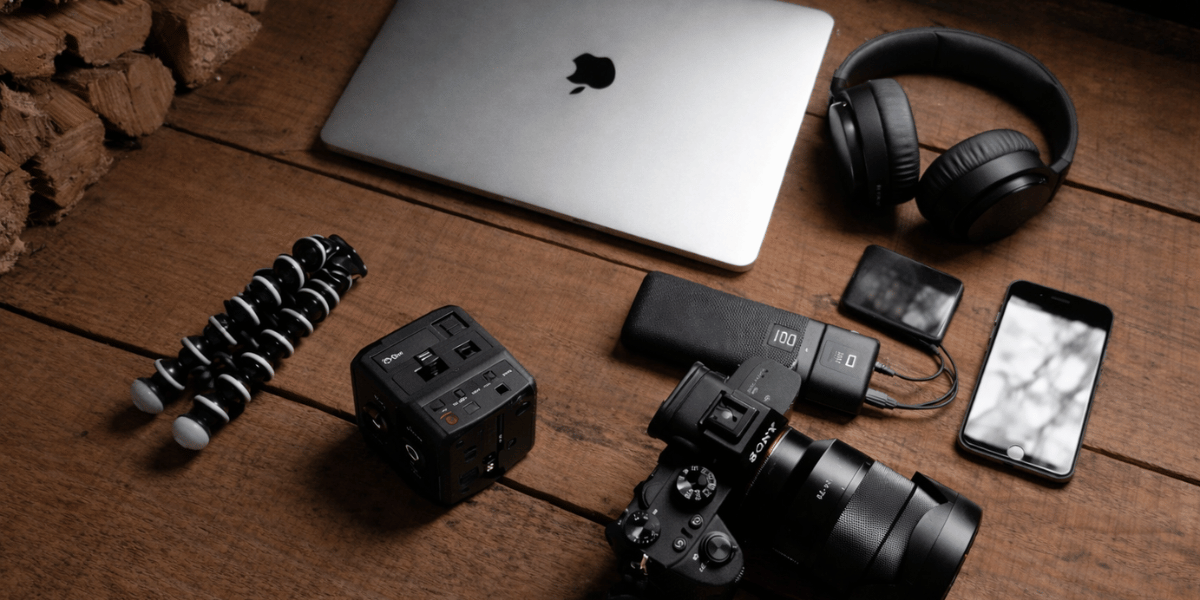
I am pretty sure you are going to carry your camera or at least a good smartphone to capture Mount Manaslu as well as the best moments of this adventure. So, be sure not to miss their respective chargers, power banks, spare batteries, and other essentials.
Here is a complete list:
- Video camera: Action cameras are fine. If you plan to fly a drone or use a professional camera, you need special permits from the Ministry of Information and Communication. Do not forget to carry protective cases.
- Power bank: 20,000 mAh or above is recommended.
- Universal travel adapter: Must support Nepal’s local voltage, which is 220 to 240 Volts and 50 Hz.
- Earphones/headphones: Great when travelling in vehicles. Avoid using speakers on the trail.
- Headlamp with spare batteries: Useful at night in teahouses and absolutely necessary for your early morning hike to Larke Pass. Missing this means relying on your phone torch, which drains battery faster in cold temperatures.
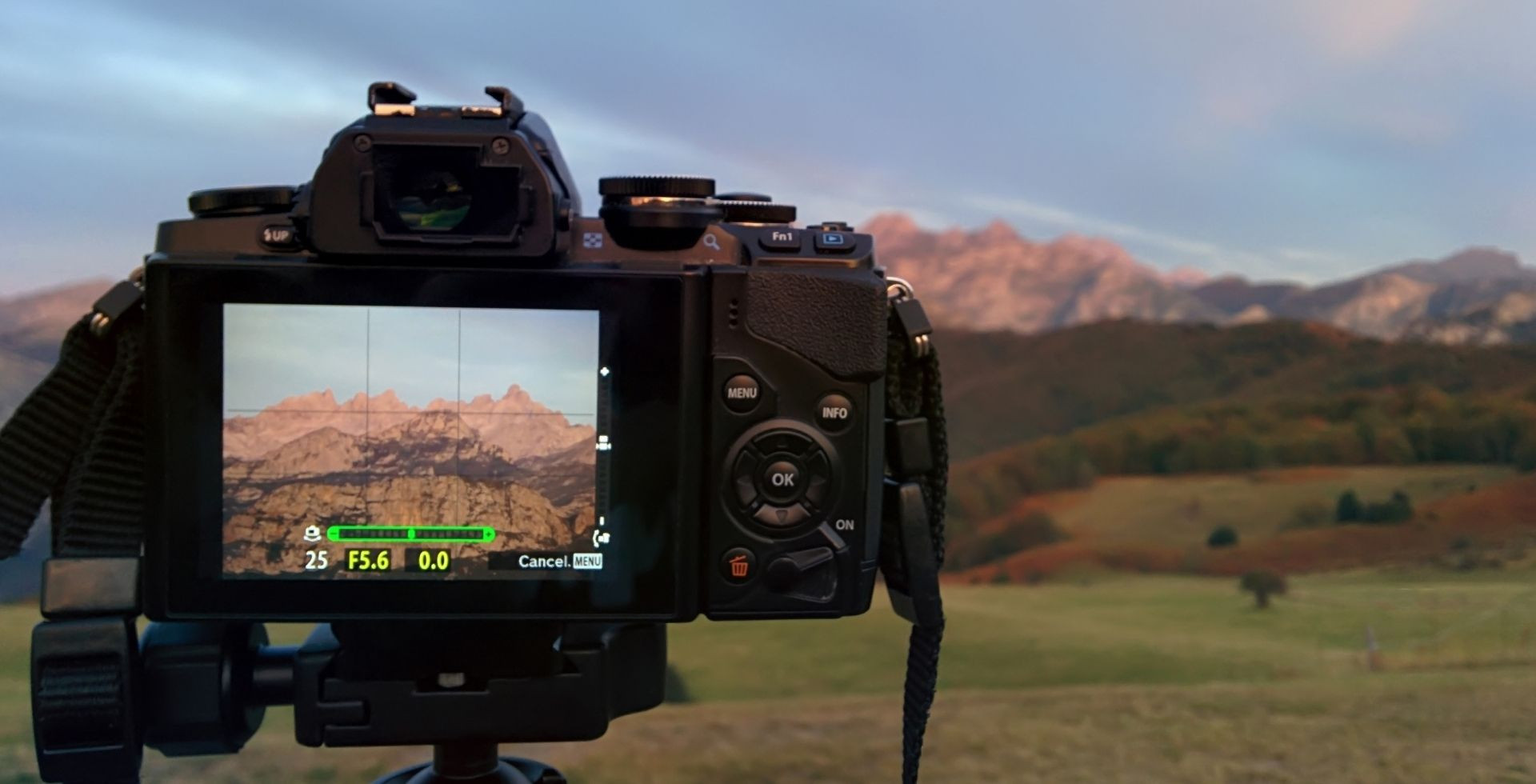
- Tripod/Gorillapod: Carry depending on your camera or smartphone. Try to avoid heavy tripods.
What I carried: smartphone, action camera in a pouch, 50,000 mAH powerbank (was overkill for Manaslu trip, earbuds, mobile tripod, small torch
Snacks and Hydration Essentials
There are plenty of teahouses and shops (set up by the people in Manaslu) along the trail. Buying snacks and drinking water will not be a problem. Still, there are things to be careful about.
Firstly, foods in lodges and shops are limited. You will not find your favorite food, only basic items commonly available in Nepal. If you crave specific foods, it is better to pack small amounts for your long trek.
A quick note before the list: Only a few places along the Manaslu trail offer filtered water, and there are stretches where tap water is your only option. Tap water here can be contaminated, so never drink it untreated.
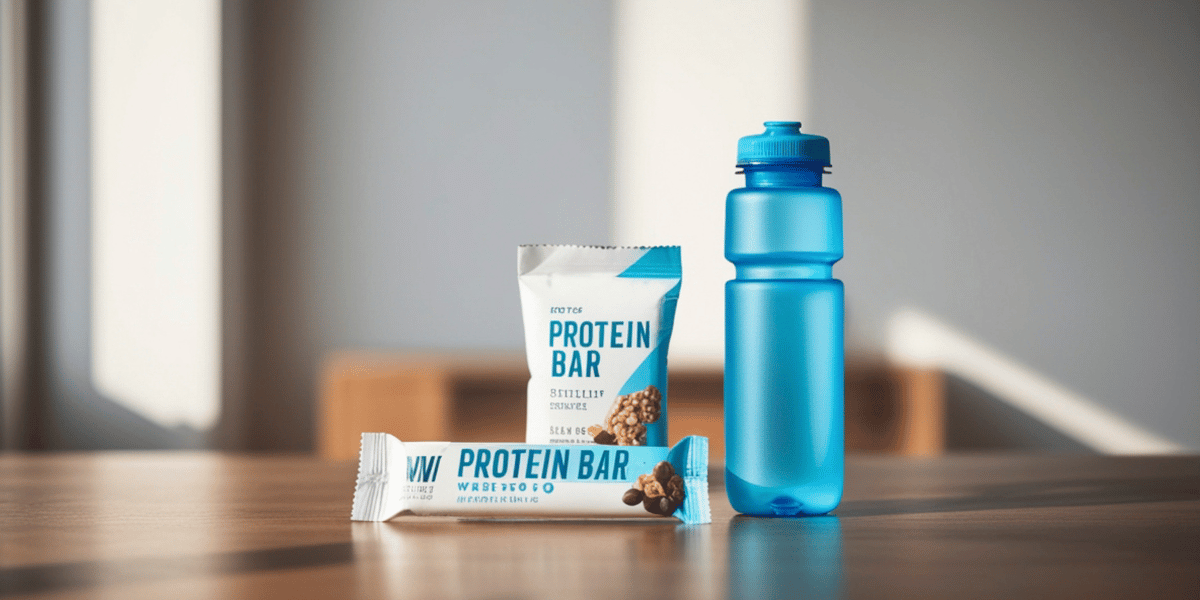
Keeping that in mind, here is what you need:
- Water bottle/hydration bladder/thermos: Mineral water is not available on the trail, so carry your own bottle and fill it responsibly.
- Water purification tablets or drops: These kill harmful bacteria, viruses, and microorganisms. Do not skip them.
- Electrolytes: Help maintain hydration and energy levels on long hiking days.
- Snacks: Energy bars, chocolates, dry noodles, dried fruits, and whatever keeps you moving. Pack more than you think you may need!
- Optional: Energy drinks, fresh fruits (if available), tea bags or instant coffee packets, etc.
What I carried: dry instant noodles (×5), tea bags, chocolate bars (×5), dried nuts, oral rehydration salts (ORS)
Necessary Documents and Permits
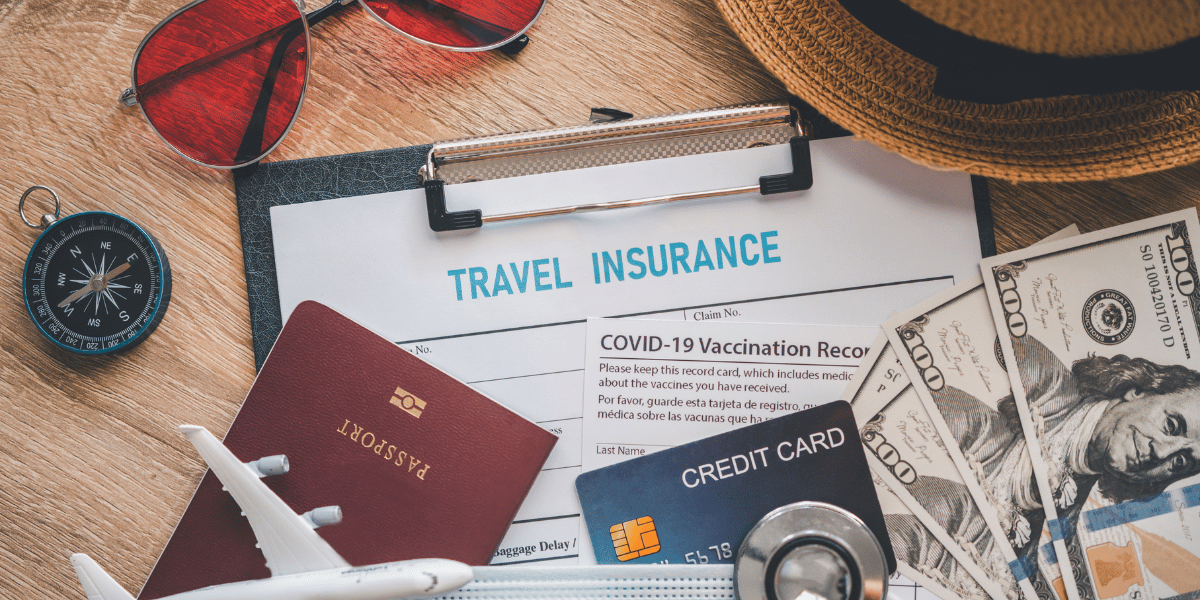
Besides clothing and trekking essentials, you cannot miss out on documents and permits. Here are all the documents you need to carry.
- Tourist visa and passport: At least 15 days, though 30 days is recommended for emergencies.
- Travel insurance: Not compulsory but highly recommended. It should cover helicopter rescue, AMS treatment, trip cancellation, and lost or damaged items.
- Nepali cash: Exchange from reliable vendors or seek help from travel agencies. With Altitude Himalaya, this job is seamless. Carry cash for additional items not covered in your trek package.
- Passport-sized photos: Required for permits, SIM cards, and official tasks.
- Permits (handled by agencies like Altitude Himalaya): MCAP, ACAP, RAP, and Chumnubri Rural Municipality Permit. (Learn more about Manaslu permits here.)
- Filming and documentary permits
The aforementioned are usually the required documents. Some may differ based on your nationality and the activities you’d like to add. You can consult with us before booking our Manaslu Circuit Trek package.
Manaslu Trek Packing Guide Based on Season
The best time to do the Manaslu Circuit Trek is mid to late March, April, May, early June, mid to late October, November, and early December.
And in each different time, your packing list slightly changes. While you must carry enough clothes and the required trekking equipment, there are certain items you may need to add or skip in specific seasons.
Let me give you a basic idea of that:
March - April (Spring)
- Pack 2 to 3 mid-layer jackets, as mornings and evenings are still very chilly.
- Carry 2 pairs of sleepwear just in case one gets wet.
- Do not miss crampons or spikes, as snow chances are high.
- Do not miss rain gear, as there is a possibility of rain in lower Manaslu.
- A sleeping bag is a must, as it is the peak season.
May - June (Pre-Monsoon)
- Carry extra undergarments, as higher temperatures in lower Manaslu mean you will sweat more.
- Carry more base layers, while only one mid and outer layer is enough.
- You can rely more on shorts than trekking pants.
- Crampons may be skipped, but still check the snow possibility.
- Rain gear is essential, as the chances of rain are high.
July - September (Monsoon)
- Carry extra clothes that are light and quick-dry, as chances of getting wet are high.
- Rain gear is mandatory.
- Waterproof boots are required with a good grip.
- Carry salt to repel leeches.
- Carry extra socks.
- Crampons may be skipped, but still check the snow possibility.
- Pack items in zip-lock bags to prevent them from getting wet.
- Take extra care when packing electric gadgets and documents.
October - Early November (Autumn)
- Carry a mixture of warmer and lighter clothes, as days are warm while mornings and evenings are cold.
- A sleeping bag is a must, as it is the peak season.
- Do not skip mountain sunglasses and crampons, as the possibility of snow exists, seeing past years’ trends.
Mid November - February (Winter)
- Carry more warm clothes while skipping lighter ones like shorts and opting for trekking pants instead.
- Do not miss crampons and mountain sunglasses, as snow is imminent.
- Carry extra trekking socks, as you may need to wear two pairs per night in Upper Manaslu.
The Value of Porters: Should You Hire Them?
One decision you need to make before the start of the Manaslu Circuit Trek is whether you will be travelling with porters.
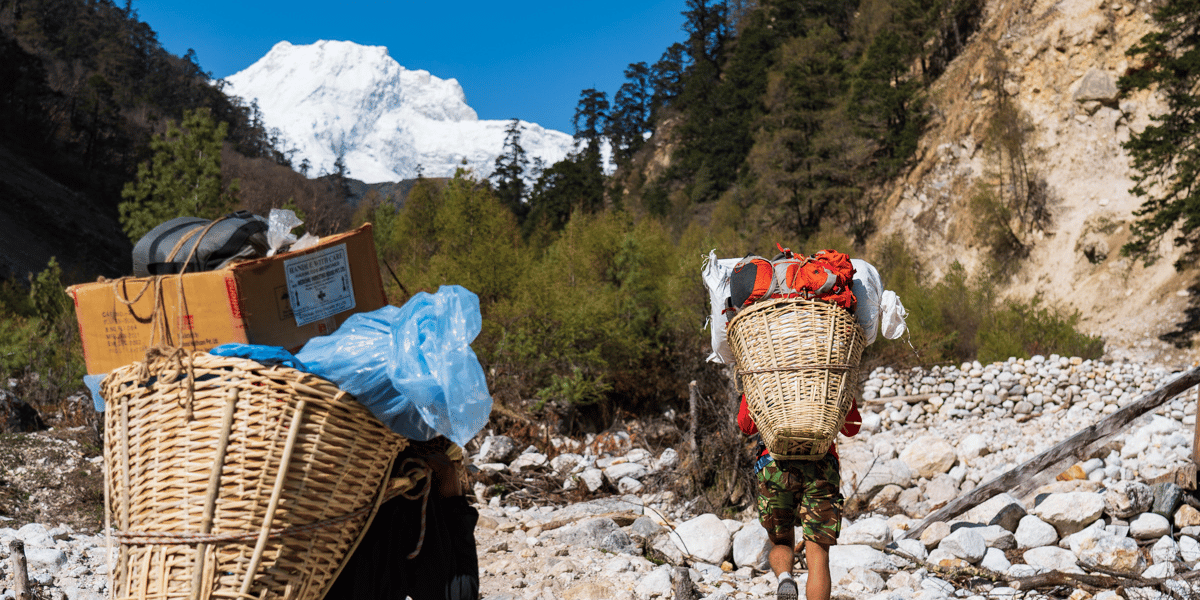
While 'luggage helpers' are usually included in trekking packages provided by agencies, you can still choose to carry your own bag. This gives you the ultimate feeling of doing a trek in the Himalayas.
But if you have overpacked and think you cannot carry 15 to 16 kg of load all by yourself, hiring a local porter is the best decision. This way, you can allocate most of your belongings in a duffle bag and only carry the daypack with essential items.
However, note that a porter can carry a maximum of 20 to 25 kg. Most of our packages include one porter on a two-person basis, which means he will carry 10–12 kg per trekker. Still, if you have more weight, it is possible to hire a private porter covering all his costs.
Just a small note: It is even difficult for porters to carry loads and hike at such high altitudes. So, to help reduce their burden, I personally suggest not exceeding the recommended weight.
And what if you decide not to hire porters in the beginning but change your decision midway? In such cases, your guides will help you find local porters from the nearby village, but the charges will be extra.
Besides those charges, you should also be aware that there is a tipping culture along every trek in Nepal. So, when you hire a porter, be sure to tip them along with the guide with at least 10% of your overall trip budget.
What Essentials Does Altitude Himalaya Provide?
The packing list above contained items that you need to carry on your own. Besides that, we also provide certain essentials to make things easier for you.
Here is a complete list of what you can expect from Altitude Himalaya or any other trekking agency you have booked with:
- Sleeping bag: Since the availability of blankets is low in Dharmashala, carrying a sleeping bag is a must, especially in peak seasons. Considering it can be confusing to choose the right temperature rating, shape, and insulation type by yourself, we provide this so you do not have to deal with the hassle.
- Duffle bag: This is not for you to carry, but for the porters. When we say we provide a duffle bag, we mean that you can organize your items here and the porter will carry it for you for the next 12 to 13 days.
- Trek map: While not essential, we can still provide you with a route map of the Manaslu Circuit Trek for navigation. Your guide already carries one.
- SIM card: For proper communication and mobile data usage, we provide an NTC SIM card. You can return this to us after the trek.
- Porters and guides: Both are included within our trek package. We divide them based on group size. Four to five trekkers per guide and two trekkers per porter, with a maximum of 20 to 25 kg.
Trekking solo or with a small team? Join our Manaslu Circuit Group Trek!
Packing for Manaslu Trek Efficiently: Tips and Tricks
Before concluding this article, I would like to share some efficient packing tips for you.
The thing is, the better you layer your hiking bag, the easier it becomes to carry the load. Personally, I carried an almost 15 to 16 kg backpack for 11 days during my Manaslu Circuit Trek. Still, I experienced no shoulder or back pain!
That is mainly because I had a good-quality trekking bag with a solid hip belt and adjustable straps that suited my comfort. So first, be sure to purchase a backpack that fits your torso length, has enough adjustable straps, and has a strong hip belt that will not slip.
Then, layer your items using this strategy for proper balance and comfort:
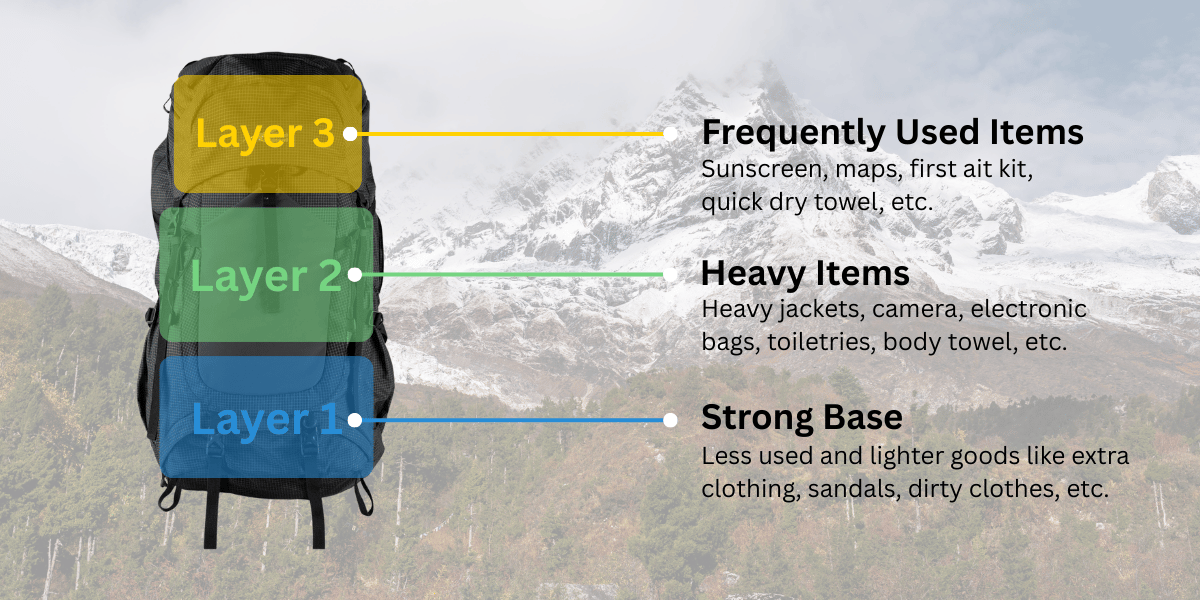
Layer 1: Strong Base
If your bag sits upright on flat ground after packing, that is when you know the base is strong.
To make this happen, you can simply stuff the bottom of the bag with less-used and lighter goods.
These include your sleeping bag, liners, extra clothing, sandals, and wet or dirty clothes.
Layer 2: Heavy Items
The heaviest goods should sit between your shoulder blades, around your spine. These items should stay near your natural centre of gravity, as close to your back as possible.
So, the middle layer should be stacked with heavy jackets, snacks, camera or drone, electronic bags, toiletries pouch, body towels, and other similar items.
Layer 3: Frequently-Used Items
The topmost layer of your trekking bag should contain all easily accessible items. Think of items that you may need to take out frequently and those that do not fit in outside pockets.
Note that many trekking bags feature a top pocket often known as the “brain of the backpack.” You may utilize this as the topmost layer too.
To sum up, Layer 3 will feature sunscreen, a compass, maps, a first aid kit, quick-dry towel, and similar items.
Tip: Using zip-lock bags helps organize your stuff better.
Utilize All Pockets
Do not just stuff everything inside the main compartment. Instead, utilize every pocket!
For instance, I like to place my neck gaiter, sunscreen, and medicines in the brain pocket of the backpack. Unused undergarments go in inside pockets, and used socks or innerwear go in front pockets.
Side pockets are where your water bottle and cup go! Talking about me, I usually stack my rain gear and backpack cover in one of the side pockets for easy access!
The bottom pocket is where trekking bags naturally place backpack covers. If you are not using it, you can place your rain gear there too.
Some bags even feature hip pockets. These are great to store quick-access items like lip care, nasal sprays, face masks, glasses, and cash.
Final Thoughts
Hopefully, you have now got a complete list of the items you should carry for your Manaslu Circuit Trek.
Pack every single item without second thoughts. While small markets are available along the trail, they do not guarantee your favorite snacks or high-quality clothing products.
Do not worry about overpacking. Just pack right.
And if you are travelling with reputed trekking agencies like Altitude Himalaya, note that we arrange a porter for you within the same package cost who will carry more than half of your belongings.
Now that your backpack is all set, are you ready to take on the Manaslu adventure with us? Well, we are just one text away from delivering you one of the best travel memories.


 Bhishu Acharya