Manaslu Circuit Trek is one of the most-loved routes, known for fewer crowds, surreal mountain views, and rich culture. It’s even great for wildlife sightings, a perfect rugged adventure, and challenges that test your endurance!
However, choosing the wrong time to trek can lead to disappointment. You might end up returning the same route without being able to cross the Larke Pass (Larkya La). Yes, you heard that right! There are certain times when the 5,106 m pass becomes impassable for trekkers.
On top of that, the difficulty and length vary depending on the season. You may end up choosing a time when the route is too icy and slippery or a time when visibility is low.
Imagine carrying a professional camera and not being able to take the shots you had imagined. Wouldn’t that be disappointing?
So, if you’re planning your Manaslu Circuit Trek, you need to keep all the essential things in mind. Not to forget that the weather is seriously unpredictable, and you’ll have to keep an eye on the forecast at all times.
That’s the reason I’ve stepped up to write this article for you. And it won’t just be about my individual experience in the region, but rather a collective research I’ve done after interacting with prior visitors, locals, and a team of expert guides here at Altitude Himalaya. Let’s get started!
A Quick Look into Different Seasons of Manaslu Circuit
|
Season
|
Months
|
Trail Condition
|
Daylight Hours
|
Weather (Skies, Views, Wind, Visibility)
|
Expected Temp (°C)
|
Difficulty Level
|
Accommodation Availability
|
Festivals
|
Natural Highlights (Flora & Fauna)
|
Cost
|
|
Spring
|
Mid-Mar, Apr, May
|
Mostly clear, mild snow at high elevations
|
6:00 AM – 6:30 PM
|
Clear skies, excellent mountain views, mild winds, high visibility
|
10–20 (low), 0–5 (high)
|
Moderate to Difficult; altitude sickness possible
|
Moderate crowds, good accessibility
|
Nara, Losar, Saka Dawa, Yartung
|
Blooming rhododendrons, lush green, Himalayan tahr, musk deer, birds
|
Moderate–Expensive
|
|
Summer/Pre-Monsoon
|
Early Jun, Mid-Jun
|
Wet trail, muddy sections, landslide risk
|
5:30 AM – 6:30 PM
|
Morning clear, afternoon clouds/mist, visibility can reduce, moderate winds
|
15–25 (low), 5–10 (high)
|
Difficult; slippery sections, altitude sickness risk
|
Low crowd, moderate accessibility
|
Some local festivals
|
Lush green landscapes, rhododendrons, birds, chance for wildlife sightings
|
Budget-friendly
|
|
Monsoon
|
Late Jun – Early Oct
|
Muddy, slippery, landslide-prone
|
5:30 AM – 6 PM
|
Cloudy, reduced visibility, rain, strong winds in afternoons
|
15–25 (low), 5–10 (high)
|
Difficult to Extremely Difficult; landslide risk, river crossing hazard
|
Low crowd, limited accessibility
|
Few festivals
|
Dense greenery, some wildflowers, possible wildlife sightings
|
Budget-friendly
|
|
Autumn
|
Mid-Sep – Nov
|
Dry trail, mostly clear, minor snow at high altitudes
|
6 AM – 6:30 PM
|
Clear skies, excellent mountain views, low winds, high visibility
|
10–20 (low), 0–10 (high)
|
Moderate to Difficult; altitude sickness possible
|
High crowd, lodge pre-booking required
|
Dashain, Tihar, Losar, Nara
|
Blooming rhododendrons, Himalayan tahr, musk deer, birds, autumn foliage
|
Expensive
|
|
Winter
|
Early Dec – Feb
|
Snowy at high elevations, icy sections
|
6:30 AM – 5 PM
|
Clear skies common, wind stronger in afternoons, visibility moderate
|
0–10 (low), -10–-20 (high)
|
Extremely Difficult; risk of hypothermia, avalanches, emergency evacuation
|
Low crowd, limited lodge accessibility
|
Tibetan Buddhist festivals
|
Snow-covered landscapes, minimal flora, chance of spotting wildlife like musk deer
|
Moderate–Budget
|
Factors to Consider for Best Time to Visit Manaslu Region
Before diving into the details on the different seasons and months, let’s get into the main things you need to check before planning your Manaslu Circuit Trek. Note that each time of the year has its own beauty, but with it comes certain challenges.
When I completed my trek in October 2025, it was seriously one of the best times. The mountain views, trail conditions, weather, and temperature all favoured me! However, the melting snow had made the path at Larke Pass a little slippery, the route to Manaslu Base Camp also became difficult (so I had to skip it), and the crowd was at its peak!
Besides the accommodation issues in the final sections, I was totally satisfied. Another thing I regret is not managing extra days, because I missed many locations due to time limitations.
At Altitude Himalaya, we also organize group-joining Manaslu Circuit Trek that features trekkers from different nationalities. And guess what? Every person from different corners of the world has been in tears of joy watching Manaslu up close!
Our professional team have led them all the way to the base camp, and crossing Larkya Pass became much easier compared to my very own trek
For that, we had to ensure everything was in the right place: the weather conditions, trail status, accommodation availability, and more. I’ll list them down in detail below and also explain why each of them is essential for consideration:
Trail Conditions and Prior Experience
This is the first thing on the checklist. And I’m not just referring to the main trekking trail. Even assessing the road condition is equally essential.
The motor road condition can be bad due to landslides in different sections. In such cases, it directly affects the overall length of the trek. While generally we begin from Philim or Jagat, a poor road means you may have to start from Machha Khola or even Soti Khola!
Even during my own adventure, we started from Machha Khola, and that cost us an entire day because it added about 17 km of extra hiking. While passing through waterfalls and the cantilever bridge near Jagat are great attractions, saving your energy is more thoughtful on such long treks.
Also, note that the Manaslu trail comprises six climatic zones, and the condition of the trail differs accordingly. Up to the temperate zone, the trail is usually smooth and easy compared to the subalpine, alpine, and arctic sections, which are more rugged.
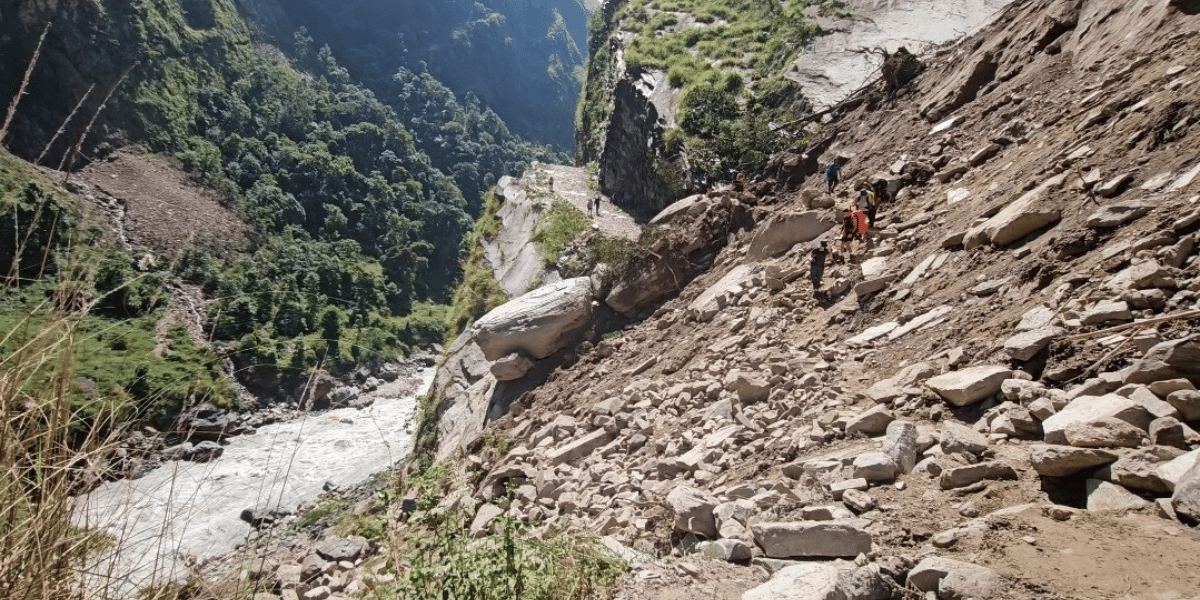
Certain places require crossing landslide-prone zones, which are more active during certain seasons. Similarly, trails can be muddy, snowy, and slippery. Especially in extreme snow conditions and for a certain period after, you’d absolutely require crampons.
I’m not trying to scare you at all. This is just how it is. Your prior experience in rugged terrain really matters. And if you don’t have that, you’d need to be with a professional guide.
For me, the steep downhill from Larkya Pass to High Camp, which became slippery after the snow melted, followed by a continuous rocky path, was the toughest part of the trek!
Weather, Temperature, Visibility, and Wind Patterns
The weather conditions in the alpine and arctic regions are very unpredictable. Precipitation here often comes in the form of snowfall. So, snow can be expected at high elevations, especially on the routes to Larkya Pass and Manaslu Base Camp.
For that reason, checking the weather conditions is absolutely important. I definitely don’t recommend going when there’s extreme snowfall; it’s very risky. In fact, when the snow depth reaches concerning levels, things can get serious.
As I mentioned earlier, the downhill route to High Camp after crossing Larkya Pass becomes even more hazardous. It’s more difficult to cross not only during heavy snow but also when the snow has just melted.
Another essential factor along with weather is the drop in temperature. Since you’ll be sleeping at high elevation (particularly Dharmashala at 4,470 m) and trekking as early as 3 AM to cross Larkya Pass, there is a serious risk of hypothermia.

It’s not just because of the high altitude. If you pick a time when precipitation is high, getting wet or being exposed to strong, cold winds at low temperatures carries a significant risk.
Keep in mind that the wind at vantage points (such as near the pass) can be extremely strong, especially in the afternoon during certain seasons. This matters because wind can affect your balance, visibility, and body temperature. It is also one reason why Larkya Pass is usually crossed in the morning (to avoid those strong winds).
Do note that you’re trekking in the Manaslu region for the experience, and that’s what truly matters. Imagine choosing a time when the visibility is low, and you end up not seeing the eighth-highest mountain at all. That would be a real loss.
Daylight Hours and Itinerary
Remember that the length of this Manaslu trail is what makes it very exhausting. You have to walk long distances in a single day (often 17-20 km at lower elevations). Here’s a look at a popular itinerary with approximate distances per day:
- Macchakhola to Jagat (when vehicles can’t reach/Philim): 17 km
- Jagat to Deng: 20 km; Philim to Deng (when vehicles can reach Philim): 13 km
- Deng to Namrung: 17 km
- Namrung to Shyala: 13 km
- Shyala to Samagaun with Pungen Gumba visit: 13 to 15 km (depends on route)
- Samagaun to Samdo with Birendra Lake visit: 10 to 12 km (depends on route)
- Manaslu Base Camp two-way from Samagaun: 15 km
- Samdo to Dharmashala: 6 km
- Dharmashala to Bhimthang via Larke Pass: 16 km
- Bhimthang to Tilche: 18 km
The total distance of the Manaslu Circuit Trek is about 135 to 150 km. And if you include other attractions of Manaslu Region (like Prok Village, Kal Lake, Ponkar Lake, Milarepa Cave, Sherang Gumba, Tsum Valley, etc.), it becomes even longer, and you’ll have to adjust the itinerary accordingly.
As winter has shorter daylight hours, you have to start your hike early, unlike spring/summer, where you have the option to start a little late. This directly affects the weather behaviours, too.
For instance, wind patterns tend to be stronger from late morning on during winter. And in summer, it starts in the afternoon. This is also why reaching a destination before dark is important as the weather becomes more harsh and temperatures also drop.
The good thing is that our Altitude Himalaya team has assessed each situation and created a 15-day Manaslu Circuit package that suits well in every season (separate for Aussies: check here for Manaslu package from Australia).
Instead of pushing for more distance on a single day, we have broken down the walking duration to an average of 12 km. Even if you’re not fully convinced, there’s an option to customize as per your needs.
Crowd, Accommodation Availability, and Seasonal Budget
I’m going to be very frank with you. For the best views, along with good trail and weather conditions, the peak season (late October, November, late March, April, and early May) is the best time. No doubt.
But there’s a major challenge in finding accommodation. It’s not that there are fewer mountain lodges on the Manaslu trail; it’s actually because of the growing popularity of the region, which has led to unexpected crowds (especially since 2025). So, pre-booking lodges is essential, especially after Shyala.
In case of overcrowding, you’ll have to adjust the itinerary accordingly. For example, if you’re supposed to reach Namrung and most hotels are packed, then you’ll have to stay in Gap or Gapshya. In the end, accommodation is somehow managed if you’ve chosen the right trekking agency, like Altitude Himalaya.
Another thing to keep in mind is the Manaslu trek is budgeting. During peak season, the services along the trail become comparatively more expensive. Hot showers, food, accommodation rates, and any extra items you want cost a little more compared to other seasons.
Permits and Packing
We’re not done with the peak season yet. Especially during the September to November period, the cost of Manaslu permits also increases.
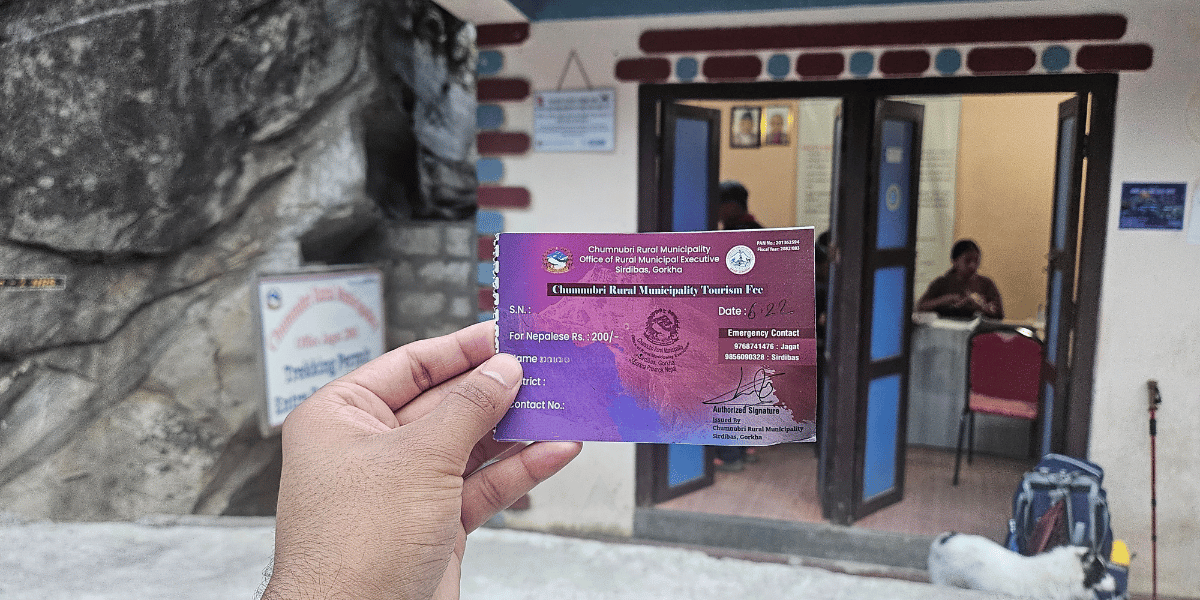
MCAP costs NPR 3,000 for foreigners and NPR 1,000 for SAARC nationals and you also need a separate Chumnubri Rural Municipality Permit, which costs NPR 1000 per person. However, the restricted area permit varies based on the month you’re travelling:
- September to November: USD 100 per person/week, and USD 15 per person/day beyond 1 week
- December to August: USD 75 per person/week, and USD 10 per person/day beyond 1 week
Moreover, packing is slightly different depending on the season. While you may carry light clothes during summer (for low altitudes), winter demands warmer layers even from the lower elevations.
Crampons are extremely essential. Even rain gear is important, even when there’s less chance of precipitation. And during heavy snow, you can’t miss polarised UV-protection sunglasses.
You might like reading: Manaslu Circuit Trek Complete Packing Checklist
Altitude Sickness and Evacuation Difficulty
No matter which season you’re doing the Manaslu Circuit Trek, it’s essential to be in optimal health.
I personally do not recommend anyone suffering from chronic diseases to take on this adventure at all!
Even for trekkers in good health, one essential factor you cannot underestimate is altitude sickness. The main reasons that can potentially lead to AMS, HACE, and HAPE include:
- Ascending too quickly
- Poor acclimatisation (sleeping at a higher altitude than where you spent most of the day)
- Physical exertion
- Hypothermia
- Dehydration
- Extreme cold (due to wind exposure)
- Pre-existing medical conditions
- Consuming alcohol or smoking at high altitudes
Our Manaslu trek packages at Altitude Himalaya are acclimatization-friendly. So, if you’re doing the Manaslu Circuit Trek with us, our itinerary already provides a proper head start.
However, certain factors depend on both the season and YOURSELF! Choosing a time when temperatures are too low or exposing yourself to strong winds increases the risk of hypothermia and altitude sickness.
Since the Manaslu Circuit trek is physically exhausting, additional challenges can lead to serious problems. I’ve personally seen trekkers not hydrating well, continuing to ascend despite feeling sick, or consuming alcohol and smoking. These are some serious reasons that lead to mountain sickness problems.
Avoid all these, and still, high altitude combined with cold temperatures and extreme weather can impact your health.
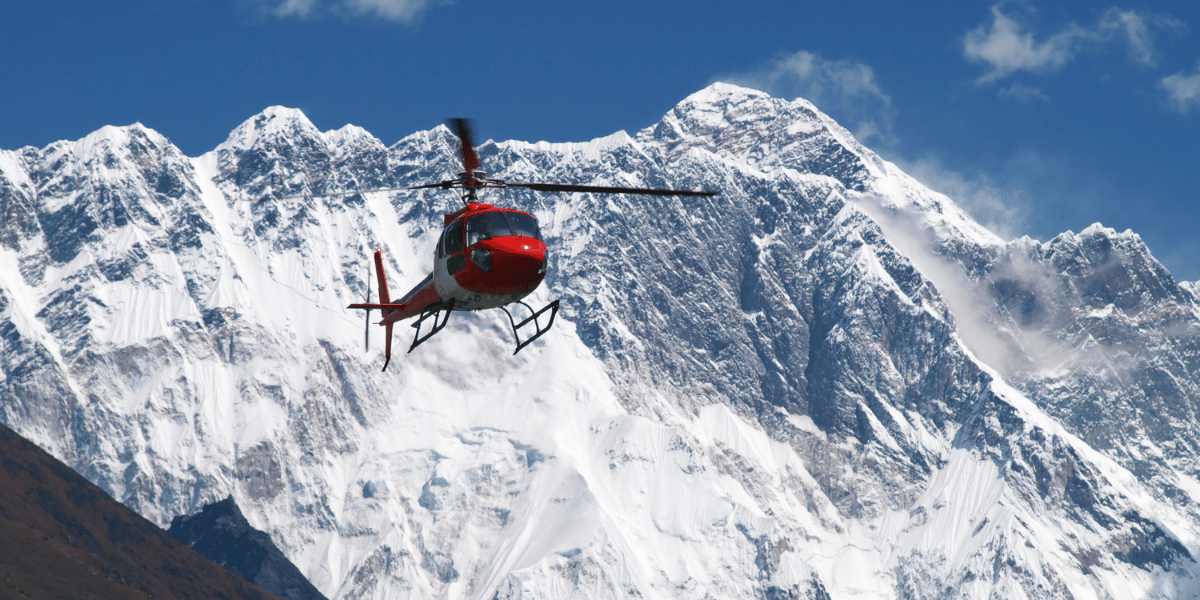
Because you’re in a secluded region, the only feasible rescue method is via helicopter. Now, imagine being sick when the weather is severe. Well, low visibility, heavy precipitation or snowfall, high winds causing turbulence, thunderstorms, or other extreme conditions can make even helicopter evacuation difficult.
Cultural Events, Local Festivals, and Community Life
Hopefully, I’m not making you double‑think about the Manaslu Circuit Trek. This is seriously one of the best destinations to go to, and if you pick the right time, you’d seriously be blessed! Besides just the views, another reason I’d love to return to this part of the Gorkha district is for the rich culture, local lifestyle, and hospitable Nubri community.
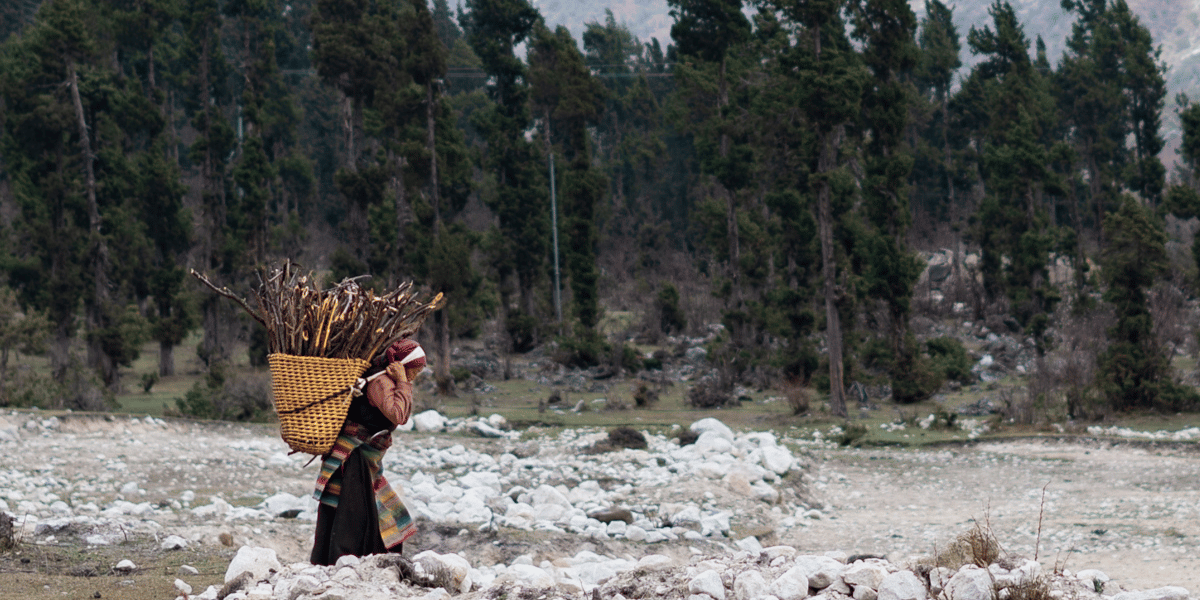
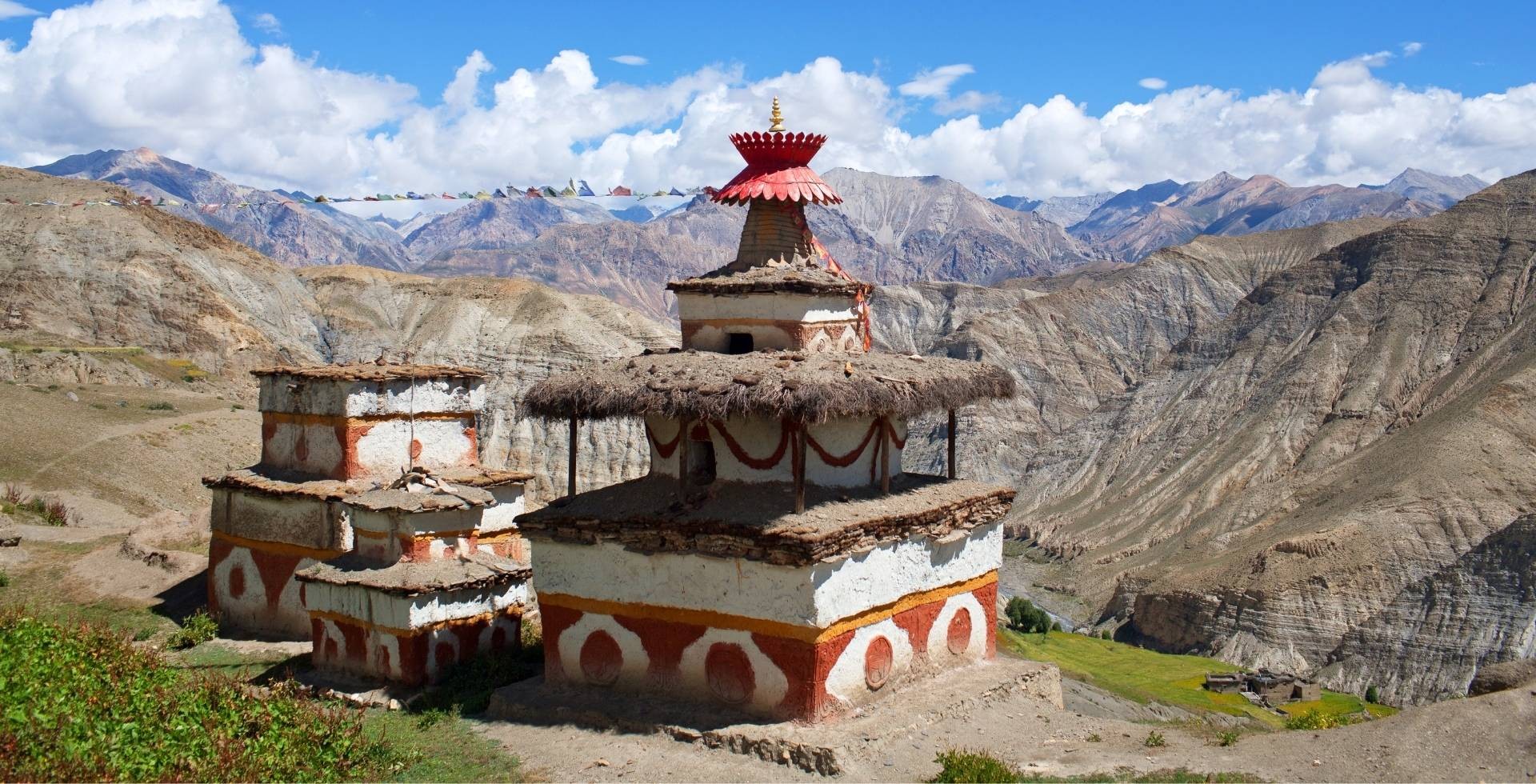
There are countless mani walls, chortens, and monasteries. Pungen Gumba was, in fact, my favorite, and visiting there on a clear day with a spectacular view of Mt. Manaslu melted my heart for sure!
I did the trek right after the major Nepali festival Dashain, right before Tihar, and during the trip, I got to learn how differently they celebrate. Unlike other communities, the vibe is a little less here, but they rather celebrate Tibetan Buddhist festivals.
For those of you willing to visit the Manaslu region to learn more about the culture of the Gurung, Bhote, Nunri, and Tsum communities, I suggest picking the festive time. The most popular ones here include Nara, Yartung, Losar, Saka Dawa, and others.
Wildlife Activity and Natural Highlights
The Himalayan region of Nepal is home to a large number of rare species. That’s the reason many choose this beautiful country, not just for mountain views but also for wildlife sightseeing.
In fact, we even offer similar dedicated packages on our site, Altitude Himalaya. Whether it be tiger tracking in Bardiya, jungle safari in Chitwan, or snow leopard tracking in Upper Dolpo, we get enquiries for all of that.
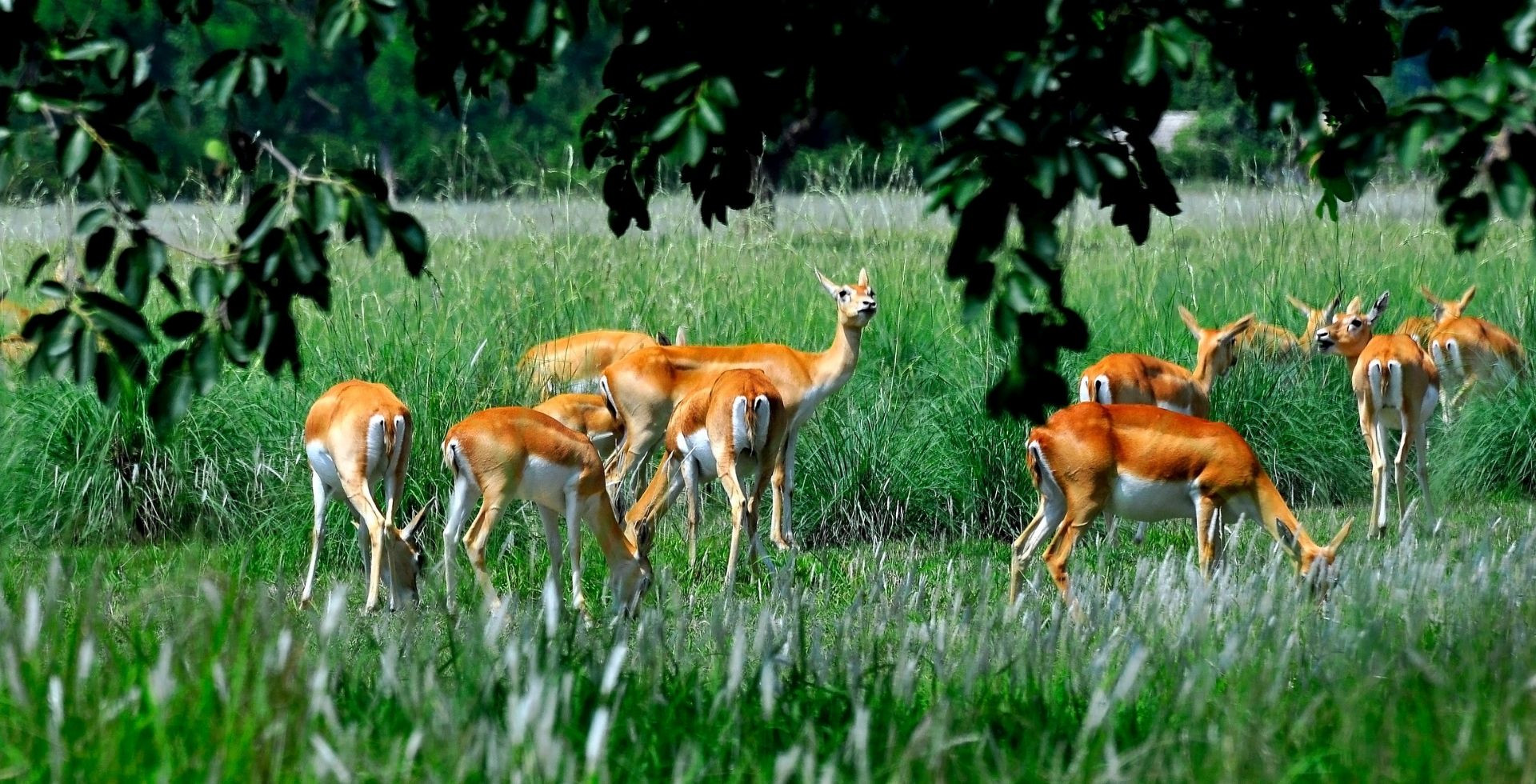
Upon my recent visit to Manaslu, I was lucky enough to encounter Himalayan blue sheep, Himalayan tahr, and multiple musk deer. In fact, in autumn itself, a group ahead of me was able to spot a snow leopard near Birendra Lake, and we are intrigued to create dedicated packages for this soon.
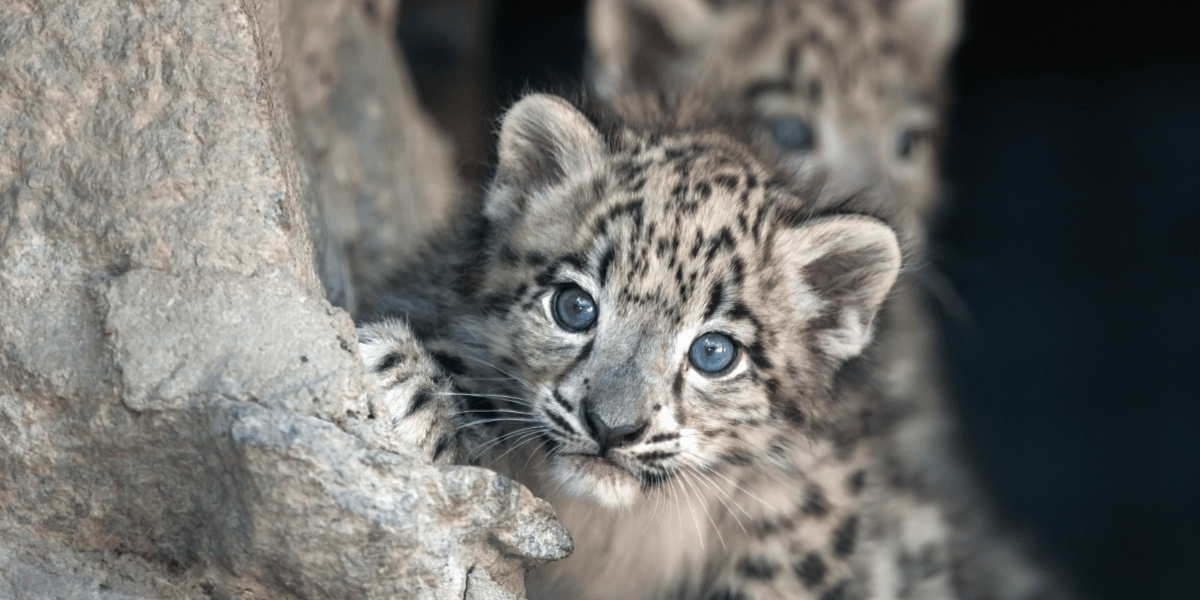
You see, Manaslu Conservation Area is one of the lesser-known regions where wildlife is active at elevations around 3,500 m. More than that, it’s home to approximately 2,000 plant species and 11 forest types, along with numerous medicinal herbs and aromatic plants.
Moreover, the lower regions from Jagat to Namrung in Manaslu CA and from Bhimthang to Tilche in Annapurna CA are excellent places in Nepal to find varieties of rhododendrons.
But like I said earlier, different seasons offer different experiences. So, you have to consider whether you’d like to go at a time when wild animals are more likely to be seen or a time when flowers bloom and there’s more greenery.
Manaslu Circuit Trek in Different Times of the Year
Now that you’ve got the insights into what things you need to consider when choosing the best time, let’s compare the Manaslu Circuit Trek in different seasons. Our team members have trekked at different times of the year, and we’ve listed the pros and cons of each season below.
Peak Season: Spring [March and April]
Spring tops the list for trekking, not just in the Manaslu region but it’s also the best time to visit most parts of Nepal. It offers mild to warm temperatures along with clear, sunny days.
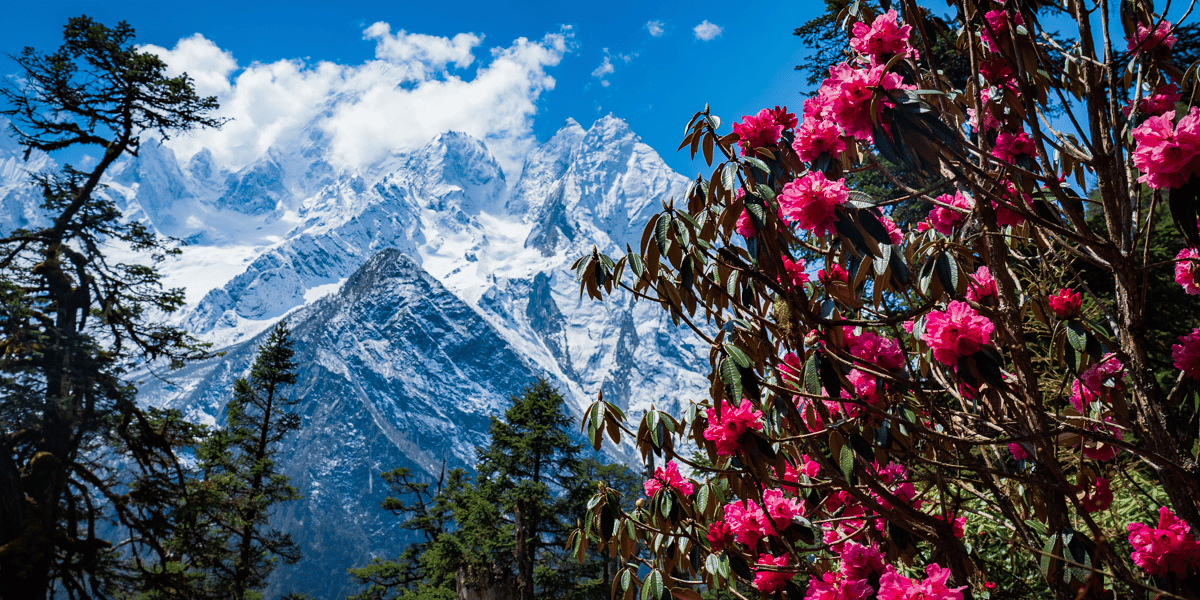
The average daytime temperature reaches 10°C to 20°C (50°F to 68°F) at lower elevations and drops close to 0°C (32°F) at higher altitudes. Nighttime temperatures are colder, particularly at higher elevations. Precipitation chances are relatively low during this season, and that contributes to a mostly dry trail (perfect for hikes).
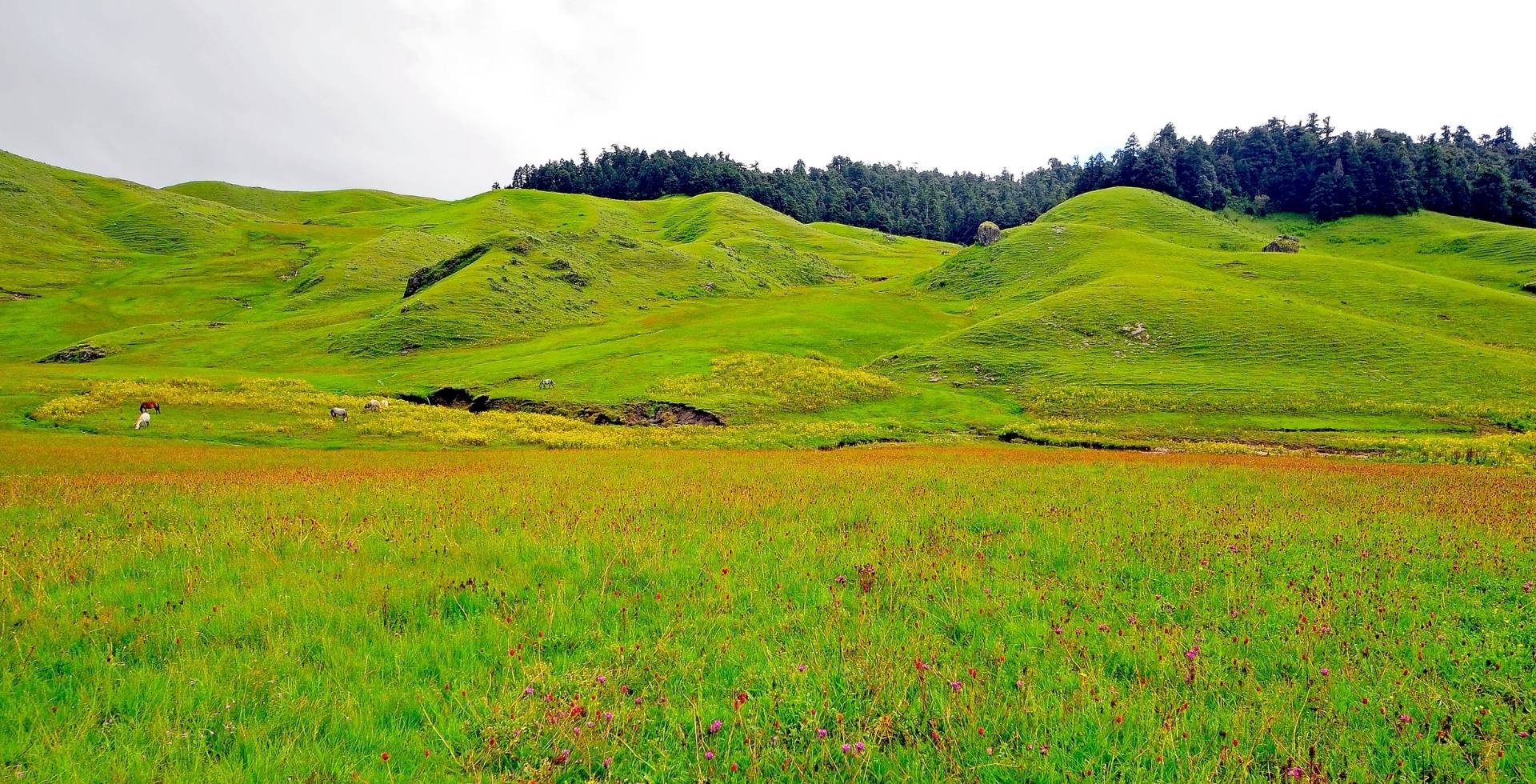
I’d say this season is particularly delightful for nature lovers. That's because this is the season where you find blooming wildflowers, including those vibrant rhododendrons (which is the national flower of Nepal). The forests are painted in shades of red, pink, white and more rare colors!
The lush green landscapes, plus clear skies, are what make trekking in the Manaslu region during spring best for photography, too.
And here's a heads up: it’s a great time to spot wildlife, like Himalayan tahr, musk deer, and various bird species.
Pros:
- Stable weather conditions with clear skies.
- Offers excellent mountain views.
- Pleasant temperatures.
- Blooming flora, creating picturesque landscapes.
- Good opportunities for wildlife spotting.
Cons:
- Trails can be slightly crowded.
- Accommodations may be busier (must book in advance).
- Snow at higher elevations, particularly during early spring. So, some sections are challenging.
Peak Season: Autumn [October and November]
Just like spring, autumn is another peak trekking season in Nepal. After the monsoon, the weather becomes relatively stable, the temperatures cool, and the skies clear, providing stunning views of the surrounding mountains.
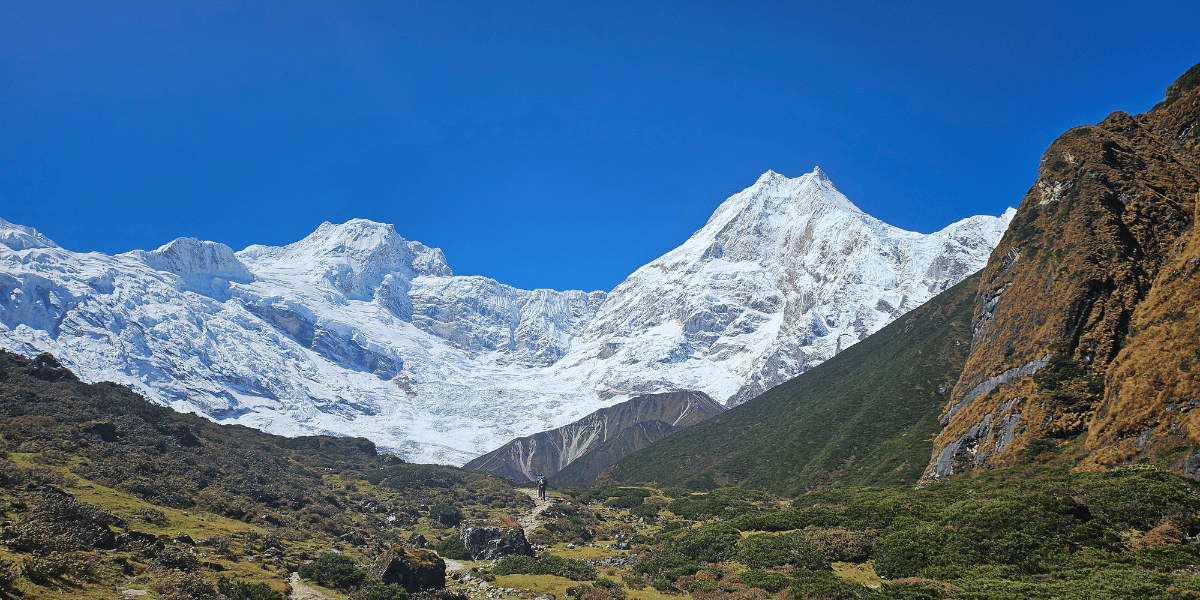
However, you have to be wary of early autumn, because it can bring late monsoon rains (looking back at the trends of the past few years). But once mid-autumn arrives, the trails usually settle into great shape again, and the landscapes are lush and green.
During this time, average daytime temperatures range roughly from 10°C to 20°C (50°F to 68°F) at lower elevations and from 0°C to 10°C (32°F to 50°F). Nighttime temperatures can drop significantly, especially at high altitudes (below freezing point).
The biggest highlight is the clear skies, which offer breathtaking views of mountain peaks. If you hike to Pungen Gumba or Birendra Lake, the glimpses of Mt. Manaslu will definitely be unforgettable!
Because this is such a desirable season, the trails are often busier. The Manaslu Circuit Trek has grown in popularity among both local and international trekkers, so be prepared (especially for accommodation demand).
Pros:
- Stable weather conditions with clear skies.
- Exceptional mountain views.
- Pleasant temperatures.
- Comfortable trekking experience.
- Lush landscapes after the monsoon rains provide excellent photo opportunities.
- Well-maintained trails, so easier navigation.
Cons:
- Trails can be crowded.
- The itinerary can go longer, as road sections might get affected by the monsoon (in early Autumn).
- Accommodations may fill up quickly, so booking in advance is a must.
- Increased demand may lead to higher prices for accommodations and services.
Favourable Season: Summer [May and June]
This is a period between spring and monsoon, so the weather remains a bit unpredictable. Temperatures are warmer, from around 15°C to 25°C in the lower regions and 5°C to 10°C at higher elevations, which makes trekking tempting, but pre-monsoon rain can sometimes complicate things.
Based on recent years, there have been only occasional showers during this time, and mornings are often clearer. But by afternoon, skies may cloud up, bringing mist and drizzle.
Some of the rhododendrons from spring linger, and the trail stays mostly green. There is a risk of landslides when rain hits. But if it's drier, both driving and trekking become more manageable.
If you’re really planning the Manaslu Circuit Trek during this summer window, be sure to monitor the weather constantly. Pack a raincoat, keep your gear light, but don’t forget to bring warmer clothing, thinking it will be warm. High-altitude sections remain cold throughout the year.
Pros:
- Comparatively fewer trekkers on the trails.
- Start of green landscapes, with light pre-monsoon rains.
- Lower accommodation prices and good chances of availability.
- Good trail conditions.
Cons:
- Reduced visibility in the afternoon.
- Time management is essential.
- Unpredictable weather can lead to obscured mountain views (you have to rely on your luck, too).
Off-season: Monsoon [July to September]
Monsoon in the Manaslu region brings warmer temperatures. Average daytime temperatures during this season range from 15°C to 25°C (59°F to 77°F) at lower elevations and 5°C to 10°C (41°F to 50°F) at higher altitudes.
While the temperatures are very similar to summer, heavy rainfall in the monsoon is what significantly impacts the trekking experience. And this is mostly during the time from late June to early October (not common in October, but as per the last few years’ trends). So, expect the trail to become muddy and slippery, along with the risk of landslides.
Likewise, reduced visibility can obstruct the mountain views, which is the main reason for doing the Manaslu Circuit Trek. So, choosing this season means you might not even get a clear glance at Mt. Manaslu, which is like a waste.
Also, don't forget that heavy rain can raise water levels significantly, making certain parts of river crossings much more difficult and dangerous than in any other season!
Honestly, the monsoon in the Manaslu region makes trekking genuinely strenuous, and I'd only recommend it for experienced trekkers who are well-prepared for harsh conditions and fully willing to accept the risks that come with them.
That said, here's both sides of the picture:
Pros:
- Far fewer trekkers on the trail, giving the whole journey a quieter and more personal atmosphere.
- Lush, deeply green landscapes that the monsoon rains bring out in a way no other season can match.
- Lower accommodation prices and almost always guaranteed availability at teahouses.
Cons:
- Heavy rainfall turns large sections of the trail muddy and slippery, significantly increasing both effort and risk.
- Landslides and flooding are real and recurring hazards during this season, sometimes affecting the road access to the trailhead too.
- Cloudy skies reduce visibility dramatically, and mountain views (the whole reason most people are here) are largely obscured for days at a time.
- Some teahouses and lodges close during the monsoon season, which can limit your accommodation options in the more remote stretches of the circuit.
Off-season: Winter [December to February]
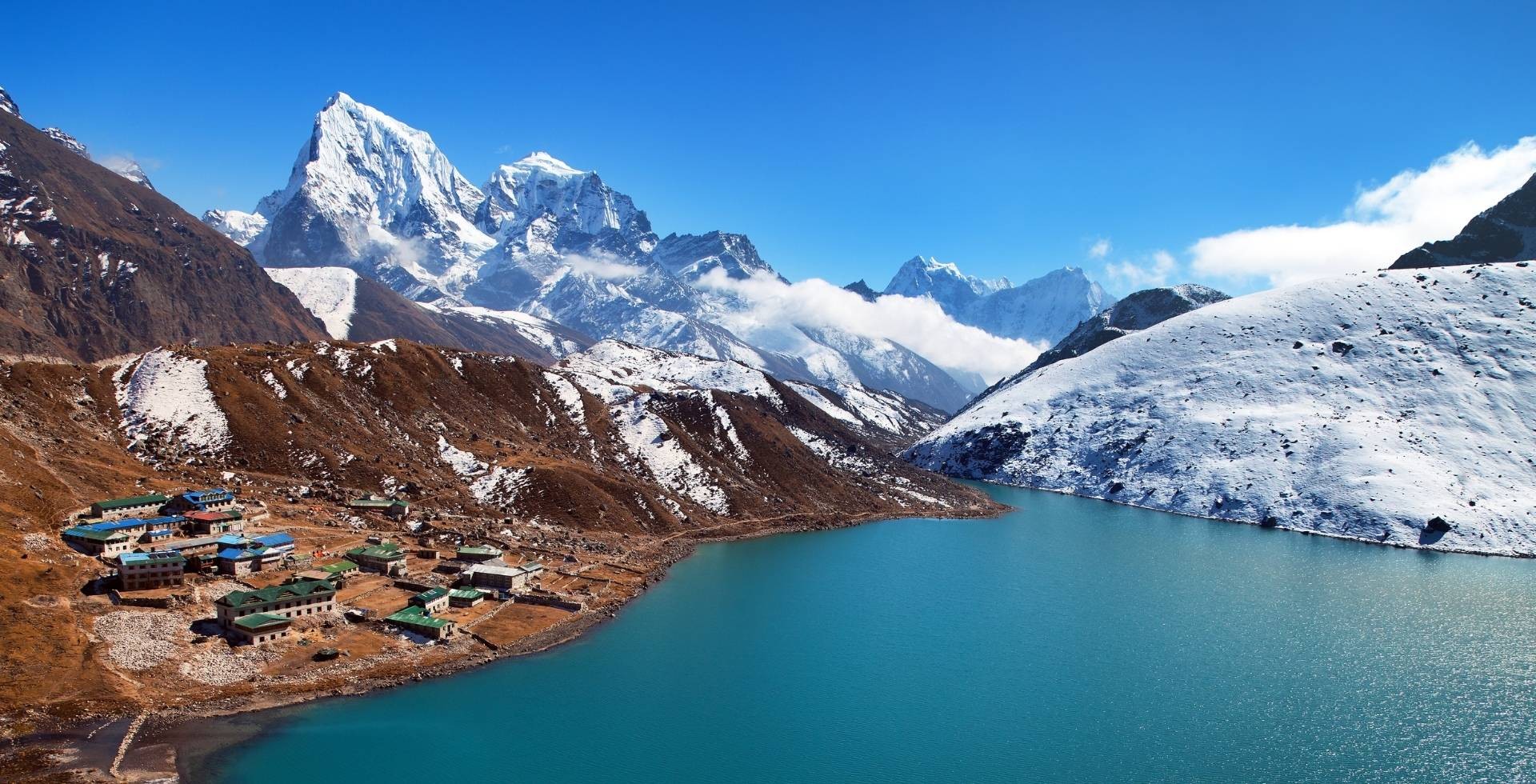
Winter in the Manaslu region brings cold temperatures, with average daytime temperatures at lower elevations ranging from 0°C to 10°C (32°F to 50°F), and at higher altitudes, it can drop to -10°C to -20°C (14°F to -4°F). Nighttime temperatures can be significantly colder, not just in higher regions but also in lower elevations.
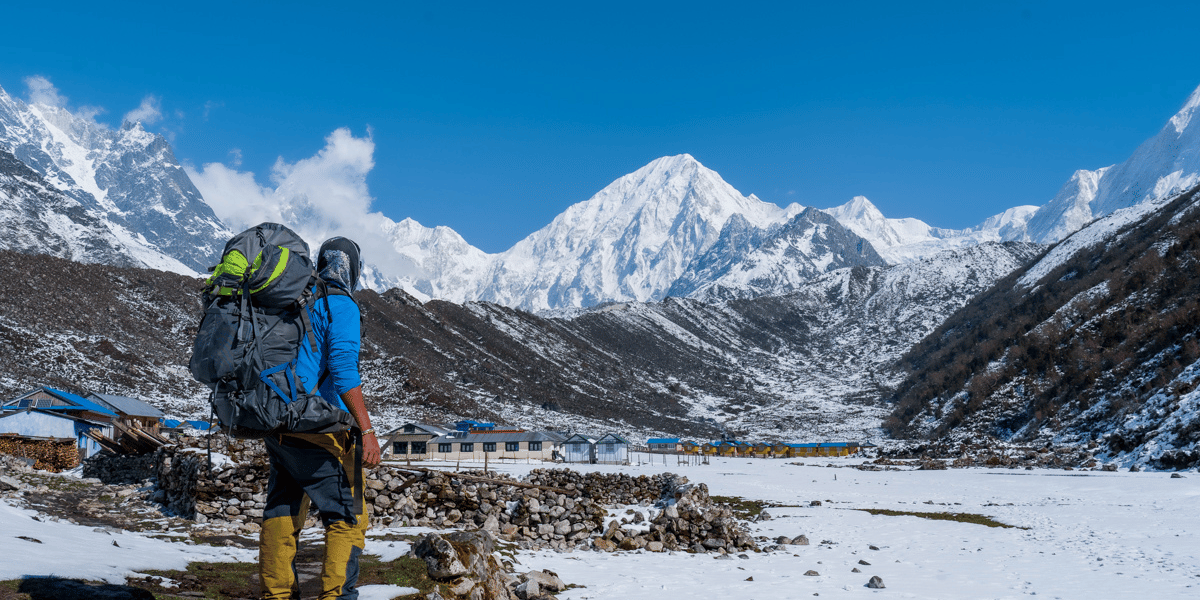
The good thing is that clear skies are common during winter, but the wind patterns can get stronger in the afternoons. While stunning mountain views are the highlights of this season, snowfall likely occurs in January and February. And this is what significantly impacts the accessibility of the trails, making the hikes more challenging!
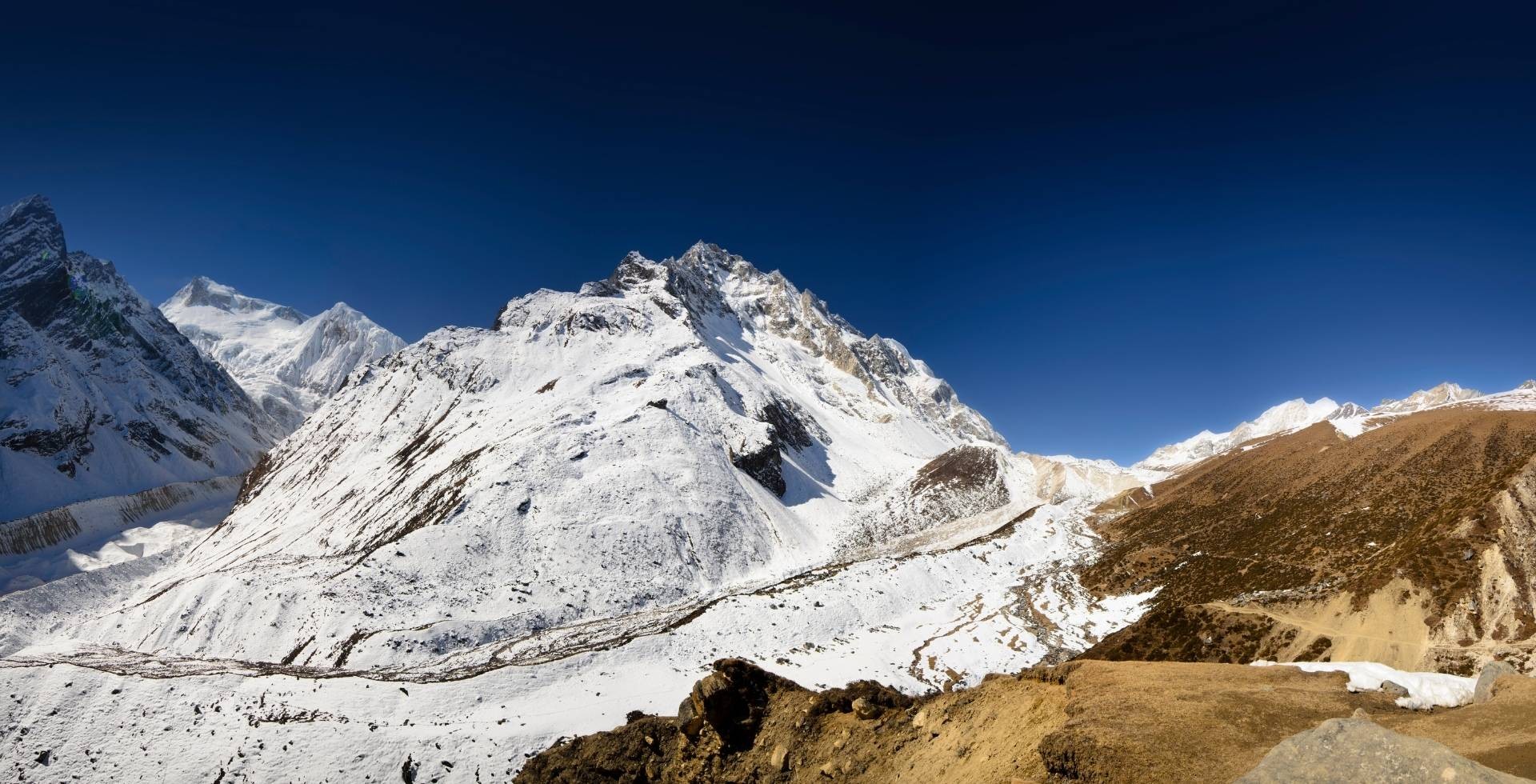
In fact, Larke Pass and other high-altitude regions of Samdo and Dharmashala get fully covered in snow. Not to forget, there’s even more risk of avalanches.
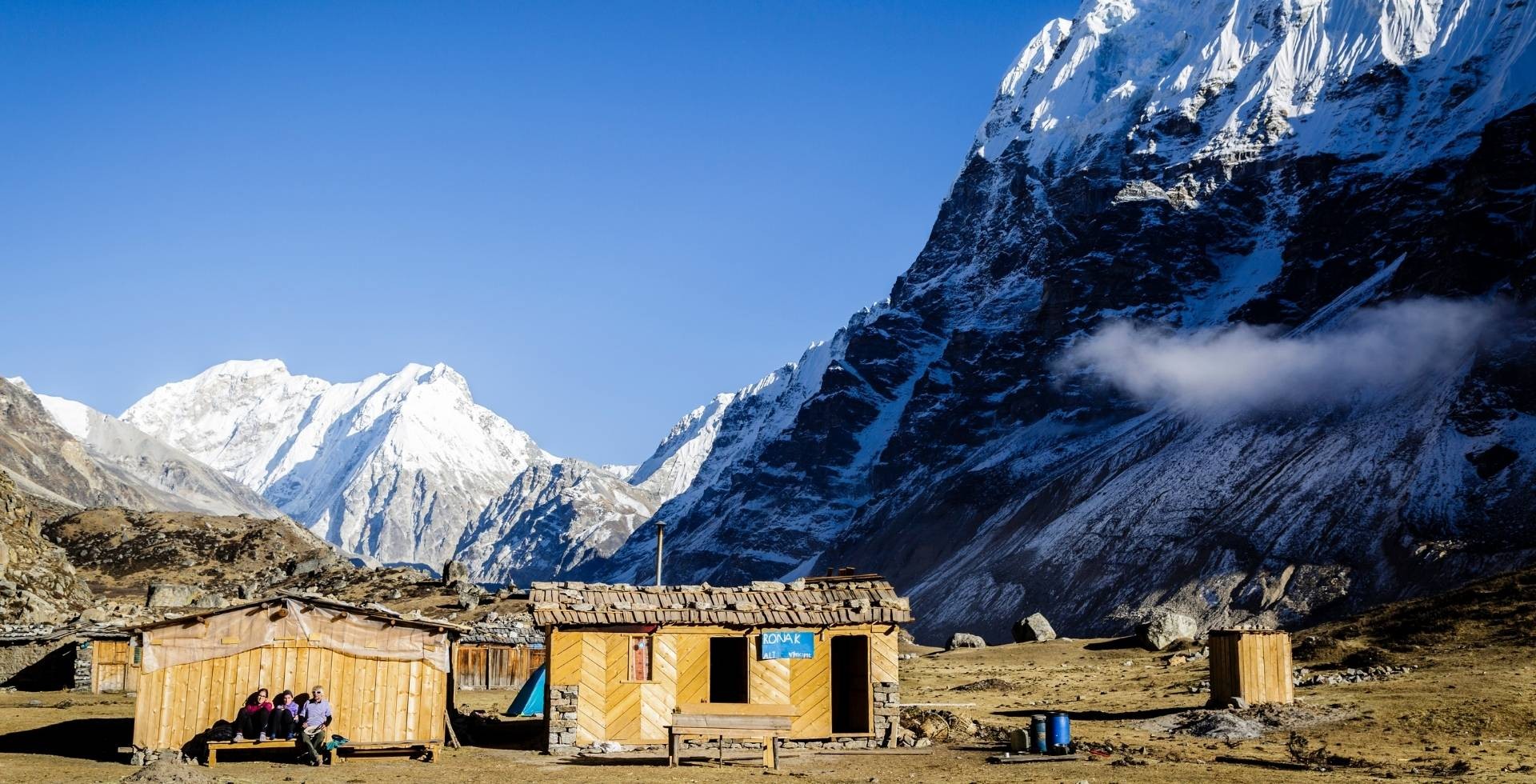
Some trails may become impassable due to extreme snow depth, and you may have to return the same route. Also, note that due to extreme cold, some teahouses or lodges may be closed during the winter months.
Pros:
- Clear skies and stunning mountain views, particularly in the mornings, are some of the best you'll see on this circuit all year.
- Accommodation prices are lower, and teahouse availability is rarely a concern during these months.
Cons:
- Cold temperatures add real difficulty to an already demanding trek, and this gets noticeably harder once you're above Samagaun (3,530 m).
- The risk of altitude sickness becomes higher in Manaslu due to extreme cold, as your body is simultaneously fighting the temperature and trying to acclimatize, which stretches its resources considerably.
- Snow-covered trails and a heightened risk of avalanches make certain sections, particularly the Larke Pass approach and descent, genuinely more dangerous.
- Some teahouses and lodges close during winter, limiting your options in the more remote parts of the circuit.
- The cold demands significantly more gear, and more gear means a heavier pack, which adds to the fatigue on those long daily distances.
Considering all of this, the Manaslu Circuit in winter is something I'd only recommend for experienced trekkers who are well-prepared and genuinely ready to accept the risks!
Highly Recommended: Manaslu Circuit Trek Preparation Guide
Climate Change: How It's Affecting Manaslu Circuit Trek
No matter which season you’re planning for the Manaslu Circuit Trek, weather remains the most important factor. My above analysis on choosing the best time was just an idea of typical conditions in different times of the year, based on trends over recent years.
Honestly, predicting the weather is largely in nature’s hands. The only thing we can reliably do is check the forecast. Still, keeping track of 12–15 days in advance isn’t always possible (especially in long treks like this one). And thanks to CLIMATE CHANGE, weather patterns have now become even more unpredictable!
To give you a real example: even during my tour, our original plan was to start in early October 2025, but a shift in the monsoon behaviour brought heavy rainfall, landslides in the lower sections, and even significant snow at high altitudes.
That’s not what you’d normally expect for that time of year. Sadly, the same kind of unusual weather repeated in late October (after our return).
And if we look back a few years before 2025, things were different. The monsoon was expected to begin earlier (in late May) and used to typically end by early September. Autumn used to last longer, but now, seasons don’t follow the old patterns.
Winters have become shorter but harsher (sometimes long and less cold, basically unpredictable), and summers are stretching on longer. While in 2025 (as of writing this article), monsoon winds entered in late May, there was hardly any meaningful rain until mid-July.
Much of this erratic behaviour directly comes down to climate change. That’s why it’s more important to focus on daily weather conditions rather than relying solely on a “safe season.”
Since the Manaslu Circuit is a long trek, I highly recommend adding buffer days to your itinerary. Here at Altitude Himalaya, we’re flexible. If a few days seem too rough, we’ll adjust or even suggest nearby shorter treks. That way, you don’t risk getting stuck or having to gamble on bad weather.
Essential Tips on Choosing the Best Time
You now know about the main factors, pros & cons of the different seasons, and how climate change has affected trekking in Nepal. Besides, there are other things that you should know before planning your Manaslu Circuit Trek.
I’ll be sharing these tips below, so it would be beneficial for you to know which time would be best for you:
- Always examine weather conditions before planning the trek for the upcoming days from reliable meteorology sources. Check precipitation chances and analyse wind patterns.
- Understand road conditions before you travel. Since some itineraries advertise jeeps reaching up to Jagat and further up to Philim, that might not be possible during the monsoon and post-monsoon periods. So, you’ll have to add an extra day of hiking from Macchakhola to Jagat.
- Try consulting a trekker who recently did the trek. This gives you a complete understanding of the current scenarios.
- Don’t hesitate to seek help from your travel advisors or speak to the trekking agency directly. At Altitude Himalaya, we prioritise your experience over everything else, and we keep you updated once you’ve finalised the booking with us.
- Don’t take the risk of choosing a bad time. Trekking in Manaslu or any part of the Himalayas can be life-threatening. Nature should never be taken as entertainment. You can always find time to visit the region, so prioritise your safety first.
- Check festive calendars and possible events before visiting. Choosing a slightly different time and missing an important event would just be a regret later.
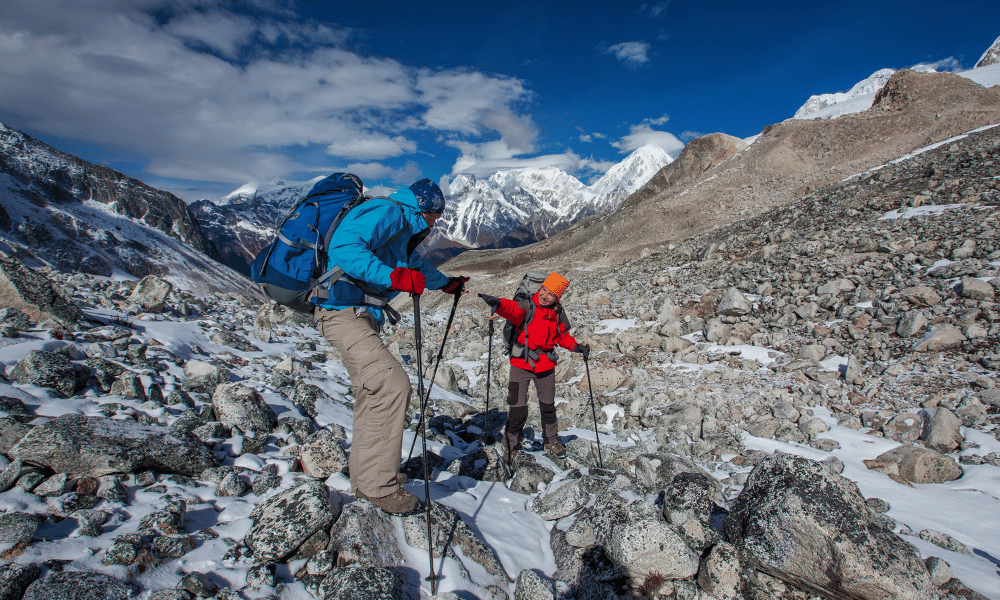
Note that choosing the best season to trek depends on your personal interests, too. Some of us might just be there for mountain views, while some might be seeking a real adventure. So, here are some tips on when to travel to the Manaslu region of Nepal:
- Best time for photography: Spring, Summer (mornings), Autumn, and Winter (during clear weather)
- Best time for comfortable trekking: Spring and Autumn
- Best time for lush green scenes and wildlife flowers: Spring, Summer, and Monsoon
- Best time for wildlife activity and bird watching: Spring and Autumn
- Best time for extreme challenge and adventure: Monsoon and Winter
- Best time for fewer crowds (with safety): Summer
- Best time for cultural immersion: All seasons (check festival calendar for specifics)
- Best time for stargazing: Spring, Autumn, and Winter
- Best time for budget trekkers: Summer (monsoon and winter if you’re ready to accept the risks)
- Safest trekking period: Spring and Autumn (and early Summer)
Final Answer: What Time Do We Recommend?
This answer actually depends on you. Whether you’d like to experience a certain festival or a time when trekking in the region is safer with good mountain views, it’s seriously your call!
Personally speaking, I was there to see Mt. Manaslu, so clear views were my main objective. But our team members at Altitude Himalaya have different preferences. Some of our expert guides love to go during a much more peaceful time despite the challenge (but only when weather conditions are good).
Analyzing the recent weather patterns and season shifting, our recommended months for Manaslu Circuit Trek are: Mid to Late March, April, May, Early June, Mid to Late October, November, and Early December.
These are the times when the weather has been most stable with good wildlife activity and becomes perfect even for photography lovers.
Still, the weather conditions can change. So, be sure to stay updated with the forecast or contact us directly on WhatsApp to get real-time insights before you start packing for the adventure.


 Bhishu Acharya