When I was hiking along the trails of Manaslu in October 2025, I already knew from the start that it was going to be one of the best trekking destinations I’ll ever experience!
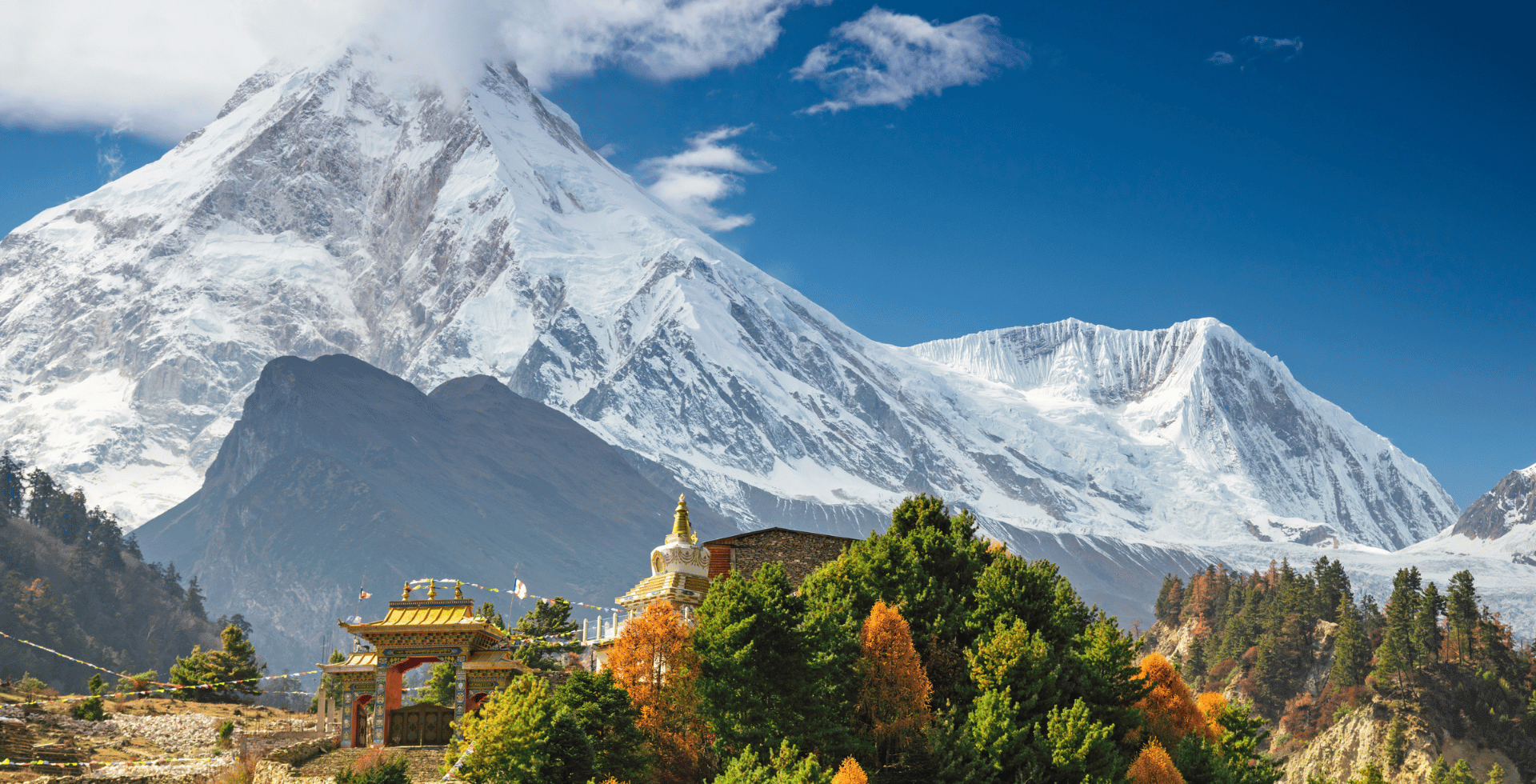
My jaw literally dropped when I caught the first towering view of Mt. Manaslu from Shyala. But honestly, it was not just about the Killer Mountain!
The hospitable Nubripa and Bhotia people I met along the journey (particularly in Samdo), the monasteries I got to visit, and also the viewpoints I conquered were equally fabulous.
The 360-degree view from Pungen Gumba and the serene waters of Birendra Lake were perhaps the best places here, and even after months, they still reflect in my mind like it was a beautiful dream!
Oh! And that knee-hurting downhill after crossing Larke Pass at 5,106 m that came with wonderful mountain and glacier views is one of my favourite stories I share every time someone asks me about my Manaslu experience.
Honestly, my words here might not be enough to explain the beauty of the Manaslu region's major attractions. I urge you to visit this serene destination and see it for yourself!
And after reading this blog, I assure you that you will be able to plan your Manaslu Circuit Trek the right way and select the best spots within the Manaslu Conservation Area.
Main Natural Attractions in Manaslu Region
Let's start with the natural sights that you will encounter during your visit to the Manaslu Conservation Area. These main attractions were the reason that drew almost 14,980 tourists in 2025 alone! That's a number I'm confident will increase in the coming years considering the increasing popularity of the Manaslu region.
Mt. Manaslu and Mansiri Himal Range
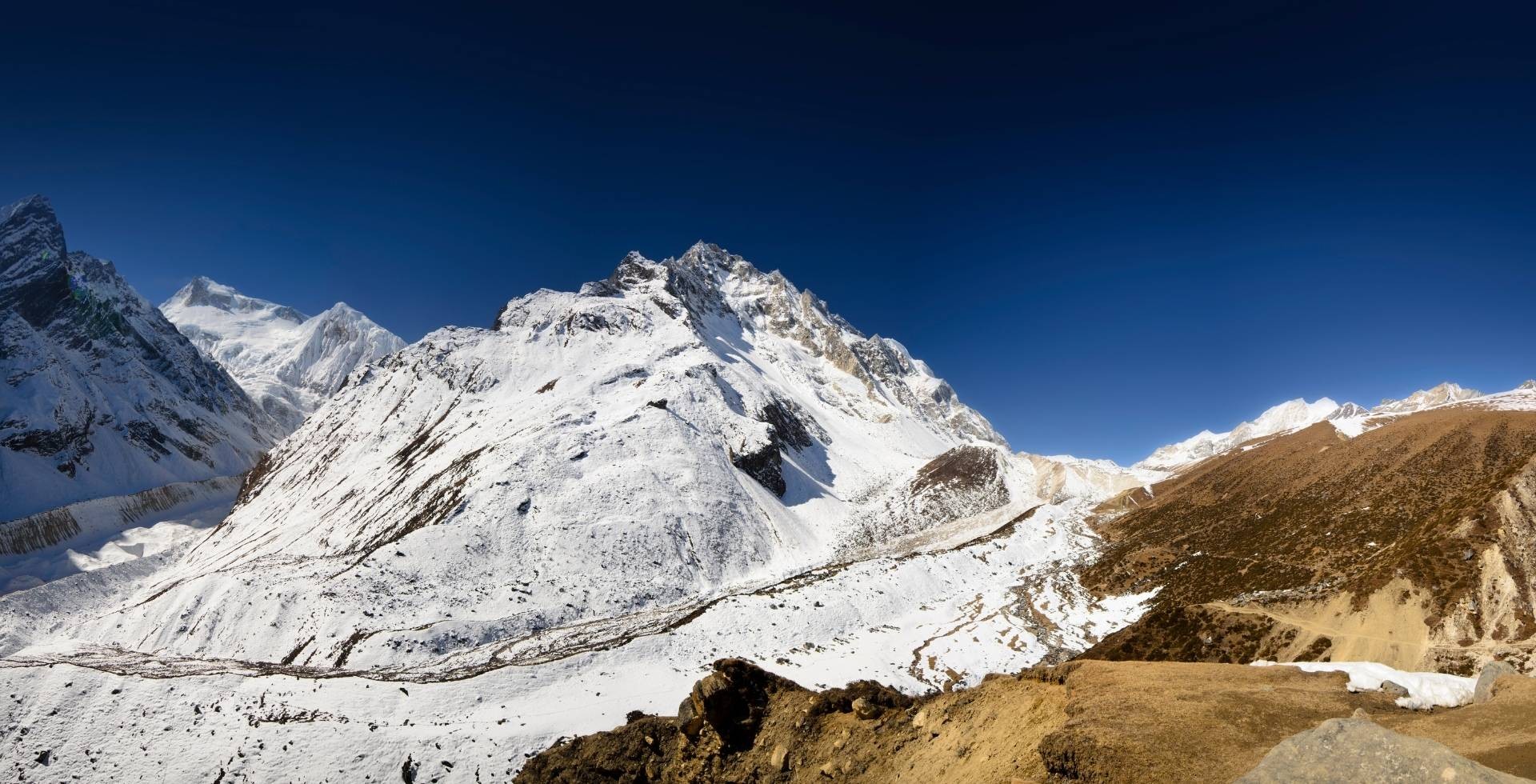
Without a doubt, the eighth-highest mountain in the world, Mount Manaslu, remains the top attraction of this region. It is a twin-peaked mountain, with the main summit at 8,163 m and the east pinnacle at 7,992 m.
Widely regarded as the Killer Mountain, you get your first proper glimpse of it after entering Lho. However, weather conditions and the season you travel may affect its visibility. That is why I was able to see it for the first time only upon reaching Shyala.
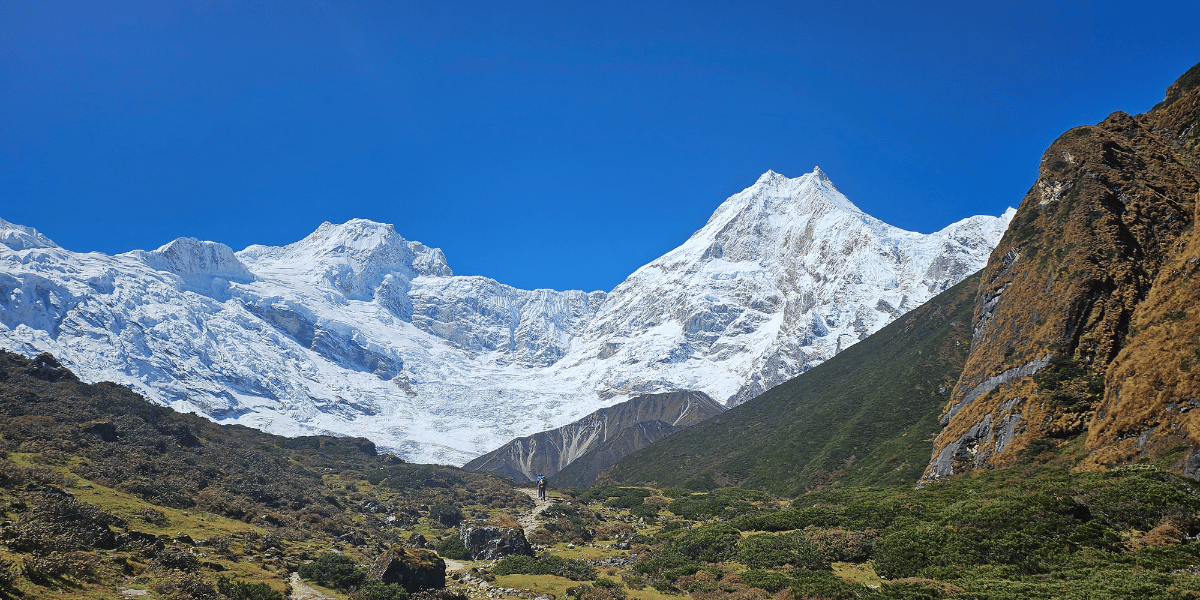
Mount Manaslu is part of the Mansiri Himal subrange of the central Himalaya. This subrange consists of other towering peaks of Nepal, mainly Himalchuli (7,893 m) and Ngadi Chuli (7,871 m).
It is even known as ‘Mountain of the Spirits’, and locals consider it a deity (Lha Ri in local language). The other summits around it, mainly Thulagi Chuli (7,059 m), Manaslu North (7,157 m), Naike Peak (6,211 m), and Larkya Peak (6,249 m), make you feel as if nature itself is blessing you.
Besides the Mansiri Himal range, the start of the Manaslu trek introduces you to the Ganesh and Kutang Himal ranges.
The prominent ones include Ganesh NW (7,118 m), Ganesh V (6,986 m), Shringi Himal (7,187 m), Tewa Himal (6,008 m), Lumbo Himal (6,250 m), Saula Himal (6,235 m), Baudha Himal (6,672 m), Samdo Peak (6,335 m), and Pangboche I (6,620 m), among others.
After you cross Larke Pass, you'll enter Manang from Gorkha district (in Annapurna CA), and that gives you good far-reaching views of the Annapurna mountains too!
Serene Birendra Lake at 3,644 meters
Locally referred to as Yamcho Taal (old name), this is the main lake within the Manaslu region that you simply cannot miss. It was renamed in 1977 after King Birendra visited the site.
This moraine-dammed glacial lake is situated right below Mount Manaslu and is fed by the Manaslu Glacier. Spanning about 0.26 sq. km., you can reach this landmark from Sama Village in about an hour’s hike, covering roughly 2 to 3 km.
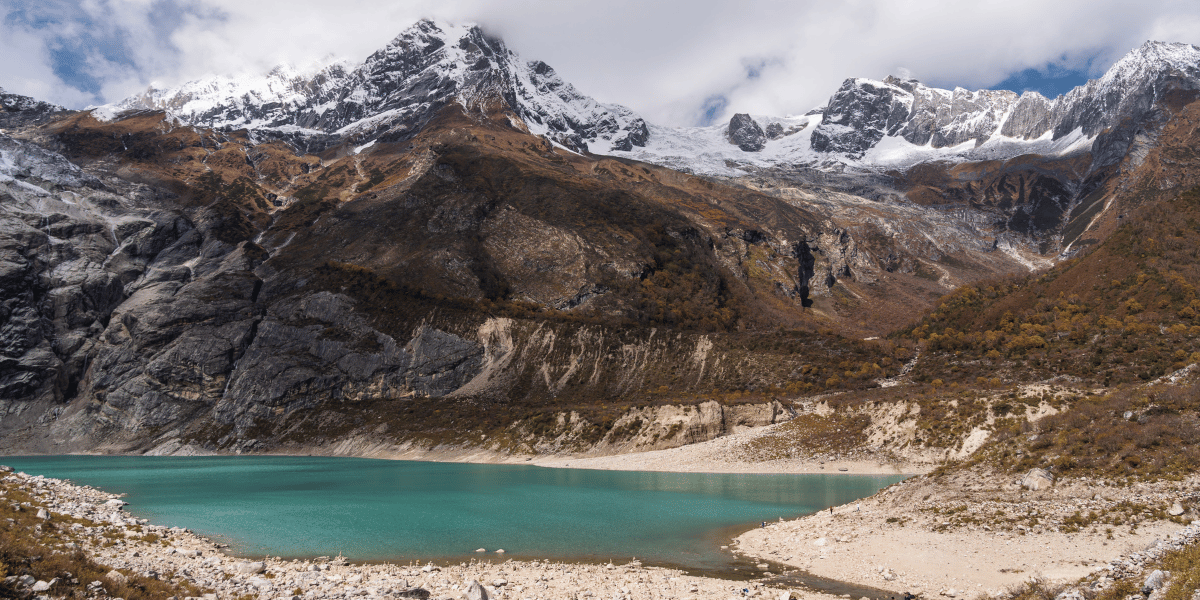
There is a new viewpoint at about 3,700 meters that gives you a proper glimpse of Birendra Lake. The panoramic view of the lake below and the mountains above, including Manaslu, Manaslu North, and Naike Peak, is a scene worth capturing.
From there, you may hike all the way down to its rocky shoreline. The area is an active wildlife zone, so you might even spot some rare fauna, including the elusive snow leopard.
Moreover, Birendra Taal is a recurring avalanche-prone zone. At times, ice debris gets deposited, and the lake becomes covered with broken ice pieces.
Adventure of Crossing Larke Pass
Once you are done exploring the Manaslu region, returning by the same route would cost additional time and exhaust you further.
Because honestly, the Manaslu Circuit Trek route is not about steep climbs. It is more about rugged adventure from Day 1, with decent elevation gain and long-distance coverage.
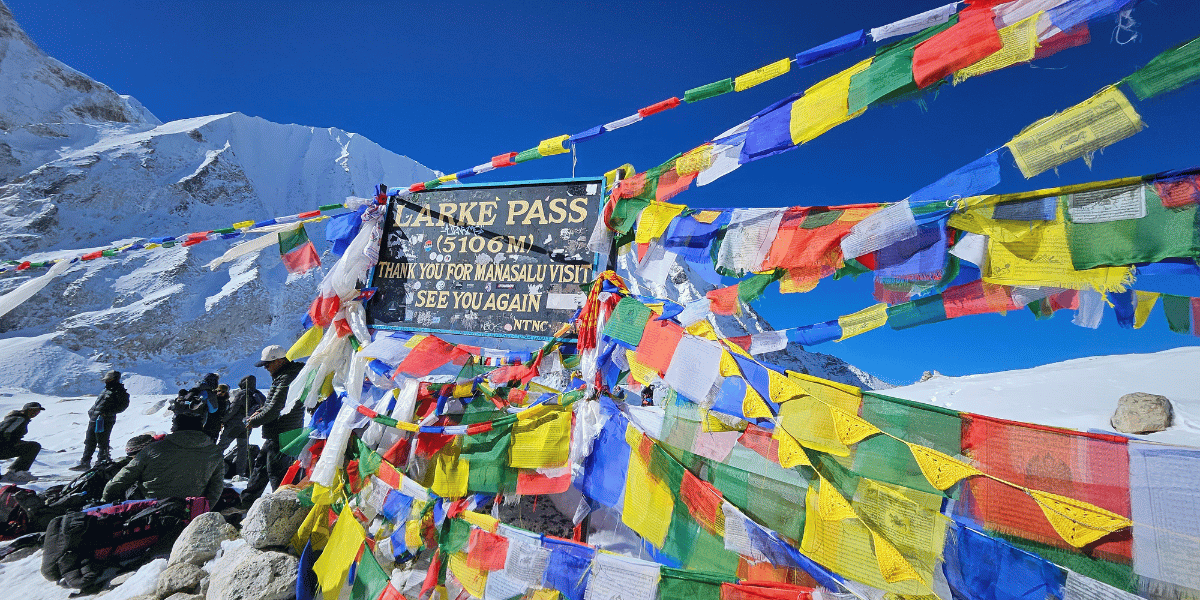
So, the most logical approach is to cross the high-altitude mountain pass, Larkya La (Larke Pass), and enter the Annapurna region to complete the circumambulation journey. These days, crossing Larke Pass has become a popular activity and an achievement in itself.
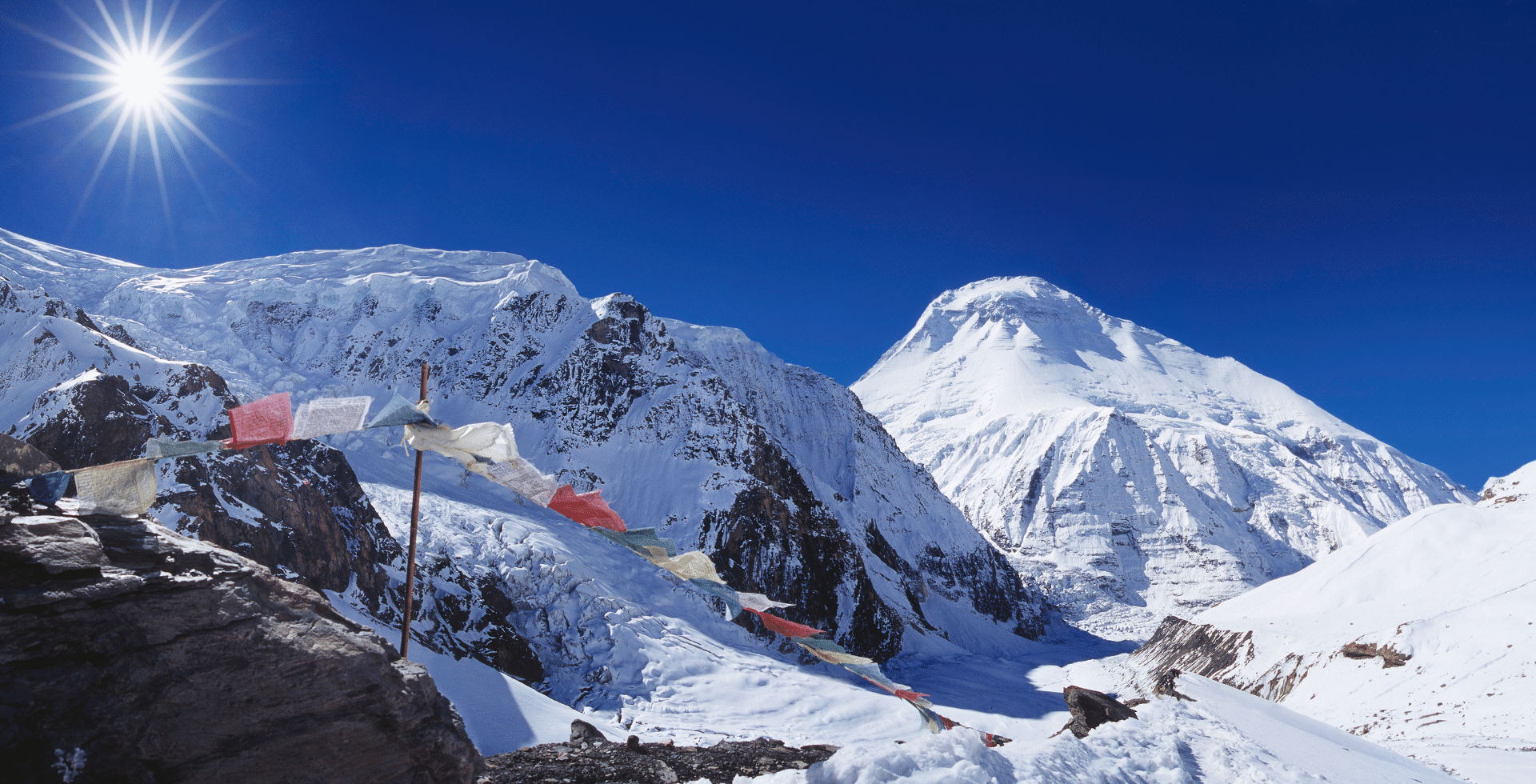
The 7 km route to Larke Pass starts from Dharmashala (4,460 m). You have to cross a level glacier, large moraines, and rocky or icy sections to reach the vantage point decorated with prayer flags. There are two boards at the top, so be sure to pose for pictures in front of both!
On the way, you will also pass the beautiful Amrit Taal, where you can briefly stop to rest. The morning sunrise view with Himlung Himal (7,126 m), Cheo Himal (6,820 m), Gyaji Kang (7,038 m), Kang Guru (6,981 m), and Annapurna II (7,937 m) makes the entire route breathtaking.
But it is less about mountain views once you reach the highest trail point and more about your personal achievement. The real challenge begins during the steep downhill towards Bhimthang as you enter the Annapurna Conservation Area (which is why Annapurna permits are also required for this journey).
And of course, be wary of altitude sickness. Don’t try to cross the pass too fast; in case you show signs of acute mountain sickness (AMS), please do slow down and inform your guide immediately!
Series of Waterfalls Along the Trail
Keeping aside the mountain and glacier views, the Manaslu region is equally popular for its countless cascading waterfalls. This is largely due to the narrow and steep landscape of the Budhi Gandaki valley.
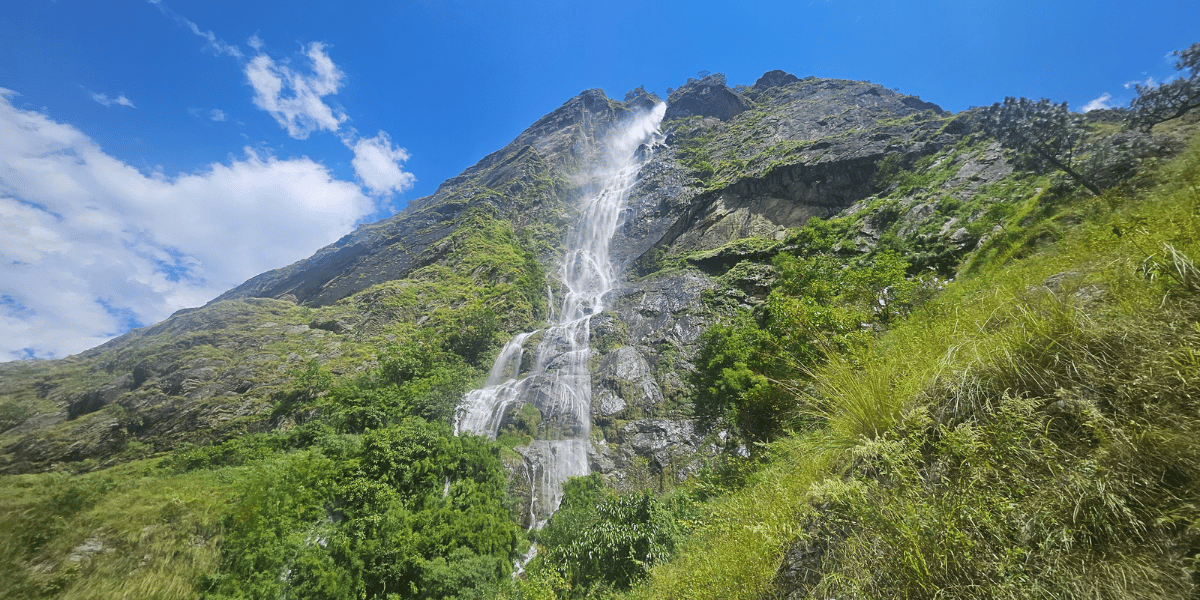
The most popular ones include Koya Khola Chhahara near Rana, Tarang Khola Chhahara near Prok, Rani Jharana (also known as Queen Waterfall) in Bur, Taiul Waterfall near Prok, and Namrung Waterfall near Namrung, among many others.
In fact, the scenery of waterfalls begins even before entering the Manaslu Conservation Area. From Soti Khola to Jagat is where you encounter the most. Close to Tatopani, you will pass through multiple cascades that leave you wet yet refreshed.
What’s fascinating is that locals have utilized this water energy for traditional watermills and mini or micro-hydro electric plants. That is one of the reasons most places, up to Samdo, currently do not face major electricity issues.
Walking Beside Budhigandaki River
The main river in the Manaslu Conservation Area is the Budhi Gandaki River. That is why the entire region, consisting of Nubri, Kutang, and Tsum, is often regarded as the ‘Budhigandaki valley’.
Multiple glacial streams, including the Larke Khola, meet near Samdo Village (3,840 m) and contribute to the Budhi Gandaki River system. As the river flows southward towards the Trishuli River in Dhading, more tributaries join it!
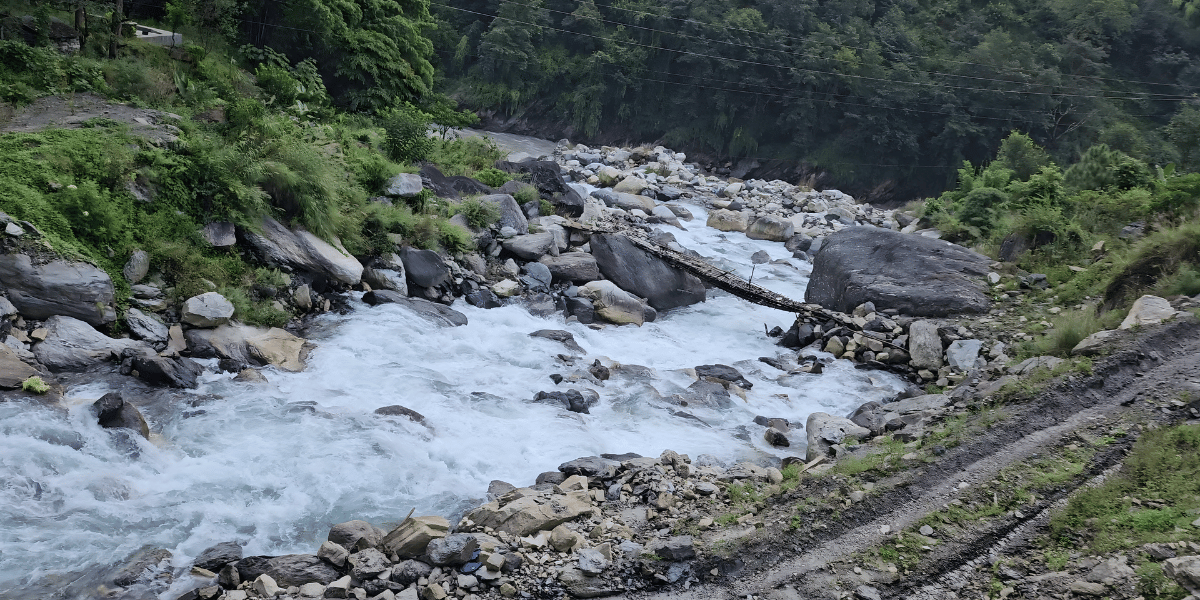
Some of these rivulets are: Tom Khola (coming from Tibet and joining near Gapshya), Thosang Khola (that comes from the Pungen Glacier), Seran Khola in Bhijam, and Shyar Khola (that flows from Tsum Valley, joining in Nyak).
And during the final section of the Manaslu Circuit Trek, after entering the Annapurna Conservation Area, you get to walk along Dudh Khola, which eventually merges into the Marsyangdi River.
The constant sound of these flowing rivers is what keeps you company throughout the Manaslu journey. While trekkers follow the riverbank trails, locals use the river waters for irrigation and daily household purposes.
Diverse Flora and Fauna
For wildlife lovers, the Manaslu Conservation Area could truly feel like heaven. It houses over 2,000 plant species, around 39 species of mammals, more than 200 species of birds, about 3 reptile species, and 11 species of butterflies, all within 11 types of forest.
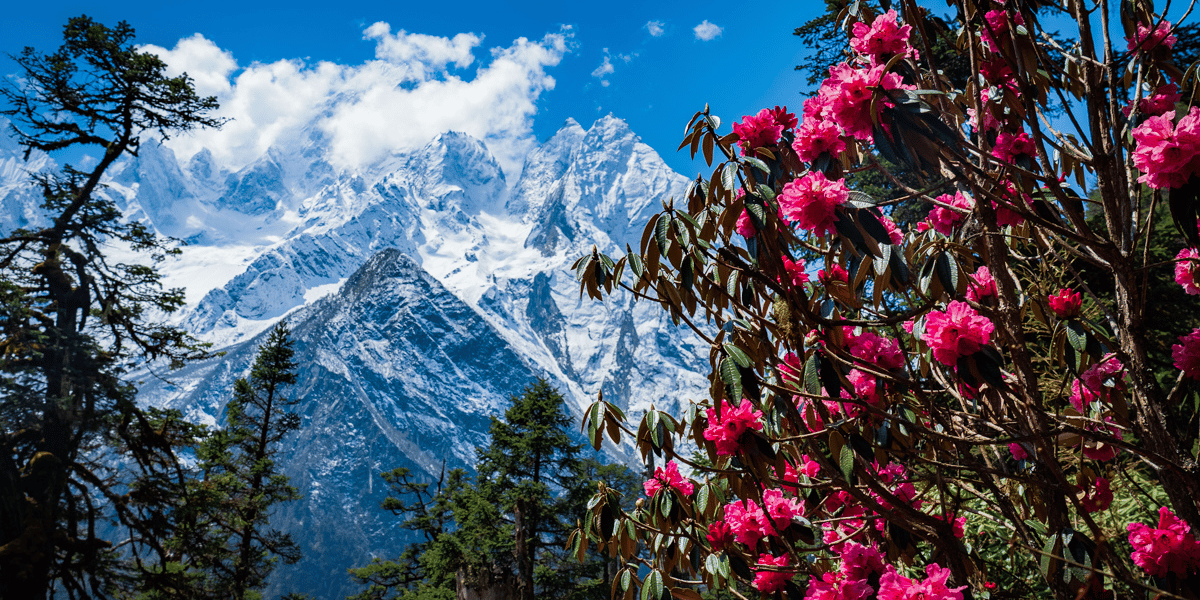
The main plant species include Chir Pine, Blue Pine, Himalayan Fir, Himalayan Spruce, Himalayan Juniper, Brown Oak, Himalayan Birch, Nepal Alder, Schima, and Indian Chestnut, among others.
And how can we forget the national flower of Nepal, Rhododendron, which blooms in the spring season within Manaslu’s subalpine climatic zone. It is also dominant along the Annapurna region’s Bimthang to Tilche route, making the rhododendron forests another major attraction of the trek.
Talking about fauna, Manaslu Conservation Area is home to elusive alpine wildlife such as the snow leopard, musk deer, blue sheep, Royle’s pika, marmot, Himalayan goral, Himalayan tahr, red panda, and Himalayan black bear.
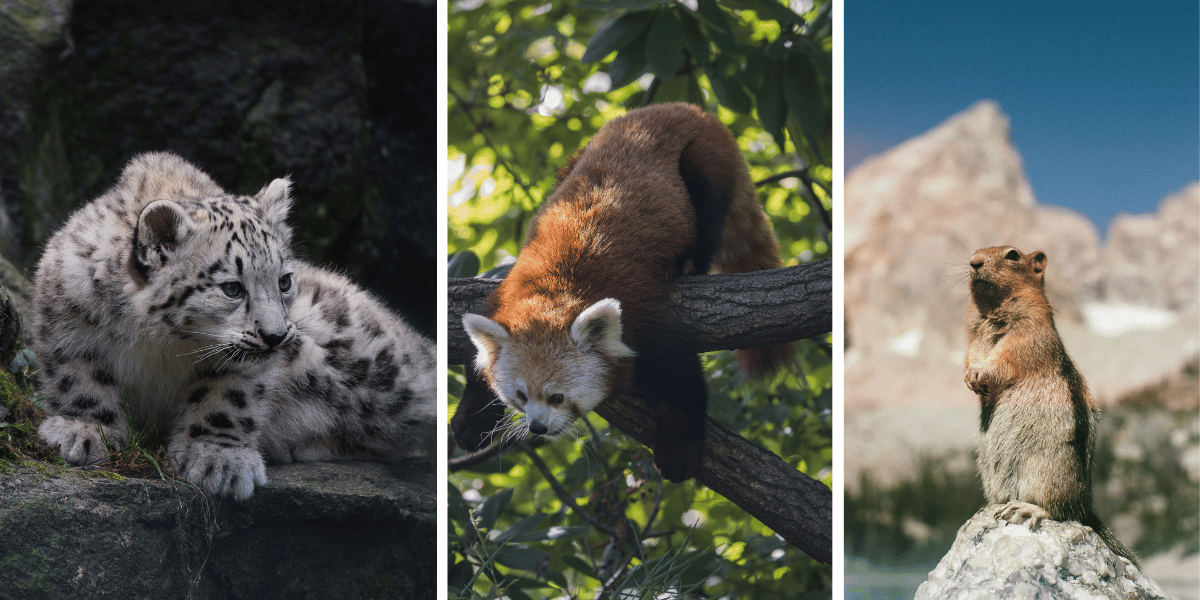
Spotting these wild animals requires luck and the time you do the Manaslu trek. During my own trip, I caught glimpses of Himalayan tahr and musk deer, while a group ahead of us claimed to have spotted a snow leopard near Birendra Lake.
If you are fortunate, the Manaslu region can also be a rewarding destination for birdwatching. Himalayan griffons, Himalayan monal, lammergeier, choughs, snow pigeons, ruddy shelducks, jungle crows, and several other species are commonly seen.
Besides wildlife, you will come across multiple domesticated animals in the villages of Manaslu. Yaks and naks, cows, chauris (cross-breeds of yaks, naks, cows, or bulls), buffaloes, sheep, goats, horses, donkeys, and mules are the most common.
In fact, livestock rearing is one of the major sources of income for the local people. In the lower regions especially, you will often find yourself walking alongside pack animals.
Apart from wild flora, the villagers cultivate cereals such as maize, wheat, millet, barley, buckwheat, and rice, along with potatoes, lentils, and beans. Different fodder and fuelwood plants are also found throughout the region.
And of course, those apple orchards from Gap to Lihi, mainly in the Namrung area, are something I cannot forget to mention. They are delicious, and locals prepare various bakery items from them.
Lastly, even the Himalayan Gold, Yarshagumba, is found in the higher regions of Samagaun, Samdo, and Tsum Valley. So, be ready to hear stories of how people risk their lives to harvest these valuable medicinal fungi!
The Must-Do Side Trips During Manaslu Trek
Honestly, the key highlights of the Manaslu Circuit Trek are the side trips you take. Even if you have limited time, visiting at least one or two places is possible (and you must).
So, don’t be a speed-hiker and focus only on completing the circuit. Allocate a little extra time and explore the region properly.
Pungen Gumba: Best For Views
Hands down, the best place I visited during my Manaslu Circuit Trek.
I was already mesmerised by the panoramic mountain view from Shyala. But when our team took a 3-hour, 6 km hike to Pungen Gumba, aka Pungyen Gompa (4,040 m), the towering Mount Manaslu took our breath away!
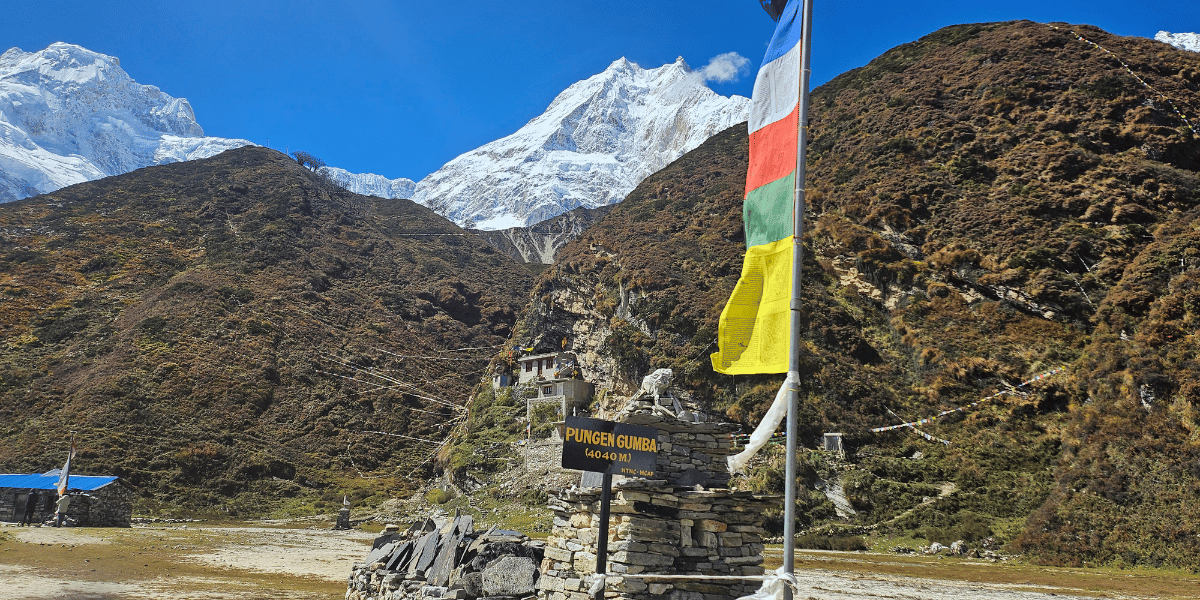
The short trip included passing through a dense forest, crossing Thosang Khola, walking on alpine grazing land, and getting close to not just Manaslu but also the Pungen Glacier.
It felt more like a natural attraction than the spiritual journey you may think of after reading its name. Of course, you’d meet monks, and the centuries-old monastery reflects deep Tibetan Buddhist culture here.
But honestly, this place is all about the mountains. In fact, I learned that Pungen is derived from the words “Phun” and “Gyen”, which translates to “three peaks”, exactly the ones in front of you.
When visiting here, don’t just get mesmerized and forget to step inside to offer your prayers. There’s a donation box where you can cash in some tips for the monks, too.
Iconic Location of Manaslu Base Camp
If I get to visit the Manaslu region again, I’ll make sure that Manaslu Base Camp would be the main goal, as I missed it during my trek in October 2025. It was because the moraine route was rocky and icy after heavy snowfall, with recently occurred avalanches, and locals advised us not to go.
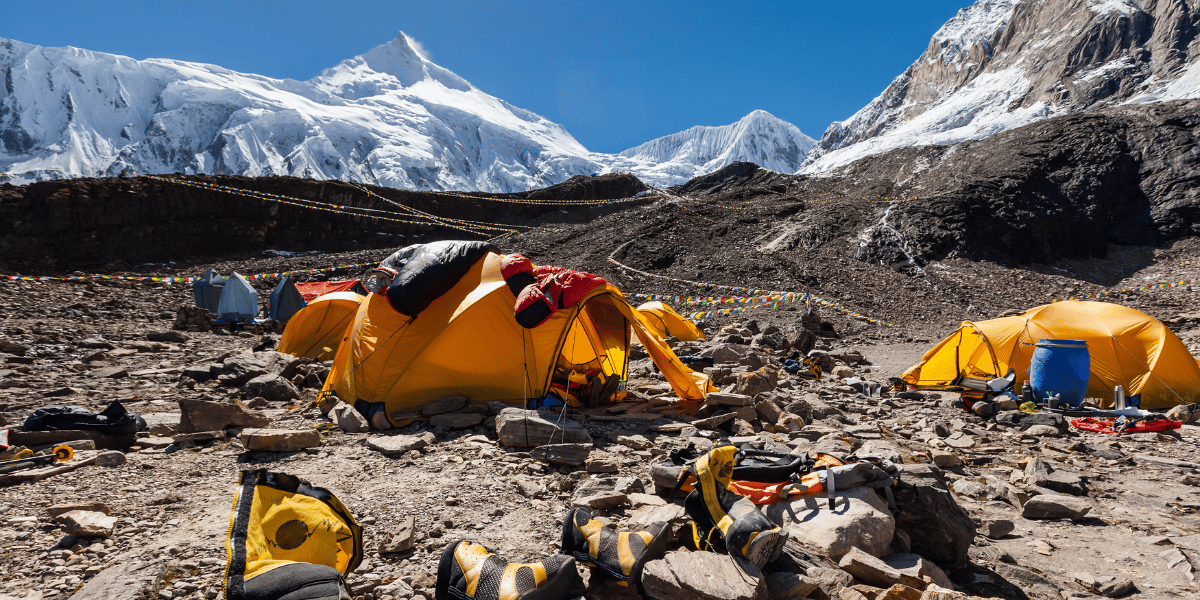
Still, I can say that your Manaslu Base Camp side hike would be an unforgettable adventure. The 9 to 10 hour, 15 km round trip from Samagaun is sure to physically and mentally exhaust you. So, choose this only if you’re absolutely ready and after properly assessing the weather and route conditions.
The base camp of the eighth-highest mountain in the world sits at an elevation of 4,800 m. Reaching there would be a big achievement for sure. And if you’re there during peak expedition time, chances are you may get to interact with mountaineers, too.
The view of Birendra Lake and the far-sighted Sama village (on the way to MBC) is wholesome. But more than that, the main highlights of this side trip are the clear view of the east pinnacle and the iconic “Manaslu Base Camp” board.
Just be sure to carry your crampons or spikes if you’re planning to visit Manaslu Base Camp. Don’t worry, you don’t need ice axes and ropes, as it’s not a technical climb.
Recommended Reading: Manaslu Trek Packing List
A Cultural Tsum Valley Trek
Tsum Valley covers the north-eastern region of the Chumnubri Rural Municipality, where Manaslu CA is located. It is home to the Buddhist monasteries of Mu Gompa and Rachen Gompa (more on them later) and the unique Tsumba community.
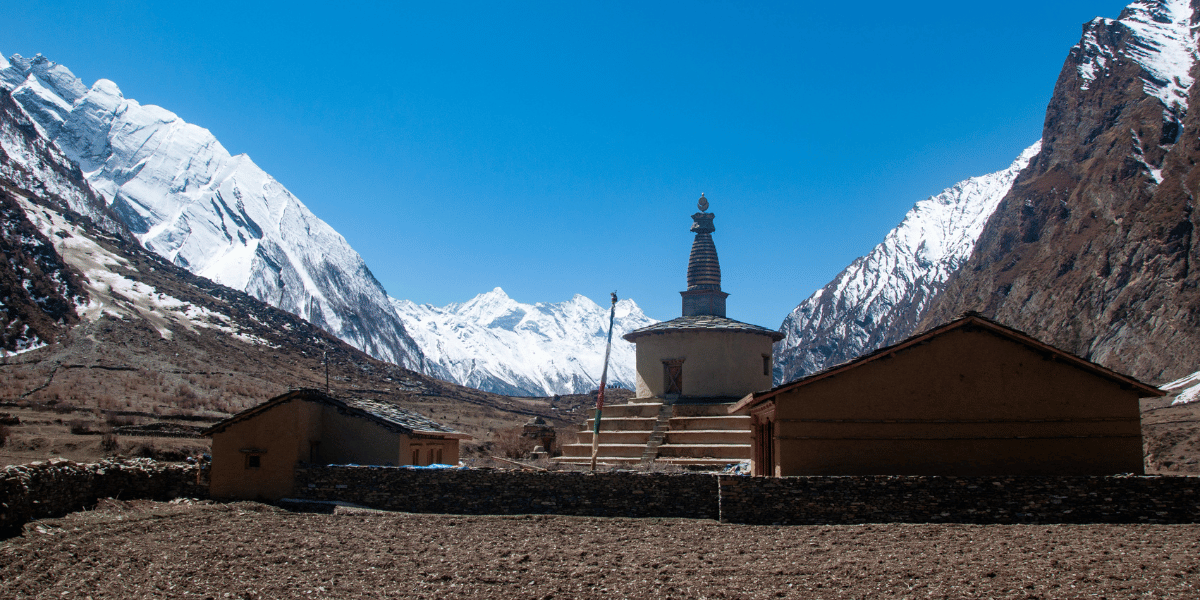
Visiting here means you get clear views of the Ganesh and Sringi Himal ranges on one side and a far-sighted view of Mt. Manaslu on the other.
Moreover, you’ll encounter the remains of the Tsum Kingdom, which was once referred to as “Tsum Tso Chuksum”, which translates to thirteen provinces in one territory.
The route to Tsum Valley diverges at Gampul, on the way to Nyak, from the main Manaslu trail. And as you walk along the Shyar Khola, the spiritual vibes kick in immediately upon reaching Lokpa, the gateway to the Tsum region.
One important thing to note when entering Tsum Valley is that this region isn’t just a restricted area but also a “non-violent zone”. So, forget about non-veg food when travelling here.
Instead, this place lets you fully immerse yourself in Tibetan Buddhist culture and religious practises, from ritual healing to Amchi practise (a traditional herbal medicine that locals still prefer).
Considering the long walking days, many trekkers either plan for the individual Manaslu Circuit or Tsum Valley, with the latter being at a lower elevation. But combining the main circuit trek with Tsum Valley is also possible, for which you need to allocate an extra 5 to 7 days.
Allocate an Extra Day to Sherang Gumba
Sherang Gumba (Syarang Gompa at 3,042 m) is yet another popular spiritual destination among trekkers. While it is often taken as a Buddhist pilgrimage trip, the views of Shringi Himal and the Ganesh range right above the monastery steal the spotlight.
It takes a whole day to reach here from either Bihi or Gapshya. The cultural journey features lush pine and rhododendron forests, waterfalls, prayer flags, and you even get to meet calm monks and nuns who have dedicated their lives to the mountains.
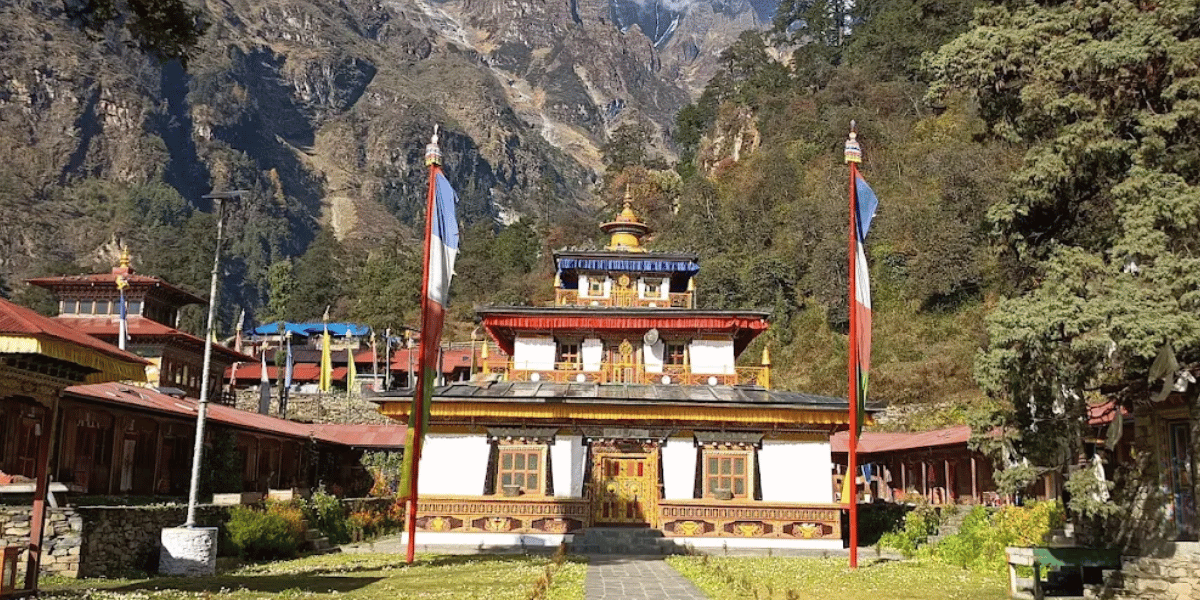
Sherang Gumba is also where Jetsun Milarepa is believed to have meditated in one of the caves in the region. It is the largest monastery in the Nubri Valley, built over 500 years back, and is thus often known as “Nubri Monastery” too.
One fascinating fact about this place is the Serang Shedra, a scripture college known for its high-level Dharma education.
And just like in Tsum Valley, the region around Serang is also a non-violent zone, so you won’t see animals being slaughtered or hunted.
Cultural Attractions in Manaslu Region
Besides the main cultural highlights of Pungen Gumba, Tsum Valley, and Sherang Gumba, this restricted area of Manaslu has more to offer.
There are more hidden monasteries, different ethnic groups living in harmony, and unique local festivals (resembling the ones celebrated in Tibet) to explore. Let me highlight them here.
Main Villages Along the Manaslu Trail
Each village in the Manaslu region carries its own cultural richness. Depending on which part of the Chumnubri Rural Municipality you visit, you will find something unique about the place.
The rural municipality has seven wards, and each is regarded as a restricted region. For different places, you need a specific restricted area permit from the Department of Immigration, which is only possible to obtain through a reliable trekking agency like Altitude Himalaya.
When doing the Manaslu Circuit Trek, you will start from Sirdibas, followed by Prok, Bihi, Lho, and Samagaun. If you also go for the Tsum Valley, you will cover the Chumchet and Chhekampar wards too.
But the sad truth is that most trekkers only stop at the destinations, stay inside teahouses, and do not go out exploring the villages. But if you are exactly the opposite (someone who loves interacting with locals and learning new cultures when in Nepal), Manaslu will not disappoint you for sure.
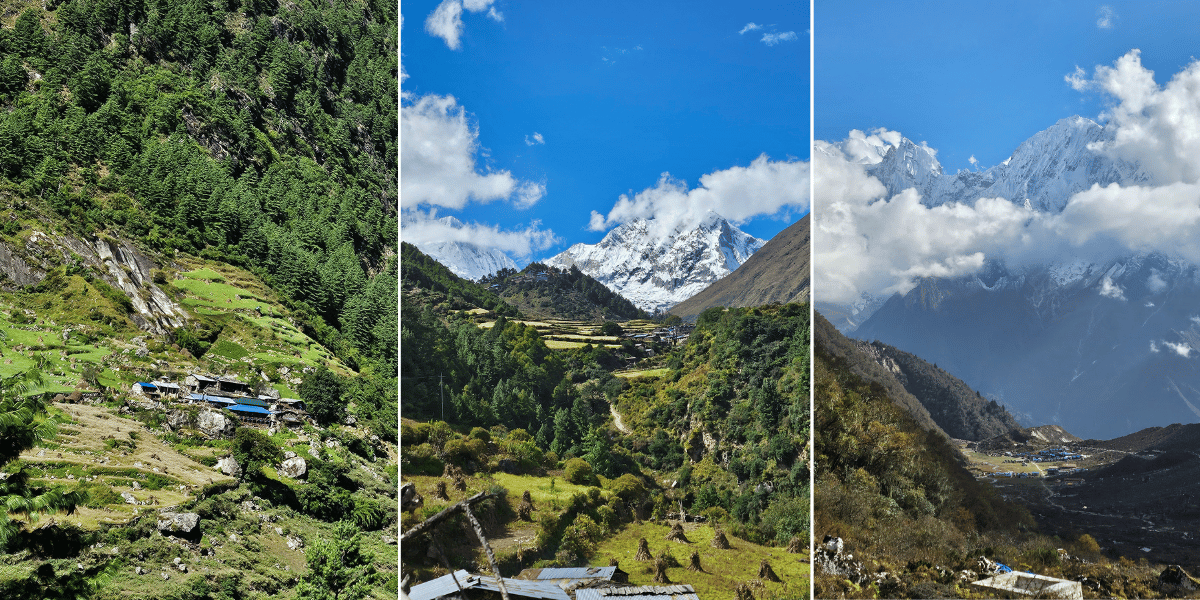
When on the trails, be sure to properly explore these main settlements (where you’ll be accommodated):
- Jagat (1,370 m): The entry point to the Manaslu Conservation Area, where you meet Gurungs, Magars, and a few Brahmins and Chhetris.
- Philim (1,560 m): This is where the Chumnubri RM office is located and is one of the places where traditional life has met modern houses and shops. You will find everything here, including monasteries, terraced farmlands, police checkposts, etc. Also, a place called Pangsing is the last point up to which vehicles reach, very close to Philim.
- Dyang aka Deng (1,860 m): A must-stop destination for overnight stays, considering the hospitable Gurung community. This place is like a transition point between the lower Manaslu region and the Kutang and Nubri valleys.
- Bihi (2,010 m): Home to Sherang Gompa, this is where you start getting the authentic experience of the Tibetan community as you meet the Kutangpa people. Monasteries, mani walls, and chortens are in abundance.
- Gap or Ghap (2,105 m): A great spot to stay among the Buddhist community. It is also where you start seeing apple trees. Not to forget how the crystal-clear waters of Tom Khola meet the Budhigandaki River. Waterfalls surround you, and prayer flags welcome you.
- Namrung (2,630 m): This is the entry point of the Nubri Valley, where you meet the Nubripa people of Tibetan descent. It is one of the biggest villages within the Manaslu region and also houses multiple monasteries, including Namrung Monastery.
- Lihi or Lhi (2,920 m): This village promotes itself as the home to the Buddha Temple, where eight stupas stand. But not just that. It is the entry point of the Lho ward, with side hikes taking you to Hinang Gumba and Himalchuli Base Camp.
- Lho (3,135 m): This culturally rich village is home to Ribung Monastery. It is also famous for yak pastures, a football ground, terraced fields, and the first proper view of Mt. Manaslu.
- Shyala (3,500 m): A serene location that offers panoramic views of the Mansiri Himal range and is also where your hike to Pungen Gumba diverges. There are multiple monasteries, with Shyala Gompa being the main one that offers an elevated view of the village below. There is also Hangsangfu Medication Center, right on the opposite side of the settlement.
- Samagaun (3,530 m): Sitting right beneath the towering Mt. Manaslu, Samagaun is the biggest village in the region. That is also why it is referred to as the “lotus feet of Manaslu Heritage”. This is also where the serene Birendra Lake is located. It is home to numerous monasteries and is the starting point of the Manaslu Base Camp. So, it is best to give at least two days to properly explore this culturally rich landmark, with one day dedicated to acclimatization/rest.
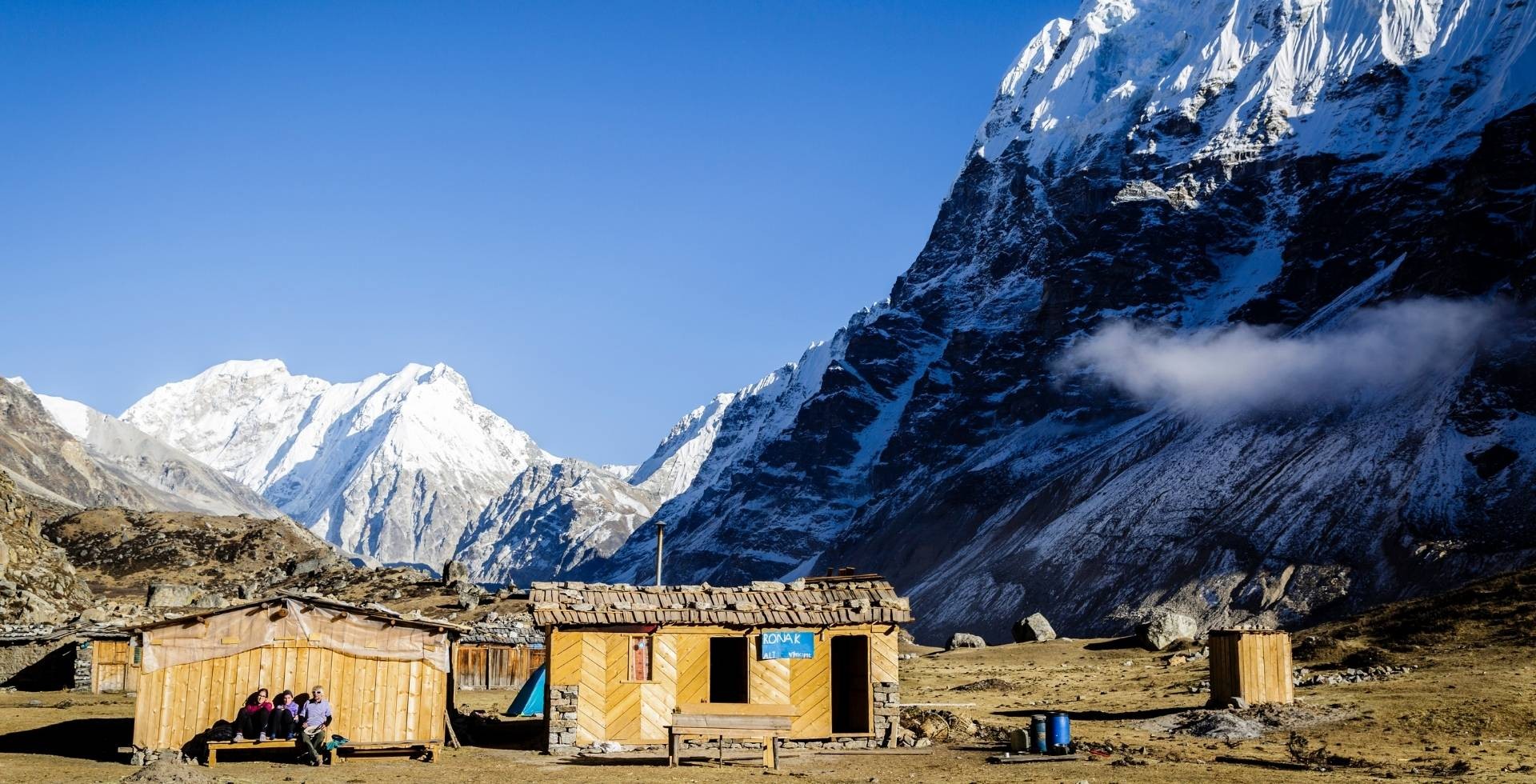
- Samdo (3,860 m): This is the high-altitude remote village tucked right below the giant Samdo Peak, thus its name. Very close to the Tibet border, you could opt for an acclimatization hike to Lajyung Pass. Mostly inhabited by the Bhotia people, you will find them living in traditional stone houses. It is also the last spot to buy goods before heading to Dharmashala for the final night before Larke Pass.
- Lokpa (2,240 m): After diverging from the main Manaslu Circuit trail at Gampul, you will reach the gateway to Tsum Valley. From here, you will get to interact with the indigenous Tsumba community.
- Chumling (2,386 m): This is the first proper village of Tsum Valley, home to Panago Gompa, Mani Dhungyur Gompa, and Gurwa Gompa. The Tsumba people welcome you into their Tibetan-style stone houses. As it is a non-violent zone, food becomes simple, like barley and potatoes.
- Chhokang Paro (3,031 m): Also known as Chhekampar, this is a village in the Upper Tsum Valley that introduces you to more Tibetan Buddhist architecture. Dharmapala is considered the main protector of the twin hamlets, Chhekam and Paro.
- Lamagaun (3,302 m): A famous rest point in Tsum Valley from where you can hike to Piren Phu (also known as Milarepa Cave) and Rachen Gumba. It is also where most Himalayan monks, the Lamas of the Tsumba community, reside.
- Nile and Chule Villages (3,361 m): Located on the western and eastern sides of the Shyar Khola River, respectively. Nile is the last village of the Upper Gorkha area. After this, there are only pasture lands like Kalung and Bhajo Kharka. These villages serve as the base point to reach the famous Mu Gumba.
- Outside Manaslu CA: Most of the time, the Manaslu trek begins from Machhakhola, which is home mainly to Gurung and Magar communities. And after crossing Larke Pass, you will enter the Manang District’s Nason Rural Municipality. Here, the Gurung villages of Bhimthang and Tilche are also a great way to explore local culture.
Interact with Kutangba, Tsumba and Nubripa People
The Manaslu region, being a restricted area, does not just offer security protection near Tibet’s border, but the people’s culture and traditions have also been well preserved.
The Kutang region, including Bihi and lower Prok, is where you start meeting the Bhotia community that follows Buddhism and some syncretic practices. These people are regarded as the “Kutangpa” and have their own language known as Kukay.
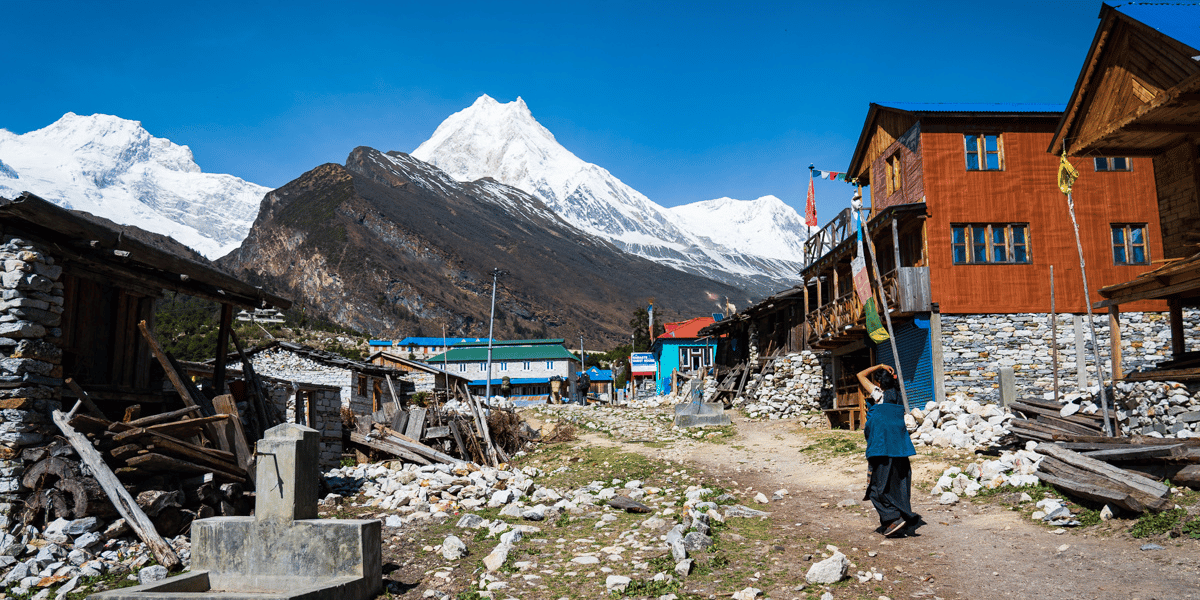
The Nubri Valley starts from Lungachhyuda, near Namrung village. It is where the Tibetan-origin ethnic group, the Nubripa community, dominates the settlements all the way up to Samdo. They are mostly Tibetan Buddhists following the Nyingma tradition.
Those doing the Tsum Valley trek get to socialize with the Tsumba (aka Chumba) community, who are considered the heart of the Manaslu region. Known for their non-violent nature, the people here are mostly Tibetan Buddhists, particularly of the Nyingmapa and Kagyupa lineages.
Besides these communities, you also get to meet Bhotia, Gurung, Tamang, Lama, Bonpo, and a small number of Brahmin and Chhetri people living in Manaslu. However, the main ethnic groups among the 5,932 population of Chumnubri Rural Municipality, as per the 2021 census, are the Tsumba and Nubripa.
You do not just meet them but enjoy their hospitality up to Bhimthang, after crossing Larke Pass. But from here, you would be more among the Gurungs.
Social interaction among the people of Manaslu was indeed one of the best highlights of my own circuit trek. Particularly when my team and I were welcomed by a Bhotia family in Samdo into their home for a night's stay.
Unlike the commercial teahouses where we stayed during the entire journey, Samdo gave us a deep peek into their daily lifestyle and cultural practices.
The butter tea, local taste of Dal Bhat, tsampa, and other food of Manaslu added fuel to our journey. We received a similar level of hospitality from a locally run Samagaun teahouse.
Therefore, to enjoy a more cultural side of the trip, I urge you to take your time to explore the villages and meet the wonderful people living here.
Visit Buddhist Monasteries
The Manaslu region is mostly about Tibetan Buddhism, their way of living, religious practices, and unique culture. Every major village has at least one monastery built in Tibetan architecture, where locals visit to offer prayers.
Unlike city life, Tsumba, Nubripa, and Kutangpa people have dedicated their lives to religious devotion. So, these sacred monasteries are their haven.
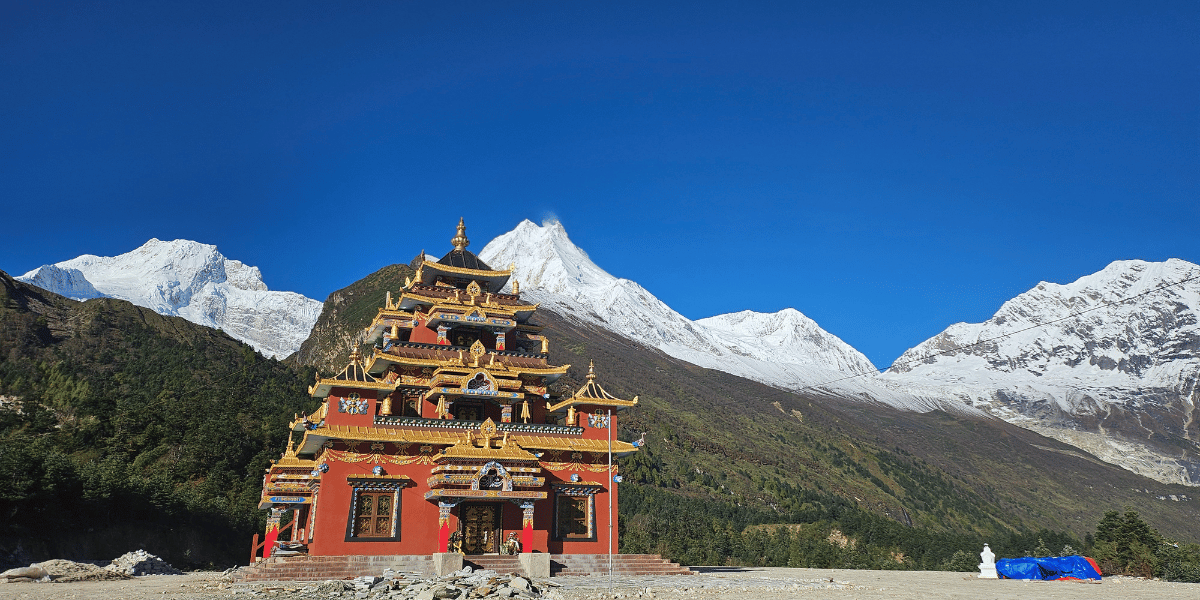
Let me give you textual glimpses of the most prominent monasteries in the Manaslu region (besides Pungen Gumba and Sherang Gompa that we discussed earlier):
- Lhi Buddha Temple (aka Lhi Gompa): Famous for its eight stupas and the golden statue of Gautam Buddha, it is a sacred location in Lhi village. It is slightly off the main trail and can be reached within just a 5-minute walk.
- Hinang Gumba: A little further from Lhi village sits a peaceful monastery where monks reside. It is a great place to meditate, spin prayer wheels, and spend hours chanting the life mantras the monks teach you.
- Shyala Monastery: This monastery is honestly an architectural marvel. You will wonder how people were able to build such a magnificent monastery at an altitude of over 3,500 meters, that too in a remote place. More than the monks and nuns, you will be impressed with the beautiful mountain views around it, the monastery standing in the middle, and the settlement view right beneath. Note that it falls right on the way to Pungen Gumba.
- Pemachheling Gompa (aka Pema Choling Monastery): Passing through multiple chortens and stupas, you reach this monastery, which falls on the way to Birendra Lake. It is more than 700 years old and a key spot within the lotus heritage area of Samagaun, where Nubri, Gurung, and Bhotia people come to pray.
- Rachen Gumba: A key highlight of Tsum Valley that introduces you to Buddhist nuns of the Nyingma tradition. It is a major location for the Tsumba people, where you will find clay statues of Avalokiteshwara and mural paintings.
- Mu Gumba: This is the highest point of the Tsum Valley that trekkers reach and is yet another major monastery in the region. The highlights here are the breathtaking views of the Shringi and Ganesh Himal ranges.
Besides these, there are multiple small monasteries, along with stupas, chortens, and mani walls throughout the Manaslu region. You will find them in Philim, Bihi, Shyo, Lho, Shyala, Samagaun, and Samdo.
Explore Local Festivals
For travellers who want to see an even more cultural side of Manaslu, I would suggest keeping an eye on the Tibetan festival calendar.
While Hindu festivals are celebrated in the lower region (like all across Nepal), the core area of Manaslu mainly celebrates Buddhist Himalayan festivals.
Choosing a specific festive time lets you enjoy monastic rituals, butter lamp offerings, folk dances like the cham dance, torma offerings, recitation of tangyne (a sacred book), communal feasts, mandala creations (like thangka paintings), kora walks, and other rituals.
While there are plenty of festivals in the Manaslu region celebrated at different times of the year, here are the most notable ones:
- Dumje or Dumji Festival: Falls in June or early July and is mainly celebrated by the Bhotia communities in different monasteries. It is a day to honor Guru Rinpoche, Padmasambhava, with sand mandala creation and cham dances.
- Losar: It is the most important festival for all Buddhists. Within the Manaslu region, locals celebrate Gyalpo Lhosar, also known as Tibetan New Year by Bhotias and Nubripas, and Tsampa Lhosar by Tsumbas.
- Gompa pujas: Usually between April and May, most monasteries in the region conduct special poojas to commemorate lamas.
- Buddha Purnima (aka Saga Dawa): This is a holy festival celebrated around May that commemorates the birth of Gautam Buddha. Buddhists celebrate this festival with pilgrimages, kora, and different religious ceremonies, not just in Manaslu but all over Nepal.
- Kumche Puja: In July, this special festival is celebrated in different monasteries of the Nubri, Kutang, and Tsum valleys. It is a local ritual, and hence not many people know about it.
- Nara Festival: A kind of cleansing ceremony rooted in Tibetan Buddhist traditions and celebrated around October to November. Exorcism dances and communal feasting are some of the major highlights.
- Mani Rimdu: Yet another festival that honors Guru Rinpoche, with celebrations in the main monasteries of Tsum and Nubri valleys. You get to immerse yourself in cham dances, sing folk songs, and witness fire rituals.
- Yartung Festival: Around the monsoon time, August to September, a high-altitude horse racing festival is celebrated in Samdo and Samagaun, very similar to those in Manang and Mustang districts of Nepal.
- Dhachyang Festival: In Tsum Valley, around the off-season period between December and January, locals organize an archery competition along with Buddhist rituals.
- Fanning Festival: Another Tsum Valley festival, where the main highlight is trying local yak butter tea, thukpa, tsampa, and more. The Tsumba community in Chumling and Chhokang Paro celebrate this unique tradition around August and September. So, do not hesitate to join if you happen to be here at that time. They will love it!
Love to learn more about such festivals? Check Nepal’s festival calendar here.
Hidden Gems of Manaslu Conservation Area
Now that we have covered the major attractions of the Manaslu region, let me walk you through some of the lesser-known spots too.
These are slowly getting popular among local tourists and, soon enough, might reach your ears too.
Prok Village Visit and Kal Taal Exploration
The general Manaslu Circuit Trek itinerary goes from Bihi > Bur > Gap. But a little ahead of Bur is where you will find a suspension bridge that, if crossed, takes you to Prok village. It is not really hidden, but the shorter trail makes you want to skip this longer route.
However, if you choose this pine forest trail with gentle slopes to reach Prok, I am sure you will not be disappointed. If you really want to explore here, be sure to allocate at least two days.
The views of Shringi Himal and the Ganesh range are spectacular. But more than that, there is another side hike from Prok that takes you to Kalchuman Taal, aka Kal Lake (translation: Death Lake).
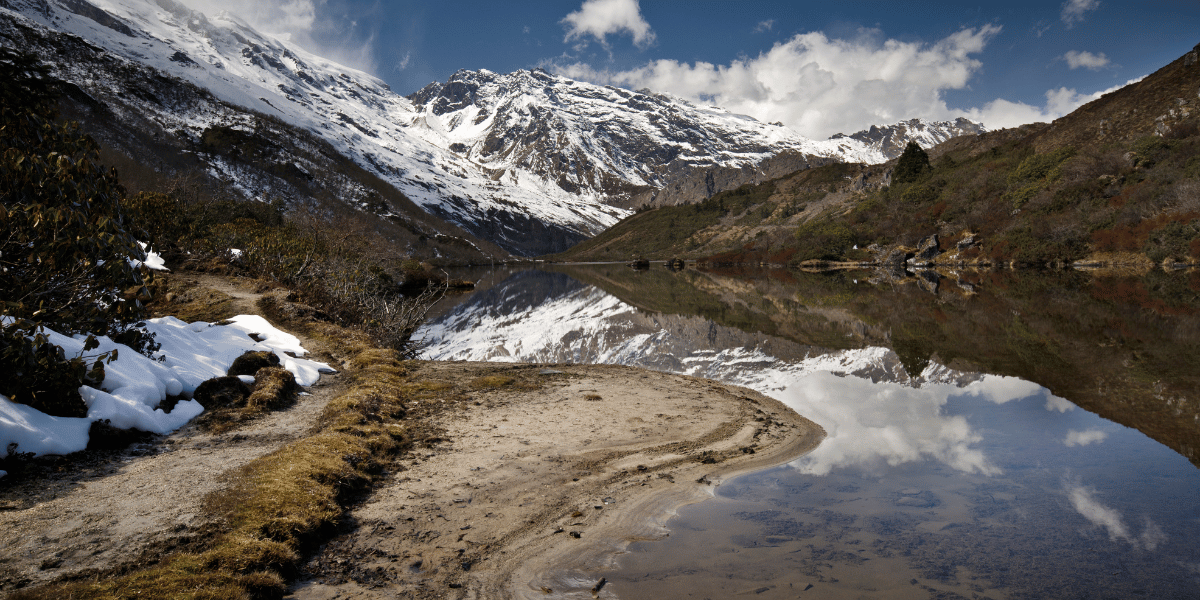
Locals call it Kalpa Chho and even perform rituals here in Aunsi (the new moon day), associating the lake with Kali, the goddess of power. If you happen to visit this lake during that time, you would even find pilgrims circumambulating the lake and offering torma along with other puja materials.
Moreover, locals believe that this is a saline lake with a salt mine hidden beneath it. And there is a monastery right besides the lake called Kal Chhokang Gompa that you should not miss.
This hidden region of Manaslu is also where you find an abundant number of rhododendrons, flowering shrubs, conifers, and pine forests. And besides the southern Kal Taal, there is another hidden lake named Tigala Tal near Subja Khola that later mixes with the Budhigandaki River.
Himalchuli Base Camp at 4,020 meters
The Manaslu region is not just home to Mt. Manaslu. More tall mountains are present here. And among them, one prominent peak is Mt. Himalchuli (7,893 m), which is the 18th highest peak in the world.
Reaching its base camp is a journey that many do not bother with, as Manaslu Base Camp overshadows it. However, if you are more of an explorer, getting to this base camp would be an equally great achievement!
To reach this 4,020 meter landmark, you need to take the same route as those planning the Himalchuli expedition. You will follow the same Manaslu Circuit trail route up to Lhi. Then, head towards Hinang Gumba and continue towards Himalchuli Base Camp.
It takes about a 4 to 5 hour hike from Lhi, so be sure to plan accordingly. It is best if you spend an extra night in Lhi and take the whole day to explore both Hinang Gumba and Himalchuli BC.
Dudh Pokhari of Manaslu
On the way to Rupina La Pass (or Rupina Bhanjyang) is Manaslu’s very own Dudh Pokhari. It is a true hidden gem and is often confused with other lakes with similar names.
The milky lake is located in Sirdibas of Chumnubri Rural Municipality at an elevation of around 5,000 m. And it offers great views of Rani Peak, Himalchuli, and Mt. Manaslu.
Multiple High Passes Beyond Larkya La
Larke Pass has stolen the spotlight from other high passes around the region. And this is particularly because most of them directly lead you to Tibet, the first reason why Manaslu CA is regarded as ‘restricted’.
These are Gyala Pass (5,375 m), Lajing Pass (4,998 m), Lajyung Pass (possible to reach from Samdo at 5,098 m), Tapla Pass (5,104 m), Yamdo Pass (5,326 m), and Nguladhojhyang Pass (5,093 m).
But among them is the Rupina La Pass (4,720 m), one that’s accessible to every tourist. To do this trek, you will start from Barpak (rather than Jagat).
Passing via Mamche, Lambra Kharka, Mircha Khola, and Rupina La Base Camp, you will cross the pass to enter the conservation area before reaching Myachet.
From here, you can continue onwards to Chongchet and Sherang Kharka and join in the main Manaslu trail at Nyak. It is a much more difficult high-altitude trek but a great attraction for adventure lovers. From Nyak, you can opt for the regular circuit trek.
Attractions You’ll Come Across Outside Manaslu CA
Up to now, you have glanced through the main attractions within the conservation area. However, you will come across worthy spots even before you reach the main Manaslu region or after crossing it.
Here are the ones to keep an eye out for:
Hot Springs in Tatopani
If you start your trek from Machhakhola, you will reach a place called Tatopani (translation: hot springs) on the way to Dobhan.
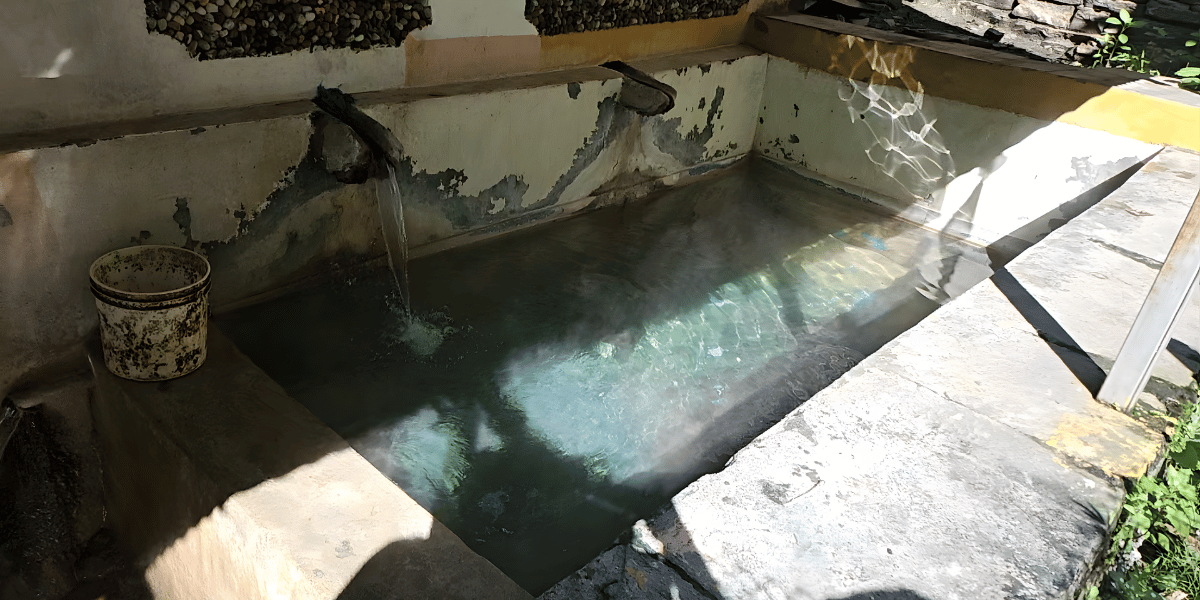
It is going to be a refreshing spot before starting the trek. In fact, it is even possible to spend a night directly in the few teahouses available here, because jeeps can reach up to this point (unless the road is severely affected by landslides).
While I personally prefer hot springs at the end of the trek, you may still do it the other way round. Be rejuvenated before the real Manaslu journey begins!
Entering Manaslu: Cantilever Bridge of Yaruphant
On the same day, after crossing Tatopani and the beautiful waterfalls along the route, you will reach a place called Yaru Phant. This is a place that connects the Chumnubri Rural Municipality (where Manaslu is located) with Dharche Rural Municipality.
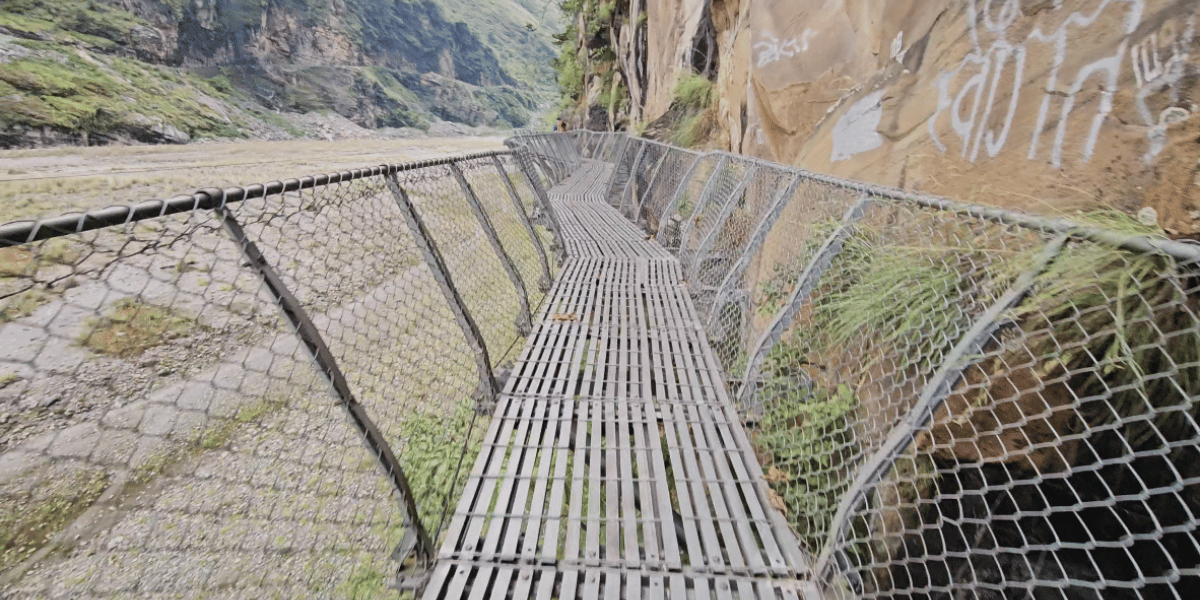
Right ahead of Jagat Bagar and ahead of Yaru Phant is Nepal’s first-ever cantilever bridge, constructed in 2015, right above the Budhigandaki River. It was a unique experience for me to walk on the cantilever bridge that’s directly mounted onto the rocky cliffs.
Ponkar Lake in Manang
The real Manaslu trek difficulty is felt when you take on the downhill challenge. Passing moraines and rocky cliffs while preventing yourself from slipping, your eyes shall fall upon the far-sighted blue-colored lake.
It is called Ponkar Lake, and this is what keeps you energized throughout the knee-hurting downhill. Just to say thank you, you might want to make a stop there.
Note that after reaching the vantage point of Larke Pass, you will also cross Gorkha District and reach Manang. And to reach this beautiful moraine-dammed glacial lake, you need to hike an extra 1.5 km, which takes approximately 1.5 hours from the diversion point of the main trail.
As Ponkar Lake is within the Bhimthang Valley, it is also possible to spend your night in the nearby Bhimthang village and go for an early morning hike the next day.
Milarepa Cave Near the End
On the final day, you can take the diversion along the forest route to reach Milarepa Cave (on the way to Chauli Kharka from Habu). It is the final attraction before you reach Tilche village.
As the name suggests, this is the place where the Tibetan yogi and poet Milarepa once meditated (besides Piren Phu of Tsum Valley).
You will be walking along the Dudh Khola River on the side, and the same route also leads you to the South Manaslu Base Camp in about four hours.
Bonus Tip: Best Ways to Explore Manaslu Region
Now that you have a complete idea about the Manaslu region’s major attractions, it is time to look into the itineraries. I will be guiding you through the various ways to best explore the aforementioned landmarks.
The Classic Manaslu Circuit Trek
This is the one I have been emphasizing throughout this article. It takes about 10 to 14 days to complete this trek, but you may not cover all the attractions mentioned.
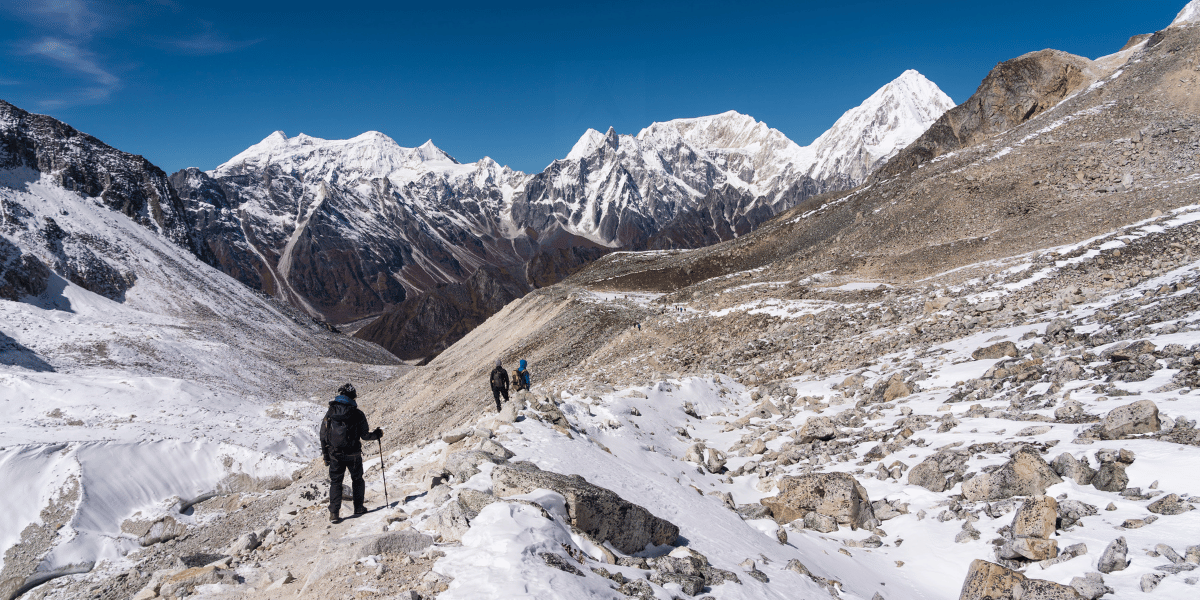
If you can allocate at least 15 to 17 days for the overall trek, you will not just circumambulate the eighth-highest mountain but even get to do the best side hikes in the Manaslu region.
And since you need restricted area permits and professional guides in order to do this trek, you will need to book your trip with a travel agency. Good news, our team at Altitude Himalaya has already curated a 15-day Manaslu Circuit package for you.
In case you are not satisfied with that, we even offer trip customization. This means you can add extra days with the inclusion of more side trips at a slightly elevated fee. Reach out to us to learn further.
And if you’re reading this from Australia, we have a dedicated 15-day package for Manaslu Circuit (do check it out!).
Also check out: Manaslu Circuit Group Join Trek
Combined Manaslu-Tsum Valley Trek [and Other Add-Ons]
For an even more immersive experience in the Manaslu Conservation Area, you will find packages that cover both Nubri and Tsum Valleys.
Our Manaslu-Tsum Valley Trek package at Altitude Himalaya is a great example that covers major attractions within 21 days. You get to experience the attractions of both sides of the Chumnubri Rural Municipality this way.
And if you would like to elevate your experience, you can even add Sherang Gumba, Kal Taal, Prok village, and any other hidden gem mentioned earlier. All you need to do is contact us, and we will help you curate a customised Manaslu itinerary.
Not to forget that we even get requests for Manaslu and Annapurna Circuit in one go. Sometimes, even the three main passes of the Manaslu and Annapurna regions (Larkya La, Kang La, and Thorong La).
Manaslu Helicopter Tour
Cannot trek or rather wish to go for a luxury helicopter tour over the eighth-highest mountain? Well, that is possible too, but it is weather-dependent.
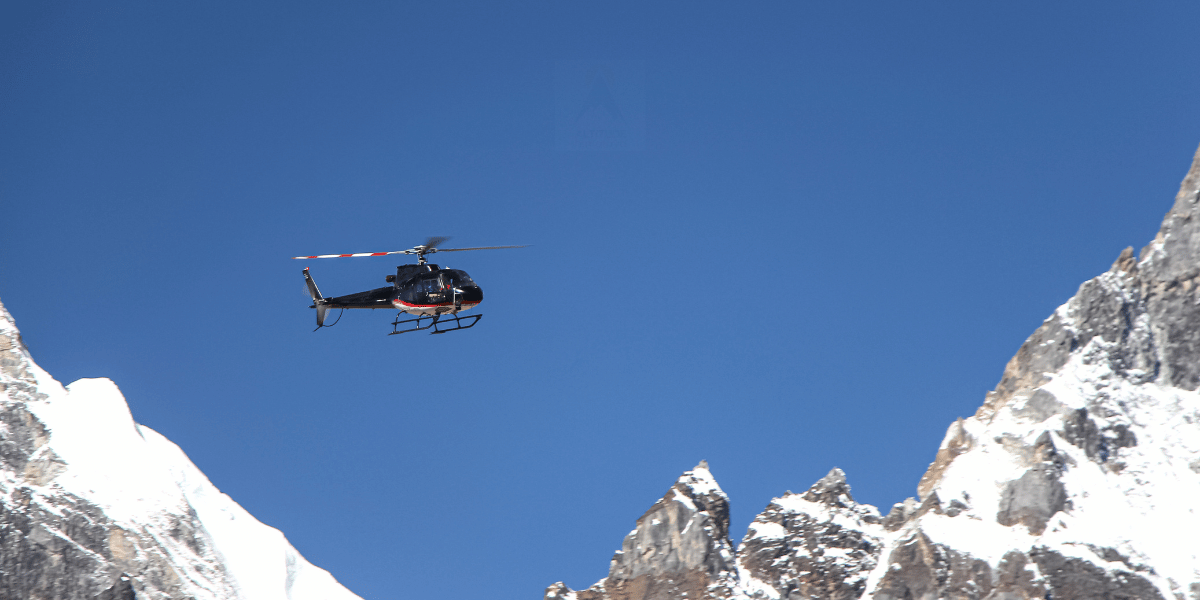
This way, you avoid the 10 to 14 days of high-altitude walking and directly get to experience the beauty of the region within just a day. But you will have to forget about the cultural side of the trip and, honestly, a single day in Manaslu is not enough.
Your itinerary looks something like this:
- Start with a drive to Tribhuvan International Airport.
- Get on the helicopter and fly from Kathmandu to Samagaun. Some itineraries may offer a stop in Barpak, Gorkha (the epicenter of the infamous 2015 earthquake).
- Have breakfast here before continuing on the helicopter journey to Manaslu Base Camp. Considering the quick elevation gain, you will get only a little time to explore here.
- Then, you will return back to Kathmandu.
The Mansiri, Kutang, and Serang mountain ranges from the top look astonishing. So, if you are hyped up for this, do not hesitate to contact us.
Mt. Manaslu Expedition
The ultimate way to be close to Mt. Manaslu is to summit it! The expedition takes about 35 to 40 days, navigating the Manaslu Glacier and traversing from icefalls to headwalls.
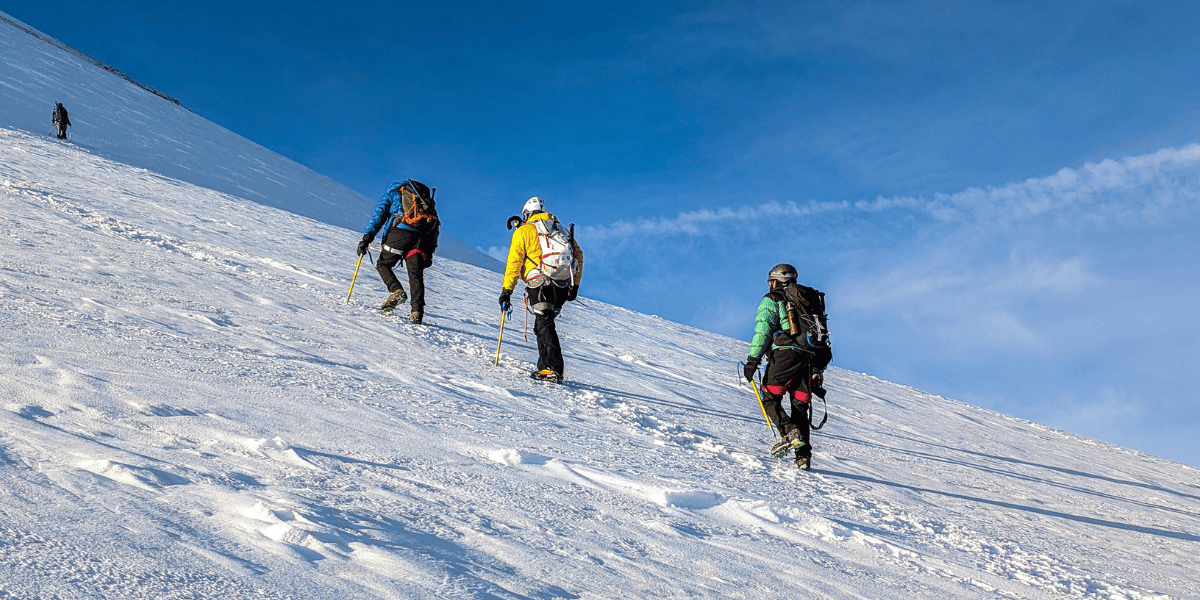
You’ll be spending your first 8 to 10 days reaching the Manaslu Base Camp (the same circuit trail). After acclimatizing well by rotating between the base camp and the three camps (1, 2, and 3) for 7 to 8 days, and after an additional 1 to 2 rest days, you will summit Manaslu in the next 4 to 5 days.
I have not personally reached the top, but after having conversations with past summiters, I can assure you that summiting Manaslu is an experience worth a lifetime.
In fact, it is a mountain that’s much more accessible compared to other 8000ers, and climbing guides also believe it to be the best for training if you are planning for the Mt. Everest summit.
We will surely cover more about the Manaslu expedition in another article. While at Altitude Himalaya, we do not conduct mountain expeditions currently, we are planning to bring the best packages soon. So, stay tuned!
Final Thoughts
Now that you have got the idea of the best places to visit during your Manaslu trek, it is time to plan the right itinerary.
You might get the feeling to cover all destinations in a single go, but that simply won’t be possible. It can take over a month to visit all those serene places, and that can be too exhausting.
No matter what you plan, do not miss Pungen Gumba and Birendra Lake. Even Manaslu Base Camp is a must-go landmark, but you need to inspect the weather and trail conditions for this one.
The other cultural/natural locations like Sherang Gumba, Prok Village, Himalchuli Base Camp, and others, depend on how long you want to spend on the remote trails. The cost of the trek also varies accordingly.
And no matter which destination you plan, I am sure the Manaslu region will not disappoint you. So, do not just sit there. Plan your trip to Nepal today and give our team at Altitude Himalaya a chance to serve you!


 Bhishu Acharya