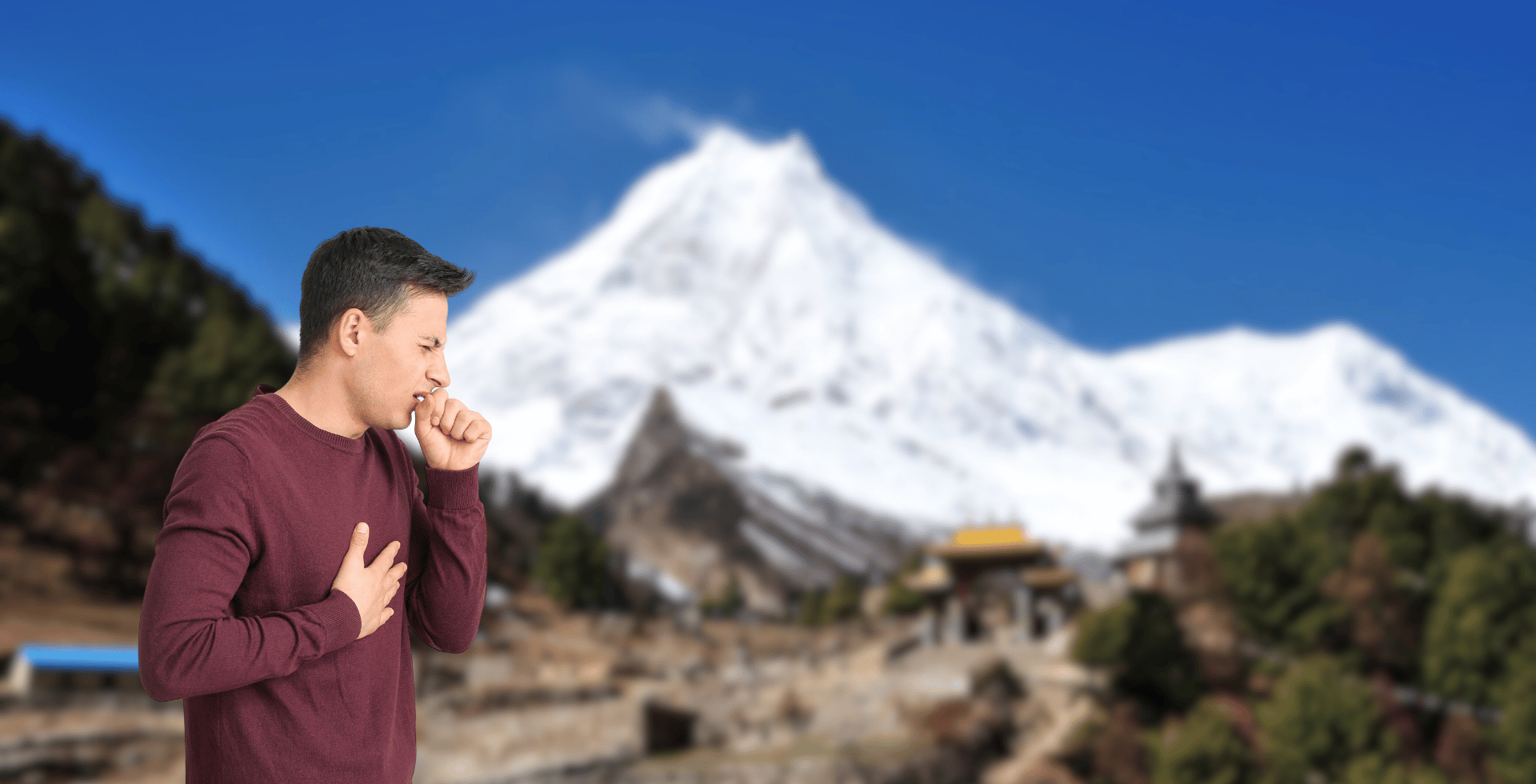
When you come to Manaslu, you are greeted with quiet, big mountains, and a wilderness that is unique to just this place. The variation in altitude in Manaslu Conservation Area is, in fact, one of its distinctive qualities.
This variation makes altitude a constant part of your Manaslu Circuit trek. Remember, you are stepping into an environment where your body must work harder for every breath.
In recent years, local news has reported fatalities on or near the Larkya La Pass, including foreign trekkers who suffered from altitude sickness while crossing the pass. These incidents are rare, but they should still be a sharp reminder that high-altitudes are no joke.
Despite this, altitude sickness is often ignored by trekkers till it gets too bad. It is not an abstract idea but a real risk that must be understood and prevented.
On Manaslu, you walk far from roads and quick access to modern amenities. So, your decision about pace, acclimatization, and when to turn back matters more than it would on a busier, easier trail.
This article will brief you about altitude sickness on Manaslu Circuit Trek. You will learn how altitude affects your body, identify which parts of the trail pose the greatest risk, and discover the precautions you can take and preparations you can do before, during, and after the trek to stay safe.
Altitude Sickness: What It Actually Is
Altitude sickness is simply an umbrella term for illnesses that happen when your body cannot adapt to a new environment with lower oxygen and changes in air pressure at higher elevations.
At trekking altitudes, the main conditions include Acute Mountain Sickness (AMS), High Altitude Pulmonary Edema (HAPE), and High Altitude Cerebral Edema (HACE). They progress from mild and reversible to life-threatening rapidly.
You are at a higher risk as you move above 2,500 m. The risk is significantly higher if you ascend quickly, not giving your body enough time to adapt.
Fitness or youth does not protect you from altitude sickness; even very strong trekkers can get sick if they ascend quickly. A history of serious altitude sickness (HAPE or HACE) also increases your risk on future trips.
Normal High Altitude Discomfort vs Illness
On Manasalu, you will feel the altitude even if you never develop acute mountain sickness. Since it is a difficult trek, you will experience a bunch of changes mentally and physically. Some changes are normal, but you should always be careful.
Here are some expected effects at high altitudes, which can help you to react early:
- Mild shortness of breath when walking uphill, even at a slow pace.
- Slightly faster heart rate compared to your regular heart rate.
- Lighter and fragmented sleep on the first night at a higher altitude.
- Mild muscle soreness after long days of walking.
- A very light headache that settles with rest, fluids, and food.
These symptoms should be mild and improve with rest at the same altitude. If the headache intensifies or you feel nauseous and worse even after a night's sleep at the same altitude, you should consider it dangerous.
Acute Mountain Sickness (AMS): Symptoms and Actions
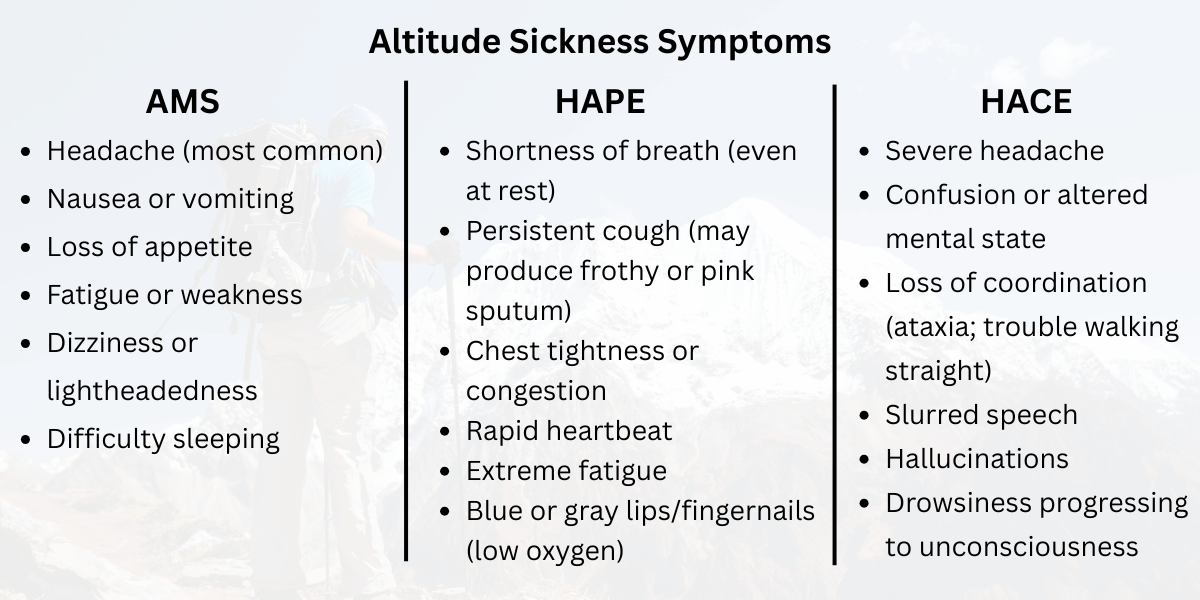
AMS is usually the first indicator that your body is struggling to adapt to the new altitude. Clinically, AMS is a headache after a recent ascent, plus other symptoms such as nausea, loss of appetite, dizziness, fatigue, or sleep disturbance.
On Manaslu, many trekkers first meet these criteria somewhere between Namrung, Lho, and Samagaun when they start sleeping above about 2,600 - 3,500 m. There are three phases of AMS: mild, moderate, and severe.
- Mild AMS often feels like a hangover without the party. You may wake up with a throbbing headache, feel unusually tired on gentle slopes, lose your appetite, or have slept badly with restless awakenings and vivid dreams.
- With moderate AMS, your headaches become more persistent and stronger. Nausea often progresses to vomiting. Walking takes great effort even on easy terrain. Even simply sitting in the lodge may make you feel heavy, lethargic, or absent-minded.
- As the name suggests, severe AMS is the worst of them all. At this stage, you struggle to function normally. Breathing feels hard even when you are resting; you may be unable to eat anything, and your headache becomes unbearable.
At this point, the boundary between severe AMS and developing HACE becomes thin. Severe AMS is serious and is treated as an emergency.
How to deal with AMS?
When you or your guide suspect mild AMS, the first rule is simple: do not go higher until you feel clearly better. You should rest at the same altitude, drink enough water (at least 2-3 litres), and eat whatever you can manage.
Simple painkillers such as ibuprofen or paracetamol can help with your headache, and your guide may also suggest acetazolamide. If your symptoms improve within 24 hours and do not return when you do an acclimatization hike, it is mostly safe to continue cautiously.
If your symptoms stay the same or worsen despite rest and medication, descend at least 300 to 1,000 m until you feel better. Continuing upwards while you have unresolved AMS increases your risk of HACE or HAPE, and is definitely not worth the summit photo.
High Altitude Pulmonary Edema (HAPE)
HAPE is a severe and potentially fatal form of altitude sickness where excess fluid leaks into your lung tissue and air spaces. Parts of your lungs fill with fluid, and your blood oxygen levels drop to the point where normal movement or even rest is difficult.
Although it is less common than AMS, HAPE is one of the main killers at high altitude if not treated quickly. HAPE often presents itself with the following symptoms:
- Shortness of breath that feels too strong for the effort you are making.
- A dry, persistent cough that appears or worsens when you walk uphill or lie down.
- Increasing breathlessness at rest, to the point where simple movements feel exhausting.
- Coughing up frothy or pink‑tinged sputum as fluid leaks into the air spaces of your lungs.
- A noticeably rapid heartbeat, even when you are sitting or lying still.
- A distressing sense of “air hunger,” where you feel you cannot get enough air despite breathing hard.
Guides and doctors use pulse oximeters to support their assessment. In HAPE, oxygen saturation is remarkably low compared to others at the same altitude.
But even without instruments, any trekker who is breathless at rest at high altitude should be considered a possible HAPE case until proven otherwise.
Emergency actions for HAPE
For suspected HAPE on the Manaslu Circuit, the gold‑standard treatment is immediate descent plus oxygen if available. CDC (Centers for Disease Control and Prevention) guidelines suggest dropping at least 1,000 m or more if possible.
If steep terrain, nightfall, or weather slow your descent, a portable hyperbaric bag can temporarily simulate descent.
Alongside that, based on the severity of your condition, your guide might administer a dose of nifedipine. If rapid descent is not possible or unsafe, a helicopter evacuation is your best option.
High Altitude Cerebral Edema (HACE)
HACE is the most feared form of altitude illness and rightfully so because it affects your brain. It is thought of as an extreme, rapidly progressive worsening of AMS, where swelling and fluid around the brain disturb normal function.
In the worst case, HACE leads to coma and even death within hours if its symptoms go unrecognised. The only way to avoid the worst case and really minimise its effects is by detecting it early and descending immediately.
Be on the lookout for the following symptoms:
- Severe, non-stop headache that does not ease with rest or standard painkillers.
- Noticeable change in behaviour, such as irritability, withdrawal, or apathy.
- Confusion and difficulty in following even simple instructions.
- Ataxia (loss of coordination); you cannot walk in a straight line.
- Clumsiness with fine movements, such as touching your nose with eyes closed or fastening jacket zips.
- Slurred speech and trouble finding words when speaking.
- Increasing drowsiness, and you struggle to stay awake.
- Becoming very hard to wake, even when someone shakes or calls you repeatedly.
- Complete loss of consciousness in advanced cases.
At the Manaslu Circuit, HACE is most likely to appear above 3,800 m, which makes places like Samdo, Dharamshala, and the Larke Pass approach critical watch zones.
What to do if HACE is suspected?
Your only safe option if someone in your group shows HACE symptoms is to get them to descend immediately. Go down at least 1,000 m as fast as possible without compromising safety. Make sure the person is warm and supported since they cannot often walk alone.
If oxygen is available, give it continuously during descent, aiming to keep oxygen saturation above 90%. Your guide may give dexamethasone to reduce brain swelling, but remember, medication does not replace descent.
In Manaslu, HACE above Samdo almost always triggers a call for helicopter evacuation. For that, you must first descend to a location where landing is realistic, such as Samagaun, Samdo, or Bhimthang.
Factors Affecting Altitude Sickness on the Manaslu Circuit Trek
Altitude sickness on the Manaslu Circuit is determined by how fast you gain height, how your body responds, how well you hydrate and rest, and how isolated you are when symptoms start.
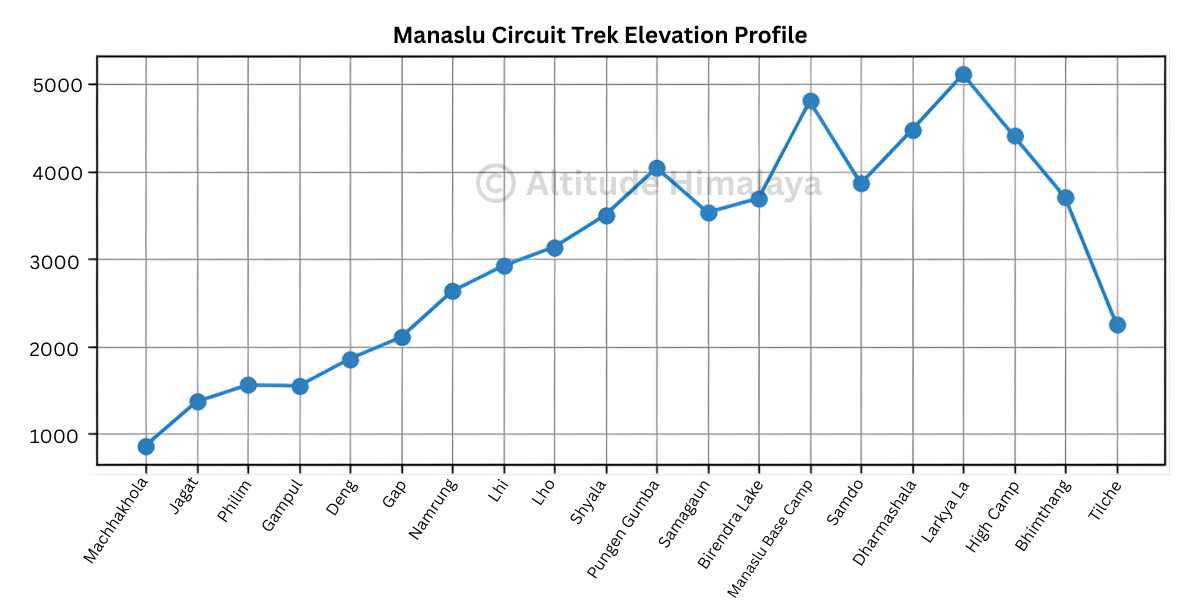
You climb from low valleys near Jagat (1,370 m) or Philim (1,560 m) to over 5,000 m at Larke Pass (5,106 m), with only a few good acclimatization points. So, by planning to use those points well, you get more time to adjust before entering the highest sections.
Individual Risk Factors
Some people are simply more susceptible to AMS than others, even on identical itineraries. You are at more risk if you have had previous episodes of AMS, rapid ascent, heavy exertion soon after arrival at a new altitude, and ignoring early symptoms.
Certain medical conditions, such as uncontrolled lung or heart disease, also increase your risk. It needs a careful pre‑trip assessment with a doctor who understands high‑altitude travel and risks associated with it.
Interestingly, very high fitness does not protect you against altitude sickness. Actually, if you are overconfident about your fitness and rush the itinerary, it will work against you.
Younger trekkers and endurance athletes often feel strong and push faster than recommended, which increases their AMS rates. Genetics also plays a role, which is one reason why altitude responses differ even between friends who train together.
Environmental and Logistical Factors
Environment and logistical factors usually don’t directly affect the development of altitude sickness in trekkers. But they dictate how fast trekkers can acclimatize, how soon altitude sickness progresses, and when it can be treated.
The Manaslu Circuit is more remote than Everest or Annapurna, with fewer health posts, no roads in the high section, and limited communication infrastructure.
Once you are between Samagaun, Samdo, Dharmasala, and the Larke Pass, descent options involve either retracing steep trails or arranging a helicopter from limited landing sites, often in unpredictable mountain weather.
Cold temperatures, especially at Dharmasala and on the Larke Pass pre‑dawn starts, add more to your fatigue and can reduce your appetite and fluid intake. All these factors indirectly affect the acclimatization process and hence put you at risk of altitude sickness.
Manaslu Altitude Profile and Risk Levels
In our classic Manaslu Circuit route, you begin your trek at 1,370 m and slowly work your way up the Budhi Gandaki valley. You reach a maximum elevation of 5,106 m at Larke Pass and then drop quickly towards Tilche or Dharapani at around 2,200–2,600 m.
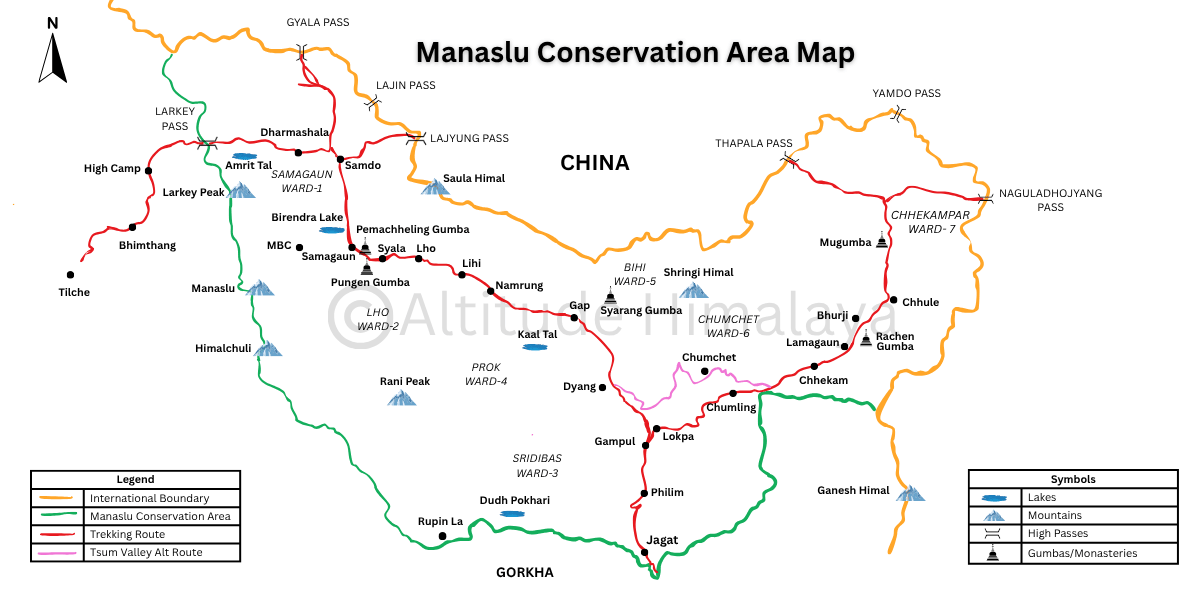
Along the way, we suggest you gain height steadily and spend crucial extra time at Samagaun. On your extra day, you can take side hikes to Pungyen Gompa, Birendra Lake, and Manaslu Base Camp to help your body adjust.
To understand how risk changes around each settlement, it helps to look at the altitude bands you move through. You can think of the trek in four segments: up to 2,500 m, 2,500–3,500 m, 3,500–4,500 m, and above 4,500 m.
Up to 2,500 m: Lower Valley, Minimal Altitude Risk
From Machhakhola and Jagat through Deng and towards Gap, you are mostly sleeping below 2,500 m. At this stage, true AMS is rare, and your main concerns are heat, humidity, long walking days, and staying hydrated.
This is the region where you build your walking rhythm, get used to the daily routine, and give your legs and lungs a warm‑up. Even here, make sure you are looking after yourself.
If you start the trek exhausted, sick, or already dehydrated, your body arrives at Namrung and Lho weaker, and that makes acclimatization harder.
Drinking regularly, eating well, and getting decent sleep in these first few days is one of the simplest ways to stack the odds in your favour later.
2,500–3,500 m: Entering the AMS Zone
From Namrung upwards, you are at an AMS threshold. Nights in Namrung and Lho sit in the 2,600–3,200 m range, which is exactly where Altitude Himalaya experts note that unacclimatized people can start to develop AMS.
This is also when your itinerary should slow the ascent and keep your daily sleeping‑altitude gains within a safe 300–500 m window as much as the terrain allows.
You may notice mild shortness of breath on hills, a slightly faster heart rate, or lighter sleep in these villages. That can be normal, as long as symptoms are mild and improve with rest and hydration.
3,500–4,500 m: Very High Altitude – Main Acclimatization Zone
Samagaun (3,530 m) and Samdo (3,860 m) sit in the “very high altitude” band, where severe AMS becomes much more likely if you move too fast. This is why many Manaslu itineraries build at least one acclimatization day in Samagaun.
If you have more time to spare, you can also use Samdo as an acclimatization and exploration day, with an optional hike towards the Tibetan border and back.
These “climb high, sleep low” patterns are not sightseeing only. They are a deliberate altitude strategy. You stress your body a little during the day, then give it a safer height to recover overnight.
If you ever feel worse instead of better in this band, it is the perfect time to pause. We suggest adding a rest day or descending slightly rather than being stubborn about crossing the pass.
Above 4,400 m: Larke Pass and Maximum Exposure
Dharmasala (Larke Phedi) at 4,470 m and Larke Pass at 5,106 m are your highest and obviously the most challenging points. Oxygen is much lower here with cold temperatures.
The pass day is long, often taking 8–10 hours of trekking from Dharmasala to Bhimthang. You only spend one night this high before dropping down, which is good, but if you reach Dharmasala already sick, you are in the worst place to deal with it.
In a good itinerary, you arrive at Larke Phedi after two acclimatized nights in Samagaun and at least one in Samdo, not straight from low villages. That way, your body has already done most of the adaptation before you step into the thin air of the pass.
Prevention: Reducing Your Risk on Manaslu
Preventing altitude sickness on Manaslu is far easier and safer than trying to treat it once it becomes severe. The core principles are the same ones used in Everest region and the Annapurna region:
- Ascend gradually
- Schedule acclimatization days
- Eat and drink well
- Stay warm
- Avoid suppressing breathing with alcohol or sedatives
- Be ready to descend at the first sign of trouble
When you combine these rules with the specific altitude profile of Manaslu, you can design a trek that gives your body the best possible chance to adapt.
Pre‑trek Health and Planning
Before you commit to dates and payments, check whether your medical history has any red flags for high altitude. Similarly, planning also includes choosing an itinerary that allows a gradual ascent.
People with significant heart disease, uncontrolled high blood pressure, serious lung disease, or conditions like sickle cell disease should consult a doctor first and, in some cases, avoid high altitude entirely.
Reputable Manaslu operators build in at least one acclimatization day in Samagaun. They avoid sudden, large jumps in sleeping altitude whenever possible.
If you see a plan that seems to race from low villages to Dharmasala in just a few days, always question it and ask for a slower schedule.
High‑Altitude Trekking Experience
You do not need previous 5,000 m trekking experience to complete Manaslu safely, but familiarity with how your body behaves at altitude is helpful.
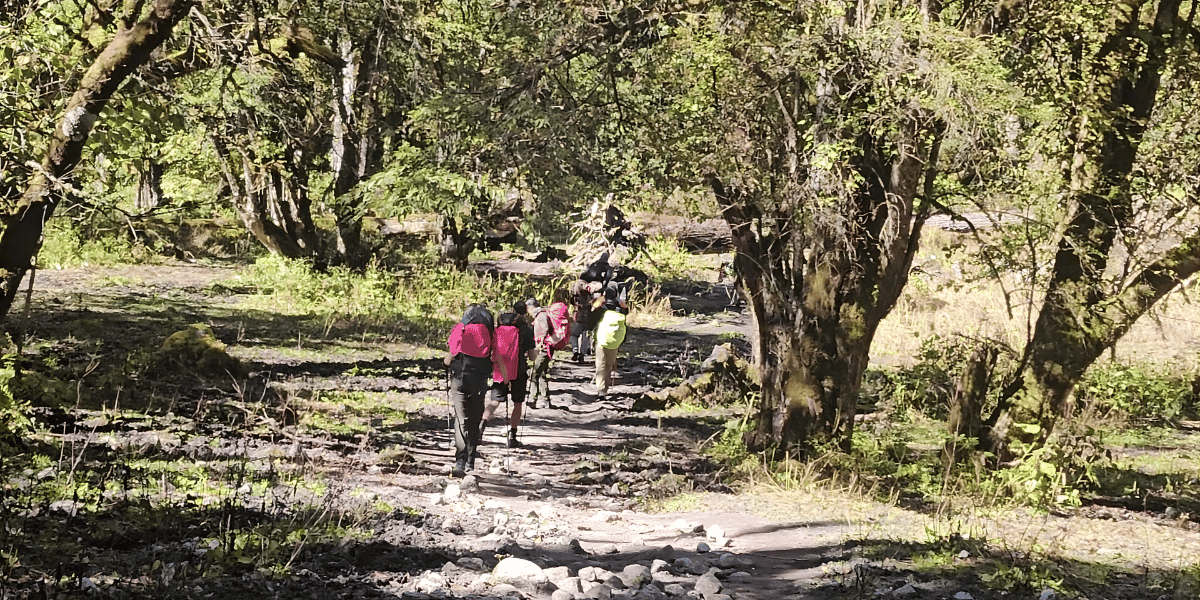
If you have done routes like Annapurna Base Camp, Langtang region, or shorter high‑altitude treks and coped well with their acclimatization days, you already understand how to climb, rest, and listen to symptoms.
If Manaslu is your first time above 4,000 m, conservative ascent, careful guide choice, and readiness to turn back are even more important. If you have had AMS before, your risk of getting it again is higher, though not certain.
You should consider a slower ascent, preventive acetazolamide, and be stricter with turnaround rules if symptoms appear. A detailed conversation with a doctor before your trip is essential in this situation.
Fitness, Stamina, and Mental Resilience
Strong legs and a well‑trained heart will not stop altitude sickness, but they reduce how exhausted you feel at the end of each day. With better baseline fitness, you can walk at a slow, steady pace without gasping, which supports acclimatization.
At the same time, being extremely fit can tempt you to move too fast, so you still need discipline to stick to a gentle pace and respect your guide’s advice.
Similarly, mental resilience matters just as much because altitude safety sometimes means giving up a goal you have saved for and dreamed about.
You need to be ready to say yes to extra acclimatization nights, to stay put when others want to push on, or even to descend if your body is clearly not coping. Trekkers who accept this before they leave home usually make better decisions under pressure on the trail.
Pacing and Daily Elevation Gain
International altitude guidelines offer simple numbers you can use when you look at any Manaslu itinerary. Above about 3,000 m, you should limit your sleeping altitude gain to roughly 300 to 500 m per day and add a rest day for every 1,000 m of elevation gained.
On Manaslu, this translates to reasonable jumps between Namrung, Lho, Samagaun, and Samdo, and at least one rest day in Samagaun.
What you want to avoid is stacking several big gains back‑to‑back, such as racing from Namrung to Samagaun or Samagaun to Dharmashala in a single day, because that pattern is strongly associated with more AMS.
If landslides or lodge availability force you into a bigger day, you can sometimes balance it by adding a rest day immediately afterwards.
Hydration, Food, and Warmth
Proper hydration supports acclimatization because your breathing rate increases at altitude, and you lose more water through both respiration and urine.
It is advised to aim for around 3–4 litres of fluid per day, counting water, tea, soup, and other non‑alcoholic drinks. You can use urine colour as a simple hydration level check.
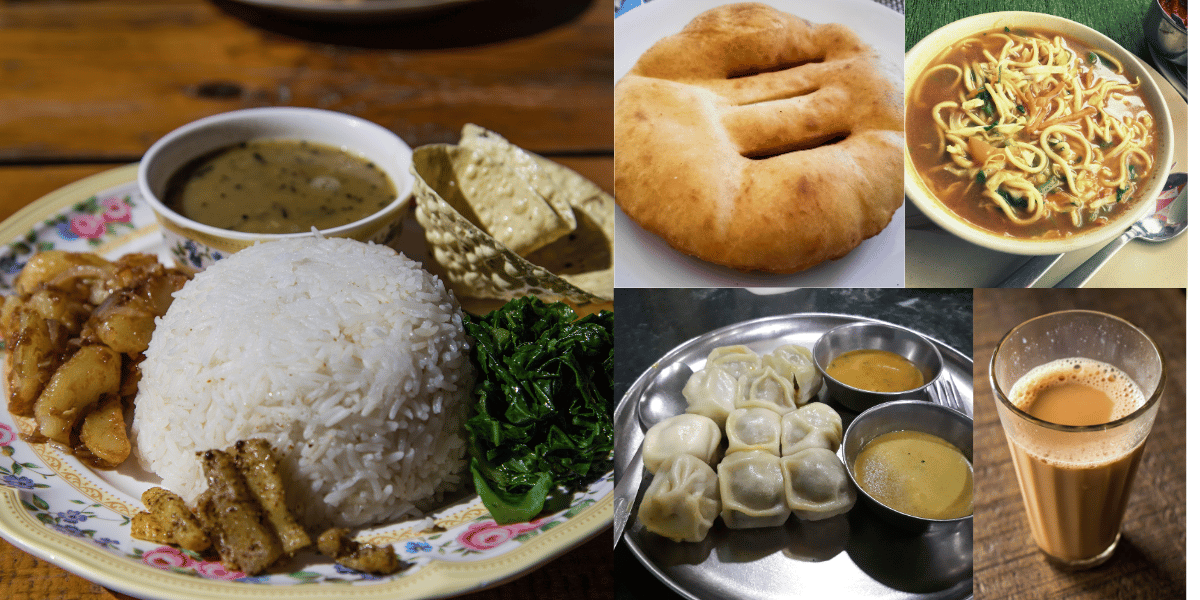
Speaking of food, carbohydrate‑rich foods yield more energy per unit of oxygen than high‑fat meals. On Manaslu, that means choosing dal bhat, noodles, potatoes, porridge, and bread more often than heavy fried foods or large amounts of meat, which can be harder to digest.
If your appetite dips, eating small, frequent snacks such as biscuits, nuts, or energy bars still helps maintain energy and mood. Similarly, staying warm reduces unnecessary stress on your body.
In villages like Samagaun, Samdo, and Dharmasala, nighttime temperatures can sink well below freezing, so you need a properly packed bag, including a good sleeping bag, thermal base layers, insulating mid‑layers, and a windproof outer shell.
Going to bed warm, changing out of damp clothes promptly, and keeping your head and hands covered all support better sleep and recovery.
Smoking, Alcohol, and Sedatives
Throughout your trek, it is best to avoid cigarettes, alcohol, and sedative sleeping tablets. Alcohol and many sedatives depress your breathing drive and can worsen nighttime oxygen levels exactly when your body is trying to acclimatize.
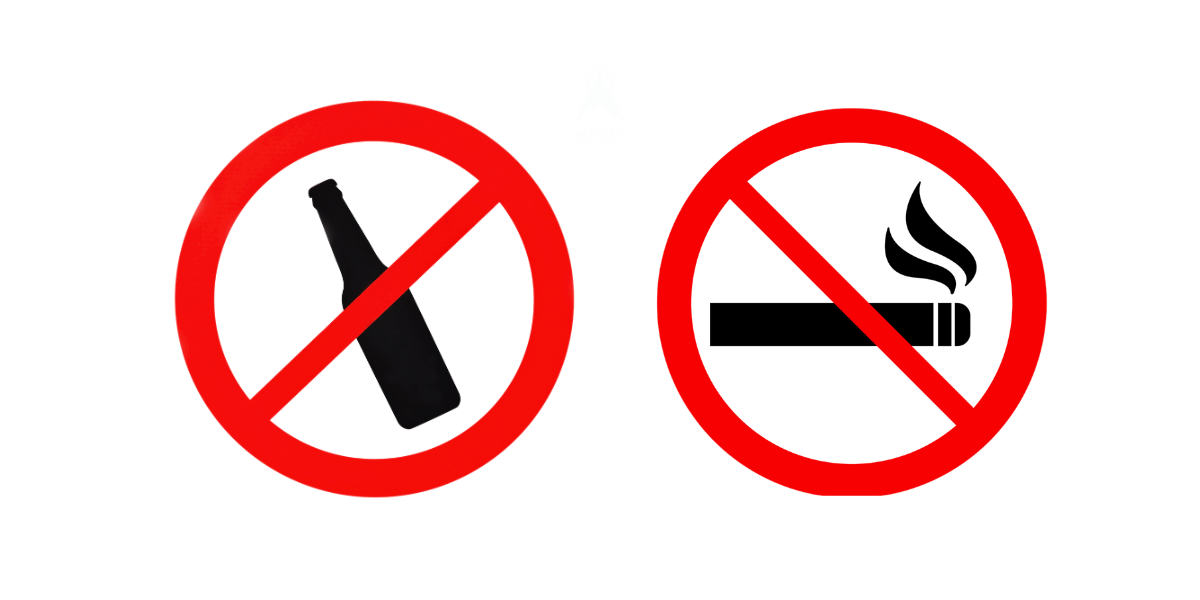
Smoking and vaping reduce lung function and increase the risk of cough and respiratory infections, which complicate altitude symptoms. So, we recommend avoiding alcohol and sedatives entirely if possible after reaching heights above about 2,500 m.
If you are unable to do so, try keeping them to a minimum at all times for your own good. On Manaslu, this effectively means skipping alcohol from Namrung upwards, especially on acclimatization days in Samagaun and Samdo and the nights before Larke Pass.
If you smoke, cutting down before your trek and avoiding smoking on high‑altitude days will support your lungs.
Medications Commonly Used for Altitude
Several medicines have good evidence for preventing or treating altitude illness when used correctly under medical supervision. But, of course, none of them turns Manaslu into a risk‑free hike.
Neither should any of them be used to justify an unsafe ascent schedule, but when combined with proper pacing, they can improve safety for some trekkers.
Caution: These medications should only be used under medical guidance, especially on high-altitude treks.
Acetazolamide (Diamox)
Acetazolamide is the standard drug for preventing and reducing AMS. It works by mildly acidifying your blood, which stimulates breathing and speeds up some acclimatization processes.
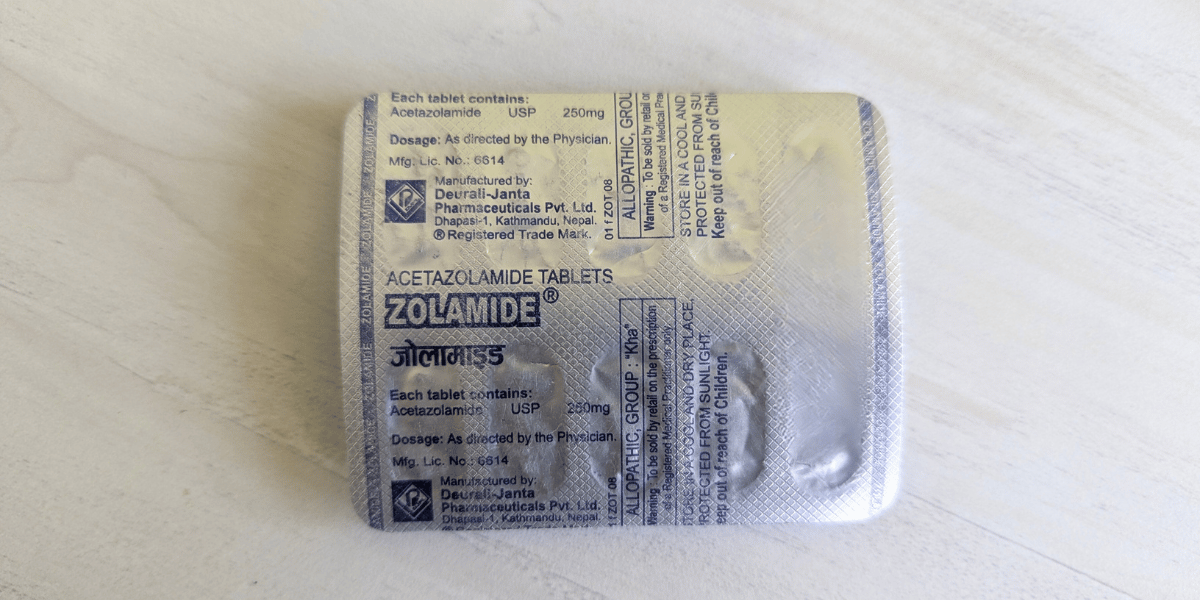
CDC guidance states that a dose of 125 mg every 12 hours, starting the day before ascent and continuing for the first 2 days at altitude (or longer if ascending further), is effective for AMS prevention while keeping side effects relatively mild.
Acetazolamide can also be used for early treatment of AMS at similar or slightly higher doses. So, you should look for medical guidance from trained personnel.
Common side effects include tingling, more frequent urination, altered taste of carbonated drinks, and, rarely, allergic reactions, so you should test your tolerance before your trip.
Dexamethasone
Dexamethasone is a corticosteroid used primarily for treating severe AMS and HACE rather than for routine prevention.
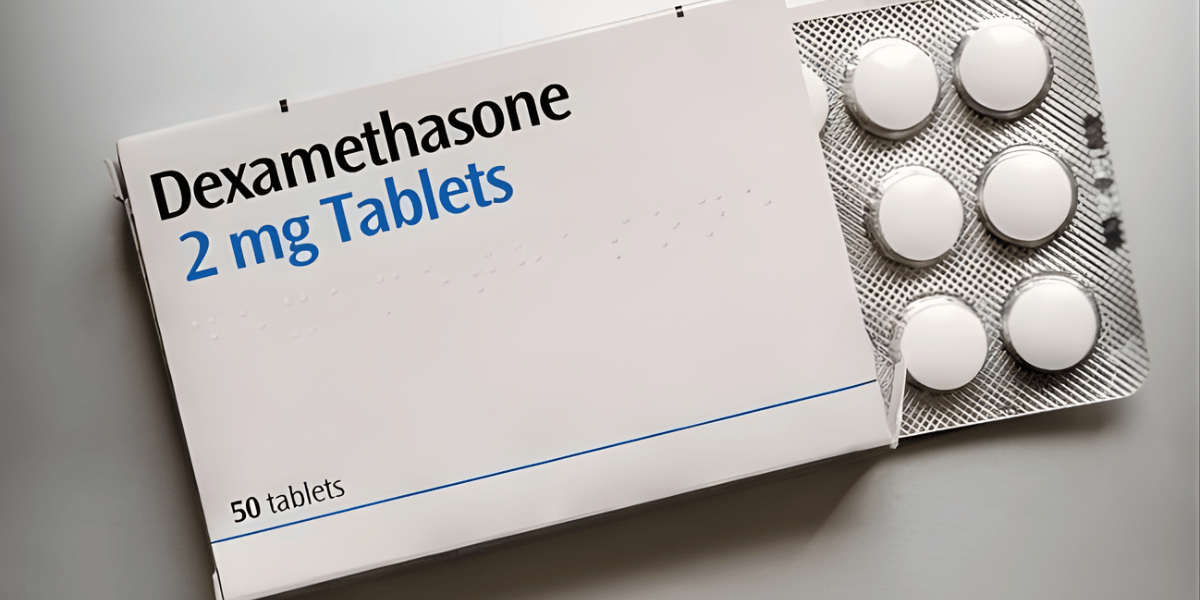
Emergency protocols include an initial dose by mouth, intramuscular, or intravenous, followed by half that dosage every 6 hours while arranging descent and evacuation.
Some high‑risk itineraries or individuals who cannot take acetazolamide may use dexamethasone as short‑term prophylaxis, but this should always be under specialist medical advice.
Its possible side effects include elevated blood sugar, mood changes, and immune suppression. Dexamethasone can dramatically improve symptoms in HACE, sometimes allowing coherent movement where there was confusion minutes before.
However, using this improvement as an excuse to keep ascending is dangerous because the underlying problem remains altitude exposure, not a lack of steroids. On Manaslu, dexamethasone is more likely to be carried by guides or doctors than by trekkers themselves.
Nifedipine
Nifedipine is a calcium‑channel blocker originally used for high blood pressure, but it also reduces the abnormally high pressures that help drive HAPE.
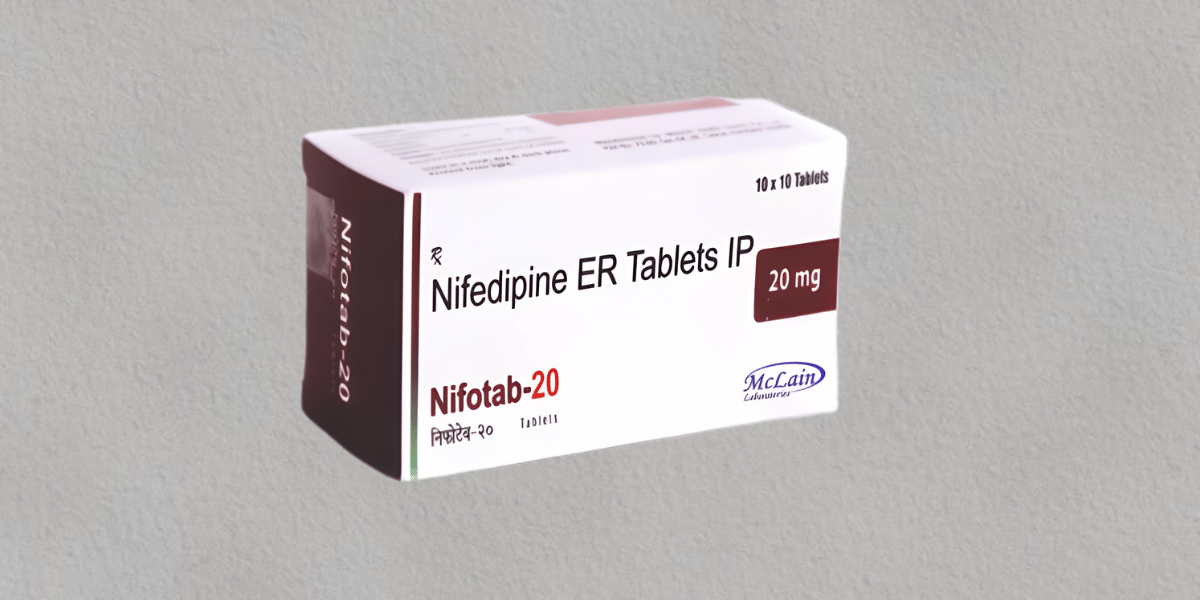
Because nifedipine can significantly lower systemic blood pressure and interact with other drugs, it is not a casual trekking medication.
Its use is generally reserved for doctors or very experienced high‑altitude practitioners managing known HAPE‑susceptible climbers.
Or, in rare cases, they are used in treating clear HAPE cases when descent and oxygen are delayed. Most ordinary Manaslu trekkers will never need it, and you should not try to obtain or self‑prescribe it without specialist guidance.
Ibuprofen and Other Painkillers
Non‑steroidal anti‑inflammatory drugs (NSAIDs) like ibuprofen help with altitude headaches and muscle soreness, and many trekkers already carry them.
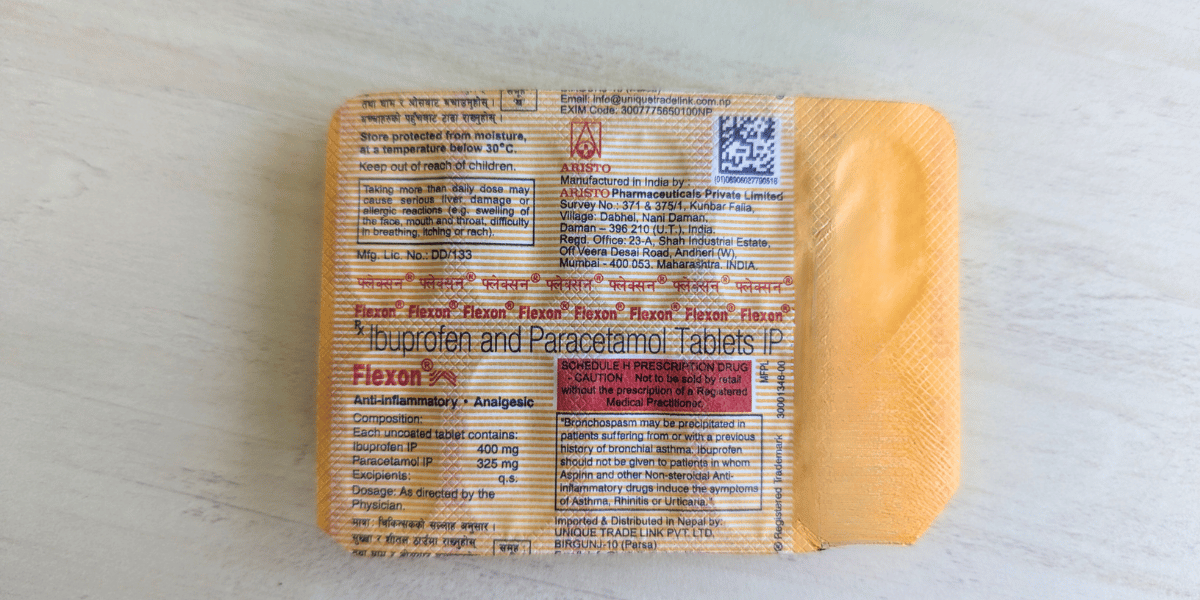
As with all NSAIDs, ibuprofen can irritate the stomach lining and, with heavy use, affect kidney function. So you should avoid exceeding recommended doses and be cautious if you have existing kidney or gastrointestinal problems.
Paracetamol (acetaminophen) is also widely used for headache, but it does not treat the underlying altitude issue either.
Whatever painkiller you use, the key rule remains that you should not climb higher solely because a tablet makes you feel temporarily better.
Treating pain is useful; masking danger is not.
When to Start and Stop Altitude Medicines
If you know you have to ascend faster than ideal, or if you have a strong history of AMS, it is recommended that you start taking Diamox (acetazolamide) the day before major altitude gain.
You then continue while you are actively gaining altitude, usually for two or three days at each new band, and taper off once you are stable and symptom‑free at that elevation.
For many standard Manaslu itineraries, that means starting the day before the Namrung (2,630 m)–Lho segment and continuing through Samagaun and Samdo.
Emergency drugs like dexamethasone and nifedipine should be reserved for clear indications guided by a physician or a very experienced practitioner.
Stopping the medications too early can lead to rebound problems, while taking them without real need exposes you to unnecessary risks. You should discuss all of this in detail with a doctor well before you travel, not at the last minute in Kathmandu.
Importance of a Professional Guide in the Manaslu Circuit Trek
On Manaslu, your body speaks first, and your guide helps you interpret what it is saying. You need to pay attention to symptoms and be honest about them.
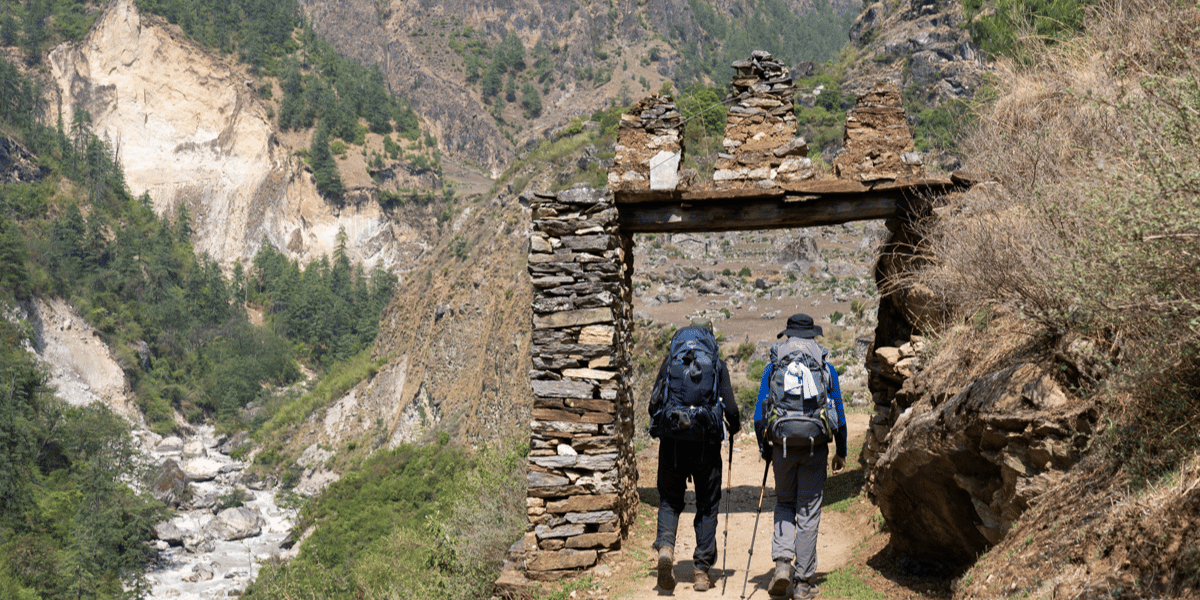
Your guide will then combine that with their own experience to decide whether you can continue, need a rest day, or must go down.
High‑altitude guidelines are clear: early recognition and immediate action save lives. Ignoring warning signs because you feel “committed” to crossing Larke La is exactly how AMS turns into HAPE or HACE.
Now, let me give you an idea of how government-licensed guides can help you in preventing altitude sickness.
On the Manaslu Circuit trek, it’s mandatory to trek with a licensed guide, as it is a restricted area and you require special permits. To get that license, guides must complete an official 4–6 week course approved by the Nepal Tourism Board, covering mountain safety, wilderness first aid, navigation, and more.
They then pass written and practical exams before being allowed to lead groups. Many agencies add extra training on altitude sickness, use of pulse oximeters, emergency communication, and evacuation procedures.
Guides learn to recognise AMS, HAPE, and HACE signs and to act on them rather than waiting. When symptoms appear, they can slow the pace, add acclimatization days, arrange horses, or begin the process of helicopter evacuation if needed.
Guides from Altitude Himalaya usually carry a first‑aid kit, a pulse oximeter, and sometimes portable oxygen (for peak climbing), especially at higher elevations. They also carry emergency contact numbers for helicopter operators and local health posts. You still have to listen to your body, but your guide’s judgment is just as important.
What To Do If You Do Get Altitude Sickness
If you do develop altitude sickness on Manaslu, your next decisions matter more than anything you did before. Mild AMS can often be managed with rest, but HAPE or HACE demands fast descent and sometimes evacuation.
The key is not to panic, but also not to delay. You, your guide, and your group need a clear mental plan for what will happen if someone becomes sick, long before it happens.
Managing Mild AMS in Villages Like Lho and Samagaun
Lho and Samagaun are common places where trekkers first notice real AMS symptoms. Both villages have several lodges and, in Samagaun’s case, a better‑equipped health post that can assess and support altitude sickness cases.
While resting, hydrate, eat light food, and avoid gaining height. Your guide may use a pulse oximeter and simple symptom checklists to track whether you are improving or getting worse.
If you feel better by the next morning and can handle a short acclimatization hike without symptoms returning, you might continue with a cautious plan.
But if your symptoms stay the same or worsen, you descend. Going back to Namrung or even Deng often brings relief within hours as oxygen levels rise.
In Samagaun, the health post can provide supplemental oxygen and basic medicines while you stabilise or wait for evacuation if needed.
HAPE or HACE in the Higher Regions
Above Samagaun, there is much less room for error. Breathlessness at rest, wet coughing, unsteady walking, confusion, or extreme drowsiness around Samdo, Dharmasala, or the Larke approach are red flags for HAPE or HACE.
In these situations, staying another night at the same height or trying to push over the pass is extremely dangerous. The only safe strategy is to get down to a lower, safer altitude as fast as you can without creating new risks.
Depending on where you are, that often means heading back to Samagaun or Samdo from the Manaslu side, or dropping rapidly towards Bhimthang if you have already crossed the pass.
What Descending Will Look Like, and Who Helps
Descent on the Manaslu trail is never a simple, straight path downhill. You have to retrace steep, rocky paths, cross suspension bridges, and negotiate every step you have to take.
If you are weak or confused, your guide and porters will often walk on either side of you, share your load, or, in serious cases, arrange a mule or improvised stretcher.
You should expect your group to split if someone is very sick. Usually, one guide or assistant goes down with the patient, while the rest of the team either waits in a village or continues with another guide, depending on the operator’s policy.
This is another reason to choose a company that plans for emergencies and has enough staff flexibility. If descending on foot is too slow or unsafe, helicopter evacuation becomes the main lifeline.
You and your guide will still need to reach a realistic landing spot and coordinate with your insurer and rescue company.
Health Posts on the Manaslu Trail
You, of course, will not find big hospitals on Manaslu, but you do have basic health posts at key points. There is a better‑equipped health post at Namrung with medications for altitude sickness and emergency oxygen cylinders.
Samagaun has a more capable health post that can treat AMS, HACE, and HAPE with supplemental oxygen and essential medicines and provide short‑term rest beds.
Lower down, Dharapani on the Annapurna side has more reliable health facilities. Other locations with health posts include Philim, Gap, Pro, Lhi, and Lho.
These posts are not full hospitals, but they are vital for initial assessment, stabilisation, and decisions about whether you need to be flown out.
Helipad Availability and Rescue Points
You cannot land a helicopter just anywhere on Manaslu. Rescue companies and local trek operators use a few standard evacuation points: Philim, Pork, Namrung, Lhi, Lho, Shyala, Samagaun, and Tiliche.
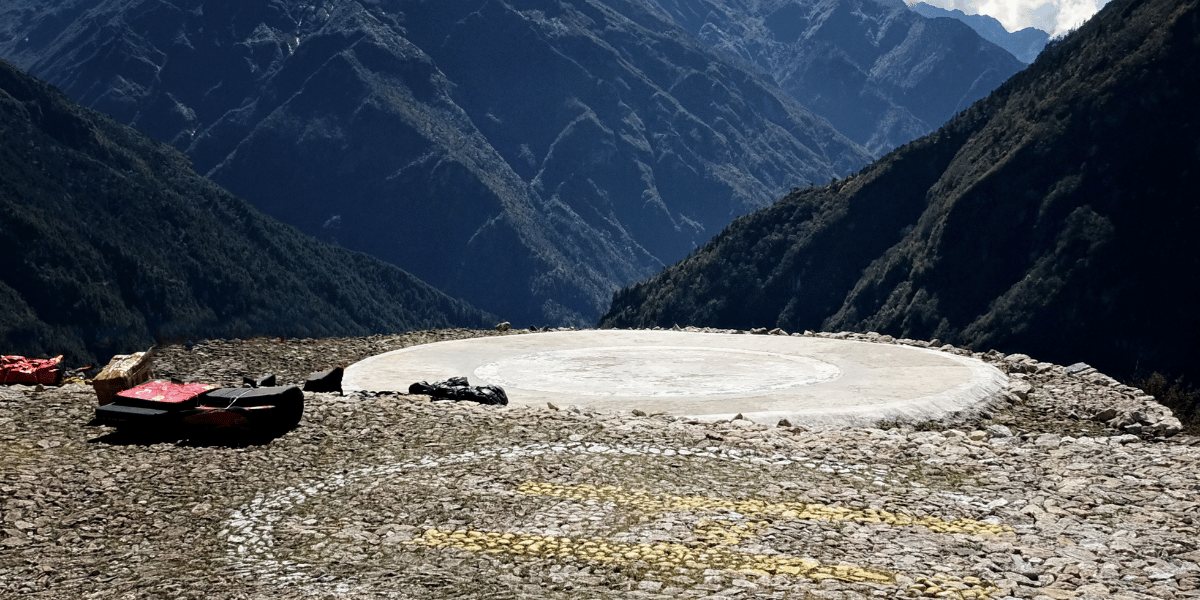
In emergencies, it is possible to arrange a helicopter evacuation to Samdo, Dharmasala, and Manaslu Base Camp, provided the conditions allow.
Samagaun is the most widely used rescue hub because of its altitude, open spaces, and medical post, while Samdo is critical for higher‑altitude cases.
For people in trouble near Larke Pass, Bhimthang on the Annapurna side is a frequent evacuation point, as it offers safer landing conditions than the exposed ridge itself.
From any of these locations, helicopters typically fly you directly to hospitals in Kathmandu with higher‑level care. Weather and visibility still decide whether a helicopter can reach you on a particular day, so you can never rely on air support alone.
Insurance Coverage for the Manaslu Circuit
Helicopter evacuations from the Manaslu region are expensive, and you are far from road access. That is why proper travel insurance is non‑negotiable for this trek.
Your policy needs to explicitly cover trekking above 5,000 m in Nepal and include helicopter rescue and medical evacuation.
Many regular travel policies exclude high‑altitude trekking or limit how high you can go. Before you fly to Nepal, read your insurance wording carefully, check the maximum covered altitude, and confirm if pre‑authorisation is needed before an evacuation flight.
Keep a printed copy and a saved digital copy of your insurance details and emergency numbers. Share them with your trekking operator before you start the trek.
In Nepal, evacuations can stall while the insurer checks your coverage or tries to contact family. That delay is more common than people think. Choosing an insurer experienced in Himalayan trekking and sharing contact details with your guide can smooth this process.
This way, in an emergency, you focus on descending and staying stable; your guide and agency focus on the calls and paperwork.
Recovery and Long‑Term Effects
Getting to a safe altitude is not usually enough after a serious case of altitude sickness. The trekkers with mild AMS recover completely after they descend. Headaches, nausea, and fatigue usually fade within a couple of days at a lower altitude, with no lasting damage.
Even many HAPE and HACE patients recover fully if they receive rapid descent, oxygen, and the right medicines. The darker side is what happens if you keep pushing through.
Ignoring moderate or severe AMS or continuing with breathlessness or confusion greatly increases the odds of permanent injury or death. Survivors of delayed‑treatment HACE can be left with neurological problems, and severe HAPE can permanently weaken your lungs.
On the other hand, those who listen early often bounce back quickly. You might feel disappointed in the short term if you decide to stop at Samagaun or turn back at Samdo.
But remember, you walk out under your own power, go home, and can return to the mountains another year. In the long run, that is a far better outcome than pushing for a single pass crossing at any cost.
Final Thoughts: Let Manaslu Set The Pace!
Larke Pass will still be there next season, and the Manaslu massif will look just as magnificent for the trekkers who take their time.
If you let the mountain and your body dictate the rhythm instead of your calendar, you give yourself the best chance to reach the pass, enjoy it, and come home well.
With sensible pacing, acclimatization days, open communication with your guide, and a willingness to descend if needed, the Manaslu Circuit remains a challenging but absolutely achievable adventure for most reasonably prepared trekkers.
If you are planning this journey yourself, our Manaslu Circuit Trek is designed with a gradual and well-paced itinerary to help you trek safely and comfortably.
At Altitude Himalaya, we include carefully spaced acclimatization days, and our experienced guides prioritize safety while helping you fully enjoy the landscapes and culture of the region.


 Karuna Bhattarai