



 Highest Point


When people think of doing treks in Nepal, the Everest and Annapurna regions usually steal the spotlight. And gems like the Manaslu Circuit Trek remain underrated despite it offering the views of towering peaks, remote landscapes, traditional villages, and a thrilling high pass in a single trip. Something every trekker dreams of!
The untouched, authentic, and raw beauty of the Manaslu region is a part of this world that leaves you speechless. So, if you’re reading this, know that we’re just one step away from convincing you to join us for the journey that we organize throughout the year!
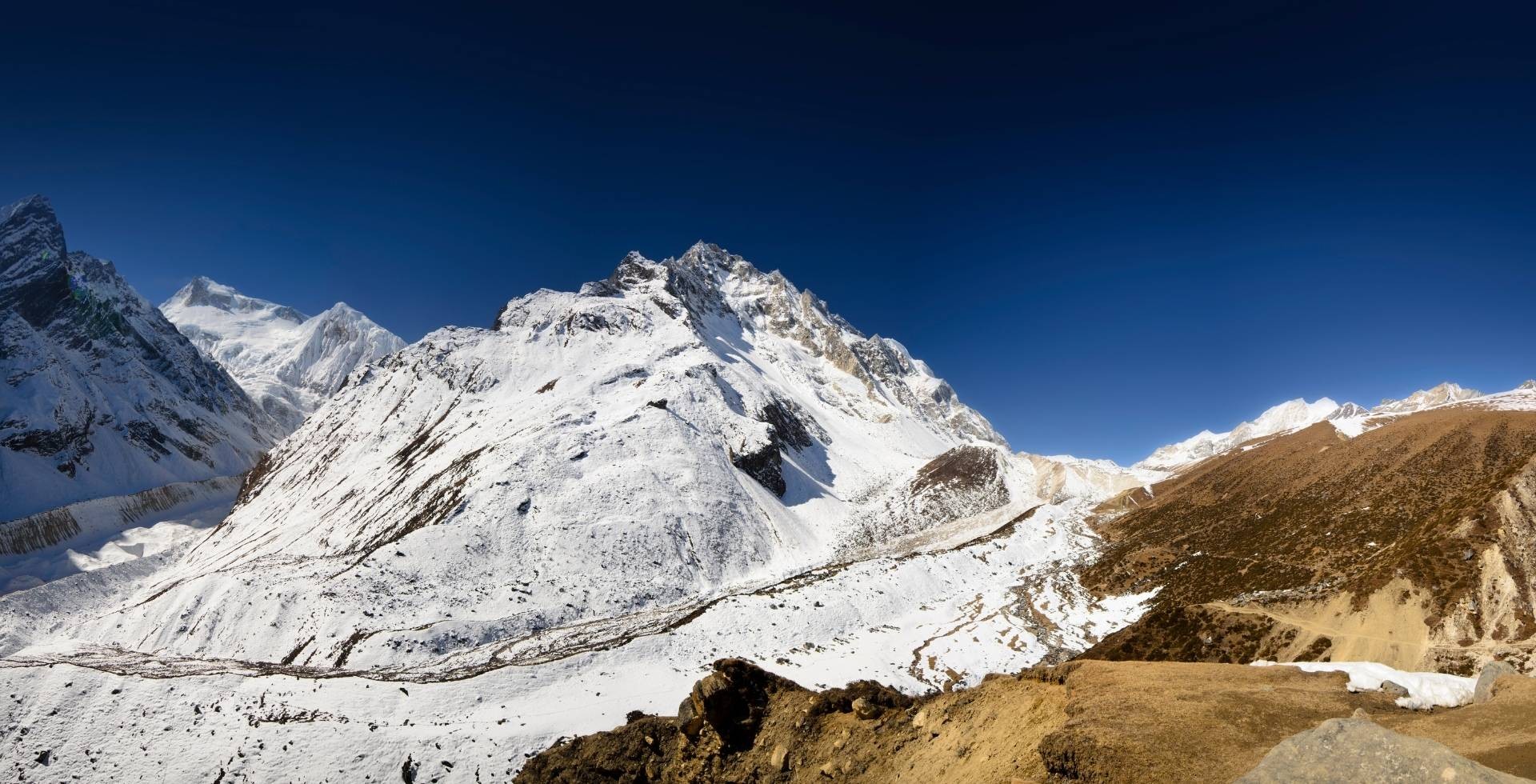
The Manaslu Conservation Area stretches across the districts of Gorkha and Manang. During the journey, we’ll be circumnavigating Mount Manaslu (8,163 m), the eighth-highest mountain in the world.
Along the way, you get to immerse yourself in the Tibetan-influenced culture in what is a comparatively less crowded zone than both Annapurna and Everest. But its length is something that we all must be aware of, as this is what makes trekking in Manaslu difficult.
In fact, the Manaslu Circuit Trek is even considered one of Nepal’s most challenging trails due to its remote location, rugged terrain, and high altitude. The narrow cliffside paths, steep ascents, rocky trails, slippery descents, frequently occurring landslide sections, and unpredictable weather make it demanding.
Crossing the Larke Pass (Larkya La) at 5,106 meters is a true test of endurance and the major highlight of this trek. And along come the panoramic Himalayan views, hidden monasteries, glacial lakes, and warm hospitality of the locals, which is something you must experience at least once in your life!
Having personally completed the Manaslu Circuit and served hundreds of guests in different seasons, we know every twist and turn of the Manaslu Circuit trail. It isn’t just about our expertise, though. We are actually bound to offer you a personalized experience that no other travel agency in the country can promise to you.
We offer continuous support from your planning stage to the actual trek itself. You’ll be walking a path that we’ve walked ourselves, MULTIPLE TIMES!
This 15-day Manaslu Circuit Trek begins in Kathmandu, where you’ll spend your first full day exploring the UNESCO World Heritage Sites. On the following day, a scenic drive takes you to Machhakhola followed by Jagat or Philim, which shall serve as the official starting point of the trek.
However, if the road condition isn’t good, we might need to change multiple vehicles in order to reach here. In some cases, the trek will begin from Machhikhola (Macchakhola) or Tatopani (whichever seems feasible at the time considering the road condition).
From here, you begin your trekking journey along the Budhi Gandaki River, gradually passing through lush forests and terraced fields. You’ll be visiting multiple traditional villages along the way, like Deng (Dyang), Ghap, Namrung, Lhi, and Lho.
Upon reaching Shyala, we’ll take you to Pungen Gumba, a destination not to miss when doing the Manaslu adventure. As you continue higher, you’ll reach Samagaun. Here, you have the option to visit Birendra Lake and hike up to Manaslu Base Camp for jaw-dropping views.
Next, passing along the small settlements of Samdo and Dharmashala, you'll finally cross Larke Pass and reach Bhimthang. As mentioned earlier, Larke Pass is the highest point of this trek and it comes with panoramic views of Himlung Himal, Annapurna II, Kang Guru, Larke Peak, and other surrounding peaks.
Then comes the final day of the trek in the Annapurna Conservation Area, which leads up to Tilche. From here, you’ll drive back to Kathmandu, where your journey concludes with a farewell dinner and a cultural program, a treat to you from Altitude Himalaya.
Once you’re on the trails of Manaslu Circuit Trek, you’ll know immediately why it’s a masterpiece in Nepal. Sounds like the adventure you’ve been waiting for? Then, keep reading the full package.
Don’t hesitate to reach out to us in case you have any questions or wish for customizations. Our Altitude Himalaya team is right here to turn this underdog Manaslu trek into the highlight of your lifetime!
Facts About Manaslu Circuit Trek
|
Protected Area |
Manaslu Conservation Area |
|
Major Caste |
Gurung, Tamang, Nubri, and Bhote |
|
Major Religion |
Tibetan Buddhism |
|
Rivers |
Budhi Gandaki River, Dudh Khola |
|
Main Mountains and Peaks |
Mt. Manaslu, Himal Chuli, Ngadi Chuli, Ganesh Himal, Himlung Himal, Annapurna II, Kang Guru |
|
Highest Elevation |
5,106 m (Larke Pass) |
|
Permits |
Manaslu Conservation Area Permit (MCAP), Restricted Area Permit (RAP), Chumnubri Rural Municipality Permit, and Annapurna Conservation Area Permit (ACAP) |
|
Route |
Jagat > Philim > Deng > Ghap > Lhi > Shyala > Pungen Gumba > Samagaun > Birendra Lake (optional visit to Manaslu Base Camp) > Samdo > Dharmashala > Larke Pass > Bhimthang > Tilche |
Adventure on the Trails
“Take me on a journey into Nepal’s remote region that offers one of the most breathtaking landscapes and a decent high-altitude challenge.” When a guest messages us with such a request, we suggest the MANASLU CIRCUIT TREK with our eyes closed.
What’s so special about this trekking journey is that it offers both rugged high-altitude trails and breathtaking views of the towering peaks and landscape. With challenging ascents like Larke Pass and the option to explore Manaslu Base Camp, this trek, organized by our Altitude Himalaya team, is ready to provide you with an unforgettable experience.
Here are the major attractions in the Manaslu region that we promise to deliver on this 15-day trip:
Hiking in the High Altitude and Restricted Region
The Manaslu Circuit route used to be one of the off-the-beaten and secluded paths. But in recent times, it’s becoming very popular. Yet, it’s a comparatively less-traveled region and offers a rugged landscape with steep valleys and dense forests.
What adds to the difficulty of the Manaslu Circuit Trek is its remoteness and length. Particularly speaking, the uneven terrain, narrow trails, and overall length challenge not just the beginner trekkers but even the experienced ones!
However, for many adventure-seekers, this isolation is what makes the journey so rewarding. There’s a sense of adventure that only a few other treks in Nepal can match, which is why this Manaslu Circuit Trek is often compared to the iconic Everest Base Camp and Annapurna Circuit treks. Many even claim it to be better!
After our own Altitude Himalaya team completed the trek in different seasons, we can confirm that the trek is moderate to strenuous. So, those of you who are likely going to book with us after going through this package, know that you require good stamina and proper acclimatization to embrace the coming thrills.
Crossing the Highest Point: Larke Pass (5,106 m)
Larke Pass is the final destination as well as the highest point of the Manaslu Circuit at 5,100 meters. It offers panoramic views of Himlung Himal, Ngadi Chuli, Cheo Himal, Pang Phuche, Ratna Chuli, Kang Guru, Larkya Peak, Samdo Peak, and Annapurna range not just from the top but even as you ascend up to here. Mt. Manaslu is obstructed but you’ll get its glimpse right after reaching Lho.
The pass is a bit challenging due to its long and gradual ascent, rocky/snowy terrain (based on season), high altitude, and strong winds (if you’re trekking in the afternoon). Overall, it is a true test of endurance that begins as early as 3 AM in the morning!
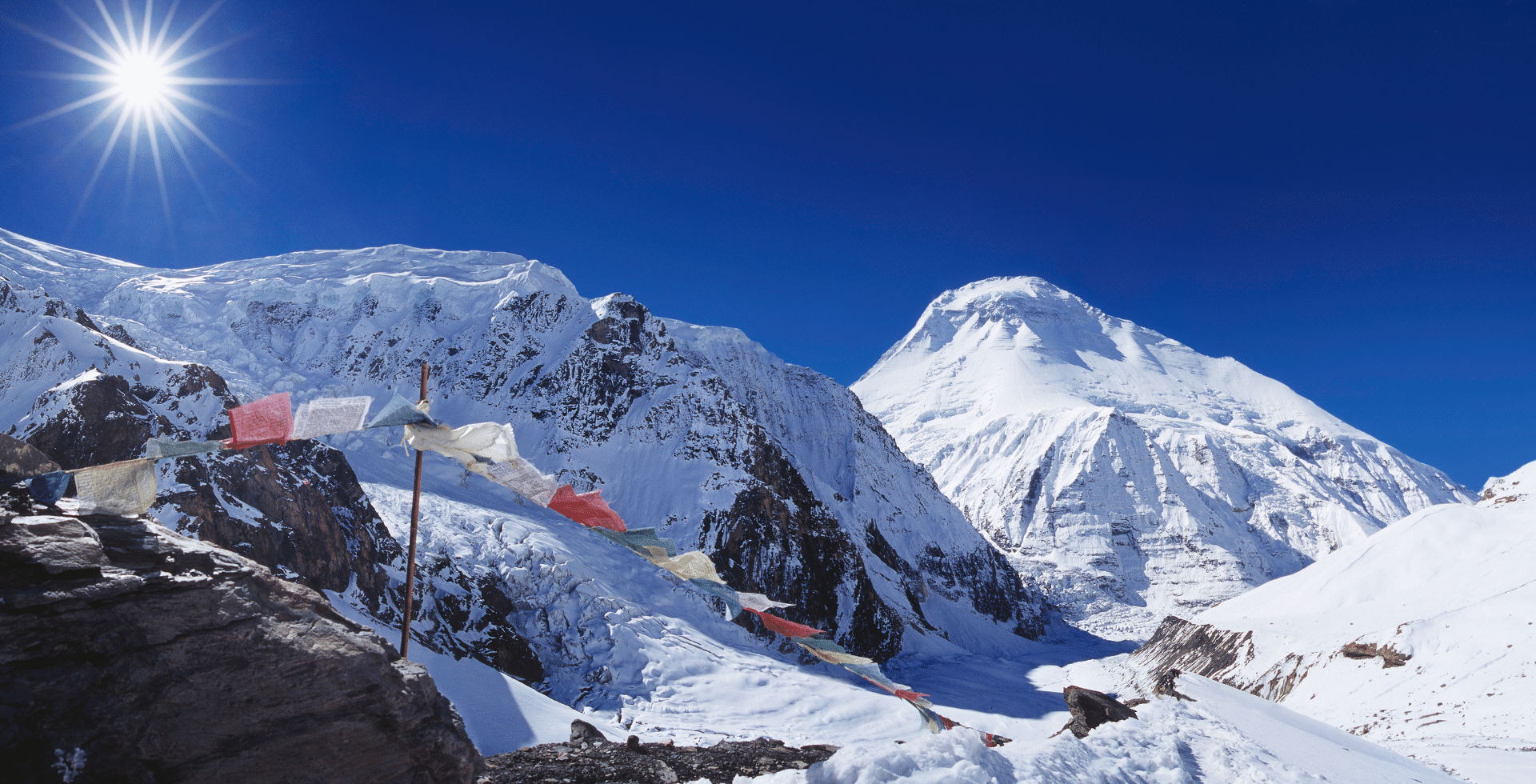
Crossing Larke is an exciting and thrilling adventure that provides one of the most memorable high-altitude experiences here in Nepal. The feeling of standing at the top with beautiful Himalayan peaks and fluttering prayer flags is indeed the ultimate highlight of this Manaslu Circuit.
Reaching Manaslu Base Camp at 4,800 m
The base camp of the eighth-highest mountain in the world, Mount Manaslu (8,163 m), sits at 4,800 meters. However, this is just an optional day hike during your acclimatization day in Samagaun. You can choose to do this hike only if you’re truly interested, as it can be exhausting and the most difficult part of the journey.
The route to the base camp is one of the main highlights of the entire trek and a big achievement in itself. You’ll pass through sub-alpine landscapes, glacial moraines, caves, and icy streams.
Trekking in this part of the Manaslu Circuit tests your stamina and makes you ready for the Larke Pass. However, you must prioritize taking an extra rest day after visiting the Manaslu Base Camp, as your body will be exhausted.
Not to forget that it also offers jaw-dropping views of the towering peaks, mostly the serene glaciers.
Natural and Scenic Beauty of Manaslu Region
We tell one thing to every guest who travels to Manaslu with us: this trek isn’t just about walking. The breathtaking Himalayan vistas, serene glacial lakes, and vibrant traditional villages are what make your journey the most memorable.
In fact, those close-up views of snow-capped mountains, Tibetan-influenced settlements, and rich flora and wildlife are why you’ve traveled to the Manaslu region. And you’ll get those glimpses as soon as you start this trek with the assigned guide(s).
Every stop along the trail, from Jagat to Larke Pass and up to Tilche, comes with unique scenery, cultural encounters, and unforgettable moments. Here are the natural and scenic highlights of the Manaslu Circuit Trek in detail:
Traditional Mountain Villages Along the Trail
Let's first talk about the charming traditional villages that you'll come across on the Manaslu trail. Each of the following ones offers glimpses of stunning Himalayan backdrops, as well as serves as the perfect rest point:
- Macchakhola (870 m): Locally known as Machhikhola, it’s located in Dharche Rural Municipality and is a happening settlement where you’ll spend a night. Also, this is the place from where you get a jeep up to Philim.
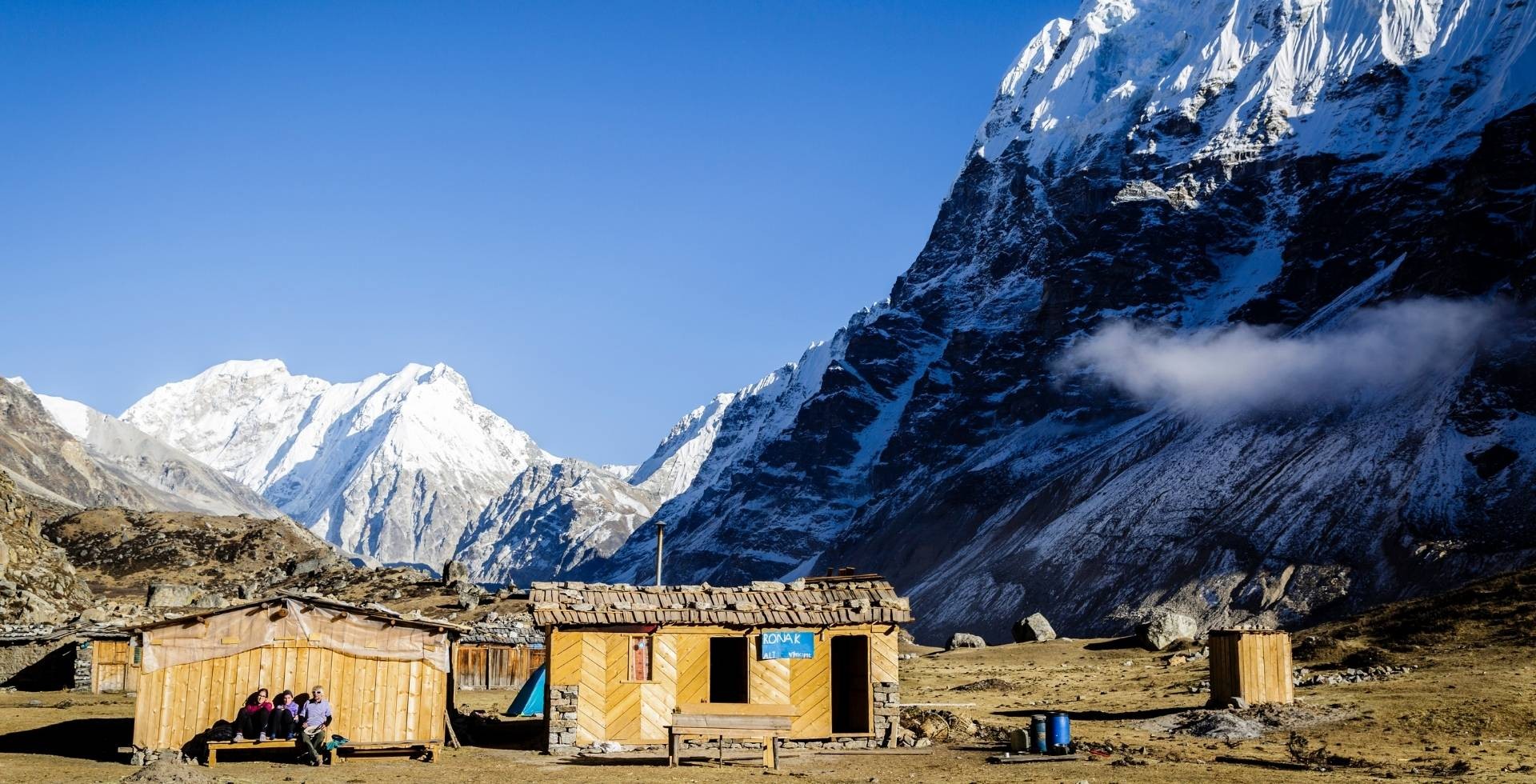
- Jagat (1,370 m): It's known as the gateway to the Manaslu region, and the village is located right by the Budhi Gandaki River with Gurung and Tamang communities. This is also where the Chumnubri Rural Municipality starts, which is the home of the Manaslu CA. You get the restricted area permit from here and show your MCAP at the checkpoint too.
- Philim (1,560 m): This serves as the starting point of the Manaslu Circuit trek and the final point up to where the road reaches. Although a small village, it’s a prominent one, where you need to show your RAP and MCAP yet again.
- Deng (1,860 m): Locally known as Dyang, it’s surrounded by pine and rhododendron forests and even offers views of the Shringi Himal, Lapsang Karbo, and Kutang Himal ranges.
- Ghap (2,160 m): Another beautiful village with traditional stone houses and mani walls to explore. You also get close interaction with the local Nubri people when here.
- Namrung (2,630 m): Another Nubri settlement well-known for apple trees and also where mountains start appearing closer.
- Lhi (2,920 m): A culturally rich settlement and home to Buddha Temple that features eight stupas. You’ll spend a night here to properly acclimatize before proceeding to the 3000-meter mark.
- Lho (3,135 m): Another settlement in the Manaslu region known for monasteries and stupas. It is also home to Ribung Monastery, which holds great spiritual importance. This is where you get the first glimpse of Mt. Manaslu.
- Shyala (3,500 m): A hike from this beautiful village leads to Pungen Gumba, passing via Shyala Gumba, which is a destination not to miss when in the Manaslu region.
- Samagaun (3,530 m): This is a tourist hub and the most prominent village in the Nubri valley, perfect for acclimatization. And when stopping here, you can even visit Birendra Lake and Manaslu Base Camp (optional).
- Samdo (3,875 m): This is where you'll spend the first night in a major high-altitude settlement. There are gompas, health check-posts, and even panoramic views of Manaslu, Himal Chuli, Himlung Himal, and other peaks.
- Dharmashala (4,470 m): Serves as the base camp for Larke Pass and only has a few settlements (mostly local teahouses). Yet, the views of the mountains are on the next level. You can go for acclimatization hikes on the nearby hills with your guide.
- Bhimthang (3,700 m): Another Tibetan-influenced village in the Annapurna CA of Manang district with traditional houses, nearby Ponkar Lake, and amazing alpine landscapes with mesmerizing views of the Annapurna mountains.
- Tilche (2,260 m): Yet another Gurung and Tibetan settlement, with rhododendron forests and views of the Dudh Khola River.
- Dharapani (1,900 m): Located in the Manang district in the Annapurna CA just like Tilche. Be ready to get glimpses of multiple temples, gompas, and waterfalls along the route to reach here.
Close-Up Himalayan Views
When you’re in the Manaslu region, expect to be blessed with some of the most stunning and uninterrupted Himalayan vistas in Nepal. From different points along the trail (especially at Samagaun, Manaslu Base Camp, Dharmashala, and Larke Pass), trekkers get panoramic views of the following mountains:
- Mount Manaslu (8,163 m): The eighth-highest peak in the world.
- Himlung Himal (7,126 m): Visible from the higher reaches near Larke and Samdo.
- Ngadi Chuli (7,871 m): Clear views from Namrung, Bihi, and surrounding places.
- Himal Chuli (7,893 m): A dramatic backdrop when around Lho and Samagaun.
- Kang Guru (6,981 m) and Annapurna II (7,937 m): Spectacular from Larke Pass.
- Other major mountains and peaks: Cheo Himal, Boudha Himal, Ganesh Himal, Shringi Himal, Himal Chuli West, and Himal Chuli East.
The views change dramatically with your elevation, but weather conditions can play a role too. What we don’t want you to miss out on are the sunrise and sunset from multiple vantage points.
Glacial Lakes: Birendra and Ponkar
During your Manaslu Circuit Trek, you even get the chance to witness serene glacial lakes in those high-altitude landscapes.
First, it's Birendra Lake (3,690 m), which is near Samagaun and is one of the most famous spots in the region. Surrounded by snow-capped peaks (primarily Mt. Manaslu) and Tibetan-style villages, it's one of the most serene lakes in Nepal for sure!
Another popular glacial lake, as you descend from Larke Pass, is Ponkar Lake (4,100 m), located on the way to Bhimthang. The reflection of the surrounding Himalayan peaks surely makes you want to stop by (but is still optional).
Ponkar Lake is about 1.5 hours from the main trail towards Bhimthang. Instead of reaching here on the same day, it’s best that you take an extra rest day to explore this serene lake. Do note that the lake is seen from the time of your descent from Larkya La itself.
Besides these, there are several other small glacial lakes along the Manaslu trail. You’ll find them near high passes and alpine meadows as you march on. For photography lovers, the opportunities to capture stunning shots here are endless, so be sure to keep your cameras out throughout the trek.
Rich Flora and Chances to Spot Wild Animals
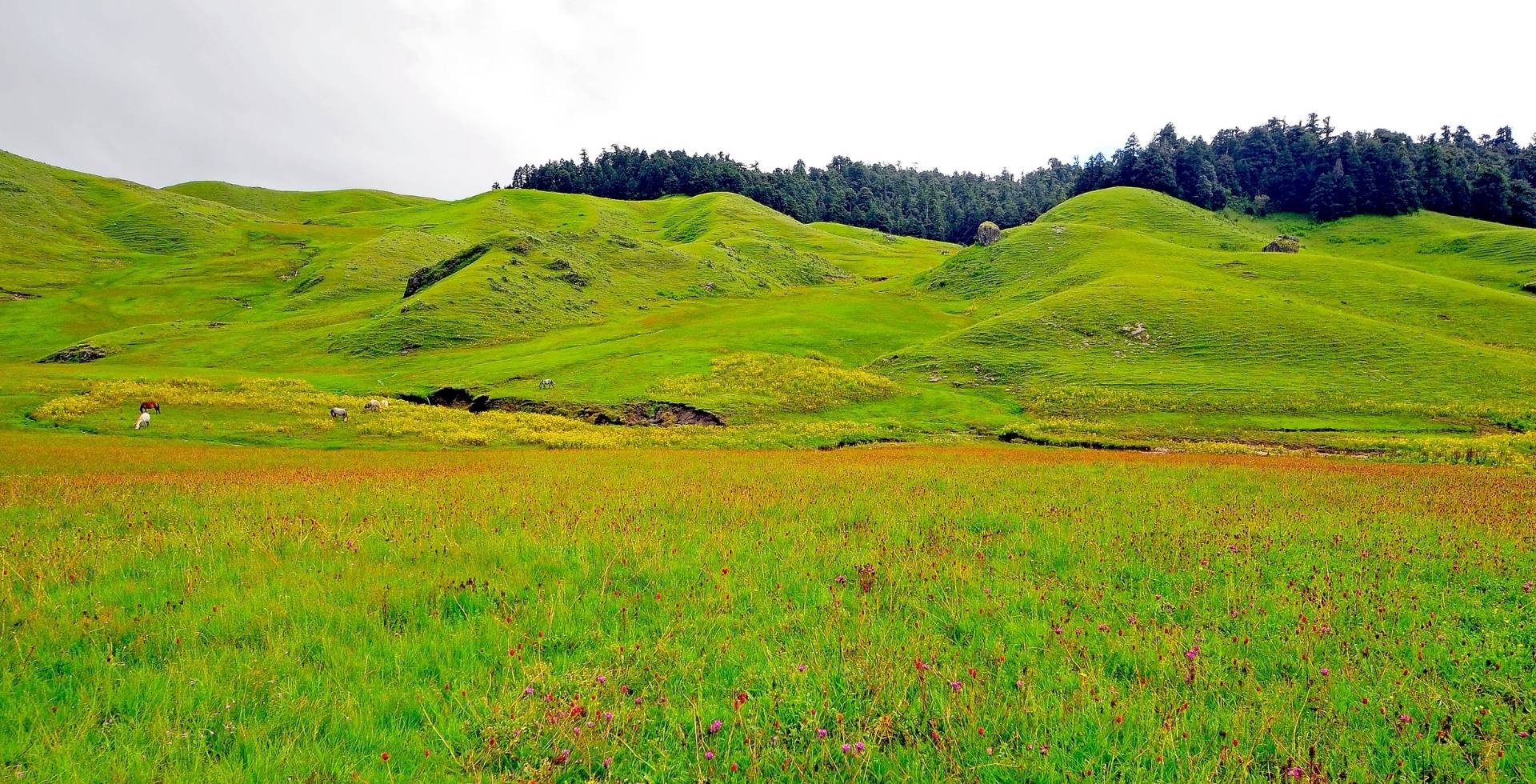
The Manaslu Circuit trail goes through diverse ecological zones (six distinct), ranging from subtropical forests to alpine meadows. You’ll walk among oak, pine, bamboo, rhododendron, and fir forests.
During spring, rhododendrons, primulas, and other medicinal herbs can be spotted here!
Moreover, the Manaslu region is home to a variety of wildlife. The most popular ones include: Himalayan thar, langurs, musk deer, red pandas, and snow leopards!
Also, our prior guests have spotted rare birds, such as Himalayan monals, blood pheasants, snowcocks, and more (making the region perfect for birdwatching too).
This is why our guests at Altitude Himalaya say to keep your eyes and senses open, as you might spot one or more of these wonderful species (some even endangered) in their natural habitat.
Just a quick note: sightings depend on the season, so not all months are ideal for wildlife lovers.
Experience the Diverse Culture and Traditions
Mountains and landscapes are part of the Manaslu Circuit Trek, just like on any other trek. But more than that, this special guided journey organized by our Altitude Himalaya team also lets you experience the diverse cultures of the region.
From connecting with Gurung, Tamang, Nubri, and Bhote communities to visiting sacred monasteries, we guarantee that you'll gain a unique perspective on the traditions and way of life in this part of Nepal.
Moreover, the package also includes sightseeing in Kathmandu in the first part, along with a cultural dinner at the end. Here’s what to expect on the cultural side of this 15-day tour:
Main Ethnic Groups in Manaslu Region
The Manaslu region is home to a number of ethnic communities, and each of them is unique and conserves their culture in their very own way. Among them, the Gurung and Tamang communities are the most prominent of them all.
First, let's talk about Gurungs. These groups of people are well-known for their bravery and have a long tradition of serving in the British and Indian Gurkha regiments.
They are even known for their unique cultural festivals (like Losar, particularly Tamu Losar), traditional dances (like Ghatu and Chudka), and colorful traditional attire.
Their religion is Tibetan Buddhism, and to witness various forms of their indigenous practices, we highly recommend you join in on this Manaslu Circuit trek.
Tamangs are more commonly found in the lower regions of Jagat and Deng. Just like Gurungs, they are closely connected to Tibetan Buddhism and celebrate their main festival, Sonam Lhosar. They are quite skillful in agriculture, animal husbandry, and woodcraft.
As you move higher in the Manaslu region, you’ll come across and socialize with Bhotia, Nubri, and a small number of Sherpa people.
This is particularly around the areas of Lho, Samagaun, and Samdo. Both Bhotia and Nubri are Tibetan-influenced groups who live in homes made of stone, timber, and wood.
Not to forget about Brahmins and Chhetris, who are the largest ethnic groups in Nepal. And they are even found in some areas of the Manaslu region in tiny numbers, but you'll meet them mostly when you're in the capital city.
Sacred Monasteries, Chortens and Mani Walls
The actual Manaslu trek lasts 10 days. And during this main period, you’ll come across spiritual landmarks that reflect the deep-rooted Tibetan Buddhist culture of the Manaslu region. You can enter the monasteries or simply appreciate them from outside. The intricately carved mani walls present here will blow your mind, knowing how skillful the Tibetan architects are!
Let us introduce you to the most popular and most sacred monasteries you’ll come across on this trail:
- Pungen Gumba (Shyala, 4,040 m): This is the major highlight of the Manaslu Circuit Trek. The monastery here might be small, but culturally, it is a significant one in Manaslu. This place also has murals and beautiful prayer flags, all of which reflect the traditional Tibetan Buddhist architecture. And it offers the best views of Manaslu!
- Ribung Monastery (Lho, 3,180 m): This is amongst one of the largest monasteries in the Manaslu region. Expect to see tons of murals and be sure to immerse yourself in Tibetan Buddhist rituals.
- Samdo Gompa (Samdo, 3,860 m): This is a high-altitude monastery offering panoramic views of the surrounding peaks. Daily prayers and meditation practices are performed here every single day!
- Shyala Gumba (Shyala, 3,550 m): Located right above the settlement of Shyala, this is a newly constructed monastery that offers surreal views of the nearby mountains and is on the way to Pungen Gumba.
- Pema Decholing Gompa (Samagaun, 3,530 m): On the way to Birendra Lake, this is a must-stop when you’re in Samagaun. It’s a centuries-old monastery and one where most Nubri people visit for prayers.
Besides just the monasteries, chortens and mani walls are also found throughout the Manaslu trail. There are even stone shrines and carved walls often inscribed with prayers and mantras. One of the most popular is the Bhimthang Prayer Wall, located after crossing Larke Pass.
Highland Lifestyle and Agricultural Practices
Life in the Manaslu highlands isn’t easy for sure. The rugged terrain and high-altitude climate have made life difficult for the locals, who often end up coming to the lower regions in search of facilities.
In terms of agriculture, villagers here rely heavily on cultivating hardy crops like potatoes, buckwheat, barley, maize, and millet. Seasonal vegetables such as spinach, cabbage, and radish are also grown, but in minimal amounts (mostly in the lower sections of the Manaslu region).
Since you’ll be travelling in such a remote region, trekkers need to understand that meals along the trail will mostly include potato dishes, buckwheat bread, and simple vegetable soups. You can even notice vast potato fields in Samagaun, Lho, and Bhimthang.
Beyond farming, locals here keep yaks, mules, and goats, not only for milk, meat, and wool, but also as pack animals. In fact, you can even hire them to transport your own goods, while locals use them every day to get basic food up to the high-altitude regions. That’s the reason why food items in the Manaslu Region are a little expensive in the Manaslu region.
Despite the remoteness, locals here are golden-hearted and offer warm hospitality to their guests. This is one thing that’s going to surely surprise you when doing the Manaslu Circuit Trek.
UNESCO Heritage Sightseeing in Kathmandu
Kathmandu Valley is recognized as a UNESCO World Heritage Site for the presence of ancient monuments, sacred temples, and living traditions that have gone down CENTURIES!
It hosts seven UNESCO-listed monumental zones, but during your stay, we’ll only be able to take you to the four major ones within the Kathmandu district. These visits will take place on your second day in Nepal.
Your full-day Kathmandu sightseeing tour covers the following:
- Kathmandu Durbar Square: It once served as the royal palace complex of the kings. Now, it’s turned into a museum, where you get to see its courtyards, intricately carved wooden temples, and the main highlight, the Living Goddess Kumari.
- Swayambhunath Stupa: This is known as Monkey Temple and resides on top of a hill, which is a vantage point to get sweeping views of the valley. Both Buddhists and Hindus worship here; in fact, Hindus call it a temple too!
- Pashupatinath Temple: This is one of Nepal’s holiest Hindu temples, dedicated to Lord Shiva. Not just the locals but even pilgrims from across South Asia come to pay homage to Mahadev. The river flowing beneath is the sacred Bagmati River, and along its bank is where traditional cremation rituals are performed.
- Boudhanath Stupa: Considered one of the largest spherical stupas in the world, you’ll mostly find Tibetan monasteries and vibrant prayer wheels here. And most importantly, this is a spiritual hub for Tibetan Buddhists. The evening kora (circumambulation of the white dome) is one not to miss when in Kathmandu!
After your return from Manaslu, you’ll even enjoy a farewell dinner with a cultural program. This features traditional dances, music, and authentic attire, offering an even deeper glimpse into Nepal’s culture and customs.
 160 km
 870 m
870 m