

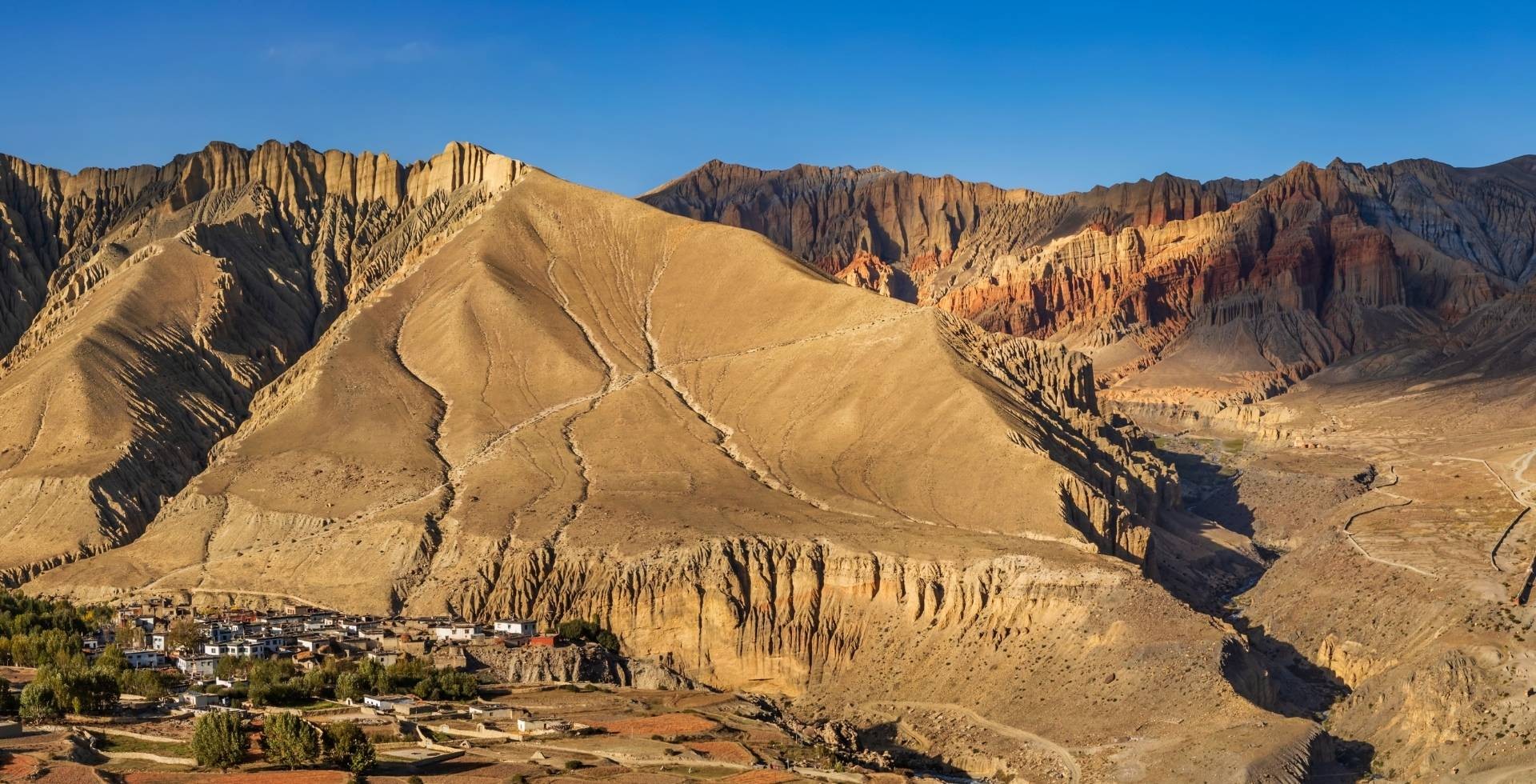
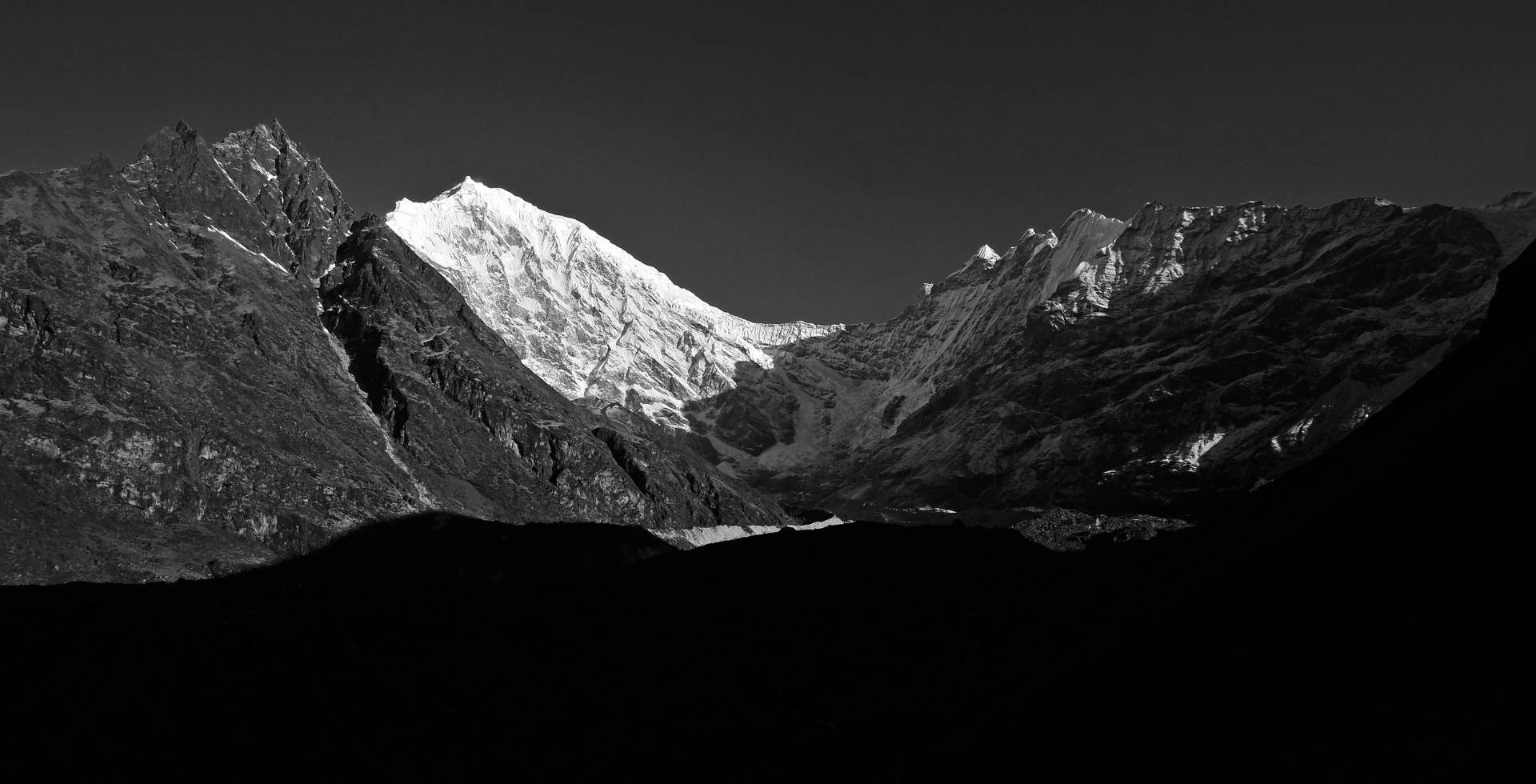
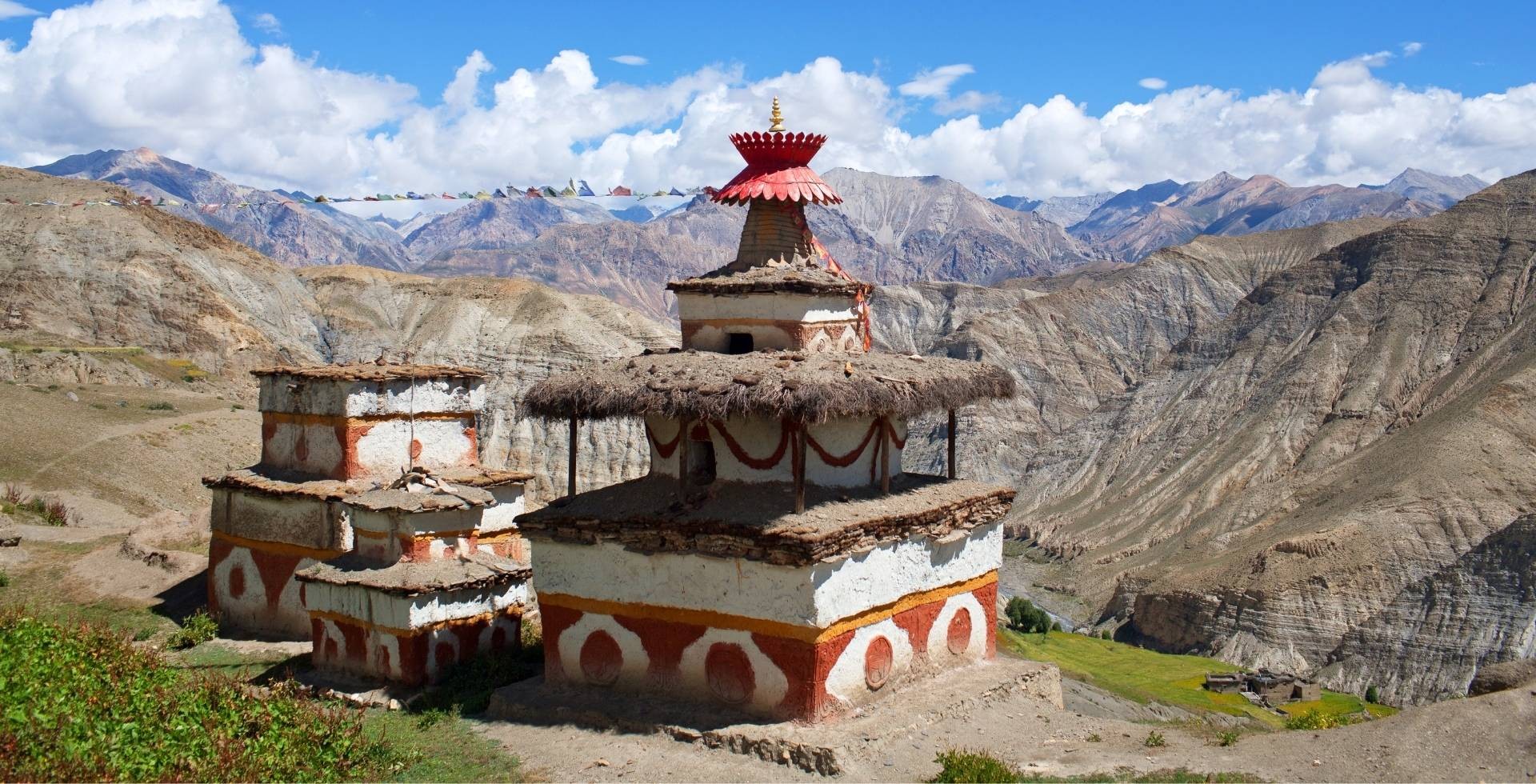
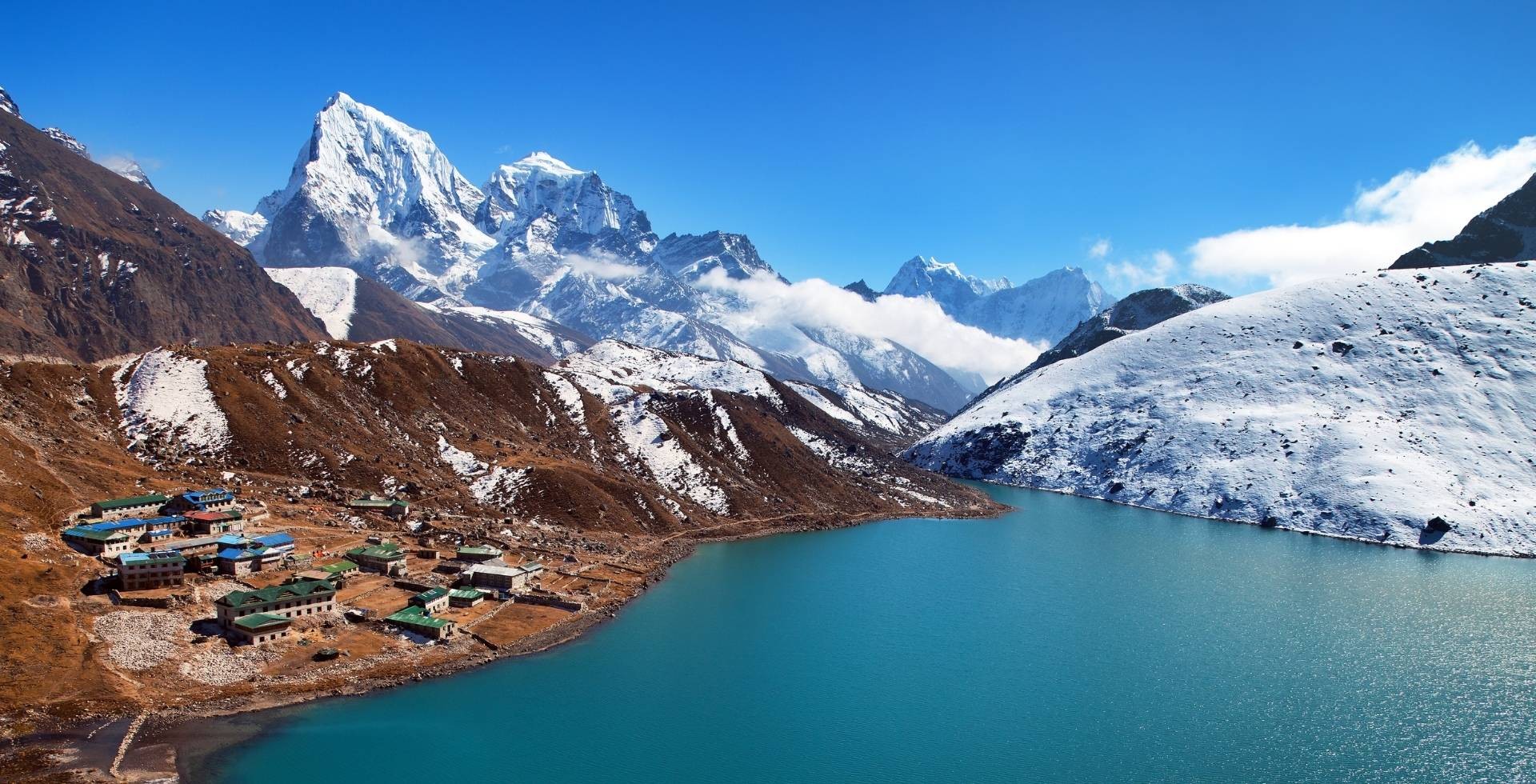


Here is a wonderful opportunity for you to witness the beauty of Nepal and Tibet Autonomous Region crafted by Altitude Himalaya. In this 14-day trip, you will have the chance to see the architectural and natural beauties of Nepal and Tibet, along with the opportunity to understand their histories and experience their rich cultures.
Hinduism has been the dominant religion of Nepal for ages and this can be proven by the existence of temples and monuments dating back to the 5th century. The Pashupatinath Temple and the Durbar Squares in the Kathmandu Valley stand as proof.
However, one can not ignore the deep roots of Buddhism that exist in Nepal, the birthplace of Lord Buddha, Siddhartha Gautama. Furthermore, the trade and cultural exchange between Tibet and Nepal in the 7th century gives you a bigger reason to visit these two countries together.
Before the 7th century, the Bon religion ruled over Tibet. But after King Songtsen Gampo of Tibet married Princess Bhrikuti of Nepal and Princess Wencheng of Tang Dynasty, China (both Buddhist princesses), the religious landscape of Tibet entirely changed.
Then came the rise of Tibetan Buddhism that is marked with its distinct traditions.
Visiting Boudhanath Stupa and Swayambhunath Stupa in Kathmandu will set the foundation for your knowledge of Buddhism, and your visit to Lhasa and Shigatse in Tibet will strengthen it.
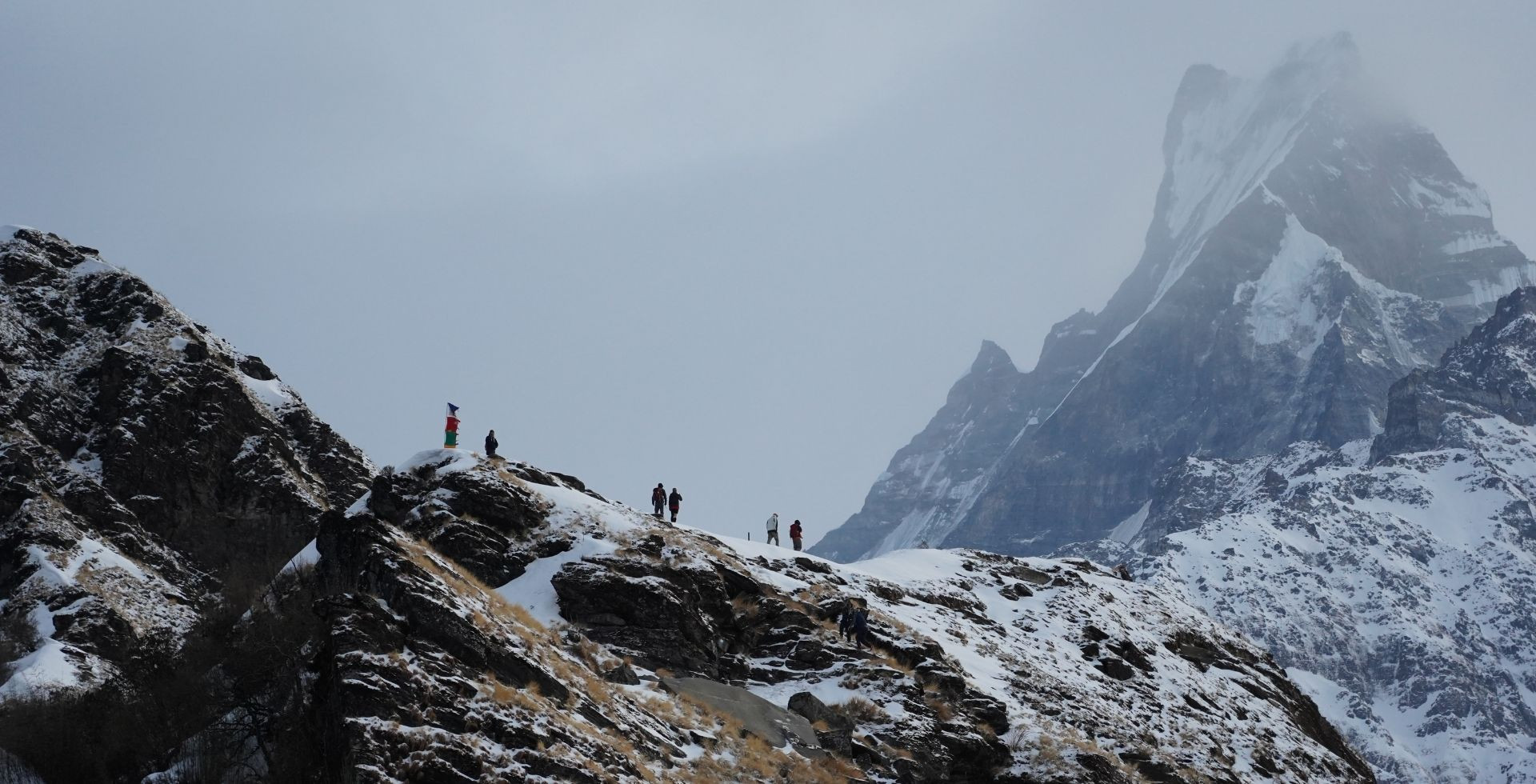
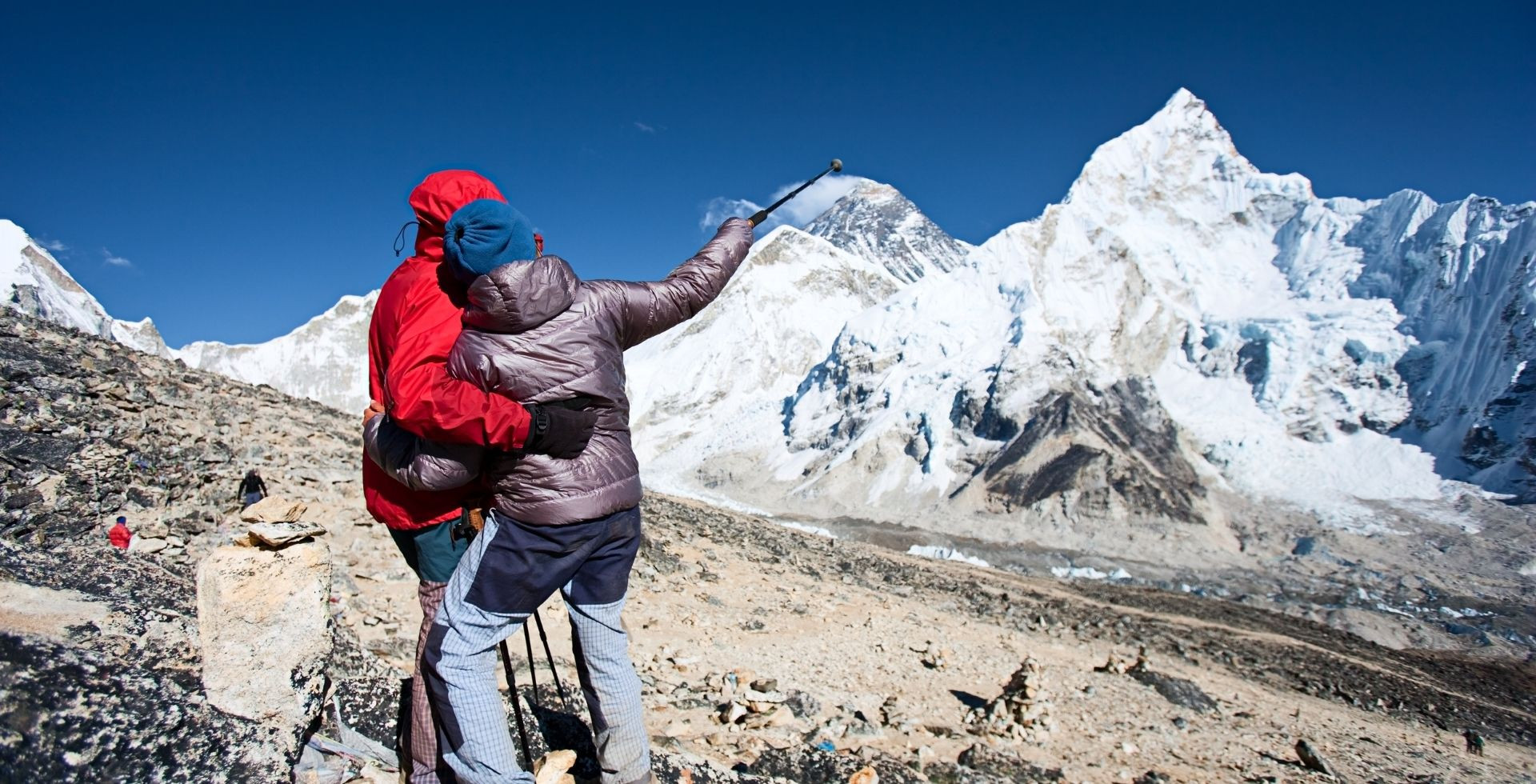
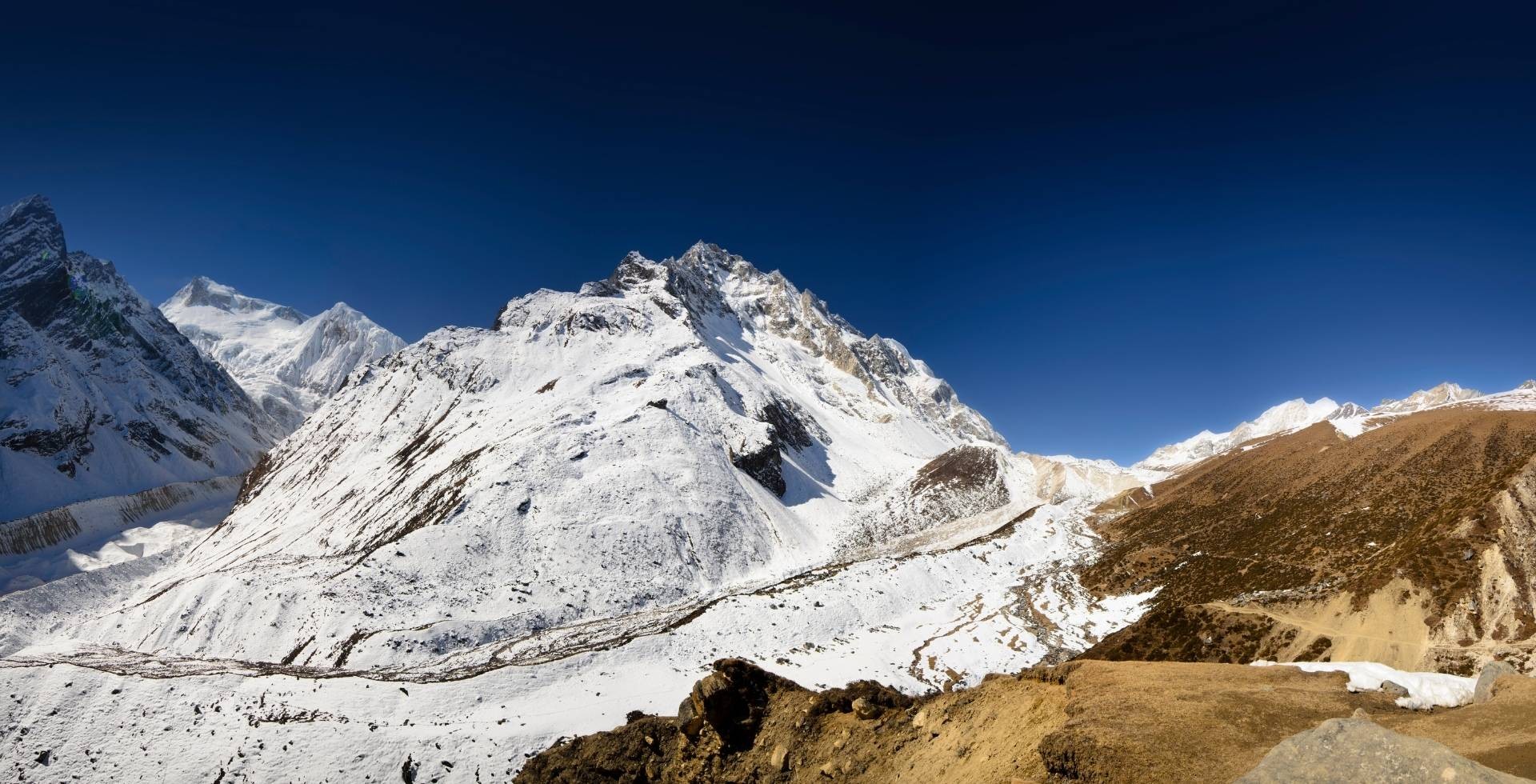
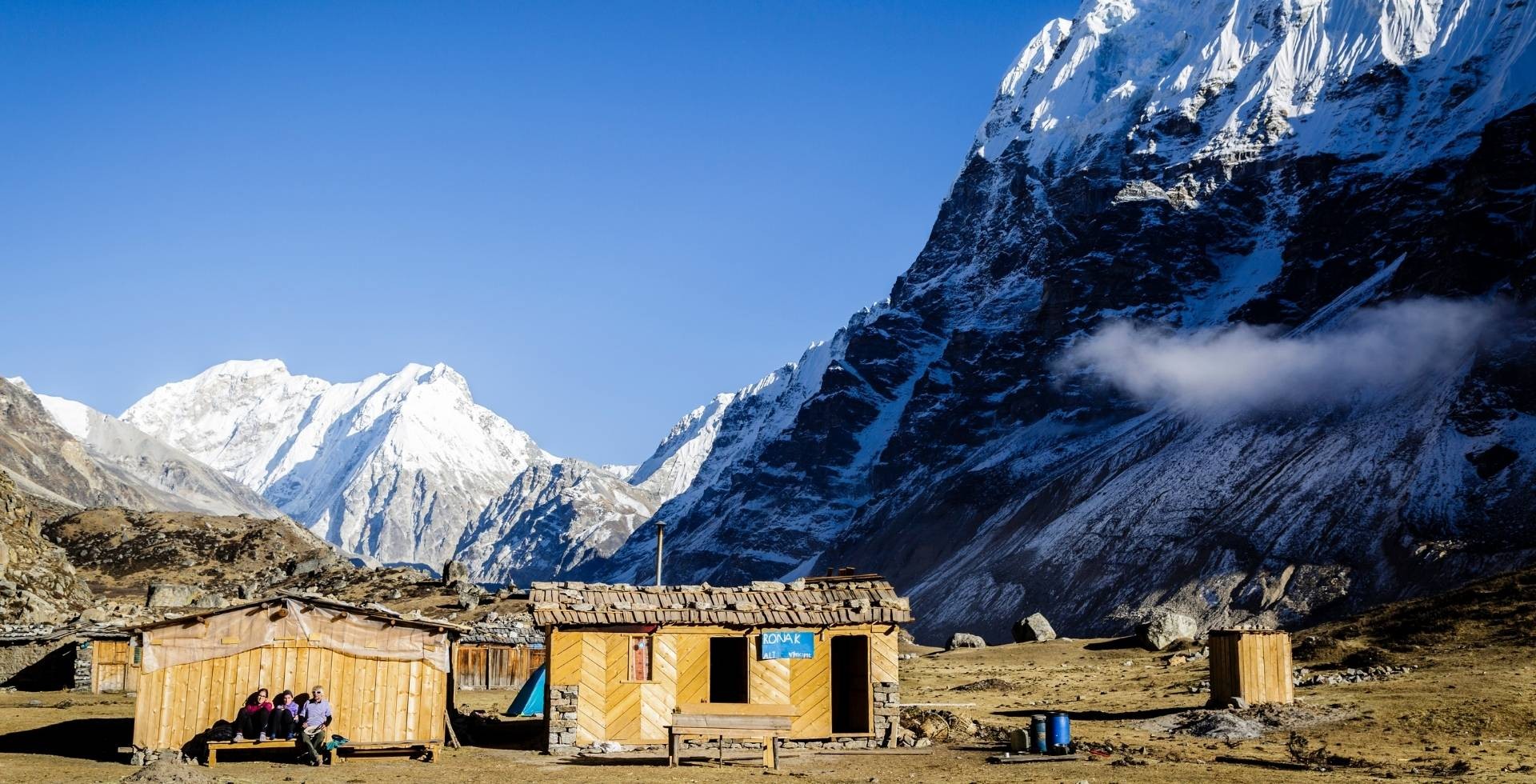
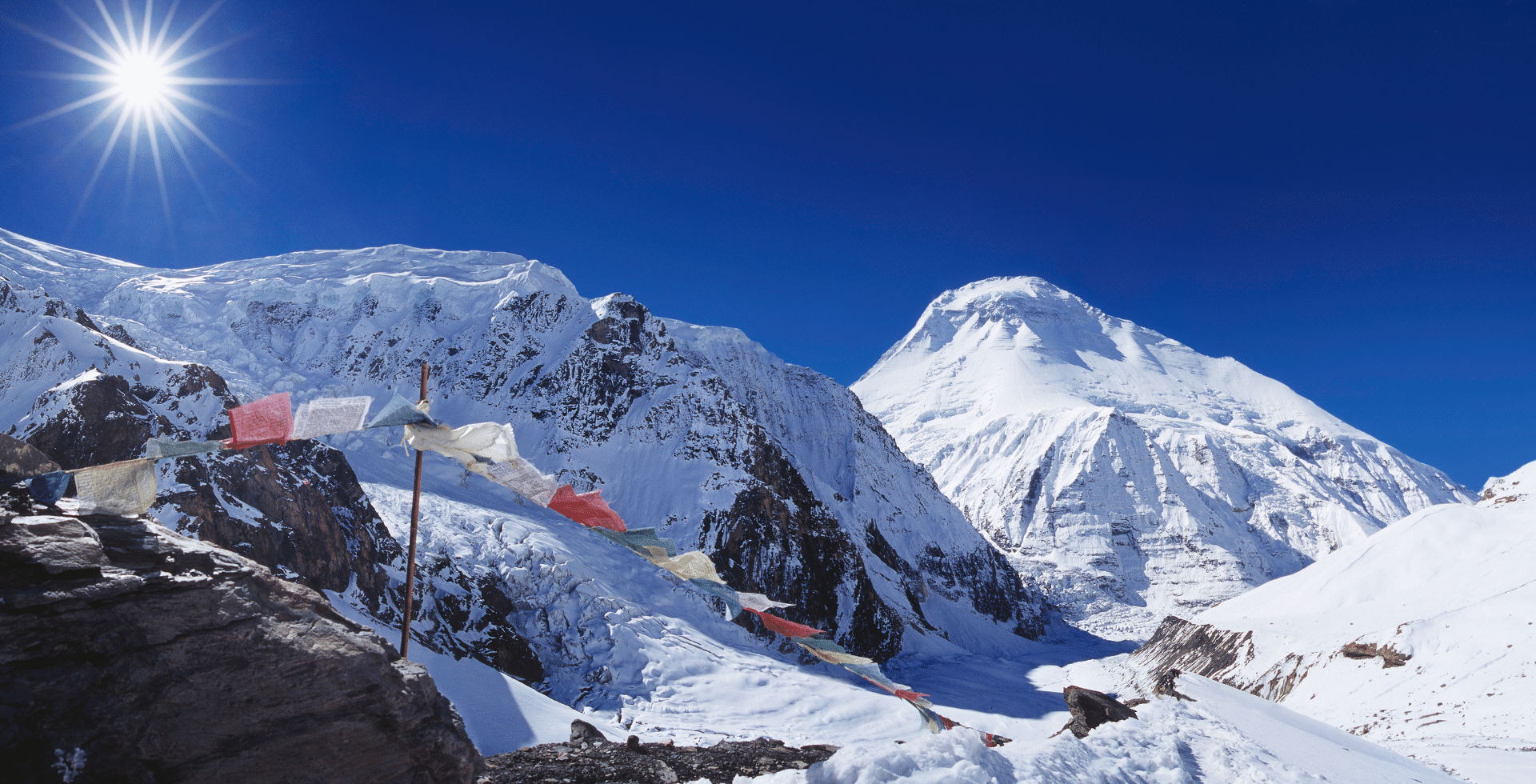
But this is not just a spiritual journey. This journey will make you appreciate the beautiful contrast between nature and man-made structures. Each destination will give you the view of the mountains from different angles.
One day you will feel as though the mountains are unreachable, and the next day you will be standing in a monastery right below one.
We hope that this gives you more than enough reasons to book this trip. Here are short descriptions provided below to give you more ideas on the places you will be going to, including the UNESCO World Heritage Sites that you will be visiting in both countries.
Pashupatinath Temple by the banks of Bagmati
Pashupatinath Temple is the most revered temple of Hinduism in Nepal. Located on the riverbanks of the holy river Bagmati on both sides, this temple’s existence dates back to the 5th century.
It was declared as a UNESCO World Heritage Site in 1979. An iconic structure in terms of spirituality and architecture, the temple’s vicinity also includes Slesh Mantak Forest. Devotees, ascetics, saadhus, and pilgrims all come to Pashupatinath to feel the powerful energy of the temple.
There are more than 500 shrines within the premises. It includes temples and shrines dedicated to different gods, such as Ganesh Temple, Bhairav Temple, Basukinath Temple, and Hanuman Shrine.
While everyone is allowed to enter the temple vicinity, the main complex is restricted for non-Hindus. They can view the temple from the opposite bank of the Bagmati river. And for those who plan to enter the main temple, be sure you’re not wearing or taking any object made of leather.
Open cremation still takes place in the ghats of the river and the last rites of the deceased are also performed there. It is said that bathing in the river can erase one’s sins of a lifetime, so don’t be surprised if you see people bathing in the river even in peak winters.
The people of Kathmandu visit Pashupatinath Temple almost every night to participate in the aarati, and the crowd is greater on Monday evenings. You can listen to the rhythmic chants and watch the fire rituals performed by the priests.
Every year, about 800,000 people from Nepal and India gather in the temple to celebrate Maha Shivaratri. The visitors are devotees, pilgrims, saadhus, and ascetics. They travel all the way here just to have a glance at the Shiva Lingam.
Boudhanath Stupa - The Path to Enlightenment
Boudhanath Stupa, also known as Jarung Kashor, is one of the largest spherical stupas in the world. Located in the Kathmandu valley, it is one of the most significant structures for the Buddhist community all around the world.
An integral part of Nepal’s culture and heritage, Boudhanath Stupa was declared as a UNESCO World Heritage Site in 1979. Built around 600 AD, the stupa boasts a blend of Nepalese art/architecture with Tibetan architecture.
On this trip, this is the first site where you will observe kora and prostrations. Devotees walk around in a clockwise direction with prayer wheels and beads in their hands. The smell of incense mixed with butter lamps feels hypnotic.
It is said that the remains of Kashyapa Buddha are hidden within the stupa’s chambers. Others say that Guru Rinpoche concealed some treasure in this site. Built in the form of Mandala, the stupa represents 5 major elements: earth, air, water, fire, and space.
There are four main monasteries around Boudhanath Stupa and each of them belongs to different sects of Buddhism. The monasteries are Guru Lhakhang Monastery (Nyingma sect), Samtenling Monastery (Gelug sect), Jamchen Lhakhang (Shakya sect), and Dilyak Yebam (Kagyu sect).
The major festivals celebrated here are Buddha Jayanti, Temal Jatra, Chechyu Puja, and Lhosar. Every full moon, the monks gather around Boudhanath to pray and sing hymns.
Swayambhunath Stupa
Believed to have been born out of a lotus flower, Swayambhunath Stupa, famously known as the Monkey Temple, is an important site for both Buddhists and Hindus.
It is a unique structure where deities of both Buddhism and Hinduism have been incorporated, demonstrating the religious tolerance practiced in Nepal.
As its local name ‘Monkey Temple’ suggests, there are hundreds of monkeys in the premises of the stupa. Stories say that the monkeys were reincarnated from the lice of Manjushri, the Bodhisattva who drained the water from Kathmandu (previously a lake known as Nagdaha/Paleo-Kathmandu Lake).
The five chambers of the stupa represent the five major elements: earth, fire, air, water, and space. Other important sites around the stupa are Harati Devi Temple, Panchapur, Pratappur and Anantapur, Vajra Dhatu Mandala, and the Statue of Dipankara.
There is also a temple called Shantipur, where legends say that Shantikar Acharya, a tantric master, is said to be meditating in one of the underground chambers to this day from the 5th century. It is said that King Pratap Malla visited him once to end the drought in Kathmandu.
Kathmandu Durbar Square
Kathmandu Durbar Square, popularly known as Basantapur Durbar and Hanuman Dhoka, was built between the 4th and 8th centuries. Initially built by the Lichhavi Kings, King Pratap Malla from the Malla Dynasty played a major role in its expansion during the 17th century.
Divided into two courtyards, Kathmandu Durbar Square houses more than 50 temples. The notable structures in outer space are Kasthmandap, Kumari Ghar (house of the living Goddess Kumari), and Shiva Parvati Temple. In the inner space, you can find Hanuman Dhoka and the main palace.
Today, some floors of the palaces have been transformed into a museum. Famously known as Tribhuvan Museum, the museum was established to commemorate the three kings of Nepal: King Tribhuvan, King Mahendra, and King Birendra.
Some of the main structures within the Kathmandu Durbar Square are Taleju Temple, Kumari Temple, Kal Bhairav, Swet Bhairav, Shisha Baithak, and Narsingha statue.
Trishuli River Rafting [Optional]
On your way from Kathmandu to Pokhara, you will meet the Trishuli River along the Prithvi Highway. This river is one of the top choices for white water rafting.
This activity is easy for first timers as well as beginners. It is an activity filled with thrill. The minimum age to participate is 10, and everyone will be provided with a lifejacket for their safety. Furthermore, there will also be professional kayakers for safety and assistance.
The water of Trishuli river originates from Gosainkunda Lake and Kyirong Tsangpo, a river from Tibet. While rafting, you can watch the local villages and green farmlands on the riverbanks.
Note: This is an optional activity that you can opt for on your way from Kathmandu to Pokhara. If you do not wish to participate, you can drive straight to Pokhara.
Sarangkot
At the height of 1600m above sea level, Sarangkot is the perfect place to start your magical day in Pokhara. It is one of the best places to watch the sunrise, and that is exactly what we have planned for you.
From the top of Sarangkot, you can see the panoramic view of Pokhara city, Phewa Lake, and the mountains. The mountain peaks that can be seen from Sarangkot are Dhaulagiri (8,167 m), Macchapucchare (6,993 m), and Annapurna II (7,937 m). You can also spot Lamjung village (6,983 m).
Sarangkot is also the best spot for birdwatching and adventurous activities like paragliding, hiking, ziplining, etc.
Davis Fall, that flows through Gupteshwor Mahadev Cave
Davis Fall, also referred to as Devi's Falls, is a fierce waterfall that gets its water from the Phewa Lake. Its Nepalese name is Patale Chhango, which means ‘waterfall to hell’ when translated to English.
One of the most popular stories about this fall is that of a Swiss couple, who were taking a bath nearby. The wife fell in the waterfall and her husband jumped in after her to save her. Davis’ body was found in Phusre Khola after three days, and that was how the place came to be called Davis Fall, after Mr. and Mrs. Davis.
While people initially did not know where the water was headed from the waterfall, it was later revealed that the fierce water cut through the rocks and flowed through the complex cave that was created by the waterfall itself. That cave is known as Gupteshwor Mahadev Cave.
About 2950m long, Gupteshwor Mahadev Cave is the longest cave in Nepal. When it was first discovered in the 16th century by a shepherd, it was believed that the cave already had statues and portraits of Hindu Gods and Goddesses.
King Mahendra visited the cave in 2018 BS. After that, he built a guthi there and contributed to the development of the area.
Pumdikot Shiva Statue
About 1500m above sea level stands a 51ft tall statue of Lord Shiva on the hilltop of Pumdikot. To reach the statue, you will have to climb 108 stairs.
There are 216 Shiva Lingas in the area surrounding the statue. The statue of Lord Shiva faces towards Mt. Kailash, the direction he always faces.
After reaching the top, you will be surrounded by the view of Phewa Lake, Pokhara, and the surrounding hills. You can also see the peaks of Macchapucchare, Hiuchuli, Annapurna South, Annapurna II, and Annapurna IV.
Pumdikot had always been respected by the Shah kings of Nepal. It was considered to be a Shaktipeeth and they used to pray there before they fought battles with the Nuwakot Kings.
It is said that in ancient times, there used to be Bhumeshwor Temple on the hill. It also served as a fort in the past.
World Peace Pagoda for Hope and Harmony
South of Phewa Lake, there is a hill named Ananda Hill. Ananda, in Buddhism, signifies inner joy and bliss. So it makes perfect sense for the World Peace Pagoda to be located there.
About 2100m above sea level, World Peace Pagoda’s construction was initiated by a Japanese monk named Nichidatsu Fujii. After receiving the permission, the structure was built in 1973 by Nipponzan-Myohozi Buddhist Order.
Today, this iconic landmark serves as a beacon of hope and harmony between all faiths. You can reach the top by road or by a short hike from the southern shore of Phewa Lake.
After reaching the top, you will be met by the beautiful view of Pokhara and the Annapurna mountains.
The moment you reach there and stand before the shining white stupa, you will feel a sense of calmness within you. Make sure to walk around and see the 4 statues of Buddha that are made of bronze and adorned with valuable gems.
Phewa Lake and Tal Barahi Temple
The second largest lake of Nepal, Phewa Lake, previously known as Baidam Tal, covers an area of 5.62 sq km. It is at the altitude of 742 m above sea level.
The beautiful lake surrounded by hills and the city of Pokhara reflects the splendid Macchapuchhare. There are many activities for you to do around Phewa Lake. You can paddleboard or rowboat through the reflections.
For this trip, you will be hiking down World Peace Pagoda, where a boat will be waiting for you to take you to the other shore towards your hotel.
You can spend extra time here and enjoy the lakeview from the east side of the lake. There are many cafes, restaurants, and bars where you can settle for the evening. A coffee or beer by the lake? That sounds like a plan.
Phewa Lake, although considerably small when compared to other lakes around the world, surprisingly has an island. And that is not just some regular island; it is the house of Goddess Tal Barahi. As you can guess, there is a temple on the island called Tal Barahi Temple.
It is the only temple in Nepal that is located on an island. Many devotees come to this temple, as there is a belief that says that Goddess Tal Barahi fulfills the wishes of those who ask with pure hearts. People also go there to pray for good health and happiness.
Previously, the temple used to be a small hut. It was later renovated into its grand self by King Mahendra when he visited the temple in 1960 AD. Today, you will find a 2-storied pagoda-styled temple on the island.
There is also a smaller shrine next to the temple which is dedicated to Lord Vishnu. You can even find the image of his third incarnation, Varaha, a wild boar.
Note: Tal Barahi Temple is an optional site. If you do not wish to visit it, you can enjoy your time boating or participating in other activities.
Bhaktapur’s Paradise Nagarkot
At the altitude of 2,175 m above sea level, Nagarkot is one of the best places to acclimatize before heading to a high altitude destination. The golden sunrise and sunset that grace the place on a clear day make it an ideal place to relax and unwind.
Known as the paradise of Bhaktapur, Nagarkot is near Changu Narayan Temple, another UNESCO World Heritage Site in Kathmandu Valley.
From there you can see the view of Kathmandu and Shivapuri National Park, along with numerous Himalayan ranges. You can see 8 out of 13 Himalayan ranges on a clear day:
|
|
|
|
|
|
|
|
The serenity of Nagarkot cannot be explained; it must be felt.
Note: We can also arrange a short hike to Nagarkot View Point in the morning if you want.
The Medieval Bhaktapur Durbar Square
Bhaktapur, also known as Bhadgaon, literally means ‘The City of Devotees’. It is at an altitude of 1,410 m above sea level, and the Bhaktapur Durbar Square will be your stop on the way back from Nagarkot. With its streets paved with red bricks, walking around the Durbar Square will definitely take you back in time.
The structures there date back to the 13th century when Bhaktapur was ruled by the Malla Dynasty. It covers an area of 6.4 sq km, making it the biggest of the three durbar squares, and is divided into four squares.
The first square is the Bhaktapur Durbar Square, where the iconic golden gate and the Pachpanne Jhyale Durbar (55-Window Palace) are located.
You can also find the shrine of Taleju Temple, with the statue of King Bhupatindra Malla facing the shrine as a sign of respect for Goddess Taleju. There are also the statues of Ugrachandi and Bhairava at the gate of the current Padma School.
Lastly, we have the National Art Gallery on the north, where the sculptures from the Malla Period and from the temples that were destroyed in the earthquakes of 1934 and 1990 are kept.
The second square is the Pottery Square, which is a hub of shopping when it comes to Nepalese handicrafts, and of course, the clayworks. The three temples in this square are The Ganesh Shrine, Jeth Ganesh Temple, and Vishnu Temple.
Don’t forget to peek into the Thangka School (where you can watch students intricately paint the thangka paintings) before you head to the third square, Taumadi Square.
Located on the eastern side, this square has the famous 5-storey temple, Nyatapola Temple. It is the tallest pagoda-styled temple in Nepal.
There is also a small temple named Til Madhav Narayan Temple where Belbivah, a Newari tradition, is done.
Don’t forget to visit the last square, Dattatreya Square, at the exit point of Bhaktapur Durbar Square. You will find 2 lakes in its vicinity; Ganesh Pokhari behind the Salayan Ganesh Temple and Bhimsen Pokhari behind the Bhimsen Temple.
Tibet’s Pride - Potala Palace
Potala Palace (3,700m) is not just a mere presentation of Tibetan culture and architecture. It symbolises the power of Tibetan Buddhism and the glory it once held when Tibet Autonomous Region was an independent country.
A UNESCO World Heritage Site in Lhasa, Potala Palace was first built by King Songtsen Gampo of the Tubo Dynasty in the 7th century. It is said that he built this palace for his marriage to Princess Wencheng of the Tang Dynasty, China.
Later it was rebuilt and expanded by the Fifth Dalai Lama, Ngawang Lobsang Gyatso. After he shifted the power to Potala Palace, it became the winter palace of the Dalai Lamas. Since then, Potala Palace has housed the tombs of 8 Dalai Lamas.
When you visit the palace, you will see that it has been divided into two parts: the Red Palace and the White Palace.
The Red Palace, locally known as Potrang Marpo, is where you will find the tombs of the Dalai Lamas. It was used for religious studies and practices, and its libraries have some of the most important Buddhist scriptures: the Kangyur and Tengyur. Make sure to visit the shrines and chapels to witness the grandeur of Tibetan Buddhism.
The White Palace, Potrang Karpo in Tibetan, used to be the primary living quarters of the Dalai Lamas. If you visit it today, you can still see the furniture that was used in their daily lives.
It also housed some secular offices and the printing house. The main seminary hall was also located in the White Palace.
When you visit the Potala Palace, you will understand the spiritual and emotional value it holds among the Tibetans and Buddhists all around the world.
Although its seat has been empty ever since the Fourteenth Dalai Lama fled to India during the Cultural Revolution, Potala Palace is still worshipped for its significance and history.
The Pillars of TIbetan Buddhism - Jokhang and Ramoche
King Songtsen Gampo had two Queens, Princess Bhrikuti of Nepal and Princess Wencheng. Both the queens played a major role in introducing Buddhism to Tibet and in its expansion.
After their marriage to the King, they brought their own statues as a part of the dowry. While Princess Bhrikuti introduced the statue of 8-year-old Akshobhya Buddha, Princess Wencheng brought a statue of 12-year-old Jowo Shakyamuni.
To house these invaluable statues, they needed two different temples, and that was how Jokhang Temple (3,650 m) and Ramoche Temple came into existence. It is said that both the Queens were deeply involved in the construction of these temples.
Initially, Jokhang Temple was built for Akshobhya Buddha, and Ramoche Temple was built for Jowo Shakyamuni. Their places were later switched due to political tensions after King Songtsen Gampo’s death.
Today, you will find that Jokhang Temple attracts far more visitors compared to Ramoche Temple. On the other hand, Ramoche Temple serves as the living institution of tantric education.
Make sure to walk around their premises in the morning if you have free time in hand. You will be surrounded with the smell of juniper incense that will make your walk more pleasant.
As you see people walking kora around these temples, you will learn more about how the daily lives of Tibetans are woven into their faith and spirituality.
Barkhor Street in the Heart of Lhasa
Known as the Saint Road of Tibet, Barkhor Street is the circumambulation street of the Jokhang Temple. Every year, hundreds and thousands of devotees move around this street of about 1 km, doing full-body prostrations.
The kora and prostrations are done by moving in a clockwise direction around the temple. It is believed that doing so will result in good karma.
In present-day Lhasa, this street serves more functions than circumambulation. Connected to smaller alleyways, markets, and houses of the local Tibetans, you will find numerous restaurants that serve authentic Tibetan, Chinese, Indian, and Nepalese cuisine.
If you want to taste authentic Tibetan food, the best way to do that is by entering a local Tibetan restaurant. However, if you wish to stick to Western cuisine, you can find fast food chains that are now open in Barkhor Street.
You can also shop for souvenirs, which are mostly handmade items that resemble Chinese and Nepalese handicrafts. Make sure to check with your guide or the shopkeeper about flight consignments if you want to buy a traditional Tibetan knife.
Note: You might want to test your bargaining skills, as many stores sell the same product for different prices.
The Great Monasteries of the Gelug Sect
Je Tsongkhapa, the founder of Gelug school, had extraordinary disciples and the First Dalai Lama, Gendun Drup, was one of them.
Having been fed up with the lack of discipline in the first three sects of Buddhism (Nyingma, Kagyu, and Shakya), Tsongkhapa decided to establish a new school which focused on monastic discipline in learning and living.
The school was called Gelug/Gelugpa School, the last and the newest sect of Tibetan Buddhism. Today, there are 3 great Gelug Monasteries that keep his teachings alive in Lhasa:
Ganden Monastery
Established in 1409 by Je Tsongkhapa himself, Ganden Monastery sits at the altitude of 4,300 m above sea level. His mummified body was kept here until it was destroyed during the Cultural Revolution.
His skull and ashes were the only parts that could be saved, and the remains are housed here to this day.
The main structure of this monastery is Ngam Cho Khang. Located at the entrance, this building is where Tsongkhapa taught lessons to his followers. When you enter the building, you will see his image surrounded by the statues of the protectors (Shridevi, Mahakala, Panden Lhamo, and Yamantaka).
The other main sites are Tsokchen Assembly Hall, Serdung Lhakhang, and the kora route of the monastery. Not to mention, the kora route gives you a panoramic view of the villages nearby and the Wangbori mountain, at whose base the monastery is located.
Although the monastery was destroyed in 1959 by the Red Guards, it has been renovated now.
As you walk around Ganden Monastery, your views will be different compared to central Lhasa, as the nomadic settlements are still prevalent here. Enjoy the view of their tents made of yak wool and their cattle.
Sera Monastery
Built by Je Tsongkhapa’s disciple Jenchen Chojey Sakya Yeshe in 1419, Sera Monastery is about 5 km away from Jokhang Temple, at an altitude of 3,700 m.
Built during the time of King Nedong Dagpa Gyaltsen, this monastery was also destroyed in 1959. Many ancient scriptures and texts were lost during the bombardment, along with the lives of hundreds of monks.
The monastery that once housed around 6000 monks today only houses around 600 monks. However, the teachings and the practices introduced by Tsongkhapa are still practiced here. One such example is the monks’ debate.
Dividing the attractions into three parts, the first part is where you can find the main assembly hall. You will be amazed to see the 125 pillars that support the hall with the skylight in the center that lights up the building in the daytime.
The second part has three colleges of Sera Monastery (Sera Je Tratsang, Sera Me Tratsang, and Ngakpa Tratsang). Among the three of them, Sera Je is the largest school.
The third part is the courtyard where the infamous monks’ debate takes place. Except on Sundays, the debates take place everyday in the afternoon, usually after 2:30 PM. We have made sure that your itinerary allows you to watch the debate.
Drepung Monastery
Built a little before Sera Monastery in 1416, Drepung Monastery is approximately 8 km away from Old Lhasa. This monastery was also built by a disciple of Je Tsongkhapa, whose name was Jamyang Choje.
This is the monastery where the Dalai Lamas used to study before taking their positions formally. Before Potala Palace, this is where the Dalai Lamas used to exercise their power from.
Therefore, it is of great significance among the Tibetan Buddhists, as the tombs of the Second, Third, and Fourth Dalai Lamas are located here.
Since visiting the monastery can take all day, don’t miss out on the main attractions. The Tsogchen Main Hall has the giant statue of Qamba Buddha (Maitreya). It also offers a panoramic view of Lhasa.
Then, we have the Ganden Portrang. It is a palace built for the Second Dalai Lama, Gendun Gyatso, in 1530. It has three floors, each floor serving a different purpose.
The ground floor was where the ceremonies were held, the second floor was used for administrative purposes, and the third floor used to be his living space.
Drepung Monastery is known all around Tibet for its high standard of education, earning it the name Nalanda of Tibet. Similar to other monasteries, this monastery once housed over 7,700 monks, and the number has now been reduced to several hundred.
Travel Tip: Make sure to attend the celebration of the Shoton Festival at these monasteries, which takes place around late summer.
Monks’ Debate - A Practical Way of Learning
In Gelug Schools, debates are an important part of learning. It is practiced everyday in monasteries, mostly after lunch hours. The monks’ debate is an activity where intellectual exchange takes place among monks.
The main purpose of the debate is to test a monk’s understanding of the Buddhist doctrines. It also takes place in nunneries that come under the Gelug sect. It has been used as a curriculum to determine whether or not the students should be awarded with a higher academic ranking.
Taking place between two parties, you find out that the one standing is the challenger and the one sitting is the defender. The challenger challenges the notion or a statement made by the defender. He tries several methods to make the defender agree.
This means that there are several gestures used in the process. Some of the most common gestures that you will see during the debate are yelling and clapping.
If the challenger yells, then he is trying to shake the other monk’s confidence. However, he may also do this to dispel ignorance from his own mind.
If a monk claps, he is trying to compel the defender to answer. He may also do this to catch the defender’s attention or to highlight his strong argument.
Other gestures that you might see are stomping their foot, raising their right hand, and pulling the prayer bead to the left arm.
The debates allow the monks to develop critical thinking and articulation skills. It is a lively activity that fosters a sense of community.
We request you to maintain silence when you watch the debates and refrain from mocking them in any way.
Lhasa’s Lush Garden of Norbulingka
At an elevation of 3,650 m above sea level, the rich green gardens of Norbulingka will leave you in awe.
The palaces and monasteries with golden roofs are set between the beautiful gardens of blooming flowers that will make you forget that you are on the Tibetan plateau.
There are three palaces within the Norbulingka Gardens that you will be visiting. The first one will be Kelsang Potrang, the first palace that was built for the Seventh Dalai Lama, Kelzang Gyatso.
It is believed that the site was chosen based on the healing spring where he used to bathe whenever he felt ill. When you walk inside this palace, you will find that the furniture is original from his time.
The second palace that you will come across is the Tsokyil Potrang. Built on a pavilion in the middle of a lake, this palace dates back to the time of the Eighth Dalai Lama, Jamphel Gyatso. It is one of the most beautiful palaces in the vicinity.
Another great attraction is the summer palace of the Fourteenth Dalai Lama. There are also other palaces built by the Thirteenth Dalai Lama, Thubten Gyatso.
There is also a small zoo inside the garden where you can find animals like Tibetan wolves and snow leopards. Make sure to visit it if you have spare time after the sightseeing. They also provide sightseeing cars, which you will have to pay for separately.
Shigatse - The Hub of Trade and Cultural Exchange
Shigatse, the second-largest city of Tibet, is now connected to Lhasa by a 167 km long expressway. It can also be reached by the Nepal-China Friendship Highway, but we have a different plan for you, making sure that you travel both ways.
At the altitude of 3,840 m above sea level, Shigatse is a gateway to Everest for those travelling from Lhasa. It is also surprisingly fertile and has green forests, a scene that Lhasa wouldn’t offer.
Not to forget, it used to be the capital of Tibet between the 16th and 17th century. Therefore, it holds great importance for Tibetan history, culture, and trade.
Some of the most important Tibetan festivals in Shigatse are Tashilhunpo Festival, Gyantse-Horse Racing Festival, and Sakya Cham Dance.
Here is the introduction to the places that you will be visiting in Shigatse:
Tashilhunpo Monastery by the Nyiseri Mountain
Popularly known for being the seat of the Panchen Lamas, Tashilhunpo Monastery was actually built by the First Dalai Lama, Gedun Drupa, in 1447. It is at an altitude of 3,800 m and is situated on the slopes of Mount Nyiseri.
Being the seat of the Panchen Lamas, it is one of the biggest monasteries in Shigatse. The Panchen Lamas are regarded as the second highest incarnate of Tibet. They used to share a unique relationship with the Dalai Lamas and worked alongside them for spiritual and administrative tasks.
It is one of the best places to observe the life of the local monks, and you will be lucky if your visit falls around the 3-day Tashilhunpo Monastery Festival. In this festival, the thangkas of 3 Buddhas are unveiled for the public to see. The three Buddhas are Buddha Amitabha, Shakyamuni Buddha, and Maitreya.
The tombs of the Panchen Lamas are located on the eastern side of the monastery. Of all the tombs, the Fourth and the Tenth Panchen Lamas have the most magnificent tombs.
It is said that the Fourth Panchen Lama, Lobsang Chokyi Gyaltsen’s tomb, is made of gold and silver.
If you missed the monks’ debate in Lhasa, you can watch it here in the Coquen Hall, one of the oldest structures of the monastery. Other important temples in the vicinity are Maitreya Temple and Kelsang Temple.
And of course, we have the Panchen Lama’s grand palace, which cannot be missed by the eyes. The monastery has the capacity to house about 5000 monks with an area of nearly 300,000 sq m.
Make sure to take the scenic kora route of Tashilhunpo Monastery to see the beautiful view of the city, the monastery, and Shigatse Dong, a historical fort in Shigatse that resembles Potala Palace.
Gyantse County and its Unique Monastery
We told you that you will be taking both the expressway and the Friendship Highway on this trip. On your way back to Lhasa from Shigatse via Friendship Highway, you will stop at Gyantse County (3,900m) to visit the Pelkor Chode Monastery.
This is a unique monastery compared to others in Tibet. Firstly, there are three schools in this monastery that belong to different sects of Tibetan Buddhism: Sakya, Gelug, and Kadam. This is an excellent example of unity and co-existence.
Another reason why it is unique is because of the Kumbum Stupa, one of a kind in Tibet. Built in 1418, the stupa has intricate and detailed paintings of 1000 Buddhas on its walls.
The statues of Buddhas in the chapels inside are made of copper, mud, or gold. You will see that the architecture has embraced Nepalese, Chinese, and Indian styles.
The appreciation of such architectural styles can also be seen in the Tsulaklakang Monastery, which is the main monastery and the main temple. This 3-storey building has some of the most beautiful murals that have been preserved since the 15th century.
Yamdrok Lake, a Gem Formed by Mt. Nyenchen
Moving along the Friendship Highway to Lhasa, you will come across the southern side of Mt. Nyenchen Tanglha, whose melted snow forms the turquoise gem of the Tibetan Plateau, Yamdrok Lake.
Among the Great Three Holy Lakes of Tibet, it holds great significance in Tibetan Buddhism.
It is said that walking kora or doing prostrations around the lake is a spiritual journey. Doing so will result in blessings from the deities who reside in the mountain. They also believe that it can wash away the sins.
At the altitude of 4,441 m, this freshwater lake gets its water from the melted snow of Mt. Nyenchen Tanglha. It has a mesmerizing turquoise color, which will captivate you with its beauty and serenity.
It is a great place for birdwatching too. In the warm weather you can enjoy the sight of the local birds. In the winter, the lake is graced by migratory birds, like brown-headed gulls and black-necked cranes.
Surrounded by small Tibetan villages, you can also watch the traditional Tibetan lives of the yak herders who use the islands of the lake as pastures.
Meditation Caves of Drak Yerpa
The holiest cave retreat of Drak Yerpa is located at an altitude between 4,400 m and 4,800 m above sea level. This palace has been associated with several great figures of Tibetan Buddhism.
A large complex of temples and monasteries, each building and cave is believed to have been used by revered Buddhist figures throughout history. Given its altitude, it can be great for acclimatizing if you wish to trek around Nepal or Tibet.
As you walk through Drak Yerpa, you will learn how each building and caves were used and its religious importance.
The first building you will enter in Drak Yerpa is called Lhalung-Puk. In the 9th century, there was a king named Langdarma, who was the last king of the Tibetan Empire. This king was against the spread of Buddhism in Tibet.
So, when Monk Lhalung assassinated him, he returned to this place and meditated there. In his meditation spot is where Lhalung-Puk stands.
After that, you will find Dawa Puk, where the statue of Padmasambhava is located, followed by Chogyal Puk, popularly known as the cave of King Songtsen Gampo. He used to meditate there with his two queens.
Then, you will reach the main building, Jampa Lhakhang, followed by Drubthuk-Puk, the cave where Atisha used to meditate.
If you have more time at Drak Yerpa, you can go for a short walk around Yerpa Lhari. From there, you can see a better view of Drak Yerpa, along with a site which used to be used for sky burials.
As you can see, our short Nepal Tibet Tour package is crafted to give you the best experience in both Nepal and Tibet. From the temples and stupas to the hills and the mountains, we have included everything in this package.
Now, don’t forget to read the details of the trip given below! We hope to hear from you soon at Altitude Himalaya!