The Tibet Autonomous Region is one of the most sacred and beautiful landscapes in the world. It is not only the home of Tibetan Buddhism and Bon, but it also shares the world’s tallest mountain, Mt. Everest, with Nepal.
After China introduced tourism to Tibet and opened its doors to international visitors in the 1980s, it has been a renowned travel destination for many travellers as well as pilgrims.
But that is not all; it is also a popular trekking destination and an ideal place for those who wish to escape from the concrete jungles and the fast city life. And if you are one of the travellers planning to visit Tibet, then this blog is written to tell you about the best seasons in Tibet for you to visit around.
If you want a short answer, then spring and autumn are the best seasons to visit Tibet. But this is the vaguest answer that the internet gives everyone. So make sure to read the detailed information provided here to ensure that you have the best experience.
Tibet Travel Seasonal Overview
Please take a look into the summary table of the seasons below before you continue reading the blog.
|
Seasons
|
Months
|
What the Season Offers
|
Factors to Consider
|
|
Spring
|
March - May
|
-
Milder temperature during the daytime, but the nights can get cold.
-
Valleys blooming vibrantly.
|
-
Some high mountain passes can be inaccessible during early spring as the ice takes time to melt.
|
|
Summer
|
June - August
|
-
Warm days with occasional light rains in the afternoon or evening.
|
-
Peak tourist season might result in crowded sightseeing attractions.
-
Prices for many services might increase (eg: tour packages, accommodation, vehicle rental, etc.)
|
|
Autumn
|
September - November
|
-
Clearest visibility and cool temperature.
-
Stable weather.
|
-
Ideal for trekking but it gets colder around late autumn, providing trekkers with a really short timeframe before winter begins.
|
|
Winter
|
December - February
|
-
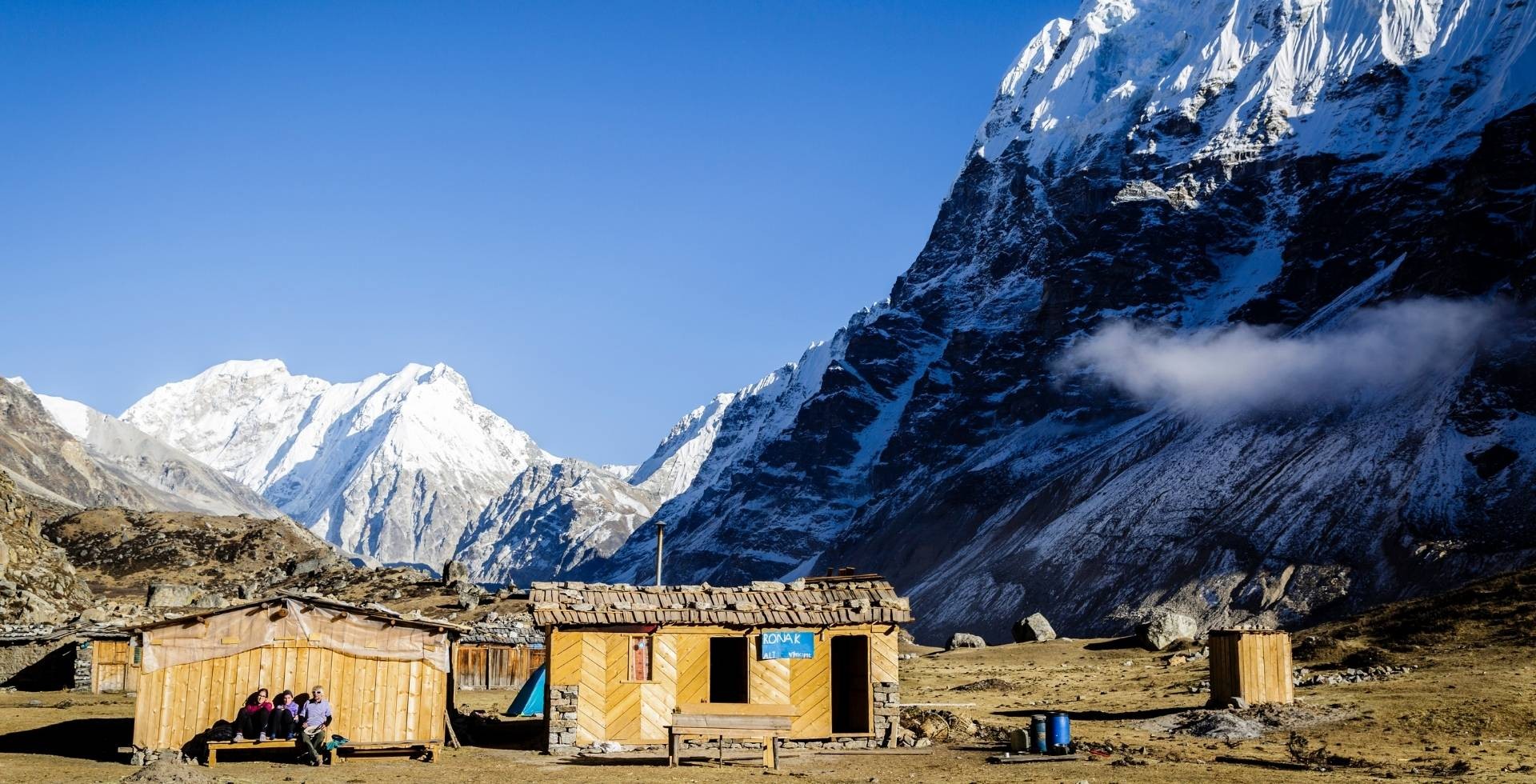
Sunny days but the temperature is low.
-
Freezing cold nights.
|
-
Ideal for sightseeing and budget travelling.
-
Higher-altitude destinations are inaccessible due to heavy snow and road closures.
|
Tibet, A Unique High-Altitude Destination
Before we move further, you need to understand that Tibet is a high-altitude destination with its unique culture, tradition, cuisine, language, and practices. With an area of 2.5 million sq. km, the Tibetan Plateau is home to some of the most majestic mountains and enchanting lakes.
Even the monasteries and temples which are an integral part of the daily lives of the Tibetans are built on the slopes of towering hills and mountains. But Tibet isn’t just dry hills and mountains.
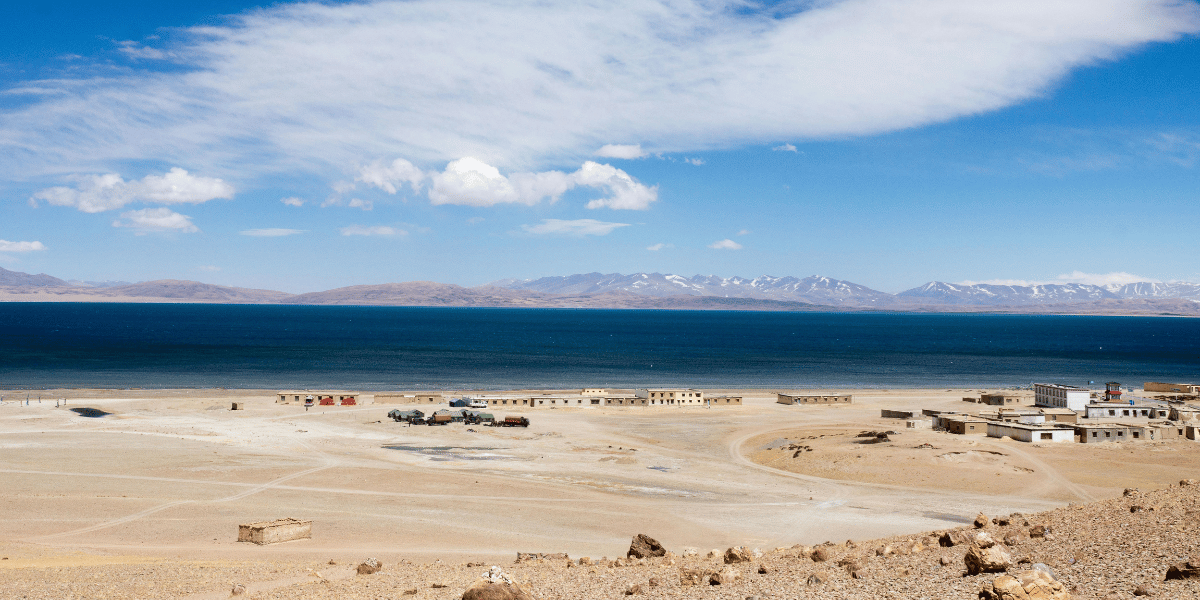
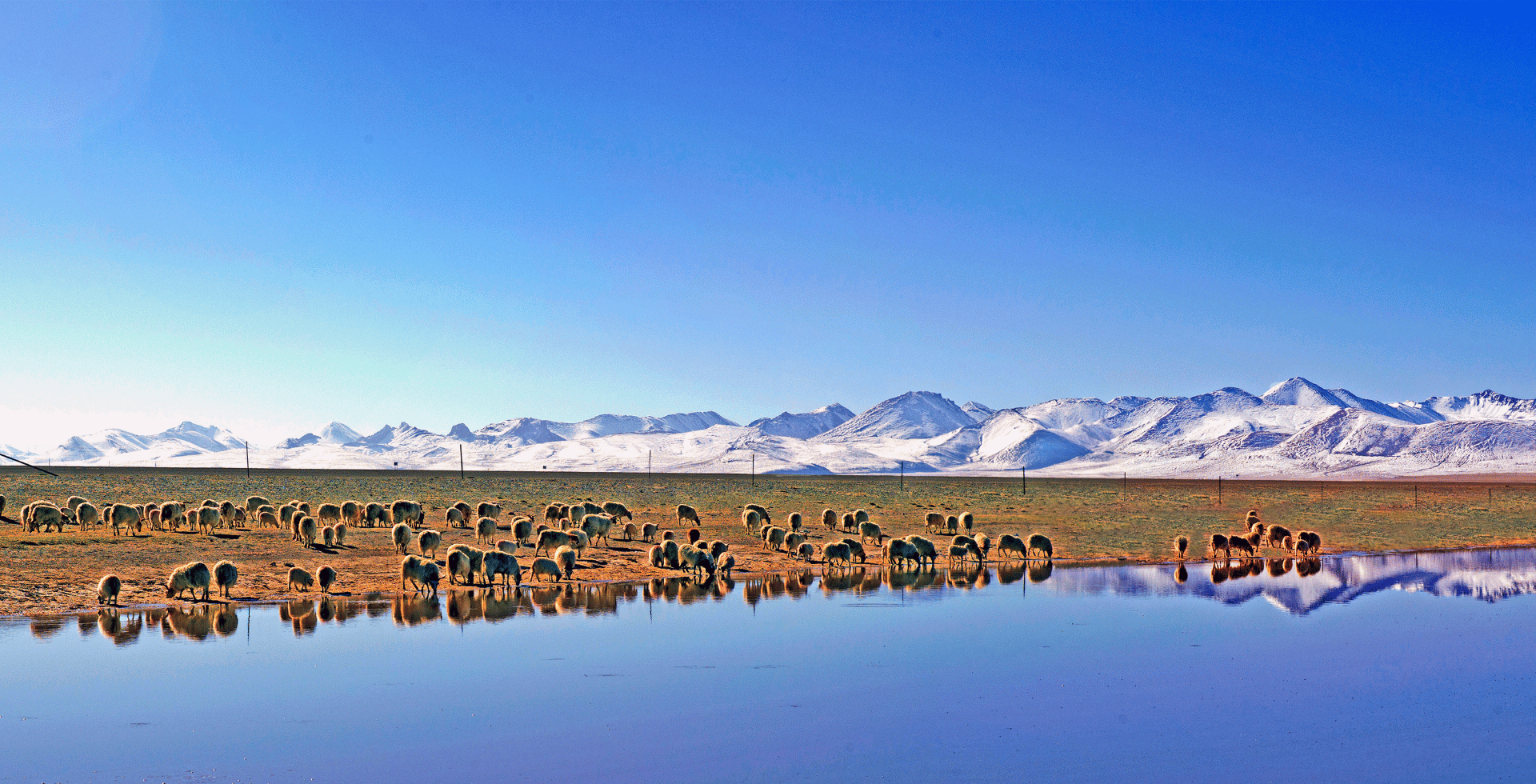
The grasslands that extend over the region have been sustaining Tibetan Nomads who rely on the pastures for their cattle. The banks of the Yarlung Tsangpo river are known to be the most fertile land, making it the agricultural heart of Tibet.
So let's cover the topic of ‘high-altitude destination’ first. The average altitude of the entire Tibetan Autonomous Region ranges between 4,000m to 4,500m above sea level.
For a general idea, the elevations of some of the major tourist destinations in Tibet have been provided in the table below:
|
Tourist Destinations
|
Average Elevation
|
|
Lhasa
|
3,650m above sea level
|
|
Shigatse
|
3,860m above sea level
|
|
North Everest Base Camp (EBC)
|
5,150m above sea level
|
|
Kyirong/Gyirong Town
|
2,700m above sea level
|
|
Gyantse County
|
4,000m above sea level
|
|
Mt. Kailash Kora
|
5,000m above sea level
|
|
Lake Mansarovar
|
4,650m above sea level
|
|
Namtso Lake
|
4,718m above sea level
|
|
Yamdrok Lake
|
4,441m above sea level
|
|
Tsedang
|
3,700m above sea level
|
|
Nyingchi
|
3,000m above sea level
|
I guess the numbers provided above explain the reason why Tibet is known as the Roof of the World. Given the high elevation of Tibet, no matter what season you choose for your trip to Tibet, make sure that you take some time to acclimatize and have reliable travel insurance.
And that’s not all; please note that the nights can get chilly even in the summers, so pack accordingly. Now let’s move on to the core topic of the blog, the seasons of Tibet and how these seasons can determine your experiences.
Seasons in Tibet
Tibet has 4 distinct seasons: Spring, Summer, Autumn, and Winter. Each season offers distinct experiences which will be covered in detail later. For now let’s look into the different seasons so that you can plan your trip accordingly.
Spring in Tibet (March - May)
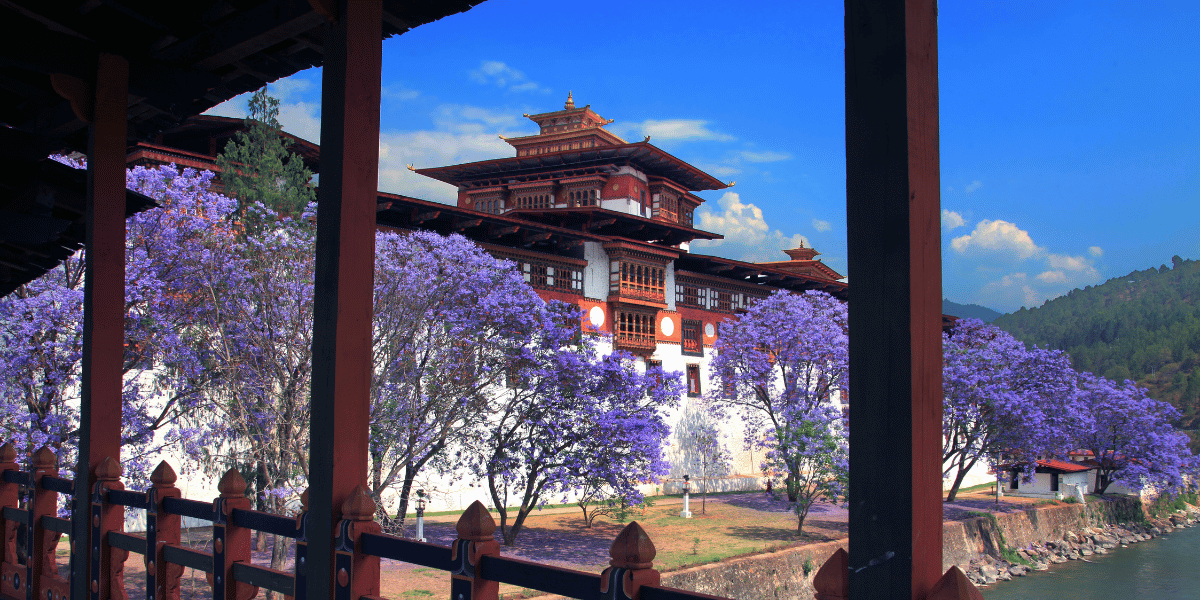
As the winter comes to an end, one can witness Tibet warming up, but the nighttime can still feel freezing until mid-spring. Here are the average highs and lows of temperatures in different parts of Tibet throughout Spring:
|
Destination
|
Month
|
Daily Average High (℃)
|
Daily Average Low (℃)
|
Daily Average Mean (℃)
|
|
Lhasa
|
March
|
12
|
-3
|
4.3
|
|
April
|
16
|
1
|
8.4
|
|
May
|
20
|
5
|
12.5
|
|
Shigatse
|
March
|
11
|
-5
|
3
|
|
April
|
16
|
-1
|
7.5
|
|
May
|
20
|
3
|
11.5
|
|
North EBC
|
March
|
7
|
-12
|
-2.5
|
|
April
|
12
|
-5
|
-2
|
|
May
|
16
|
0
|
7
|
|
Kailash Mansarovar
|
March
|
-2
|
-12
|
-7
|
|
April
|
5
|
-5
|
-2
|
|
May
|
10
|
0
|
6
|
|
Nyingchi
|
March
|
13
|
0
|
7
|
|
April
|
16
|
3
|
10
|
|
May
|
19
|
7
|
13
|
|
Kyirong/Gyirong
|
March
|
16
|
5
|
10.5
|
|
April
|
19
|
8
|
13.5
|
|
May
|
21
|
10
|
15.5
|
Although spring is when Tibet starts welcoming the majority of the tourist population, you will still be able to enjoy quiet hours until mid-spring. But as you can see in the table above, most of the mountainous regions are extremely cold and the roads might still be blocked by snow until late April.
Some of the bird species that you can spot in Tibet during this season are black-necked crane, snow finches, bar-headed goose, and Tibetan partridge.
Summer in Tibet (June - August)
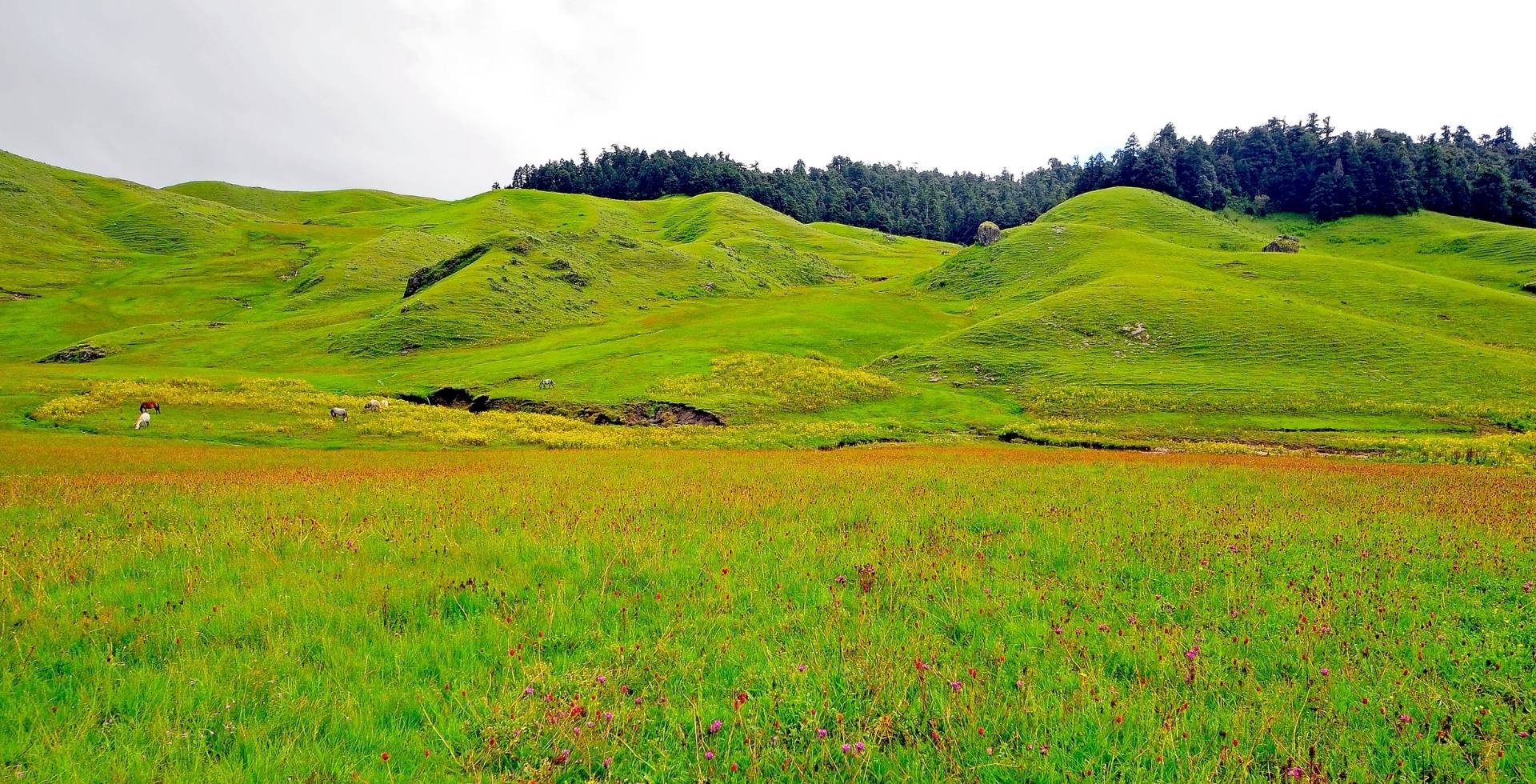
As the flowers start blooming around spring, by the time summer reaches Tibet, the grasslands and alpine forests turn lush green. While most of Tibet sees very light, occasional rain around August, the southeastern region receives heavy rainfall.
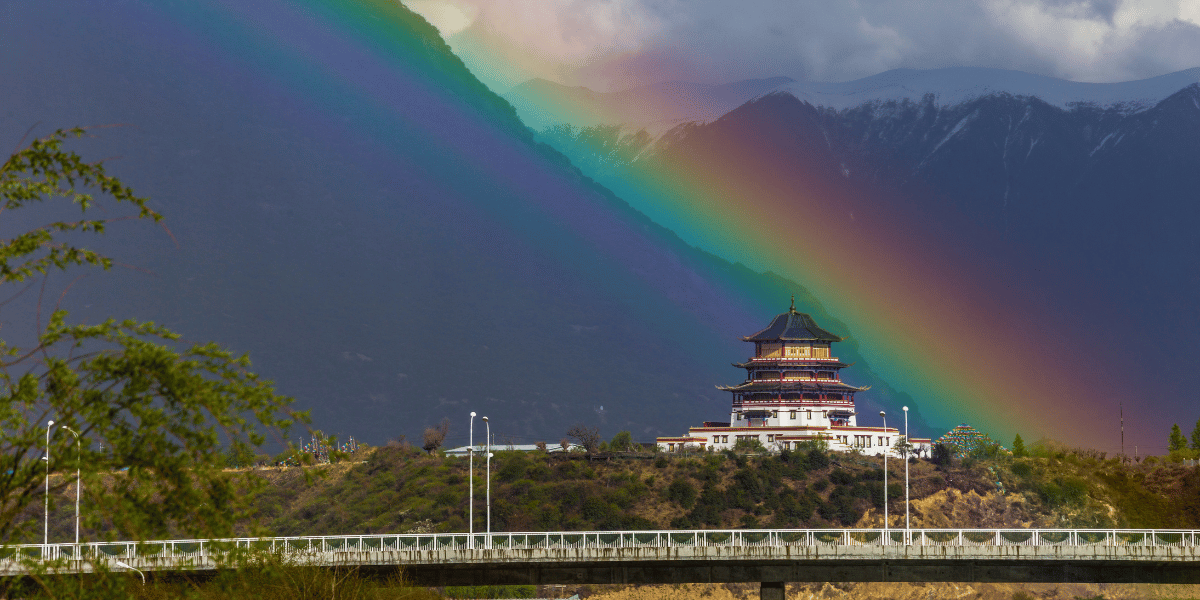
Please look into the table below for more information on the daily average temperatures in major tourist destinations in Tibet:
|
Destination
|
Month
|
Daily Average High (℃)
|
Daily Average Low (℃)
|
Daily Average Mean (℃)
|
|
Lhasa
|
June
|
23
|
9
|
15.6
|
|
July
|
22
|
10
|
14.9
|
|
August
|
21
|
9
|
14.3
|
|
Shigatse
|
June
|
24
|
8
|
16
|
|
July
|
21
|
9
|
15
|
|
August
|
20
|
8
|
14
|
|
North EBC
|
June
|
21
|
6
|
12
|
|
July
|
20
|
8
|
13
|
|
August
|
19
|
7
|
14
|
|
Kailash Mansarovar
|
June
|
15
|
5
|
10
|
|
July
|
17
|
8
|
11
|
|
August
|
16
|
7
|
10.5
|
|
Nyingchi
|
June
|
21
|
11
|
16.5
|
|
July
|
22
|
12
|
17.5
|
|
August
|
22
|
11
|
17
|
|
Kyirong/Gyirong
|
June
|
24
|
13
|
18.5
|
|
July
|
23
|
14
|
18.5
|
|
August
|
23
|
13
|
18
|
Birdwatchers can spot species like Ibisbill, Tibetan Snowcock, and various species of Laughingthrushes. Please note that this is not only the peak tourist season for international visitors, as many tourists also come from mainland China to escape from the heat.
If you are in Tibet during the summer, make sure to visit the holy lakes like Namtso Lake and Yamdrok Lake. However, those entering Tibet from the Nepal-China Border might face travel delays in case of landslides.
Additionally, tourists are also advised to consult with their tour operators for trekking, as some trails may be slippery with an increased risk of mudslides on the way.
Autumn in Tibet (September - November)
The Golden Season of Tourism is what many would refer to autumn in Tibet as. The end of the rain is marked by crisp air and cool weather, making it the ideal season of travel for trekking enthusiasts.
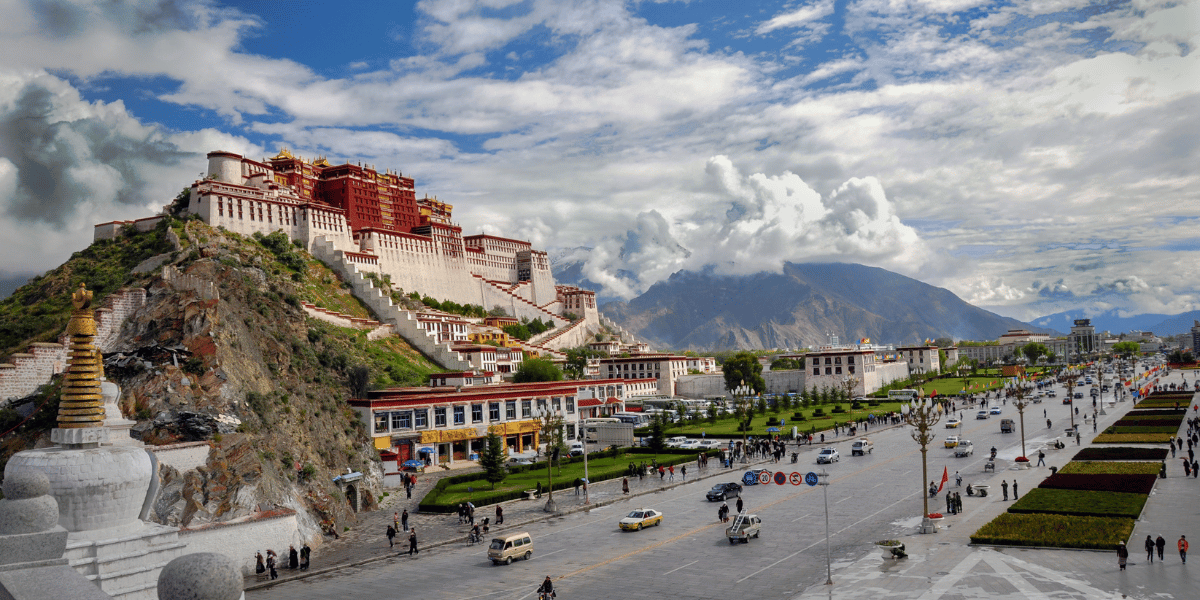
Here are the average highs and lows of temperatures in different parts of Tibet that are popular tourist destinations:
|
Destination
|
Month
|
Daily Average High (℃)
|
Daily Average Low (℃)
|
Daily Average Mean (℃)
|
|
Lhasa
|
September
|
20
|
12
|
12.6
|
|
October
|
17
|
1
|
8.1
|
|
November
|
12
|
-5
|
1.8
|
|
Shigatse
|
September
|
19
|
6
|
12.5
|
|
October
|
16
|
-1
|
7.5
|
|
November
|
11
|
-8
|
1.5
|
|
North EBC
|
September
|
19
|
4
|
10
|
|
October
|
13
|
-6
|
5
|
|
November
|
9
|
-11
|
2
|
|
Kailash Mansarovar
|
September
|
13
|
3
|
9
|
|
October
|
7
|
-3
|
4
|
|
November
|
-1
|
-12
|
-1
|
|
Nyingchi
|
September
|
20
|
10
|
15
|
|
October
|
17
|
5
|
11.5
|
|
November
|
13
|
-1
|
6.5
|
|
Kyirong/Gyirong
|
September
|
21
|
11
|
16
|
|
October
|
18
|
7
|
12.5
|
|
November
|
14
|
2
|
8
|
Around October, the forests start turning golden, making Tibet look like an actual paradise. The tourist population declines around November as the cold starts setting in. Birdwatchers will be delighted to find species like black-necked crane, Tibetan eared pheasant, and Himalayan vulture.
Winter in Tibet (December - February)
The winter in Tibet is described as the driest and coldest climate of the year. If you visit Tibet in the winters, you won’t be meeting the annual tourist crowds. It is actually one of the best times to visit monasteries for a deeper cultural exchange.
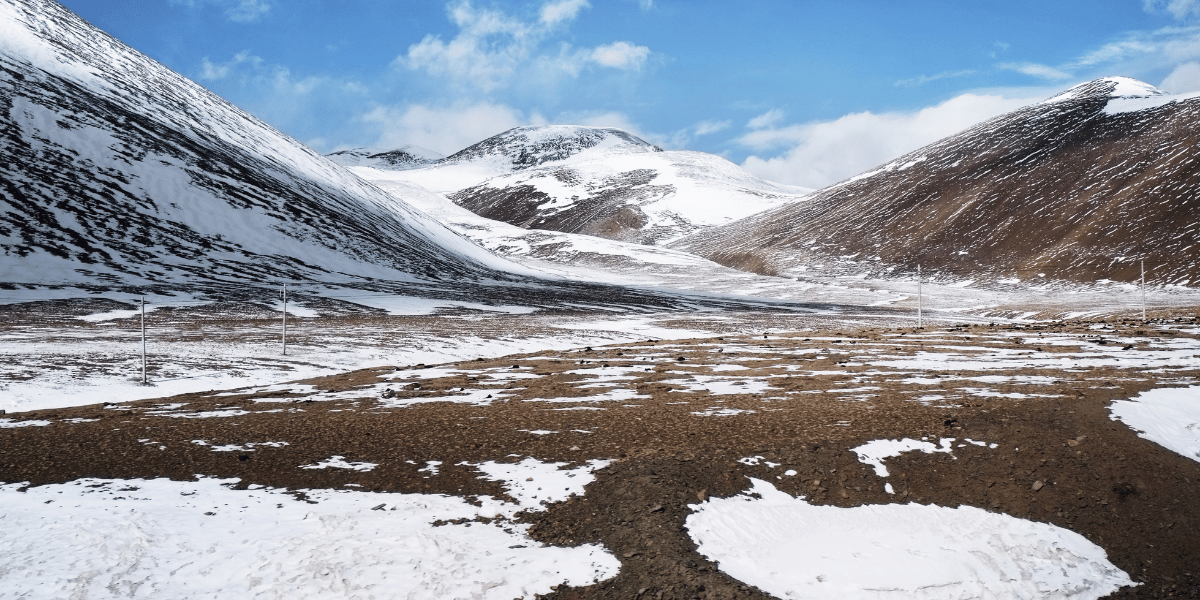
Please look at the table below to see the average high and lows in different regions of Tibet.
|
Destination
|
Month
|
Daily Average High (℃)
|
Daily Average Low (℃)
|
Daily Average Mean (℃)
|
|
Lhasa
|
December
|
20
|
12
|
12.6
|
|
January
|
7
|
-10
|
-2.2
|
|
February
|
8
|
-9
|
-1.8
|
|
Shigatse
|
December
|
7
|
-12
|
-2.5
|
|
January
|
6
|
-13
|
-3.2
|
|
February
|
8
|
-10
|
-1
|
|
North EBC
|
December
|
6
|
-15
|
-6
|
|
January
|
4
|
-17
|
-10
|
|
February
|
4
|
-15
|
-5
|
|
Kailash Mansarovar
|
December
|
-3
|
-16
|
-8.2
|
|
January
|
-6
|
-19
|
-9.7
|
|
February
|
-8
|
-18
|
-8.5
|
|
Nyingchi
|
December
|
10
|
-4
|
3
|
|
January
|
8
|
-5
|
1.5
|
|
February
|
10
|
-3
|
4
|
|
Kyirong/Gyirong
|
September
|
21
|
11
|
16
|
|
October
|
18
|
7
|
12.5
|
|
November
|
14
|
2
|
8
|
However, most of the trails, like the Kailash Kora circuit and holy lakes, will be closed, as the roads will be covered in ice, increasing the risk of accidents. Therefore, tourists are advised to travel around regions like Lhasa and Nyingchi, where the climate is more bearable, without the dangers of travelling by road.
Month-by-Month Analysis
From comfort to budget, the season that you choose to visit Tibet in can significantly influence your travel experience. This is why visitors are advised to plan their trip carefully.
Visiting Tibet in Peak Tourist Seasons
If you visit Tibet during peak tourist seasons like late-spring, summer, and autumn, then you are more likely to meet visitors from all around the world. While the streets are more lively and vibrant, if you do not plan your trip early and through a reliable licensed travel agency, you might face some difficulties with factors like accessibility, budget, and availability.
- During peak tourist seasons, you will have to pay the premium price for almost everything. From vehicle rentals to accommodations, the price for everything can hike up to 20% to 50%.
- Be prepared for crowds in major attractions like Potala Palace and North EBC. It’s not just the tourist crowd who are going to be there; you will also meet a lot of people travelling as pilgrims.
- If your trip to Tibet falls during festivals like Tibetan New Year and the Shoton festival, you will come across a large population of locals and tourist crowds. However, the festivals are some of the best ways to learn and immerse yourself in Tibetan culture and traditions.
- Book your trip and packages in advance, at least a month before, in order to get your permits processed at the right time. This will not only help you get services for a more reasonable price, but it will also help you find flights at a cheaper rate, avoiding logistical hurdles.
- While the summer rain is very light in Tibet (unless you are in the southern region), you might be met with cloudy skies, disturbing the views, especially at North EBC where it gets extremely foggy.
So if you are planning to visit Tibet around peak tourism seasons, then planning the entire trip early is one of the best solutions to ensure your experience meets your expectations.
Choose Itineraries Tailored According to the Season
If you want to make the best out of your Tibet trip, then make sure that your itineraries align with the season of your visit and what the season has to offer.
- Summer is the best time to visit the holy lakes in Tibet, as the grasslands turn greener and the roads are also more accessible. Falling under the rain-shadow area, summer is also the ideal season for Mt. Kailash trek.
- If you want the best visibility and spend more time in nature rather than historical sightseeing, then autumn is the perfect choice for you. Visiting Nyingchi around this time can be a beautiful experience where you can watch the leaves change into vibrant hues of yellow and golden.
Do not miss out on hikes and treks if you are in Tibet around this time. Autumn gives you the clearest view of Mt. Everest’s north face. With the most pleasant weather, every activity in Tibet can turn into a lasting memory.
- With the wildflowers and rhododendrons blooming everywhere, spring is the best season if you want to witness Tibet in its naturally vibrant colors. With the weather getting warmer, you can opt for cultural sightseeing in Lhasa and Shigatse without having to worry about overcrowded attractions.
You can get your silent hours in nature and the monasteries. If you are in Nyingchi, you can go on a short hike in Lulang Forest and also attend the iconic Nyingchi Peach Blossom Festival.
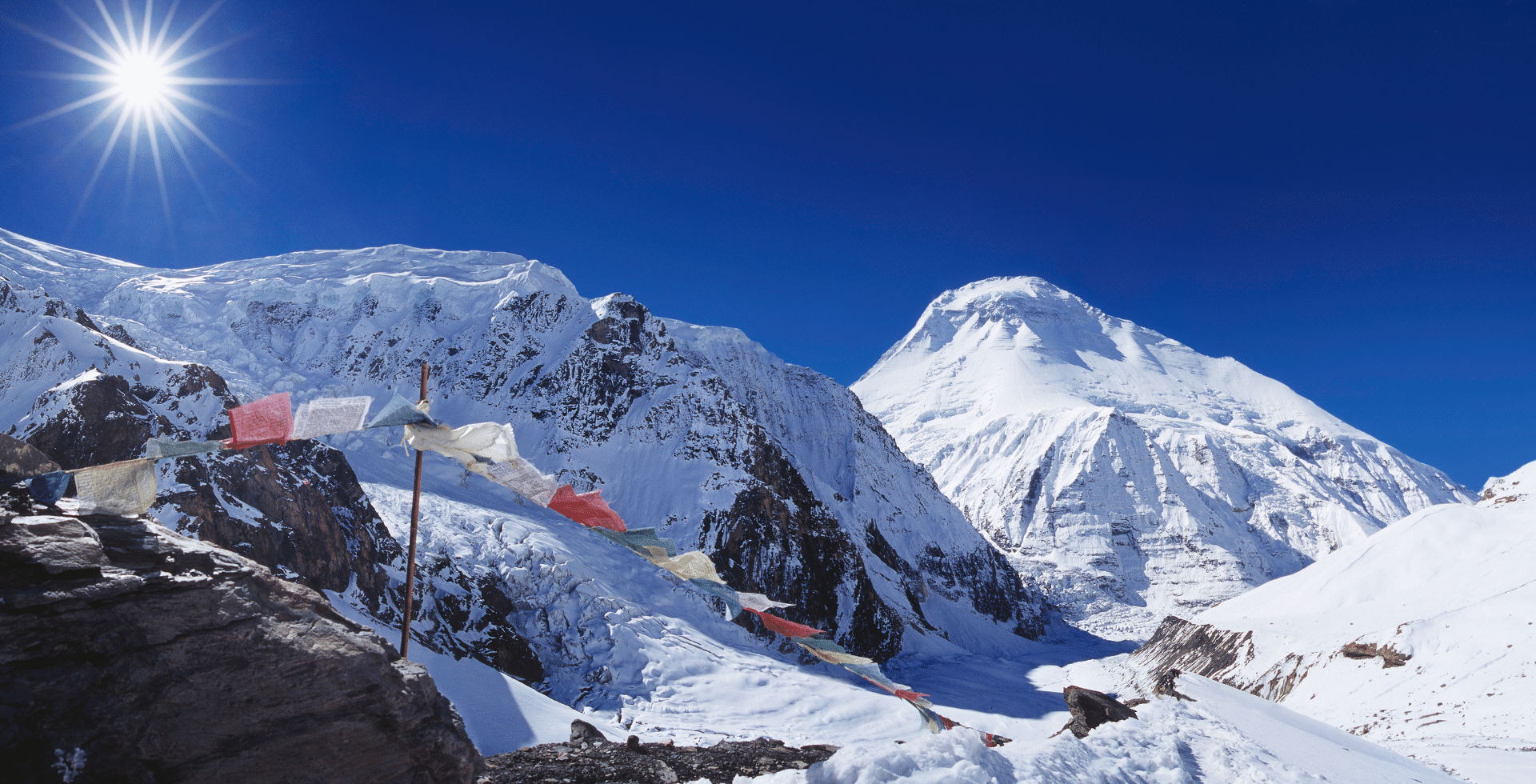
- Winter is the most quiet season of Tibet, but that does not mean that there aren’t enough activities for you to indulge in. While most of the high-altitude destinations like Mt. Kailash is inaccessible, you can enjoy the clearest views of the mountains from the towns and cities themselves.
Go for cultural exploration and get a deeper glimpse into Tibetan faith and their grand architecture. Lastly, Tibet is home to numerous natural geothermal hotsprings. Join the locals and enjoy every bit of relaxation!
I hope these points have given you a better idea for your Tibet trip preparation. Every season in Tibet can be rejoiced in as long as the season complements your choice of activities.
Best Time for Trekking in Tibet
While sightseeing around the historical monuments and attractions can be done throughout the year, trekking is a whole different matter. First things first, trekking in regions that are above 5000m in elevation in winter is impossible.
The heavy snowfall causes road closures and the icy roads make it even more difficult to drive. The freezing temperature only adds on to the risk of hypothermia and frostbite. So, to avoid accidents, the authorities simply close the trekking routes. This gives you two options for trekking. Either in the spring or during fall.
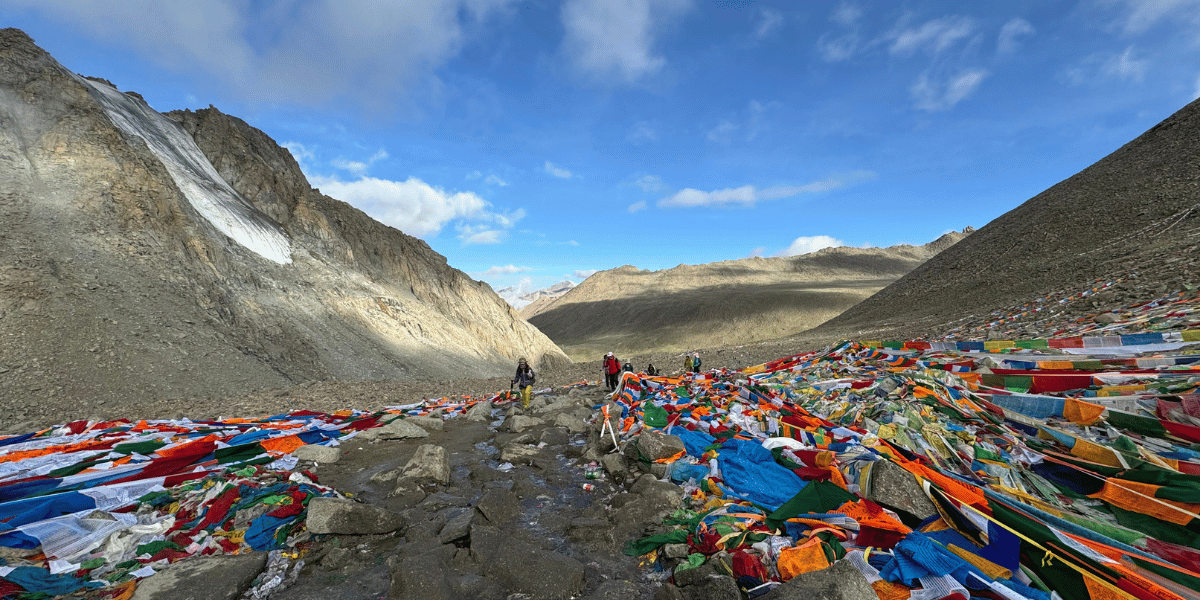
With milder temperatures approaching spring, the snow starts melting, opening countless beautiful and exciting trekking trails. Within this timeframe, before the monsoon clouds start rolling in, you can go for some of the best trekking destinations of Tibet.
Then we have autumn, the season when Tibet’s weather is known to be the most stable. With the end of the rainy season, the clouds disappear and give trekkers some of the best views from their trekking route.
Here are some suggestions if you are planning for a trek in Tibet:
- Mt. Kailash Outer Kora: One of the most sacred and thrilling treks is the outer kora circuit around Mt. Kailash, which opens in May. It takes 3 days to complete the trek, and because of its geographic position, you can also go for a trek there in the summer while it rains in other parts of Tibet. As the cold gets harsher around October, visitors are advised to plan their trek between May and early October.
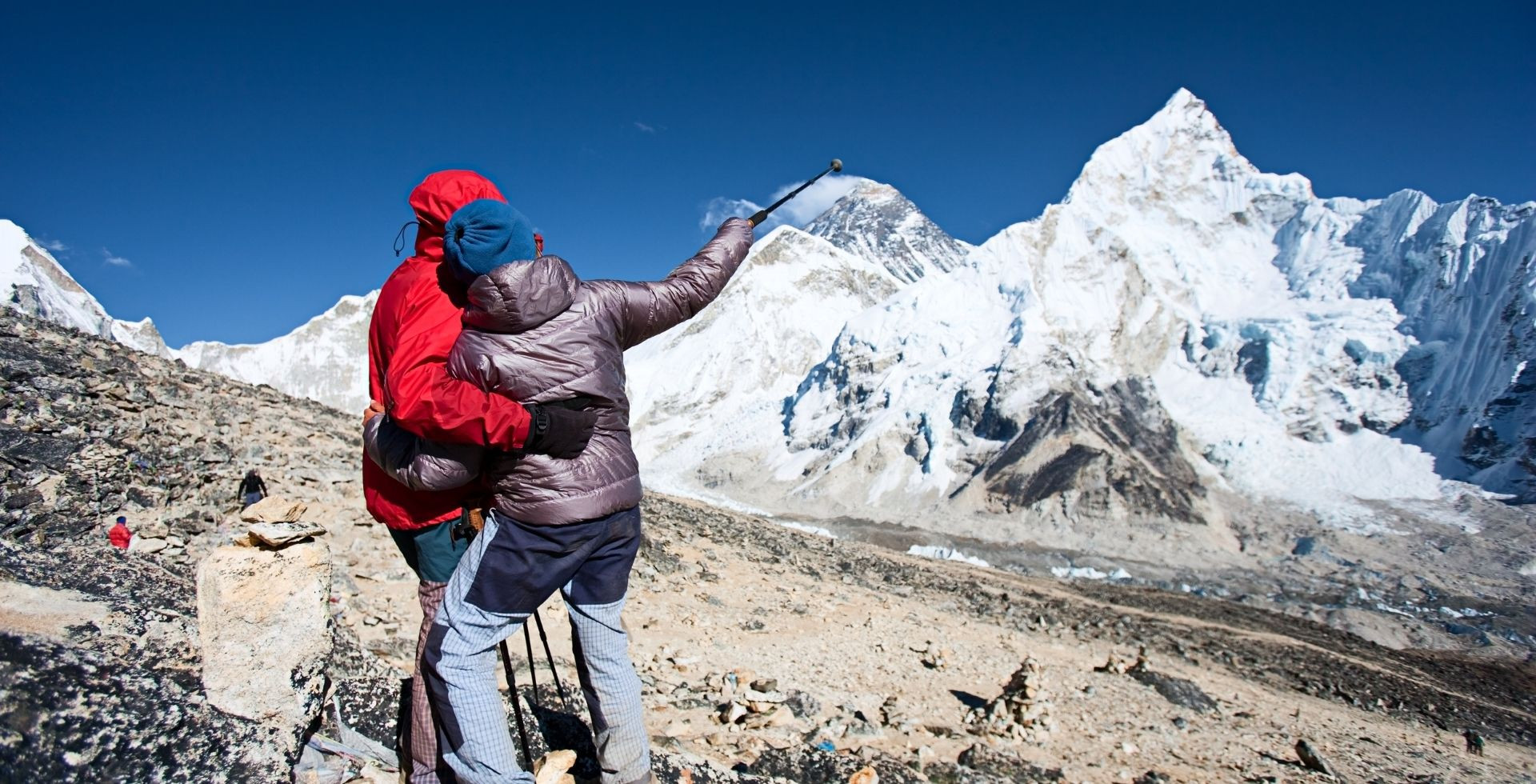
- North EBC Trek: Lasting for about 4 days, this trek starts from Old Tingri and ends at North EBC. North EBC offers an undisturbed view of Mt. Everest from the back, and if you are visiting in spring or autumn, you will be able to see the summit of the majestic mountain.
- Ganden to Samye Trek: The trek from Ganden to Samye can take anywhere between 4 to 5 days, taking you across Shuga-La Pass. This trek is quite different compared to other treks, as there are cultural and historical elements mixed with nature. While the trek itself is not that difficult, high-altitude can make it difficult even for experienced trekkers.
- Yangpachen Trek: Starting from Tsurphu, this trek lasts for about 4 days. If you go for this trek around autumn, you will not only be ending the trek at Yangpachen hotspring, but you will also be able to meet nomadic families moving to lower-altitude pastures for the winter with their cattle.
In case you want to go for hikes or lower-altitude treks during the winter in Tibet, you can always opt for the Lulang Forest short nature hike and the Laigu Glacier trek in Qamdo, Southeast Tibet.
Now that this topic has been covered, the only remaining advice is to pack well. Make sure to pack your activewear along with thermals and necessary trekking gears. Stay warm, stay safe!
Best Time to Enjoy Tibetan Festivals
Observing and participating in annual Tibetan festivals while travelling in Tibet is one of the best ways to connect with the people, their faith, and their culture. You will not only be having fun and enjoying Tibetan delicacies, but you will also be able to get a better understanding behind their rituals and beliefs.
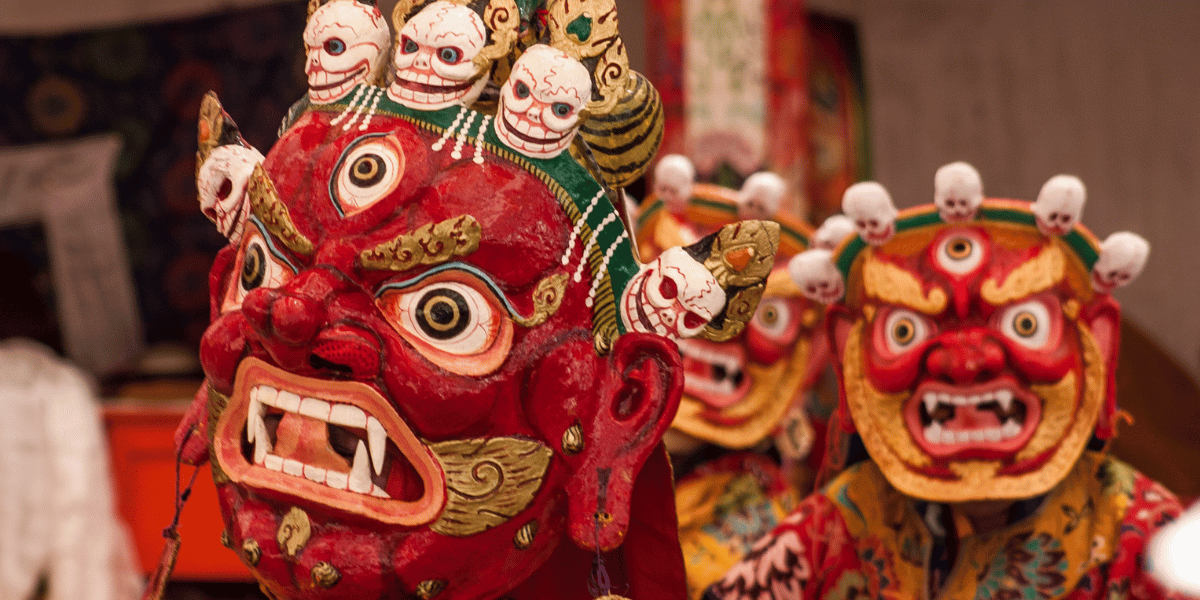
Unlike seasons for trekking that are particular, each season in Tibet comes with different festivals. Please look at the table below to learn about some of the major festivals in Tibet.
|
Festivals
|
Month/s
|
|
Losar/Tibetan New Year
|
February/March
|
|
Saga Dawa Festival
|
May/June
|
|
Shoton Festival
|
August
|
|
Nyingchi Peach Blossom Festival
|
March/April
|
|
Tashilhunpo Festival
|
June/July
|
|
Ongkor Festival
|
July/August
|
|
Gyantse Horse Racing Festival
|
July
|
|
Tsongkhapa Butter Lamp Festival
|
December
|
If your trip to Tibet falls around these festivals, then I’m certain that you will have one of the most fun and rewarding experiences.
Tips for Planning Your Tibet Trip
Here are some practical and realistic tips that will help you prepare for your trip to Tibet:
- Apply for your Tibet Travel Permit (TTP) at least a month or two before you plan on travelling to Tibet.
- Please note that you cannot travel independently and that you must have a travel guide with you at all times while sightseeing or trekking (does not apply to casual strolls around hotels or Barkhor Street, Lhasa).
- Apply for your TTP through a licensed travel agency. If you are planning on going for a trek to restricted or protected areas, ensure that the travel agency also applies for the Alien’s Travel Permit on your behalf.
- Book your flights and packages in advance to avoid last minute price hikes.
- Please refer to the average temperatures provided above to make sure that you pack your clothes accordingly.
- Make sure to carry your TTP and important documents with you at all times, as there will be check posts every now and then once you head outside Lhasa.
- If you are observing or participating in local Tibetan festivals, then make sure to dress appropriately. Your clothing should cover your knees and shoulders.
- Do not mock or make fun of the monks or their religious practices while visiting monasteries and other sacred sites. Always check with your tour guide regarding photography permissions and rules at historical sites.
- You are strictly advised to refrain from engaging in political discussions with the monks.
- Since Tibet is a high-altitude region, having travel insurance can be really helpful in case of buffer days, trip cancellation, and medical emergencies related to altitude sickness.
- Please abide by their rules and regulations to avoid any issues with the authorities.
If you have made it this far, then I have to say that you are good to go!
Conclusion
We have reached the end of this blog and by now I hope that I have answered all the questions that you had before reading this blog. Tibet is a beautiful region no matter what season. If the vibrant wildflowers adorn the region in the spring and summer, then the snowcapped mountains and warm sunlight in the winter make Tibet an equally enchanting place.
The answer to planning your trek in Tibet is very simple, the ideal seasons are spring and autumn in terms of safety and weather conditions. But if you want to explore the culture and history of Tibet, then all four months are equally welcoming with numerous festivals that are distributed throughout the year.
To make the best out of your time in Tibet, make sure that your purpose of visit aligns with the seasons. Other than that, Tibetans can be some of the best travel acquaintances with their humor and jovial personalities, making you feel home away from home.


 Suraksha Subba