
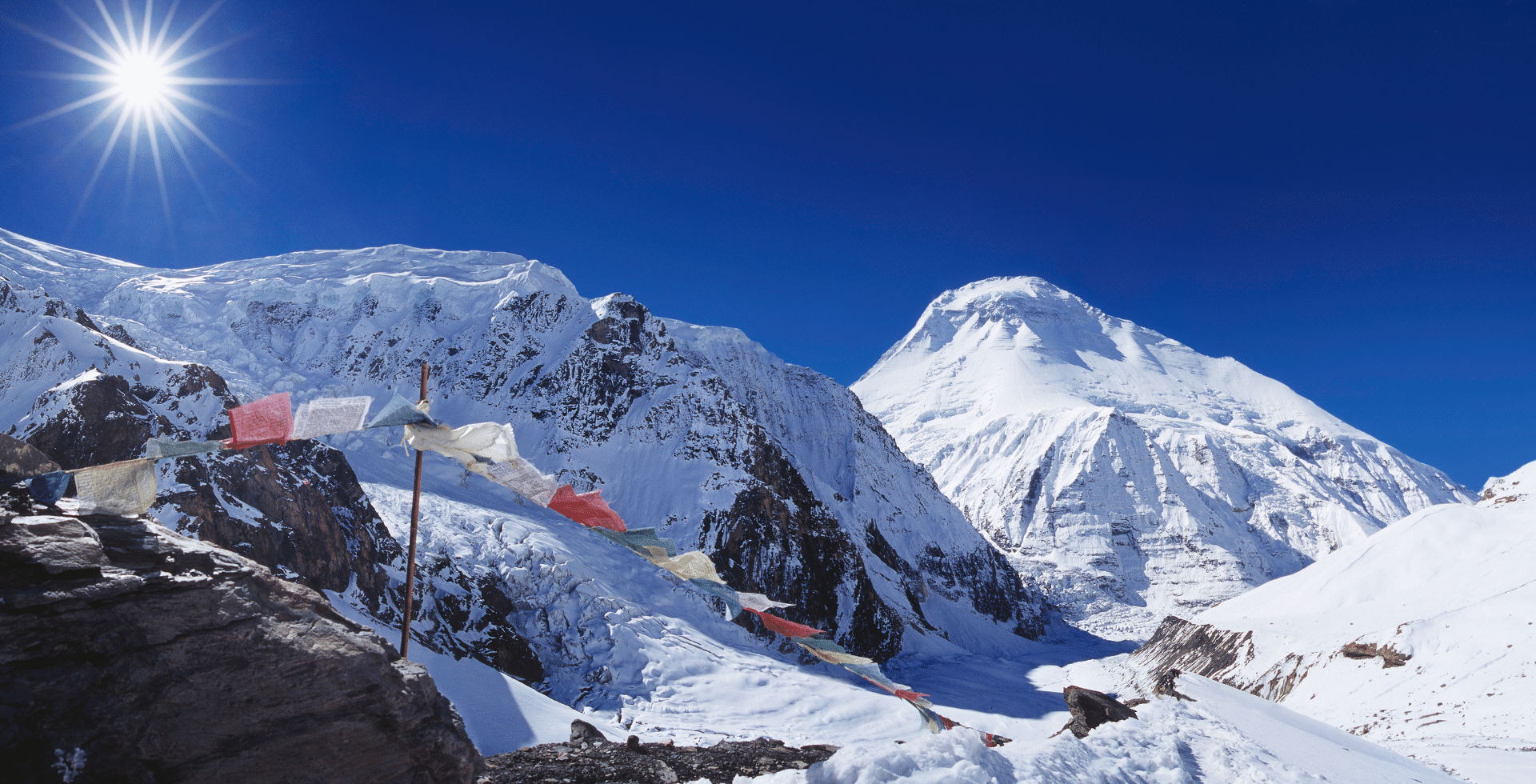


This 4-day Short Lhasa tour will open gateways to an exclusive travel experience. Lhasa is a beautiful city in Tibet and is one of the few places that offers something for everyone. Tibet is located at the border of Nepal and China, and Lhasa is the city inside Tibet. During your travel to Lhasa, Tibet you will visit outstanding monuments with precious tombs of excellent personnel in Tibetan Buddhism history, numerous shrines, thousands of hand-painted scrolls, murals, and exquisite statues. You will also catch a glimpse into Tibetan people's life. Besides that, it is ideal for you if you have a busy schedule as the whole trip is just 4 days, which is enough to sneak a peek into Tibet, the forbidden land.
Tibet’s phenomenal landscape is like no other place on Earth and is extraordinary to visit and explore new things. This tour package will take you to Lhasa. Lhasa simply translates to (Lha, the ‘abode of the Gods’) sometimes also known as the Forbidden City, the former home of one of the greatest spiritual leaders, his holiness Dalai lama, and the center of Tibetan Buddhist life. The topography is unique with rugged, remote, and simply unforgettable environments. Tibet is also called the ‘’Roof of the World’’ as it is located at an average elevation of 3,000 m above sea level. Tibet is known for numerous fascinating things and Tibetan Buddhism has a significant influence on local residents.
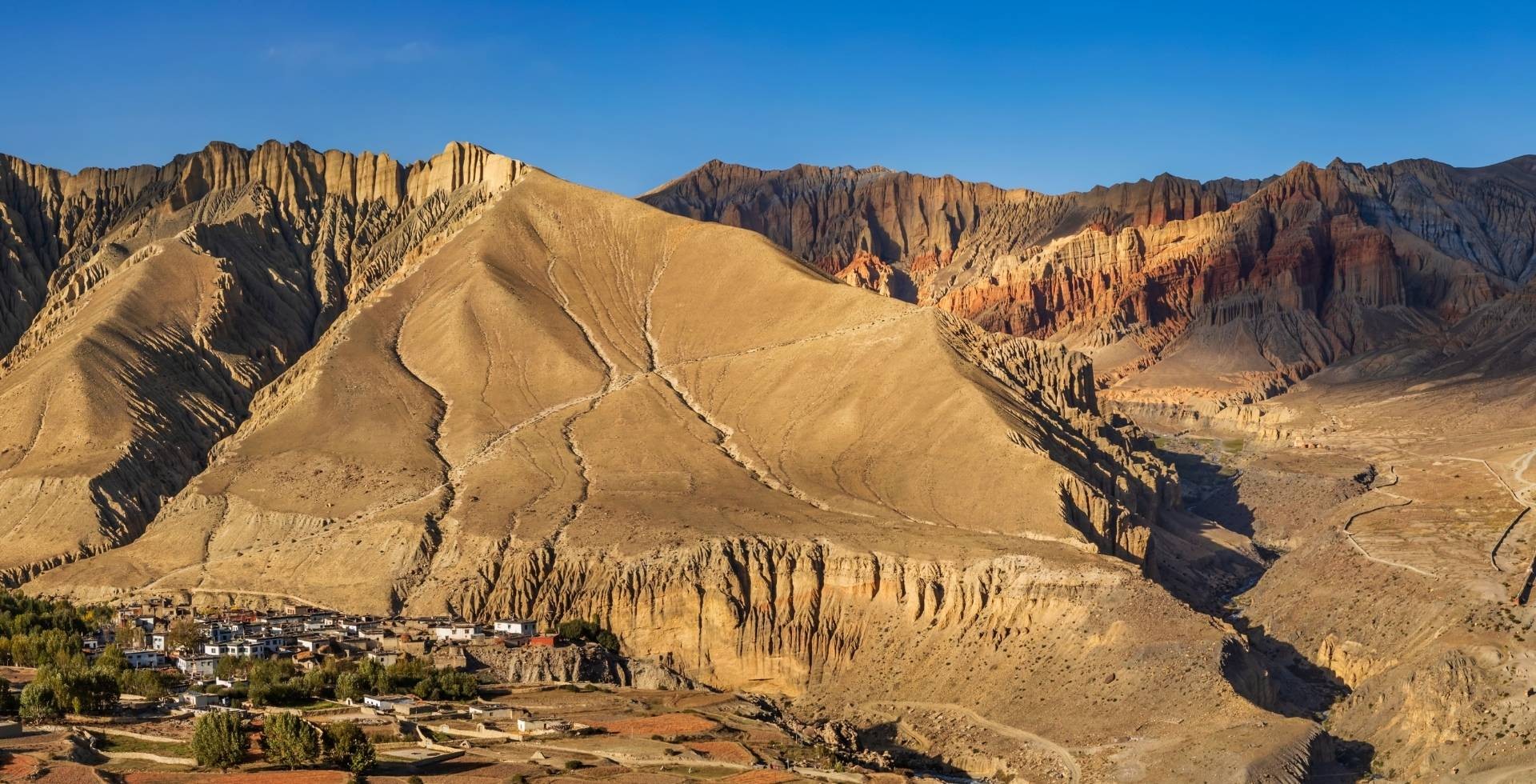
This amazing paradise lies at a high altitude place that showcases raw and semi-arid areas with natural beauty, art, and tradition to engross people worldwide. It lies behind the Mountain of Everest, opening the road to the second Everest Base camp from China. Lhasa is a destination that is certainly worth visiting for those seeking a unique and enriching travel experience. Tibet welcomes foreigners from all walks of life whether it is a fresh start, an exploration of Rich and unique culture, or simply a spiritual beginning. Behind Tibet, Lhasa with this unique geography is situated on top of the Tibetan Plateau. It has many things to explore from delicious Tibetan cuisine to Tibet's architectural masterpieces.
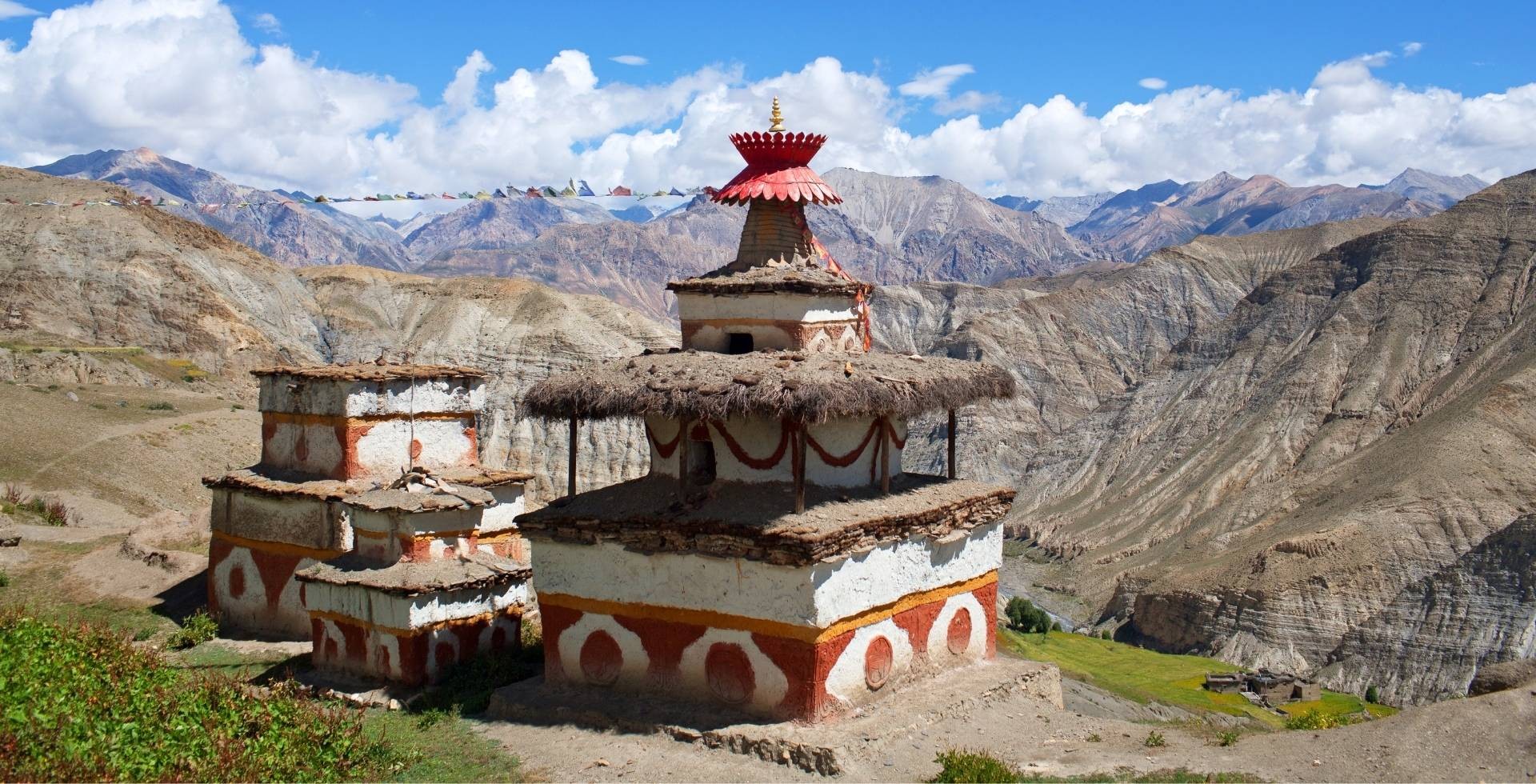
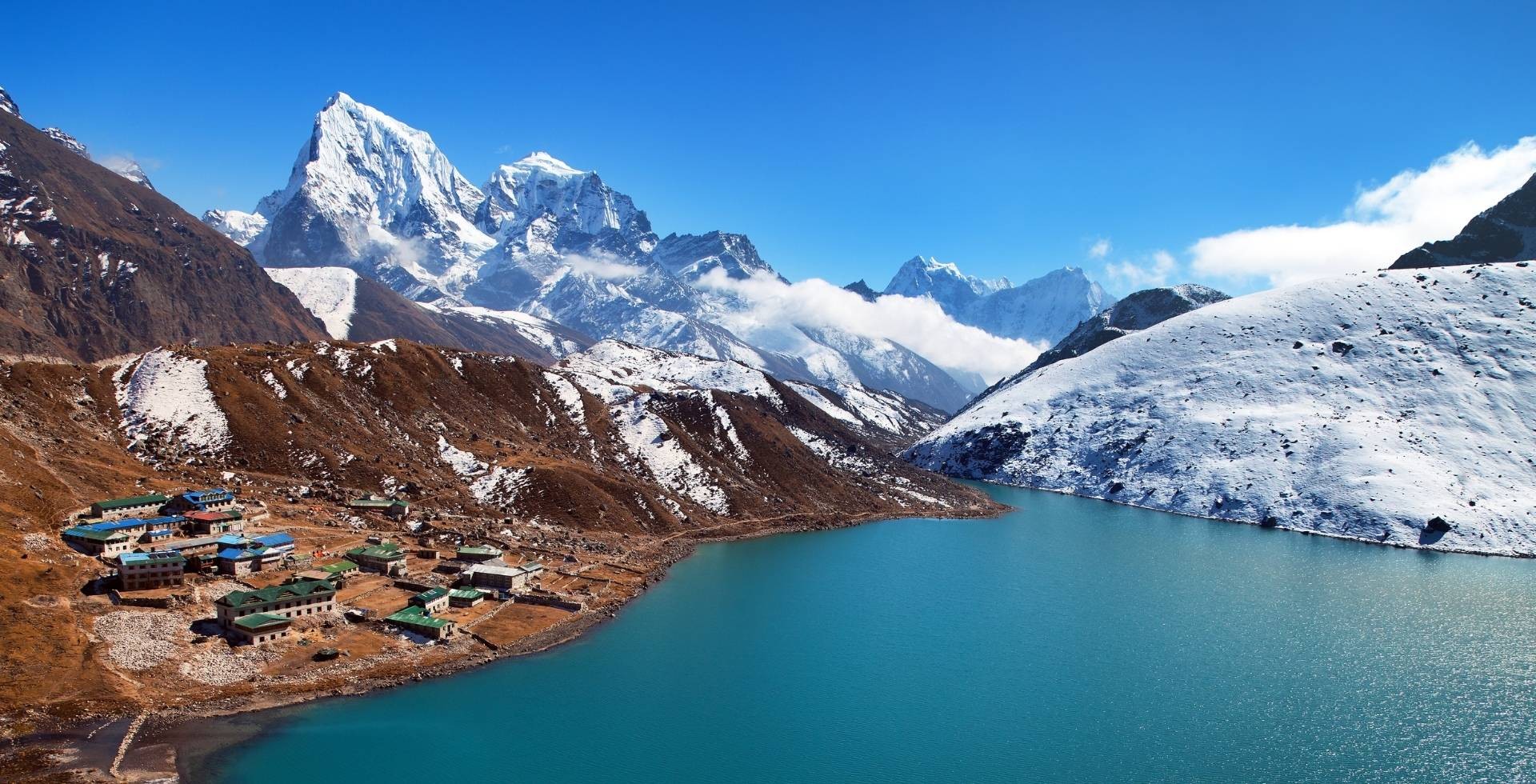
It is also considered the holy ground as it used to be the home of his holiness the Dalai Lama. Making each place in Tibet holy and significant to Tibetan Buddhists all around the world. Tibet is the land of high mountains and giant high-altitude lakes, all of which have some religious or holy significance in Tibetan religion and culture. Most of the signature landmarks are in Lhasa, where you will travel and get first-hand experience. There are breathtaking lakes, the most sacred are the great three holy lakes of Tibet which are Lake Manasarovar, Lake Yamdrok, and Lake Namtso. You can also start your journey of Kailash Mansarovar Yatra via Lhasa. Along with the natural beauty, Tibet proudly boasts its amazing ancient architecture, mostly religious structures such as monasteries, nunneries, Buddhist administrative buildings, and other significant places.
Tibetan Buddhism is the prominent religion of Tibet. People strictly follow the doctrines and teaching daily, meaning you will see people practicing meditation and devotion around the monasteries. Lhasa is the perfect place to see the spectacular culture and experience peace. People of Tibet are very sweet and helpful with a peaceful aura so it's normal if they offer you sweets, food, and a warm smile.
Attraction in Lhasa - Jewels of Lhasa
Lhasa is one of the most beautiful Buddhist destinations that you will ever stumble upon. It is full of places that will take your breath away and quite literally due to the high altitude and bit lower level of oxygen than normal places. Distinguishing the historical landmarks is pretty easy as they are beautifully decorated with vibrant prayer flags and surrounded by monks and devotees. From the century-old monasteries to the former palace of the Dalai Lama are the mentioned sights you will explore. The places that you will visit during your tour are listed below with brief descriptions.
Potala Palace - The winter palace of the Dalai Lama
Potala Palaces is one of the major attractions of Tibet which symbolizes Tibetan Buddhism and its central role in the traditional administration of Tibet. This magnificent landmark was built in the 7th century as a gesture of love. The remarkable structure is an architectural masterpiece situated at an elevation of 3,700m beautifully blessing its visitors. Potala Palace is a fine example of Traditional Tibetan architecture and is regarded as one of the most breathtaking museums. Before it was a museum it used to be a residential building of the Dalai Lama. The palace houses a remarkable collection of Buddhist historical documents and artifacts of Tibetan culture including the tombs of eight Dalai Lamas, thousands of statues, sculptures, precious objects, and Sutras which are Buddhist scriptures.
The entire palace is divided into two parts: the white palace and the red palace. The red palace represents the religious space where the Dalai Lama lived and the white palace is used as the monk's dormitory. It is open to the public and tourists, but you cannot take pictures and videos inside the palace.
Jokhang - The house of Buddha
Jokhang Temple also known as Qoikang Monastery and Zuglagkong is a Buddhist temple/monastery. It was built by Tubo Srongtsen Gampo in 652 to marry Nepali princess Bhrikuti who is represented as the Green Tara in Tibetan iconography. It is one of the most important religious sites in Tibet since it’s housing the statue from the time when Shakyamuni Buddha lived. Shakyamuni is a historical personality known as Siddharth, the son of Suddhodana and his queen Maya, who became the Buddha upon achieving enlightenment. The main building of the temple is four floors high and beautifully decorated with Tibetan architecture. Most of the buildings aren’t higher than four floors meaning you can see the arid hills without any hesitation, yet another incredible attraction.
Barkhor Street - The Holy Road
Barkhor Street also known as old Lhasa Town or Bakuo Street, is commonly known as the ‘’Heart of Lhasa’’. Barkhor Street is also called the ‘’Holy Road’’ by the locals as the road goes around Jokhang monastery. It is a lively place for tourists and it has a mini market on both sides of the road that includes many small shops, stalls, local restaurants, and street vendors. The shops sell exclusive handmade souvenirs, such as Buddhist Thangkas, prayer flags, statues, prayer wheels, butter lamps, and traditional incense used as offerings in the temples and monasteries. On the street, you will see devotees doing Kora (Circumambulation) in the most sincere way you will see anywhere else. You will notice people laying down on the ground on their stomachs and standing up while chanting mantras for about 1000m, the sight will make you question your faith for sure.
Drak Yerpa - The ancient meditation cave of Lhasa
It is internationally known as the meditation cave of Lhasa and is the holiest cave in Tibet used as a meditation spot for centuries. It is located about 16 km northeast of Lhasa. It is a perfect place to experience monastic life and fully indulge in meditation with a beautiful valley view. This is the very place where great personals of Tibetan Buddhism like Guru Rinpoche and Atisha meditated. It is perfectly situated at an elevation of 4,400 m above sea level providing a peaceful sight and a great day trip from Lhasa. To access the ancient cave one must hike up the mountains. As you walk up to the monastery you will see people selling incense and butter for offering purposes. It is the oldest meditation monastery and you will get a phenomenal view of the Lhasa city along with the surrounding valley view.
Norbulinyka - The Treasure Garden
Norbulingka which means ‘’Treasure Garden’’ or ‘’Treasure Park’’ is the world’s highest and largest garden. It is located in the western suburbs of Lhasa just 2 km east of the Potala Palace. It was built in the mid-18th century. It is one of the best-preserved gardens with ancient artifacts and a horticulture garden. The garden combines gardening with architecture and sculptures, the garden has 3 parts the courtyard of the palace, the palace, and the forest with over 400 sets of rooms. Tourists also call this place ‘’plateau oxygen bar’’ as the world’s highest-located garden at an elevation of 3650m above sea level. If you visit Tibet in August you will witness the Shoton festivals where Tibetan opera shows will be presented.
Sera Monastery - The Hailstone Monastery
‘’Sera’’ means Hailstone and blooming wild roses in the Tibetan language so after the completion of the monastery it was named ‘’Sera’’. According to Tibetan legends, the hill behind the monastery was covered with wild roses, hence the name of the Great Monastery. The monastery goes by the common name Sera Monastery but the full name is Sera Mahayana Monastery. Sera Monastery is one of the great three Gelug University monasteries built as part of the Puritanical Buddhist revival in Tibet. Around 6000 monks are learning and practicing the doctrines of Tibetan Buddhism. It is one of the finest monasteries where you can witness the debate session according to a fixed schedule. One of the main attractions of this place is monks respectfully debating on their understanding and learning of religious doctrines.
 3,650m
 16 KM
16 KM