• Trip Code
    Trip Code LEBCT
  • calendar
    Duration 8 Days
  • meter
    Trip Difficulty moderate
  • highest-point Highest Point 5150 M
  • group
    Group Size 4 People Minimum
  • start
    Start Point Lhasa
  • end
    Trip End Point Kathmandu
  • accomodation
    Accommodation 3 Star Deluxe
  • meal
    Meals As mentioned
  • transport
    Transportation On Private

Trip Overview

The birthplace of Tibetan Buddhism and Bon, Tibet, stands at an average height of 4,000 m above sea level. Before the annexation by China, the Tibet Autonomous Region used to be an independent country ruled by the Dalai Lamas.

For centuries, it had been closed for travellers, earning the name ‘Forbidden Land’. Despite its turbulent history, Tibet is still known as the spiritual hub where the daily lives of people are inseparable from their calm religious life.

Altitude Himalaya’s Lhasa EBC Tour will begin from the heart of Tibet, Lhasa, where you will see all the UNESCO World Heritage Sites of Tibet and end at its glory, the North Everest Base Camp, Mt. Everest

Open for pilgrims, visitors, and travellers, you can now travel to Tibet and unravel the mystery with your own eyes!

Potala Palace - The Symbol of Tibetan Buddhism

Once the winter palace of the Dalai Lamas, Potala Palace is now a UNESCO World Heritage Site that welcomes visitors from all around the world to witness its architectural magnificence.

Built in the 7th century by the great Tibetan king, King Songtsen Gampo, the expansion and reconstruction of Potala Palace was later carried on by the Fifth Dalai Lama, Ngawang Lobsang Gyatso. Once it was completed, the Fifth Dalai Lama shifted the seat of religious and political power to Potala Palace.

Divided into two parts, the White Palace (Potrang Karpo) used to be the residential area where the Dalai Lamas lived and performed their daily affairs. The Red Palace (Potrang Marpo), on the other hand, was used for religious studies and administrative uses.

The palace has thousands of shrines, and its chapels are filled with valuable statues, murals, thangka paintings, carpets, and objects made of gold, silver and porcelain. However, the most valuable part of the Potala Palace contains the tombs of the past eight Dalai Lamas.

The tombs, distinguished by their golden stupas, bring Tibetan Buddhists from all around the world. Even though the palace sits void of the Fourteenth Dalai Lama, the spiritual significance it holds is stronger than ever.

The Gems of Tibetan Buddhism - Jokhang Temple and Ramoche Temple 

Princess Bhrikuti of Nepal and Princess Wenchen of the Tang Dynasty, China, both brought valuable statues of Buddha as a part of their marriage dowry to King Songtsen Gampo.

While the Nepalese Princess introduced the statue of 8-year-old Akshobhya Buddha, Princess Wenchen introduced the statue of 12-year-old Jowo Shakyamuni. Later, both the Queens played a critical role in the establishment of Jokhang Temple and Ramoche Temple.

Although Jokhang Temple was built to house the 8-year-old Akshobhya Buddha, which it did initially after the completion of the temple, it was moved to Ramoche Temple after the death of King Songtsen Gampo. This was done to save the statue of 12-year-old Jowo Shakyamuni from the invasion of the Tang Dynasty.

Eventually, these became their permanent houses after the swap. Today, both of them are important gems of Tibetan Buddhism. Although Ramoche Temple is frequented by fewer visitors, both of them are of equal value.

You can find the statues of Chenrezig, Padmasambhava, King Songtsen Gampo and his two Queens, along with 800 metal structures and thousands of thangkas inside Jokhang Temple.

On the other hand, Ramoche Temple serves as the Upper Tantric College, which was established in 1474 by Kunga Dondrup. It was also renovated by the Fifth Dalai Lama but was again damaged by the attack of the Red Guards during China’s Cultural Revolution.

Jokhang’s Kora Route - Barkhor Street

About 1000m long, Barkhor Street is located at the heart of Lhasa. It was built around Jokhang Temple to serve as the Kora route for the temple. For the local Tibetans, this street is an emotional and practical space.

If you go there today, you will still find devotees and pilgrims circumambulating and even doing full-body prostrations. However, the functionality of this street has been promoted by the establishment of restaurants and shops on its premises.

Despite being the oldest street in Lhasa, the street comes to life and becomes more vibrant than ever during festivities. You can walk in a clockwise direction and enter Jokhang Temple to pay your respects to Jowo Shakyamuni.

While you are around here, make sure to try traditional Tibetan food in the local restaurants. You can also have Chinese, Indian, and Nepalese cuisine. With many Western fast food chains opening around, you will have plenty of options in Barkhor Street.

Norbulingka, Amongst the Lush Gardens

It is said that the Seventh Dalai Lama, Kelzang Gyatso, used to bathe at a healing spring whenever he fell ill. After finding that out, the officials of the Qing Dynasty decided to build him a palace on that site. 

Today, that palace is known as the Norbulingka Palace, Kelsang Potrang to be specific, as more palaces were built on its premises later.

The Eighth Dalai Lama, Jamphel Gyatso, added another palace in the treasure garden’s lake. Built in the middle of the lake, the palace is known as Tsokyil Potrang. This palace was used for meditation and reading.

On special occasions, this palace was also used to host feasts. The Eighth Dalai Lama played a major role in the expansion of Norbulingka.

The last addition was initiated by the Fourteenth Dalai Lama, Tenzin Gyatso. He built a different summer palace for his use, known as the Takten Mingyur Potrang.

All three palaces still have the same furniture that the Dalai Lamas used. It gives the visitors an insight into the daily affairs and travel patterns of the Dalai Lamas who lived there.

It was declared as a UNESCO World Heritage Site. Its lush garden makes you forget about the Tibetan plateaus that you stand on. The small zoo inside its premises houses animals like Tibetan wolves, snow leopards, alpacas, and black bears.

Built over 36 hectares, Norbulingka has a vast collection of historical artworks. One of the most revered artworks is the mural of the Fifth Dalai Lama.

Religious Learning Centers - Sera and Drepung

The First Dalai Lama, Gedun Drupa, had a teacher named Je Tsongkhapa. Tsongkhapa, who was an influential leader of his time, made remarkable reforms in Tibetan Buddhism and founded the first Gelugpa school in 1409.

His teachings placed great importance on monastic discipline, which integrated the practice of sutra and tantra. 

Later, his students Janchen Choje and Jamyang Choje carried his legacy forward by establishing Sera Monastery and Drepung Monastery, respectively.

Sera Monastery

Established in 1419 by Janchen Choje, Sera Monastery is located about 5 km away from Jokhang Temple at the height of 3,700m above sea level. Presently, it houses three colleges: Sera Je Tratsang, Sera Me Trantsang, and Ngakpa Tratsang.

Built during the time of King Nedong Dagpa Gyaltsen, Sera Monastery once housed around 6000 monks. It is located at the base of Pubuchok Mountain and was named after the wild roses that bloomed around the monastery.

During the 1959 bombardment, many ancient texts and artworks were destroyed. However, most of the statues and chapels have been rehabilitated. 

Its courtyard is known as the best place to watch the monks’ debates, which take place in the afternoon between 02:30 - 03:00 PM every day, except on Sundays.

Drepung Monastery

Built on the slope of Gambo Utse Monastery (Mt. Gephel) at a height of 3,800 m above sea level, Drepung Monastery is another major Gelug centre of learning. It was built by Jamyang Choje in 1416. 

The main heritage sites within the monastery are Ganden Potrang, Tsokchen Great Hall, and Zhacang. The Ganden Potrang, also known as the Ganden Palace, was built by the Second Dalai Lama, Gedun Gyatso, as his presidential palace. 

In the 1930s, the monastery had about 7,700 monks studying there. You can find about 300 monks there in the present day. 

Travel Tip: Make sure to attend the celebration of the Shoton Festival at Sera Monastery and Drepung Monastery, which takes place around late summer.

The Monks’ Debates of Intellectual Exchange

Je Tsongkhapa, as a reformer of Tibetan Buddhism, was very strict about monastic learning and discipline. He introduced monastic debates as a part of the learning curriculum. It is still practised in Gelug schools by monks to advance in their ranks.

The debates take place at the courtyards of Gelug monasteries every day except on Sundays. There are two parties in the debate: the challenger and the defender

The challenger, as the name suggests, challenges the philosophical understandings of the defender.

The audience can notice the monks performing different gestures during the debate. Here are some of the gestures along with their meanings:

  1. Yelling: Monks often yell during debates to dispel ignorance. It is also done by the challenger to make the defender doubt his confidence and stance.
  2. Clapping: Similar to yelling, clapping can have different meanings. Sometimes, it is done to awaken compassion and drive away negative thoughts amidst a debate. Other times, it can be done to signal the end of their statement or to compel the monk to answer. 
  3. Stomping: When monks stomp their feet, they are either trying to exaggerate their argument or demanding a response. Monks often stomp their left foot and clap their hands at the same time. 
  4. Pulling prayer beads: Monks pull their rosaries/prayer beads to their left arm to maintain their composure. 

Since debates are an important part of learning, visitors are strictly informed not to make noise or tease the monks. 

It is done for the purpose of sharpening their understanding of Buddhist doctrines and philosophies. It involves questioning, reasoning, and critical analysis. 

The Turquoise Treasure - Yamdrok Lake

There are three Great Holy Lakes in Tibet that are of great religious value to both Buddhists and Hindus. The three lakes are Lake Mansarovar, Namtso Lake, and Yamdrok Lake

On this trip, you will be visiting only the Yamdrok Lake, the turquoise gem of the Tibetan plateaus. At an altitude of 4,441 m above sea level, Yamdrok Lake is a famous pilgrimage site for Tibetan Buddhists. 

Every year, thousands of them visit this lake to perform kora around the lake. It takes around 3 months on foot to walk around the entire lake. Many pilgrims perform kora on horseback or on a motorbike. 

The lake has 21 small islands. Being a freshwater lake, Yamdrok has plenty of fish that are not eaten, as eating fish is a taboo in Tibetan Buddhism. 

It is a popular place for birdwatching in the winters, as you can find various migratory birds like black-necked cranes, bar-headed geese, and brown-headed gulls. In summer, you can enjoy the view of the local birds.

You will also find Tibetan mastiffs and yaks around the lake. They are mostly kept for photographs by the locals. If you want to take a picture with them, you can pay a small amount to their owners before taking it. 

If time permits, don’t forget to visit Rutok Temple and Samding Monastery nearby.

The Second-Largest City of Tibet - Shigatse

Shigatse, the second largest city of Tibet, is located at an average height of 3,850m above sea level

Before the Fifth Dalai Lama’s government, Shigatse used to be the capital of the Tsang Kingdom. Given this history, Shigatse is a very important city in Tibet in terms of trade, history, and spirituality. 

Before Tibetan Buddhism, the Bon was the dominant religion in Tibet. Its presence is said to be stronger in Shigatse to this day. The Yungdrungling Monastery is living proof of the Bon religion

The most famous road to Shigatse, from Lhasa, is the Sino-Nepal Friendship Highway. This is the road you will be taking as well since you have to make a stop at Yamdrok Lake. 

Shigatse, unlike Lhasa, has fertile soil, which is why the Tibetans call it the ‘Fertile Land’. The landscape shows a beautiful contrast of lush green forests and the mighty himalaya. 

The best time to visit Shigatse is around the time of Tashilhunpo Festival, Gyantse Horse Racing Festival, and Shakya Cham Dance

Pelkor Chode Monastery in Gyantse County

Before you reach Shigatse city, we will be making a stop at Pelkor Chode Monastery in Gyantse County. This monastery, at the altitude of 3,900m above sea level, is the main monastery of the region.

It was built during the 14th and 15th centuries, and it was run by the Shakya sect. It is known for Kumbum Stupa, the tallest and only one of its kind in Tibet. 

Having 9 tiers, this stupa has images of 10,000 Buddhas painted. The images include those of Bodhisattvas, Dharma Kings, Vajras, and Arhats. 

This high-status monastery in Tibet boasts a mixture of Chinese, Indian, and Nepalese art/architecture. Another unique fact about this monastery is that it has 3 different schools of Tibetan Buddhism in its premises: Shakya, Gelug, and Kadam; a unique sight in Tibet.

The monastery turns vibrant during the Saga Dawa Festival, when Tibetans celebrate the birth, death, and enlightenment of Shakyamuni Buddha.

Tashilhunpo Monastery - Seat and Tombs of Panchen Lamas

Tashilhunpo Monastery was built by the First Dalai Lama in 1447. Located on the slopes of Mt. Nyiseri, this monastery sits at an elevation of 3,800 m and covers nearly 300,000 sq. m in area. 

The Fifth Dalai Lama declared it as the seat of the Panchen Lama, the second-highest spiritual leader of Tibet. Since then it has served as the traditional seat of all the successive Panchen Lamas.

It is an important pilgrimage site, as it houses the tombs of the Fourth, Fifth, Sixth, Seventh, Eighth, Ninth, and Tenth Panchen Lamas. The most extraordinary tomb belongs to the Tenth Panchen Lama, Choekyi Gyaltsen. 

Apart from the Panchen Lama’s magnificent palace, there is also Kelsang Temple. Inside its main chapel, there is the statue of Shakyamuni Buddha.

Tashilhunpo Monastery is also an important learning center of the Gelug school. This means that you can watch the monks’ debate here as well in late afternoons. 

If your visit falls around the 3-day Tashilhunpo Monastery Festival, you can watch the unveiling of the thangkas of 3 Buddhas: Buddha Amitabha, Shakyamuni Buddha, and Maitreya Buddha.

North Everest Base Camp and Rongbuk Monastery

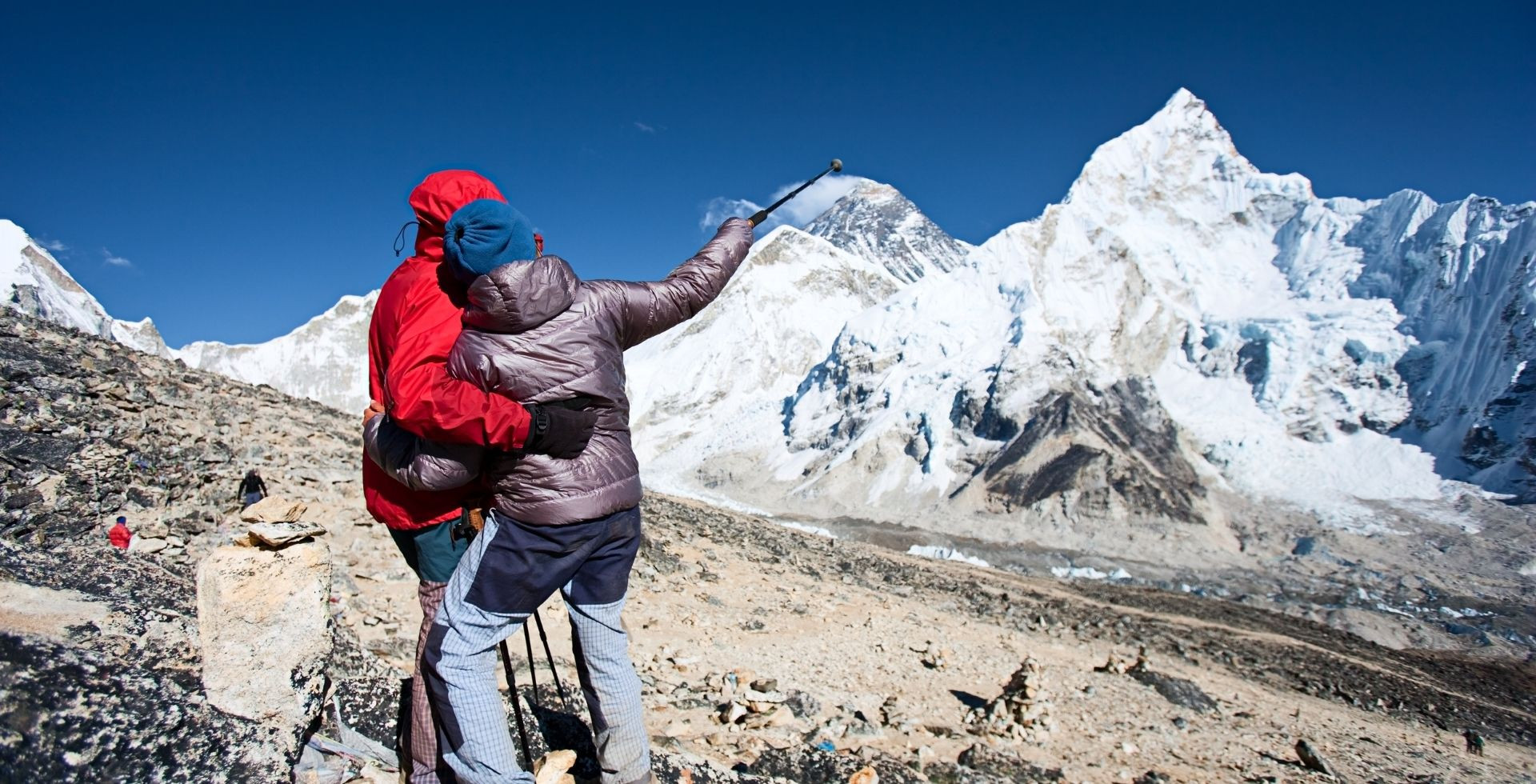
The North Everest Base Camp in Tibet is the best option for those who wish to see Mt. Everest up close without a strenuous trek. The base camp in Tibet is at an altitude above 5,150 m but is the most convenient choice, as you can drive there.

In the South Everest Base Camp of Nepal, you can not get a clear view of Mt. Everest because it is blocked by Mt. Lhotse. But from Tibet, Everest’s view is clear and can be seen right above the base camp. 

Driving from Old Tingri, the road will take you past the Gawula Pass. There you will get a 180° panoramic view of some of the tallest peaks: Mt. Everest, Mt. Lhotse, Mt. Makalu, Mt. Cho Oyu, and Mt. Shishapangma. 

The sunset and the sunrise are magical in Tibet, and this package gives you the chance to experience that. We will make sure that your night at EBC is comfortable and safe. 

Rongbuk Monastery - Where Padmasambhava Meditated

At the drop off point of North EBC, you will see a large monastery that has more than 20 halls. A little higher than that, you will find its older monastery, which is closed for international visitors. 

The new and the old monastery are what make up the Rongbuk Monastery, one of the world’s highest monasteries

At an elevation above 5000 m, this monastery was built by Dzatrul Ngawang Tenzin Norbu in 1902. The cave near the old monastery is where Padmasambhava was said to have meditated. 

It is one of the very few monasteries where monks and nuns live and practice together. It belongs to the Nyingma sect of Tibetan Buddhism. Before the monastery was built in 1902, the site was used as a meditation retreat along hermit caves in the cliffs. 

The new monastery serves as a guesthouse. You can visit the monastery and enjoy butter tea and tsampa with the monks there. And if you’re interested, don’t forget to taste yak meat too.

When the weather is harsh, Rongbuk Monastery is the best option to stay in North EBC. The monastery is decorated with mural paintings and the biggest treasure is the gold-plated statue of Guru Rinpoche

There are 8 subsidiary temples below the main temple which you can walk around. Surrounded by prayer flags and the sound of chanting by the monks and nuns, we’re sure that it will be one of the most peaceful walks ever. 

Kyirong Town, the Garden of Everest

Kyirong Town, also known as ‘Gyirong’, is one of the Nepal-China Borders; the most practical route used by tourists to reach Tibet. It is more than 300 km away from North EBC and takes around 6-7 hours by road.

Sharing borders with Nepal, Kyirong displays one of the most vibrant cultures. Once you enter Kyirong, you will be surrounded with rich forests and wildlife. In contrast to Lhasa and North EBC, the weather in Kyirong is warmer.

Because of its untouched greenery, Kyirong is often called the Backyard Garden of Mt. Everest

Apart from being an important location for trade between Nepal and China, Kyirong is also an important hub of tourism. All the tourists travelling to Mount Kailash or Lhasa have to go via Kyirong.

If you have time in Kyirong, don’t forget to visit the Pakpa Lhakhang. It is a Tibetan Buddhist Temple built in the 7th century by King Songtsen Gampo for his Nepalese bride, Princess Bhrikuti. Other major attractions are Pelkutso Lake and the ruins of the Gongtang Kingdom.

Now that you know all the places this trip will cover, we hope your enthusiasm to travel to Tibet is at an all-time high. This 8-day tour will refresh your mind and your soul, and we look forward to hearing from you at Altitude Himalaya

To help you make an informed decision, we have provided you with the itinerary and the trip guide below. The information provided will be crucial for you to plan a trip that is safe and comfortable.

Read More

Trip highlights

  • Potala Palace, the winter residence of the Dalai Lamas.
  • The sister temples: Jokhang Temple and Ramoche Temple.
  • Walk around Barkhor Street, shop for handicrafts and taste Tibetan cuisine.
  • Visit Sera Monastery, Drepung Monastery, and Norbulingka Palace.
  • The turquoise lake of Tibet, Yamdrok Lake.
  • Pelkor Chode Monastery and Tashilhunpo Monastery at Shigatse.
  • North Everest Base Camp and its garden, Kyirong.

Outline Itinerary

DAY 1: Arrival in Lhasa, Welcome!!

DAY 2: Visit Potala Palace, Jokhang and Ramoche Temple.

DAY 3: Explore Sera and Drepung Monastery, and Norbulingka.

DAY 4: Drive to Shigatse via Yamdrok Lake.

DAY 5: Drive to North EBC.

DAY 6: Drive to Kyirong.

DAY 7: Drive to Kathmandu, Farewell Dinner.

DAY 8: Departure, Farewell!

Detailed Itinerary

Expand all
Day 1

Arrival in Lhasa, Welcome!!

ascent 3650m
trip-accomodation Hotel
trip-meals N/A
Day 2

Visit Potala Palace, Jokhang and Ramoche Temple.

duration 6-8 hours
ascent 3650m
trip-accomodation Hotel
trip-meals B
Day 3

Explore Sera and Drepung Monastery, and Norbulingka.

duration 9-10 Hours
ascent 3650m
trip-accomodation Hotel
trip-meals B
Day 4

Drive to Shigatse via Yamdrok Lake.

duration 10-11 Hours
ascent 3850m
trip-accomodation Hotel
trip-meals B
Day 5

Drive to North EBC.

duration 6-7 Hours
ascent 5150m
trip-accomodation Hotel
trip-meals B
Day 6

Drive to Kyirong.

duration 5-6 Hours
ascent 2850m
trip-accomodation Hotel
trip-meals B
Day 7

Drive to Kathmandu, Farewell Dinner.

duration 6-7 Hours
ascent 1400m
trip-accomodation Hotel Tibet
trip-meals B
Day 8

Departure, Farewell!

trip-meals B

Price Includes

  • All required airport pickup and drop off on a private basis.
  • All necessary Tibet Travel Permits: Tibet Tourism Bureau Permit (TTB) and Alien’s Travel Permit/PSB Permit.
  • All the mentioned sightseeing in Tibet on a private AC vehicle. (based on group size)
  • All 7 nights accommodation on a twin or triple sharing basis. (3 Star Hotels)
  • Daily breakfast at the mentioned hotel from the next day of your arrival.
  • Entrance fees for all the mentioned sightseeing destinations.
  • Professional English-speaking Tibetan tour guide (from the start of the tour till the end).
  • Guide and driver's food, salary, accommodation, and allowance.
  • Sufficient amount of drinking water and required supplemental oxygen.
  • Farewell dinner in Kathmandu.

Price Excludes

  • Personal expenses.
  • International flight tickets.
  • China/Tibet visa fee.
  • Nepal visa fee.
  • Lunches and dinners.
  • Travel insurance.
  • Tips for drivers and tour guides. (not compulsory, but recommended)
  • Extra sightseeing fees that are not a part of the itinerary.
  • Any services that have not been mentioned above.

Tour Guide, Tips

Tibet is calling, and it’s time you book your flights. Walk around the majestic halls of the Tibetan Palaces and experience a whole different world that has been unreachable for ages. 

Nourish your soul at the monasteries and learn about Tibet’s history. A new city means a new perspective, and this trip will leave you with more energy and the desire to explore more. 

Walk around nature's gift in Yamdrok Lake and the North EBC. Breathe in the fresh air and witness the lives of the monks. Tibet, the Roof of the World, is waiting.

Now, don’t miss this section, as it has been crafted carefully by our team at Altitude Himalaya to enhance your experience. Please read the information provided below to make the best out of this 8-day Lhasa EBC Tour.

Best Time to Visit Lhasa

Lhasa is a beautiful city that can be visited throughout the year. Here is a detailed summary of different seasons in Lhasa that you may refer to before planning your trip.

Spring Season [April - May]

The tourism season in Lhasa starts with Spring around April. During this time, the temperature starts rising, giving way to summer weather. 

From the month of April till May, you will be able to see a clear view of the mountains. The city looks beautiful with flowers blooming around. 

It can be one of the best times to visit Tibet, as the place won’t be as busy as in the summer. Tourists may enjoy their time trekking within Lhasa and visiting renowned attractions. 

Summer Season [June - August]

Summer in Lhasa begins in June and lasts till August. June and July are the warmest months of the year, with temperatures between 23°C and 25°C. However, the nights can still be chilly with temperatures around 10°C.

The view becomes clearer, making it a perfect time to visit Lhasa. Summer is also the season of festivals, as Tibetans celebrate different festivals like Shoton, Saga Dawa, etc.

Lhasa sees rain in August, but it generally rains at night, and it most likely will not affect your travel itinerary.

Keep in mind that this is the peak tourist season. So, it’s essential to book hotels and transportation beforehand, as the prices may go higher.

Good news! When travelling with Altitude Himalaya, you can remain stress-free as we will make sure that you have access to the best facilities regardless of the season. 

Autumn Season [September - November]

Autumn lasts from September through November, another good season to visit Lhasa.

The weather will be cool, and your visits around Lhasa will be pleasant. Walk through the golden forests of Lhasa and enjoy the clear views of the majestic mountains and crystal clear lakes. 

Winter Season [December - March]

Winter starts in December and lasts till March. In this season, Lhasa sees a drop in tourist population. Fewer tourists means lower cost. Hotel prices start dropping and so will the entrance fees of some of the attractions. 

While the days are sunny during the winter, nighttime can be freezing cold. However, winters can be the best time for birdwatching at Lalu Wetland. Visiting Lhasa in winter is one of the best options for budget travellers.

Best Time to Visit North Everest Base Camp

While the weather in the mountains can be unpredictable, the best time to visit North EBC is during the spring and autumn. The reasons are provided below:

  1. Spring (April to June): As winter leaves, the temperature around North EBC starts rising. You will see rhododendrons and other flowers blooming around you and the forests start turning lush green. There will be bright sunshine and fresh air.
  2. Autumn (September to November): Around this time, the leaves start turning golden. The winds might get stronger, but the view of Mt. Everest gets clearer. 

Many visitors also travel to North EBC in monsoon, between July and August. In fact, it is one of the peak tourist seasons and you will be accompanied by rain. However, the rain is light and lasts for a short period of time. As for the winters in EBC, there will be heavy snowing and strong winds.

Note: The temperature drops at nighttime regardless of the weather. 

Travel Documents and Permits

To make the preparations easier for your journey to Tibet and Nepal, let’s get into some important information regarding visas and permits.

Visa and Tibet Travel Permit (TTP)

  1. If you plan on travelling to Lhasa from Kathmandu, you can apply for the visa from the Chinese Embassy here. You will receive your Tibet Travel Permit (TTP) within 2 weeks. Meanwhile, you can opt for our Kathmandu Sightseeing Tour as your permit gets approved.
  2. For Indian citizens, we request you apply for the Chinese visa and Tibet Travel Permit in the Chinese Embassy, New Delhi.
  3. For visitors who wish to fly into Tibet from their own countries, please apply for the Chinese visa in your respective countries. After that, we can help you obtain the Tibet Travel Permit. 

Note: Travel permits are issued by the Tibet Tourism Bureau, and you can only apply for the permit through a licensed travel agency.

Here’s some good news. According to the latest policy change that took place in November 2025, here is the list of countries that are covered by the Unilateral Visa Exemption Policy:

Brunei, France, Germany, Italy, Spain, the Netherlands, Switzerland, Ireland, Hungary, Austria, Belgium, Luxembourg, New Zealand, Australia, Poland, Portugal, Greece, Cyprus, Slovenia, Slovakia, Norway, Finland, Denmark, Iceland, Andorra, Monaco, Liechtenstein, the Republic of Korea, Bulgaria, Romania, Croatia, Montenegro, North Macedonia, Malta, Estonia, Latvia, Japan, Brazil, Argentina, Chile, Peru, Uruguay, Saudi Arabia, Oman, Kuwait, Bahrain, Russia and Sweden.

This means that citizens from these countries can visit China (for purposes like business, family, and tourism) visa-free and stay for 30 days. If you have any more questions about the process, feel free to reach out to us!

Alien’s Travel Permit/PSB Permit 

Issued by the Public Security Bureau, the Alien’s Travel Permit is also known as the PSB Permit. This document is only required if you plan on visiting a few territories outside Lhasa, Tibet, that are deemed as unopened zones.  

This permit is required for all foreign nationals and non-resident Chinese individuals who do not have a Chinese passport or an official government ID. 

However, one permit will suffice for a group, as it will contain all the details about the number of people in a group and their names.

While it can be issued in Lhasa, Shigatse and other cities, and the process is not time-consuming, you don’t have to worry about it, as Altitude Himalaya will make sure that it’s provided to you. 

Nepal Visa

According to Nepal’s Department of Immigration, tourists can obtain their visa on arrival at the airport or the entry/exit points of the Nepal border

However, refugees with travel documents and citizens from these countries are requested to obtain their visa prior to their arrival:

Nigeria, Ghana, Zimbabwe, Swaziland, Cameroon, Somalia, Liberia, Ethiopia, Iraq, Palestine, Afghanistan, and Syria.

Payments and Currency Exchange in Tibet

The official currency used in Tibet is the Chinese Yuan (CNY), also known as Renminbi (RMB)

The most common mobile payment apps are Alipay and WeChat Pay. Most of the hotels, shops, restaurants, and street vendors accept payment through these apps. 

You can create an account on WeChat Pay and Alipay using your passport. After that, you can link your international cards to any of these wallets. This can make the entire payment process seamless in Tibet.

In China, the most common card network is UnionPay. This means that all bank ATMs may not accept other card networks like MasterCard, Visa, and American Express. 

In order to use these cards, you will have to visit the ATMs of Bank of China (BOC) or Industrial and Commercial Bank of China (ICBC). These ATM machines function 24/7 with a certain withdrawal limit (CNY 2,500-3,000). You will also have to pay about a 3% fee. 

However, five-star hotels and high-end restaurants and shops do accept them. However, you might have to pay a 3-5% service charge. 

The most reliable method of payment for tourists is cash. Tourists can visit the main branch of BOC near Potala Palace to convert their currencies. 

Even though there are ATMs available, we still suggest visitors exchange cash before visiting Tibet.

When travelling, always carry cash in hand. Take smaller bills instead of coins, as Tibetans generally don’t accept coins. It can also be used to tip the tour guide and the driver. 

While tipping isn’t common in restaurants and hotels, it is customary when it comes to tour guides and drivers. 

Note: As this trip will take you beyond Lhasa and Shigatse, please ensure that you have enough cash in hand in order to avoid payment issues. 

Altitude Sickness and Acclimatization in Lhasa

Lhasa sits at an altitude of 3,600 m above sea level. While altitude sickness can affect people at altitudes as low as 1,500 m, it can be more common as they reach 2,500 m. 

Because the atmosphere of Lhasa is thinner, mild symptoms of altitude sickness can be common. This can include headache, nausea, dizziness, loss of appetite, etc. However, this can be relieved after spending a few days in Lhasa.

Immediate acclimatization is a must for everyone, even for those who do not show any symptoms of altitude sickness. It is highly suggested that you rest well after reaching Lhasa. 

Don’t rush to see the attractions. Stay warm and hydrated in your hotel on the first night you reach there. 

Even when you visit attractions like Potala Palace, walk at a pace that is slower than your usual!

The best way to stay hydrated is to drink plenty of water and electrolytes. Tibetan tea can also help. Eat a high-calorie diet that releases energy slowly, and avoid drinking and smoking.

We also recommend preparing yourself mentally and physically before reaching Tibet. 

Try your best to avoid catching a cold because that can weaken the body’s immune system. Consult with your doctor before buying medications for altitude sickness. 

Guides assigned to you usually carry Acetazolamide, so you can seek help from them in case of uncertainty.

Altitude Sickness and Acclimatization for North EBC

The Everest Base Camp in Tibet sits at an elevation above 5,000 m. For this reason, we have planned this trip mindfully so that you do not face any issues with acclimatization.

To avoid altitude sickness, you will spend your first two days in Lhasa. The days will not be hectic and you will get enough rest while acclimatizing to Lhasa’s weather. Once that is done, you will be visiting Yamdrok Lake (4,441m) and Karola Glacier (above 5,000m). 

Additionally, you will be resting in Shigatse the night before driving to EBC, so it is most likely that you will adjust to the elevation there.

However, there are chances that you might face mild symptoms like sleeplessness and headaches at North EBC. Make sure to stay warm and hydrated, and do not engage in rigorous activities without acclimatizing first. 

Lastly, remember that we always have an oxygen can for you as backup in the vehicle!

Visiting Hours and Entrance Fees

Attractions

Visiting Hours

Entrance Fees

Potala Palace

09:00 AM - 03:40 PM (peak season), 09:30 AM - 03:20 PM (peak season)

Route 1: CNY 200/person (May - October), CNY 100/person (November - April)

Route 2: CNY 100/person

[50% discount for 60+ age group]

Jokhang Temple

11:30 AM - 5:30 PM

CNY 80-85 (additional fees for photography permits)

Ramoche Temple

9:00 AM - 5:00 PM

CNY 30 

Sera Monastery

9:00 AM - 4:00 PM

CNY 50

Drepung Monastery

9:00 AM - 4:00 PM

CNY 50/person

Norbulingka Palace

9:30 AM - 5:30 PM

CNY 60

Zoo (Inside Norbulingka Palace)

CNY 20 (adult), 10 CNY (children)

Pelkor Chode Monastery

9:00 AM - 7:00 PM

CNY 60 (additional CNY 10 for photography)

Tashilhunpo Monastery

9:00 AM - 5:00 PM

CNY 100 per person (May to October), CNY 55 per person (November to April)

Note: The above information is updated as of January 2026. But entry fees and visiting hours may change depending on the season and government policies. If that happens, we will update the table accordingly.

Local Food Details

Tibet has a unique cuisine. Their daily meal consists of butter tea, tsampa, yak meat or mutton, etc. While many tourists like the taste, many dislike it. 

Here’s a brief description of different Tibetan dishes that you might come across in Tibet:

  1. Tsampa: This is a staple food in Tibet. It is made up of barley, flour and Tibetan butter tea. It can be sweet or salty. It is like instant food served alongside butter tea.
  2. Thukpa (Tibetan Noodles): Thukpa is basically thick noodles served with slices of meat, vegetables, and a savoury soup. It has also been adopted by many Nepalese kitchens and is well-liked across Nepal. It can be your best friend in Tibet’s cold.
  3. Tibetan Momo: Although it looks similar to Chinese dumplings, Tibetan momo has a different taste. The dough of momo is stuffed with meat that is seasoned with ginger, salt and other spices. 
  4. Tibetan Sausages: These sausages were first introduced by Tibetan nomads. They are of different types based on their fillings. The most famous type of Tibetan sausage is Gyurma, sausages filled with yak or sheep blood. 
  5. Tibetan Tea: There are two types of Tibetan tea, Tibetan butter tea and Tibetan sweet tea. While the sweet tea is similar to commonly found milk teas, butter tea is made of tea, ghee, and salt. Tibetans drink butter tea to stay warm and relieve fatigue. 
  6. Tibetan Chang: This is a traditional Tibetan wine made of barley. It can be sweet or sour, based on the duration of fermentation. It is drunk across Tibet and served during festivals and important occasions.
  7. Pinjopo: This is another local Tibetan wine made of rice. 

If you want to try traditional and authentic Tibetan food, you can walk around Barkhor Street and enter any local restaurant. You will also find restaurants and global fast food chains that serve Western, Chinese, Indian, and Nepalese cuisine.

Note: Tibetan Buddhists don’t eat pork because they consider the animal to be unholy. Some Tibetans also avoid fish for spiritual reasons. Based on their taboos, they also don’t eat horses, mules, or donkeys.

Accommodation and Transportation

At Altitude Himalaya, we give our best to ensure that your journey is enjoyable and convenient. 

In Tibet, you will be staying in Lhasa, Shigatse, North EBC, and Kyirong, and we will accommodate you in a 3-star hotel. The rooms are provided on a twin or triple sharing basis

These hotels are economical and located in the best area. In Lhasa, your hotel will either be on Barkhor Street or within walking distance of Barkhor Street. 

Similarly, in other towns and cities, your hotels will be in a peaceful location but within walking distance of the happening places. 

This means that you will have numerous choices for dinner and shopping. You will also have the best opportunity to enjoy the vibrant culture. 

In Kathmandu, you will be provided accommodation in a 3-star hotel too. For your last night in the capital city, Altitude Himalaya will organize a cultural dinner with authentic Nepalese food. 

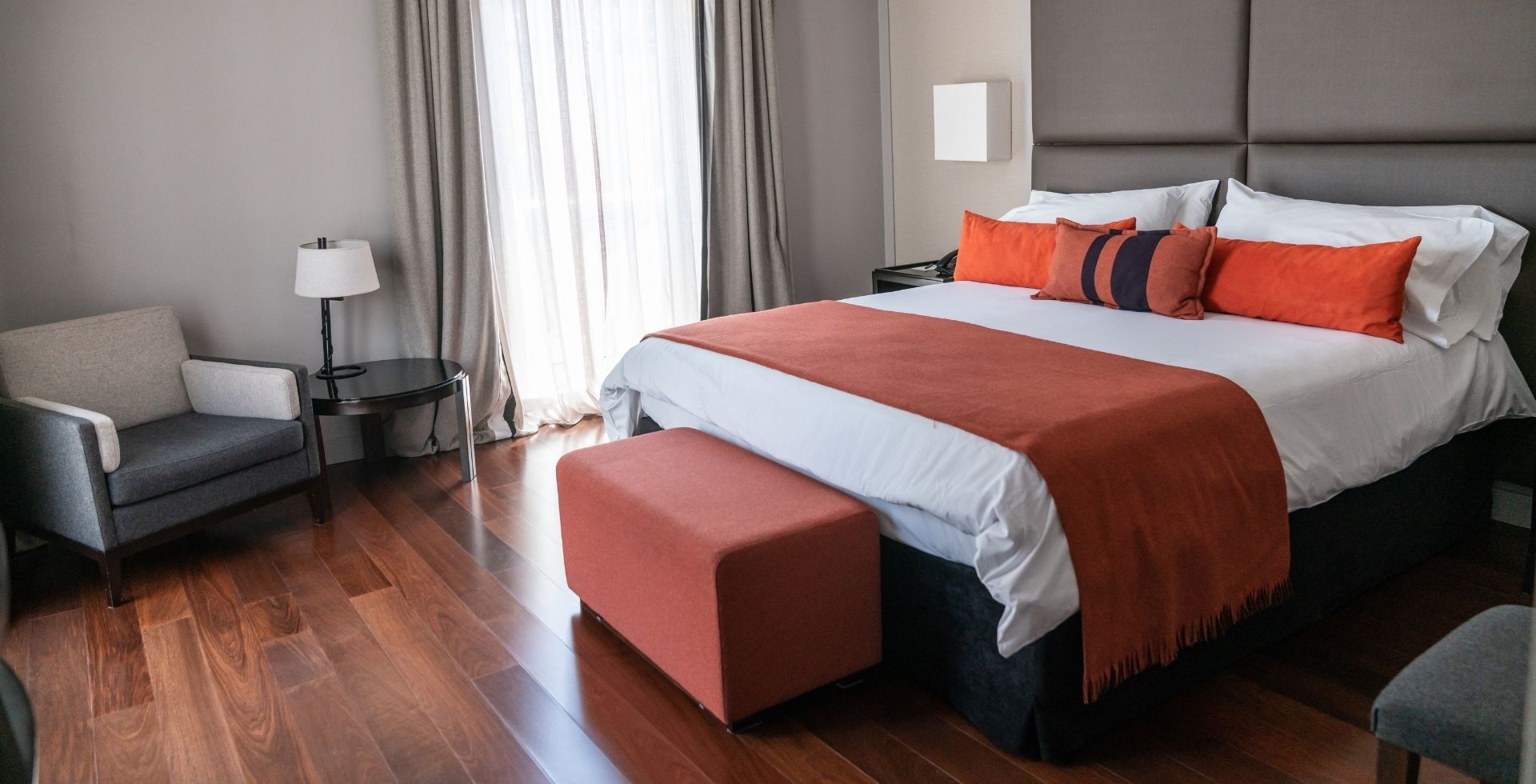
Breakfast will be provided at the hotel every morning. You will have access to free Wi-Fi and hot water, the must-haves in both Tibet and Nepal. The rooms will be air-conditioned (you can also warm up the room) and have an attached bathroom

Note: Upgrades to private rooms and hotel category can be provided on request at additional cost.

As for transportation, you will have a private vehicle equipped with oxygen tanks, as they will drive you around for sightseeing. 

You will also have a private vehicle to pick you up and drop you off at the airport. The size of the vehicle depends on the size of your group.

Travel Attire

Here’s a general idea of what you should wear for your 10-day Explore Tibet Tour:

  • If you are travelling to Lhasa around spring and summer, make sure to carry full-sleeved shirts and light jackets. At night, you can layer with fleece jackets and warm sweaters
  • For the month of August, when the monsoon starts, make sure to pack a raincoat or a waterproof jacket in case it rains. 
  • Packing for the autumn is similar to spring and summer, except you might need extra warm layers. To stay warm on chilly nights, carry a windproof jacket or a coat.
  • For winter, you must pack a warm down jacket or a quilted jacket. Carry warm pairs of gloves and warm hats. Don’t forget to carry thermal tops and leggings along with thick sweaters and scarves
  • When it comes to footwear, carry comfortable and strong waterproof shoes for your sightseeing activities around Lhasa during the winter.
  • Carry a small backpack where you can keep your permits, an extra layer of clothes, and water bottles while travelling.
  • Don’t forget to carry sunglasses and hats throughout the year, as the sun can be bright during the daytime.

While the list mentioned above should be applicable for North EBC, recheck to see if you have:

  • Extra windproof jacket 
  • A warm woolen jacket
  • Thermal innerwear
  • Comfortable cotton clothes
  • Strong, comfortable, and warm shoes/boots 
  • A cap/hat 
  • Sunglasses
  • Sunscreen

Travel Etiquette

Every country has its own norms and values, and it is our responsibility as travellers to respect them. Tibet is a country with deep history, both religious and political. Here are some travel etiquettes that you can refer to while preparing for this tour.

  • Most of the visitors in the monasteries will be devotees of Tibetan Buddhism. So please ensure that your actions and behaviors are respectful to their culture and religion.
  • While walking around Barkhor Street or any other circumambulation route, please maintain silence so that the pilgrims performing koras don’t feel disturbed.
  • The monasteries and the palaces are highly worshipped and respected places. Please refrain from wearing sleeveless tops or clothes that are inappropriate for such places.
  • Please reach the attractions at the time given by your guide; otherwise, the security officials may cancel your ticket without any refunds. 
  • Always check about the photography permits with your guide before you enter the monasteries and the palaces. 
  • When watching the monks’ debates in Sera, Drepung, or Tashilhunpo Monastery, please maintain silence and respect their method of learning
  • Do not mock or laugh at the monks, and do not point fingers and talk in a loud voice.
  • Do not litter around monasteries, lakes, and the base camp.
  • Do not swim or take a bath in the lakes, as they are considered holy.
  • Do not walk alone at North EBC. Stay close to your group and your guide.

Other Tours Around Tibet Offered by Altitude HImalaya

While this tour takes you around the monasteries and palaces in Lhasa and Shigatse, the holy lakes, as well as the North Everest Base Camp, we offer more itineraries for Tibet. Here is the list of other Tibet tours that we offer, some from Nepal and others directly from Lhasa:

Here is the list of other Tibet tours that we offer:

  1. Best of Lhasa Tibet Tour
  2. 10-day Tiber Exploration Tour
  3. Kailash Mansarovar Yatra via Lhasa (more about Kailash Mansarovar tours here)
  4. Lhasa Everest Base Camp Tour
  5. Tibet Combo Tour
  6. Lhasa Monasteries Tour
  7. Short Four Days Lhasa Tour
  8. Tibet Lhasa Namtso Lake Tour
Frequently Asked Questions

Can I customize my tour package?

Is travel insurance included in the cost?

Is Tibet safe to visit?

What happens if you get altitude sickness?

What documents do I need to apply for the Tibet Travel Permit?

Do I need to be aware of any political issues before travelling to Tibet?

How long does it take to properly explore Tibet?