Trekking in Nepal is everybody’s dream. Everest Base Camp, Annapurna Circuit, Annapurna Base Camp… there are so many options! But the Manaslu Circuit Trek crosses only a few people’s minds.
My recent trek in the Manaslu region was a life-changing one. It wasn’t just about crossing one of the longest passes. It showed me my core strength (both physical and mental), tested my patience, helped me understand different perspectives on travel, and, most importantly, showed how beautiful this country really is.
Back in the day, the Manaslu Circuit was marketed as one of the most secluded trekking destinations. But now? The trail has seen an insane surge in the number of travelers. Even though I had planned my Manaslu Circuit trek in the peak season, trying to avoid the crowd from other popular destinations, but ended up in a similar shoe.
I can even guarantee that there will be a greater number of visitors in the coming years, as the place truly deserves it. To witness the magical Mt. Manaslu (8,163 m) right in front of your eyes is beyond imagination. And along come the serene glacier lakes, countless waterfalls, and a lengthy trail that truly tests your endurance!
Your landing here means you’re really serious about the Manaslu Circuit Trek. If you promise to read this guide until the end, I promise back that you won’t say no to this adventure. I won’t just be sharing tips that are all over the web but offering insights from my very own trek.
Manaslu Circuit Trek Quick Facts
|
Regions
|
Manaslu and Annapurna
|
|
Province
|
Gandaki
|
|
Districts
|
2 (Gorkha and Manang)
|
|
Rural Municipalities
|
3 (Dharche, Chumnubri, and Nason)
|
|
Total Distance
|
135 to 160 km (depends on itinerary)
|
|
Total Trekking Days
|
10 to 13 days
|
|
Avg. hiking hours (per day)
|
7 to 8 hours
|
|
Start Point / End Point
|
Macchakhola (or Jagat) / Tilche
|
|
Difficulty Level
|
Challenging
|
|
Highest Elevation
|
5,106 m
|
|
Permits
|
Manaslu Conservation Area Permit, Manaslu Restricted Area Permit, Annapurna Conservation Area Permit, Chumnubri Rural Municipality Permit
|
|
Accommodation
|
Mountain Lodges
|
|
Best Seasons
|
Spring and Autumn
|
|
Key Attractions
|
Pungen Gumba, Birendra Lake, Manaslu Base Camp, Larke Pass
|
|
Major Caste
|
Gurung, Tamang, Nubri, and Bhutias
|
|
Major Religion
|
Tibetan Buddhism
|
|
Major Mountains
|
Ganesh Himal range, Shringi Himal, Ngadi Chuli, Himalchuli, Manaslu, Manaslu North, Naike Peak, Annapurna range
|
|
Major Rivers
|
Budhi Gandaki
|
10 Reasons Why You Should Do the Manaslu Circuit Trek
First things first, the Manaslu Circuit isn’t just about circumambulating the eighth-highest mountain in the world. Trekking in the Manaslu Conservation Area feels magical from the first day itself. You get to connect with nature, live among the local Tibetan communities, and experience a surreal mountainous atmosphere.
There are actually countless reasons why the Manaslu Circuit Trek is perfect for every nature lover. But let me highlight the ten main reasons one should opt for it:
Scenic Landscapes Right From Day One
As soon as you drive away from Kathmandu and enter Gorkha, you already know you’re going to witness something extraordinary. I’m not referring to just the mountains but also the people, their lifestyle, and the scenic views you get from outside your window.
As you approach Soti Khola and head towards Machha Khola, the village vibes kick in. Lush vegetation, the flowing Budhi Gandaki River, and waterfalls (during monsoon and post-monsoon), everything looks surreal. And this is just the beginning!
When your trek begins, the subtropical landscape is something you’ve perhaps only seen in postcards. The sound of the flowing river, the far-sighted view of the mountains that slowly gets better and better, and the rocky path all combine into one!
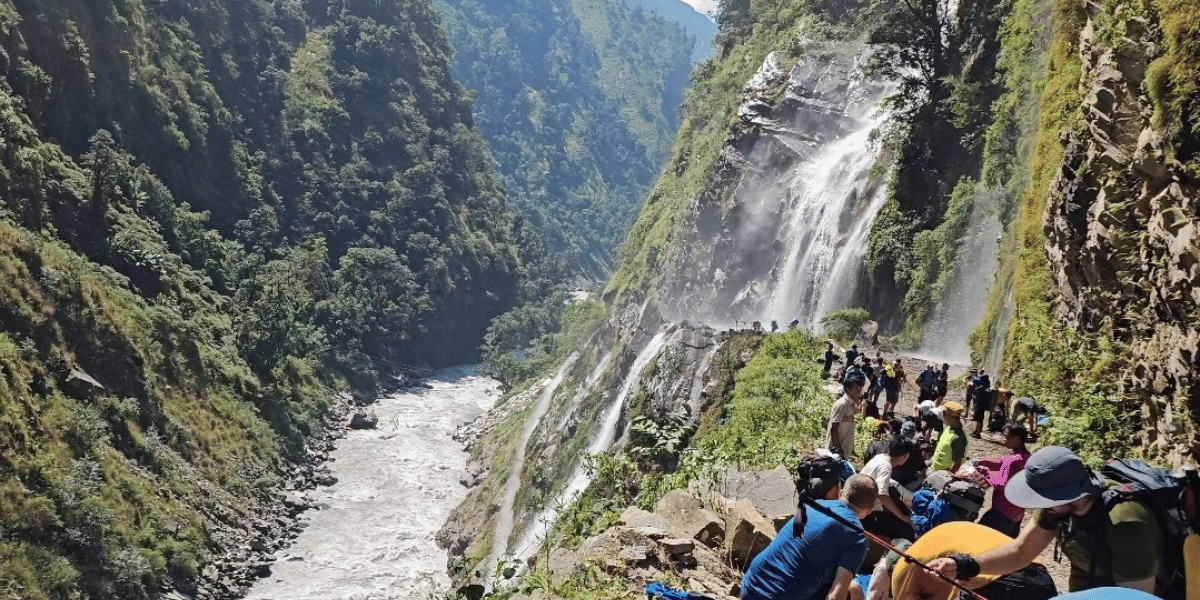
My trek in early autumn came with waterfalls that I could barely keep count of and landslide sections caused by heavy rainfall just a week prior, but the clear blue skies were a clear indication that the views were only going to be magical.
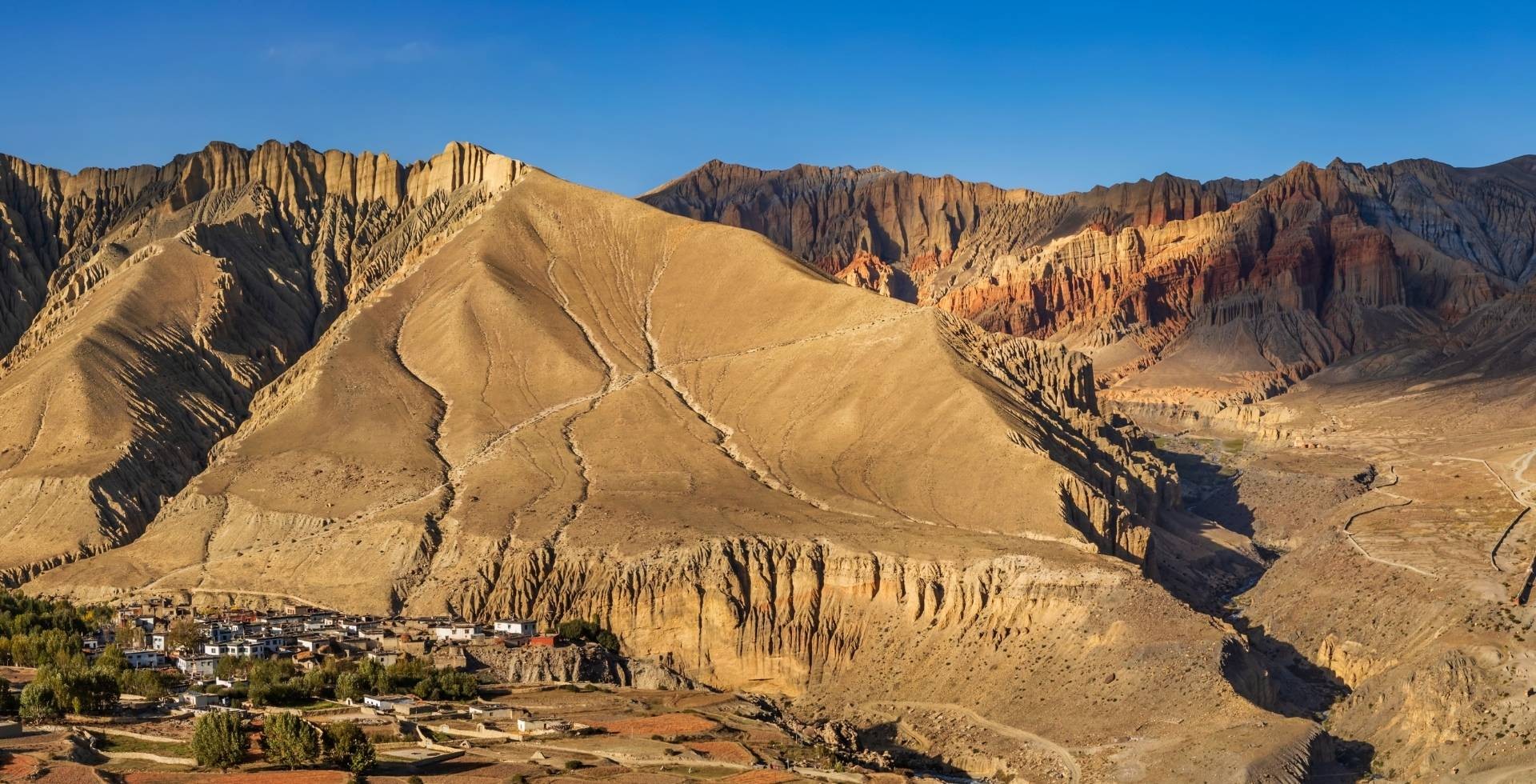
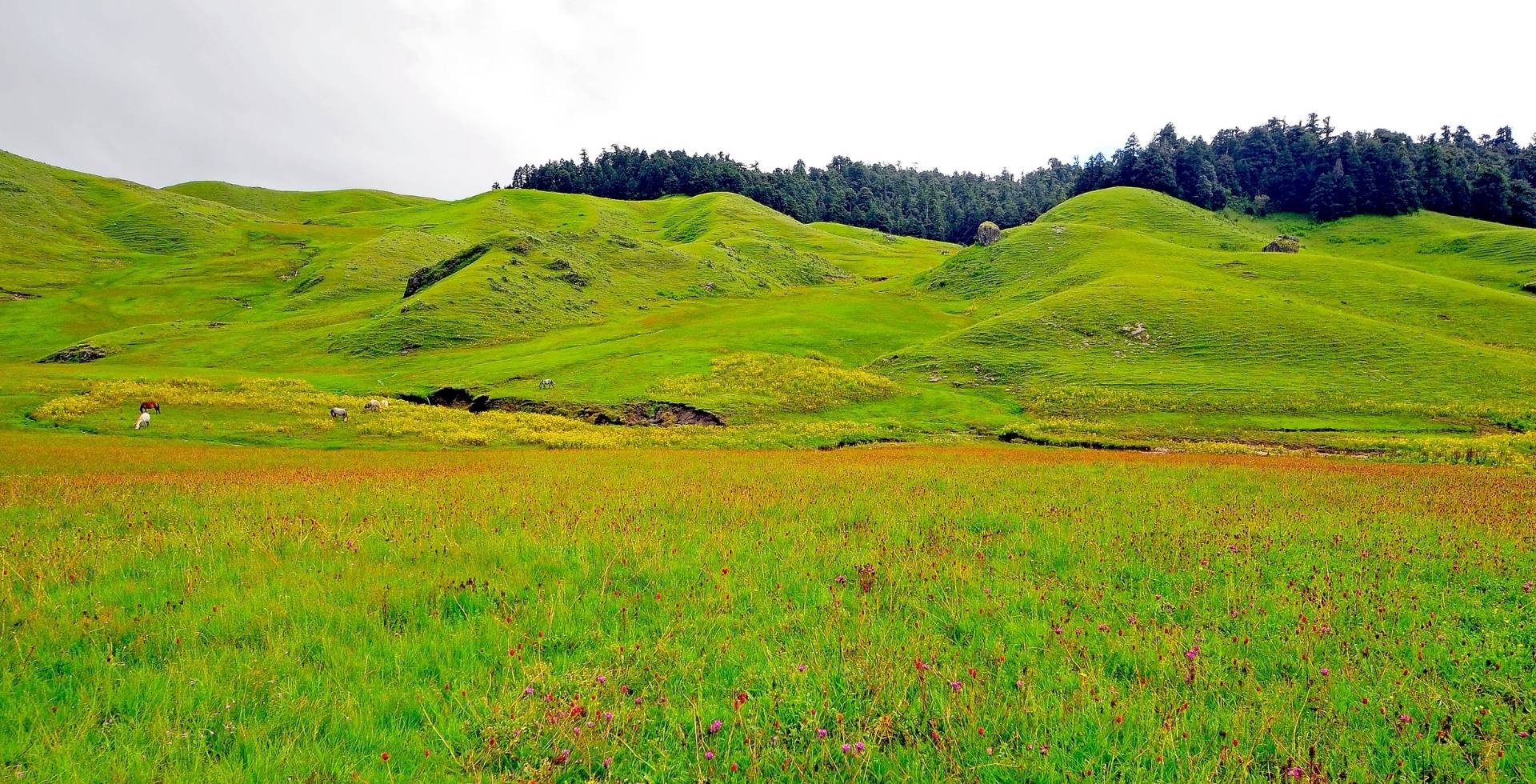
From Jagat to Namrung, it’s mostly forested trails of bamboo, pine, and rhododendron, with plenty of local hidden settlements on the way. You’ll even come across rice and millet paddies, which are the major vegetation here in the Dharche and Chumnubri Rural Municipalities. Also, there are apple trees in Ghapsya, Prok, and Namrung.
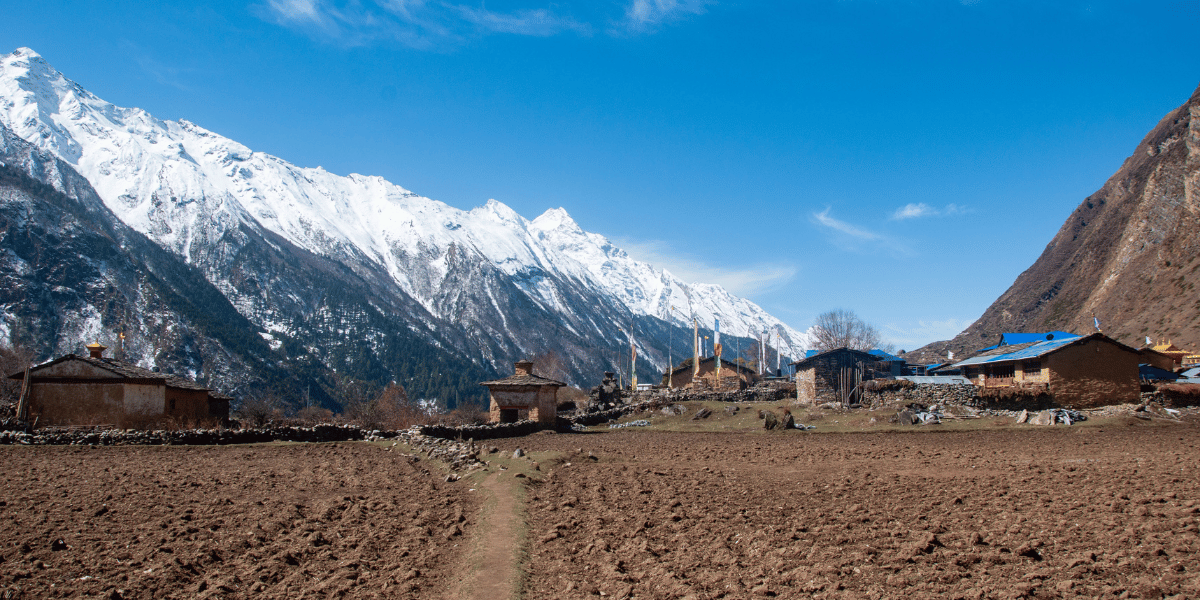
Upon reaching the sub-alpine zone, the forests of juniper, birch, and rhododendron continue. The villages now reflect more of the Tibetan Buddhist lifestyle, and you’ll come across multiple toranas that welcome you to the settlements and gompas.
Villages like Lhi, Lho, Shyala, Samagaun, and Samdo sit right beneath the gigantic mountains. This scene is something that still lingers in my mind. And not to forget the cattle and pack animals that often come in your path, to whom you need to give way.
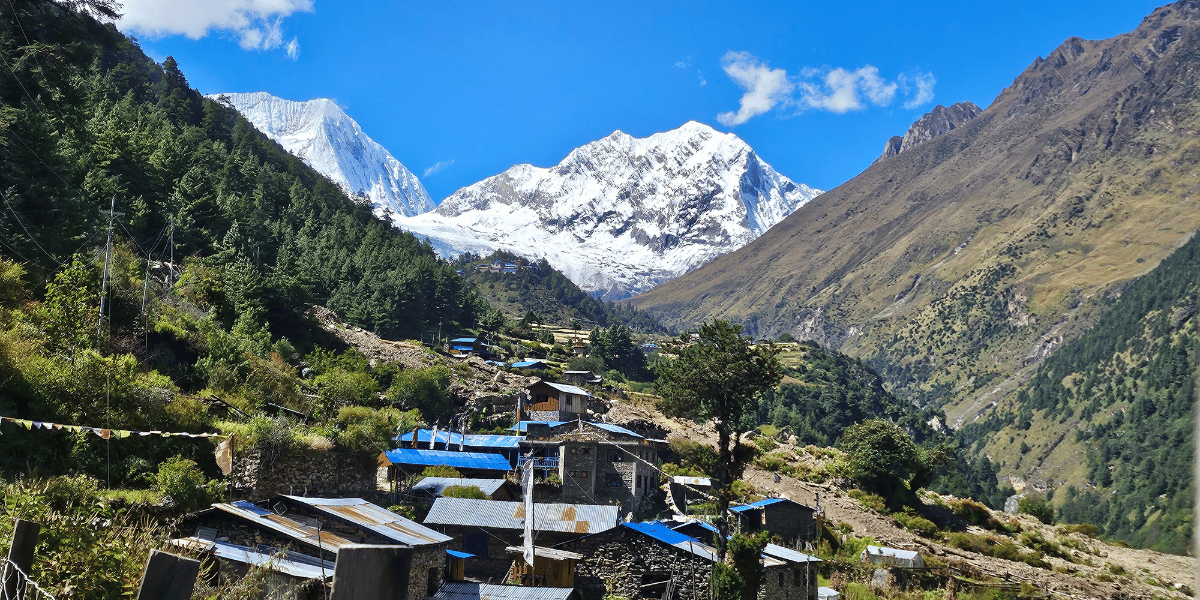
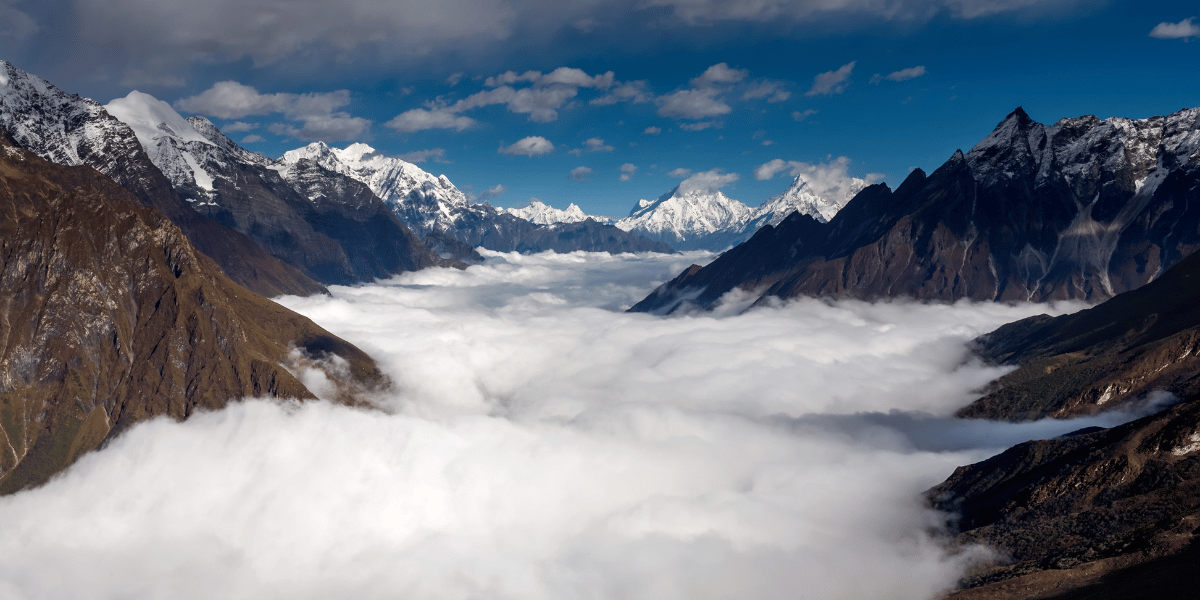
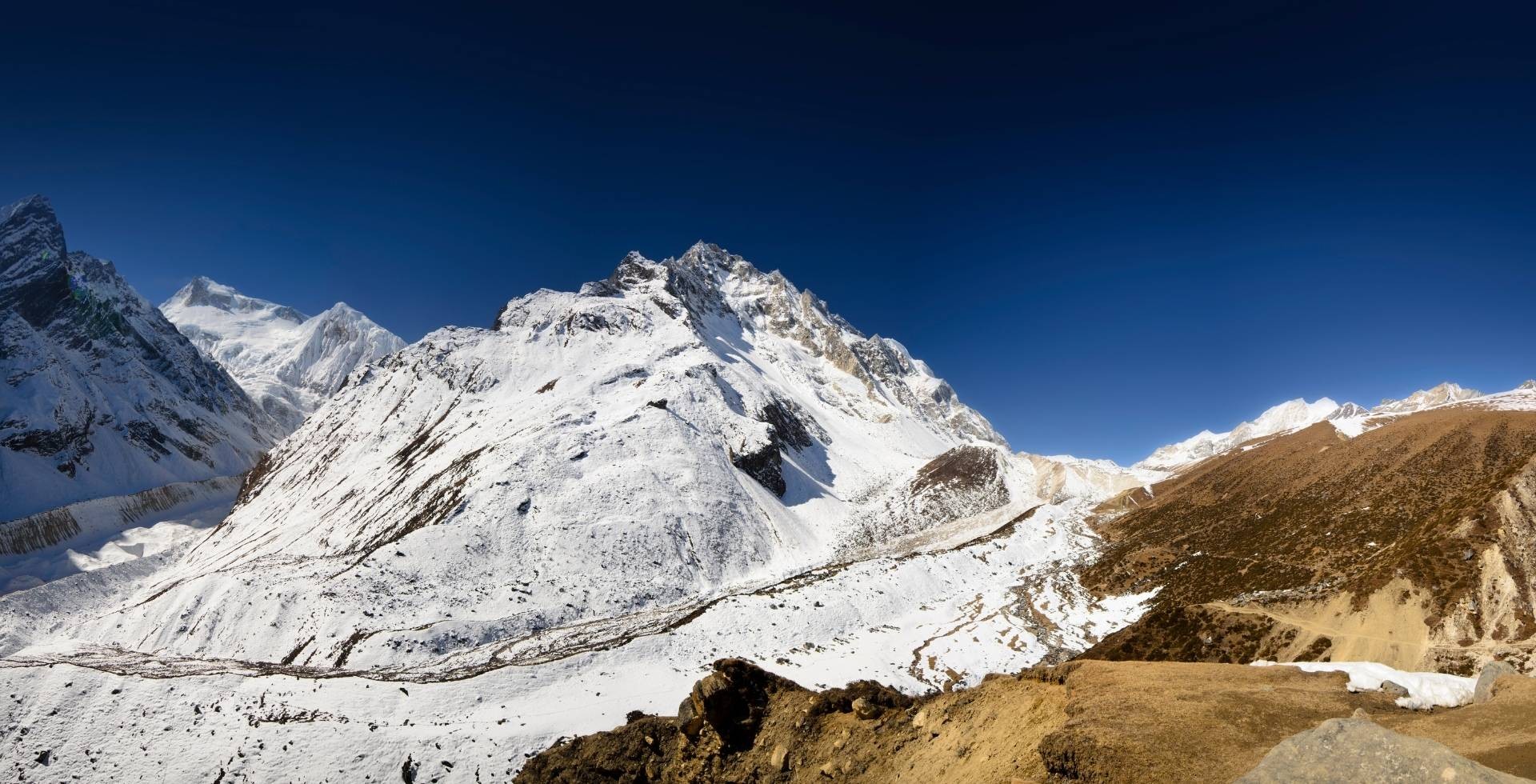
Once you’re in the alpine zone, the vegetation starts to disappear, and the terrain becomes even more rugged. Along with mountains, you’ll start getting views of large glaciers too.
Upon reaching Dharmashala, the landscape becomes arid and barren. But when you look around, you’re surrounded by mountains on all four sides. If it’s winter, the trail from here on will be mostly covered by snow, and this continues up to Larke Pass and further up to High Camp.
You’ll meet vegetation again upon reaching the Himalayan village of Bhimthang. And note that after crossing Larke, you’re in Manang and have entered the Annapurna region. The remaining part of the descent takes you to the temperate and subtropical zones yet again, walking alongside the Dudh Khola River.
Passing through the temperate forests and green valleys with the view of the Annapurna mountains is perhaps the best way to end the trek. And this Manaslu trek offers just that!
Majestic Mountains Right In Front of You!
No matter the trekking destination, mountains always steal the spotlight. When you stand right in front of the towering Himalayan peaks, you just forget everything else that’s there.
The same is the case in the Manaslu region. You get your first glimpses of the mountains from Macchakhola itself (far-sighted). On the way to Jagat, Tewa (6,008 m) and the Ganesh Himal range are visible on clear days.
Proper Himalayan views open up once you’re in Dyang (Deng). And upon reaching Lhi, you start getting glimpses of Himalchuli (7,893 m), Ngadi Chuli (7,871 m), and Naike Peak (6,211 m) too.
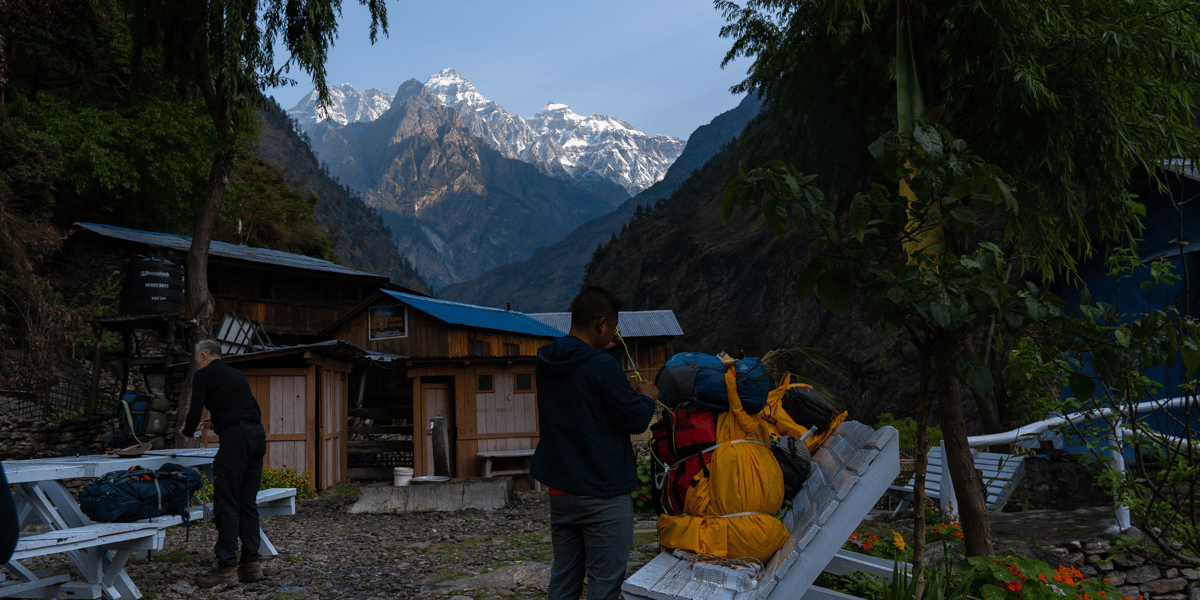
Lho is where you should get the first view of Mt. Manaslu, but the clouds had covered it all in my case. I only got the jaw-dropping view of this mountain from Shyala. Alongside were the towering peaks of Thulagi Chuli (7,059 m), Ngadi Chuli, Himalchuli, Pangboche I (6,620 m), and other peaks!
To get even closer, I highly suggest visiting Pungen Gumba the following day and Manaslu Base Camp if you’re ready for it. And when visiting Birendra Lake, the calm glacier waters reflecting those towering peaks are a sight you just can’t miss on this journey.
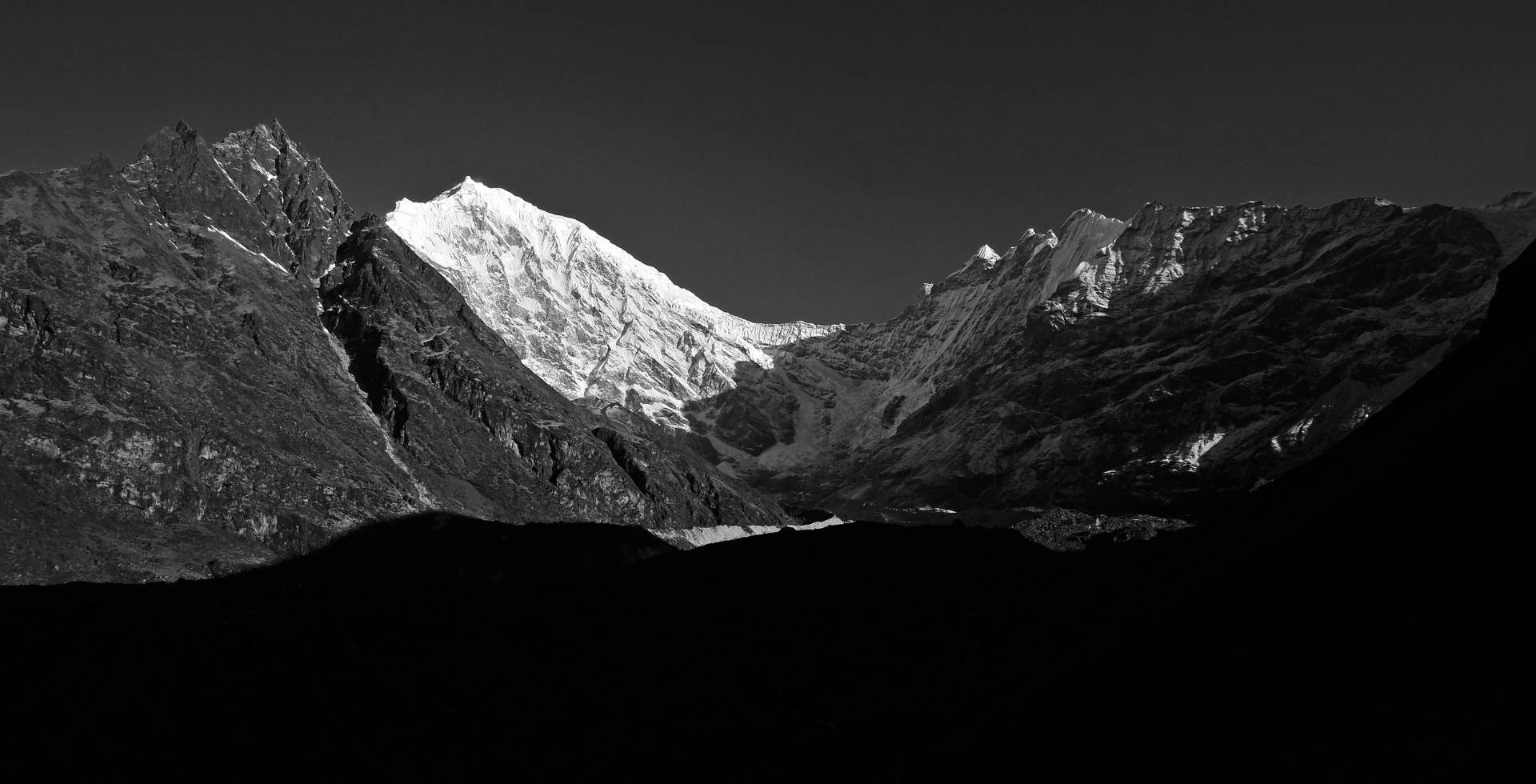
The higher you reach to Samdo and Dharmashala, the views get even better with a 360-degree panorama. These places offer a different angle of the Mt. Manaslu view compared to the previous landmarks, with more mountains like Manaslu North (7,157 m), Simrang Himal (6,251m), Pang Phuchi Himal (6,620 m), and others.
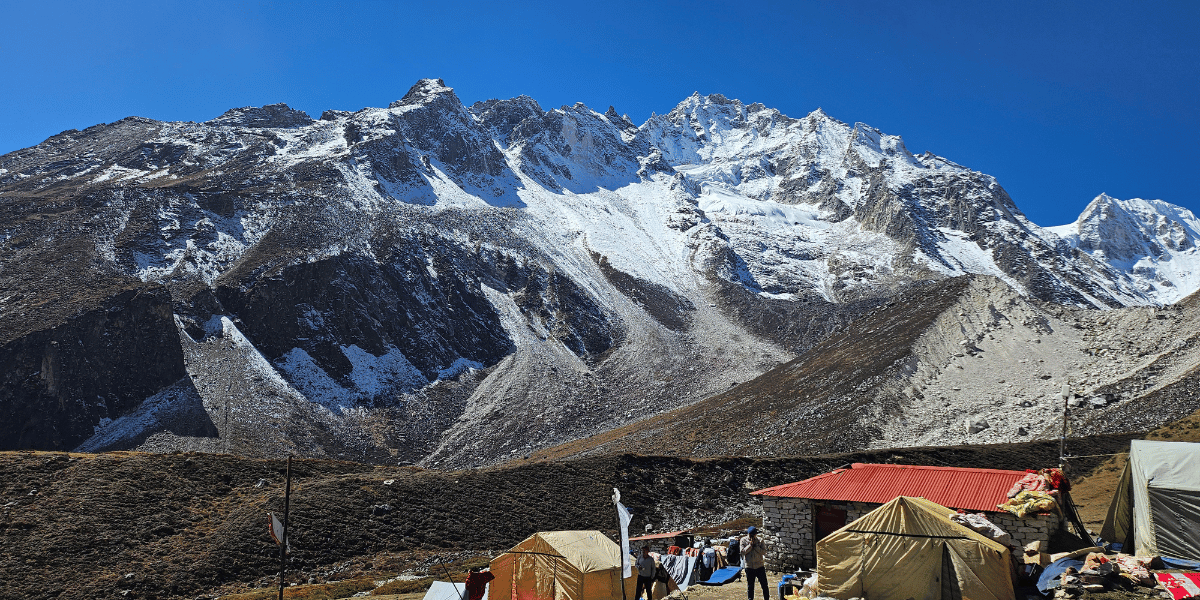
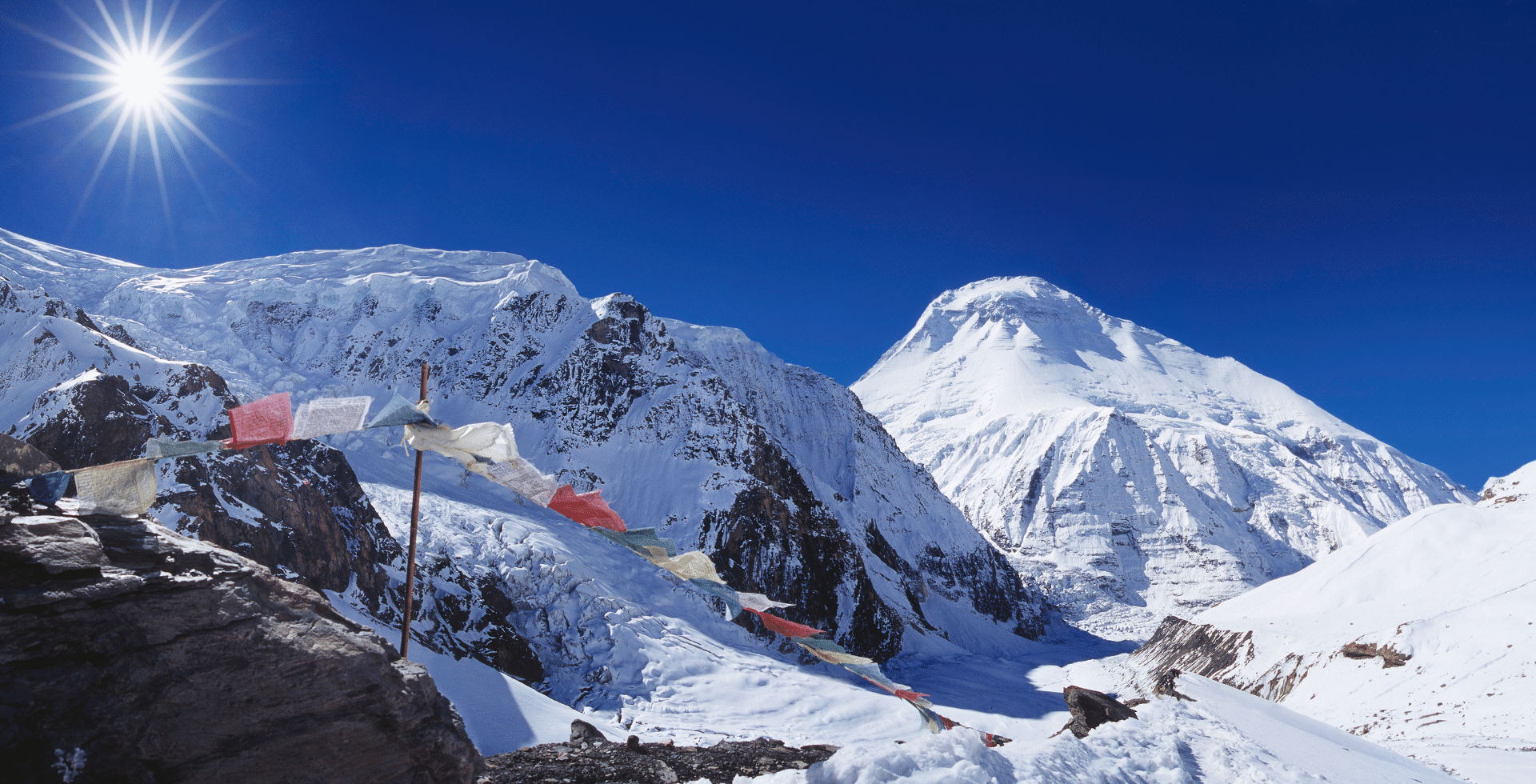
On the final day of crossing the Larke Pass, the view of Mt. Manaslu is obstructed, but you still get the views of Cheo Himal (6,820 m), Himlung Himal (7,126 m), Kang Guru (6,981 m), Annapurna II (7,937 m), Gyaji Kung (7,952 m), Larkya Peak (6,249 m), Naike Peak (6,211 m), Samdo Peak (6,335 m), and more. Even during the descent, you’ll be treated to the breathtaking views of the Annapurna range that keep you company.
Charming Stays in the Beautiful Himalayan Villages
You seriously do not need to second-guess whether to go for the Manaslu Circuit Trek. Although the route might be remote with no vehicle options, the accommodations here have been improving every single season!
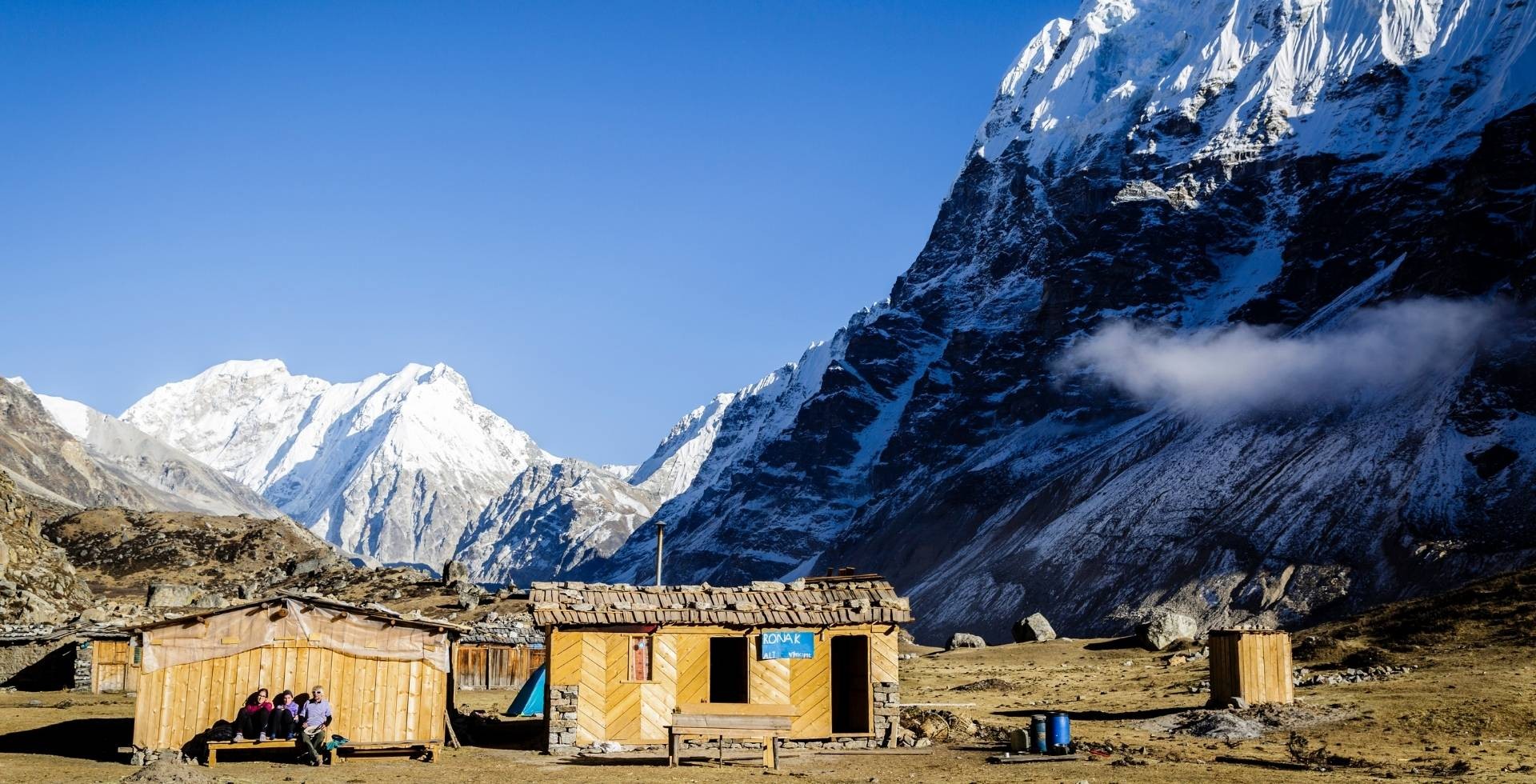
You won’t just find locals settling in the beautiful Himalayan settlements, but every village on the trail has well-maintained mountain lodges. Some are so lavish that you wonder how people were able to build them here. It’s clear that you don’t have to stress about your stays.
For those wishing to explore more of the people in this region, let me tell you that the locals are super welcoming. They won’t just pose for pictures with you but also welcome you inside their homes. Just be respectful of their Buddhist culture.
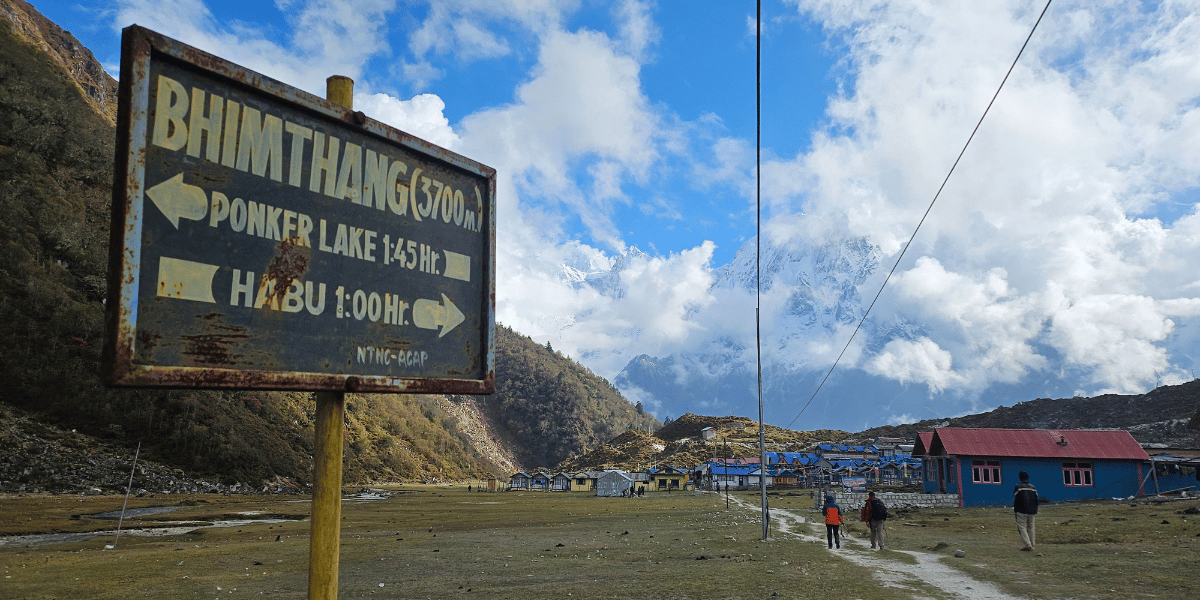
These charming villages attract you from the moment you catch your first sight of them. Even I found my eyes locked in from afar. And when leaving, I made sure to look back to see how beautiful these locations were.
You’ll be trekking in the Chumnubri Rural Municipality for the majority of the days, which lies in Gorkha. But after crossing Larke Pass, you’ll enter Manang’s Nason Rural Municipality. And for those starting their trek from Macchakhola (like I did), you’ll even spend your first day in Gorkha’s Dharche Rural Municipality.
The Manaslu Conservation Area begins from Jagat, and after crossing Larke Pass, you enter the Annapurna Conservation Area. So, this trek doesn’t just combine two districts and three rural municipalities but even two conservation areas of Nepal.
The main villages on the trail are Maccha Khola (Macchikhola, 870 m), Jagat (1,370 m), Philim (1,560 m), Deng (Dyang, 1,860 m), Gap (2,105 m), Namrung (2,630 m), Lhi (2,910 m), Lho (3,135 m), Shyala (3,500 m), Samagaun (3,530 m), Samdo (3,875 m), Bhimthang (3,700 m), and Tilche (2,260 m). These aren’t just beautiful in sight but even richer in terms of cultural aspects.
The houses here aren’t just made of bricks and mud. Most are wooden homes that keep people warm. The dining halls, where all trekkers gather, have either a heater or warm firewood lit to fight the cold.
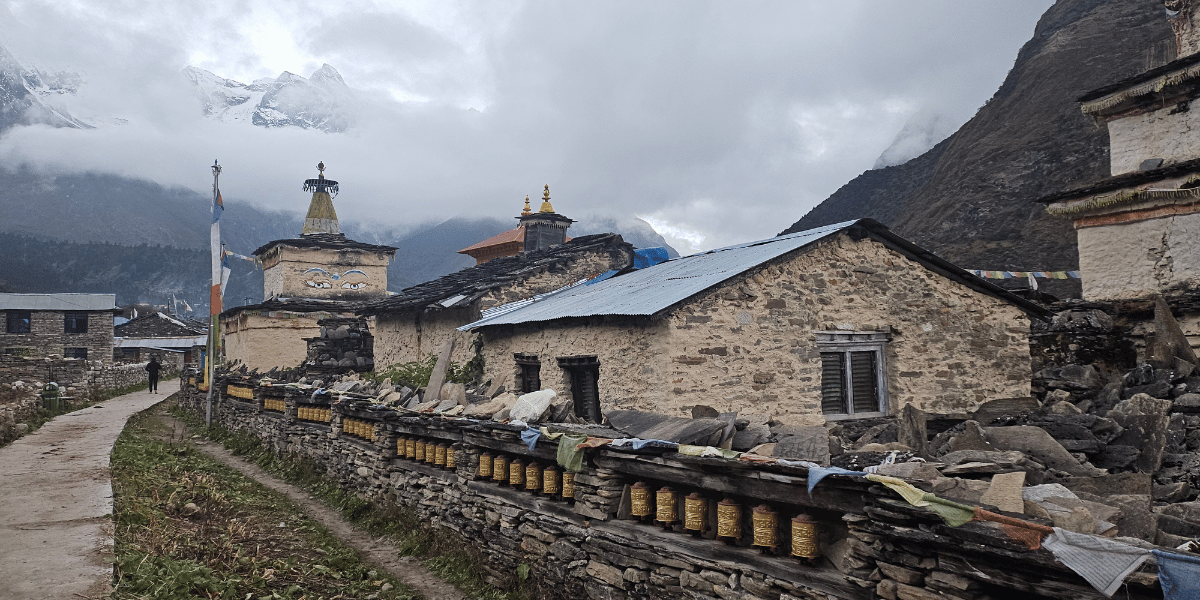
Samagaun is the largest and most prominent village in the Manaslu region. You get to meet the Nubri people of Tibetan origin here, along with the Gurung and Bhutia communities. Here, you even get to closely interact with them and watch their daily lifestyle up close.
Not just the hotel owners, but even the people in this region are hospitable. I’m not just making things up. We literally stayed in one of the local homes in Samdo, which allowed us to dive deep into their cultural practices and way of living. This is the beauty of travel in Nepal!
Pungen Gumba: More than Just a Monastery
If you’d ask me which part I loved the most in Manaslu, my immediate answer would be Pungen Gumba (aka Pungyen Gompa). It’s a centuries-old monastery that has been serving as a religious point for Buddhist pilgrims.
The monastery is located right at the foothills of Mt. Manaslu at 4,040 meters. You’ll even catch glimpses of the homes where monks reside and the main monastery that houses the idols of Avalokiteshvara, Guru Rinpoche, and Buddha Shakyamuni.
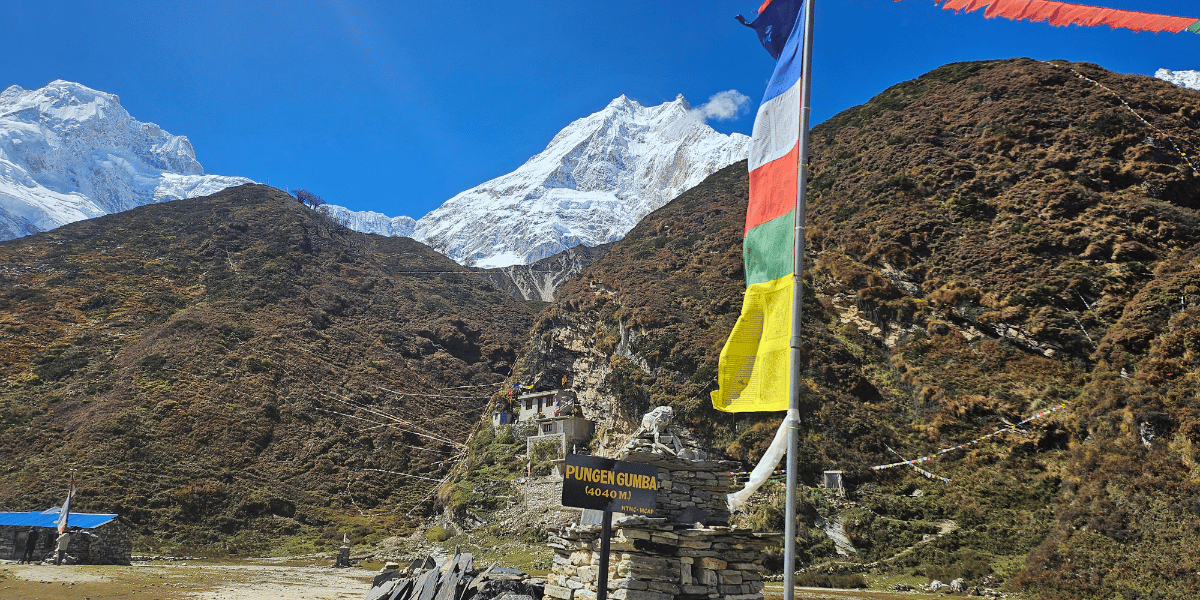
There’s a donation box where you can drop in a few Nepali rupees from your heart, and be sure to light a candle too. But do note that you aren’t allowed to take pictures inside. Also, be sure to visit the chorten next to the main monastery.
Pungen Gumba has become a must-visit destination when completing the Manaslu Circuit Trek. And no, I’m not just referring to the religious side of this place. I’m talking about the views!
To get here, you can either start your hike from Shyala or Samagaun. We took the former route and suggest doing the same. The trail itself is scenic, and you even pass by the Shyala Monastery on the way.

As you continue your hike, the view of Mt. Manaslu, along with the surrounding mountains, gets better and better. You’ll be so close to the eighth-highest mountain that you’ll just forget about the other peaks. It’s truly one of the most beautiful experiences in the Manaslu region.
Serene Birendra Lake: A Must-Stop Destination
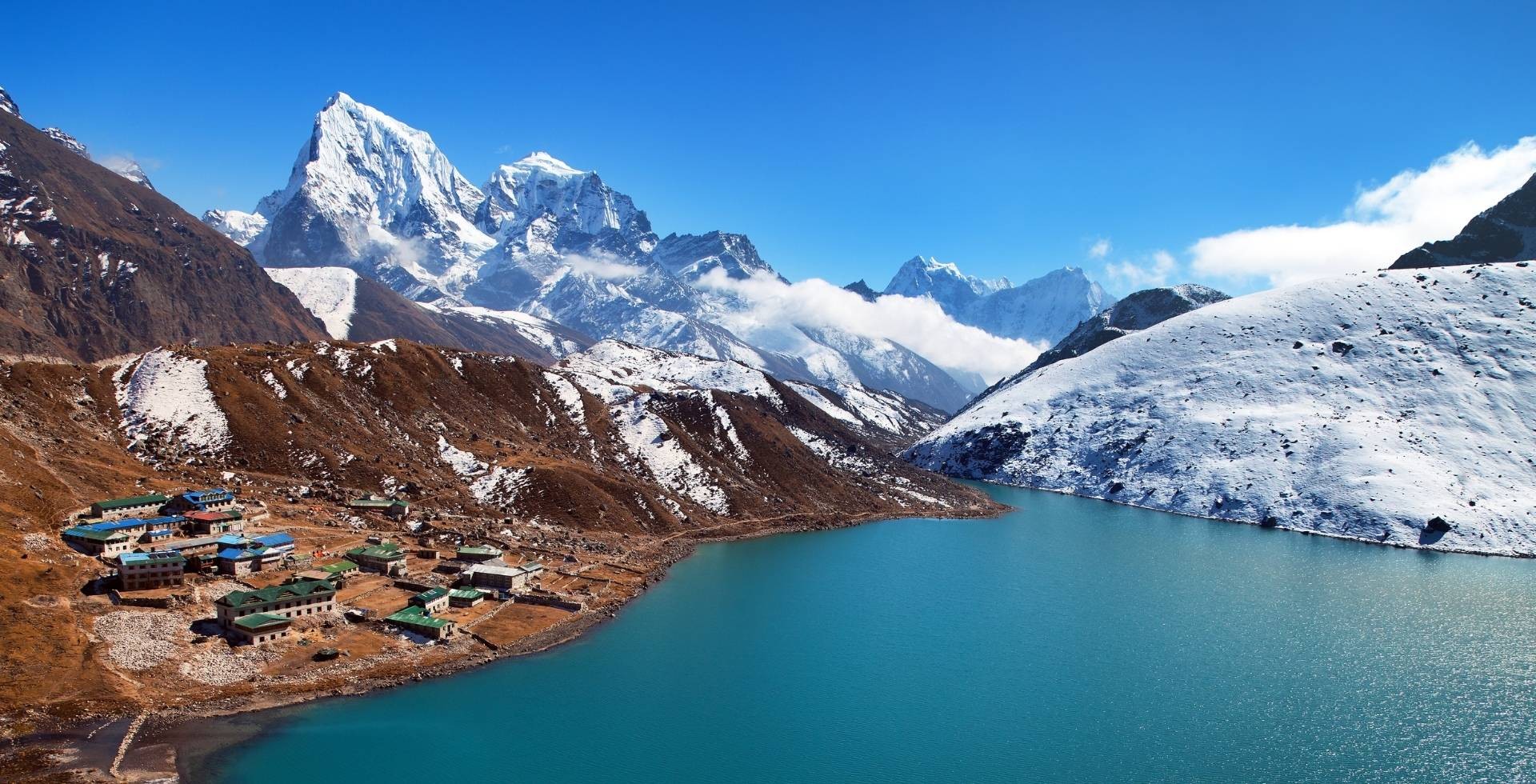
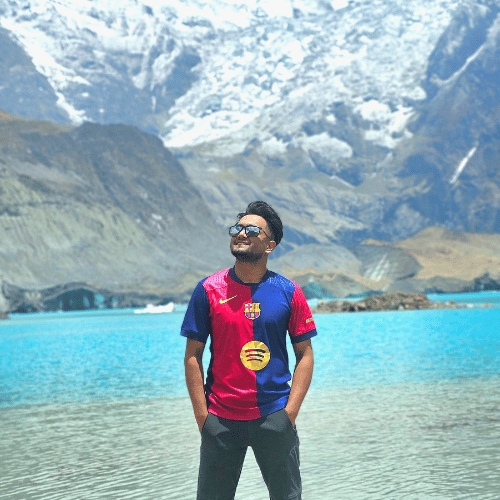
Another highlight of the Manaslu Circuit Trek is Birendra Lake, a glacier lake located just about 2 km away from Samagaun. It’s a short hike that can be done during your acclimatization or rest day.
Mt. Manaslu in front of you and the lake beneath you are sights worth capturing. Previously called Yamcho Lake, it was renamed after the late King Birendra when he visited the region in 1977.

You’ll first hike to the viewpoint, relax, and then reach the crystal-clear waters of Birendra Lake. Don’t be surprised if you catch a glimpse of some rare wildlife here. We got to see Himalayan Thar on our way, and the group ahead of us? They got to see the queen of the mountains, a Snow Leopard!
This clearly speaks of how remote this place is, and when you’re here, the peace you feel within is something my words can’t describe. So, instead of just resting in Samagaun, be sure to push an extra hour to reach here.
Optional Hike to Manaslu Base Camp
Visiting Manaslu Base Camp is definitely on everyone’s mind. Especially during the peak climbing season, getting here gives you a glimpse of the camps set up for the expedition. It seems like there’s a tiny town in the lap of the Himalayas.
Standing right in front of the iconic board is an achievement in itself. On the way, you even get a mesmerizing view of Birendra Lake beneath and, most importantly, a clear view of the east pinnacle of Mt. Manaslu.
It’s definitely tempting to visit the base camp of the eighth-highest mountain in the world. However, there’s a reason we have included this hike as ‘optional’, and for good reasons.
First and foremost, it’s the most challenging hike of this Manaslu Circuit journey.
About 7.5 km from Samagaun, it takes nearly 6 to 7 hours to just reach there and 3 to 4 hours for the return. Even if you’re a fast hiker, it can take 8 to 10 hours for the two-way journey. Plus, the altitude of 4,800 m with steep climbs in snow is what makes it the most challenging.
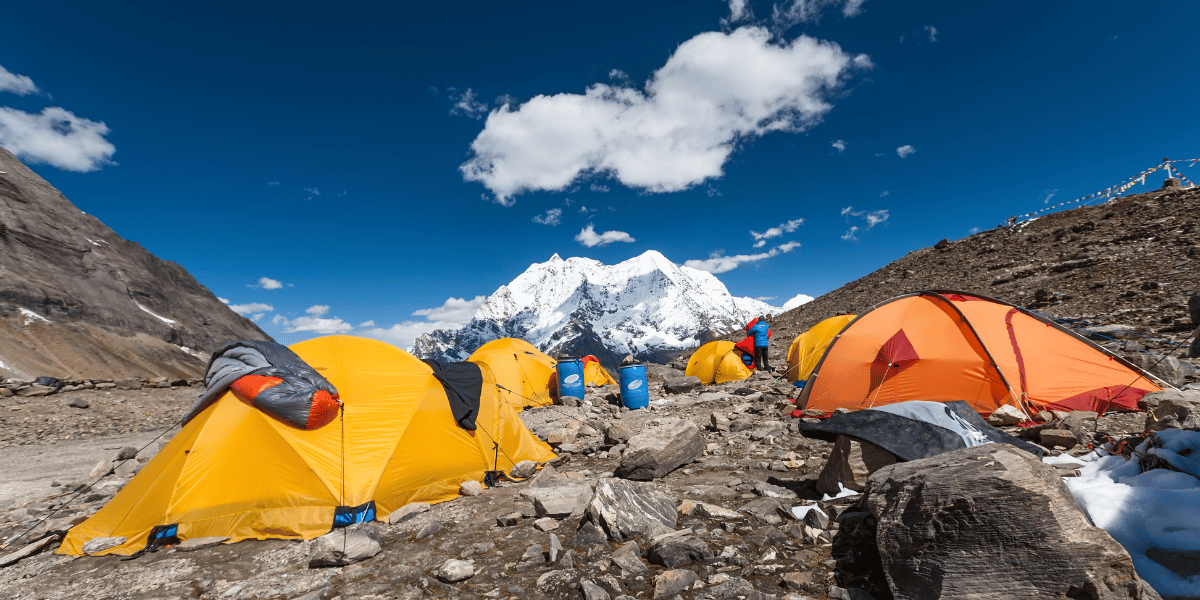
You’ll need to hike early and hope the weather doesn’t obstruct the views. During the return, the wind can become strong, and fog may cover the pathway. Also, this hike can likely exhaust you and may affect the planned itinerary.
To ensure your health remains safe, you must assign an extra day (or even two) in Samagaun for rest. But if you do complete it in good shape, it will surely help you cross the Larke Pass safely.
Understanding the risks, we even had to cancel our hike to Manaslu Base Camp, a decision that was worth taking during our time!
While we still recommend getting to the Base Camp, only do this if the weather is right, you’re well prepared, and you’re ready to take the challenge. Seek information from locals, understand the situation, and only then proceed forward with your guide.
Crossing One of the Longest Mountain Passes: Larke Pass
Keeping aside everything, Larke Pass (aka Larkya La) is what comes to mind when we talk about the Manaslu Circuit. The highest point of the pass is situated at 5,106 m, and you have to cover 7 km from Dharmashala to reach the top.
To ensure you cross the high-altitude region on time, it’s essential to wake up as early as possible. Even though we had rolled out at 3 AM and started the hike shortly after. To be very honest, the trail is only challenging during heavy snow. The uphill isn’t steep but rather gradual, and the real challenge comes from the high altitude.
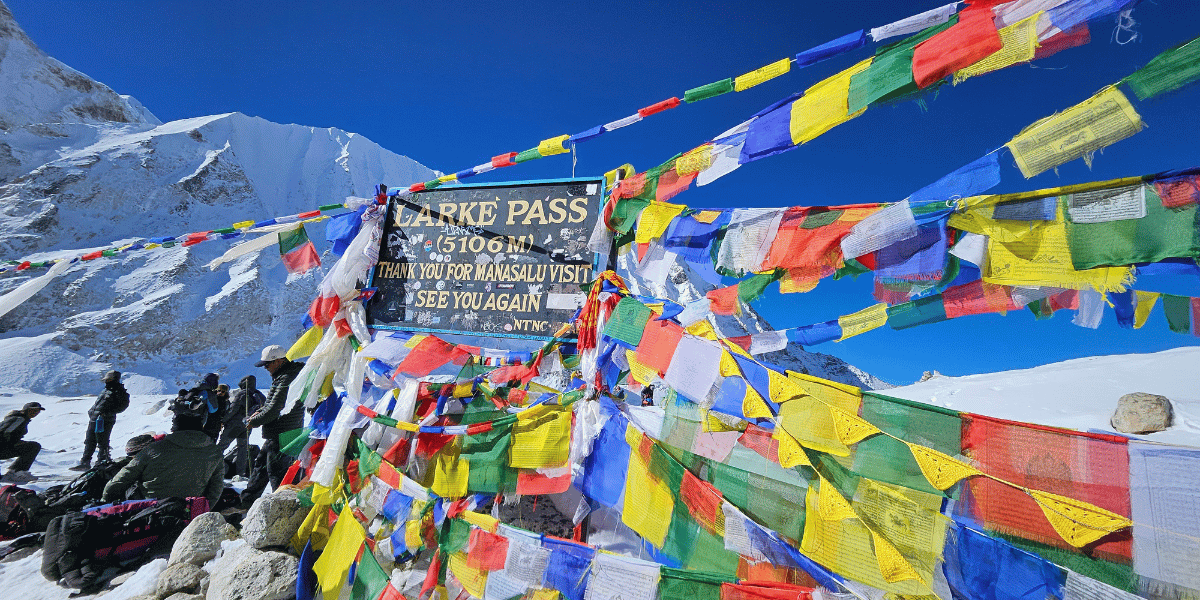
The best way to do it is to take it slow, rest at different locations, hydrate yourself, wear warm clothes, and enjoy the surrounding views. Be sure to stick with your guide, and most importantly, don’t rush!
For me, the actual challenge was the steep downhill up to High Camp, followed by Bhimthang. The path is extremely rugged and icy. So, you have to be extra cautious on this part.
While views of Mt. Manaslu are obstructed at the main pass, that won’t matter when reaching the top. Your excitement and energy get an instant boost, and you’ll pat yourself on the back when seeing the glaciers and giant peaks around you. I’m speaking from my own experience!
Experience Rich Heritage of the Manaslu Region
This trek isn’t just about the towering presence of Mt. Manaslu, but you get to deep dive into people’s faith and timeless culture. And since you’ll be spending almost two weeks in this Himalayan part of Nepal, get ready to experience the Buddhist traditions and spiritual essence of the Tsum people.
People in Chumnubri consider Mt. Manaslu as a pure and compassionate mind of the Bodhisattva. The Tibetan Buddhists pray to the mountain and seek it as a sacred place. I’ve learned so much about respecting mountains and people’s culture after my own trek here.
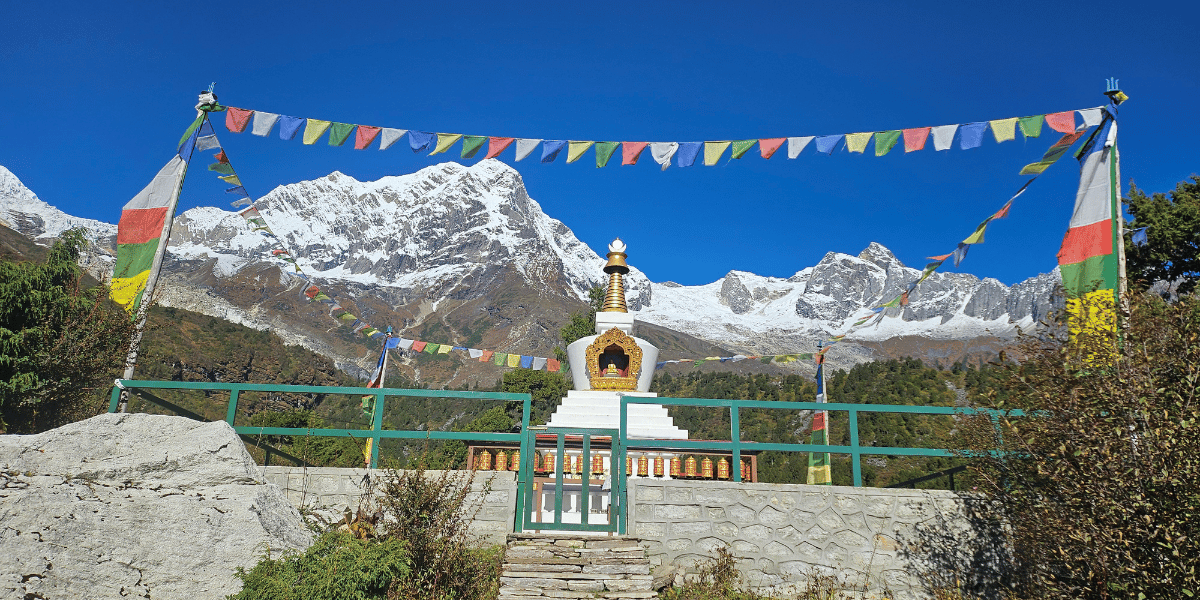
The region, particularly Samagaun, is considered the ‘Lotus Feet of Manaslu.’ This indicates the divinity of the trail, which was once walked by spiritual seekers and devotees (even Bodhisattvas like Guru Rinpoche).
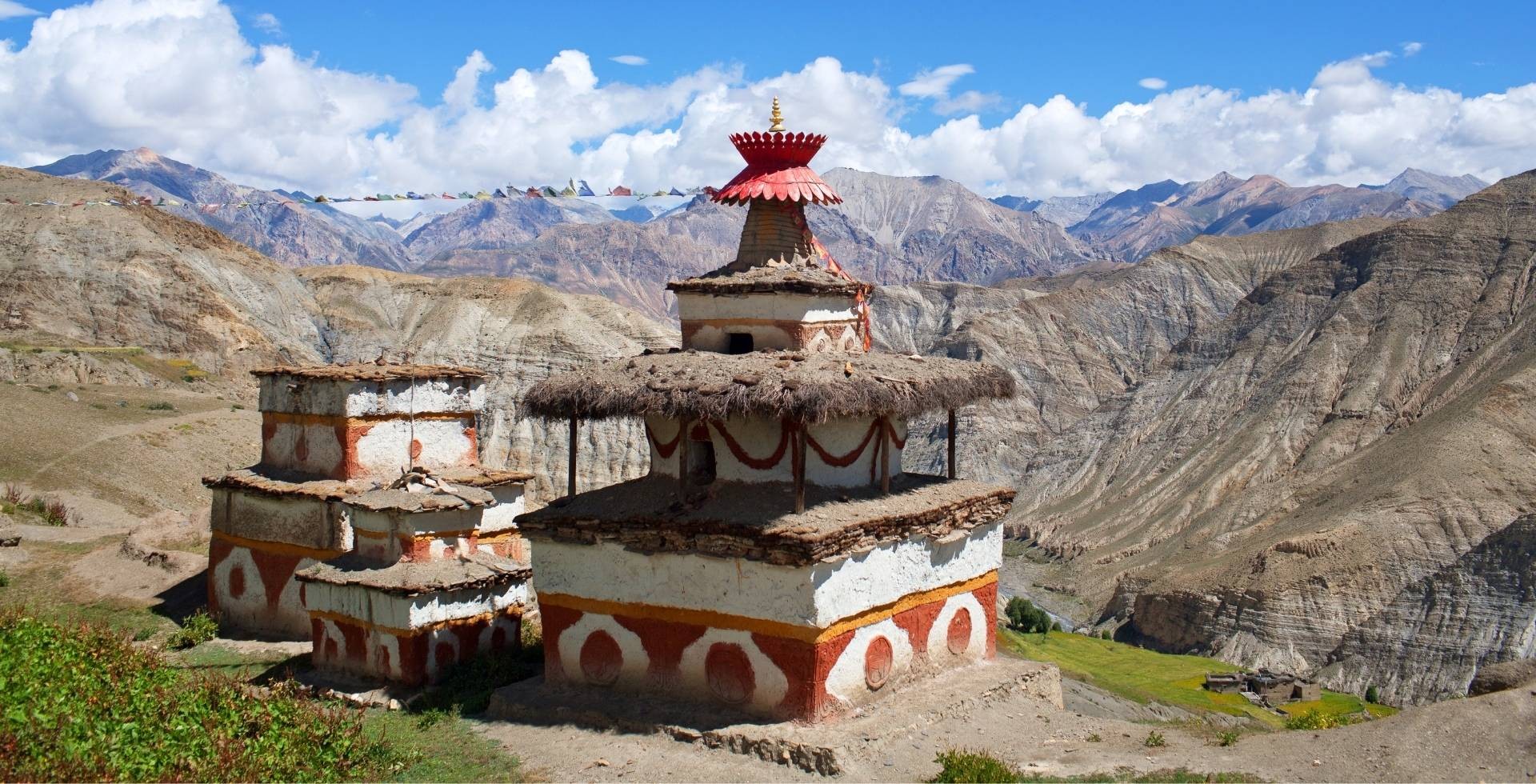
When trekking in the Manaslu region, you’ll encounter mani walls, mani stones, chortens, prayer wheels, prayer flags, and stupas at almost every stop. Not just in villages, even along the trail. And if you peek into them closely, you get to see Buddhist paintings and unique wall art, all reflecting the religion.
You can even enter centuries-old monasteries in every village. The ones that I highly recommend are Buddha Temple (in Lhi), Ribung Monastery (in Lho), Shyala Gumba (on the way to Pungen Gumba), Pema Choling Gompa (in Samagaun), and Serang Gumba (if time allows).
If you’re in the right season, you even get to experience the Tibetan festivals of Losar and Mani Rimdu here. You get to closely interact with the Nubri, Gurung, Bhutia, and other Tibetan Buddhist communities.
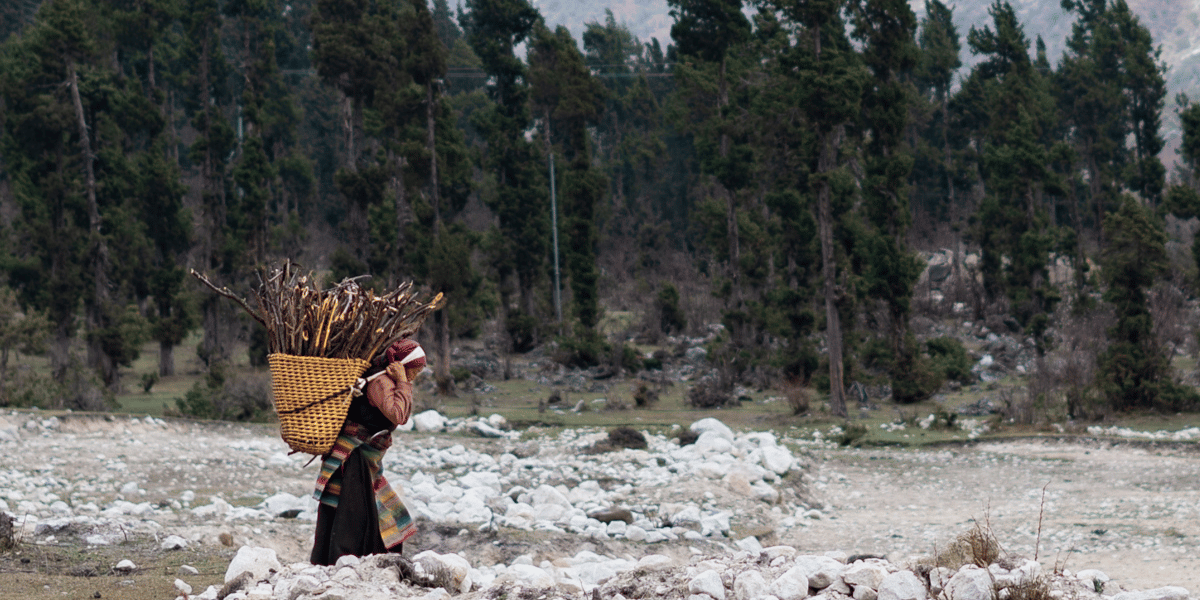
As I mentioned earlier, even our team got to stay in a local home in Samdo. Our hosts for the evening were Bhutias, who showed how truly great their hospitality is. I even got to taste the unique butter tea they served, champa that gave strength for the further trek, and even got to wear a unique traditional dress that kept me warm throughout the chilly evening.
Moreover, you get to see the daily life of the people here, which mainly includes yak herding, barley cultivation, trading from Tibet, yarsha stories, and more!
What fascinated me is that micro-hydro power has been set up in major locations like Jagat, Shyala, Samagaun, and even Samdo, making electricity quite accessible. While Dharmashala does have minor issues, we can expect electricity to reach here within the next few years!
Chances to Spot Rare Wildlife
From start to end, you’ll have close interactions with different cattle and pack animals. In fact, people here love to have dogs and cats as pets (just like we all do). We even met a dog named ‘Leo,’ a Cocker Spaniel, who was taken to Birendra Lake after crossing Larke Pass (from the opposite trail)!
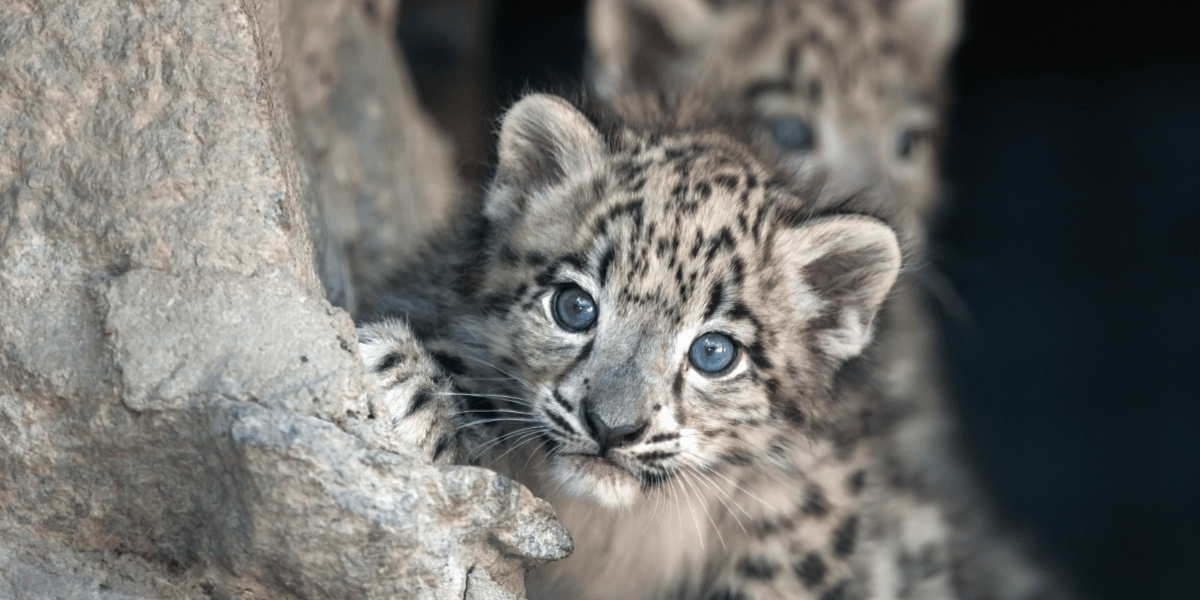
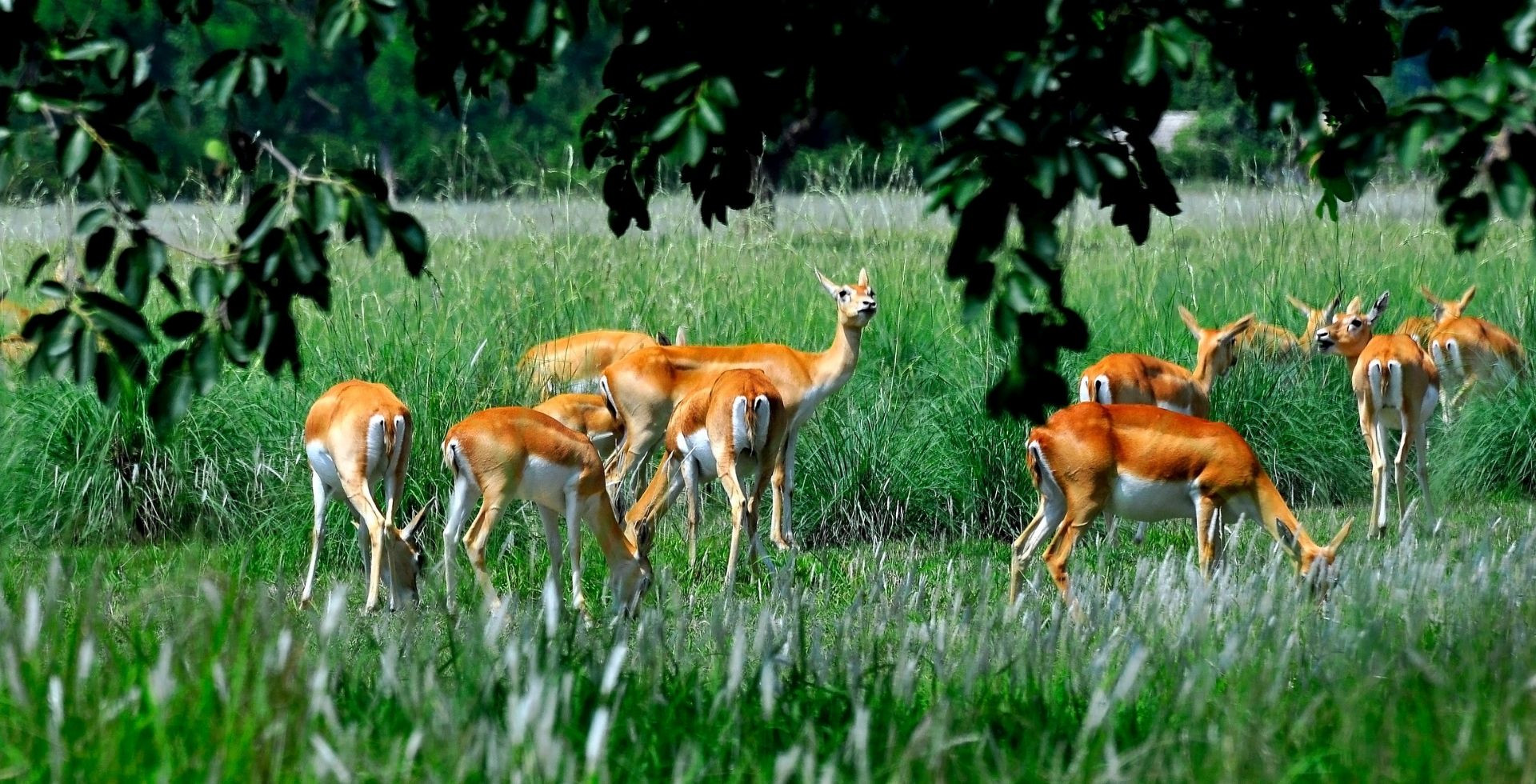
While cute moments with these domesticated animals definitely make your day, the major highlight is the rare fauna that you might encounter in Manaslu CA. But you have to be lucky to spot them, just like one of the groups that spotted a Snow Leopard at Birendra Lake. Even I got a close glimpse of the Himalayan Tahr twice, and even a musk deer.
But the Manaslu Conservation Area Project promises more! The conservation area is home to 33 species of mammals, 110 species of birds, and 11 species of butterflies. Talking about flora, there are about 1,500–2,000 flowering plants.
Some other popular wildlife besides the Snow Leopard, Himalayan Tahr, and musk deer are Blue Sheep, Himalayan Marmot, Red Panda, Himalayan Black Bear, Gray Wolf, Assam Macaque, Himalayan Monal (Danphe), Golden Eagle, Himalayan Griffon, Snow Partridge, Tibetan Snowcock, etc.
Multiple Side Trip Options
If you’re willing to spend even more time here, our team at Altitude Himalaya promises to give you an experience beyond just the Larke Pass. You already know about Pungen Gumba, Birendra Lake, and Manaslu Base Camp. But what if I tell you there are even more attractions in Manaslu CA?
Allow me to highlight these side hikes or big trips that can be combined to give you a much more immersive experience in terms of adventure, culture, and challenge:
- Prok and Kal Tal: The headquarters of the Manaslu Conservation Area is a cultural hub that you can visit for an extra day for more cultural immersion. The route to Prok separates from Bur. If you’re more interested, you can visit some other villages like Chak and Kwaak. An extra hike day from Prok even takes you to Kal Tal, whose waters come down and form Queen Waterfall, which can be seen from Bur.
- Sharang Gumba (aka Serang Gompa): To learn more about Tibetan Buddhism and for a deeper spiritual experience, a visit to Sharang Gumba is highly recommended. The 500-year-old monastery is located in Kyimoloung Valley and can be reached from Ghapsyap.
- Ponkar Lake: Although this glacier lake can be seen during the descent from Larke Pass, it surely will pull you towards it. To visit here, you can either extend your hike the same day (which can be a little exhausting) or, a much better option, take a rest day in Bhimthang and visit here the following day.
- Combine with Tsum Valley: If you’re willing to add six to seven extra days, you can even visit Tsum Valley for a greater adventure. This is a popular package that we offer at Altitude Himalaya that lets you explore a more secluded part of the Manaslu region.
- Combine with Annapurna Circuit: Combining two 5,000-meter-high passes on a single journey is definitely a big challenge. It can exhaust you, and a proper itinerary is required. But for adventure seekers, Altitude Himalaya doesn’t say no to you. This way, you even get to explore more of the Annapurna Conservation Area, like Manang Village, Tilicho Lake, Thorong La Pass, and the Lower Mustang region.
The Best Manaslu Circuit Itinerary? Choose One…
When I went for the Manaslu Circuit Trek, our team had planned an 11-day journey. Our aim was to explore as much as possible. But guess what? 11 days was not enough for Manaslu!
Every step I took in the restricted area of Manaslu felt magical. The days were long and the trek did test my patience at times, But every time I stopped and looked around, it just felt worth it, it just felt right!
Especially when we were at Pungen Monastery and Birendra Lake, I felt the trek was more than worth the challenge I had taken. My body got tired from those long hikes, but my soul got refreshed. And if I get the opportunity to visit here again, I just know what I need to do.
I often call myself an ‘itinerary architect,’ and my job here at Altitude Himalaya is to construct itineraries that benefit everyone. After careful evaluation, I’ve chosen four itineraries that fit perfectly within two weeks. You can check them out below.
But honestly, I have more on my books, both short and immersive! I’d love to share them with you, and we may discuss this over WhatsApp. Our team will listen to you, and we can adjust accordingly!
#1: The Classic 13-Day Manaslu Circuit
DAY 01: Kathmandu to Machhakhola Drive
DAY 02: Machhakhola to Jagat
DAY 03: Jagat to Deng
DAY 04: Deng to Gap
DAY 05: Gap to Lho
DAY 06: Lho to Shyala
DAY 07: Day Hike to Pungen Gumba, Reach Samagaon
DAY 08: Acclimatization at Samagon, Explore Birendra Lake and Monasteries
DAY 09: Samagaon to Samdo
DAY 10: Samdo to Dharmashala
DAY 11: Dharmashala to Larke Pass and Downhill to Bhimthang
DAY 12: Bhimthang to Tilche
DAY 13: Tilche to Kathmandu
#2: 14-Day Manaslu Circuit with Base Camp [For Adventure Lovers]
DAY 01: Kathmandu to Machhakhola Drive
DAY 02: Machhakhola to Jagat
DAY 03: Jagat to Deng
DAY 04: Deng to Gap
DAY 05: Gap to Lho
DAY 06: Lho to Shyala
DAY 07: Day Hike to Pungen Gumba, Reach Samagaon
DAY 08: Acclimatization Hike to Manaslu Base Camp, Return to Samagaon
DAY 09: Rest Day at Samagaon, Explore Birendra Lake
DAY 10: Samagaon to Samdo
DAY 11: Samdo to Dharmashala
DAY 12: Dharmashala to Larke Pass and Downhill to Bhimthang
DAY 13: Bhimthang to Tilche
DAY 14: Tilche to Kathmandu
#3: 11-Day Short Manaslu Circuit Trek
DAY 01: Kathmandu to Machhakhola Drive
DAY 02: Machhakhola to Pangsing Drive, Trek to Deng
DAY 03: Deng to Namrung
DAY 04: Namrung to Shyala
DAY 05: Day Hike to Pungen Gumba, Reach Samagaon
DAY 06: Acclimatization at Samagon, Explore Birendra Lake
DAY 07: Samagaon to Samdo
DAY 08: Samdo to Dharmashala
DAY 09: Dharmashala to Larke Pass and Downhill to Bhimthang
DAY 10: Bhimthang to Tilche
DAY 11: Tilche to Kathmandu
Note: For Base Camp, an extra day can be allotted.
#4: Reverse Manaslu Circuit Trek in 12 Days [Short but Risky]
DAY 01: Kathmandu to Besishar Drive
DAY 02: Besisahar to Tilche Drive
DAY 03: Tilche to Chauli Kharka
DAY 04: Surki Khola to Bhimthang
DAY 05: Acclimatization Hike to Ponkar Lake, Stay at Bhimthang
DAY 06: Bhimthang to High Camp
DAY 07: High Camp to Larke Pass, Reach Samdo
DAY 08: Samdo to Samagaun via Birendra Lake
DAY 09: Samagaun to Pungen Gumba, Reach Lho
DAY 10: Lho to Gap
DAY 11: Gap to Tatopani
DAY 12: Enjoy Hot Springs, Drive to Kathmandu
Note: For Base Camp, an extra day can be allotted in Samagaun (or Habu, from where another base camp can be reached in about 4 hours).
Is Manaslu Circuit Really Difficult? Challenges Explained
Trekking in the Himalayas can never be underestimated. The high-altitude region, unpredictable weather conditions, and lack of preparedness can make any trek in Nepal difficult.
That’s the reason we construct itineraries that best suit your needs, make changes to them after understanding your prior experience, and assign guides who help you tackle the challenges fearlessly.
When it comes to difficulty level of the Manaslu Circuit, many claim it to be strenuous and very difficult. But that’s not really true. Yes, it can be difficult if you don’t have prior trekking experience or try to underestimate the high-altitude region by attempting to complete the trek as quickly as possible.
Do the opposite: go slow, hydrate yourself, eat well, take medications if required, and add extra days for acclimatization, and this 13 to 15-day journey will be completed easily. Your experience and safety matter the most, and that’s what we focus on here at Altitude Himalaya.
After my own Manaslu Circuit trek, experiencing it with my own legs and listening to the experiences of other trekkers has made me understand the real challenges of the Manaslu Circuit Trek. Let me share them with you:
Long, Demanding, and Mentally Tough Journey
The first of many factors that makes this Manaslu Circuit Trek a challenging one is its length. Depending on the itinerary, you’ll have to hike approximately 135 to 160 km. And if you include side hikes, this can stretch up to 180 km or more!
Suppose the actual trek lasts 10 days and you’re going to cover 150 km without rest days. That’s 15 km per day on average. In reality, the first few days are 18 to 20 km long, which is above the recommended hiking distance.
That’s the reason we have prepared an itinerary that includes additional days to ensure your body acclimates well to the surroundings and gets proper rest.
Trail-wise, it’s not that you have to walk steep uphills. There are certain uphills for sure, but not as steep as those in other treks. But still, a long walking distance isn’t a joke. It’s a serious test of stamina and mental endurance.
While the first few hours might be exciting, there will be times when your patience gets tested. And this continues till the very end of the trek up to Tilche. So, you have to be mentally prepared for this demanding journey.
Recommended reading: Complete Manaslu Circuit Trek preparation guide
High Risk of Altitude Sickness
The primary risk for most trekkers in Manaslu Circuit Trek is altitude sickness. Since it requires proper time to adapt to the reduced oxygen pressure of the high-altitude surroundings, it’s essential to listen to your body.
Trekking isn’t a race, but it’s a marathon, and this Manaslu Circuit Trek shows you why. Trekking is different for everyone, and you have to understand your abilities. So, especially for beginners and amateurs, it’s absolutely essential to do this trek slowly, resting well, having the right meals, and following the guide’s instructions.
A common mistake is gaining high elevation too quickly. Some skip acclimatization days in Samagaun and directly push up to Dharmashala without a stay in Samdo in between. That’s the wrong approach!
The general rule of thumb is ‘climb high, sleep low’. This prepares your body for the low oxygen level and reduced oxygen pressure, giving you a good sleep. Following the same principle, we even went on an acclimatization hike to Pungen Gumba.
Your daily elevation gain shouldn’t be more than 500 meters once you cross the 3,500 m mark. Even if you go high, you should come low for sleep. For example, when visiting Manaslu Base Camp, you gain more than 1,200 m, but you don’t stay long there and return to sleep at 3,530 m.
Even during the stay in Dharmashala, there are plenty of viewpoints around that you can hike to acclimate to that high elevation. But again, you come back to 4,470 m, giving you a proper night’s sleep before that long stretch to the Larke Pass the next day.
I understand that balancing altitude with your pace can be a challenge, and this is one of the challenges of the Manaslu Circuit Trek.
Underestimating this doesn’t just trigger acute mountain sickness (AMS) but can even lead to high-altitude pulmonary edema (HAPE) or high-altitude cerebral edema (HACE). These are life-threatening conditions, so kindly exercise caution when trekking in Manaslu or any other high-altitude region.
I don’t want to scare or demotivate you, but even during our trek, we saw people being rescued every single day. In fact, a local trekker and a porter even lost their lives due to carelessness.
Even if following every process correctly, some of us might fall sick due to fatigue, cold, or prior health-related issues. Just gaining altitude won’t cause sickness, but there are multiple factors that trigger at once to give you trouble.
So, listen to your body and act accordingly. If you show signs of altitude sickness, be sure to tell your guide and DO NOT PUSH. Stay where you are or descend if required.
Here are the symptoms you need to keep an eye out for: headache, loss of appetite, nausea, vomiting, shortness of breath, dizziness, extreme fatigue, chest congestion, and losing balance.
Restricted Area and Remote Location
The Manaslu Circuit Trek brings you close to nature, away from vehicles, crowds, and pollution. But there’s one disadvantage: remoteness. Trekking is an adventure, and any unexpected injury or, let’s say, suffering from altitude sickness means you’ll have to rely on the limited facilities available there.
The only possible way to rescue is to first get help from locals and porters (who’ll carry you on their backs), and then, if you still can’t continue, you’ll have to be rescued by helicopter. Because let’s be honest, if there are issues at a higher altitude after walking such a long distance, your body just won’t be ready to return the same long route.
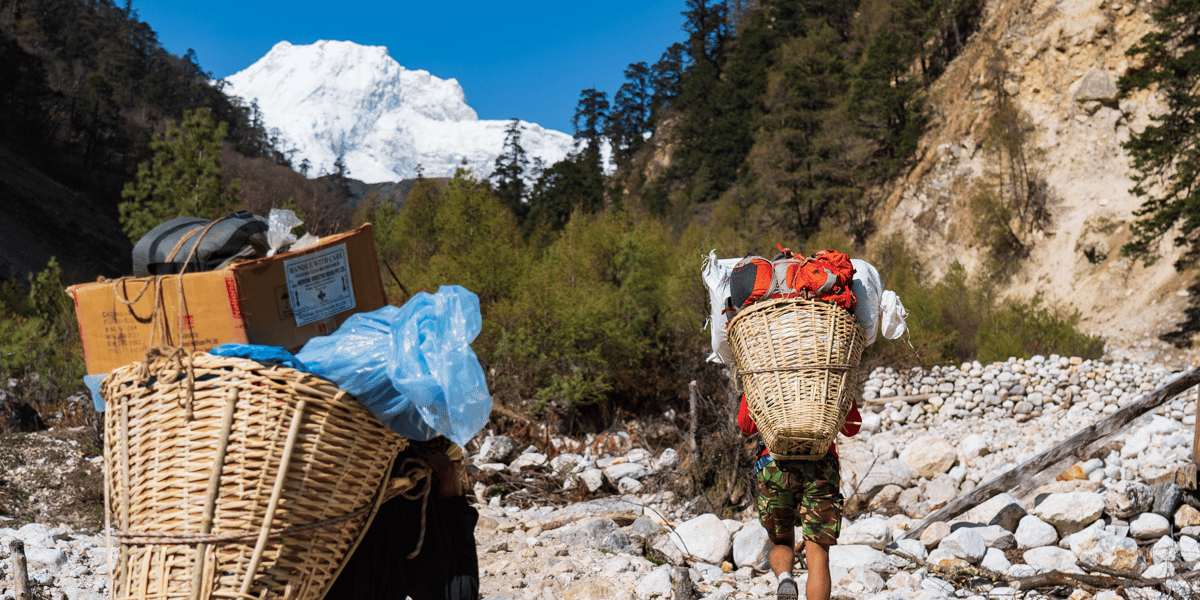
Besides emergency rescues, everything else is also quite limited, and even if available, costly. While accommodation and food in Manaslu have improved over the years, facilities like hot showers, clothing, and medicines are hard to get.
I came to know from a local of Samagaun that to visit real markets, they have to travel three to four days on foot. While we, as tourists, trek once for fun and adventure, we often forget how difficult it might be for the local people here. Yet, their warm smile and hospitality are what truly make this trek worth it.
Despite the remoteness, the love and care you receive from everyone on the trail reflect true Nepali culture. The reason Manaslu is a restricted area is to protect the unique cultural heritage and biodiversity from external threats. The permit you take is a promise that you won’t be disrespectful to the people or the animals here.
Rugged and Uneven Terrain
The lengthy trail is one thing, but alongside is the rugged and uneven terrain that makes trekking a little challenging. While the trail is well-maintained with proper stairs in the lower sections, there are certain regions that can be seriously tough.
During monsoon and post-monsoon, you’ll need to pass through landslide-prone areas. And even though vehicles can reach up to Pangsing, these landslides often prevent them from going past Tatopani or Maccha Khola. The same thing happened to us, and it slightly affected our travel plan.
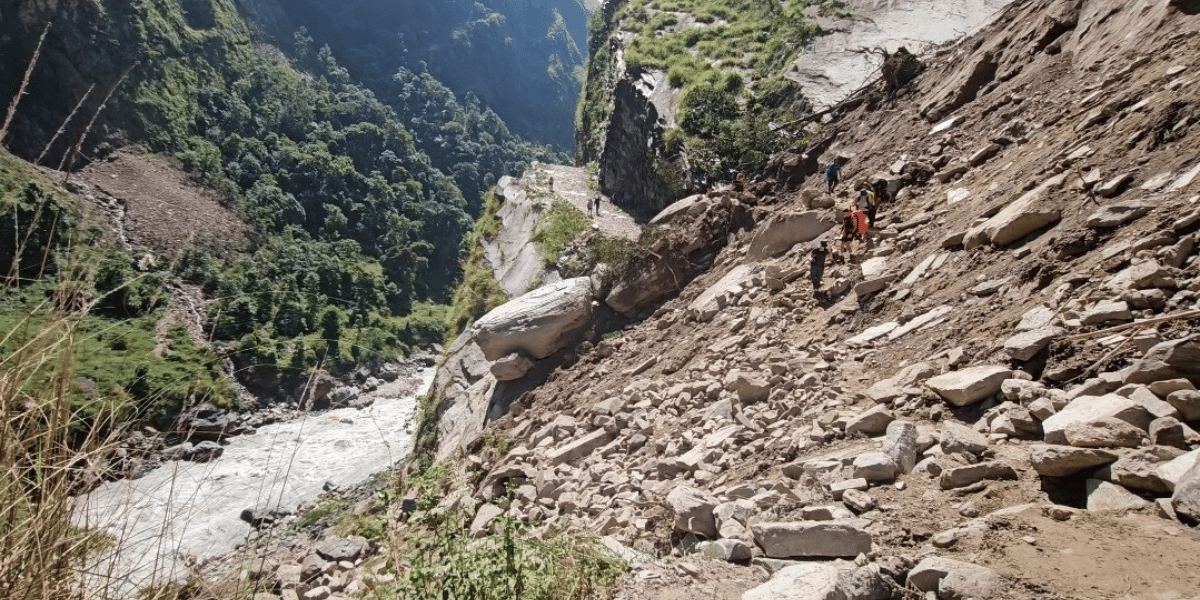
After reaching Samdo, the greenery disappears, and you’ll be welcomed by a rugged and barren route. When it snows, it becomes even more difficult to continue the trek (especially when the trail becomes icy).
Personally, I found the downhill stretch from Larke Pass to High Camp the most difficult part of my Manaslu journey. The 4-km steep downhill is going to hurt your knees, so you have to be extremely cautious. The path is very rocky, and during the snow, it can be even more difficult.
Considering that most parts of the trail are uneven and rocky, the Manaslu Circuit Trek demands sturdy hiking boots and quality trekking poles. You also have to be mindful of how you pack and the way you carry your bag.
Unpredictable and Harsh Weather Conditions
During your Manaslu Circuit Trek, you’ll pass through several climate zones. Starting with the sub-tropical zone, you’ll love the fresh air and slightly warmer temperature. But during the monsoon, rain may affect your travel, leading to landslides and making the trail muddy.
As you move higher to the temperate and sub-alpine zones, the temperatures start to drop. Although the region is still forested, the chilling temperature can lead to snowfall during peak winter. In fact, in the sub-alpine climatic zone, snowfall is almost guaranteed (after Shyala).

Upon reaching the arctic zone (from Dharmashala), even summer experiences extreme cold, with the highest temperature not exceeding 10°C. Precipitation here mostly comes as snowfall, so even slightly harsh weather conditions can make this stretch challenging.
Moreover, the section is quite unpredictable, as it snows very frequently. Even when we were here in the post-monsoon season (early autumn, which is supposed to be dry), the black icy path made it a little difficult for us, especially during the downhill stretch.
Seriously, weather is one of the most essential things to keep in mind when doing the Manaslu Circuit Trek. During extreme weather conditions, it becomes really difficult to cross the Larke Pass, and in such scenarios, we might even have to return. Therefore, choosing the right season is one of the most important steps during your planning stage.
Best Time for Manaslu Trek: Seasons Compared
I did the Manaslu Circuit Trek in early October, which is the peak season. The view was exactly what I had expected, and the weather remained clear throughout all 11 days, making my journey a lot easier.
But the downside was the overcrowding and multiple landslide sections that prevented vehicles from reaching Jagat (or Pangsing), forcing me to start hiking all the way from Maccha Khola.
This is what one of our guides described when he led some of our guests during the prime winter season: “The vehicle reached beyond Jagat, and the journey up to Shyala was a bit easy. But from there, snow made it difficult (especially when descending from Larke Pass). The risk of altitude sickness was high due to the extreme cold, and some had to be rescued.”
Similarly, when some of our other team members went on their respective journeys in different seasons, they had very different experiences. One fell in love with the spring season and recommended me to visit Manaslu at that time of the year, while another friend couldn’t even complete the trek when snowfall had blanketed the entire region.
After analyzing all of our experiences, here’s what our team at Altitude Himalaya thinks is the best season for the Manaslu Circuit Trek:
Autumn [October - November]
Keeping aside the overcrowding in the peak season, autumn is hands down the best time to visit Manaslu. The unrestricted views, clear skies on the majority of days, and ideal temperatures are prime reasons why many prefer this season.
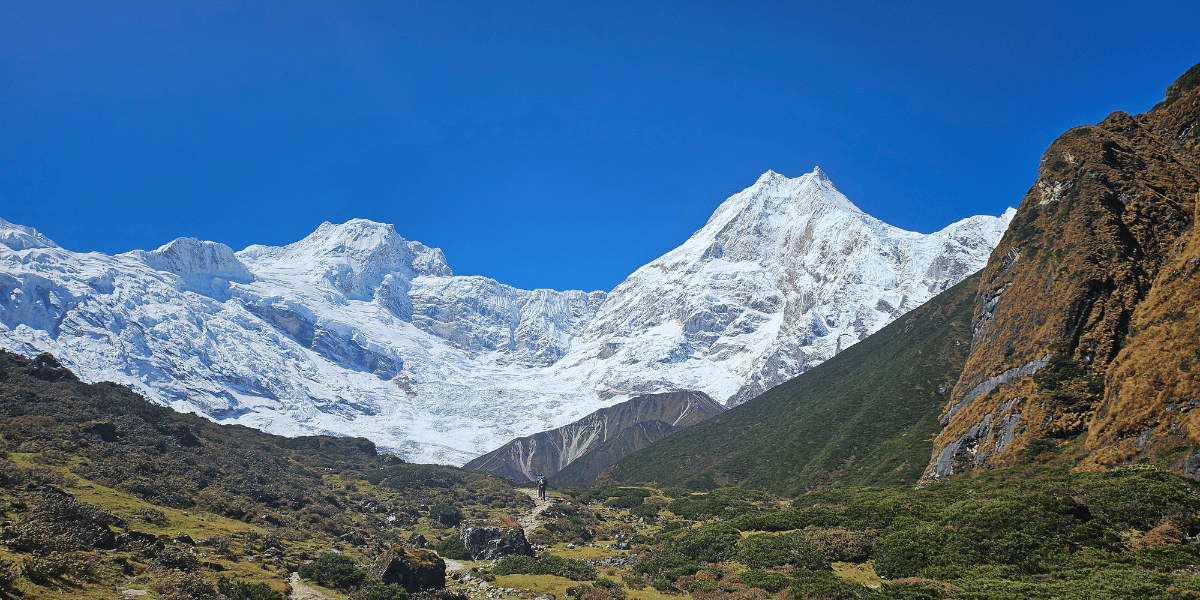
Even the route is scenic. Greenery remains, waterfalls carry a high volume of water, and trails mostly remain dry, making it just perfect. The day is usually sunny, while the nights and mornings can be chilly (still not too much).
While overcrowding was not a serious issue in the past, these days even the Manaslu region is seeing a surge of travelers. As a result, prices increase in the hotels, which have limited occupancy in this season, and those who seek true peace may find it lacking.
Spring [March - April]
Spring in Nepal is famous for rhododendrons, and Manaslu surely won’t disappoint you. Up to Lho, you’ll pass through blooming rhododendron forests, and even from Bhimthang to Tilche is a major highlight for flora lovers.
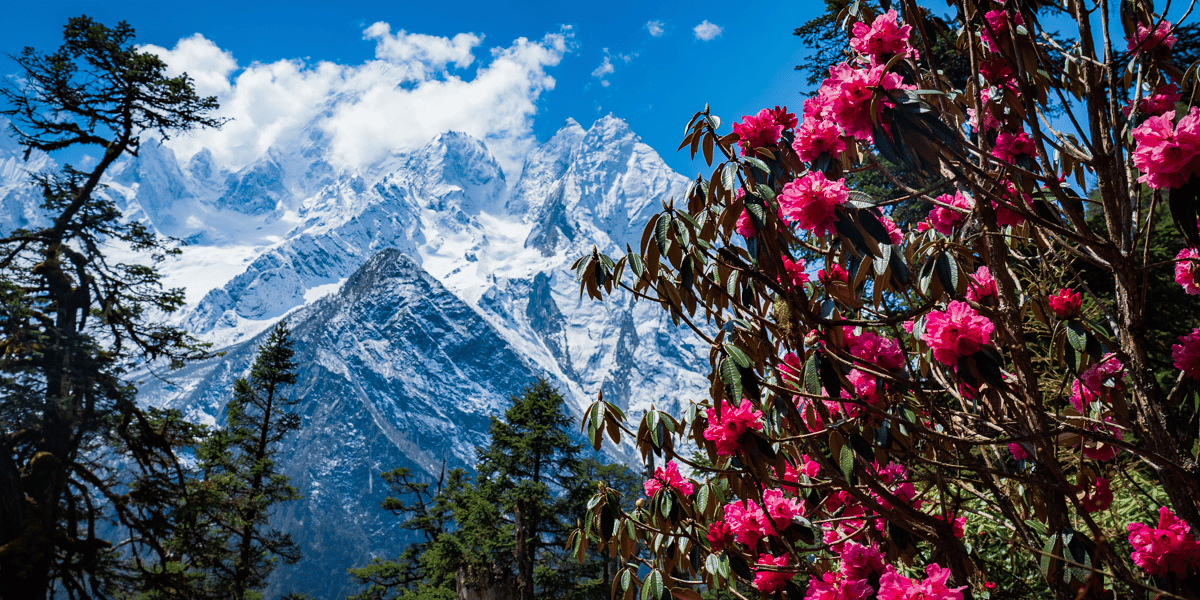
But do note that this is also a peak season, considering that most people opt for climbing during these months, thus increasing traffic on the trail. And while view-wise it’s still a great option, you’ll have to keep an eye on the weather conditions, as it can be quite unpredictable at that time.
Still, the manageable snow conditions, mild temperatures, and mostly clear weather make it an excellent choice for trek lovers.
Summer [May - June]
For those who seek warmer temperatures, the months from May to June are perfect for the Manaslu Circuit Trek. Considering the shift in the monsoon, summer has become known for dry trails and fewer chances of snowfall over the years.
The rhododendrons, along with other flora remain, and the surroundings are mostly green. But again, the weather remains unpredictable, and there are still chances of light to moderate rainfall (in the late summer/pre-monsoon period).
Usually, mornings remain clear, so you won’t be disappointed with the views. There’s no crowd, making it perfect for those truly trying to connect with nature.
Winter [December - February]
One of the least favorable times to do the Manaslu Circuit Trek is winter. The chances of snowfall are extreme in the high-altitude region, which increases the difficulty level of this journey.
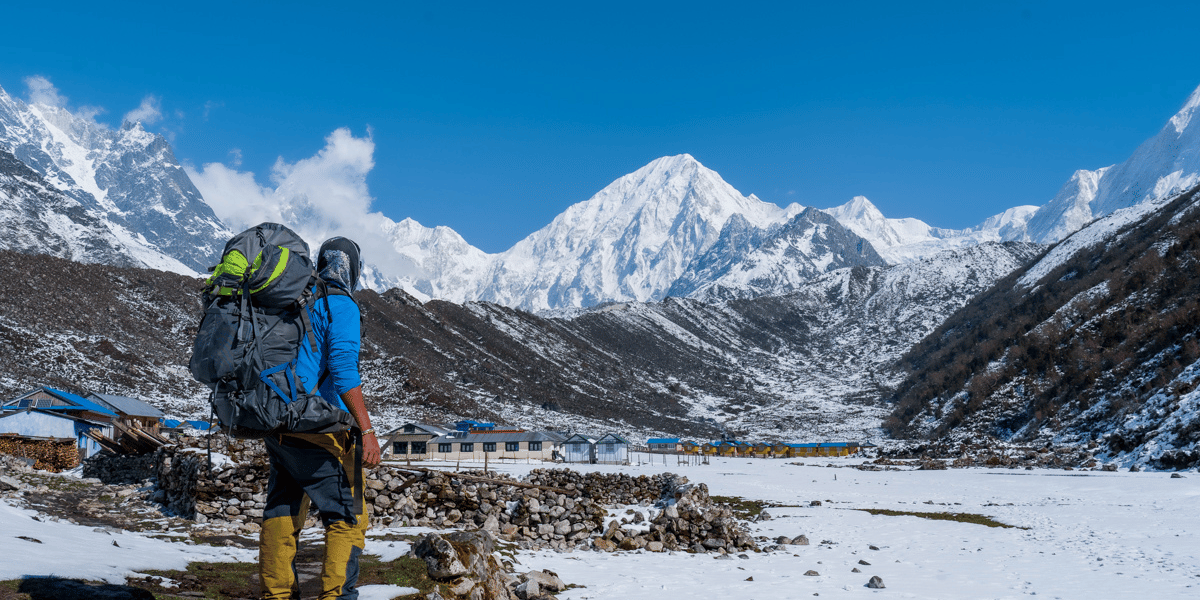
Although the crowd is smaller and you get unobstructed views of Manaslu (up to Samagaun), visibility still remains low in the higher regions. And not to forget that the temperature drops, increasing the chances of hypothermia among trekkers. Even if the trail remains dry, the water level in waterfalls decreases drastically, and snow makes it difficult to walk.
But for those willing to experience snow and take on the challenge, this season can be great. The road conditions will have improved, reducing the exhausting long trail from Macchakhola to Pangsing, and there won’t be many trekkers either.
Monsoon [July - September]
Another season to avoid is the monsoon season, which doesn’t just affect the Manaslu trails but also your journey to Gorkha district. This is the time that experiences the most landslides, and travel is affected all over the country.
The weather remains mostly unclear, which means the chances of mountain views are low. The muddy path and continuous rainfall increase the exhaustion and chances of sickness.
In the higher-altitude region, precipitation occurs as snow, so when conditions are too harsh, there are chances that you may have to turn back without crossing Larke Pass.
However, understanding weather conditions and planning a good itinerary can actually bring pleasant surprises even in this season. There can be times when there’s less rainfall, giving a similar environment to summer. In such cases, the mountain views appear even more beautiful. But to do that, you’ll have to rely on reliable travel agencies like Altitude Himalaya.
Season Creep: How It Has Affected Trekking in Manaslu
Choosing the appropriate season is honestly becoming a thing of the past. Due to global warming, the timing of the seasons has changed, not just affecting weather conditions but also causing significant impacts in the Himalayan region, including Manaslu.
Over the years, we’re seeing late and extended monsoons (affecting the autumn season and raining even in November!), harsh but short winters (you’ll feel temperatures growing from late February itself), and spring seasons (with fewer flowers).
These are all signs of a phenomenon called ‘season creep’. Sometimes, the exact opposite occurs, like shorter monsoons and longer winters, making conditions much more unpredictable.
This has imbalanced the ecosystem, affecting wildlife and tourism, not just in Nepal but globally. So, when choosing trekking, it’s essential to consider weather over season.
Even during my own Manaslu trek, I noticed the melting glaciers. This was a clear sign of global warming, but more than that, here’s what happened within a span of just one month in October 2025:
- Just a few days prior to our trek (late September to early October), there was heavy rainfall all over the country and snowfall even in the subalpine zone of Manaslu. Such conditions are quite uncommon.
- A week later, the heavy rainfall reappeared due to western winds, with heavy snowfall up to the subalpine zone. It felt like winter had come too early and autumn had been cut short!
Relying on travel agencies like Altitude Himalaya ensures that you remain updated about weather conditions beforehand. Although it’s hard to predict the weather, we make sure your safety remains our top priority and, therefore, instead choose alternative options or request you to postpone your plans accordingly.
Packing for Manaslu: Here’s What You Need
Packing is definitely one of the most confusing parts of any trek. And since the Manaslu Circuit is a long journey, it’s even more baffling.
Even I made some silly blunders. But I’ve analyzed what could have been better, and from that, I’ve prepared a trekking gear checklist for you that’s going to be absolutely helpful.
Note: We even include a porter service in almost all of our Manaslu packages, giving you the option to choose between a human luggage helper or a pack animal. They significantly help you, ensuring you can pack as much as you need (but don’t overdo it, as it may affect them too). You’ll see their hard work when you’re on the trek yourself, so be sure to tip them at least 10% of your overall trek cost.
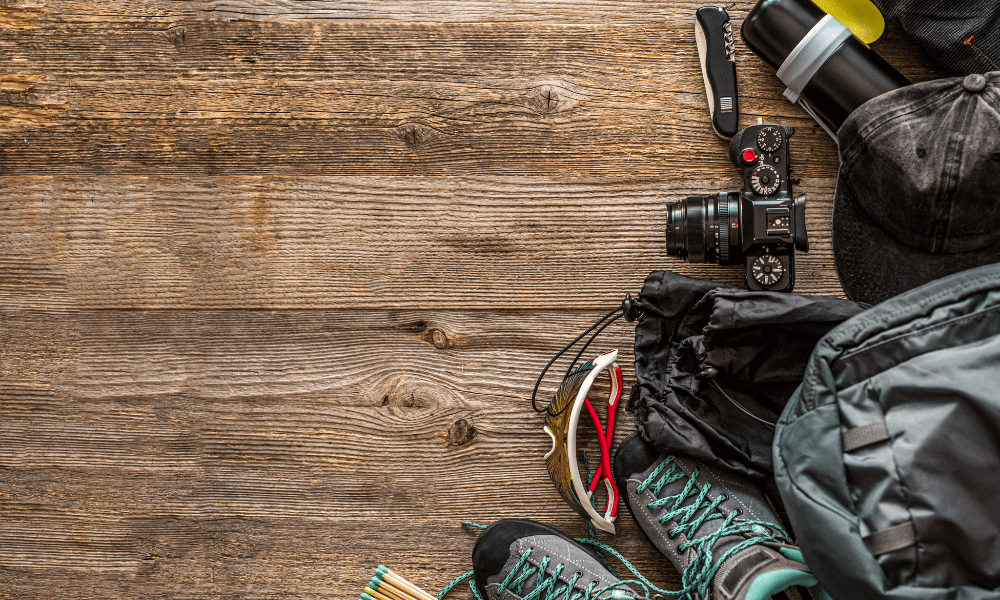
Clothing: LAYER THEM!
- Base Layer (for moisture control): 2 to 3 thermal tops (lightweight and quick-dry), 2 thermal bottoms for colder nights, Sports bras/innerwear that are sweat-wicking
- Mid Layer (for insulation): 2 to 3 trekking shirts (long/short sleeves, quick-dry), 1 to 2 warm fleece jackets or pullovers, Insulated down jacket (essential for high altitudes and mornings/evenings)
- Outer Layer (for wind and rain protection): Waterproof/windproof jacket with hood, Waterproof trekking pants, Lightweight windbreaker (optional but handy)
- Trekking Pants and Shorts: 2 pairs of trekking pants, 1 pair of lightweight trekking shorts (optional)
Headwear and Handwear
- Warm beanie or woolen hat
- Sunhat/cap with a wide brim
- Neck gaiter or buff for dust and cold air
- UV-protection sunglasses (must-have in snowy conditions)
- Lightweight inner gloves
- Warm insulated outer gloves
Footwear
- Sturdy trekking boot (waterproof and ankle support)
- 1 lightweight pair of camp shoes/sandals (for evenings and teahouses)
- Warm trekking socks (depends on days)
- Cramp-ons or spikes (required in the final stretch to Larke Pass and descend to High Camp)
Trekking Essentials
- Backpack (70–80L, with good hip and back support)
- Daypack (10-20L for essentials during acclimatization hikes)
- Duffel bag (we’ll provide you if required)
- Sleeping bag (required in peak season for night stay in Dharmashala)
- Trekking poles (highly recommended for descents)
- Headlamp with spare batteries (for that early morning hike to Larke Pass)
- Raincoat
Personal Items and Accessories
- Water bottle or hydration bladder
- Water purification tablets/drops
- Sunscreen (SPF 50+), lip balm with SPF
- Quick-dry towel and toiletries
- Wet wipes/hand sanitizer
- Deodorant (showers are limited at higher altitudes)
- Personal first aid kit
- Prescribed personal medications
- Snacks/energy bars for long days
Electronics and Miscellaneous
- Camera or smartphone (with extra batteries/power bank)
- Universal travel adapter (standard voltage of electricity in Nepal is 220-240 Volts and 50 HZ)
- Lightweight book, journal, or cards
- Earphones or headphones
Documents and Money
- Valid passport with Nepali visa
- Copies of travel insurance covering high-altitude trekking
- Cash (Nepali rupees)
- Photos and other documents that we will inform you of
Trekking Permits
Below is the list of permits you will need for the Manaslu Circuit Trek and their respective cost according to the seasonality and your nationality.
|
Permits
|
Season
|
Nepali Citizens
|
SAARC National
|
International Trekkers
|
Child Discount
|
|
Manaslu Conservation Area Project
|
All
|
-
|
NPR 1000
|
NPR 3000
|
Free for children below 10 years
|
|
Manaslu Restricted Area Permit
(covers Chumnubri Rural Municipality 1, 2, 3, and 4)
|
September to November
|
-
|
For a week: USD 100
|
|
Beyond 1 week: USD 15/day
|
|
December to August
|
-
|
For a week: USD 75
|
|
Beyond 1 week: USD 10/day
|
|
Chumnubri Rural Municipality Permit
|
All
|
NPR 200
|
NPR 1000
|
|
Annapurna Conservation Area Permit (ACAP)
|
All
|
-
|
NPR 1000
|
NPR 3000
|
Booking Your Manaslu Trek with Altitude Himalaya
You’ve heard my experiences, gained insights, and learned different facts about the Manaslu Circuit Trek. Now, let’s talk about cost and packages.
Your expenditure on this long journey depends on the number of days you’re planning to trek. Add a few extra bucks, and you could explore even the hidden trails of Manaslu that many are unaware of.
Lucky for you, our team at Altitude Himalaya has been working on multiple packages (we’ll update them here as we continue preparing unique itineraries). You may choose one and get a quote today itself:
Don’t hesitate to contact us directly via WhatsApp for further details, even if you are a solo trekker who wants to join a group; we have got you covered with our Manaslu Circuit Group Join Trek. We’re open to helping you in the best way possible.
Pro Tips for Manaslu Circuit Trek (From My Own Experience)
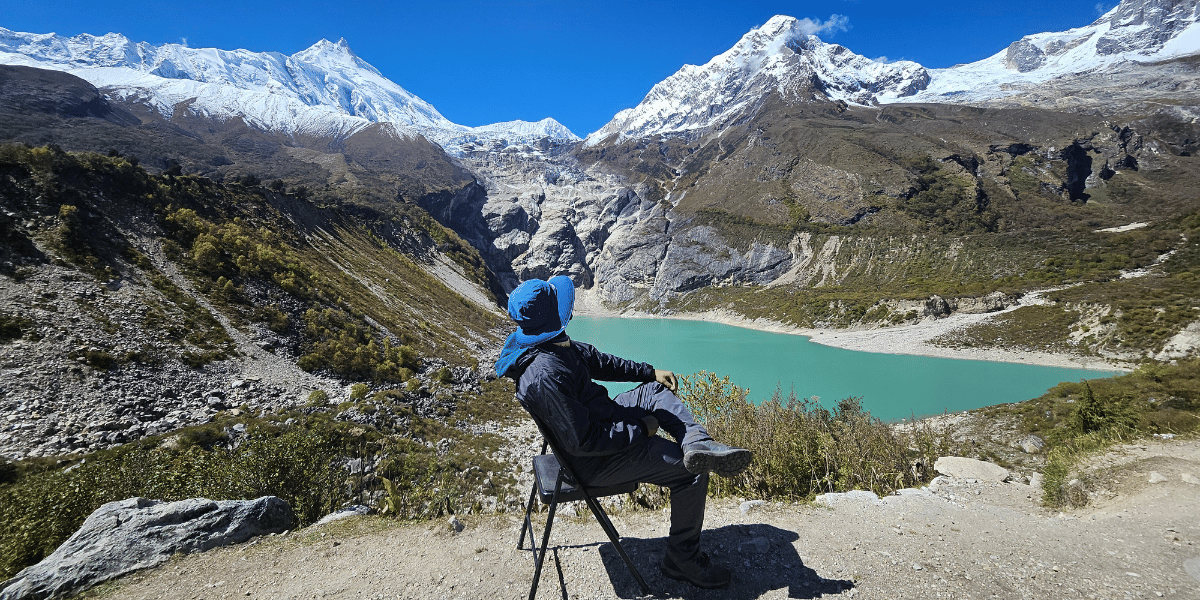
Having completed the Manaslu Circuit Trek myself and made a few mistakes along the way, I want to make sure you don’t repeat them. Here are some essential tips that will be extremely handy on your adventure:
- Analyze Weather Conditions: You’ll choose your season, but no matter the month, always be informed about precipitation chances, weather conditions, and visibility beforehand. There are online tools to help you plan.
- Pack Smart: Don’t overpack. Even if you have a personal porter, understand how difficult it can be for them. Carry only the essentials that I listed above with a few extras for emergencies. And don't forget to carry extra Nepali cash (around USD 150 to 200) for personal/emergency needs.
- Get Physically Checked: In order to enjoy a successful trek, you need to be in good health. So, avoid the trek if you’re physically unwell, as there will be no vehicles available once the trek begins (and the only possible evacuation shall be by helicopter).
- Choose a Reliable Travel Agency: Safety is a must in the Himalayas, and the Government of Nepal doesn’t allow solo trekking in restricted areas like Manaslu. In fact, hiring a licensed guide is mandatory, and you must go through the travel agency for RAP processing.
- Get Insured: Travel insurance is often overlooked, but you cannot skip it here in Manaslu! Looking at past data, many trekkers have required helicopter evacuation due to altitude sickness, injury, or weather-related problems. That's where insurance protects you from the high costs of emergency rescue. And as I mentioned earlier, it’s a kind of compulsion in restricted areas, because without it, you cannot obtain the RAP.
- Travel by Jeep Where Possible: Vehicles now reach up to Pangsing (a little past Jagat). Skipping this lower-altitude section saves time and energy. The days saved can be used later for acclimatization.
- Start Early, Reach Early: Strong afternoon winds are common in the Himalayas, and the Manaslu region is no exception. The earlier you start, the higher your chances of completing the day early and safely while acclimating well and even getting the chance to do extra hikes nearby. Particularly on the Larke Pass day, be sure to start early in order to avoid extreme winds in the afternoon!
- Do Stretches Before Every Hike: Early morning light exercises prevent muscle aches from previous days and also are a preventive measure against injuries during this long trek.
- Stick with Your Guide and Follow Instructions: Guides and local porters know the trail and its challenges more than anyone else! They can advise where to stop, the do’s and don’ts, and answer your questions. Always listen to them and seek help when needed.
- Don’t Just Travel, Explore With Time: The Manaslu region has plenty of hidden gems (Hinang Gompa, Himalchuli Base Camp, Sherang Gumba, and much more!). So, it's best to allocate enough time to explore these attractions and also socialize with the Nubripa locals. Note that this trek is not just about crossing Larke Pass, it’s also about the richness in culture and unique experiences.
- Don’t Feed Animals Randomly: Domestic animals are everywhere, but feeding them incorrectly can harm their health (if you're a pet owner, I'm sure you know about this). There's one board somewhere in Philim that has requested not to feed these animals (and I'm sending their voice to the world through this very blog). Better to ask locals for guidance on the proper food and method if you really want to.
- No Speakers, please: Let me remind you that you’re in the Manaslu Conservation Area to experience nature. Here, birds sing to you naturally, and the sounds of the river are much more soothing than any song! If you're still really interested in listening to music after coming this far, kindly use headphones and don't play it loudly anywhere on the trail, disturbing others and the peaceful surroundings.
- Carry a Small Trash Bag: Trash bins are rare along the trail (not placed everywhere), and you have to reach a teahouse just to throw the wrappers. So, kindly carry all waste and don't litter the beautiful Manaslu trail that has been maintained by the locals.
- Don’t Underestimate Altitude: The trek gradually rises from 1,300 m (Jagat) to 5,106 m (Larke Pass) in about 11 to 12 days. It's best if you go slow, follow the “climb high, sleep low” principle, and avoid activities that could increase the chances of altitude sickness.
- Inform if You Show Signs of Sickness: Many tend to hide their illness, only to suffer later. But since you're accompanied by professional guides on this trek, know that they are always ready to help. Still, it’s your responsibility to report if you start showing signs of AMS (ignoring may lead to severe conditions, like HAPE or HACE).
- Be Respectful of Culture: Manaslu is rich in Tibetan Buddhist culture (people here are called Nubripa, an officially registered ethnicity since the 2021 Census). So, get ready to walk past chortens, stupas, and monasteries along the Manaslu route. Respect the people here, their lifestyle, and their customs. And if you start practising Nepali words like "Namaste" (meaning, hello) and "K cha" (meaning, how're you?), I'm sure you'll say “dhanyabad” to me later (which means: thank you).
- Help Others: Please do be mindful of trekkers around you (I'm not just referring to your group, but also other trekkers). Assist anyone who's seeking help, and since Manaslu is chosen by trekkers from different nationalities, please refrain from using racially abusive language.
Final Words
Without a doubt, the Manaslu Circuit Trek is one of the best treks you can do in Nepal. Its length, remoteness, and high altitude make it challenging!
Yes, but the breathtaking views, lighter crowds, and culturally rich communities are more than enough reason to say “yes” to this adventure.
I wrote this article a few weeks after my trek (and updating it monthly), but every time I re-read this sitting at my office desk, my mind is back on the Manaslu trail!
Those waterfalls I crossed in the lower regions, the mountains I captured with my own eye (not just camera), the golden sunrises I experienced in Shyala and Samagaun, the serene Birendra Lake, and also the Nubripa people I connected with in Samdo: all of them linger in my memory like a beautiful dream!
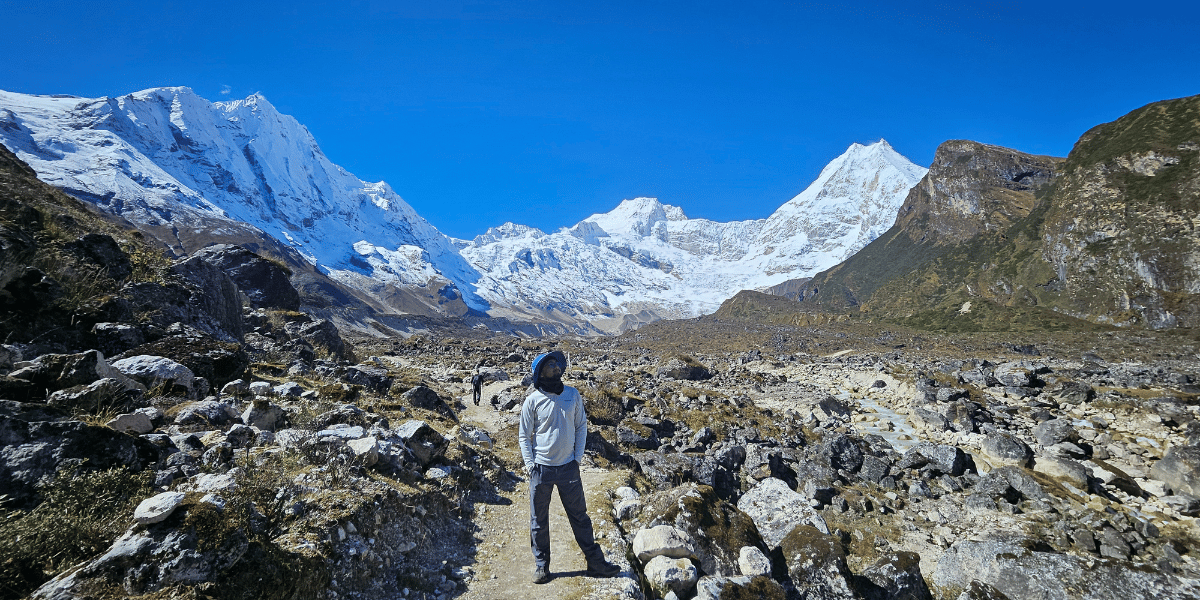
For me, visiting Pungen Gumba with its unreal views and Birendra Lake that reflected the mountains were the standout highlights!
And reaching Larke Pass? Well, that was one achievement I’ve ticked off from my ‘Nepal trekking’ bucket list and also one that I’ll forever cherish!
I’m not going to lie: some stretches did test my limits, and there were also moments where I had to question my own decisions! But looking back now, I can only smile as they were all part of an amazing 11-day adventure.
Overall speaking, I now have a story to share with friends and family. Manaslu was truly incredible, and if I get the chance to return, I’ll definitely go again to explore even more of the areas I missed, particularly the Manaslu Base Camp and Ponkar Lake (amongst many).
And if I had to say one thing to you in the end, it would be: if you have the opportunity, just don’t miss this trek! Our Altitude Himalaya team is already here to guide you, and all you have to do is book this trek with us.
We’re sharing similar stories and crafting travel guides here on Altitude Chronicles. Check out our blogs, share this article with your travel buddies, and feel free to contact me directly for any help!
Did I fulfill my promise? I hope I did. And if you do travel with us, don’t forget to tag Altitude Himalaya on your Instagram stories.
Wishing you the very best on your Manaslu Circuit Trek!



 Bhishu Acharya