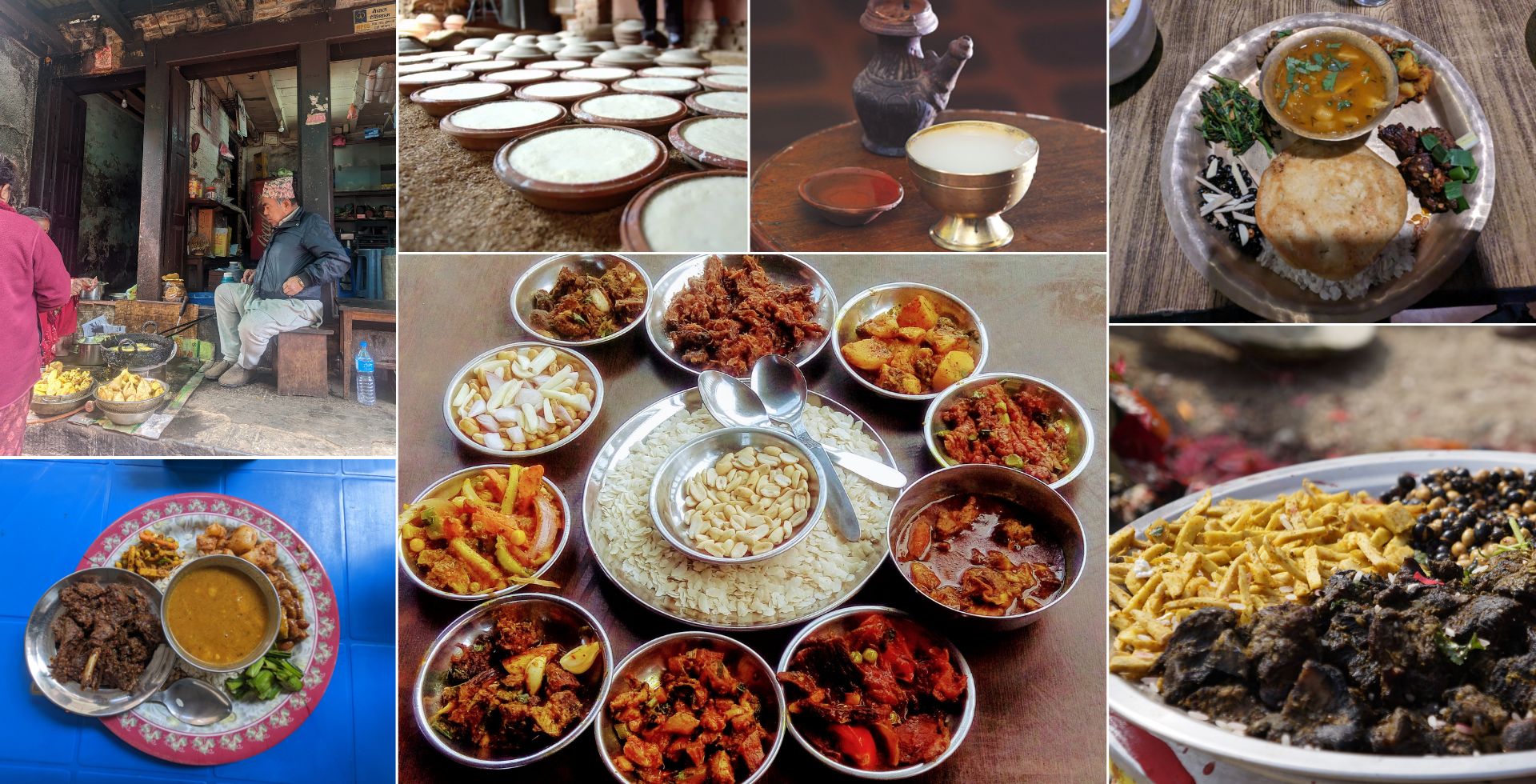
Bhaktapur’s Newari cuisine isn’t just about a list of unique recipes; it depicts a history of its soil and climate and, finally, what emerged from it to please your palate. The traditional Bhaktapur food and drinks in front of you are the result of experience, dedication, experiments, and ingenuity of the older generations.
When in Bhaktapur, you won’t try just orthodox dishes; you’ll taste generations of effort and devotion to the land along with their centuries-long traditions.
Every food or drink from the Newari cuisine comes in a unique manner befitting their culture. From the way it is served to its arrangement around the platter, every action carries a deep meaning, reflecting factual and mythical narratives.
Some might flag these recipes as kitchen accidents, and, honestly, I really can’t blame them. With recipes this unique, anyone will have a hard time believing they were purposefully developed over centuries as precise, cultural, and ritualistic culinary art forms.
A closer observation of the texture, consistency, and resistance of these culinary arts will compel you to try out every dish you see in Bhaktapur!
Bhaktapur’s Food at a Glance
Before we dive deep into the actual Bhaktapur food guide, here’s a quick sheet regarding what Bhaktapur’s food is like at a glance. This’ll help you know what to order first:
|
If you want…
|
Order this
|
Food Type
|
What to expect?
|
|
The most famous Newari sweet
|
Juju Dhau
|
Dessert
|
A sweet yogurt that is served in a clay pot.
|
|
An iconic Newari treat
|
Yomari
|
Dessert
|
A steamed rice-dough filled with chaku (molasses) or khuwa (dried milk solids).
|
|
The Newari bhoj platter
|
Samay Baji
|
Lunch or snack
|
Beaten rice with egg, meat, black soybeans, pickles, and usually a salincha (cup) of Aila alongside.
|
|
A snack that can be made both veg & non-veg
|
Bara (Wo)
|
Snack or appetizer
|
A fried patty of ground black lentils, crisp at the edge, packed in the middle.
|
|
A unique Newari dish
|
Sapu Mhicha
|
Special side dish
|
Buffalo tripe casing stuffed with bone marrow that is slow-cooked until tender.
|
|
The traditional alcohol from Bhaktapur
|
Aila
|
alcoholic beverage
|
A clear, homemade alcohol, distilled from rice or millet.
|
|
A food found only in Bhaktapur
|
Tigani's beaten rice
|
Snack or part of lunch/dinner
|
Hand-pounded flat rice flakes with a crunchy and smooth texture.
|
|
A quick snack
|
Chatamari
|
Snack or light lunch
|
A thin rice-flour base with minced meat, egg or vegetable toppings.
|
What Makes Bhaktapur Food and Cuisine Unique?
Bhaktapur tastes different because of the Newar community and their culture; that’s a fact, but not all of it. So, why is Bhaktapur food unique?
Well, Bhaktapur, Lalitpur, and Kathmandu all are situated in the same ‘Kathmandu’ valley, yet Bhaktapur established its own distinct presence in terms of food and culture.
This was due to the combination of lacustrine and silty clay loam soil, hardworking farmers, their preferred livestock, and practices that they followed.
Let’s trace the foods and drinks of Bhaktapur back to how they actually started and see how they evolved over time.
Rich Lakebed Soil That Shapes the Flavor
Bhaktapur’s culinary art began in a valley with fertile soil and its pioneers. The climate, ground, atmosphere, and the pioneers’ lifestyle gave the foundation to this art that was carried on and further developed by their generations and usurpers.
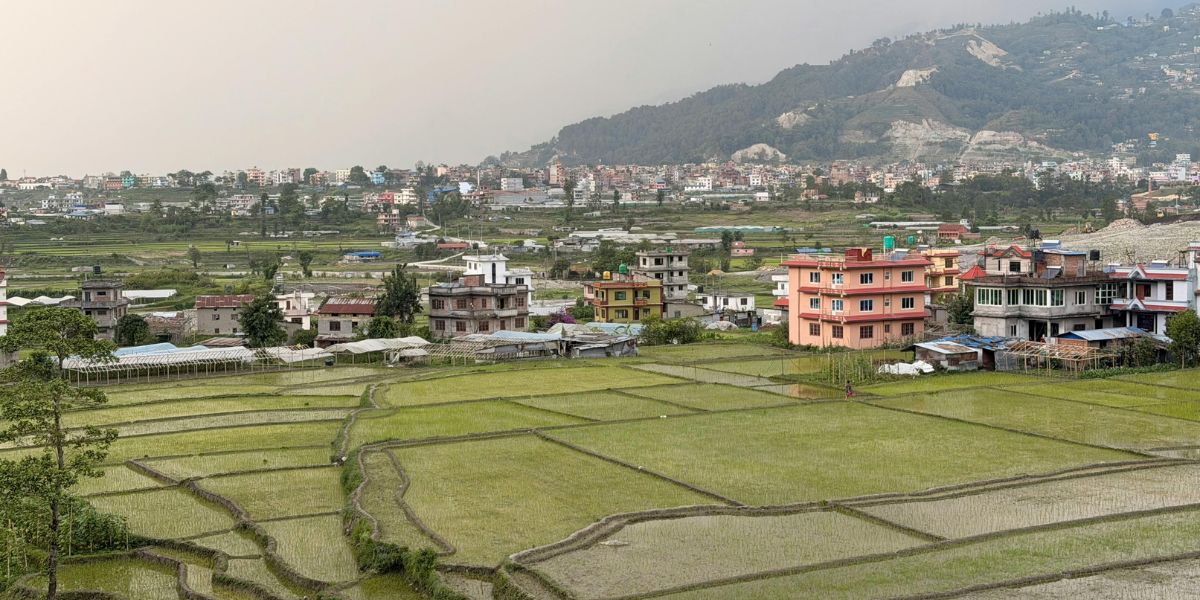
This part of the story is rarely talked about in a restaurant menu, but it’s the actual reason why Bhaktapur’s food tastes like nowhere else.
According to geologists, somewhere between 2.8 million and 10,000 years ago, the Kathmandu Valley was a roughly 200 metres deep lake (now termed Paleo Kathmandu Lake). A number of earthquakes and landslides finally drained it, making it arable land.
Local myth has a more dramatic version of the same event. It’s believed that the Bodhisattva Manjushree cut a gorge at Chobhar with his flaming sword and drained the lake (Nagdaha).
Both point to the same outcome: a valley floor with unusually rich, moisture-heavy, and lacustrine soil was ready to be inhabited.
Well-Drained Lacustrine Soil That Outclasses Nearby Districts
Kathmandu, Lalitpur, and Bhaktapur are within the same valley, but they have different terrain and hydrology than one another. While Kathmandu and Lalitpur occupy the lower, densely saturated basin, Bhaktapur sits on a slightly higher eastern rim of the valley.
Bhaktapur’s elevated topography features well-drained lacustrine and silty clay loam soils that prevent protracted waterlogging and root rot of crops. This allowed indigenous Jyapu (Newar) farmers to practice frequent and intensive vegetable cultivation (dyan) alongside traditional grain cycles.
Traditionally, farmers used Halo (ox plows) to plow their fields, but the Jyapu farmers preferred hand hoes called Ku (kodalo). Ku allowed farmers to thoroughly dig the vegetable beds while keeping the soil fertile and well-aerated.
These fields were irrigated using the rajkulos (royal canals), which were commissioned by the Malla kings to bring clean water from rivers, springs, and ponds to the city’s religious sites and stone spouts.
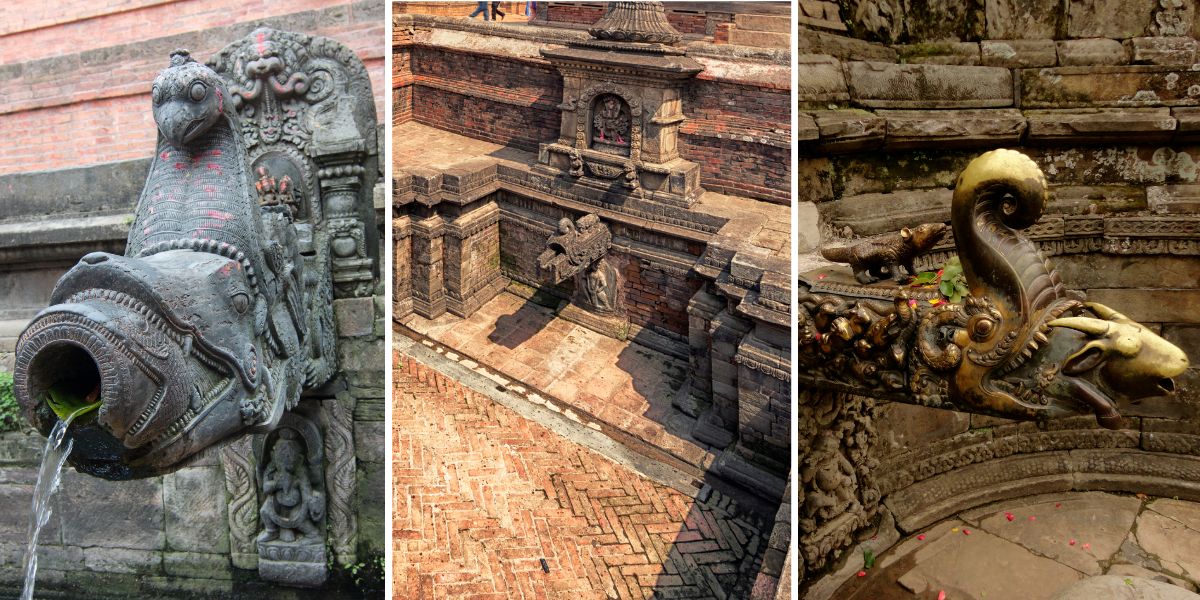
Upon seeing their broad utility, these canals were directed towards the agricultural fields as well. This gave a huge boost to the soil productivity of Bhaktapur, and it was now easier to perform crop rotations.
Jyapu Farmers: The Master Craftsmen of Bhaktapur’s Soil
Historians claim it was the Gopals (cow herders) who first inhabited the dried lakebed of Kathmandu Valley, followed by Mahispals, Kirats, Licchavis, Mallas, and then Shahs. Some laid the foundation of farming, while some shifted the dairy economy, and some moved the valley towards a settled and terraced agriculture.
But what really matters is who actually honed the earth to ensure food reaches your plate. Unarguably, that would be the Jyapu people, the traditional Newar farmers, who form the core farming and cultural cornerstone of the Newar community.
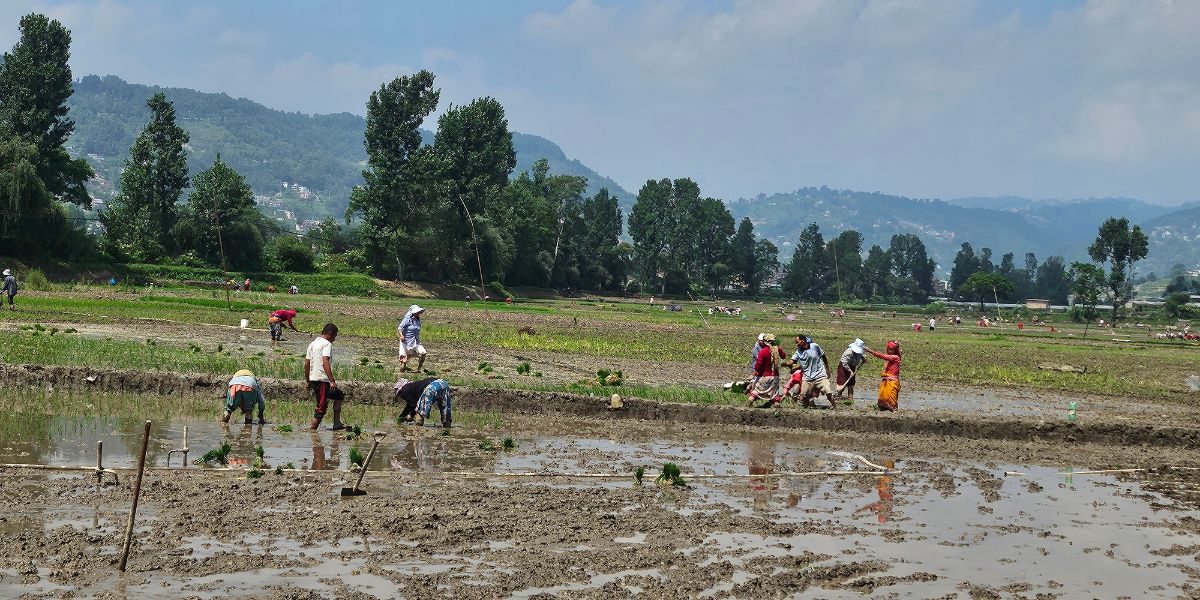
The word "Jyapu" originated from “Jya” meaning "work," and “ya phu” meaning “to be able” or “capable of doing,” which compressed over time into Jyapu. For centuries, the Jyapu have contributed to building Bhaktapur’s entire calendar of festivals, songs, cuisine, and rituals.
Farming and worshipping deities or idols were never separate activities of Jyapu people in Bhaktapur. The Guthi system controlled the arable lands, which formed a mutual trust tying Jyapu people to temples and festivals.
This led to portions of their harvest contributing to the maintenance of shrines, funding festivals, and holding feasts.
A perfect example of this tradition would be rice transplanting. Every year in the monsoon, Jyapu women perform rice cultivation in an ankle-deep mud field. They sing folk songs to keep the pace and play with mud to make this backbreaking work bearable.
What about Jyapu men? Well, they were tasked with plowing the fields using hand hoes (kodalo), which have been replaced by modern farm tractors.
Terracing, seed selection, and timing to flood or drain the field - all these agricultural practices have been refined and passed down within families.
Jyapu identity isn’t a minor, disposable identity of Nepal. Our country has marked the full moon day of Mangsir (falling around mid or late December) as a national Jyapu Day along with Yomari Punhi each year. This is a testament to the Jyapu community, whose labour built the food culture everyone else enjoys in the valley.
The Valley’s Kitchen Garden: Feeding Kathmandu and Lalitpur
The dense and moisture-retaining soil of Kathmandu and Lalitpur is perfect for wetland crops, but they lack the aeration for sensitive root systems. Bhaktapur, on the other hand, has silty loam soil that acts as a natural sponge, absorbing vital moisture while venting excess water and preventing root rot.
Furthermore, the presence of hard clay soil in Kathmandu and Lalitpur makes cultivation possible only twice a year. The light and porous soil of Bhaktapur, on the other hand, makes it easy for the cultivators to till, sow, and reap crops four times a year.
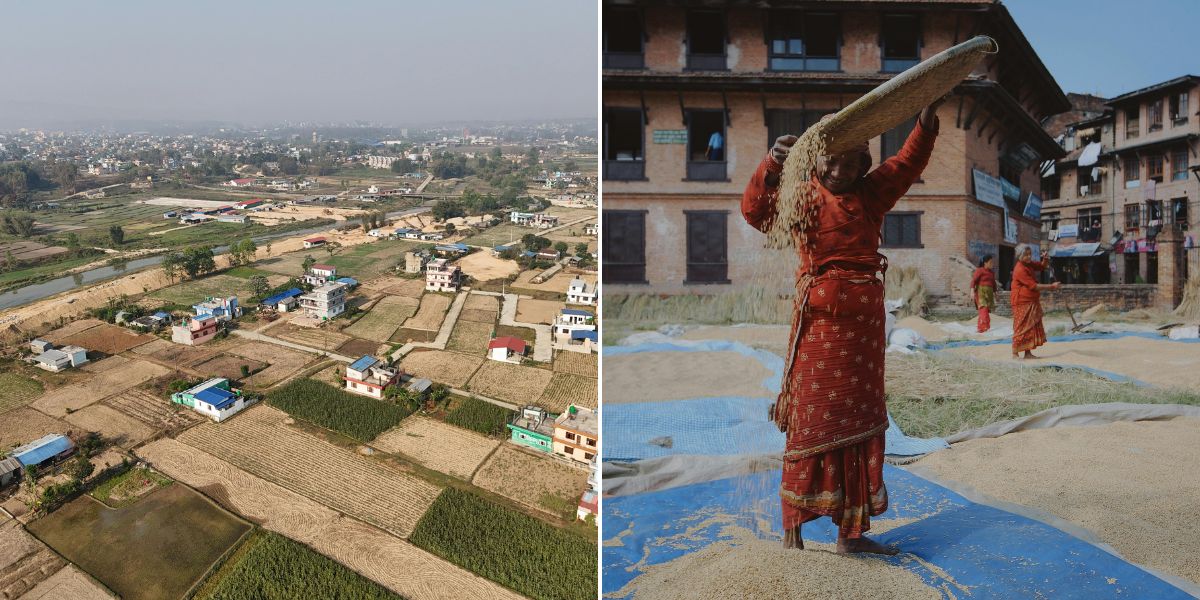
Bhaktapur’s farmlands sit on naturally elevated tars and keep high-value, fragile crops like tomatoes and leafy greens safely above rising waters. This gives Bhaktapur a huge advantage in vegetable farming!
These unique benefits have made areas like Madhyapur Thimi a premium vegetable hub since ancient times.
Crops That Shape the Newari Cuisine
Everything cultivated in the fields of Bhaktapur throughout the ages eventually found its way onto a plate (directly or indirectly). Some crops became the star of a dish, some were prepared as a supporting ingredient, and some became invisible elements but impossible to leave out.
Here's how the main crops of Bhaktapur appear:
Staple and Cereal Grains
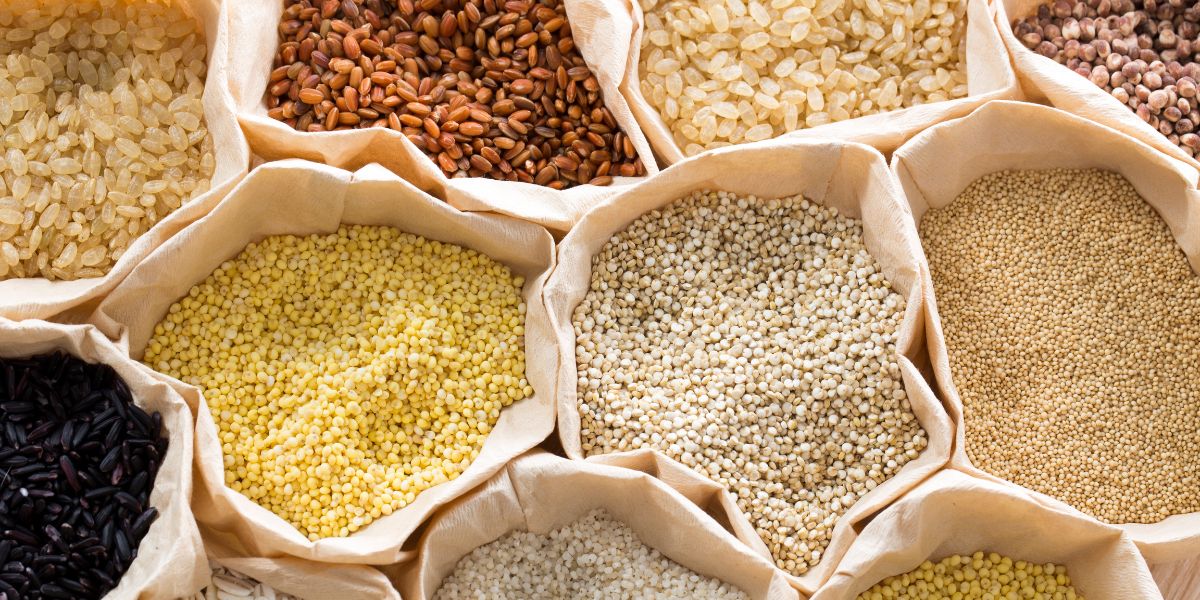
These are the edible seeds of grass plants and the calorie-giving crops, which are consumed as everyday meals as well as centrepieces in festival rituals.
Rice
Rice is the dominant grain in Newari cuisine and takes three to five months of tiresome tasks like sowing, transplanting, and harvesting.
This crop is the star ingredient of many Newari dishes, such as Yomari, Baji (beaten rice), Chatamari, Jakimari (rice-flour flatbread), Ja (boiled rice), and Gophuki (puffed rice).
Fermented rice is also distilled to make the signature Newari alcohol, crystal-clear Aila.
Wheat
Rice might be the dominant grain of Newari cuisine, but wheat has always been an important ingredient in Newari food culture. Breakfast, snacks, ceremonial sweets, and some savoury dishes often use wheat as their ingredient.
Gwaramari, Swari (puri), Gworcha (paniroti), Lakhamari (sweet bread), Khurma (crunchy sweet), Fini Roti (deep-fried flatbread), and Chhusya (parched wheat) are all prepared from wheat.
Millet and Barley
Millet is a companion crop of rice in Nepal, and it holds more fiber and protein and a lower glycemic index than rice.
In Newari tradition, millet is the primary ingredient for alcoholic beverages like Aila and Thon.
On the other hand, barley is used for both alcoholic beverages (Aila and Thon) and a non-alcoholic drink called Sisha too.
Unique Crop Variants From Bhaktapur
The existence of this culinary art is not as simple as farmers reaping what they sow and later decorating our food plate.
After experimenting with different crops and their variants in the valley's soil for generations, these genius people started growing crops that reap unique flavors specific to this valley’s soil and climate.
Taichin Rice
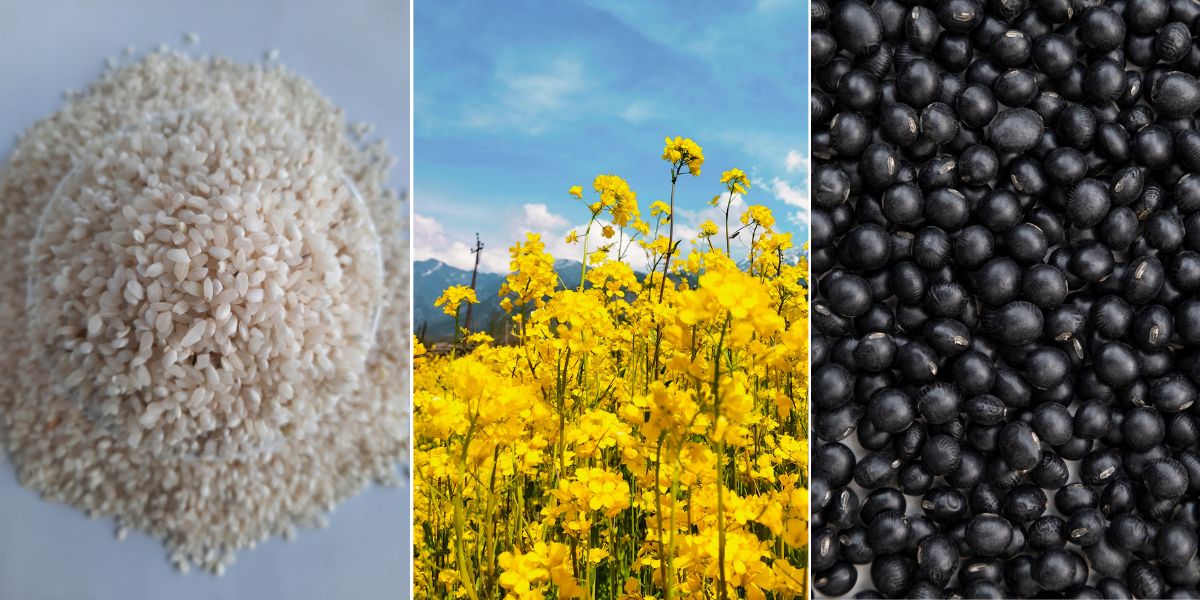
The valley’s altitude, soil, climate, and monsoon timing create an atmosphere perfect for this sticky and aromatic rice called Taichin. Even with its seeds, one cannot grow Taichin in other places quite as well as the farmers in Bhaktapur do.
Taichin chiura (the beaten form of Taichin rice) has a texture of light crispiness and satisfying crunch unique to any other kind of chiura.
Cultivation areas of this crop include Thimi, Bode, Nagadesh, the fields of Katunje, and key areas like Chhaling, Duwakot, and Jhaukhel.
Valley Mustard
The mustard grown here gives a sharper, more pungent flavor than those grown at lower and hotter elevations. If you compare them, you’ll find Newari mustard oil tasting noticeably different from mustard oil bought elsewhere in Nepal.
In the past, the city outskirts, the margins of the Manohara and Hanumante Rivers, and areas stretching towards Changu Narayan Temple, another world heritage site, had densely cultivated fields with winter mustard.
However, at present, Gatthaghar, Manohara, Nagadesh, Bode, Gundu, and Balkot have become the dominant areas.
Black Soybean
When soaked, the black soybean growing here holds its shape and stays intact instead of turning to mush; this is the reason why it is valued so much.
After cultivating this distinct variety of soybean used in Bara and Kwati for generations, people treat it as an endemic variant from this valley.
The terraced fields of Gundu, Sipadol, Tathali, Jhaukhel, and Duwakot are the biggest suppliers of these beans today.
Oilseed, Sesame, and Sweetener Crops
Mustard is what gives so many Newari dishes the sharp and pungent edge. Chhoila, Aloo ko Achar, and Haku Masya all rely on mustard oil and seed for that mustardy Newari flavor.
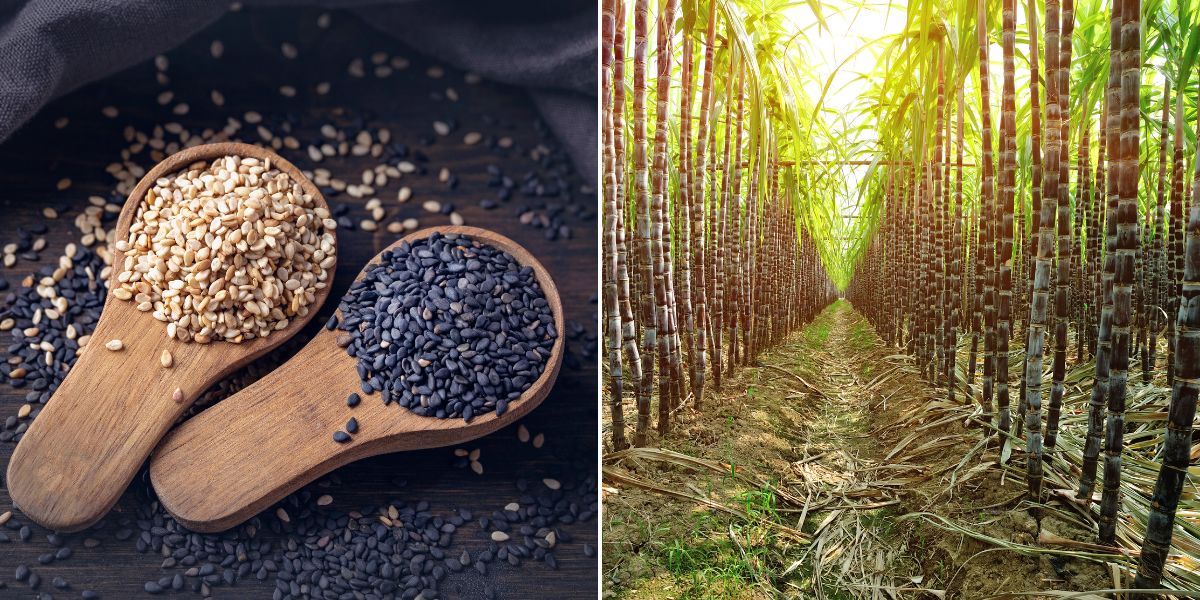
Sesame seeds are preferred in winter dishes and sweets for their nutty depth. Yomari and Haku Til ko Achaar are hard to imagine without sesame seeds in them.
The syrup-glazed Lakhamari, and the molasses filling inside of Yomari are processed from sugarcane.
Spice and Aromatic Crops
Dishes like Kachila, Palu, and Laba cannot be prepared without spices like ginger and garlic. The gingerol and diallyl disulfide from ginger and garlic give the spicy kick and incredible aroma to pair with Newari foods.
These are served as a pungent paste, a digestive aid, and a way of cutting through the richness of meat.
Pulse and Legume Crops
Black gram and soybean, of the Fabaceae family, are one of the foundations in Newari snacks. These crops provide almost everything you would need in a balanced meal, including protein, carbohydrates, fiber, vitamins, and minerals.
One of the most popular dishes, Bara in Bhaktapur, is prepared from these crops.
None of these crops are exotic and are commonly grown across Nepal, but Bhaktapur grows its refined variants, making them taste different. This is the reason why the same dish will taste different when prepared using the same ingredients but on different soil.
Livestock and Choice of Meats
Animal husbandry here is as ancient as farming, and the choice of animals was also selected to suit the climate, terrain, limited space, and a specific set of cultural needs. This continued practice over the course of years shaped the non-vegetarian side of Newari cuisine.
Buffalo
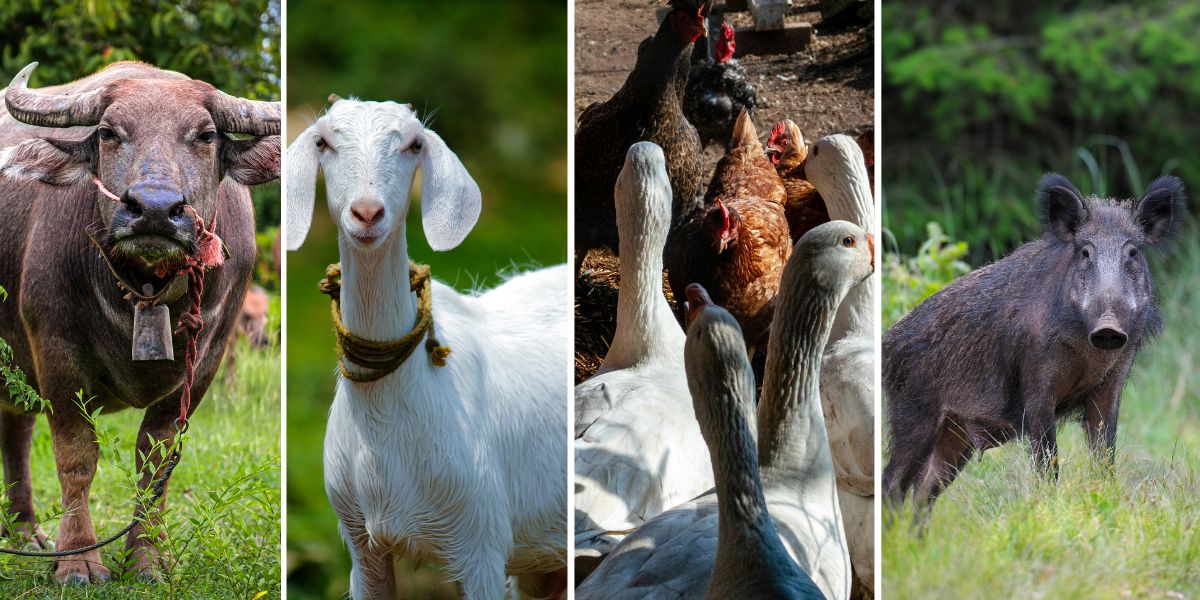
The most dominant livestock in Newari cuisine is undoubtedly Buffalo; it’s a source of meat and dairy products. Haku Chhwela, Kachila, and Sukuti of Buffalo from Bhaktapur have intense and deep savory flavors.
Even the organs and blood are not thrown away; rather, they turn into unique dishes: Sapu Mhicha, Bhuttan, Nhyapu, Mye, and Chohi.
While beef is quite common in other countries, Nepal legally protects cows as its national animal due to its sacred prestige in the Hindu religion. This led Newari culinary crafts to focus on buffalo meat as it is more compatible with aggressive, fiery spices and mustard oil of this cuisine.
Buffalo isn’t just raised for meat though; the high-fat milk this animal produces provides the ultimate creamy base needed for the infamous dessert - Juju Dhau (King Curd).
Goat
Goats are the most common livestock reared almost everywhere in Nepal. These are mainly raised for their meat and fertilizers.
Feast curries in Newari celebrations prefer to include goat meat, and its lungs are the main ingredient for Swan Puka.
Poultry
Ducks and hens are the two types of poultry preferred in this cuisine for geographic adaptations and various tantric and religious rituals.
Duck (Heynla) curry is a premium feast dish for the Newar community, as for chicken (Kha), it’s an everyday option, either as curry or in Chhoila.
Eggs (boiled or fried) from these poultries are one of the essentials in Samay Baji and many other Newari foods.
Wild Boar: Newari Alternative to Pork
In the Newar community, wild boars are considered cleaner and more acceptable than pigs and have been traditionally hunted for celebrations. The meat is fire-grilled or smoked, then mixed with sharp mustard oil, crushed garlic, ginger, Sichuan pepper, and other spices to give it a bold and intense flavour.
I always wondered why Newari people prefer wild boar over pork, and it turns out there’s a historical and religious reason behind it. Newari people have always avoided Sungur (Pork) because of its scavenging nature, which makes it unclean and unsuitable for offerings.
Traditional Newari Utensils and How Food is Served in Bhaktapur
You’ll be astonished when you watch the food being prepared and served using Newari utensils in Bhaktapur. Each dish is served in distinct vessels that are artistically tailored for them. These vessels are an inseparable part of the Newari experience. After reading this section, if anyone asks you, “How is food served in bhaktapur?” then you can confidently answer them.
Clay Pots for Juju Dhau
The wide earthen clay pots used to make Juju Dhau are responsible for absorbing the excess moisture from Buffalo’s milk. This is the reason why Juju Dhau (King of Curds) holds such a firm, custard-like texture.
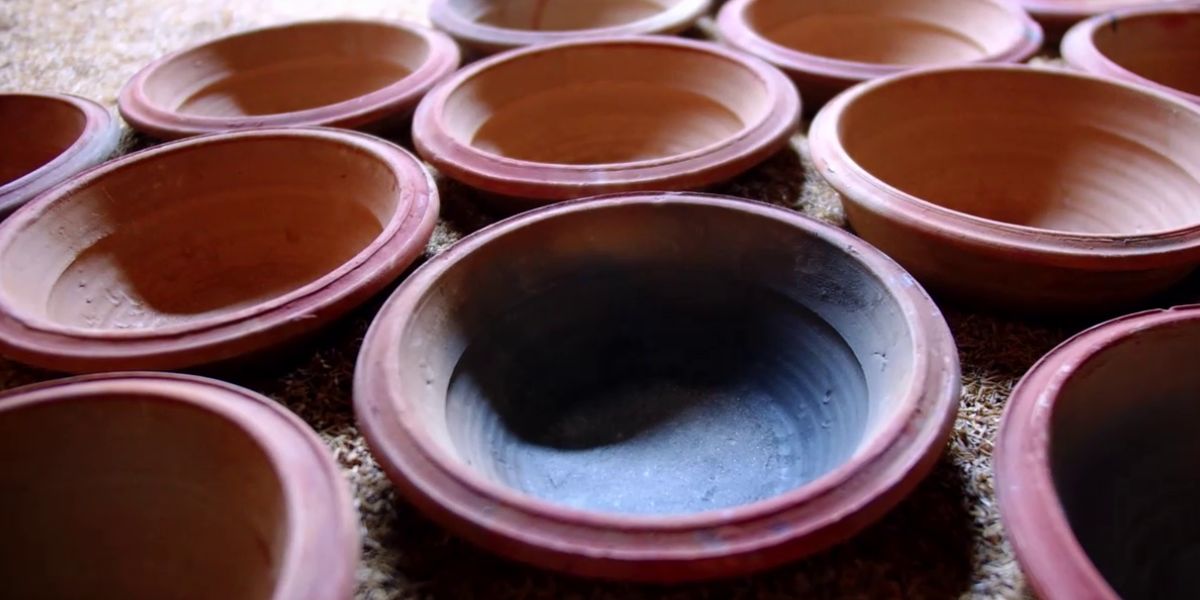
Since clay is porous by nature, it slowly draws out water particles during the making process of Juju Dhau, making the yogurt dense and creamy.
Brass and Copper for Everyday Meals
It’s believed that brass and copper utensils are better at keeping food fresh than other materials. These are durable, easy to clean, and have natural antimicrobial health benefits.
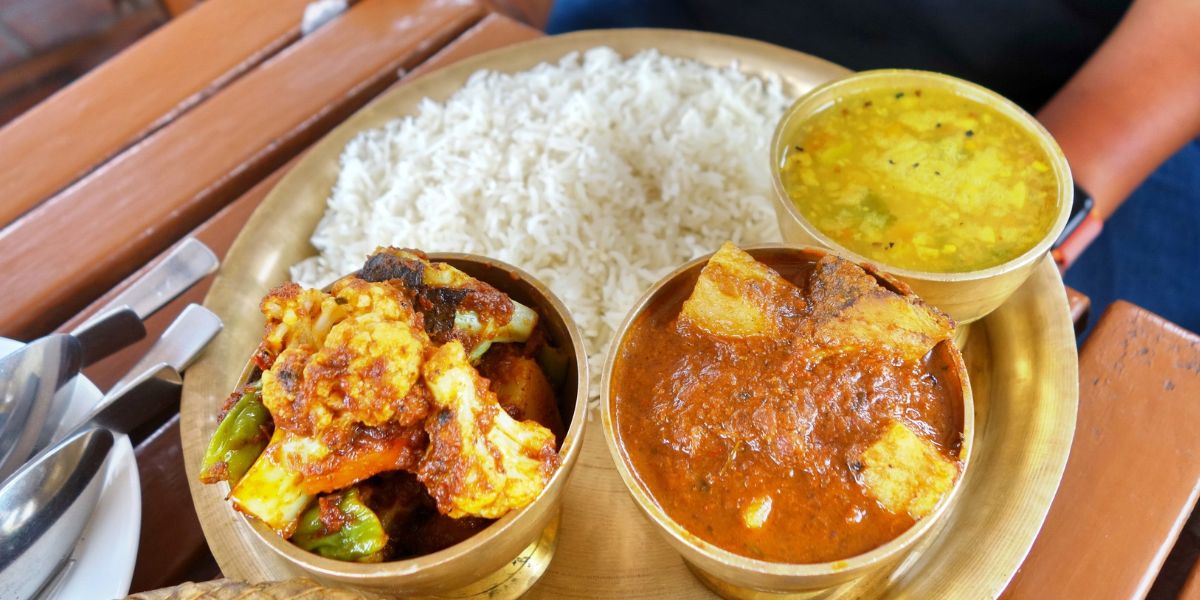
Many Newari restaurants in Bhaktapur serve foods like Bara (Wo), Haku Musya, stews, etc. in brass and copper utensils to represent Bhaktapur’s identity of purity and craftsmanship.
Anti and Salincha for Drinks
Bhaktapur pours Aila from a narrow-necked traditional brass or bronze vessel called an "anti" into small clay cups known as "salincha." This combination controls the pour and keeps each round to a proper measure.
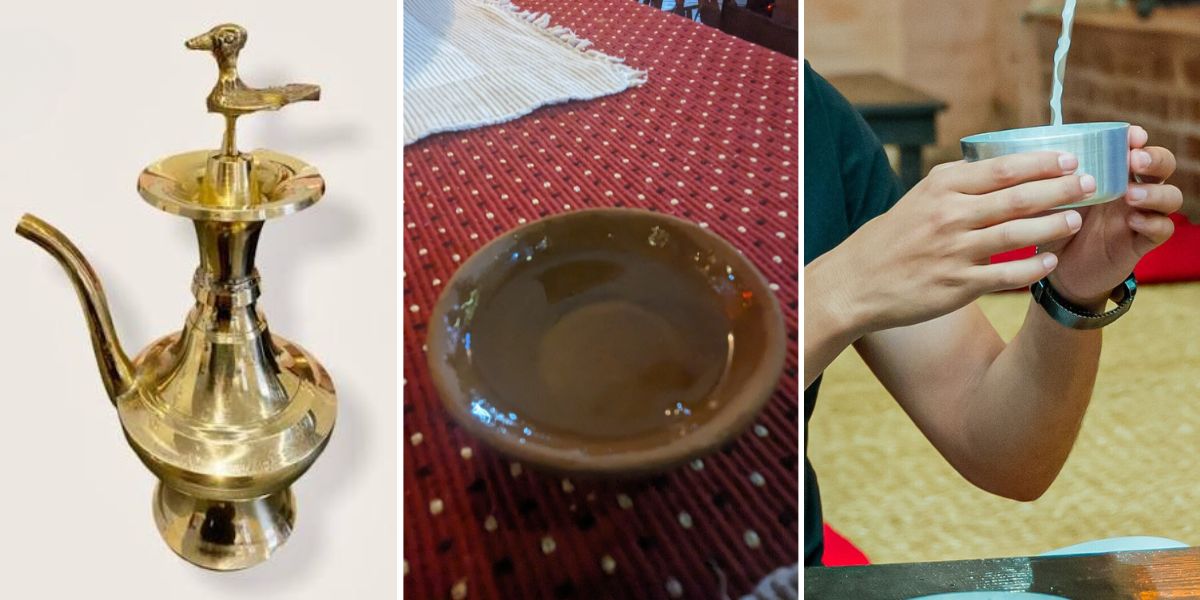
You’ll have a dramatic experience when you order Aila in Bhaktapur; the server pours it from a high distance using Anti to create a thin and steady stream that foams upon hitting Salincha.
Thon, another unique alcoholic beverage of the Newar community, is traditionally served in Khola (metal bowl or cup).
Use of Dhiki to Make Baji (Beaten Rice)
Dhiki, a wooden foot-operated mortar, is the traditional way of making Tigani chiura (beaten rice) of Bhaktapur. We pound rice that’s partially boiled in the husk to flatten and turn it into flakes.
Tigani’s beaten rice from Madhyapur Thimi relied on this equipment to preserve centuries-long tradition and taste.
Sukul and Lapte at a Feast
At larger and authentic communal feasts (bhoj) of Newar people, guests sit cross-legged on straw mats called sukul and are served Samay Baji on lapte (plates stitched together from leaves).
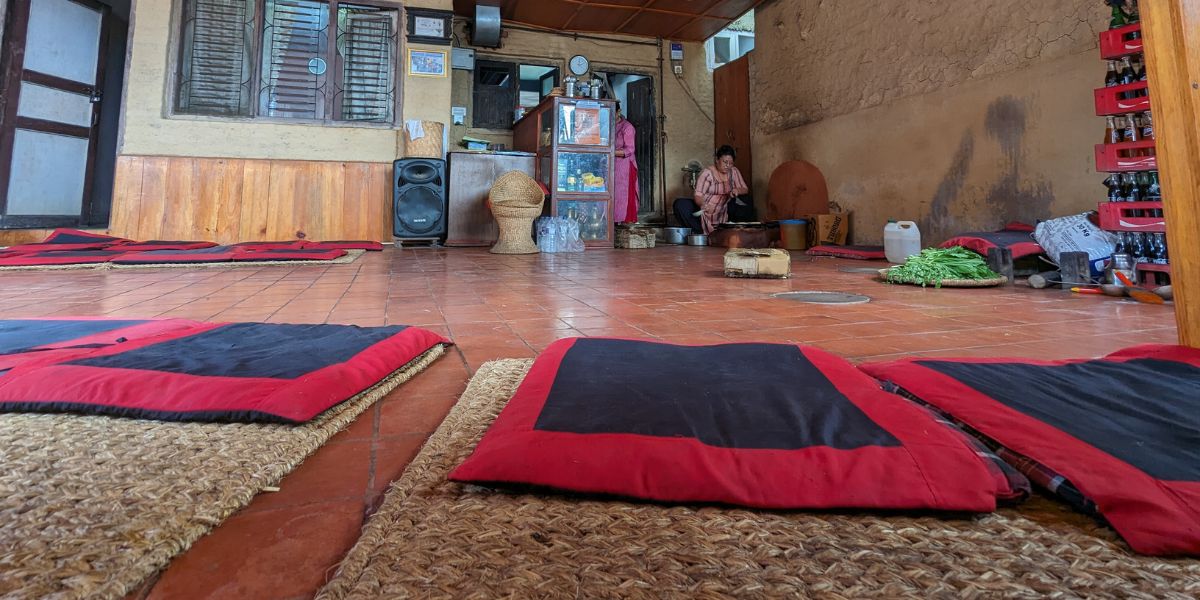
Even though spoons and forks are common enough in restaurants, the authentic way to eat in such feasts is to use your hands.
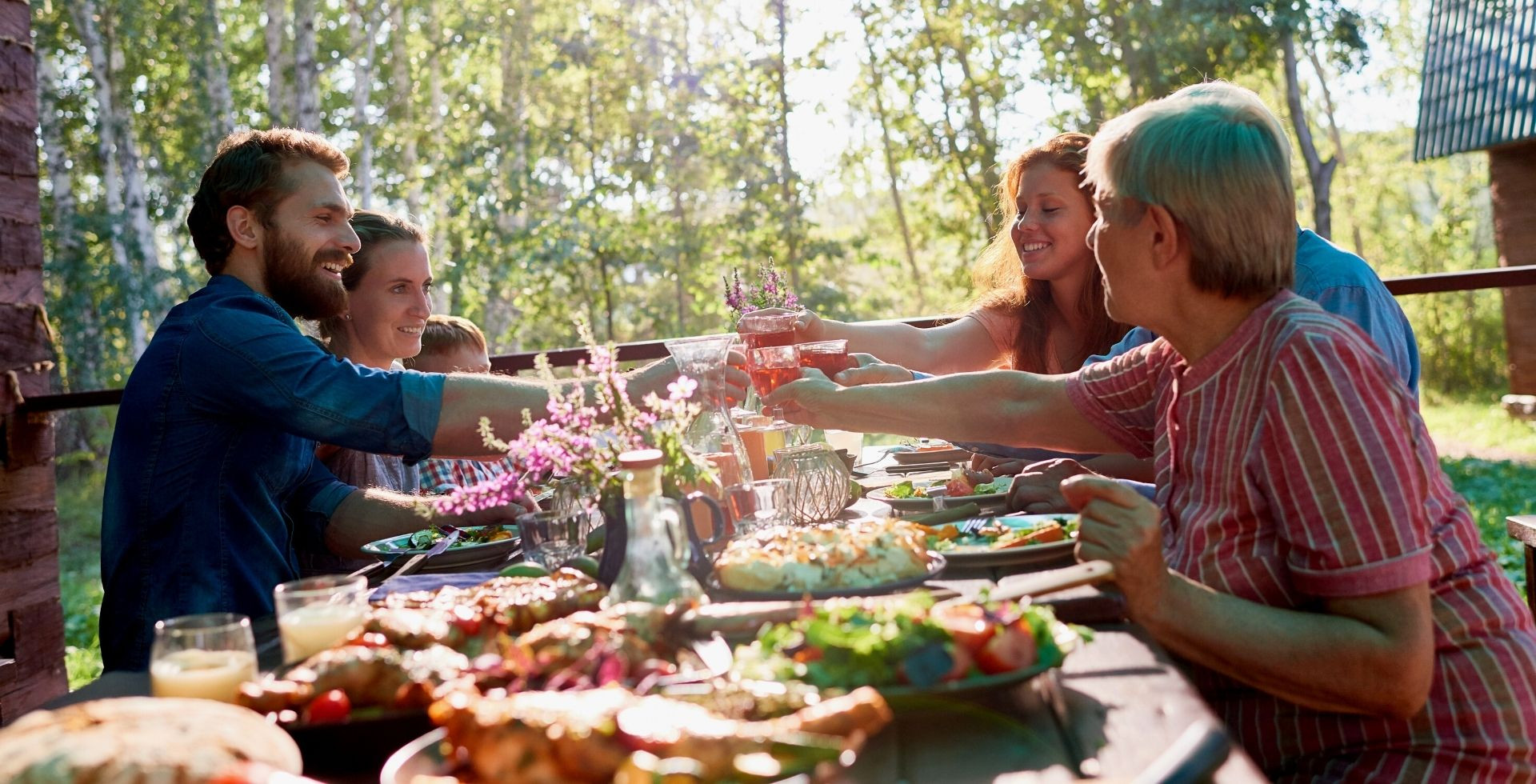
My suggestion to you: never say no to a bhoj invitation, as it is the perfect opportunity to experience Bhaktapur’s food in its traditional and rawest form.
Eating It the Newari Way in Bhoj (Newari Feast)
Normally, whenever you order a dish, what happens? It arrives at your table, and then you finish your food, right?
A Newari feast is a bit different because it isn't just a meal; it's a unique code of conduct. So, knowing these basics is bound to help you take part in this cuisine’s ritual rather than just watch and eat it.
- Wait for the eldest member to begin eating first and do not start before every feast attended has been served.
- Eat with your right hand or a spoon and never pass food with your left hand.
- Ask for a smaller portion or reject beforehand if it’s not up to your appetite.
- Before beginning to eat, always pour your beverage into a cup and never drink straight from a shared serving vessel.
- Try to finish everything on your plate.
- Never offer your half-eaten food to someone else.
- After you finish eating, wait for the eldest member to finish theirs before standing up to wash your hands.
These are the proper etiquettes followed in a bhoj in Bhaktapur culture. Even though Newari people won’t discriminate against you just because you are unaware of their eating tradition, it’s always better to be prepared.
Non-Vegetarian Newari Dishes in Bhaktapur
Now that we’ve covered the basics and bhoj etiquette, let’s get into the actual foods, starting with non-veg food items of Bhaktapur.
Bhaktapur is the perfect location for anyone who loves meat dishes. These are the savory and spicy dishes at the heart of every Newari feast, with intense flavors.
Samay Baji
This ritual platter with beaten rice at the centre, boiled egg, buffalo meat (often chhoila), black soybeans, ginger, garlic, and pickles surrounding it, with a salincha of Aila close by.
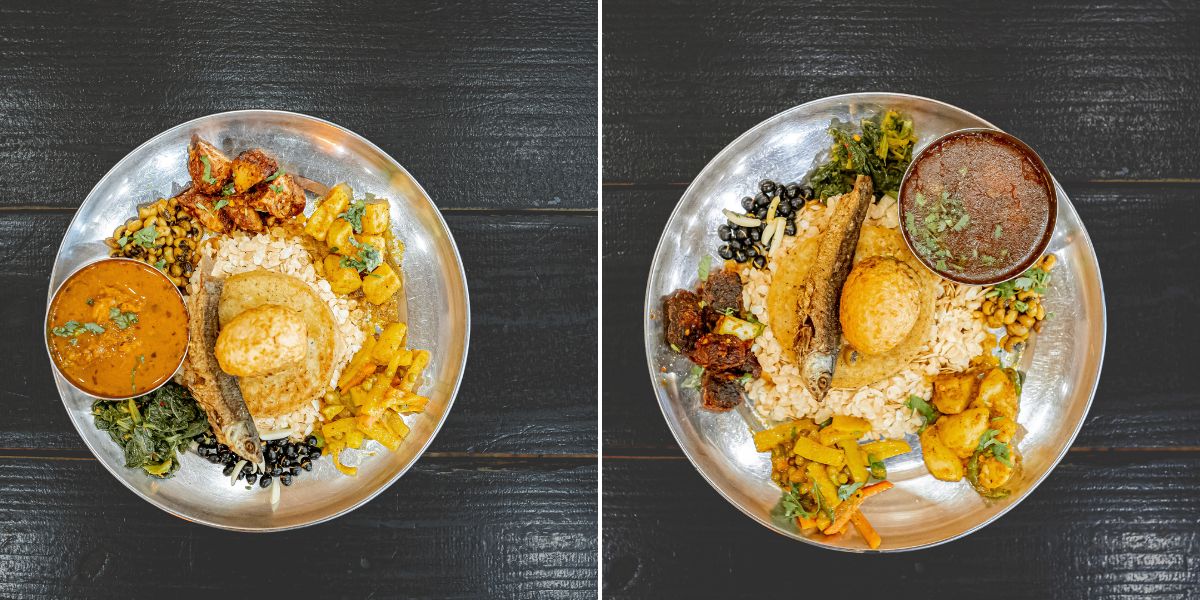
It’s the platter most Newari feasts open with. The five main components of Samay Baji represent five classical elements:
|
Food item
|
Element representation
|
|
Baji
|
Sky
|
|
Musya
|
Air
|
|
Ginger
|
Water
|
|
Meat
|
Earth
|
|
Alcohol
|
Fire
|
Samay Baji originally emerged as a practical ready-to-eat nosh during working hours in the medieval period, since cooking was time-consuming and tedious.
The need for nutrition, the spiritual shift of ingredients becoming prasad (sacred offering), and the influence of tantric philosophy transitioned Samay Baji from just beaten rice to a well-balanced culinary masterpiece with 10 to 12 items.
Chhoila
Chhoila is a plate of grilled or roasted meat that gives a smoky and sharp flavor. The animal meat is cut into multiple bite-sized pieces and tossed with mustard oil, chilli, ginger, garlic, and other spices.
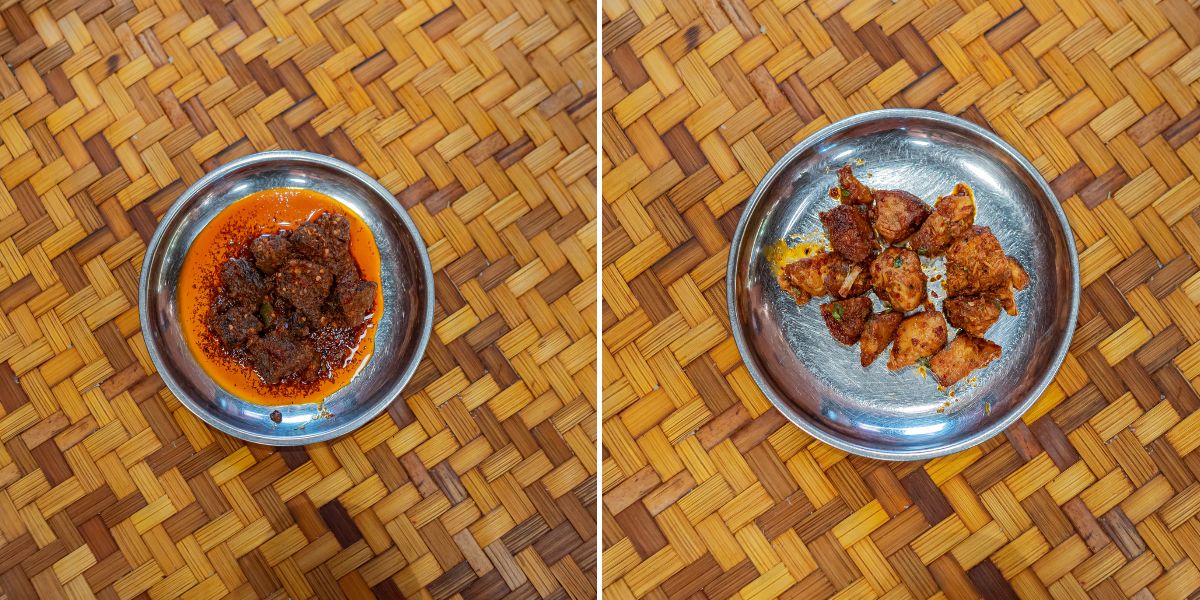
Chhoila can be served as an iconic standalone dish as well as an important part of Samay Baji, where it symbolizes energy and the element “earth”.
The traditional meat for this dish is buffalo, but chicken, duck, and goat versions are also available.
You’ll find chhoila anywhere in Nepal, but Bhaktapur’s version tastes a bit different since the ingredients' quality here differs heavily from other places.
Kachila
“Kachi” means raw and “la” means meat in Newari, and as you might’ve guessed, it is a raw meat dish. Kachila is prepared by mixing finely minced raw meat with seasonings and then garnishing it with coriander. This process gives the dish a soft, smooth, and oily texture.
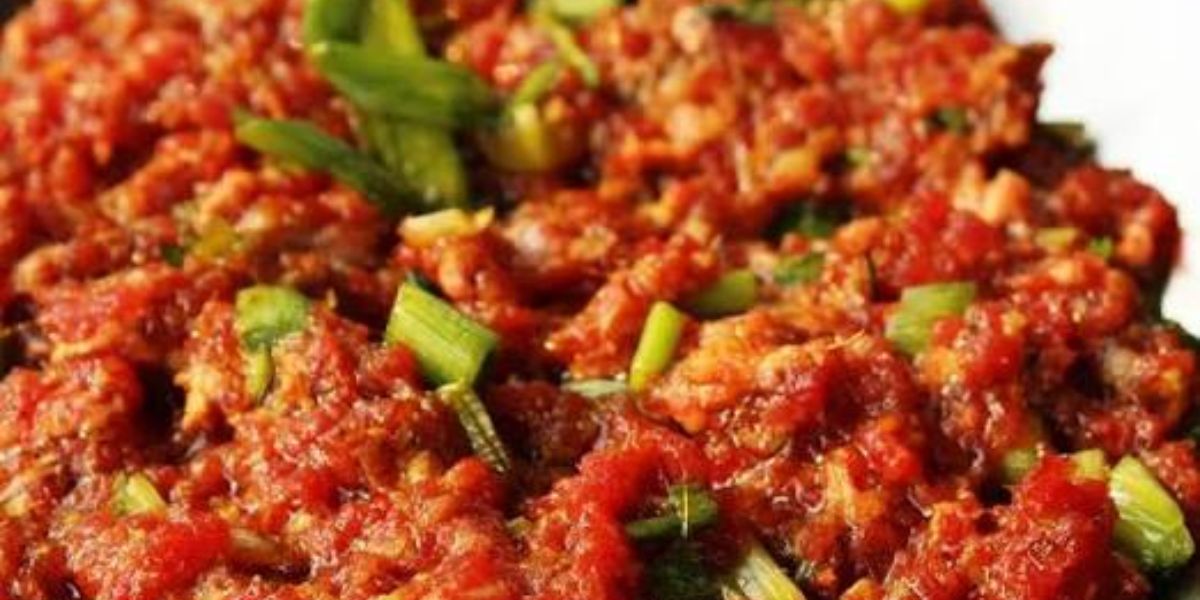
Traditionally, Newar community feasts (bhoj) required processing meat immediately after slaughter, so Newari people developed this unique dish by mixing natural antimicrobial ingredients (garlic, ginger, turmeric, and mustard oil) and other spices in freshly minced raw meat.
It might look unappealing at first sight, but because of the ingredients Newari people use, the bold taste it offers is definitely worth a bite.
|
Antimicrobial Ingredient Name
|
What It Does
|
|
Garlic
|
Prevents Salmonella and E. coli bacteria (commonly found in raw meat) from multiplying
|
|
Turmeric
|
Disrupts bacterial membranes and prevents pathogens from multiplying
|
|
Ginger
|
Keeps the ambient bacteria from multiplying exponentially
|
|
Mustard Oil
|
Slows down spoilage
|
Sapu Mhicha
Literally meaning “tripe bag”, Sapu Mhicha is a buffalo tripe casing dish stuffed with a bone-marrow mixture which is tied off, boiled and then fried. The texture is a crunchy, chewy crust with a molten and buttery core.
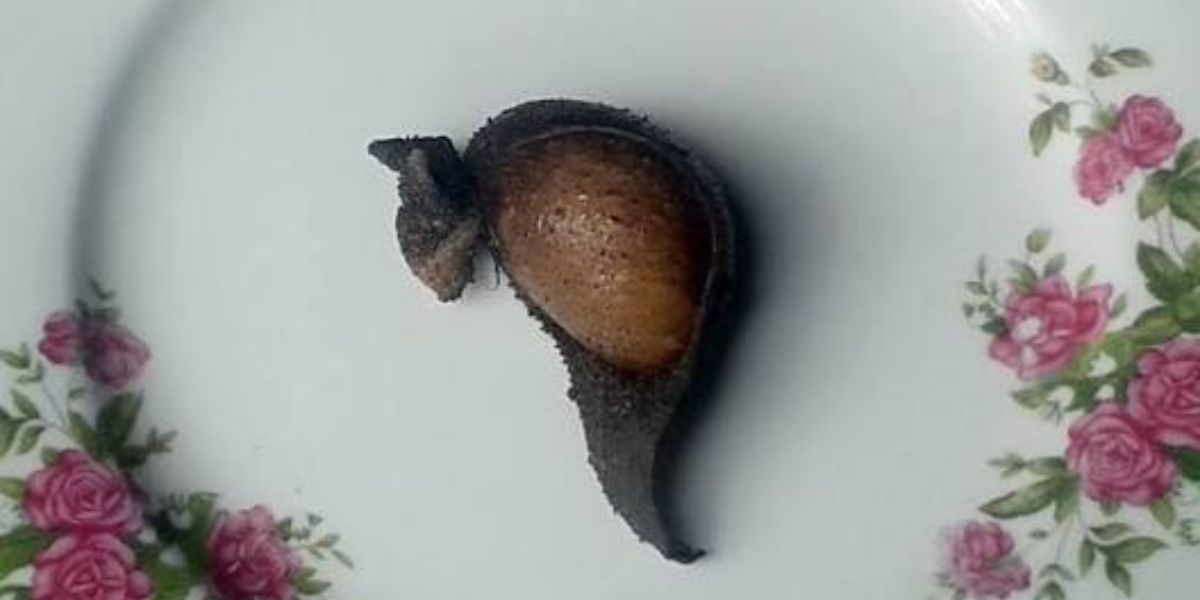
Newari culture follows a nose-to-tail tradition when it comes to consuming animals. This tradition of not letting anything go to waste led to the creation of such a unique dish.
Sapu Mhicha is also offered to a newly married groom to honor him during his visit to the bride’s house.
Sukuti
Sukuti is a buffalo or goat meat product of Bhaktapur that’s sliced, dried, and then lightly smoked. Once the meat is properly dried, it’s fried in a pan with mustard oil, onion, garlic, chilli, and other spices. This gives the dish a smoky, savory, and meaty flavor.
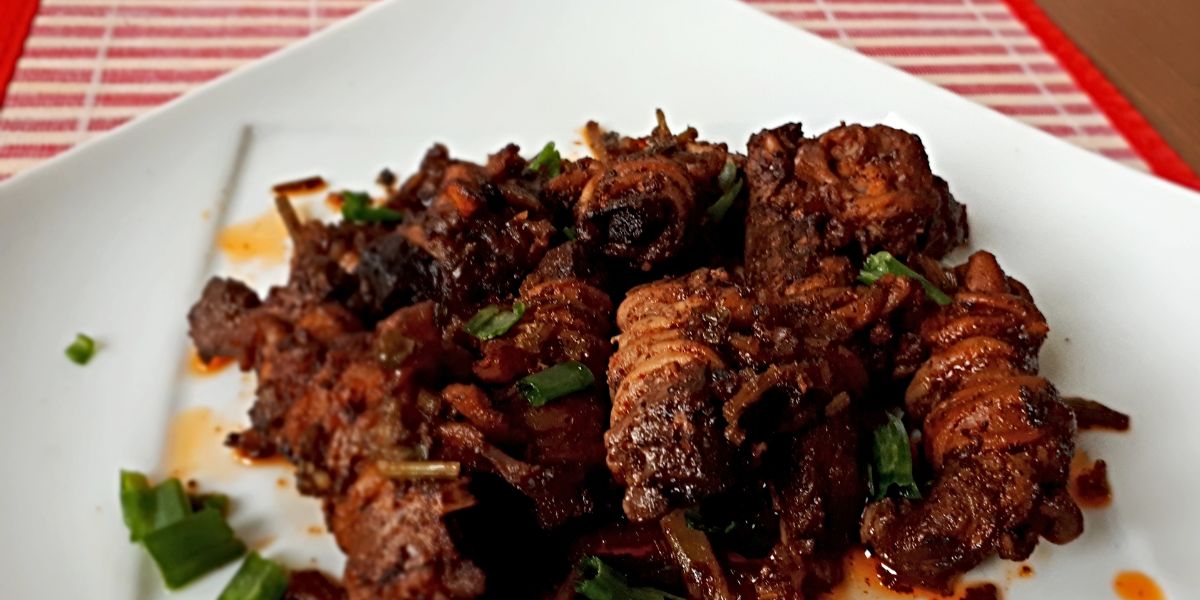
Sukuti in Bhaktapur is smoked over a traditional wood-fired stove after marinating the meat with Newari spices and mustard oil. This dish is a favourite bhatti (local tavern) snack to go alongside Aila or Thon. So, if you’re a fan of liquor, then make sure to have sukuti on your side.
Vegetarian Newari Dishes in Bhaktapur
What, you’re a vegetarian? Well, don’t worry, we have many unique dishes that are as popular as meat products of Bhaktapur. These are the vegetarian foods in Bhaktapur for everyone who eats plant-based diets only.
Gwaramari
Usually enjoyed alongside a cup of milk tea (Chiya), Gwaramari is an everyday breakfast of Newari cuisine. These are small and deep-fried balls of flour batter with a crispy crust and fluffy interior.
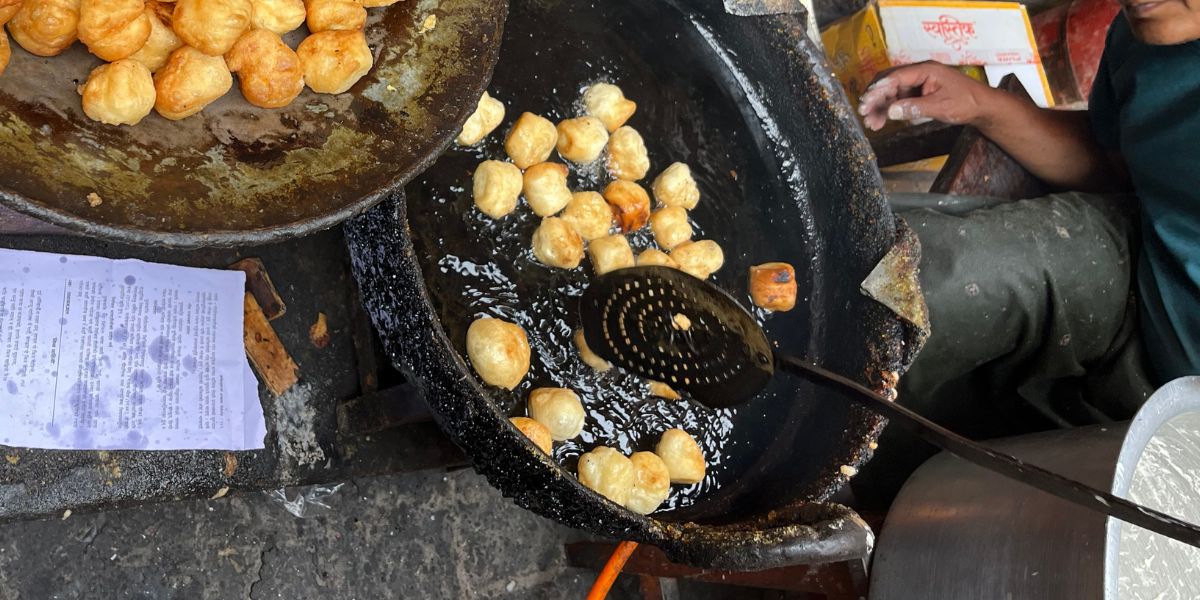
Gwaramari represents the street and alleyway culture of the Newari community. It was a dish made out of necessity, for a quick and cheap yet nutritional food, which today has become one of the iconic dishes of Bhaktapur.
Kwati
Kwati is eaten especially around Gunla Punhi, which coincides with Janai Purnima and the following day's festival - Gai Jatra. “Kwa” meaning hot and “Ti” meaning soup, this is renowned for its health benefits.
It’s cooked from nine different sprouted beans:
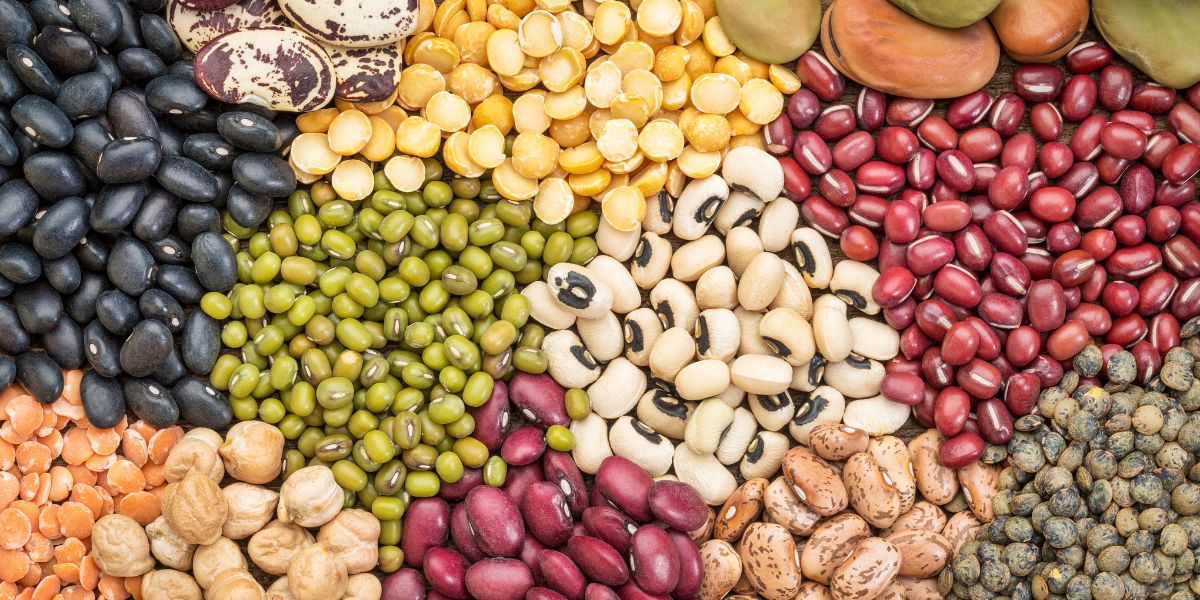
- Black-eyed beans (Bodi)
- White beans (Seto Bodi)
- Chickpeas (Chana)
- Field beans (Kerau)
- Soybeans (Bhatmas)
- Red kidney beans (Rajma)
- Blackgram beans (Mas)
- Mung beans (Mung)
- Fava beans (Bakulla)
Ancient Newari farmers drank this soup to clear out stomach chills from the monsoon and boost immunity.
The nine different beans used as main ingredients in this soup represent a sacred cosmic alignment commonly known as Navagraha that includes planets, sun, moon and lunar nodes.
Note: The nine kitchen beans used in Kwati do not have a literal cosmic mapping to specific space bodies.
Aloo Tama
Bhaktapur’s cold winters are traditionally warmed by Aloo Tama or Chhon-Kwa (chhon means bamboo shoot and kwa means soup). This tangy and warming soup of potatoes, beans, and fermented bamboo shoots is popular outside the Newar community as well.
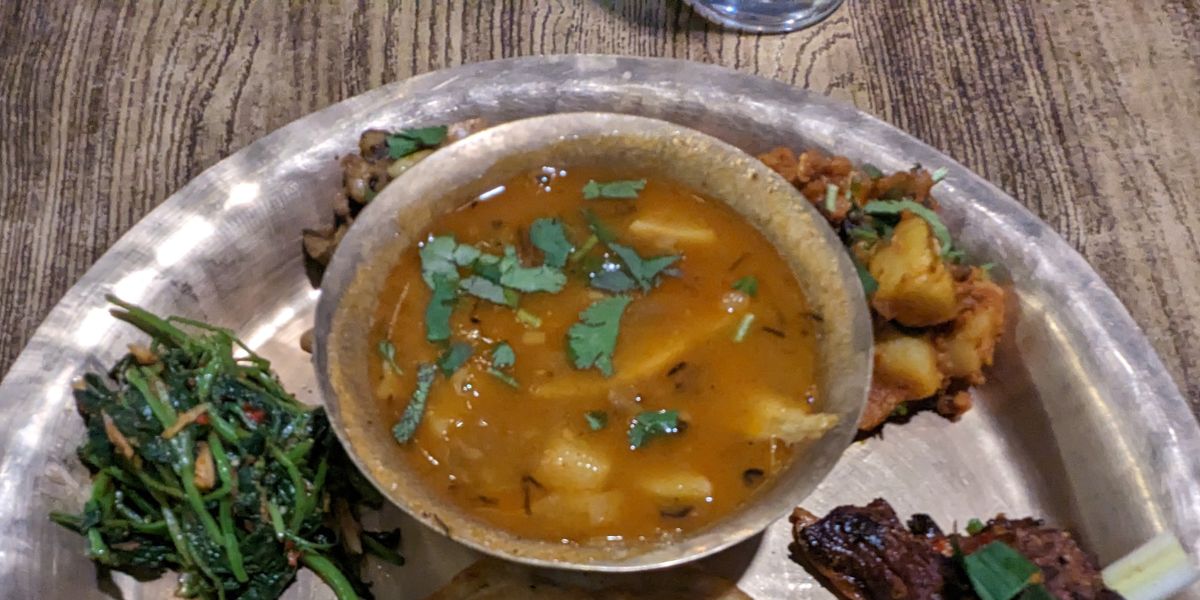
It’s a well-known dish across Nepal with many variants! Bhaktapur also has its own variant of this dish.
Aloo Tama in Bhaktapur has a rich and earthy broth emphasized by mustard oil, dried chillies, spices, and deep-fried fenugreek seeds.
Traditional Sweet Dishes of Bhaktapur
Bhaktapur’s warm hospitality is a sweet experience on its own; still, missing out on these rich local flavors is impossible. These traditional sweet dishes of Bhaktapur mark happy moments and major festivals and rituals with authentic flavors in this culture.
Juju Dhau
Bhaktapur’s contribution to the world of sweets, Juju Dhau, is a yogurt that doesn’t fall off even when flipped upside down. A story goes back to the Malla period when the 14th-century King Jayasthiti Malla held a yogurt competition, in which Bhaktapur’s sweet craft prevailed, earning the title of The King of Curds.
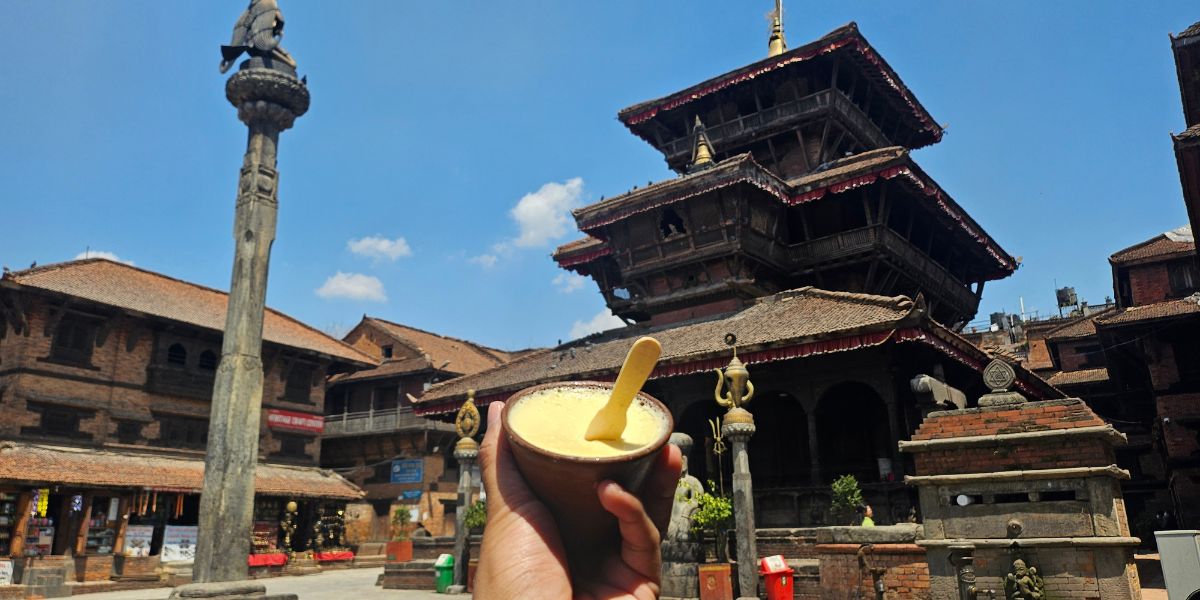
High-fat buffalo milk in clay pots (kataaro) made using century-old pottery techniques, then fermented using a warm rice-husk incubation method, yields Juju Dhau. It’s not an exaggeration at all to say Juju Dhau is one of the best sweet dishes this world has to offer.
It’s an irreplaceable item in Newari festivals like the 9-day-long Bisket Jatra, rituals, and weddings, where people regard it as a symbol of luck. Moreover, locals even serve and apply Juju Dhau on the forehead of guests during a Newari ritual called Dhau Sagan.
The taste profile of Juju Dhau is naturally sweet. A thick, firm scoop of Juju Dhau from traditional stores (near the museums in Bhaktapur) melts smoothly on your tongue, giving a delightful blend of texture and flavor!
Yomari
Yomari is so significant in Newari culture that there’s a whole festival built around it. This steamed dumpling is made of rice-flour dough and shaped into a fig-like pouch, with fillings of either chaku (molasses) or khuwa (dried milk solids).
The outer shell has a soft and slightly chewy texture, whereas the inner filling is rich, gooey, molten, and sweet. And if you eat Yomari from Bhaktapur, you will get a deeper nutty flavor from the sesame seeds they use here.
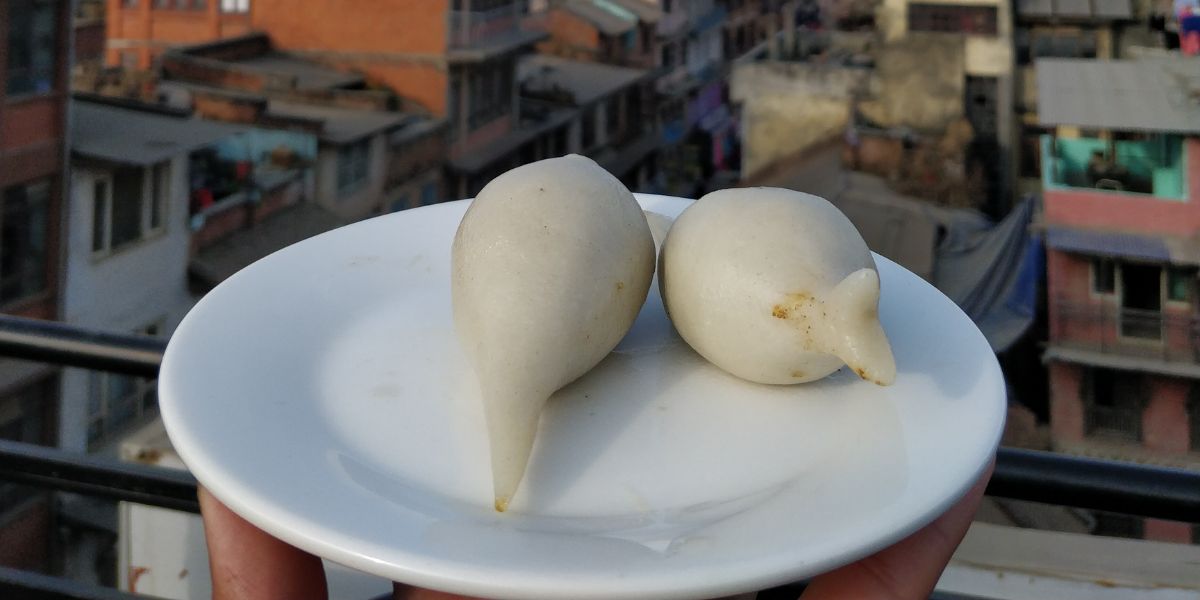
Chronicles mention the existence of Yomari since the reign of King Amshuverma, who ruled Nepal from 605 to 621 CE. Whereas folklore follows Suchandra and Krita (a couple) from Panauti, which is about 20 km south-west of Bhaktapur Durbar Square, one of the 7 UNESCO World Heritage Sites in Kathmandu.
The couple made yomari from an experiment of freshly harvested rice and molten molasses. It’s believed that when the god of wealth (Kuber) tasted this sweet, he was so satisfied that he blessed the couple with wealth and prosperity.
He also declared that those who make yomari in Yomari Punhi will be blessed by gods and goddesses.
Lakhamari
Crunchy, hard, deep-fried sweet bread made from a wheat-flour dough dipped in sugar syrup, Lakhamari is favored widely for its rich flavors.
Kathmandu and other cities blend rice flour and black lentil paste into the dough, whereas Bhaktapur follows a more traditional method, leaning towards distinct wheat-and-rice flour ratios with rich local ghee (Ghasa / Duru Ghyu).
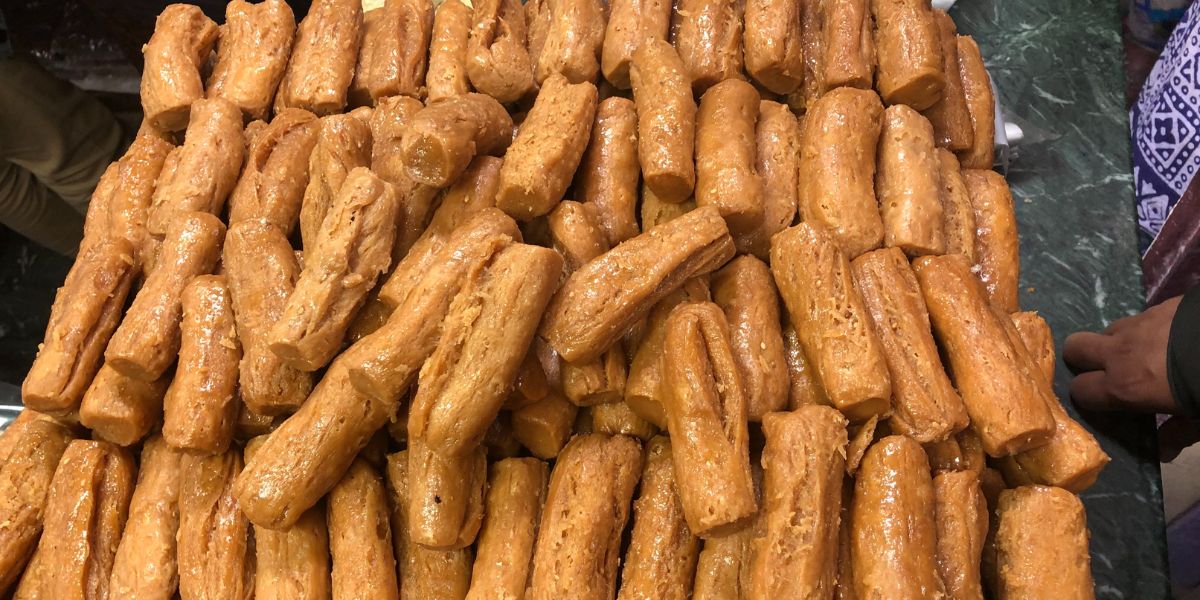
In the marriage ceremony of Newar people, it is their custom to send Lakhamari as a confirmation of marriage to the bride’s family. Even wedding invitation cards to close relatives are accompanied by Lakhamari.
Newari Dishes For Both Vegetarians and Non-Vegetarians
These recipes are perfect for you if you are comfortable with both veg and non-veg recipes or if you wish to customize them based on your dietary needs. Here are some versatile recipes you can enjoy any day:
Chatamari
Often called “Newari pizza” for the way it looks, Chatamari was originally created as a sacred food for festivals and ancestral worship. However, at present, it has become a popular food enjoyed by other ethnic communities as well.
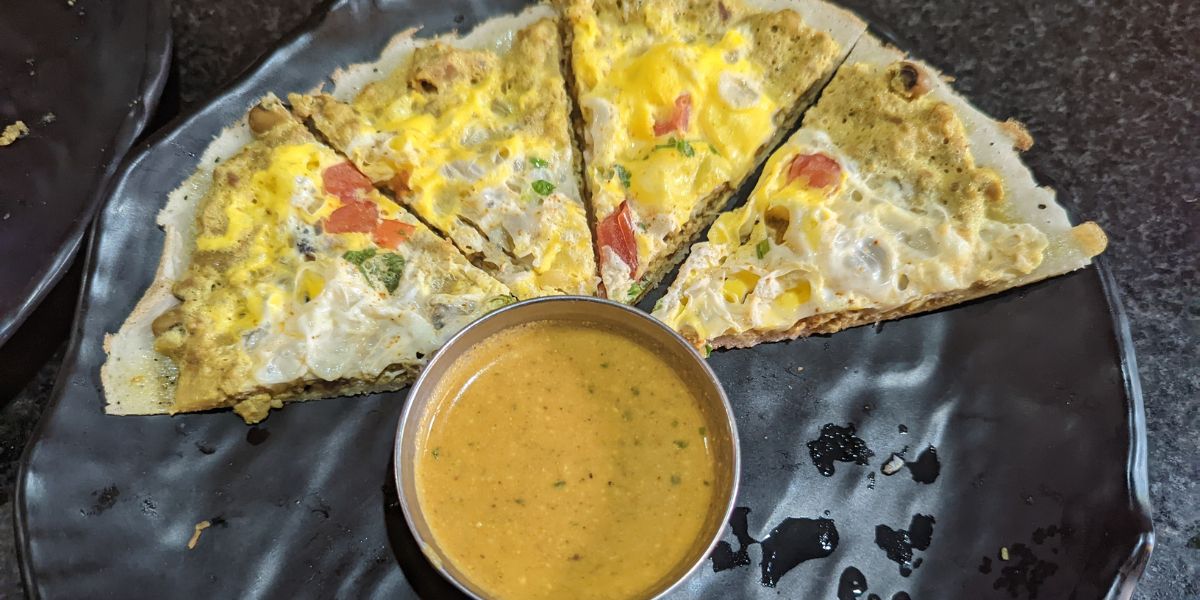
This dish represents the rice-based diet of ancient Newari people. Its base is made from rice-flour, with minced meat or egg toppings for non-vegetarians and vegetable toppings for vegetarians. It has a crispy edge with a soft texture in the middle.
Chatamari is cooked in many hotels and restaurants throughout Nepal, but the most authentic ones are still found in Bhaktapur. Here, the base of Chatamari is slightly thicker compared to other towns, and the topping is commonly buffalo minced meat.
Bara (Wo)
Bara is a thick, high-protein pancake made from soaked black lentils. This pancake has a crispy edge with a soft and dense center. It is one of the few vegetarian Newari dishes that can be prepared with egg or minced-meat toppings for non-vegetarian people.
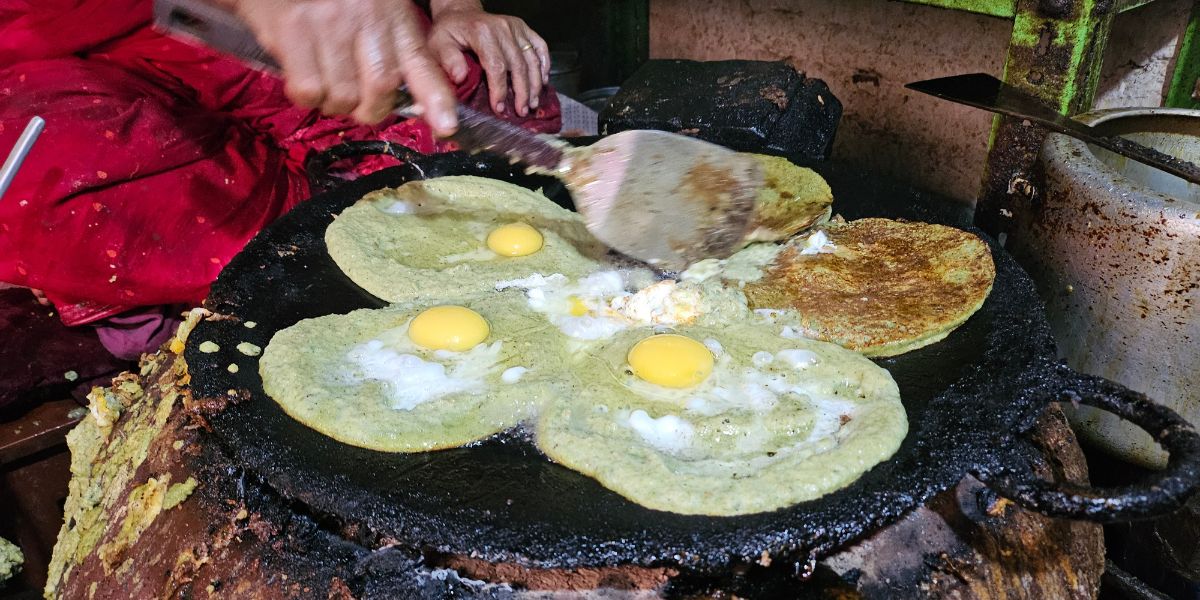
This dish is considered to ward off evil and bring good fortune, and without it, celebrations like Sithi Nakha are incomplete.
Kitchens in Bhaktapur blend black lentils with mung beans to give it a distinct taste and texture, with a much crispier and golden outer crust than in any other place.
Vegetarian Alternatives to Non-Veg Foods
Newari foods are so versatile that even after swapping meat for ingredients like paneer, soy chunks, or vegetables, we can still recreate similar flavor profiles that define this food culture.
Let’s explore some of these dishes and see how these transition into their vegetarian versions:
- Samay Baji: This infamous Newari platter includes buffalo meat as one of its five main components. Apart from the meat and egg, all other components are veg-friendly. So just omitting the meat and egg will make this a veg item.
- Veg Chhoila: Mushrooms, paneer, or soy chunks are grilled or fried in mustard oil with garlic, ginger, and Newari spices. This gives them a smoky and spiced marinated taste similar to meat chhoila.
- Aloo Chhoila: Boiled potatoes are cut into cubes and then marinated thoroughly in mustard oil, garlic, ginger, and Newari spices. This process gives the boiled potatoes a smoky and tangy flavor similar to meat chhoila.
- Mushroom Sekuwa: Replace the meat with marinated mushrooms, then skewer them before grilling in Newari style.
- Paneer Sekuwa: Grill the skewered paneer cubes that are heavily marinated in Newari spices instead of meat.
- Jackfruit Choila: Shredding and cooking the young jackfruit and then marinating it in the classic Newari spice mix to imitate the texture of the original chhoila dish.
- Veg Kachila: Instead of using the classic raw minced meat, we can make a lightly cooked salad with grated raw papaya or mushrooms using the same mustard oil and spices.
- Chatamari: Top the rice-flour base with paneer or other veg ingredients instead of egg and minced meat. Even without the meat flavor, it’ll still give a taste of Newari essence.
Newari Drinks to Try in Bhaktapur
The traditional beverages of Bhaktapur have deep spiritual essence and a distinct flavor. These are unique and give a sharp, fiery, or sweet & sour flavor profile.
Aila
Aila is the most preferred clear, strong spirit distilled from rice, millet, or barley. This beverage is traditionally poured from a traditional vessel called Anti into a small clay pot, Salincha.
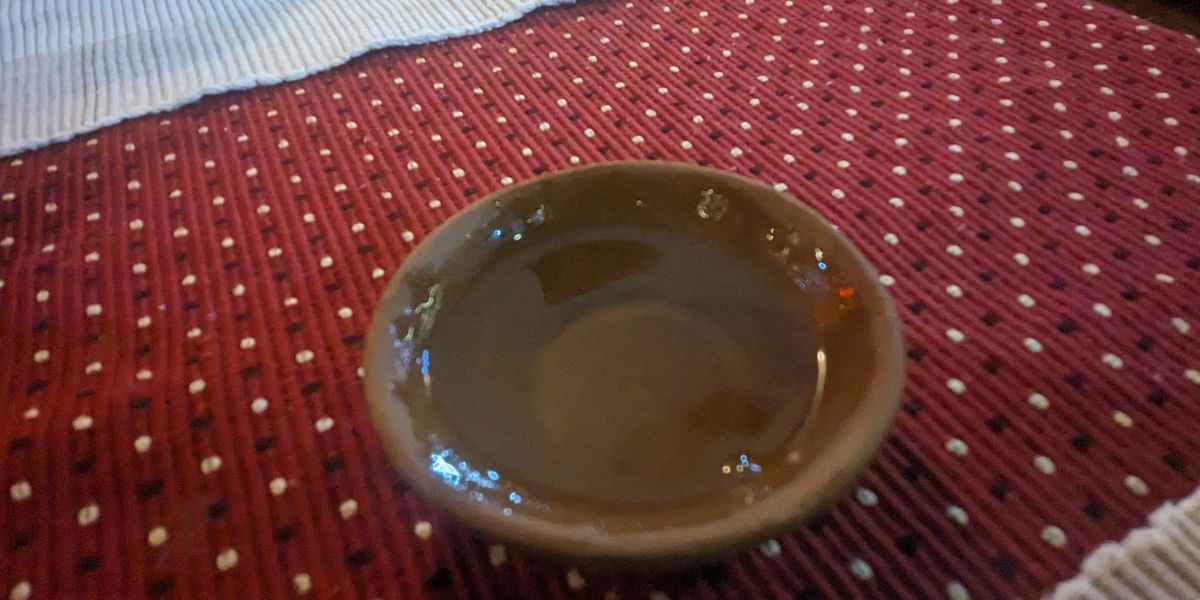
The first sip of Aila gives a strong fiery sensation in your throat, which becomes smoother as you keep drinking it. Even in Samay Baji, Aila represents the element of fire.
This drink is first and foremost served to the gods during festivals like Yenya (Indra Jatra) and then to guests as a sign of respect.
Thon
Another popular beverage of Bhaktapur is Thon; it’s a lightly fermented, mild, sweet, and a little tangy rice beer. This is typically served in a brass bowl or cup called Khola.
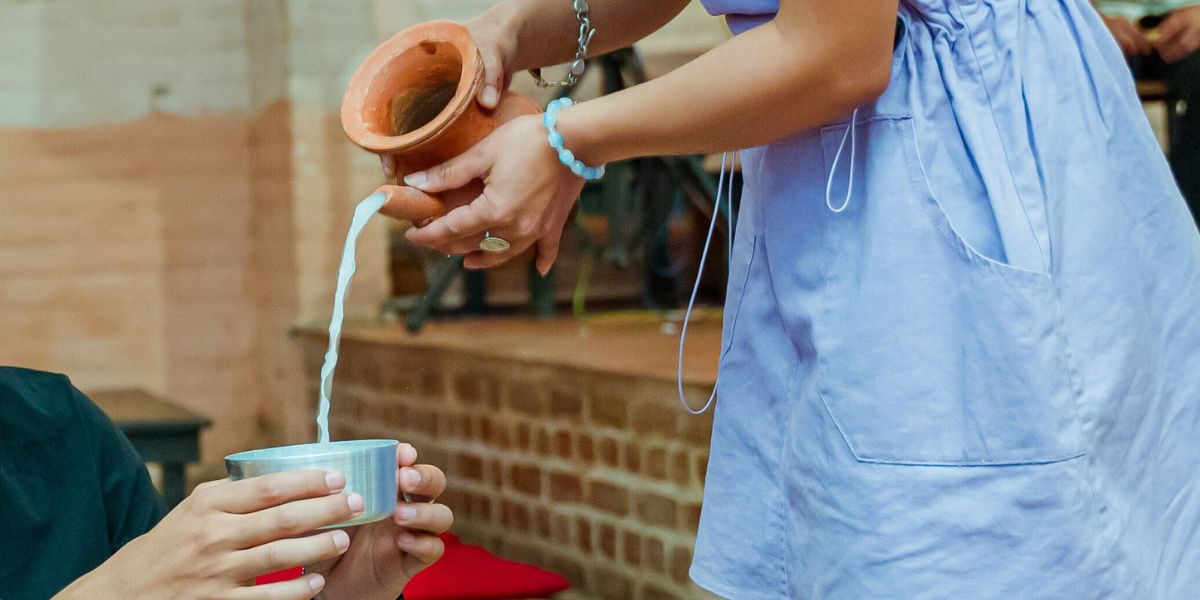
Locals of Bhaktapur use archaic fermentation (marcha) on boiled grains and pack them in earthen vessels called Kwoa or Ghyampo to give Thon its flavor.
Typically, you can try three different variants of Thon when in Bhaktapur:
- White Thon: It is a traditional, milky-white rice beer made by fermenting boiled rice with marcha. This beverage is a symbol of hospitality in Newari festivals.
- Red Thon (Hyaun Thon): This variant of Thon is closer to wine and requires a lengthy fermentation process lasting three months. For this reason, it is priced more than White Thon.
- Brown Thon (Taku Thon): Brown Thon is made from brown rice, and it's drunk mostly in the winter season. It's an acquired taste for a majority of people still; it gives out a lovely buzz.
More Foods and Drinks Worth Trying
The dishes above each have a proper deep dive, but Bhaktapur’s palate runs far wider than any single post can cover in much detail.
Names like Jakimari, Bhuttan, and Swan Puka have already come up earlier as ingredients found their way into them, but I didn’t explain what they actually are.
Here’s a quick reference for the rest, so you know what you’re looking at and what to expect the next time one of these lands in front of you.
Tigani's Beaten Rice: Must-Try When You’re in Thimi
Tucked inside Thimi is a small locality of Tigani that has built its identity around one particular variant of baji: Tigani Baji or Tigi Baji.
The making process of this particular variant of baji has been the same for generations. Rice is parboiled, sun-dried, dry-roasted, and then pounded by hand or in wooden dhiki mortars till the grains flatten into thin, pale flakes.
Tigani Baji isn’t a secret ingredient of this community; it’s a fine-tuned recipe this locality has passed down through families. The timing of each stage - how long to soak, how long to dry, and how hard to pound which they have developed over time, makes this baji special.
When I was walking in this locality, there were courtyards covered with drying rice getting ready for the next process, but there were rarely any dhiki. It’s sad that these traditional pounding mortars are becoming nearly extinct in modern days.
Still, if you are craving baji in its most authentic form, then it’s definitely worth a detour to the Tigani neighborhood of Madhyapur Thimi.
Dishes With Newari Origin
These dishes are traditionally and culturally associated with the Newar community and their language and practices in the valley:
|
Dish
|
Description
|
Taste Profile
|
|
Jakimari
|
A thick pancake made from rice flour
|
Sweet, dense and a little chewy
|
|
Haku Musya
|
Roasted black soybeans
|
A little smoky with a firm bite
|
|
Sanya Khuna
|
A jellied fish soup with spices
|
Tangy and savory, with a gelatinous texture
|
|
Palu (Palula)
|
A curry of buffalo meat with ginger, garlic and mustard oil
|
Rich and gingery flavor with thick gravy
|
|
Swan Puka
|
Boiled, sliced and fried lungs of goat
|
Firm and spongy with a peppery touch
|
|
Nhyapu
|
Buffalo brain that’s simmered gently with spices
|
Creamy and delicate
|
|
Mye
|
Boiled buffalo tongue that’s pan-fried or grilled
|
Tender and chewy, with a deep and meaty flavour
|
|
Chohi
|
Buffalo blood that’s steamed with marrow and spices
|
Dense and savory
|
|
Heynla (Duck Curry)
|
A rich curry made from duck meat
|
Fatty and gamey with deeply spiced gravy.
|
|
Mee Kwa
|
Fenugreek seeds (methi) or sprouts soup
|
Rich, warm, and comforting broth
|
|
Paun Kwa
|
Soup of lapsi (Nepali hog plum)
|
Sweet, sour, and spicy
|
|
Hyaun Thon
|
Reddish variant of Thon
|
Mildly fermented with a tangy and sour profile
|
|
Taku thon
|
Thicker variant of Thon
|
Mildly fermented with denser consistency
|
Other Popular Dishes Found in Bhaktapur
These dishes are not core traditional Newari originals but they are eaten widely throughout Bhaktapur because this city is open to influences and street-food adaptations.
|
Dish
|
Description
|
Taste Profile
|
|
Khurma
|
A deep fried flour cookie with ghee and sugar
|
Crispy and lightly sweet
|
|
Haluwa Papad Roll
|
A sweet pudding (haluwa) that’s rolled in lentil wafer (papad).
|
Pleasantly sweet and slightly salty taste
|
|
Dhido
|
A thick stirred porridge made from wheat, millet or maize flour
|
Dense and doughy with a little bit of its own flavour
|
|
Kaguno Ko Kheer
|
A slow-cooked sweet milk pudding with foxtail millet
|
Creamy and lightly sweet, with a grainy bite
|
|
Tongba
|
A hot, mildly fermented millet alcohol that’s sipped using a straw
|
Warm and faintly sour
|
Beyond these dishes, Bhaktapur offers many standard Nepali foods (like the famous Mo:Mo and Dal Bhat) and western dishes (such as pizzas and burgers). These options are available in cafes, restaurants, and many eateries throughout Bhaktapur.
Where to Eat Authentic Newari Food in Bhaktapur?
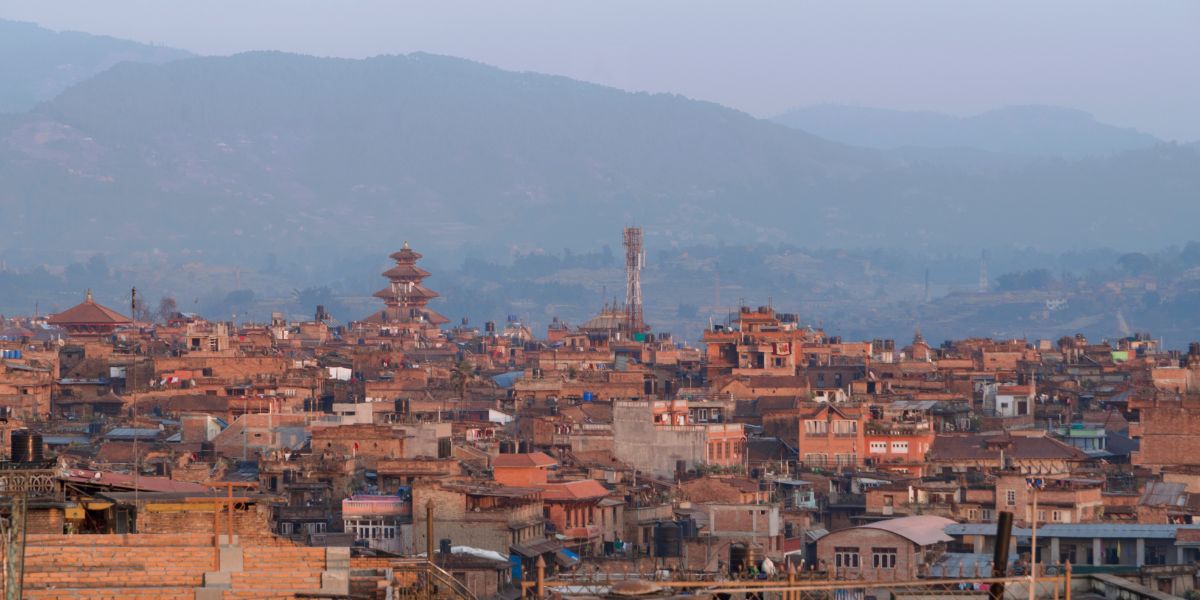
The food of Bhaktapur is spread across four squares and surrounding areas, each having a particular specialty. Let me give you a quick rundown of Bhaktapur restaurants and cafes to let you know which way to walk when hungry:
|
Area
|
Recommended Restaurants/Cafes
|
|
Bhaktapur
|
Durbar Square
|
- Swastik Newari Khaja Ghar
- Brooklyn Eatery
- Baiga Vutoo
|
|
Taumadhi Square
|
- Amako Bara Pasal
- Cafe Harati
- The Garuda Bar
- Temple Terrace Restaurant
- Gwakhancha
|
|
Pottery Square
|
- The Pottery Cafe and Bar
- Culture Cafe and Bar
|
|
Dattatreya Square
|
- De Temple Cafe
- Mayur Restaurant
- Lovely Milk Bar
|
|
Other Places
|
- Taboche Restaurant and Coffee Shop, Siddha Pokhari
- KV Lounge & Jagati Chhoila Pasal, Kamal Binayak
- Multiple street-side stalls
|
|
Changunarayan
|
- Ta Kha Chhe Cafe
- Roof Top Restaurant
- Changu Restaurant
|
|
Madhyapur Thimi
|
- SanjaBunja, near Balkumari Temple
- Mamaj Cafe, Bahakha Tole
- Chakati Foodland & Sekuwa Corner, Mill Road
- Nil Barahi Newa Khaja Ghar, Bode
|
|
Suryabinayak
|
- Newari Chulo Ghar, Jagati
- Community at The Nanee, Itacchen
- Newa Nanee, Chonga Ganesh
|
For visitors who are in Kathmandu valley for a photography tour or a cultural tour, some of these restaurants are best for offering exquisite views and traditional Newari etiquette.
Food Tips for Visitors
Whenever you’re visiting Bhaktapur, the aroma of Newari food surrounding the streets will definitely make you want to taste it. To get the best experience of these mouth-watering dishes, here are some practical tips for you:
- Eat slowly; Newari meals should be consumed gradually rather than rapidly.
- Since many dishes are naturally spicier than usual, ask for a softer flavor.
- Recognize the customs around certain cuisines. Religion plays a huge part in many Newari cuisines, so it won't hurt to learn about them beforehand.
- If possible, try to time your visit around festivals. There are many festivals where the dishes and street food are in their most authentic version, such as Yomari Punhi, Bisket Jatra, Indra Jatra, etc.
- Carry cash in small denominations because you will find many of the best foods at small stalls and counters run by families.
- When eating Newari food in bhoj (Newari feast), the correct gesture is to use the right hand only.
Keeping these Bhaktapur food tips in mind will help you make deeper connections with the locals and Bhaktapur's culinary culture.
Final Thoughts
The work done by Jyapu farmers, the different seasons, and the fertile soil are the source of Bhaktapur food. There is a bit of history in each dish served here.
I’ve seen many tourists visiting Bhaktapur to taste Yomari and Juju Dhau, but if you’re staying for a longer period, then you’ll get to appreciate the real taste of Bhaktapur.
If time permits, you can go through the food chain during the month, take a tour of the restaurants, or reach Tigani to know how baji is prepared traditionally.
And just so you know: our team at Altitude Himalaya already organizes a dedicated 1-Day Bhaktapur Trip for those who want to genuinely learn more about this immense culinary art and other attractions. Remember: we are just a text or call away!













 Sanjog Khatri