



Kathmandu Valley is without a doubt a living museum that’s home to centuries-old temples and stupas, vibrant markets, and diverse ethnic groups living in harmony. Visiting this part of the world isn’t about ticking off your bucket list.
It’s actually about living with the lively traditions and immersing yourself in its unique culture. So, a trip that allows you to step directly into this heritage is exactly what has been planned in this 8-day Kathmandu Cultural Tour.
With a professional guide, you get to explore every alleyway, courtyard, and shrine of Kathmandu, Lalitpur, and Bhaktapur, the three districts that form the valley. In every location, we combine cultural exploration with the best photography opportunities.
On this Kathmandu sightseeing journey carefully crafted by our Altitude Himalaya team, you’re going to encounter ancient temples, traditional courtyards, and daily rituals that have all shaped life in the capital city of Nepal.
Moreover, each of these activities is perfect for photographers wanting to capture candid moments of authentic Nepali culture, architecture, and everyday life.
Your 8-day Kathmandu Cultural Tour begins with your arrival in Kathmandu, Nepal. From the next day, your cultural walking tour begins!
Starting off, it’s from Thamel to Kathmandu Durbar Square, where you get to explore bustling markets, ancient temples, and the major highlight? Well, it’s getting to the residence of the Living Goddess Kumari at Kumari Ghar and the possibility of catching a glimpse of her!
The same evening on the second day, we have included a traditional welcome dinner for your team, which is accompanied by cultural dance performances. This one is one of the best cultural highlights, as it lets you deep dive into the country’s culture and traditions.
Next in the journey are visits to two of the most important Buddhist monuments in Nepal. You’ll start with the hilltop exploration of Swayambhunath Stupa, where you also get panoramic views of the valley.
Then, we shall escort you to Boudhanath Stupa, where the major highlights are insights into Tibetan Buddhism and performing the kora around the sacred monument.
After that, the next days are dedicated to Nepal’s history and religious sites. Here, we have included a visit to the National Museum before heading to the revered Pashupatinath Temple.
The major highlight of the day is in the evening, when you get to experience the soothing bhajans at Sandhya Aarati (along the Bagmati River, right in front of the main temple).
The final three days of this 8-day itinerary go beyond Kathmandu city so that you get to explore the Malla-era towns of Patan and Bhaktapur too.
Each of these destinations is home to its own unique temples and courtyards. Also, we’ve included a short visit to Changunarayan Temple, completing visits to all the 7 UNESCO World Heritage Sites of Kathmandu Valley.
And the final day ends with a scenic cable car ride to Chandragiri Hills. Here, you’ll visit Bhaleshwar Mahadev Temple as well as enjoy the Himalayan views, which are perfect for ending this 8-day Kathmandu Cultural Tour.
To fully understand the cultural depth of this package, read each of the sections below. And once you’re fully satisfied, you can finalize your booking with Altitude Himalaya.
Major Hindu Temples on This Tour
As per the National Population and Housing Census 2021, 81.19% of the total population in the country follows the Hindu religion. Although Nepal is officially a “secular” state, this fact is enough to let you know why Hindus are found across every part of the country.
In fact, Kathmandu is even nicknamed the “city of temples”, which is for a solid reason. From the thousands of temples and shrines in Kathmandu, we are going to catch glimpses of hundreds of them within this short tour.
But among all, here are the three main temples we are going to focus on:
Timeless Rituals at Pashupatinath Temple
As Hinduism is the most followed religion in Nepal, not including Pashupatinath Temple on your cultural tour would surely be a big mistake. This UNESCO World Heritage Site attracts millions of visitors annually who come to seek blessings from Lord Shiva (aka Pashupati, the lord of all animals).
While tourists are restricted from visiting the main temple vicinity, we still ensure you get a proper glimpse of the pagoda-style temple from the viewpoint. It is perfect for photographers, as you get a panoramic view of the Pashupatinath Kshetra.
During this cultural journey, there’s ample time to explore the surrounding courtyards, rows of Shiva shrines, and cremation ghats along the sacred Bagmati River. Just be careful with the monkeys that roam around the region and be sure to seek permission from sadhus before taking their snaps.
Since we have arranged the trip in the evening, you even get to be a part of the Sandhya Aarati, which is a powerful evening prayer ceremony held by priests at the riverbank.
The traditional bhajans and Shiva chants fill the air, offering one of the best spiritual experiences during this 8-day Kathmandu journey.
Optional visits include Mirgasthali Deer Park and Guhyeshwori Temple (a Shaktipeeth site where Sati’s body parts fell), which are both within the Greater Pashupatinath Kshetra.
Visit the Oldest Temple of Nepal: Changu Narayan
Located on one of the hilltops of Bhaktapur district, Changu Narayan Temple is honestly a hidden gem that many cultural explorers miss out on.
Dating back to the Licchavi period, this Lord Vishnu temple is home to the 5th-century Shilapatra, considered the oldest inscription discovered in Nepal. Along with this, other old stone inscriptions have been well preserved, which is also why it is recognized as a World Heritage Site.
During your visit to Changu Narayan, you also get to observe several beautifully carved statues of Lord Vishnu and his different forms. And besides the cultural and religious exploration, another major highlight here is the panoramic view of the valley from the top.
Chandragiri’s Bhaleshwar Mahadev: Sacred Temple Hilltop
Yet another hilltop location you will visit on this 8-day Kathmandu Cultural Tour is the trending destination of Chandragiri Hills. It is home to the Bhaleshwar Mahadev Temple, making it another major location dedicated to Lord Shiva in Nepal.
You get to see pilgrims taking the scenic Chandragiri Cable Car ride above forests and settlements with pooja materials in their hands. Together, you can take spiritual blessings while enjoying the breathtaking Himalayan views.
Note that your Chandragiri visit on the final day is the highest altitude you will reach during this 8-day journey. Located at 2551 meters above sea level, you get fantastic views of the northern Himalayan range on clear days.
Unlike other destinations included in this package, Chandragiri Hills is not on the UNESCO World Heritage Site list. Nonetheless, the natural retreat, local culture, and historical and religious importance make it perfect for this itinerary.
Particularly speaking, Bhaleshwar Mahadev is a revered Shaktipeeth site where Satidevi’s “Bhala” or forehead fell. Likewise, it is also believed to be the location where Prithvi Narayan Shah first glimpsed Kathmandu and decided to conquer it!
Spiritual Buddhist Monuments on This Journey
Comprising 8.21% of the total population in Nepal, Buddhism is the second most followed religion in the country. Similar is the case in Kathmandu, where the primary inhabitants (Newars) do not just follow Tantric Hinduism but even Vajrayana Buddhism.
While there are plenty of Buddhist spots in Kathmandu, the two main UNESCO World Heritage Sites you’ll visit on this tour are:
Sacred Monkey Temple of Swayambhunath Stupa
Often regarded as the Monkey Temple (due to the presence of numerous monkeys in the region), Swayambhunath Stupa is symbolic in Buddhist cosmology. As soon as you reach one of the best hilltops in Nepal, your eyes directly fall upon the all-seeing eyes of Buddha painted on its white dome that represents wisdom and awareness.
Honestly, it feels like Buddha’s eyes are all upon the Kathmandu Valley. Pilgrims, not just Buddhists but even Hindus, visit here for a walk around the stupa in a clockwise direction.
You can do so too while spinning prayer wheels and chanting the six-syllable mantra “Om Mani Padme Hum”. It’s one of the cultural experiences that you shouldn’t miss out on when visiting the cultural journey.
Moreover, you get to enjoy sweeping Kathmandu Valley views along with the mountains from the top. And when doing the kora around the main stupa, you’ll even encounter multiple other monasteries, shrines, and temples.
Hindus, in particular, worship at Ajima (Harati) Temple, a fierce goddess who once stole and ate children. But after Buddha helped her feel compassion for the heartbroken parents, she then started using her power to protect the locals (especially kids).
You see, Swayambhunath is one of the many religious sites in Kathmandu where there’s a unique fusion of Buddhism and Hinduism.
Kora and Evening Rituals of Boudhanath Stupa
Built in the 14th century, Boudhanath Stupa has long been a go-to destination not just among the locals but even tourists! Approximately 100 meters in diameter and 36 meters in height, this sacred site is one of the largest spherical stupas in the world.
Culturally, it’s a major centre for those who wish to learn about Tibetan Buddhism in Nepal itself. As we’ve included Boudhanath during the evening of the third day, you’d get to see the spiritual gathering for monks, pilgrims, and visitors together here!
Just like Swayambhunath (that you’ll visit prior), the massive mandala-shaped stupa of Boudha is surrounded by Tibetan shops and prayer wheels. So, you can join in with the devotees to perform kora, and if time allows, even light a butter lamp yourself!
Don’t forget to get to the rooftop cafes/restaurants when here, as it offers a breathtaking view of the stupa in the golden hour. Even though Boudhanath can be crowded, peace somehow finds you.
Historical and Walking Tours in the Valley
What makes Kathmandu unique from other capitals is its ancient traditions and living heritage. It isn’t just home to several temples and religious monuments but also carries a rich history.
In fact, it served as a major trade hub between India and Tibet for centuries. This brought immense wealth, cultural exchange, and architectural splendour to the three former kingdoms of the valley: Kantipur (now Kathmandu), Patan (now Lalitpur), and Bhadgaun/Khwopa (now Bhaktapur).
All three kingdoms were captured by King Prithvi Narayan Shah in the 1760s and were unified within the Gorkha kingdom, later naming it ‘Nepal’. Since then, Kathmandu has been called the capital city.
All those architectural marvels preserved in the three main squares are from the Malla period. Some even date back to the Licchavi era. Moreover, the main Hanuman Dhoka Palace also features plenty of last Shah dynasty artefacts and structures.
To ensure you get proper glimpses of Nepal’s past, we’ve included a walking tour in each Durbar Square. And to learn more about the country’s former military, unique art, cultural history, etc., we’ve included a short visit to the National Museum too.
Take a peek below for a detailed understanding.
Thamel to Kathmandu Durbar Square
Presenting to you the best way to truly understand the daily life of Kathmandu. Yes, it’s by passing through the historic neighbourhoods, from Jyatha to Kohiti (even up to Brahma Tole) via Tyora, Ason, Nyokha, Yatkha, and Pyaphal.
Our walking tour takes you through each one of the aforementioned old streets towards Kathmandu Durbar Square. You’ll get to walk past vibrant marketplaces, ancient temples, hidden courtyards, and traditional Newari settlements, all perfect for posing for pictures!
Soon enough, this walk brings you to Basantapur, which is home to several more temples, palaces, and shrines. The major highlight here is the architectural brilliance from the time of the Malla kings.
We’ve arranged this trip right in the morning, when Living Goddess Kumari comes out to wave at the people after rituals. You certainly wouldn’t want to miss this moment!
The museum visits to Hanuman Dhoka Palace, Tribhuvan Museum, and Mahendra Museum are optional and depend on time availability.
The major highlights of this day are going to be exploring the streets of this heritage site, taking shots of Kasthamandap Temple, Kaal Bhairav Shrine, Gaddi Baithak, and the local market right in the middle of the courtyard.
A Short Visit to the National Museum
Located in Chhauni below the Swayambhunath hill, the National Museum of Nepal is a true hidden gem in Kathmandu. Anyone who is curious about the country’s history and cultural development is highly recommended to pay a visit here, even if it means a short trip.
The museum complex comprises three main wings, namely the Historical Building, Buddhist Art Gallery, and Juddha Jatiya Art Gallery. Each of these wings is further categorised into different sections that showcase different artefacts.
When here, you get to check out ancient sculptures, traditional weapons, religious artworks, ethnographic collections, and more. And don’t worry! We have included a guide on this trip who shall help explain the historical context behind each object.
Basically, the National Museum of Nepal is one of the best spots to visit to explore the artistic and cultural traditions of Kathmandu Valley. It houses everything you need to learn about natural history, Nepal’s ethnic groups, different regions of the country, and more.
And right close to it are two more museums. The Military Museum showcases Nepal’s military heritage, and the Numismatic Museum displays ancient coins and monetary artefacts.
Full-Day Patan Durbar Square Exploration
Once a completely different kingdom ruled by the Malla kings, Patan is now known as Lalitpur and is one of the three districts that form the Kathmandu Valley.
However, the Malla-era architectures are still preserved to this day, and walking along the streets makes you want to stop and take snaps of the historical sites.
Giving a full day to explore Patan means you get to walk through the Newari alleys, where you experience a similar yet somewhat different vibe than Basantapur. The walking tour gives you the finest glimpses of Newari architecture, more temples to note on your Kathmandu journey, and chaotic courtyards.
This day is fully dedicated to Patan Durbar Square and the area around it, so you get to explore the daily life of the Newari community. And just like with Kathmandu Durbar Square museums, the ones here are optional visits. If you have time, definitely enter to learn more about the history of the Mallas.
The most popular places you get to check out on your Patan tour include Krishna Temple, Golden Temple (Hiranya Varna Mahavihar), Kumbeshwar Temple, and multiple other Newari bahals and courtyards.
Explore All Four Squares of Bhaktapur
Bhaktapur Durbar Square is the largest among the three squares of the Kathmandu Valley. Walking past the medieval settlements and appreciating the brick-paved streets, temples, and courtyards is going to be a highlight of this overall Kathmandu Cultural Tour.
This UNESCO World Heritage Site features four squares, namely Durbar Square, Pottery Square, Taumadhi Square, and Dattatreya Square. And in each square, you’re going to encounter unique Malla-period monuments, pottery works, and wood carvings.
Your visits to Nyatapola Temple in Taumadhi Square, the 55 Window Palace (Pachpanna Jhyale Durbar) in Durbar Square, and the chance to craft your own pottery are some of the major cultural highlights of your Bhaktapur journey.
We have dedicated an entire day for you to explore the streets of Bhadgaun (the former name of Bhaktapur). So, you have enough time to go for street photography, climb onto temple platforms to take panoramic shots, or simply relax with a Ju:Ju: Dhau in your hand while speaking with the Newas.
More Cultural Highlights of This Journey
The most meaningful part of this journey isn’t roaming in the Kathmandu streets, but actually the interaction with Kathmandu Valley’s local people.
You get to meet temple priests, artisans, and local shopkeepers (besides just your professional tour guide) who help you deep dive into daily life in Nepal.
Besides that, we have included a Nepali-style welcome dinner in one of the finest restaurants that features a cultural program too. And not to forget about shopping in the Nepali streets, which gives you a very different cultural side of the local people.
Meet People of Kathmandu Valley
Nepal is home to 142 ethnic groups spread across different parts of the country. You’ll find different communities in eastern, western, northern, southern, and central Nepal.
While getting to meet each ethnic group is almost impossible, even a short visit to Kathmandu is enough to help you understand the diversity of the population here. Being the capital of Nepal, it is home to over 130 different ethnic groups.
Among them, Hill Brahmins and Kshetris dominate, followed by Newars, Tamangs, Magars, Gurungs, and Rais. But among all, our tour will be focused on the Newari community the most, as they have been the primary inhabitants of Kathmandu.
Whether it be Kathmandu, Lalitpur, or Bhaktapur, you’d find this indigenous community in every street!
Welcome Dinner with Cultural Program
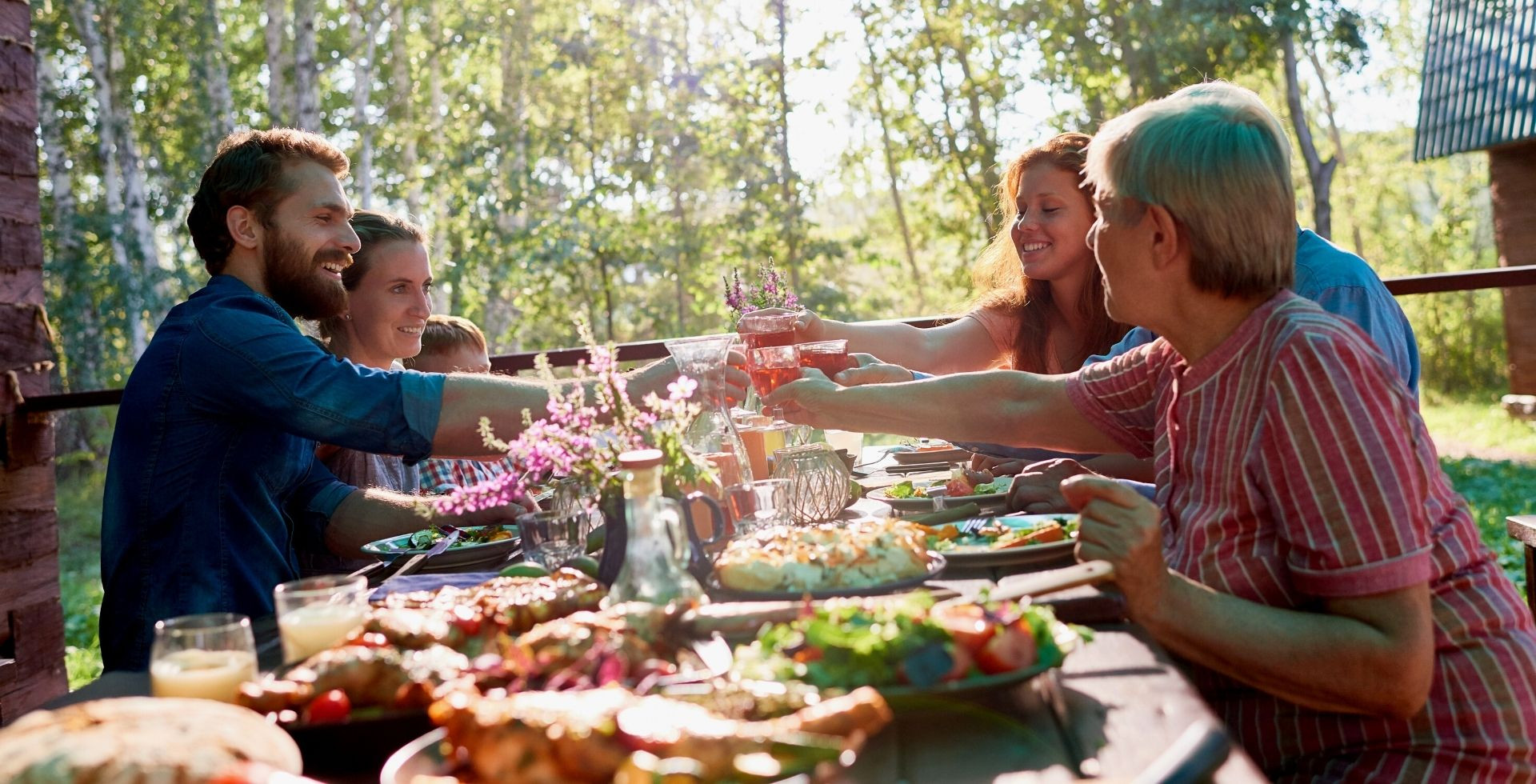
On the second day of this 8-day Kathmandu Cultural Tour, we take you to a fine Nepali restaurant for a welcome dinner. Here, you get to taste authentic Nepali cuisine with the whole crew and a few members of our Altitude Himalaya team.
Not just that. The dinner comes with a cultural program, where different ethnic groups showcase their traditional dresses and perform folk dances. Typically, the program features Brahmin/Chhetri, Newari, Gurung, Magar, Tamang, and Tharu communities.
Since you won’t get time to travel to every corner within just 8 days, this cultural program is perfect to get a detailed glimpse of Nepali culture. And with local cuisine on your table and options to peek into more of the Nepali menu, you’re in for a treat!
Cultural Shopping Experience
Travellers can relate to us here. Exploring the markets of cities is the real way to understand the daily lives of locals.
When it comes to Kathmandu, exploring the streets of Ason, Indra Chowk, and Patan markets is the best way to see how locals and visitors interact through trade and bargaining. You can collect meaningful souvenirs yourself that will keep Nepal’s traditions in your heart forever.
Some of the most loved souvenirs by tourists include pashmina shawls, prayer wheels, Bhairav masks, handmade handicrafts/textiles, etc. Not to forget that our team at Altitude Himalaya also often provides gifts to our guests (which is another perk of doing such cultural tours with us).
Ready to deep dive into how our itinerary unfolds? Continue reading before booking this package with us!