
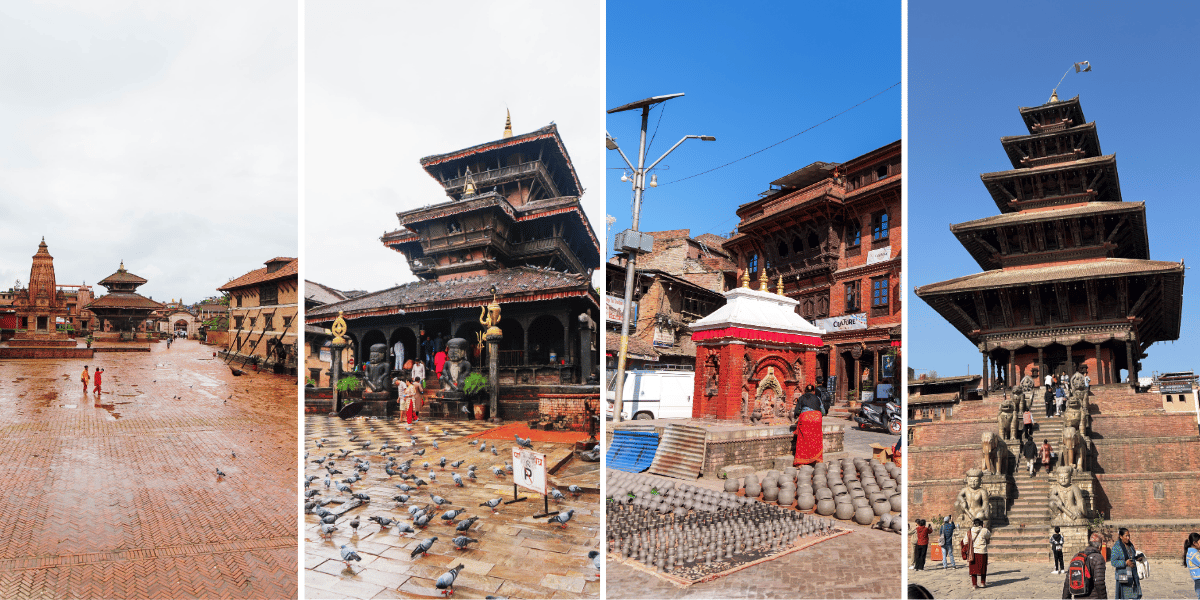


Bhaktapur is one of three medieval cities in the Kathmandu Valley, but it is the only one where the medieval part has not stopped.
This city is home to countless temples, monasteries, water tanks, pilgrim rest shelters, and wells. Most of them are still standing, still in use, and still deeply embedded in how the Newa community here lives.
No other UNESCO World Heritage Site in the valley comes close to Bhaktapur in terms of density, depth, and sheer walkability in a single day. And this 1-day Bhaktapur Sightseeing with Nagarkot Sunset Tour lets you experience everything first-hand.
Our trip features the complete cultural circuit: Nepal's first ceramics workshop and pottery village in Madhyapur Thimi, all four historic squares of Bhaktapur Durbar Square, Nepal's oldest standing temple at Changu Narayan, and a mesmerizing sunset from the hilltop of Nagarkot.
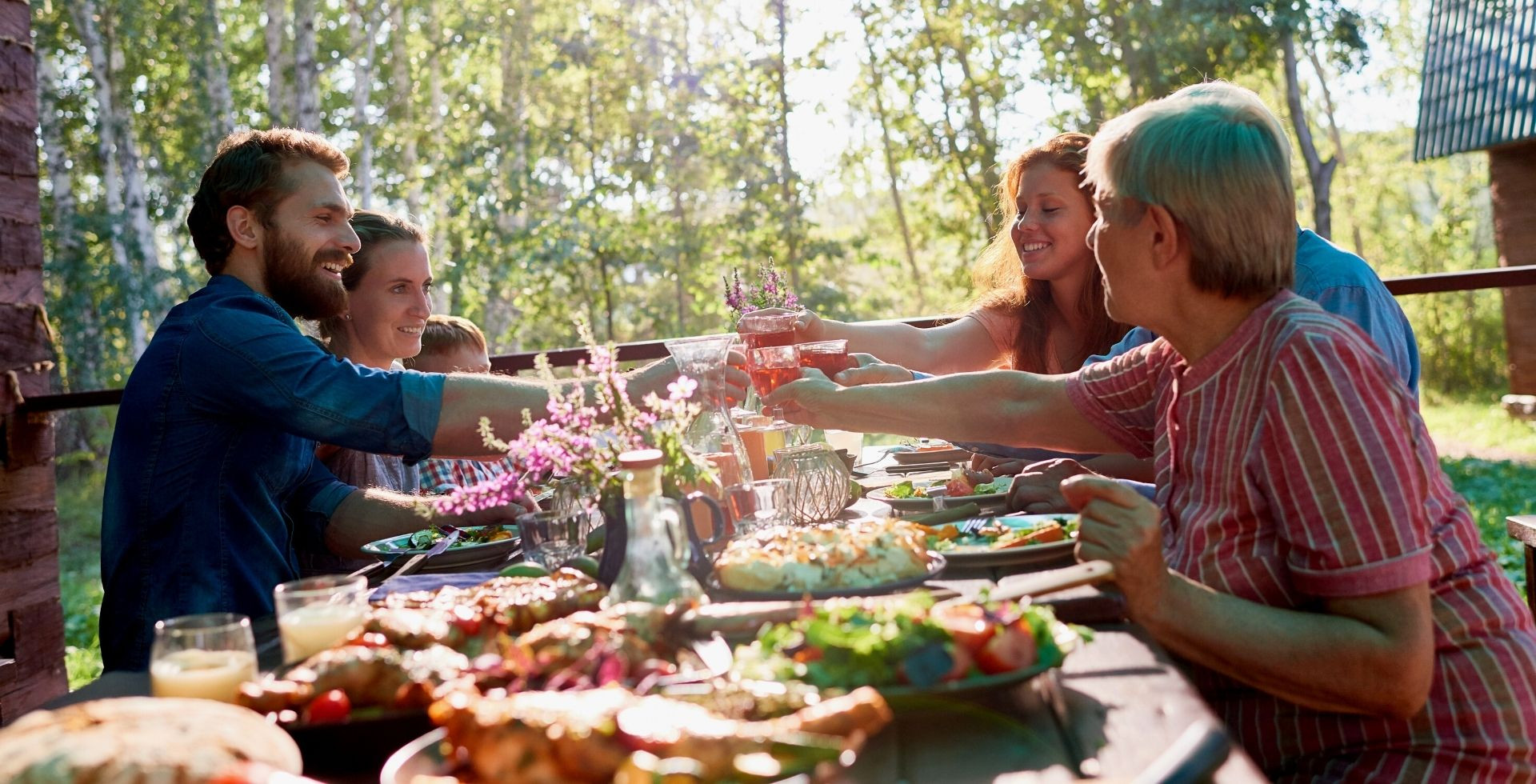
Along the way, you get a pottery-making session, a traditional Samay Baji lunch, and a guided walk through centuries-old alleys with a professional, government-licensed guide who can actually explain what you are looking at!
This 1-day tour covers three municipalities in one day, which is more variety than most multi-day Kathmandu Valley itineraries manage. You begin in Madhyapur Thimi Municipality, you are inside Bhaktapur Municipality by mid-morning, and from late afternoon to evening, you’re in Changunarayan Municipality.
Now, before we ask you to book this package, please do go through the sections below that walk you through everything you need to know before this tour begins. We’ve taken our time to properly explain the places you will cover, the route and timing, the major attractions at each stop, and the practical details that make a full-day Bhaktapur sightseeing trip go smoothly!
Why Choose Bhaktapur Over Kathmandu or Patan?
All three cities of the Kathmandu Valley offer cultural plus historical insights, and all three are worth your time for sure. But if you only have one day in the valley for cultural sightseeing, Bhaktapur makes the strongest case. Here is why:
A vehicle-free heritage zone: Most of the heritage area in Bhaktapur is pedestrian-only, which means the walking experience here is cleaner, slower, and more immersive than navigating Kathmandu Durbar Square or Patan Durbar Square's busier streets.
Four distinct squares, not one: Bhaktapur's heritage is spread across four separate squares (Dattatraya, Durbar, Taumadhi, and Pottery), each with its own special attractions. That means the day naturally breaks into chapters:
- A living city, not a museum: Potters here still shape clay in the same squares they always have. The hitis still flow. The Nanees are still gathering spots. So, you are not walking through a preserved site; you are walking through a place where people still live the same way!
- Connects naturally to Changu Narayan and Nagarkot: The route from Bhaktapur to Changu Narayan to Nagarkot is a single, logical drive. No doubling back, no wasted travel time.
- Juju Dhau: Bhaktapur is the only place in the world where you can try the authentic version of this thick, creamy, clay-pot yogurt. It is not available anywhere else the same way!
- Less tourist saturation: Compared to Thamel in Kathmandu or the main square in Patan, Bhaktapur's alleys carry a genuinely local rhythm and fewer crowds.
Places You’ll Cover on This Bhaktapur Tour
This is one of the few day trips in the Kathmandu Valley where you cross three separate municipalities, each with its own administrative area, distinct characteristics, and major attractions. Here is a quick breakdown of what each one offers:
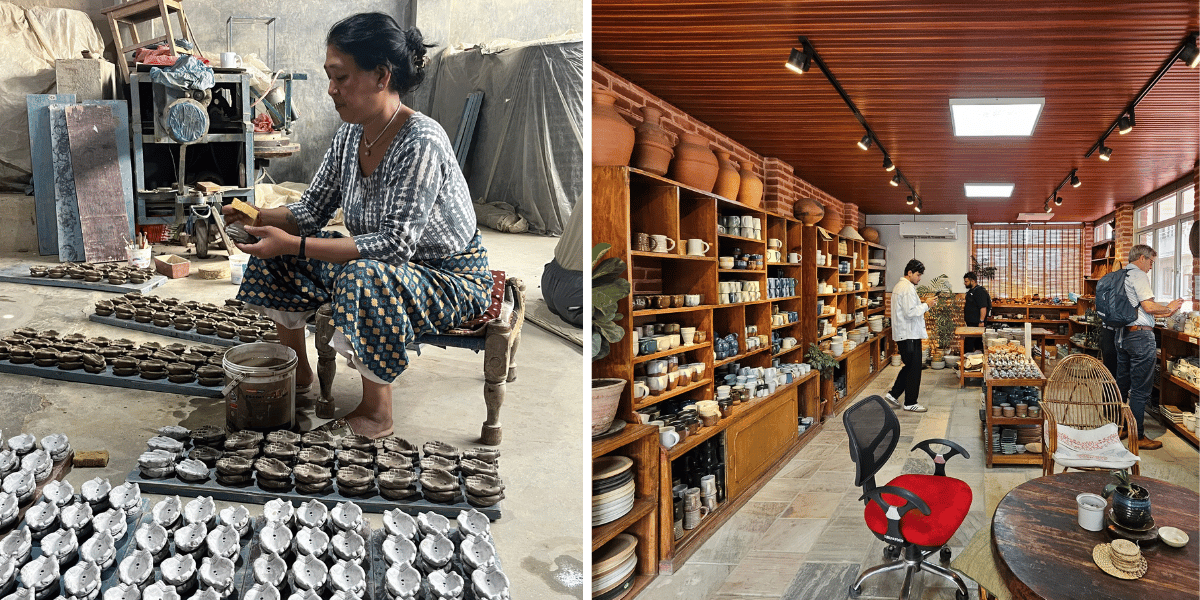
- Madhyapur Thimi Municipality: The tour begins here, in Nepal's pottery village. Thimi is quieter, more local, and far less visited than Bhaktapur itself. This is where you start with Nepal's first ceramics factory, walk through working pottery alleys, and get the unhurried side of ancient Bhaktapur before the main site gets busy. Major attractions are: Thimi Ceramics Factory, community kilns, Balkumari Temple, Nigu Pukhu, and the Akha Chen cultural museum.
- Bhaktapur Municipality: The main heritage site and the core of this tour. Bhaktapur Durbar Square, a UNESCO World Heritage Site since 1979, holds four distinct squares packed with pagoda temples, medieval palace courtyards, woodcarving masterpieces, living monasteries, and centuries of Newa cultural life. This is where you spend the majority of your day. Major attractions are Dattatraya Square, Durbar Square (55 Window Palace, Golden Gate), Taumadi Square (Nyatapola Temple), and Pottery Square.
- Changunarayan Municipality: The final stretch of the tour covers both Changu Narayan and Nagarkot, which sit within the same municipality. Changu Narayan Temple holds one of Nepal's oldest stone inscriptions (from 464 AD) and the finest collection of Lichhavi-era sculpture in the country. Nagarkot, 15 km further up the same ridge, offers the most accessible Himalayan sunset view from anywhere near Kathmandu. Major attractions are the Changu Narayan Temple complex, Changu Museum, Living Traditions Museum, and Nagarkot sunset viewpoints.
Route of 1-Day Bhaktapur Walking Tour Explained
The following is one of many possible Bhaktapur walking routes. Usually, it’s the guide we assign you who designs the day route, but this is the one that we usually follow at Altitude Himalaya:
|
Place |
Route |
Distance / Drive Time (approx.) |
Time at Location |
|
Madhyapur Thimi |
Your hotel (Thamel supposed) > Jadibuti > Pepsicola > Siddhakali Chowk [Google Maps] |
12 km, 30 mins by road |
1 hour [07:30 AM - 08:30 AM] |
|
Dattatraya Square |
Sano Byasi > Thalachhen Tole > Dattatraya Square [Google Maps] |
1 km walk (15 mins) |
1 hour [09:30 AM - 10:30 AM] |
|
Durbar Square |
Dattatraya Square > Golmadhi > Durbar Square [Google Maps] |
1 km walk (15 mins) |
1 - 1.5 hours [10:30 AM - 12:00 PM] |
|
Taumadhi Square |
Durbar Square > Taumadhi [Google Maps] |
200 m walk (5 mins) |
1 - 2 hours (incl. lunch) [12:00 PM - 02:00 PM] |
|
Pottery Square |
Taumadhi > Bolachhen > Pottery Square [Google Maps] |
220 m walk (5 mins) |
30 to 45 mins [02:00 PM - 02:30 PM] |
|
Changu Narayan |
Dudhpati > Changunarayan Road > Changunarayan Bus Park [Google Maps] |
7.5 km, 20 to 30 mins |
1 hour [03:30 PM - 04:30 PM] |
|
Nagarkot |
Changu Bus Park > Telkot > Nagarkot [Google Maps] |
22 km, 45 mins |
1 to 2 hours [05:00 PM - 07:00 PM] |
Madhyapur Thimi: The Pottery Village of Nepal
Madhyapur Thimi is a major Newa settlement that sits just 7-8 kilometers west of Bhaktapur, and it feels completely different from the main heritage site.
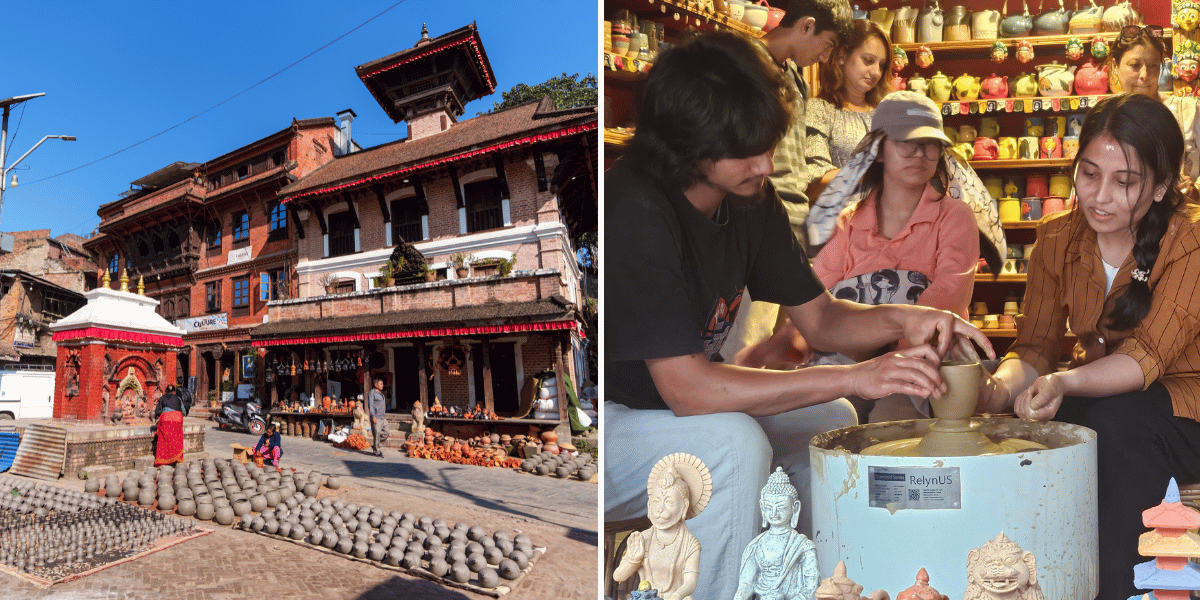
There are no ticket counters here and also no organized tourist routes. The community here has shaped clay for household vessels, ceremonial items, and pottery for generations, and that is still their primary livelihood!
You see it in every alley: rows of pots drying in the sun, potters working in open-front workshops, women at the charkha, and the sharp, damp earthy smell that hangs in the air from early morning.
This is exactly why we start the tour here rather than at Bhaktapur Durbar Square. The quieter, unhurried pace of Thimi sets a tone that the main site cannot replicate, particularly once the day gets going.
Major Attractions of Madhyapur Thimi:
- Thimi Ceramics Factory: Founded in 1985, this is Nepal's first stoneware ceramics producer. The factory visit walks you through the full process: clay centered and shaped on a pottery wheel, pieces left to sun-dry, painted with colored glaze, and fired at 1,250°C. The store on-site sells everything from dinner sets to candle holders. If you are looking for a proper Nepal souvenir, this is a better option than most shops in Thamel.
- Community Kilns: Just beyond the factory, working kilns fire flower pots and household ceramics in the traditional way here in Madhyapurp Thimi. A brief stop here shows you the volume at which Thimi's pottery economy actually operates!
- Daily Life in the Brick Alleys: Walking the brick-paved lanes is itself an attraction. Women at the charkha, fresh pots lined up to dry, deeply carved wooden windows on every old facade, and locals in traditional Newari dress (haku patasi for women, daura suruwal for men) going about their morning.
- Nigu Pukhu (Dui Pokhari), optional visit: The town's twin ponds, built over 300 years ago, where carp and rohu fish, considered sacred by the community, can be spotted from the bank.
- Balkumari Temple and Prachanda Bhairab: The two most significant temples in Thimi, both central to the Sindoor Jatra festival held every Baisakh 2 (the day after the Nepali New Year), when 32 palanquins of deities converge here and vermilion powder fills the air.
- Akha Chen: A local cultural museum, worth a brief stop if you want a more curated introduction to Thimi's history before heading into the alleys.
Bhaktapur Durbar Square: The Main Cultural Site
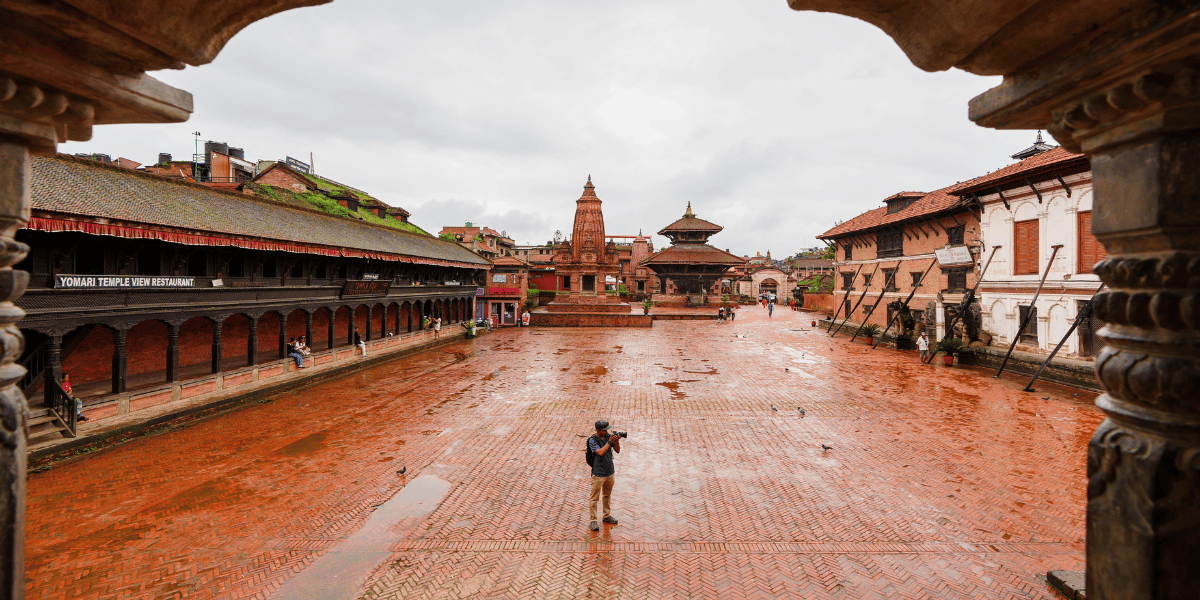
Bhaktapur Durbar Square is the largest of the four squares in the valley that make up this walking tour and the one that requires the most time too!
The compound here holds everything from a 55-window medieval palace to a collection of stone sculptures dating to the 7th century, and the alleys connecting the four squares are themselves as rich as the squares.
In fact, many do not know this fact: Bhaktapur was the capital of Nepal Mandala (Kathmandu Valley when it wasn’t split into three distinct kingdoms) during the reign of the Malla kings.
And most of what you see here is the physical legacy of that period: pagoda-style temples, woodcarved facades, golden gates, and an entire royal palace complex of which fewer than 20 of the original 99 courtyards remain. It earned its UNESCO World Heritage designation in 1979.
The walking route from Sano Byasi takes you through the oldest parts of the city before you reach the squares themselves, passing through hitis, Nanees, Pikha Lakhus, monasteries (vihars/mahavihars), and shrines that most visitors driving directly to Durbar Square will never encounter!
Dattatraya Square
The main attractions in Dattatraya Square are:
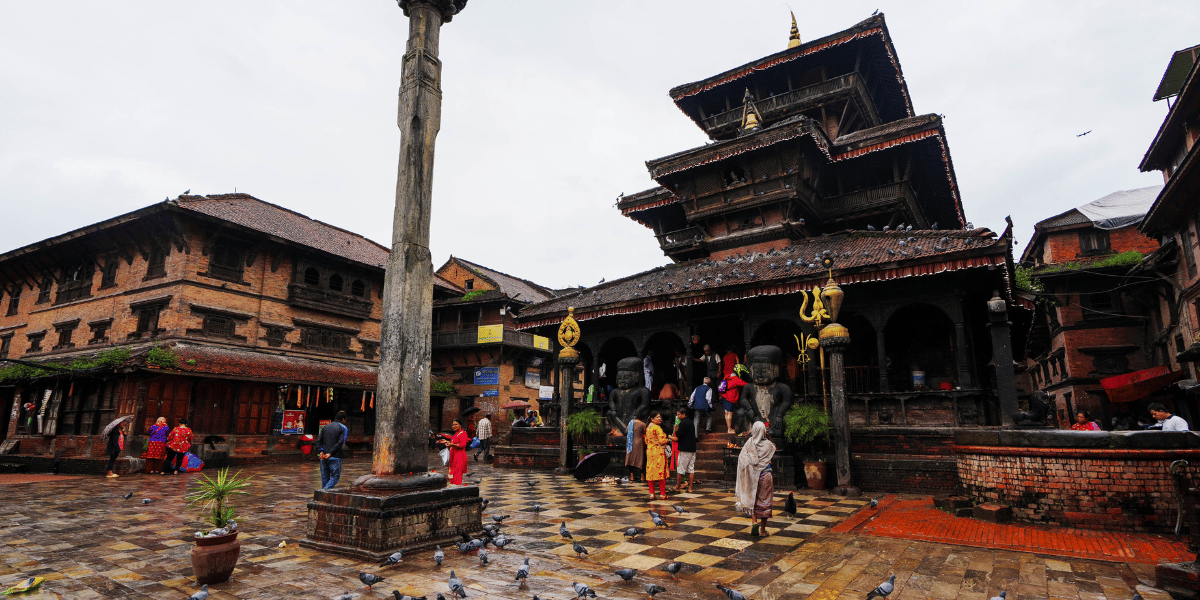
- Dattatraya Temple: Built in 1427-28 AD by King Yaksha Malla, this temple is said to have been carved from the timber of a single tree. Erotic carvings on the struts, a tall Garuda pillar, and a gilded torana above the doorway are the main features to see.
- Wood Carving Museum (Old Pujari Math): You’ll find intricate woodcarvings from the 15th to 17th centuries, including the Peacock Window (visible from the alley outside and often called the "Mona Lisa of Nepal").
- Brass and Bronze Museum: Another museum of Bhaktapur that houses ritual metalware and objects from the Malla period alongside items used by Bhaktapur's nobility.
- The Paper Factory (Peacock Shop): This is more of a private property turned paper-making workshop and artefact store. It’s filled with old books, traditional Lokta paper, and Buddhist artwork.
Durbar Square
This is the main square (housing the former royal palace), and here are all the attractions:
- Golden Gate (Sun Dhoka): This is the main gold-plated entrance to the Taleju Complex (Talejustan), considered one of the finest examples of metalwork in Nepal.
- 55 Window Palace: Completed in 1707 AD by King Bhupatindra Malla, the woodcarving on the 55 windows is considered the peak of Newari woodcraft here.
- Statue of King Bhupatindra Malla: Facing the Golden Gate with folded hands, this statue shows how great of a devotee King Bhupatindra Malla was rather than just being a ruler.
- National Art Museum: If you’ve extra time, visit this museum to check out the Buddhist Paubha paintings (thangka paintings), palm-leaf manuscripts, and sculptures, most dating before the 20th century!
- Sundhara (Golden Fountain): This one is a functioning royal water spout from the time of King Jitamitra Malla, with two large serpent statues on each side.
- Char Dham Replica: Four temples (Jagannath, Kedarnath, Badrinath, and Rameshwor) were introduced here by King Yaksha Malla so that Bhaktapur residents could perform the Char Dham Yatra without traveling to India.
Taumadhi Square
The most vibrant among the four, here are the major attractions of Taumadhi Square:
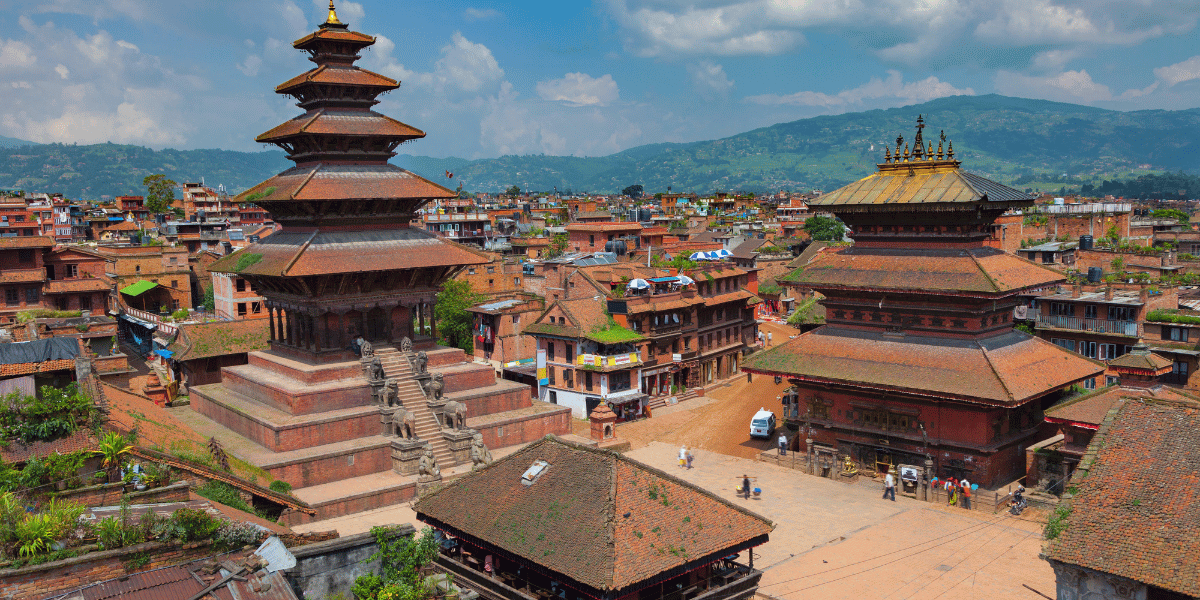
- Nyatapola Temple: This happens to be the tallest pagoda temple in Nepal at five storeys, dedicated to Goddess Siddhi Laxmi. You’ll find stone guardians at every level of the staircase. While the main temple is closed to visitors, the staircase itself is the main attraction, offering the best vantage point in the square.
- Bhairavnath Temple: Dedicated to Akash Bhairav, you can observe active daily life with devotional music here. Also, it’s believed that the temple houses the severed head of Kashinath Bhairav, according to some local folklore.
- Betal Temple, Tilmadhav Narayan Temple, Tileshwor Mahadev Temple: These are three smaller but significant temples in the same square and worth visiting for sure!
Taumadhi is also famous for hosting the first day of Biska/Bisket Jatra festival and even the last day of Gai Jatra.
Pottery Square (Talako Tole)
This is the square where you can try traditional pottery making yourself. Here are the main attractions of Pottery Square:
- Live pottery making: This is where you get to watch potters shape clay on wheels in the open square. And those willing to try can make a small terracotta pot themselves at a fee of around NPR 500 (depends on the size, not covered by this package).
- Jetha Ganesh Temple: This is a 1646 AD two-storey pagoda temple on your way into the square from Taumadhi.
- Thangka galleries and schools: Along with other squares, this one houses several thangka galleries, where you can watch traditional Paubha and Thangka painting in progress.
Note: Those interested can even pick the Mathiko Pottery Square at Suryamadhi, which is more of a commercial hub than a tourist spot.
Changu Narayan: Nepal’s Oldest Hindu Temple
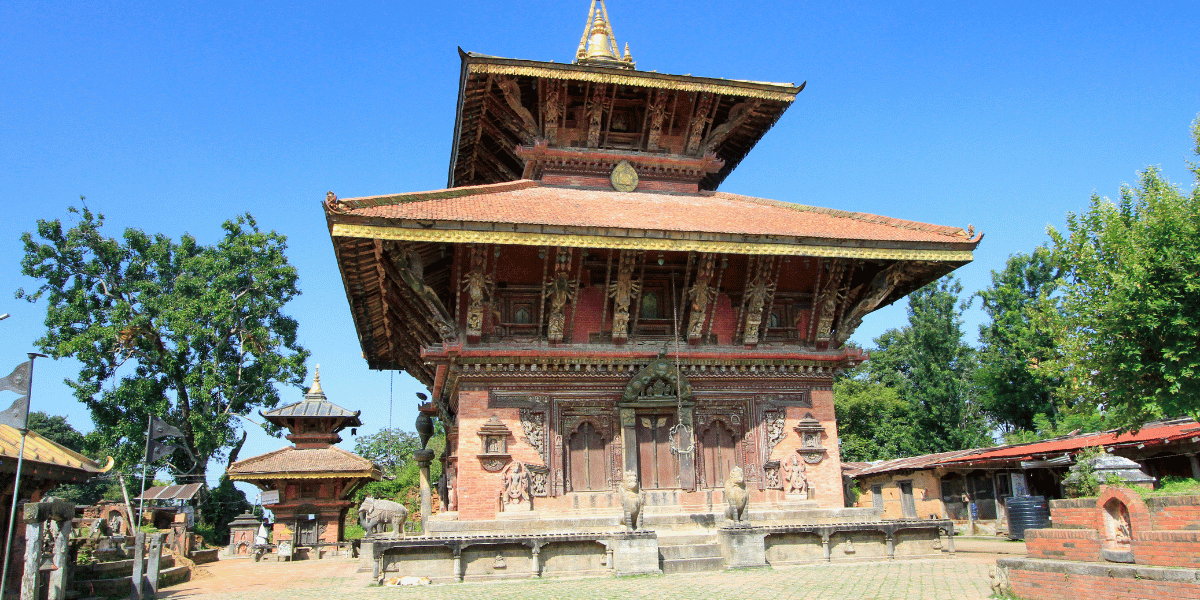
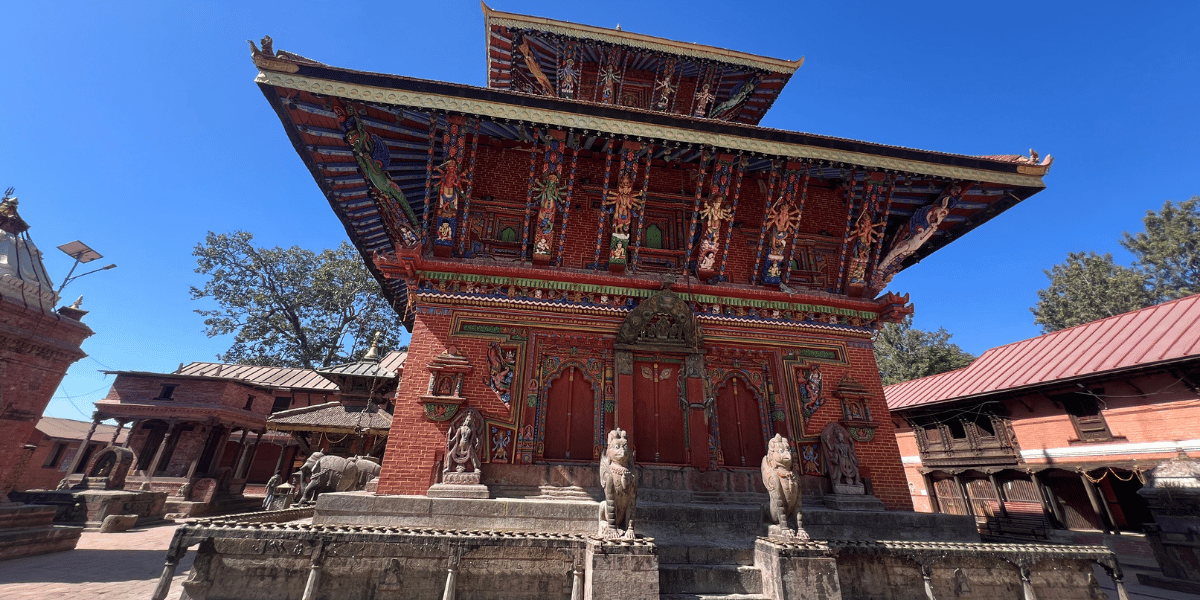
Changu Narayan Temple sits on a forested ridge around 6.5 km north of Bhaktapur, at 1,541 m above sea level, and it holds one of Nepal's oldest surviving stone inscriptions, which is a pillar from 464 AD erected by Lichhavi King Mandeva I.
The temple itself is believed to have been founded in the 4th century, with the current structure rebuilt in 1702 AD after a fire. Dedicated to Lord Vishnu, Changu Narayan has been a UNESCO World Heritage Site since 1979.
This temple’s compound might be smaller and quieter than Bhaktapur's squares, but the presence of Lichhavi-era sculpture here is unmatched anywhere in the valley!
The walk from the parking area to the temple complex (5 to 10 minutes along a stone path lined with handicraft shops and thangka galleries) is short, and the overall compound exploration itself takes 30 to 45 minutes.
Main Attractions of Changu Narayan:
- The Main Temple: The Vishnu temple is a two-storey pagoda with carved struts depicting all ten avatars of Vishnu, a tall Dhwaja (ceremonial flag pole) in front, and gilded metalwork at every corner.
- 464 AD Stone Pillar (Shilapatra): This historic pillar contains King Manadeva's military conquests and is also considered one of Nepal’s oldest known stone inscriptions.
- Human-faced Garuda Statue: Unlike other Garuda statues in the valley, this one has a full human face, believed to bear the likeness of King Mandeva himself.
- Unfinished Elephant Statue: Left incomplete mid-carving according to legend, because the elephant began to move on its own and started bleeding.
- Chhinnamasta Temple: This is a small temple dedicated to one of the ten Mahavidyas, with a notable wall painting hung outside. It shows Chhinnamasta beheading herself and feeding her blood to her own head along with two devotees.
- Vishnu Sculptures: Besides the main temple dedicated to Vishnu, you can find Vishworup (7th century), Vaikuntha Vishnu (16th century), Vishnu Vikrant, Narasimha, and Chanda Narayan, all within the same compact courtyard.
- Changu Museum: This is a private museum located on the path to the temple, displaying traditional Newa household objects, old coins, weapons, and historical artefacts from the Mandeva era.
- Living Traditions Museum: Located south of the main complex, this museum features over 400 exhibits covering Nepal's traditional arts and crafts!
Nagarkot: Experience Magical Sunset
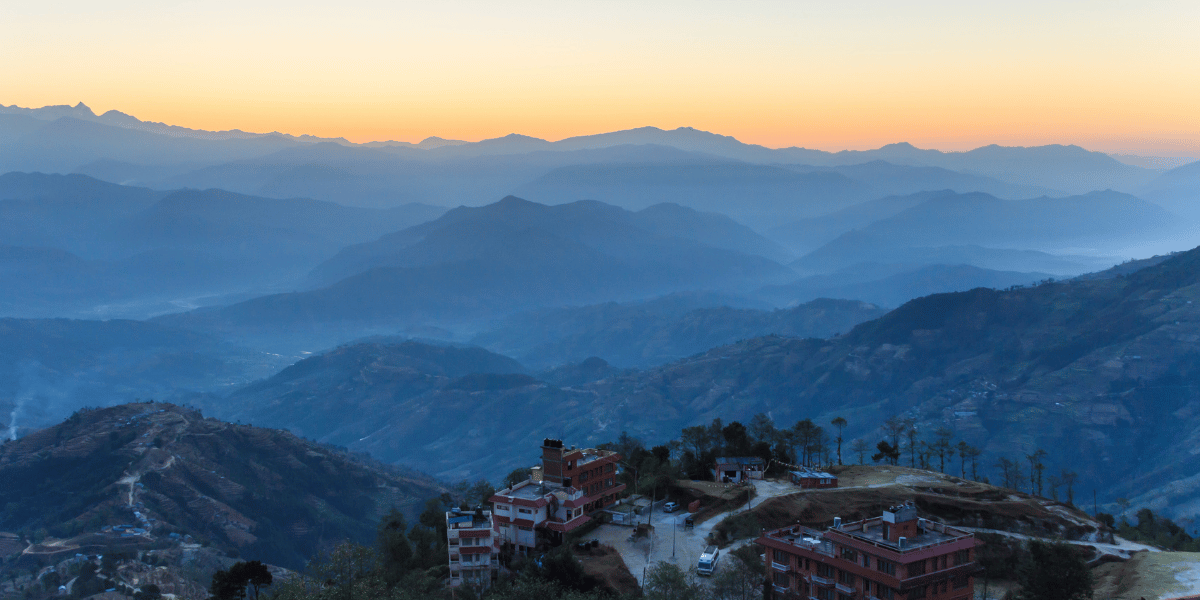
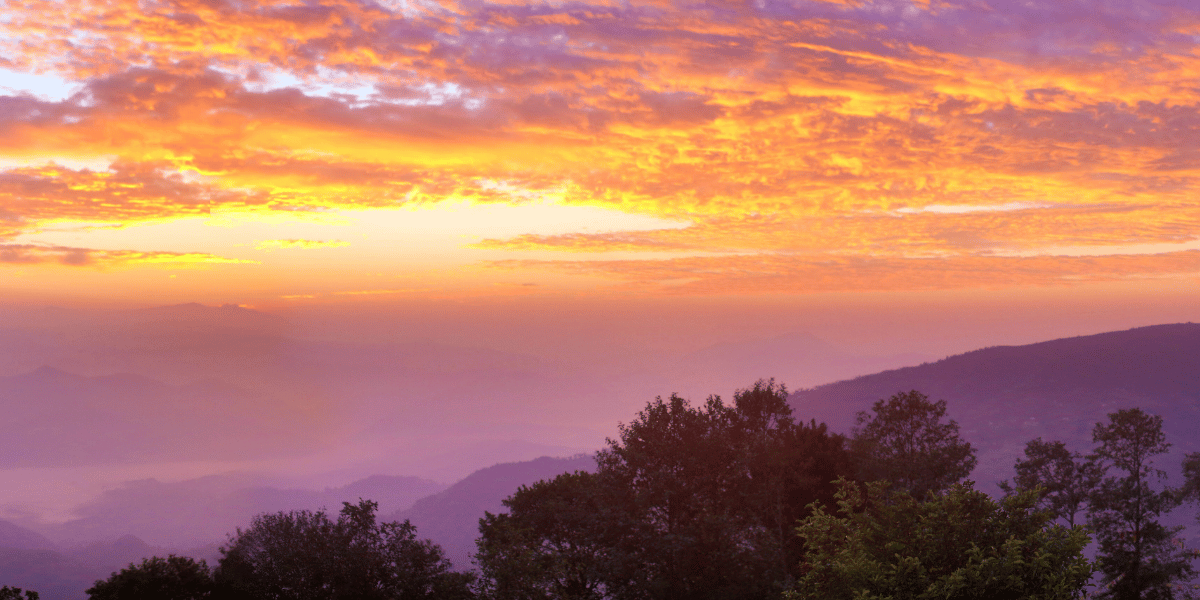
Nagarkot sits at approximately 2,150 m above sea level, about 22 km from Changu Narayan Temple (45 minutes by road). It is the most accessible hill station from Kathmandu and also the most natural endpoint for this 1-day Bhaktapur tour!
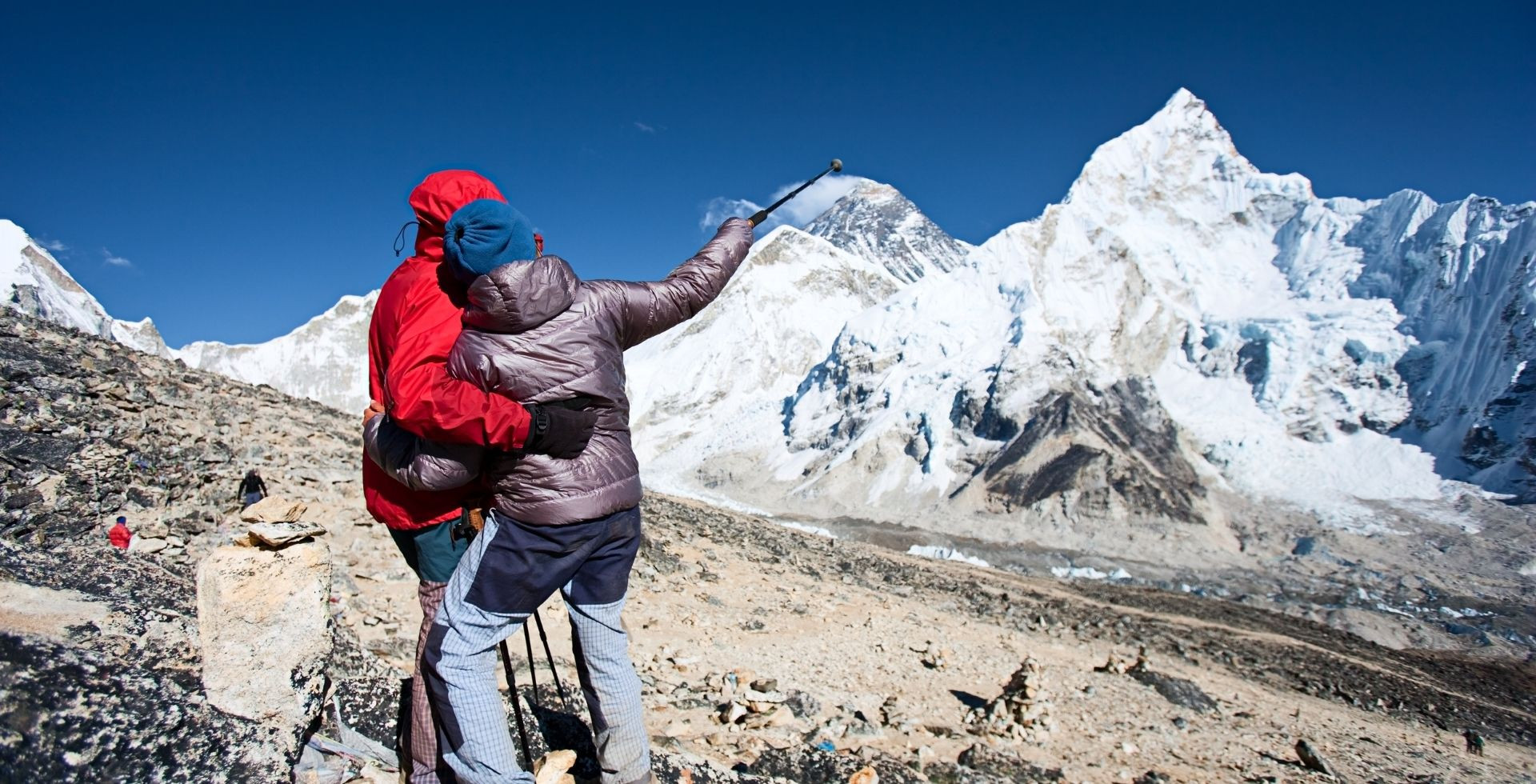
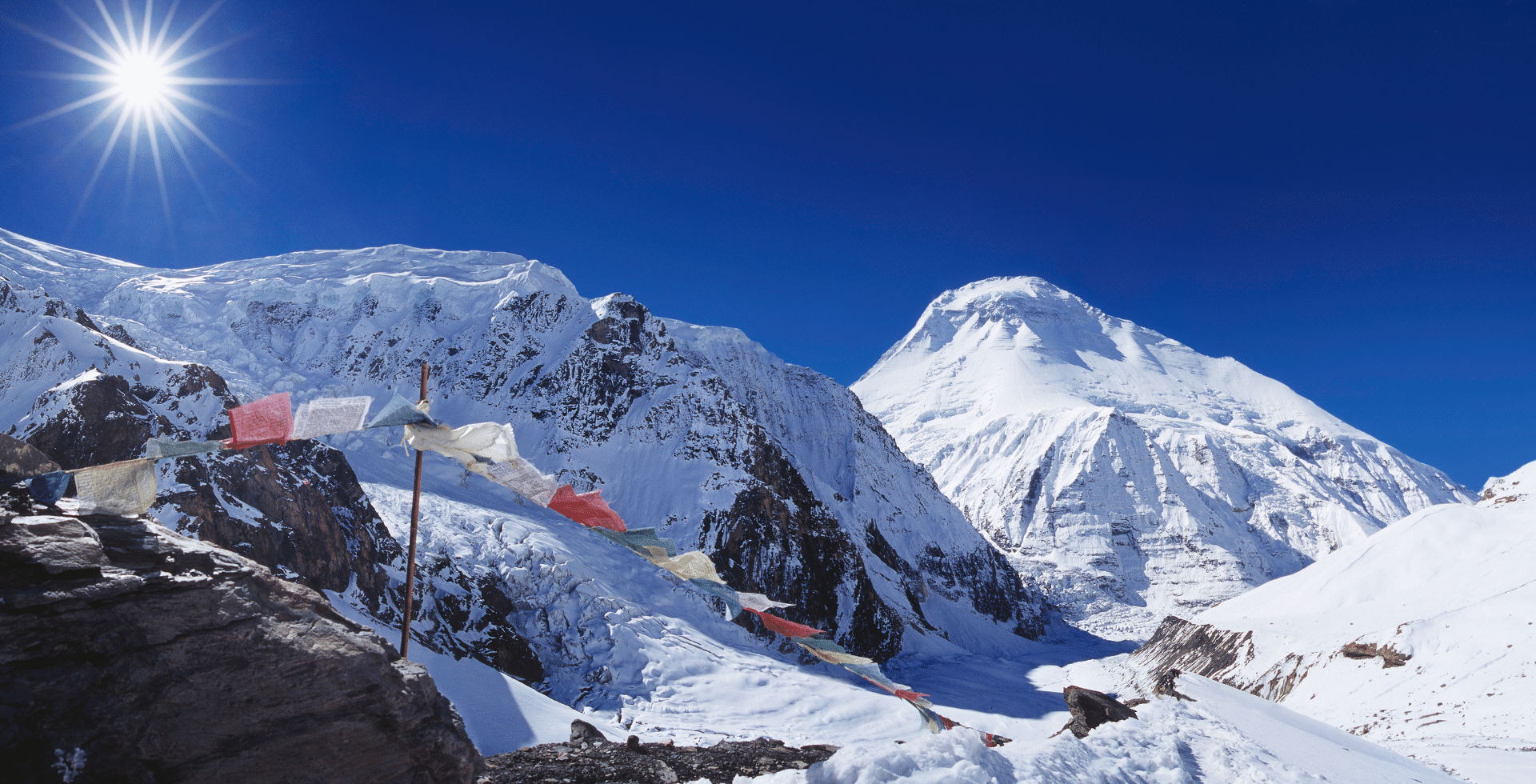
On a clear day, the panoramic view from Nagarkot stretches from Dhaulagiri in the far west to Kanchenjunga in the east, covering eight of Nepal's major mountain ranges.
The timing works well: you arrive in Nagarkot by around 4:30 to 5:00 PM, leaving enough time to settle at a viewpoint before the light changes. Sunset in summer falls between 6:00 and 6:30 PM, and in winter between 5:15 and 5:45 PM.
Optional Add-Ons in Bhaktapur Trip
A full day is more than enough to cover all of the above, but if you have a little extra time on exit from Bhaktapur, adding one practical add-on would surely be worth it:
- Four Ponds Near Bharbacho: On the way out of the heritage area via the Dudhpati-Bharbacho route, you can pass by Rani Pokhari (Nhu Pukhu), Siddha Pokhari (Ta Pukhu), Bhajya Pukhu, and Na Pukhu within a short stretch. Your vehicle can reach all of these, so it is not a long detour: 15 to 20 minutes maximum, and it gives you a glimpse of Bhaktapur's water heritage that the squares alone do not cover.
- Suryabinayak Ganesh Temple (approx. 3 km from Durbar Square): This temple is one of the four major Ganesh shrines of the Kathmandu Valley (alongside Ashok Binayak in Maru Tole, Chandra Binayak in Chabahil, and Jal Binayak in Chobar). It is specifically known as a healing temple, particularly for children with speech or hearing difficulties. Adding this stop also means you are technically entering a fourth municipality (Suryabinayak Municipality), which is a great bonus on a Bhaktapur district tour.
Other Bhaktapur district attractions worth knowing if you have a second day or want to swap a stop: Doleshwor Mahadev Temple (5.5 km from Durbar Square, considered the head of Kedarnath), Kailashnath Mahadev Statue (7.5 km), Gundu Hills (approx. 4 km, hilltop grasslands and Makhamali flower fields), and Pilot Baba Ashram (6.5 km, a forest ashram with Somnath Mahadev Temple).
Covering every single attraction in Bhaktapur district in a single day is not possible. But if you want to allocate a second day and build an extended Bhaktapur itinerary that takes in more of these, our team can put that together for you!