
• Trip Code
    Trip Code ACT
  • calendar
    Duration 15 Days
  • meter
    Trip Difficulty moderate
  • highest-point Highest Point 5416 m
  • group
    Group Size 2-10 People
  • start
    Start Point Kathmandu
  • end
    Trip End Point Kathmandu
  • accomodation
    Accommodation As Mentioned
  • meal
    Meals As Mentioned

Trip Overview

The Annapurna Circuit Trek is one of Nepal’s most iconic adventures, even compared with the Everest Base Camp Trek. Many prefer this legendary trail over the EBC trek as it offers everything from breathtaking landscapes to the thrill of crossing one of the highest trekking passes on Earth.

But more than just a physical challenge, what makes it so popular is the mix of culture, mountains, and adventure. Needless to say, it’s one of the best treks to do in Nepal.

The Annapurna Conservation Area, consisting of five districts (Kaski, Lamjung, Manang, Mustang, and Myagdi) and 15 rural municipalities, offers the unique cultural identity of each place. Along the route, the scenery changes with every stop you take, and upon completion, you reach the iconic Thorong La Pass at 5,416 m.

Your journey in the Annapurna Circuit Trek is more than just walking. It’s about the stories you’ll collect, the people you’ll meet, and the sense of achievement that goes beyond everything. With the support of a professional guide provided by our Altitude Himalaya team, our collaboration with local communities, and our experience of serving multiple guests in this trail, we believe we are the best choice as your travel agency.

This 15-day Annapurna Circuit organized by Altitude Himalaya begins with sightseeing in Kathmandu before heading west to the starting point at Dharapani. 

From there, the trek gradually unfolds as you reach Chame, followed by Pisang and then Manang. There’s an acclimatization day included in the village of Manang, considering your safety from possible AMS symptoms. Even so, you get to immerse yourself in the culture of the Nyeshang people and go on acclimatization hikes to Ice Lake to prepare for higher altitudes.

As you move past Yak Kharka and Thorong Phedi, the landscapes continue to surprise you until you finally reach Thorong La Pass. Then comes the descent, taking you on a different route into Mustang, where the sacred Muktinath Temple, the tiny village of Kagbeni, and the apple capital of Marpha show you yet another side of Nepal.

On the final day, you’ll take a private 4WD from Marpha to reach Pokhara city. After exploring the tourism capital of Nepal, you’ll return to Kathmandu the next day on a scenic domestic flight.

Whether it’s apple pie in Marpha, prayer wheels in Upper Pisang, or the warm smiles of the Manangi people, your trip to the Annapurna region shapes an experience that goes far beyond just trekking.

So if you’re ready, continue reading this guide where we take you through the adventure highlights, cultural encounters, spiritual sites, and everything else that makes the Annapurna Circuit Trek truly unforgettable.

Facts About Annapurna Circuit Trek

Protected Area

Annapurna Conservation Area

Major Caste

Nyeshang, Gurung, Ghale, Thakali, Loba, Bhotia, and other Tibetan & Bon Buddhist people

Major Religion

Hindu and Tibetan Buddhism

Rivers

Marsyangdi, Jharsang, Ghenjang, Jhong Khola, Kali Gandaki, Bagmati

Main Mountains and Peaks

Annapurna Range (II, III, and IV), Gangapurna, Tilicho Peak, Lamjung Himal, Manaslu, Pisang Peak, Chulu Range (East & West), Khatung Kang, Thorong Peak, Dhaulagiri Range

Highest Elevation

5,416 m

Permits

Annapurna Conservation Area Permit (ACAP) and TIMS Card

Route

Dharapani > Chame > Upper Pissang > Manang > Yak Kharka > Thorong Phedi > Thorong La Pass > Muktinath > Kagbeni > Marpha

Adventure and Scenic Highlights

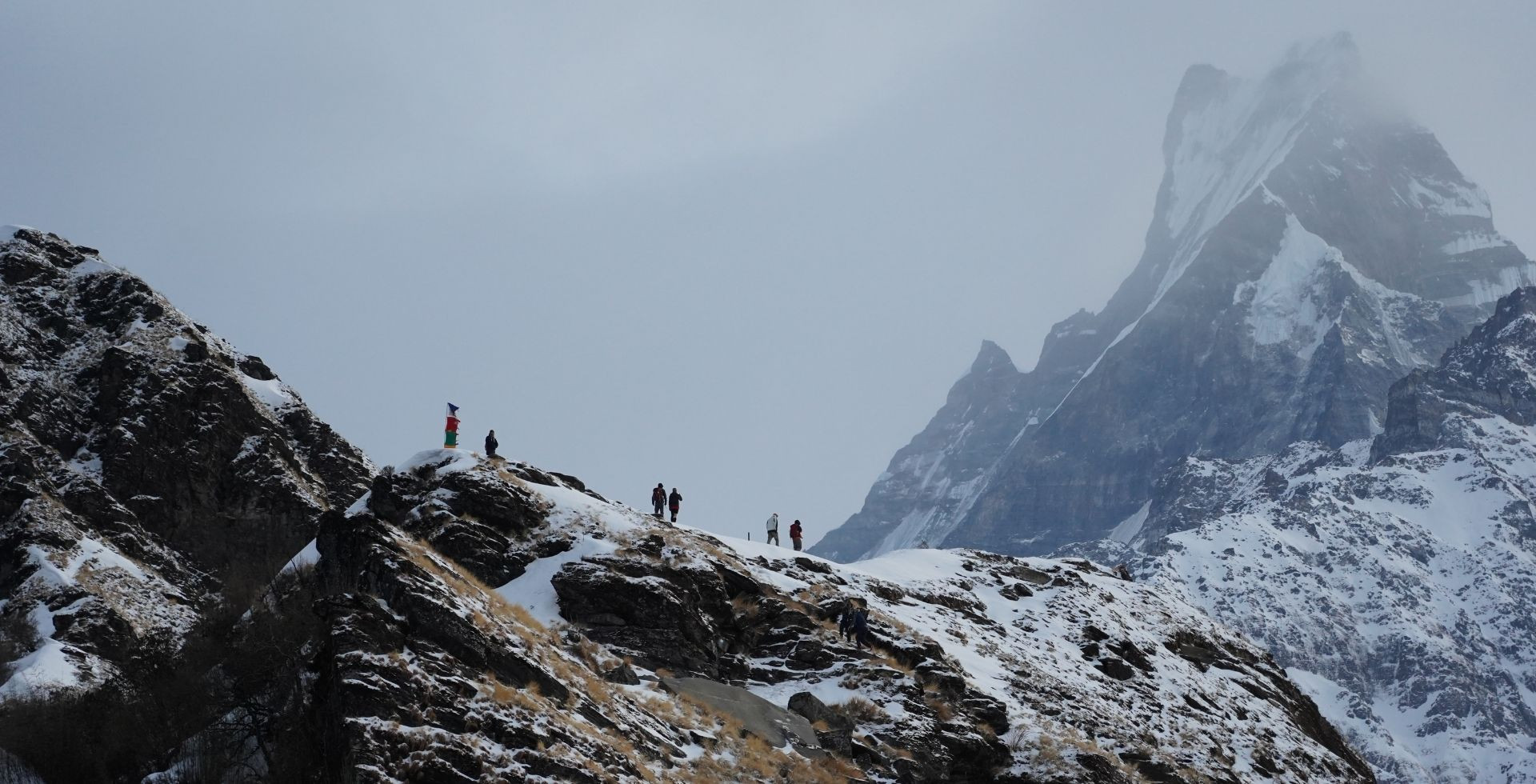
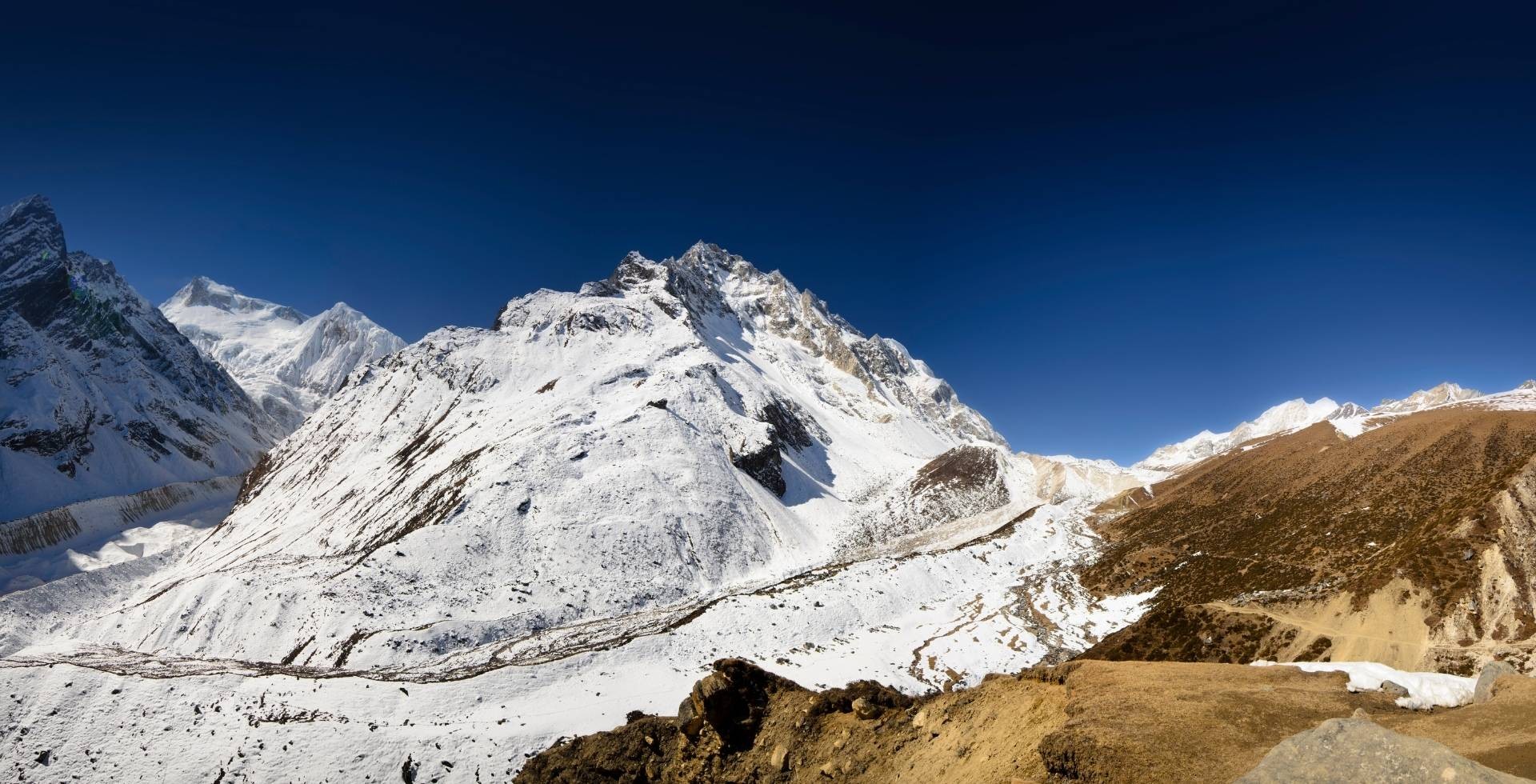
The Annapurna Circuit is mostly about high-altitude adventure and jaw-dropping mountain views. From Dharapani to Thorong La Pass, you’ll get the sights of the iconic peaks like Manaslu, Annapurna II-IV, Gangapurna, Tilicho Peak, and Dhaulagiri.

Remember that this trek isn’t just on foot. It’s about so much more. Here we present to you the adventure and scenic highlights of this trek:

Reaching Thorong La Pass at 5,416 m!

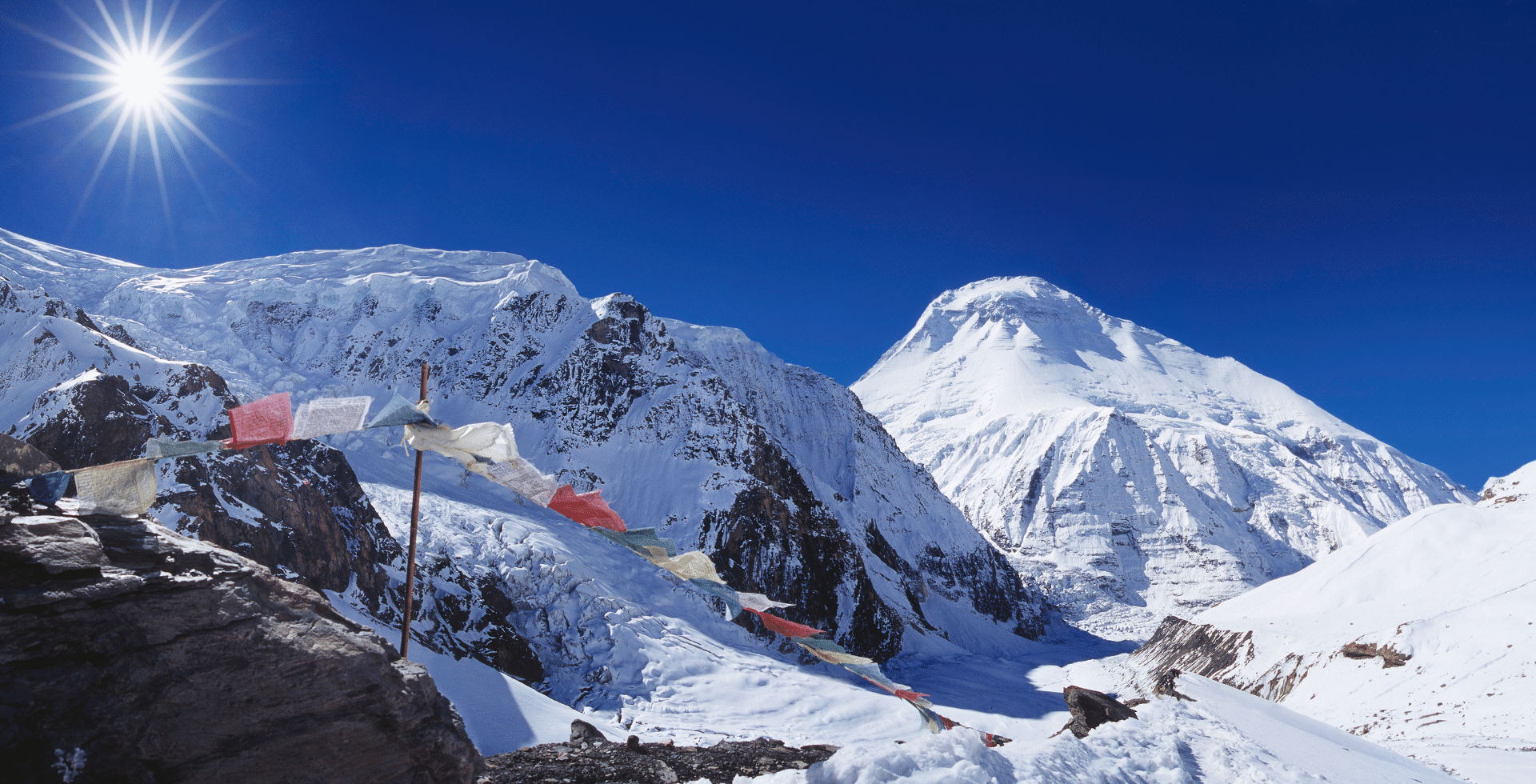
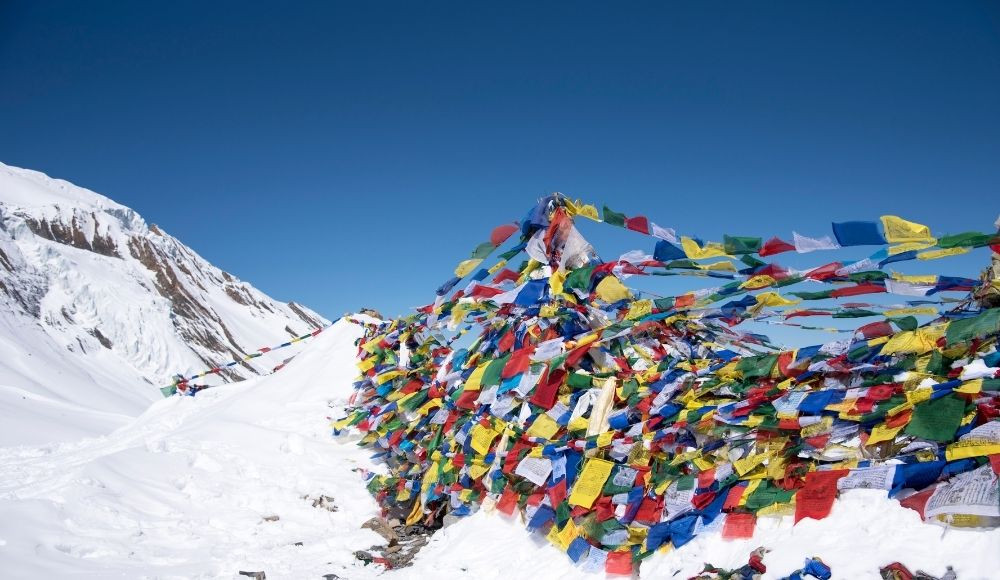
Crossing Thorong La Pass is without doubt the biggest highlight of the Annapurna Circuit. Standing at 5,416 meters, this is the point that separates Manang from Mustang and marks one of the highest trekking passes in the world.

It’s not just about the altitude! Reaching Thorong La feels like a true achievement, as it’s an iconic moment. The long climb, thin air, and breathtaking views make it a challenge worth every step. But once you’re at the top, everything feels worth it!

Mountain Views Along the Annapurna Trail

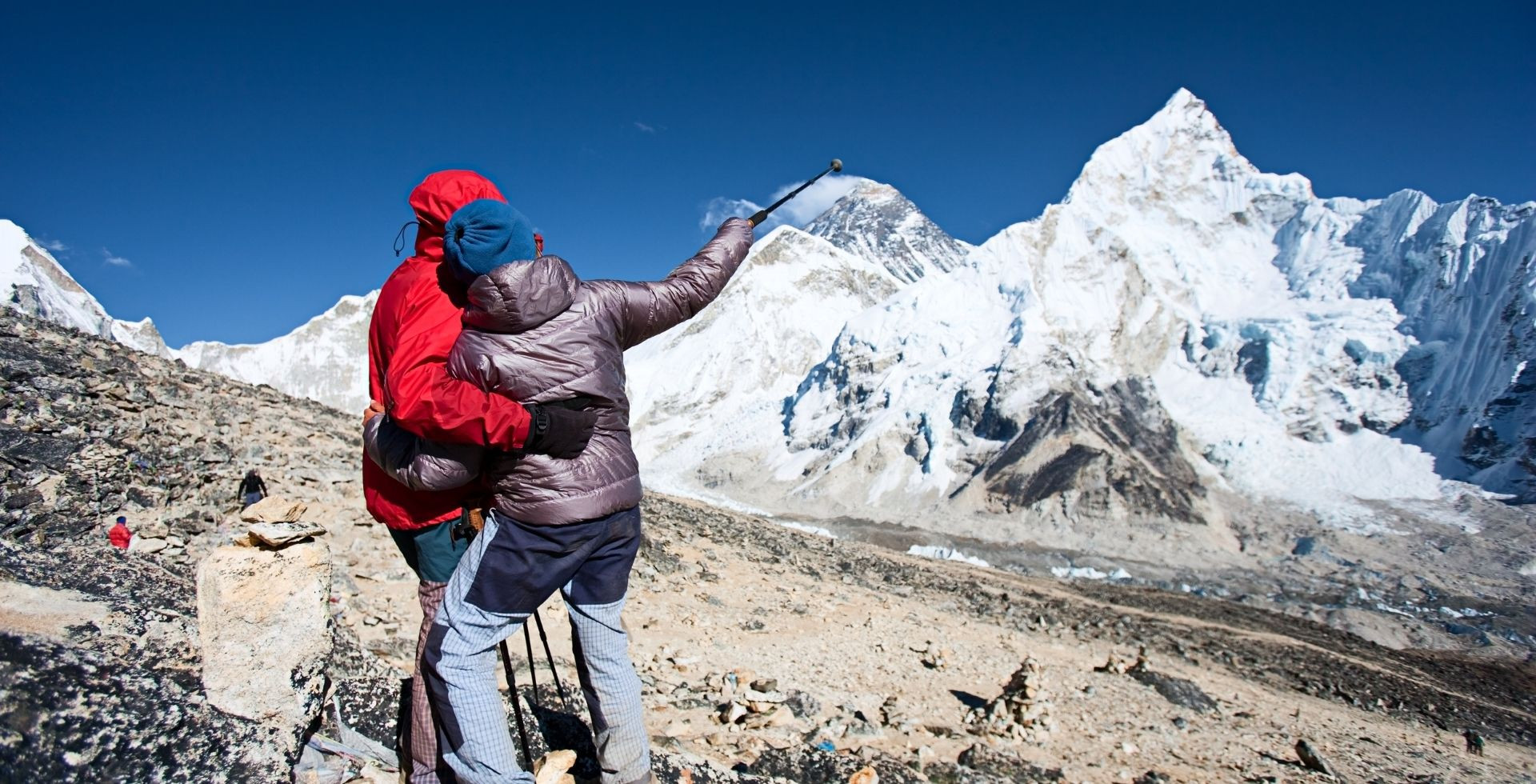
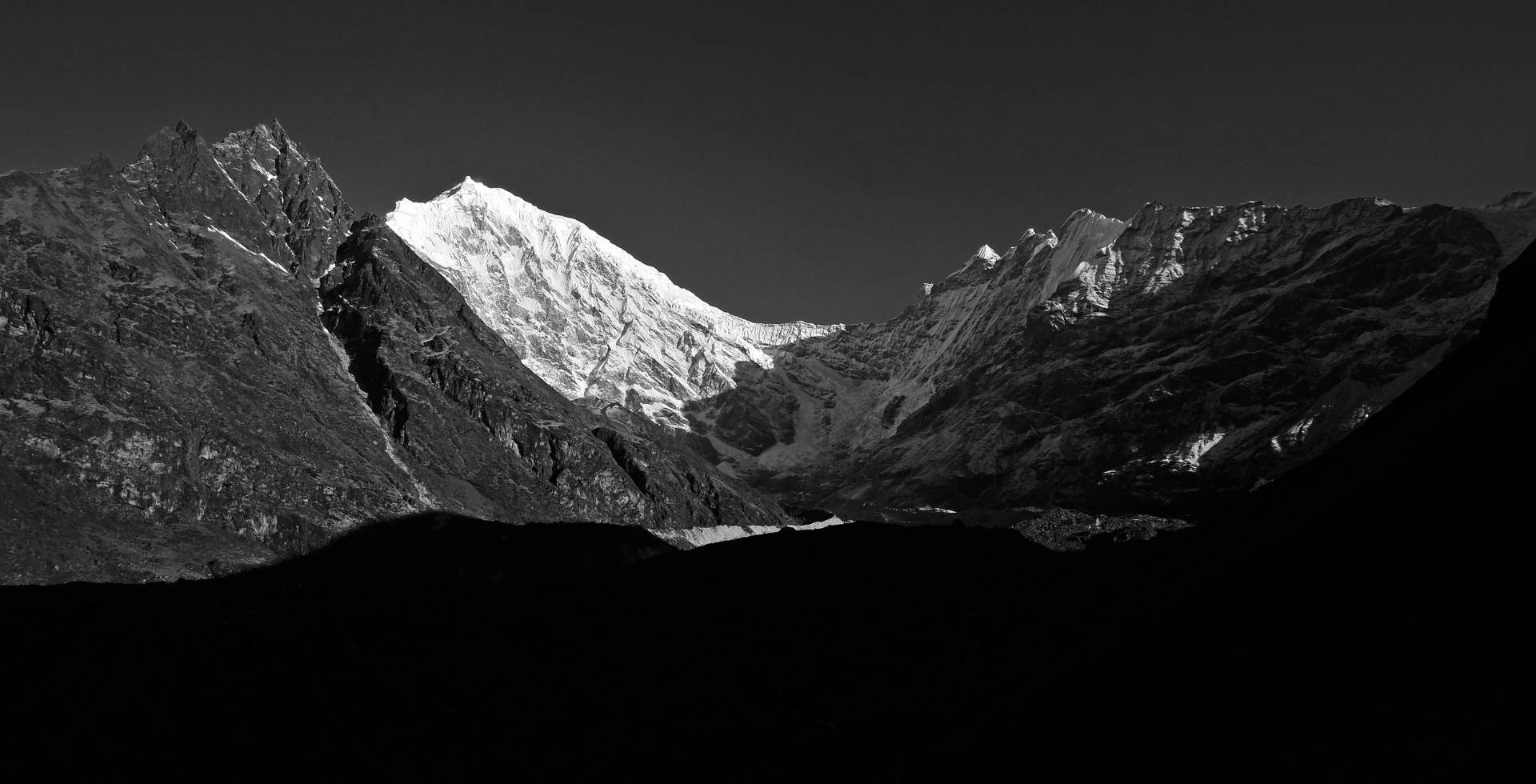
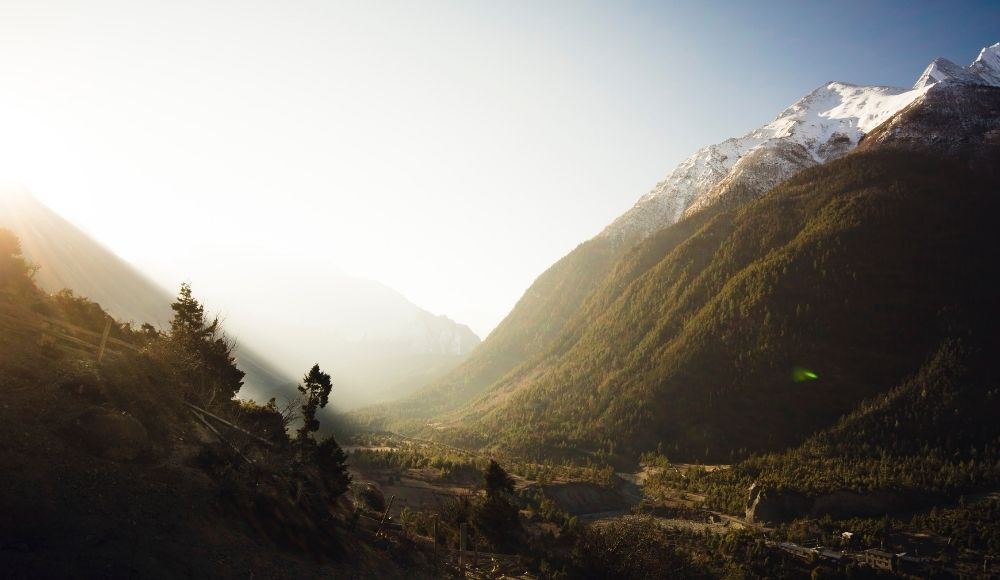
One of the most rewarding parts of the Annapurna Circuit is the views of towering Himalayan peaks. From the very first days of your walk from Dharapani to the Thorong La Pass, the trail offers spectacular mountain views at every step.

While there are countless ones, the main mountains include Manaslu (8,163 m), Lamjung Himal (6,983 m), Annapurna II (7,937 m), Annapurna III (7,555 m), Annapurna IV (7,525 m), Gangapurna (7,455 m), Pisang Peak (6,091 m), Tilicho Peak (7,134 m), Chulu Range East & West (6,584 / 6,419 m), Khatung Kang (6,484 m), Thorong Peak (6,144 m), and also the Dhaulagiri Range.

Acclimatization Hike to Ice Lake (Kicho Lake)

You’ll be spending a day in Manang Village to adjust to the high altitude. And during that time, your professional guide will take you on a short hike that serves as the perfect acclimatization activity.

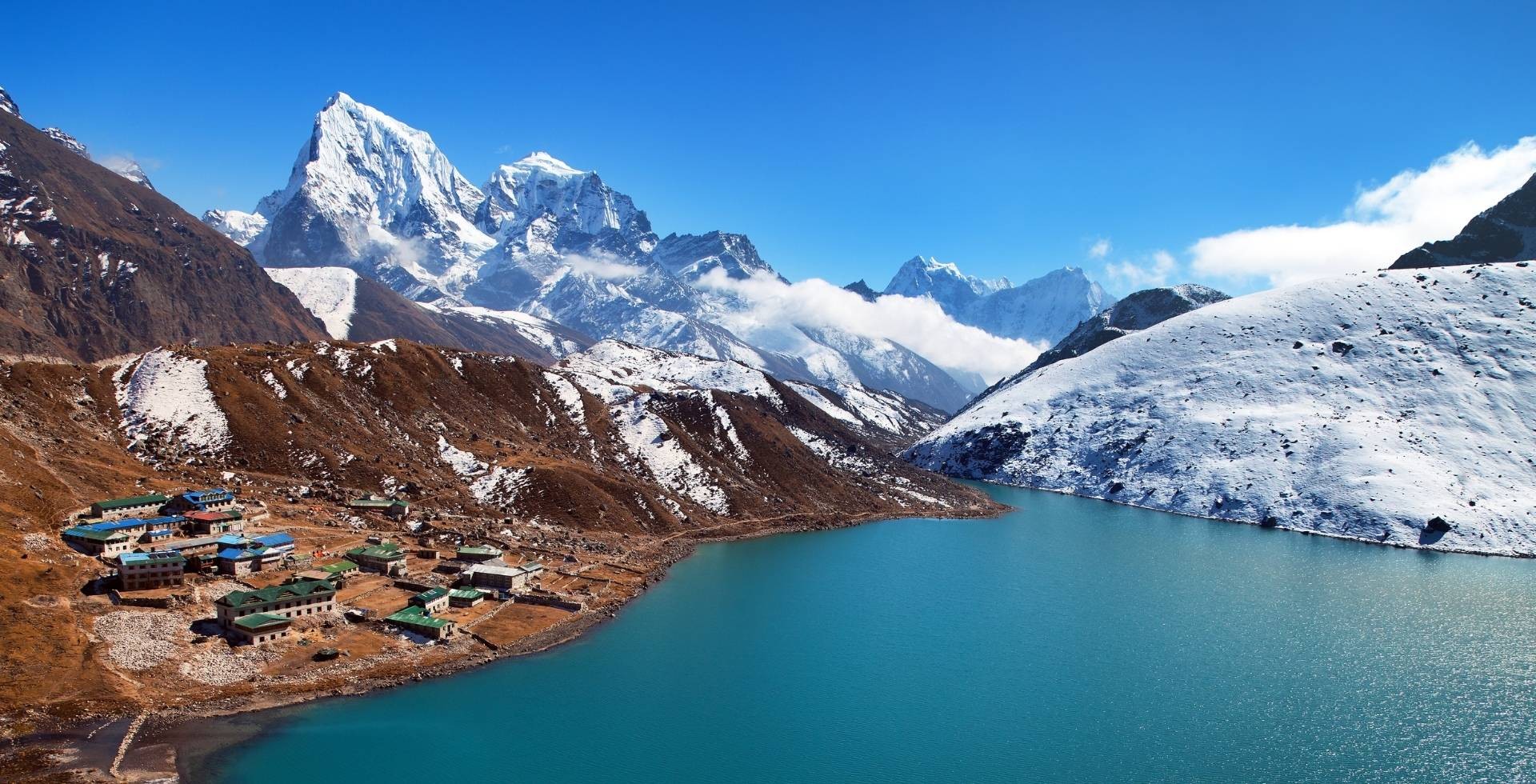
It’s adventurous because you’re trekking above 4,600 m, navigating the high-altitude terrain. Ice Lake itself is special because it’s serene, and its clean waters reflect the views of Annapurna II, III, IV, Gangapurna, Tilicho Peak, and the Chulu range.

There’s also a small stupa beside the lake that adds a spiritual charm. This is a place to keep in your journal books for sure!

Besides Ice Lake, you may also plan your trip to Gangapurna Lake and Green Lake, both of which are equally photogenic spots.

Scenic Mountain Flights

Your international flight into Nepal will itself be a breathtaking one. The aerial views of the Himalayas make you feel like this is exactly what you came for! Even before stepping on the ground, you’ll get a glimpse of the peaks that define what this country is all about.

And after the completion of the trek, there’s a final flight from Pokhara to Kathmandu, which is equally scenic as the views of Annapurna, Manaslu, and Langtang ranges become a sight worth appreciating.

Cultural and Spiritual Highlights

From the very start in Kathmandu, where you get a glimpse of Newar traditions, to the remote villages of Manang and Mustang, this Annapurna Circuit Trek won’t just be about the adventure and mountain views.

You get to experience the unique ethnic groups and their festivals and visit monasteries and temples. With the welcoming communities of Gurung, Manangi, Thakali, and Loba, you’ll live through their culture and customs through food, music, and rituals.

Here are the major cultural and spiritual highlights of this trek:

Socialize With Different Ethnic Groups on the Annapurna Trail

From the start of the trip in Nepal, you’ll meet different ethnic groups. Kathmandu is where you first encounter the Newar community.

Once you start your trek, you’ll meet Ghale, Gurung, and other local communities who welcome you with warm smiles. As you move through Upper Pisang and Manang, the Nyeshang, Baragaunle, and Manangi people share their traditions, monasteries, and way of life.

Then, you’ll meet the Bhotia, Thakali, and Loba communities, from whom you can learn about ancient Himalayan lifestyles. In fact, in Marpha, you even get to try the Thakali costumes.

Even after reaching Marpha and Jomsom, the cultural experience continues, as you get to explore Mustang heritage in every alley.

Festivals You Can Enjoy

Nepal might be a small nation, but the festivals and culture here will surprise you with their diversity.

In Manang, you’ll see people celebrating Yartung, a summer horse-racing festival observed by the local Manangi and Nyeshang communities, complete with music, dance, and traditional drinks.

In Mustang, the Bhot people celebrate the famous Tiji Festival. While it is mainly celebrated in Upper Mustang, you’ll also find communities celebrating the victory of good over evil in the Lower Mustang region.

Alongside these, the larger villages on the trail (Chame, Pisang, Manang, and Jomsom) also celebrate Dashain and Tihar in autumn. So, even if you’re away from the main cities, trekkers can still watch and participate in these vibrant celebrations during the trek itself.

Explore Different Monasteries in Manang and Mustang

The Annapurna Circuit also takes you through centuries-old monasteries in the Manang and Mustang districts.

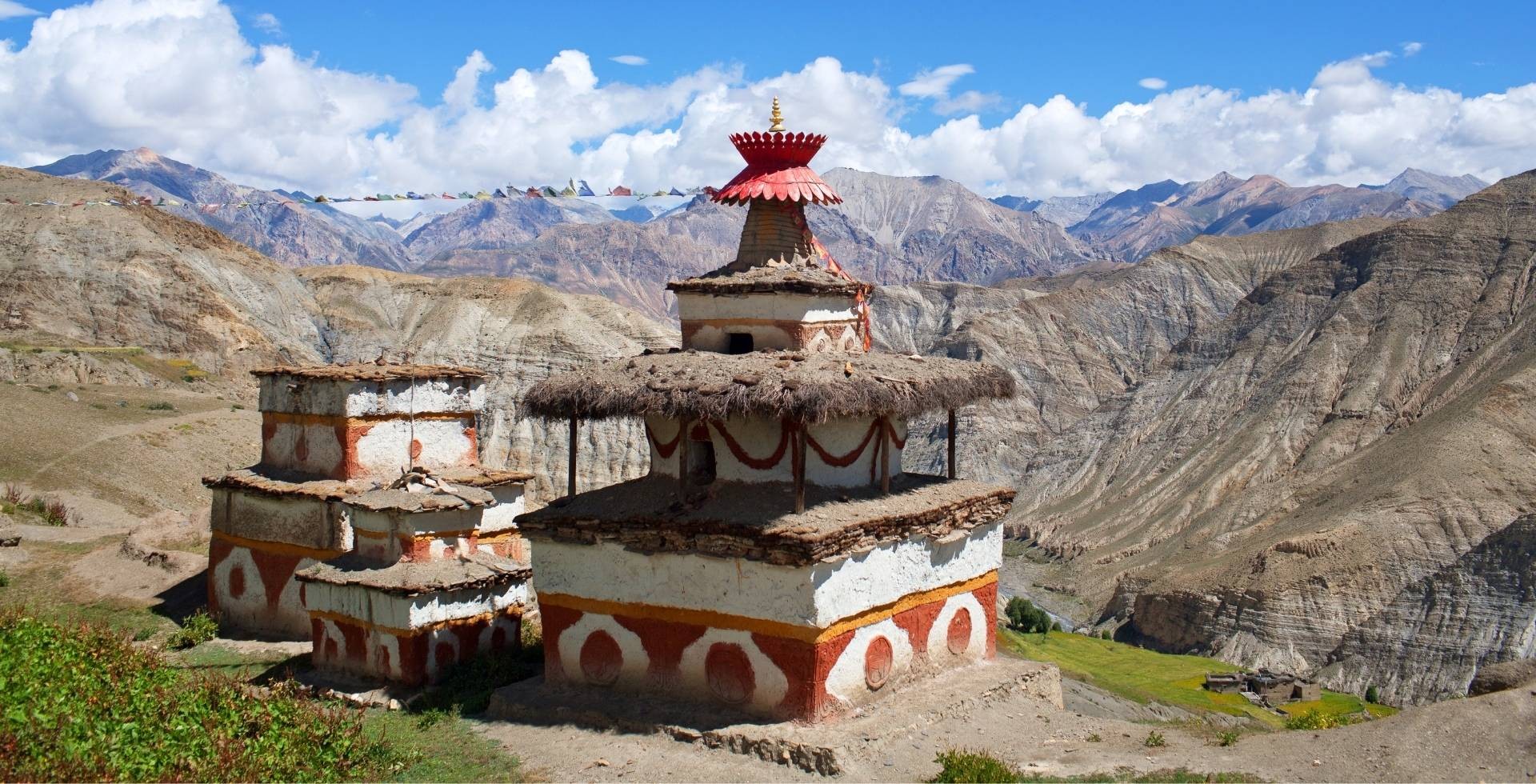
One of the must-visits is Braka Monastery, which offers a deep insight into Buddhist practice. You’ll also come across smaller gompas scattered throughout the villages, each carrying its own unique story.

Another treasure is Jhong Gompa near Kagbeni. Every monastery you encounter along the trail reflects the richness of Tibetan Buddhist traditions.

Major Stops on This Trek

The Annapurna Circuit Trek takes you to remote villages and settlements, which becomes a cultural excursion for everyone! Here are the key highlights:

  • Dharapani (1,860 m): The starting point of your trek, where you’ll spend a night before the adventure truly begins.
  • Chame (2,670 m): Headquarters of Manang District, offering first proper glimpses of the mountains, highlight being the best views of Lamjung Himal.
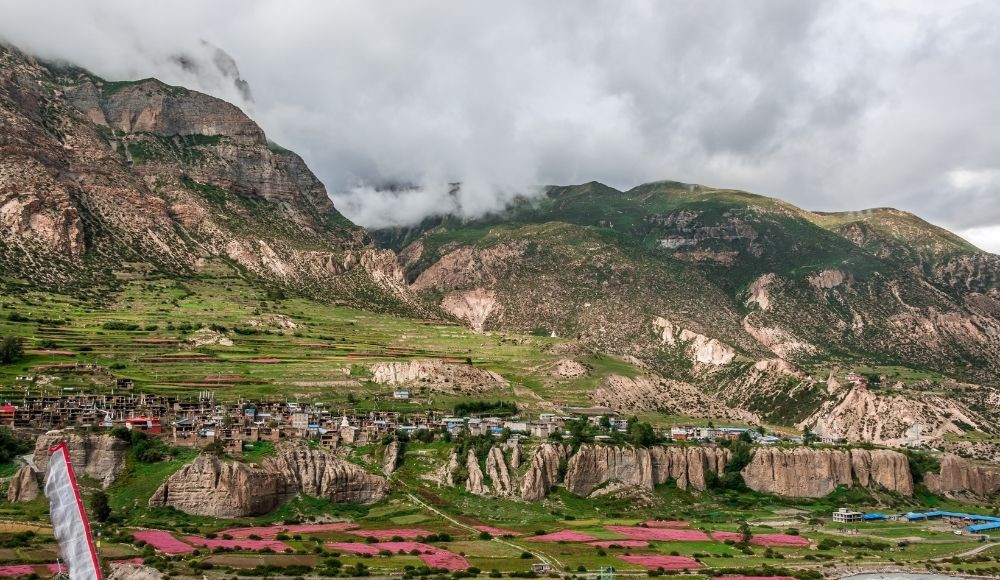
  • Upper Pisang (3,310 m): A traditional village with monasteries, prayer wheels, and beautiful Annapurna views.
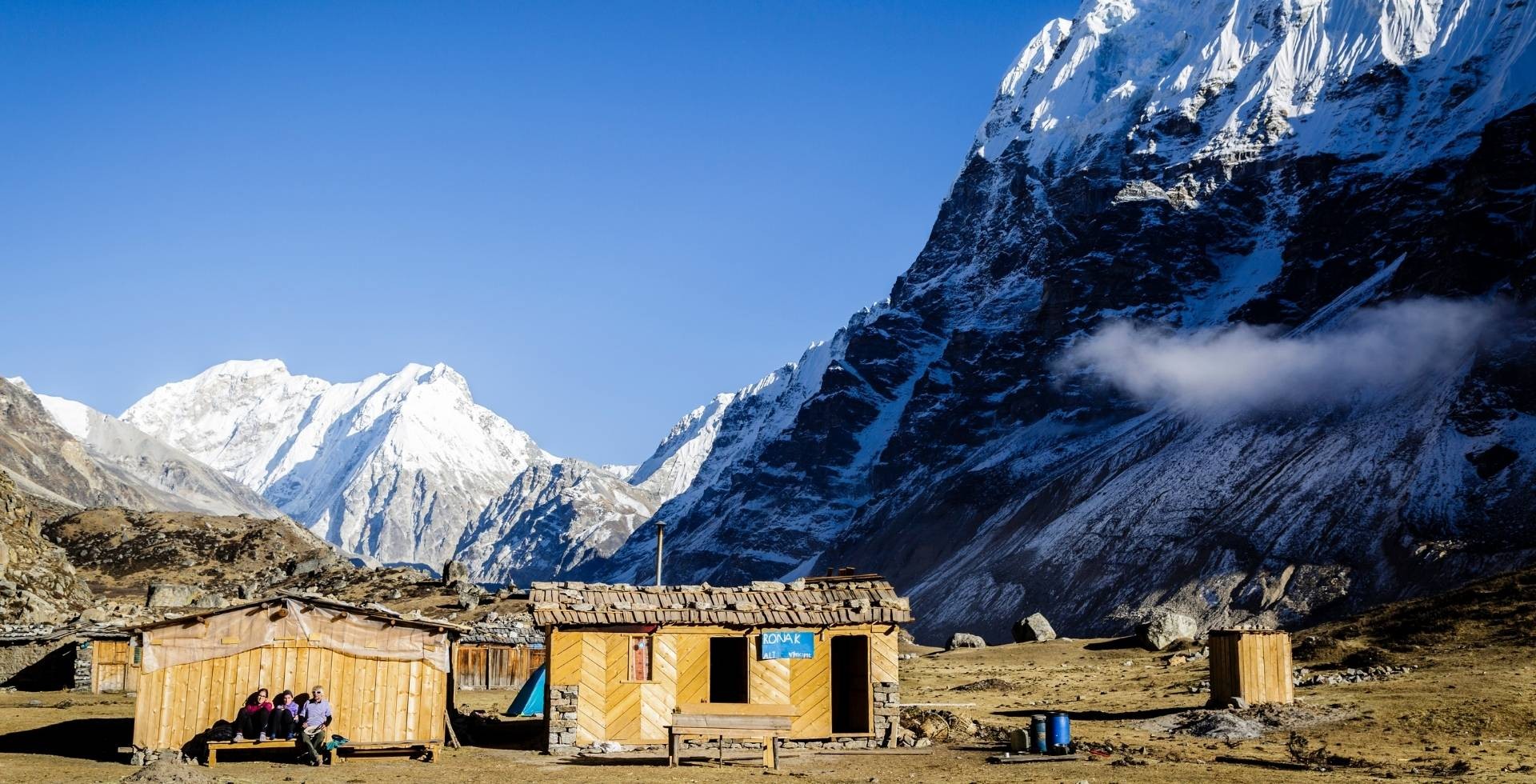
  • Manang Village (3,540 m): This is a cultural hub of the Manangi community, with bakeries, cafes, and acclimatization hikes included.
  • Yak Kharka (4,050 m): A small settlement where you get to see yaks with less greenery and more of the dry climate. The view of Gangapurna serves as the perfect backdrop for pictures!
  • Thorong Phedi (4,450 m): This is the base camp to Thorong La Pass. You can rest here and enjoy the surrounding views of Chulu and Khatung Kang.
  • Thorong High Camp (4,880 m): If you can push from Phedi to High Camp the same day, the views of the peaks look even more stunning and the sunrise from here is something trekkers shouldn’t miss out on.
  • Thorong La Pass (5,416 m): This is one of the world’s highest trekking passes and the highest point of this trek as well. Once you’re here, you’ve successfully trekked from Lamjung to Manang and finally reached the Mustang district. 
  • Muktinath (3,760 m): This is a sacred pilgrimage site for both Hindus and Buddhists. You can take a bath in the 108 water sprouts and even visit the Jwala Mai Temple that houses a sacred eternal flame.
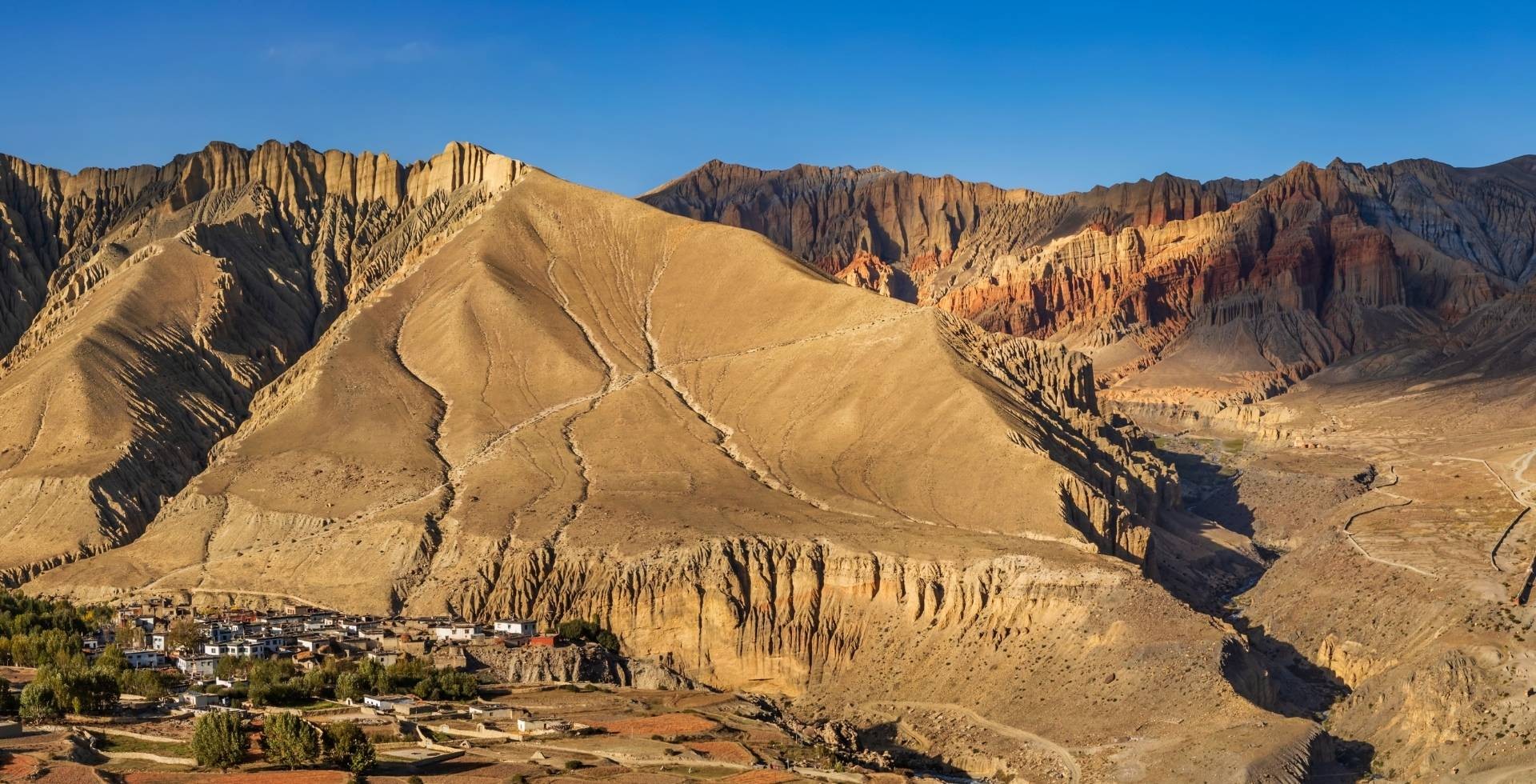
  • Kagbeni (2,804 m): You’ll spend a night in the village of Loba and Thakali people. It’s also known as the gateway to Upper Mustang.
  • Jomsom (2,743 m): District headquarters that has a bustling market and even an optional hike to Dhumba Lake can be considered.
  • Marpha (2,670 m): Known as the apple capital of Nepal, the bakeries, apple brandy, and even traditional Thakali dresses are the highlights of this place.

Heritage Sightseeing with Farewell Dinner in Kathmandu

Before you even set foot on the Annapurna Circuit trail, your journey begins in Nepal’s vibrant capital, Kathmandu. This city of living heritage is not only filled with old monuments but also reflects the spirit of a nation rebuilding and reshaping itself for the future. A visit here feels like an introduction to Nepal as a whole.

Here are the four UNESCO World Heritage Sites you’ll explore:

  • Kathmandu Durbar Square: It’s the historic royal palace complex and also home to the Living Goddess, Kumari.
  • Pashupatinath Temple: This is Nepal’s most sacred Hindu temple dedicated to Lord Shiva, located along the Bagmati River.
  • Swayambhunath (Monkey Temple): One of the oldest stupas that also serves as a viewpoint offering sweeping views of the valley.
  • Boudhanath Stupa: It is one of the largest spherical stupas in Asia. Famous for kora walk and spinning the surrounding prayer wheels, this is one of the best places to experience Tibetan culture in the capital city.

Once you’re back from your trek, you’ll get the chance to shop for souvenirs in Kathmandu’s vibrant markets. You’ll then join us for a special cultural program.

The final evening lets you experience music, dance, and traditions from different ethnic groups that you may not have met on the trail. This also comes with a farewell dinner to celebrate the completion of your Annapurna Circuit adventure.

Read More

Trip highlights

  • Start with Kathmandu cultural sightseeing in the UNESCO World Heritage Sites.
  • Explore the cultural side of Lamjung, Manang, and Mustang districts.
  • Enjoy the views of Annapurna Massif, Gangapurna, Manaslu, Lamjung Himal, etc.
  • Reach Thorong La Pass after spending nights in Manang, Yak Kharka, Thorong Phedi, or High Camp.
  • Explore Lower Mustang, highlights being Muktinath Temple, Kagbeni, Jomsom, and Marpha.
  • Meet the community of Gurung, Ghale, Nyeshang, Manangi, Baragaunle, Bhotia, Thakali, Loba, etc.

Outline Itinerary

DAY 1: Kathmandu Arrival.

DAY 2: Kathmandu Full Day Sightseeing.

DAY 3: Drive to Dharapani.

DAY 4: Dharapani to Chame.

DAY 5: Chame to Upper Pisang.

DAY 6: Upper Pisang to Manang.

DAY 7: Manang Acclimatization.

DAY 8: Manang to Yak Kharka.

DAY 9: Yak Karka to Thorong Phedi.

DAY 10: Thorong Phedi to Muktinath.

DAY 11: Muktinath to Kagbeni.

DAY 12: Kagbeni to Marpha.

DAY 13: Drive to Pokhara, Optional Activities.

DAY 14: Fly to Kathmandu, Farewell Dinner.

DAY 15: Departure, Farewell.

Detailed Itinerary

Expand all
Day 1

Kathmandu Arrival.

duration 30 Minutes
trip-accomodation Nepali Ghar
trip-meals N/A
Day 2

Kathmandu Full Day Sightseeing.

duration 6-8 Hours
trip-accomodation Nepali Ghar
trip-meals B
Day 3

Drive to Dharapani.

duration 8-10 Hours
distance 16 km
ascent 1860 m
trip-accomodation Local Lodge
trip-meals B,L,D
Day 4

Dharapani to Chame.

duration 6-7 Hours
distance 16 km
ascent 2670 m
trip-accomodation Local Lodge
trip-meals B,L,D
Day 5

Chame to Upper Pisang.

duration 7-8 Hours
distance 14 km
ascent 3310 m
trip-accomodation Local Lodge
trip-meals B,L,D
Day 6

Upper Pisang to Manang.

duration 6-7 Hours
distance 15 km
ascent 3540 m
trip-accomodation Local Lodge
trip-meals B,L,D
Day 7

Manang Acclimatization.

duration 5-6 Hours
distance 15 km
ascent 3540 m
trip-accomodation Local Lodge
trip-meals B,L,D
Day 8

Manang to Yak Kharka.

duration 5-6 Hours
distance 9.5 km
ascent 4050 m
trip-accomodation Local Lodge
trip-meals B,L,D
Day 9

Yak Karka to Thorong Phedi.

duration 6-7 Hours
distance 7.5 km
ascent 4450 m
trip-accomodation Local Lodge
trip-meals B,L,D
Day 10

Thorong Phedi to Muktinath.

duration 8-9 Hours
distance 15 km
ascent 3760 m
trip-accomodation Local Lodge
trip-meals B,L,D
Day 11

Muktinath to Kagbeni.

duration 4-5 Hours
distance 12 km
ascent 2804 m
trip-accomodation Red House
trip-meals B,L,D
Day 12

Kagbeni to Marpha.

duration 5-6 Hours
distance 16 km
ascent 2670 m
trip-accomodation Hirachan Homes
trip-meals B,L,D
Day 13

Drive to Pokhara, Optional Activities.

trip-accomodation Hotel Barahi
trip-meals B
Day 14

Fly to Kathmandu, Farewell Dinner.

duration 30 Minutes
trip-accomodation Nepali Ghar
trip-meals B,D
Day 15

Departure, Farewell.

duration 30 Minutes
trip-meals B

Price Includes

  • All required airport pickup and drop off on a private basis.
  • All the mentioned sightseeing in Kathmandu on a private vehicle.
  • Kathmandu sightseeing entrance fees.
  • Professional government-licensed tour guide for sightseeing in Kathmandu.
  • A private vehicle for your drive from Kathmandu to Dharapani and Marpha to Pokhara.
  • Domestic airplane tickets from Pokhara to Kathmandu.
  • 3-star hotel accommodation: 3 nights in Kathmandu and 1 night in Pokhara.
  • 10 nights' accommodation in local lodges during the trek, as mentioned in the itinerary.
  • Daily breakfast at the respective hotels or local lodges from the next day of your arrival.
  • Lunch and Dinner in the entire trekking journey.
  • All required permits. (ACAP and TIMS Card)
  • Duffle bag and trekking map, if required.
  • A professional English-speaking government-licensed trek guide for your Annapurna Circuit trek.
  • A porter during the trek (who carries up to 20/22 kg bag). 
  • Guide, porter and driver’s food, salary, accommodation, and allowance.
  • One local SIM card (returnable).
  • Arrangement of an emergency helicopter service, which will be covered by the traveller's insurance.
  • All government and local taxes.
  • Traditional Nepali cultural dinner in Kathmandu on the last evening of your trip.
  • An Annapurna Circuit Trek Completion Certificate.

Price Excludes

  • Personal expenses.
  • International flights.
  • Nepal visa cost.
  • Lunch and Dinner in Kathmandu and Pokhara.
  • Travel insurance covering helicopter and other forms of high-altitude rescue (highly recommended).
  • Tips for the guide, porter and anyone else involved. (highly suggested)
  • Sweet things like dessert/chocolates during the trek. 
  • Any alcoholic and non-alcoholic drinks. 
  • Hot showers/battery charges/heater/mineral water during the trek.
  • Optional activities and sightseeing in Pokhara.
  • Services that are not mentioned above.

Tour Guide, Tips

The 15-day Annapurna Circuit Trek is thoughtfully designed for guests seeking the perfect adventure in the Annapurna Conservation Area. Even if you’re on a tight schedule, we promise that this journey won’t be just about circumambulating the Annapurna Massif but will also offer a deep cultural immersion.

Each major destination we stop at on this trek has its own unique charm, showcasing some of the top highlights of the Annapurna region. That said, don’t worry if you’d like to make changes to the itinerary.

At Altitude Himalaya, your experience is our top priority. Any changes are absolutely possible; all we need is clear communication.

To help you make informed decisions without second-guessing the package, we’ve answered some frequently asked questions in the section below. Let’s explore them together!

Best Season For Annapurna Circuit Trek

Unlike other countries, Nepal has six distinct seasons. And our team at Altitude Himalaya has experienced the Annapurna Circuit Trek in all of these times. We have served our guests every month of the year, and we vow to do it for you, too!

Seriously, it’s difficult to tell you which is the best season because the beauty of every time hits differently. Allow us to explain in short:

  • Basanta (Spring) season falling from mid-March to early May, brings blooming rhododendrons, clear weather (slightly unpredictable), decent temperatures, and great mountain views. The problem is the crowd and expense.
  • Grishma (Summer) season falling from mid-May up to June, comes with comparatively fewer crowds, brings in the pre-monsoon, still has decent temperatures in the high-altitude region, and has great mountain views (if the weather is good).
  • Barsha (Monsoon) season, falling from July to mid-September, is less preferred. Although the green trail in the lower sections of the Annapurna region, as well as the best views of the waterfalls, make it heavenly, the problem with continuous rainfall, leeches, muddy trails, and less possibility of mountain views is something you need to keep an eye out for. But if you’re lucky, the peaceful trail could be one of the best times to visit.
  • Sharad (Autumn) season, falling from late September to mid-November, is the peak season and the best too in terms of weather, culture, ideal temperature, mountain views, and still the possibility of greenery and increased levels in waterfalls. But if you don’t prefer crowds, it wouldn’t actually worsen your travel experience, though it does become comparatively expensive.
  • Hemanta (Winter) season falling from late November through mid-January, brings in extreme cold in the high-altitude region, the possibility of snowfall, and increased chances of altitude sickness. But the views mostly remain clear (in the mornings), and for those who love snowfall, this could be the best time!
  • Sishir (Fall) season, falling from late January through early March is mostly dry and the major sections of the high-altitude region are bound to experience snowfall. And with the previous season already doing its magic, this season could create more challenges and hence be best for those seeking adventures with less crowd too.

You see, the best season for the Annapurna Circuit Trek actually depends on your preference. 

Check out our detailed guide on the best time to do the Annapurna Circuit Trek for more details and pictures. Choose one, and our job at Altitude Himalaya is to ensure you get the best experience.

Permits Required For This Trek

To trek in the Annapurna region, you must have proper permits. There are two main permits required to legally enter the region, and the cost varies depending on your nationality, age, and the number of people in your trekking group.

Here are the complete details:

Permits

Nepali Citizens

SAARC National

International Trekkers

Child Discount

Annapurna Conservation Area Permit (ACAP)

NPR 100

NPR 1000

NPR 3000

Free for children below 10 years

TIMS (Trekkers Information Management System) Card

-

Group: NPR 300

Group: NPR 1000

Free for children below 10 years

Individual: NPR 600

Individual: NPR 2000S

The good news is that we handle all your Annapurna Circuit Trek permits for you. All you need to do is provide the necessary documents and photos, and we’ll guide you through the process once you’ve booked this trek with us.

Accommodation, Food, and Transportation on Your Trip

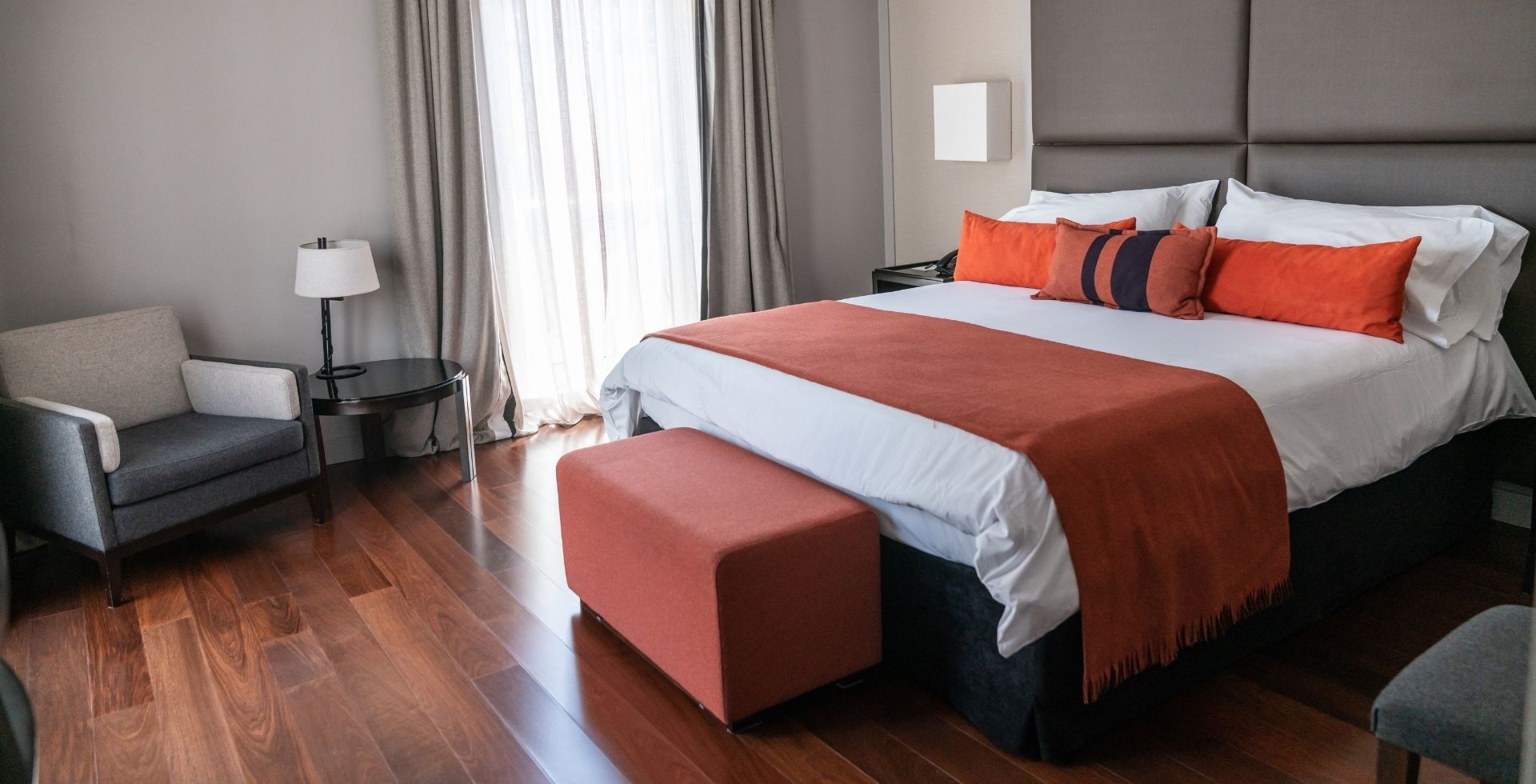
Upon your arrival in Kathmandu, our representatives will warmly greet you at the airport and escort you in a private vehicle to your three-star hotel, where breakfast is included for the first two mornings. Similar is the case upon your return to Pokhara from Mustang

During the Annapurna Circuit trek, your accommodations will be carefully selected local lodges. Over the years, we have picked those that consistently provide the best services for our guests, and your assigned trek guide will take you directly there without you having to do much hassle.

All meals (breakfast, lunch, and dinner) are included during your trekking journey, ensuring you receive the high-calorie diet needed to sustain yourself throughout the high-altitude regions.

For transportation, you’ll be escorted on a private 4WD to Dharapani from Kathmandu and also from Marpha to Pokhara. There will be one domestic flight, during the return to Kathmandu from Pokhara. 

It will be the same three-star hotel you stayed in before your Annapurna Circuit trek began, and like earlier, breakfast will be included for the next two mornings. Not to forget about the farewell cultural dinner, too!

ALTITUDE SICKNESS in Annapurna Region: Should You Worry?

The highest elevation you’re going to reach during the Annapurna Circuit Trek is 5,416 m (Thorong La Pass). In fact, you’re going to pass through and spend nights in multiple high-altitude landmarks (including Manang, Yak Kharka, and Thorong Phedi), which naturally increases the risk of altitude sickness.

To sum up, elevation gain, thin air and oxygen levels, strenuous climbs, physical exertion, cold weather, and dry air in the upper Annapurna region all contribute to acute mountain sickness (AMS). It’s a condition where fluids accumulate in those body parts where they don’t belong (like the brain, lungs, and both).

Here are the most common symptoms of AMS:

  • Headache
  • Extreme fatigue 
  • Loss of appetite
  • Becoming breathless at rest
  • Dizziness
  • Nausea
  • Sleeping disturbances
  • Rapid pulse
  • Confusion and irrational behavior
  • Severe symptoms: inability to walk in a straight line, blue-tinged lips or skin, breathlessness, hacking cough (with blood)

However, altitude sickness in the Annapurna Circuit is actually preventable and manageable if you follow the right approach. Here are some of our tips:

  • Add acclimatization days at different altitudes. We’re already doing this in Manang, which should be enough. Our well-prepared itinerary already shows why our company, Altitude Himalaya, cares about your safety over everything else!
  • Avoid sleeping pills, sedatives, and alcohol, as they tend to decrease breathing.
  • Drink 3–4 liters of fluids (boiled water, iodinated water, soup, etc.) every day to avoid dehydration.
  • Acetazolamide (Diamox) is popularly used here in Nepal and is easily available in most medical stores. But be sure to talk to your physician about whether it’s applicable for you. Our guides already carry this with them, and you may get it from them.
  • In severe cases, your AMS could lead to high-altitude cerebral edema (HACE). For that, you may take Nifedipine and Dexamethasone (again, be sure to seek permission from a physician before you go on the adventure).
  • Gamow bags are available in the health centers of Manang. When you blow them up, they help simulate pressures of lower altitude.
  • Evacuation by helicopter is possible on your Annapurna Circuit Trek. While we do not include the charges in our package, be sure to insure yourself for coverage of such high-altitude rescues. If we come to know about your situation, we’ll surely help you out in arranging it.
  • Don’t forget to note down the emergency contact numbers before starting your journey.
  • Beginners are requested to always stick with their guides or at least porters. Inform them in case any uncertainties happen.
  • Wear boots adequate for snow, a warm jacket, and good-quality sunglasses for high-altitude regions, as cold increases the chances of altitude sickness.
  • Never hurry! Let your body acclimatize to the high altitude.
  • Never continue your ascent if you encounter the early signs of AMS. Stop where you are, rest, and see how your body is reacting. In case the symptoms worsen (leading to HACE), descend immediately!
  • Avoid this Annapurna Circuit trek if you have heart disease, difficulty breathing at sea level, pregnancy, or other chronic medical conditions.
  • In case you’re trekking with children, know that they are even more prone to AMS. So, keep an eye out for them at all times.

Caution: Ignoring signs of AMS and HACE can lead to high-altitude pulmonary edema (HAPE), which can be fatal.

Packing List for Annapurna Circuit Trek

Trekking in the Annapurna region means you’ll pass through varying altitudes and weather conditions. Although your journey begins from the warmer valleys, you’re going to pass through alpine zones and reach the snowlands.

So, packing can be a bit tricky, and let us inform you that this is one of the most asked questions by our guests. Now, if you’re actually reading this section, KUDOS TO YOU, as we ensure that you won’t have a query left.

Packing the right clothes and gear that let you adjust to changing temperatures and conditions is absolutely essential for treks like the Annapurna Circuit. So, here’s a complete packing list to guide you:

Clothing: LAYER THEM!

  • Base Layer (for moisture control): 2 to 3 thermal tops (lightweight and quick-dry), 2 thermal bottoms for colder nights, Sports bras/innerwear that are sweat-wicking
  • Mid Layer (for insulation): 2 to 3 trekking shirts (long/short sleeves, quick-dry), 1 to 2 warm fleece jackets or pullovers, Insulated down jacket (essential for high altitudes and mornings/evenings)
  • Outer Layer (for wind and rain protection): Waterproof/windproof jacket with hood, Waterproof trekking pants, Lightweight windbreaker (optional but handy)
  • Trekking Pants and Shorts: 2 pairs of trekking pants, 1 lightweight trekking short (optional)

Headwear and Handwear

  • Warm beanie or wool hat
  • Sunhat/cap with a wide brim
  • Neck gaiter or buff for dust and cold air
  • UV-protection sunglasses
  • Lightweight inner gloves
  • Warm insulated outer gloves

Footwear

  • Sturdy trekking boots (waterproof and ankle support)
  • 1 lightweight pair of camp shoes/sandals (for evenings and teahouses)
  • 3 to 4 pairs of warm trekking socks
  • 2 to 3 pairs of liner socks

Trekking Essentials

  • Backpack (60–70L, with good hip and back support)
  • Daypack (20–30L for essentials during acclimatization hikes)
  • Duffel bag (we’ll provide you!)
  • Trekking poles (highly recommended for descents)
  • Headlamp with spare batteries (for that early morning hike to Kala Patthar!)

Personal Items and Accessories

  • Water bottle or hydration bladder
  • Water purification tablets/drops
  • Sunscreen (SPF 50+), lip balm with SPF
  • Quick-dry towel and toiletries
  • Wet wipes/hand sanitizer 
  • Deodorant (showers are limited at higher altitudes)
  • Personal first aid kit 
  • Prescribed personal medications (kindly carry Diamox as mentioned earlier)
  • Snacks/energy bars for long days

Electronics and Miscellaneous

  • Camera or smartphone (with extra batteries/power bank)
  • Universal travel adapter (standard voltage of electricity in Nepal is 220-240 Volts and 50 HZ)
  • Lightweight book, journal, or cards 
  • Earphones or headphones

Documents and Money

  • Valid passport with Nepali visa
  • Trekking permits (ACAP and TIMS Card)
  • Copies of travel insurance covering high-altitude trekking
  • Cash (Nepali rupees)
  • Photos and other documents that we will inform you of

Dos and Don’ts on This Trek

Adventures, like this Annapurna Circuit trek, come with a risk. No matter how confident you are, there are certain things you need to follow to stay safe.

Also, you must be aware of the culture and customs of the region. You must respect them at all costs!

Since we’ve organized this tour with your safety and that of your group in mind, we kindly request you not to engage in anything that could make things difficult for us or for the local communities along the trail.

To ensure you avoid those mistakes, here are some essential tips:

Things to Do

Things to Avoid

Carry small trash bags to collect your garbage.

Don’t litter around.

Respect local customs and learn basic Nepali greetings like “Namaste”.

Don’t bargain aggressively in small villages

Keep your permits with you to show them to the respective offices in the Annapurna Circuit trail.

Don’t leave the group without informing the guide.

Respect other trekkers’ privacy and walk in a queue (if required when the trail is crowded).

Don’t make excessive noise that disturbs others (avoid carrying speakers, as they are prohibited in the Annapurna CA).

Ask before photographing locals.

Don’t get drunk at high altitudes.

Label your gear clearly.

Don’t wear your boots or sandals when entering sacred sites.

Give way to trekkers, porters, and animals coming from the opposite side.

Don’t panic in case you fall down or show signs of altitude sickness.

Besides all these, there are still plenty of things to keep in mind before going for the Annapurna Circuit Trek. Before even coming to Nepal, you need to have strong mental endurance, do strength training, long-distance walking, and other things that indirectly help you to reduce the difficulty of this trek.

Tipping Culture in Annapurna Region

We won’t say tipping is a must, but there’s a tradition that trekkers and climbers have followed for decades!

For that reason, we highly recommend tipping your porters and even guides. The salary they receive is at a standard rate.

Our suggestion is to tip them at least 10% of your total Annapurna Circuit Trek cost. That’s the minimum they expect, but you can raise it as per your desire or depending on the service they provide.

Honestly, this is something we don’t even have to speak for. We are just making you well aware about it from this guide itself. Once you do the trek, you’ll automatically know why there’s a tipping culture in the Annapurna Region and even other treks in Nepal.

Annapurna Circuit Trek Customization With Altitude Himalaya

If you have gone through the itinerary earlier, we clearly mentioned that there are multiple other things that can be added within the package. However, adding such experiences will cost you a certain amount of additional budget allocation.

The itinerary above was a standard one, but there are multiple things you can do to enhance your Annapurna Region experience. Here are some basic ideas that our prior guests have gone for:

Remember that these are just ideas. You can come up with your own versions. In fact, if you check out other packages related to the Annapurna Circuit Trek with Altitude Himalaya, you could even choose the following in case this classic route doesn’t satisfy you:

Note that we aren’t just limited to these packages. We can curate a customized itinerary just for you. So, don’t hesitate to contact us directly on WhatsApp!

Frequently Asked Questions

What is the maximum elevation during the Annapurna Circuit Trek?

Can a beginner do Annapurna Circuit?

Do I need travel insurance for this Annapurna Circuit Trek?

Are Wi-Fi and mobile networks available along the trail?

How difficult is the Annapurna Circuit trek?

Is there any age limit for trying out the Annapurna Circuit Trek?

Is it possible to do the Annapurna Circuit Trek without a guide and porter?

What happens if I can’t continue the trek due to altitude or health issues?