


 Highest Point


What if you could experience the raw alpine wilderness of the Langtang Valley and walk to one of the most sacred lakes in the entire Himalaya, all in a single journey? That's exactly what this Langtang Gosaikunda Lake Trek offers!
Your 14-day journey with Altitude Himalaya begins at Syaphru Bensi, following the legendary Langtang Khola all the way to Kyanjin Gompa (3,890 m). Then, you’ll attempt the high-altitude hikes to Kyanjin Ri (4,700 m) and Tsergo Ri (4,985 m).
Next, you descend back through the valley before ascending an entirely different trail toward the mystical, mythology-drenched waters of Gosaikunda Lake (4,380 m).
So, this is like two of the Langtang region's major attractions, tied together in one complete package!
In terms of difficulty, this is a ‘difficult’ level trek overall as it comes with two genuinely demanding high-altitude moments.
The challenge in the Langtang Valley part truly begins with the Kyanjin Ri and Tsergo Ri hikes, as they both require solid physical condition and an early start.
After that, the Gosaikunda section introduces a different kind of demand: a long continuous ascent from Thulo Syaphru itself and exposed ridgelines toward the sacred lakes at 4,380 m.
At Altitude Himalaya, we've built this package around one core belief: your experience is always the priority. This is a fully private trek, meaning you won't be grouped with strangers or rushed to match someone else's pace.
You'll have your own licensed, English-speaking guide who knows both the Langtang Valley and the Gosaikunda trail intimately, and a personal driver who ensures your transfers are smooth and on your schedule.
From the moment you arrive in Kathmandu to the farewell cultural dinner on your last evening, every detail is arranged by our Altitude Himalaya team so you can focus entirely on the journey ahead.
We say it about every Langtang region package, and we mean it every time: this region is one of Nepal's most rewarding. It comes with the combination of cultural depth in the Tamang villages, the dramatic alpine scenery of Langtang Valley, and the spiritual power of the Gosaikunda, which makes your journey a complete Himalayan experience.
General Facts About this Langtang-Gosaikunda Trek
|
Protected Area |
Langtang National Park |
|
Major Caste |
Tamang |
|
Major Religion |
Tibetan Buddhism and Hindu pilgrimage significance at Gosaikunda |
|
Rivers |
Langtang Khola that mixes into Bhote Koshi River, Trishuli Khola that mixes into Bhote Koshi River to form Trishuli River |
|
Main Mountains and Peaks |
Ganchenpo, Langtang Lirung, Luri Himal, Ghenye Liru, Tsangbu Ri, Naya Khanga, Gosaikunda Ri |
|
Highest Elevation |
4,985 m (Tsergo Ri) |
|
Permits |
Langtang National Park Entry Permit, TIMS Card (optional) |
|
Trek Route |
Syaphru Bensi > Lama Hotel > Langtang Village > Kyanjin Gompa > Kyanjin Ri and Tsergo Ri hikes > Lama Hotel > Thulo Shyaphru > Laurebina > Gosaikunda Lake > optional hikes > Chandanbari (Sing Gompa) > Dhunche |
Sunset From Kyanjin Ri (Lower and Upper)
The first of two major viewpoint hikes from Kyanjin Gompa, Kyanjin Ri, is where this trek's alpine adventure truly begins.
It also serves as the ideal acclimatization hike before the far more demanding Tsergo Ri summit attempt the following day.
Our 14-day itinerary places this hike in the evening on the day you arrive at Kyanjin Gompa, giving you a rare and genuinely magical sunset panorama rather than the more common sunrise approach.
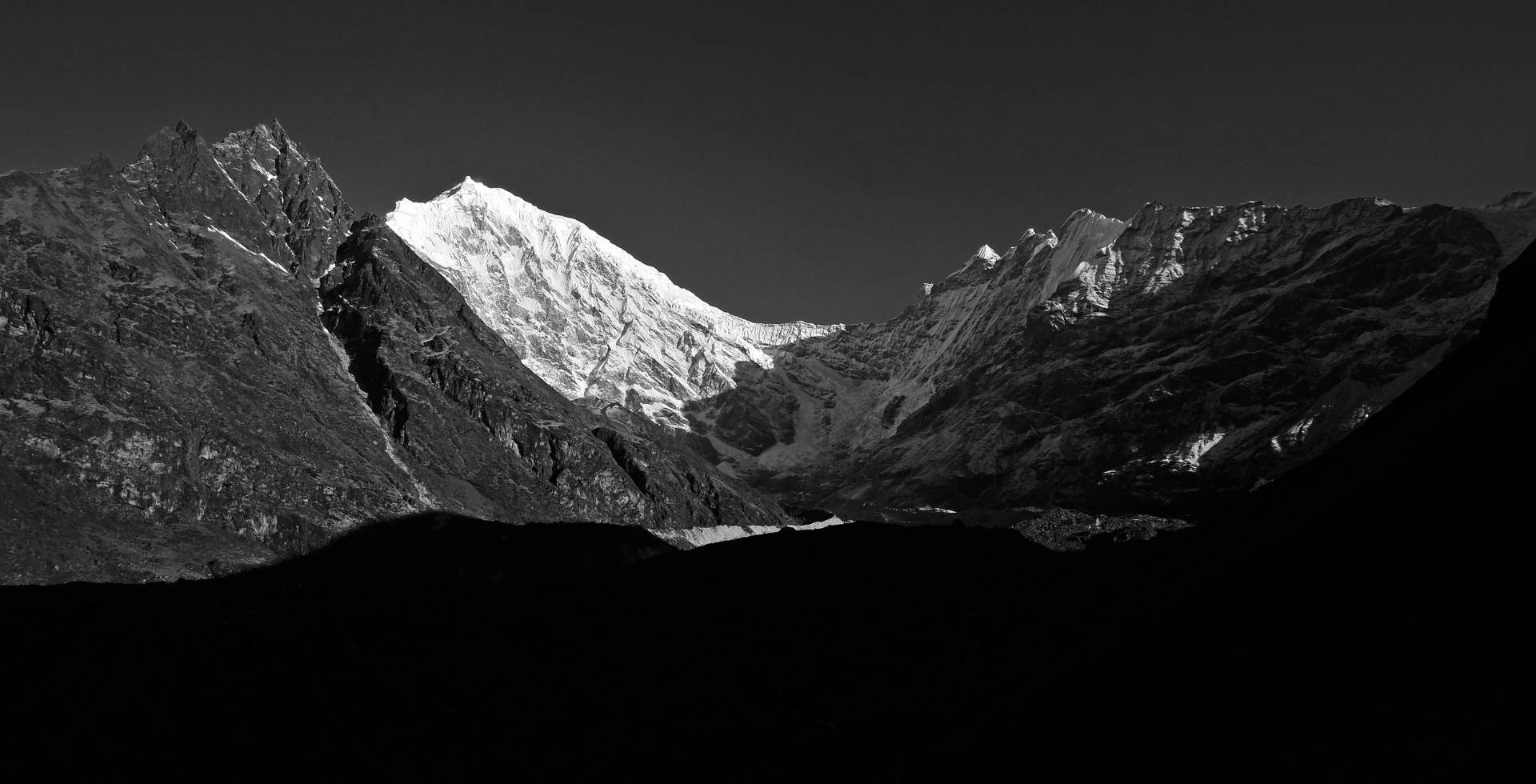
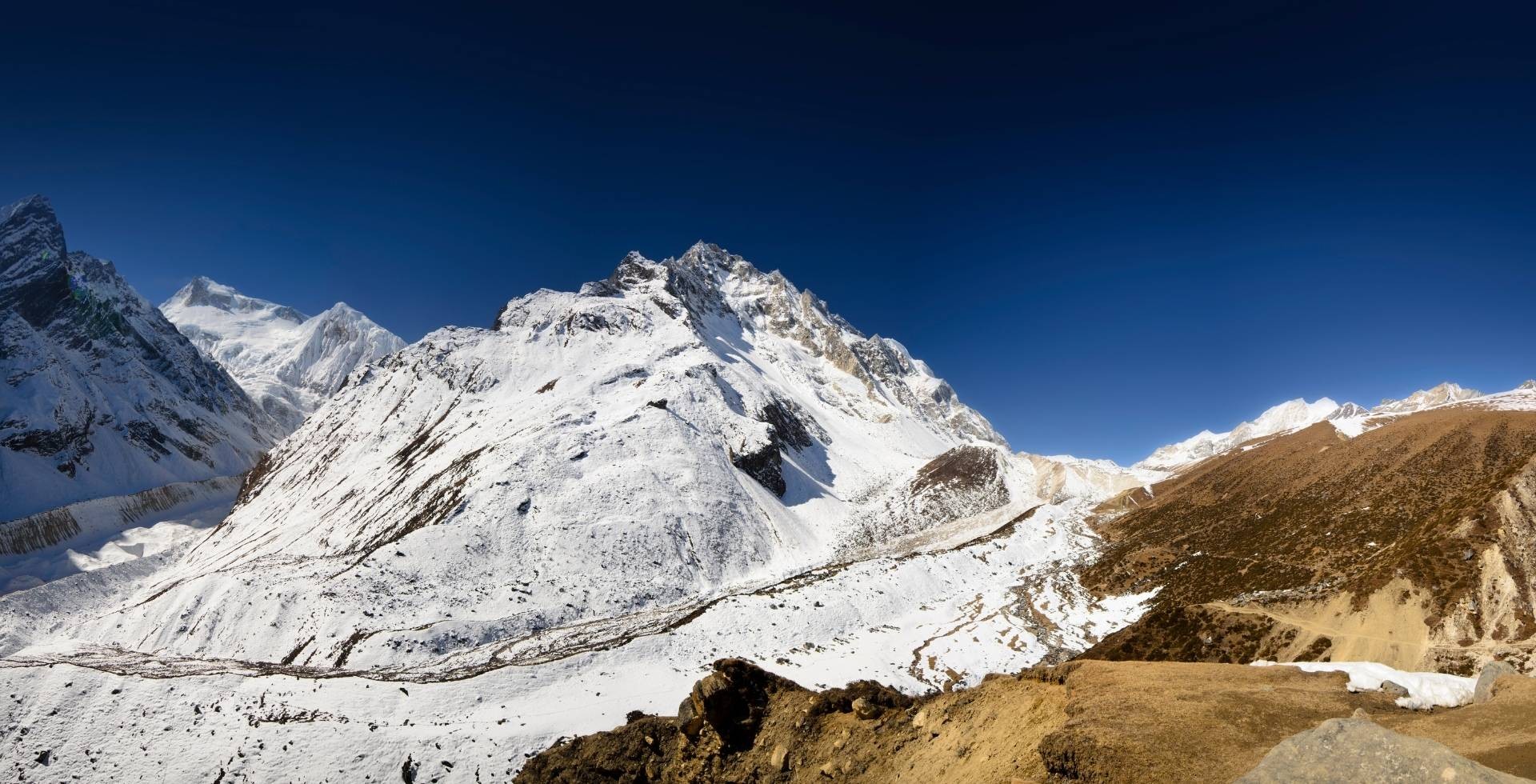
Lower Kyanjin Ri (4,400 m) is a rewarding destination. It’s just a 1 km climb from the village, but it is steep and intense. After 1.5 hours, it rewards you with outstanding views of the Langtang Lirung (7,234 m) south face and the full curve of the Lirung Glacier sweeping below.
From here, you can also clearly spot Ghenye Liru (6,571 m), Kimshung aka Tsangbu Ri (6,781 m), Naya Khanga (5,863 m), Ganchenpo (6,378 m), and other peaks in the Langtang-Jugal range lit up in the warm evening glow.
If you push on to the Upper Kyanjin Ri (4,700 m), another 850 metres and roughly 1 to 1.5 hours above the lower viewpoint, the panorama expands even further!
You get a proper 360-degree view during golden hour is something most of our prior guests have described as one of the single best moments of their journey.
Since the views from both lower and upper are broadly similar in terms of the main peaks, whether you push to the top often depends on your energy levels and, most importantly, the weather on the day.
In case bad weather prevents your Kyanjin Ri sunset hike (on Day 6), our team will comfortably adjust and use your final morning in Kyanjin Gompa as the sunrise hike to Kyanjin Ri (on Day 8).
This is the flexibility that we have built into our itinerary because mountain weather can be unpredictable, and we never want you to miss this viewpoint opportunity at all!
Attempt Tsergo Ri at 4,985 Meters
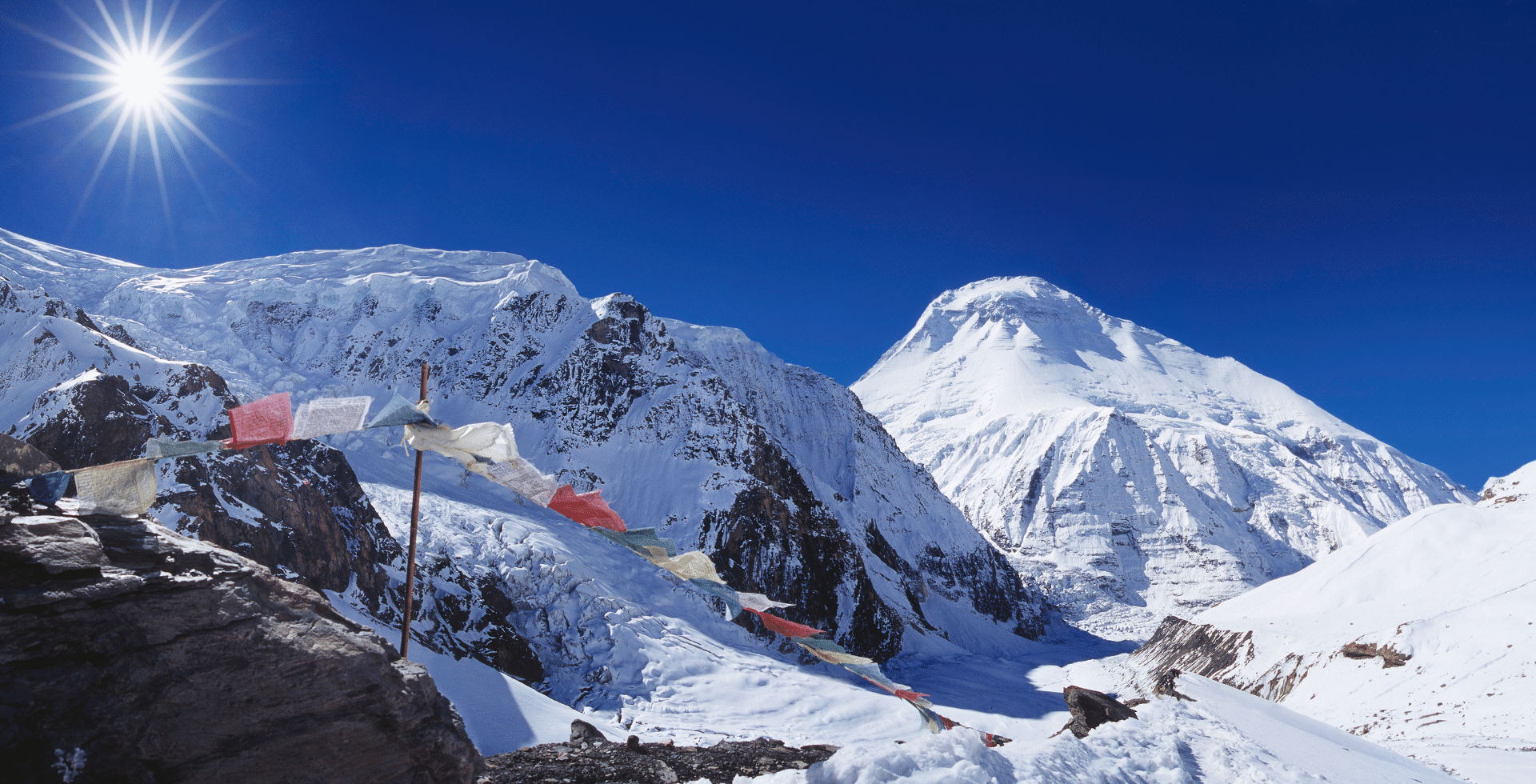
Tsergo Ri is the highest point of this entire trek and, honestly, one of the most rewarding summit experiences available to non-technical trekkers anywhere in the Langtang region!
At 4,985 m, it sits just a few metres away from 5,000 m, and the views from the top justify every step of the effort it takes to get there.
The climb starts around 3 to 4 AM from Kyanjin Gompa (3,890 m) and follows a different route from Kyanjin Ri across rocky and steep terrain. And as you gain elevation, the trail becomes steeper, and the terrain grows even more rugged.
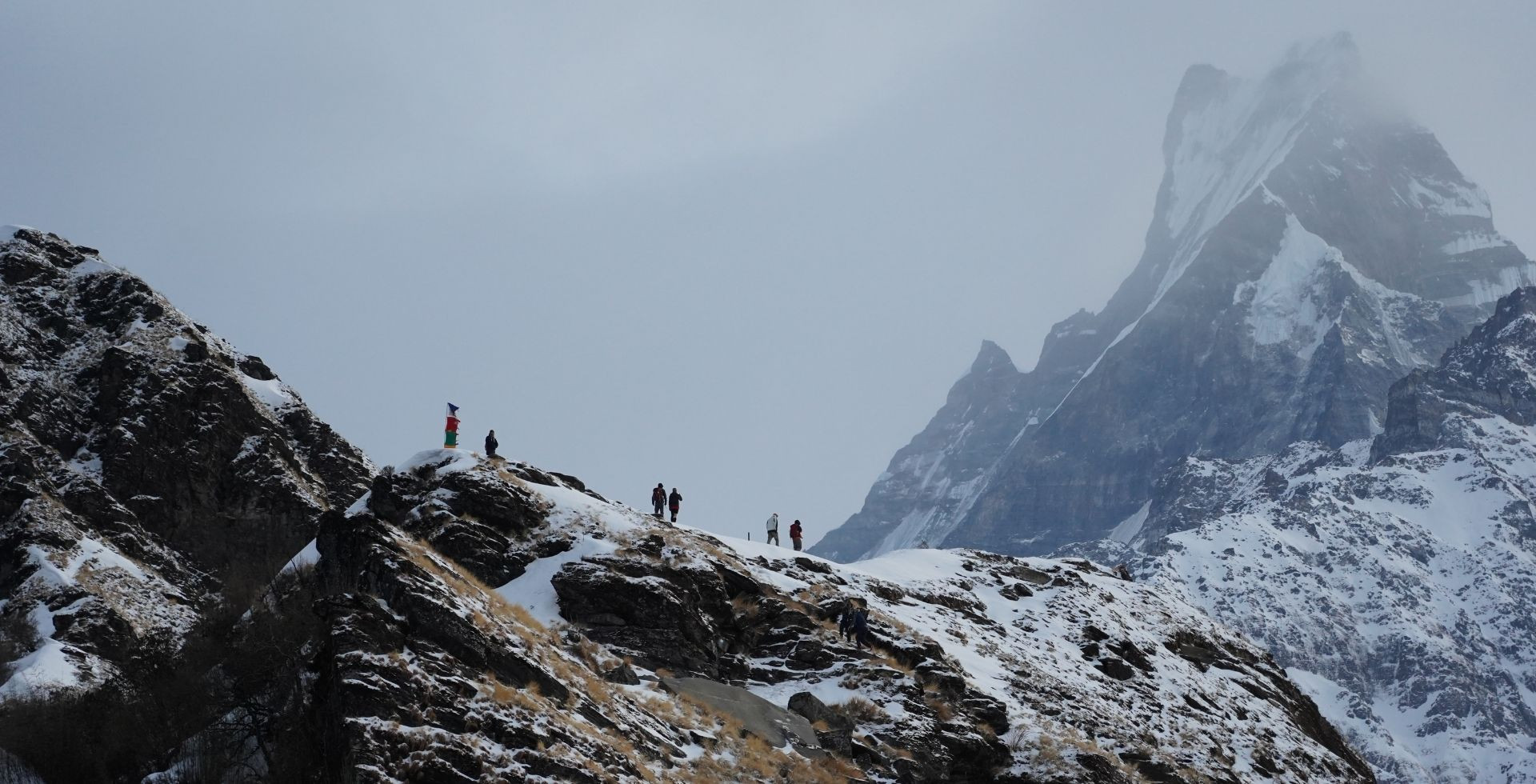
By the time you reach the final rocky approach to the summit, the Langtang Valley looks far below, and the glaciers of the upper valley stretch in every direction!
From the top of Tsergo Ri, you'll see peaks that are partially hidden from Kyanjin Ri's level: Yala Peak (5,732 m), Yala Peak South (5,520 m), Bhemdang Ri (6,150 m), Bhemdang Karpo (6,865 m), Ramthang Karpo Ri (6,865 m), Langshisa Ri (6,412 m), and even Shishapangma (8,027 m) on the Tibetan border.
For beginners, Tsergo Ri is demanding but achievable with the right preparation and pacing. The critical word here is ‘pacing’: going slowly and steadily is non-negotiable at this altitude, and our guides are very experienced at reading how each individual trekker is responding to the elevation.
It's also worth knowing that bad weather or unexpectedly high snow levels may require you to turn around before reaching the summit, and that's a completely valid. Your safety always comes first over any summit, and we will never pressure you to push beyond what the conditions safely allow.
Sacred Walk to Gosaikunda and Sacred Lakes in the Region
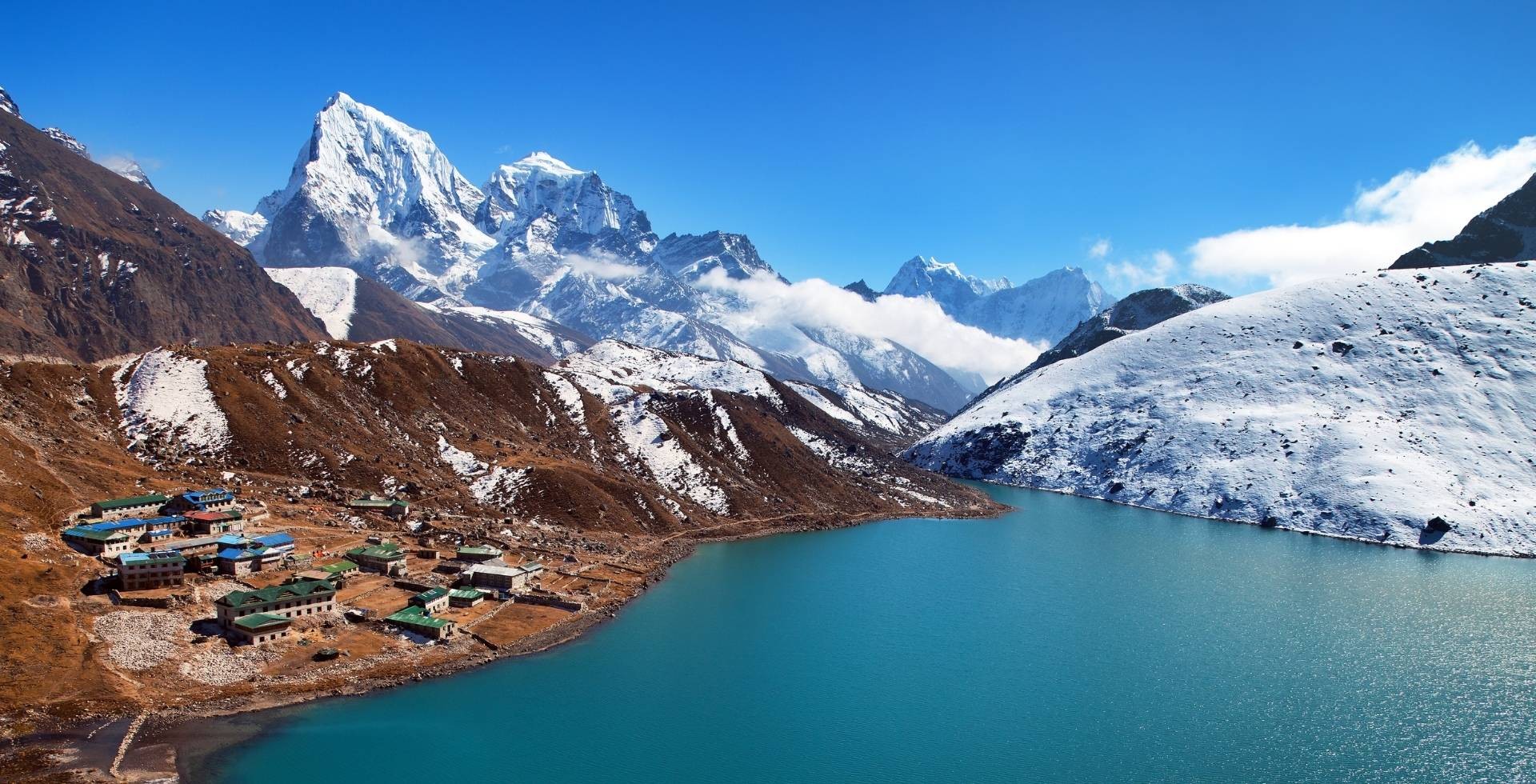
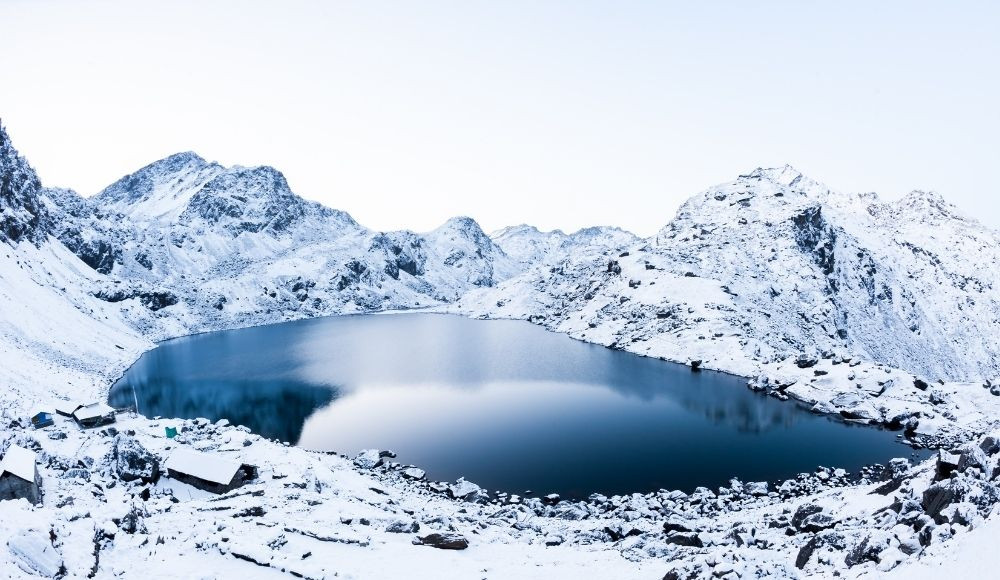
Gosaikunda Lake (4,380 m) is not just a destination for trekkers but rather one of the most important Hindu/Buddhist pilgrimage sites in all of South Asia.
According to Hindu mythology, Lord Shiva struck his trident (trishul) into one of the mountains in this region after consuming the universe-destroying poison (Halahala) during the Samudra Manthan (cosmic churning of the ocean). From the exact spot where his trident pierced the rock, springs of icy cold water accumulated into the lake below.
This creation story is referenced in multiple Hindu scriptures, including the Vishnu Purana, the Bhagavat Purana, and the Mahabharata, giving Gosaikunda a religious dignity that other lakes in Nepal simply can’t match!
Pilgrims gather here in the largest numbers during Janai Purnima, the full moon festival that falls in the month of Shrawan (usually August). On this day, thousands of Hindu devotees from across Nepal and India make the steep climb to Gosaikunda to take a holy dip in the icy waters, believing it cleanses sins and purifies the soul.
Hindu Brahmins also change their sacred thread (Janai) here, completing one of the most spiritually significant rituals of the Nepali calendar.
And for Buddhist pilgrims, Gosaikunda Lake is linked to Guru Rinpoche (Padmasambhava) and is considered a site of deep meditative and spiritual significance.
Actually, there are 108 lakes in the Gosaikunda vicinity when all the larger and smaller kundas are counted together. The two prominent ones you'll encounter on this 14-day Langtang Gosaikunda Trek are Saraswati Kunda and Bhairav Kunda.
Our package includes your stay right next to the sacred Gosaikunda Lake, giving you early morning and evening access to its stillness.
Be sure to get to the other side of the lake, visit the small Shiva temple at its edge, or simply sit and take in the reflection of the surrounding peaks in those waters.
From Gosaikunda, you can also go for hikes in short distances:
- Trishul Dhara: This is believed to be the exact spot where, according to legend, Lord Shiva's trident struck. And from Trishul Dhara, the view of the lake is exceptional!
- Gosaikunda Viewpoint: You can hike about one hour further to reach the opposite viewpoint on the other side of the basin, which gives an equally beautiful and quieter perspective if you're not doing the full Suryakunda hike.
Other prominent kundas (sacred high-altitude lakes) scattered throughout the Gosaikunda region are Barda Kunda, Nilkantha Kunda, Aama Kunda, Ragat Kunda, Ganesh Kunda, etc. So, if you have time and energy, be sure to explore them at your own pace.
You see, adding Gosaikunda to the Langtang Valley journey doesn't just extend the trek by a few days, but rather adds an entirely different dimension to what you experience!
Experience Tibetan Tamang Culture Along the Langtang Trails
The Tamang communities you'll meet throughout this trek are not the same as the Tamang people found in other parts of Nepal, and that distinction matters.
The Tamangs of the Langtang region are directly descended from Tibetan migrants who crossed the high Himalayan passes centuries ago, following the trade routes between Nepal and Tibet and passing through exactly the valleys you'll be walking through.
So, walking through the Langtang Tamang villages feels, in many ways, like crossing a cultural threshold into Tibet without actually crossing the border.
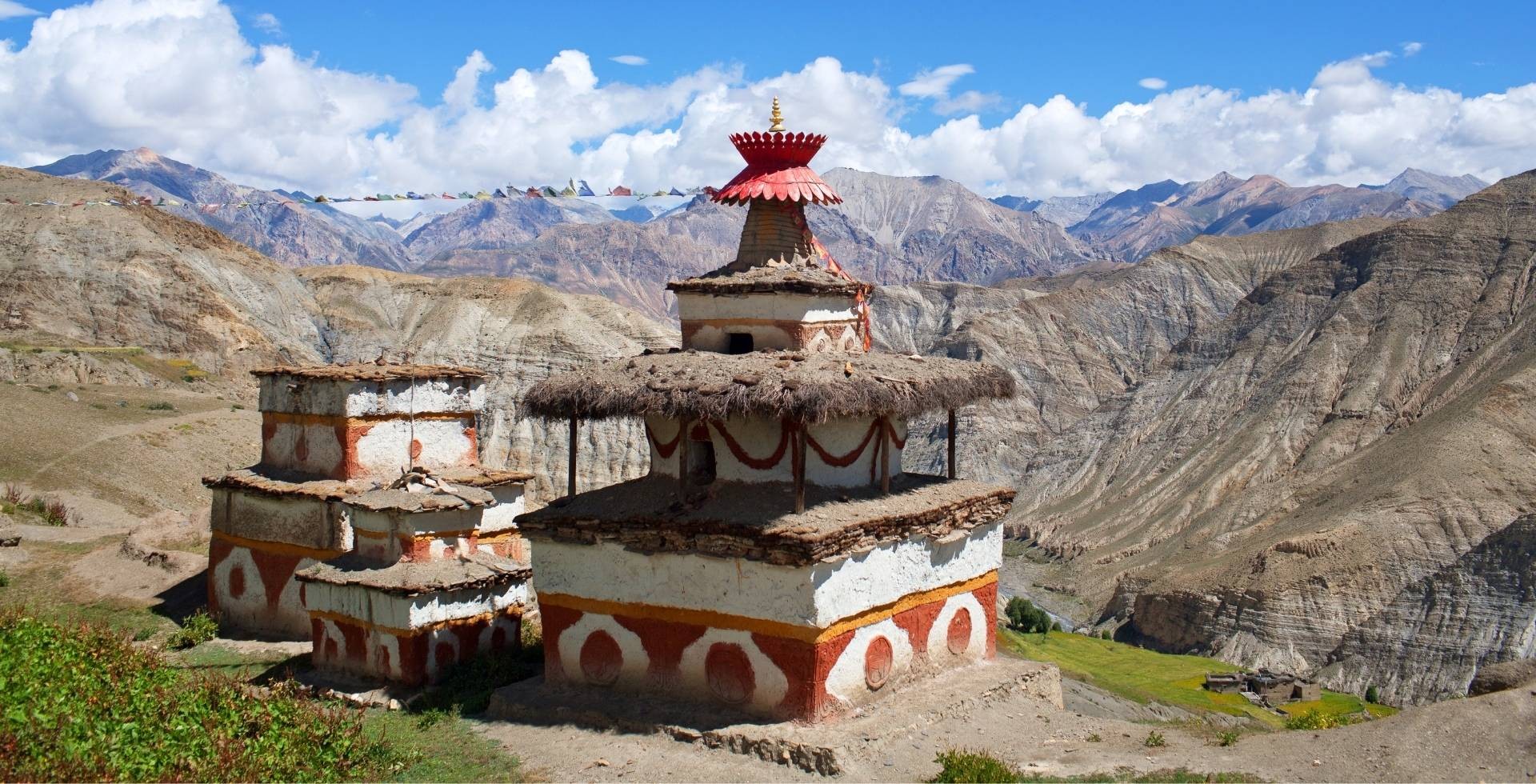
The Langtang Tamangs predominantly follow the Nyingma lineage of Tibetan Buddhism, which happens to be one of the oldest schools of Tibetan Buddhist practice. You'll find this not in museums but rather in the rhythm of ordinary days.
Some particular instances include butter lamps burning inside teahouse altars, mani walls (and mani wheels) running along the trail that locals have been maintaining for generations.
Even the way homes are oriented, the layout of their altars, and the portraits of the Dalai Lama displayed in almost every dining room are all reflections of this deep Tibetan cultural continuity.
The major festivals of the Langtang Tamang community reflect this heritage clearly. They celebrate Gyalpo Lhosar (Tibetan New Year, usually falling in late February or early March) rather than the Sonam Lhosar observed by other Tamang communities.
If your visit coincides with Gyalpo Lhosar, you'll be lucky to witness village-wide celebrations including communal dances, new prayer flags being strung, traditional feasts, and more community participations!
Other festivals, including Mani Rimdu, Buddha Jayanti (or Saga Dawa), and Dumji, are equally important throughout the year.
In terms of hospitality, the Langtang Tamang communities are genuinely among the warmest hosts you'll encounter anywhere in Nepal's mountains. They'll share stories about the region and even recommend the best time to attempt Tsergo Ri based on recent weather patterns.
Hike Along Tributaries of Bhote Koshi and Trishuli Rivers
There are two major river systems that you’ll follow along your journey: Bhote Koshi and Trishuli.
The Langtang Khola (which accompanies you for almost the entire Langtang Valley route) originates from the glaciers of the upper Langtang basin, primarily the Langtang Glacier and the Lirung Glacier that flows directly below Langtang Lirung.
The glacial meltwater from these two giants feeds the Tanmarche Khola and other smaller tributaries before forming the main Langtang Khola channel that you'll hear, cross, and walk beside throughout your journey up the valley.
At Syaphru Bensi (1,467 m), the Langtang Khola meets the Bhote Koshi River, which comes down from Tibet through the Timure-Rasuwa Gadhi border crossing.
As you leave Lama Hotel on the return journey and branch off toward the Gosaikunda trail, you'll be hiking alongside the Chopche Khola (which mixes into the Langtang Khola at Domen).
The Gosaikunda trail from Thulo Shyaphru climbs steeply away from this lower river, pushing up through rhododendron and pine forests toward the high-altitude basin where a completely different origin story begins.
Gosaikunda’s Trishul Dhara is the literal source of the Trishuli River, one of Nepal's most important waterways. The water from here flows down to Gosaikunda, then Bhairav Kunda, followed by Saraswati Kunda. Then, it eventually joins the Bhote Koshi River to form the full Trishuli River.
Other Attractions of This Trek
We talked about the major highlight earlier. But beyond that, here are some other attractions of this 14-day Langtang Gosaikunda Lake trek:
Possible Wildlife Sightings
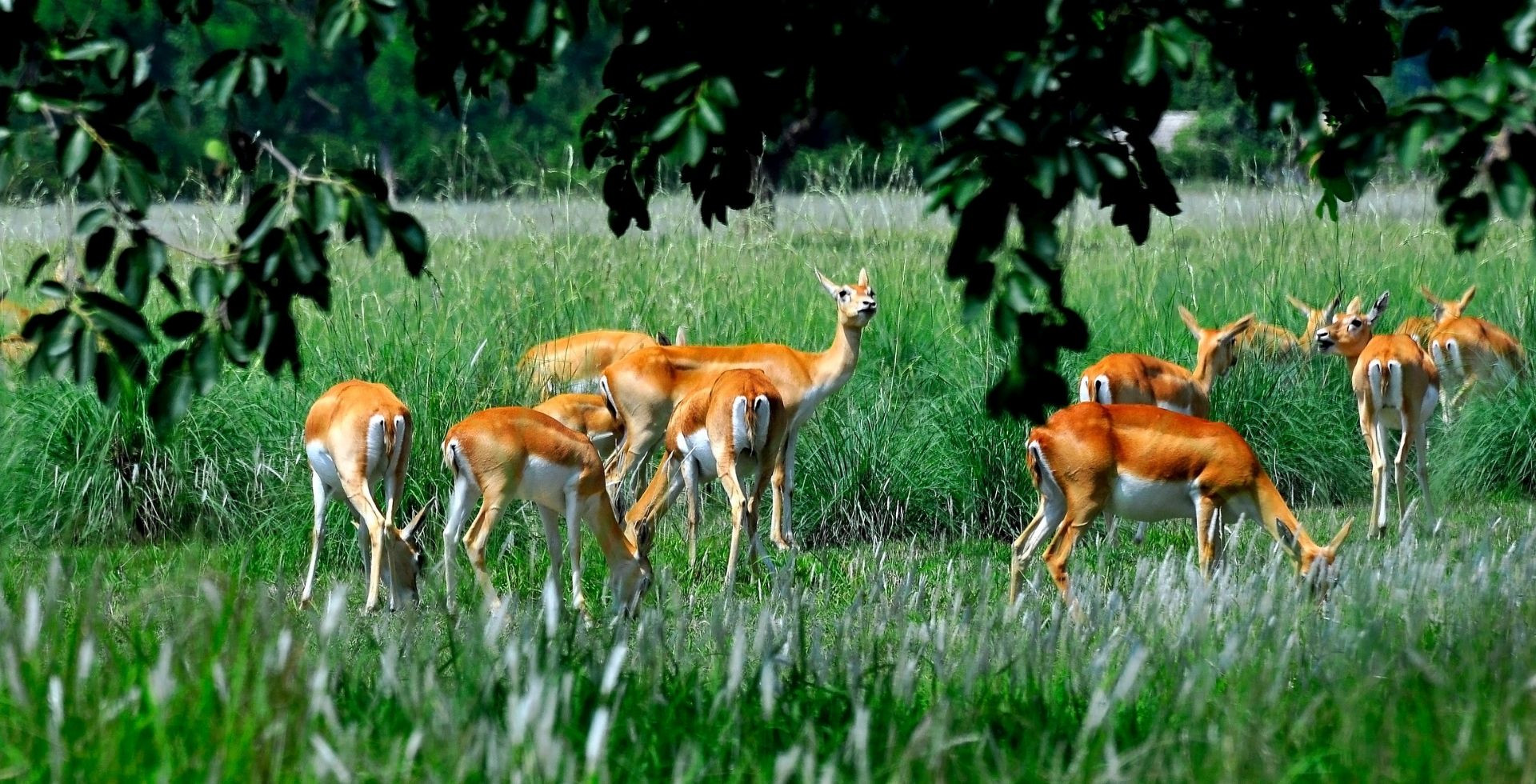
Langtang National Park is home to over 46 mammal species, more than 380 bird species, and 1,000+ plant species, making it one of the most ecologically rich national parks in Nepal!
The most commonly spotted wildlife along the Langtang-Gosaikunda trail are: Gray Langur monkeys, Himalayan Tahr, Assamese Macaques, and Musk Deer.
And if you happen to spot a red panda or a snow leopard on this trek (very rare), consider it an extraordinary bonus because both are present in the park!
Langtang Glacial Hydro Lake (approx. 3,960 m)
Located less than 30 minutes by foot from Kyanjin Gompa, the Langtang Glacial Lake is a short but rewarding side trip that also happens to be clearly visible from Lower Kyanjin Ri.
Fed by the meltwater of Langtang Lirung and Kimshung (Tsangbu Ri), it powers the micro-hydro system that supplies electricity to Kyanjin Gompa village, which makes it the first glacier hydropower project in Nepal!
In case bad weather prevents the Kyanjin Ri hike on your first evening in Kyanjin, this lake serves as a perfect alternative acclimatization destination.
Unique Food and Drinks to Try
Dal Bhat remains the most reliable meal for both lunch and dinner throughout the trek, giving you high-calorie that your body genuinely needs at altitude.
Breakfast is usually Tibetan bread or Chapati, while Porridge is another great option for cold mornings.
On the Gosaikunda trail, Roti Tarkari is a popular local option that's worth trying!
But the one thing you absolutely must not miss on the Langtang section is Sea Buckthorn Juice, widely available throughout the Langtang Valley, which is famous for its energy-boosting and fatigue-reducing properties!
Read our complete guide on Langtang Trek food and drinks here.
Optional Suryakunda Lake and Laurebina Pass
For those with extra energy after reaching Gosaikunda, Suryakunda Lake of Nuwakot district (right on the border of Rasuwa) is just a 2-hour hike (2.5 km) from the main lake. It’s also the highest point on the entire Gosaikunda trail section at 4,610 m (right next to the Laurebina La Pass).
Views from up here include Gosaikunda Ri (5,053 m), Surya Peak (5,150 m), and the far-sighted Langtang range on clear days. It's not so demanding an add-on and a genuinely spectacular one if your body is cooperating at that altitude!
Snowy Trails in Winter
For those who trek between late November and early March, the Langtang Valley and especially the Gosaikunda basin transform into something genuinely magical!
The snow-covered ridgelines in Langtang Valley along with the sight of Gosaikunda Lake partially or fully frozen in deep blue ice surrounded by white peaks, are the most striking natural images this region can offer.
The trails do become more challenging, and certain sections require extra caution, but the visual reward is extraordinary!
Cheese Factories at Two Locations
The first cheese factory you'll encounter is the famous Organic Yak Cheese Production Centre right in Kyanjin Gompa (3,890 m), where the cheese is made from high-altitude yak milk using traditional methods.
The second is in Chandanbari (Sing Gompa) on the Gosaikunda trail, a smaller but equally worthwhile.
Both locations let you buy fresh yak cheese to carry with you (it's excellent with Tibetan bread!), and don’t forget to try Churpi (extremely hard cheese), known best for chewing!
A Visit to Kyanjin Gompa Monastery
The Kyanjin Monastery is the spiritual center of Kyanjin Village and also one of the oldest monasteries in the Langtang region. It opens in the mornings and occasionally in the evenings, though the evening schedule is less predictable.
If you really want to arrange a proper monastery visit, including spending time with the monks and seeing the interior in detail, just let our team at Altitude Himalaya know in advance and we'll arrange it for you!
The main highlight inside is the collection of ancient thangka paintings and colorful murals. They all tell the teachings and stories of Tibetan Buddhism!
Visit to Sing Gompa in Chandanbari
Sing Gompa is a small, quiet monastery located in Chandanbari, on the descent route from Gosaikunda toward Dhunche. The gumba is genuinely worth stepping into for a few minutes.
Located close to the Yak Cheese Factory, it is one of the oldest monasteries on the Gosaikunda trail and carries a calm, meditative atmosphere.
Main Stops Along the Trail: Where You’ll Stay
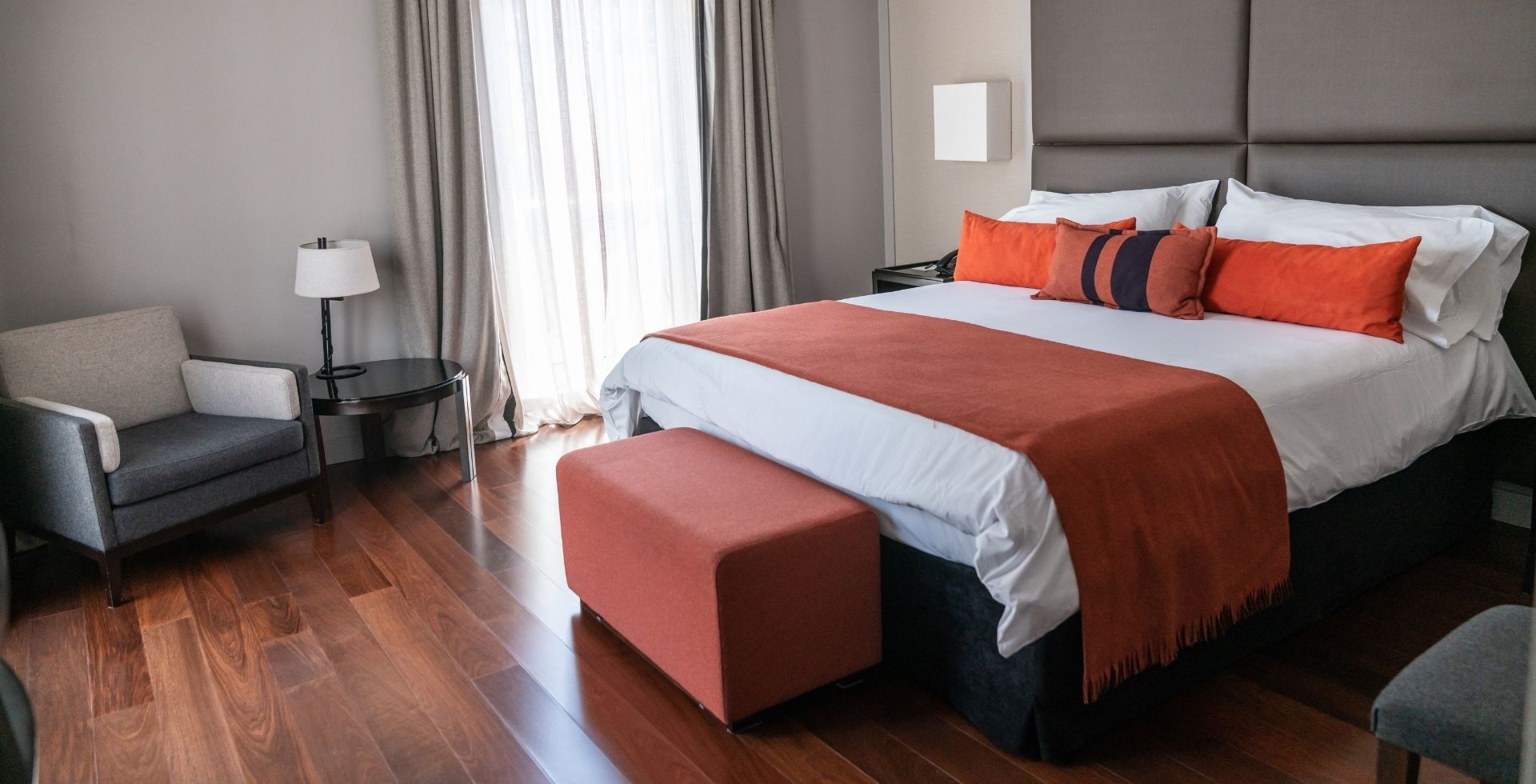
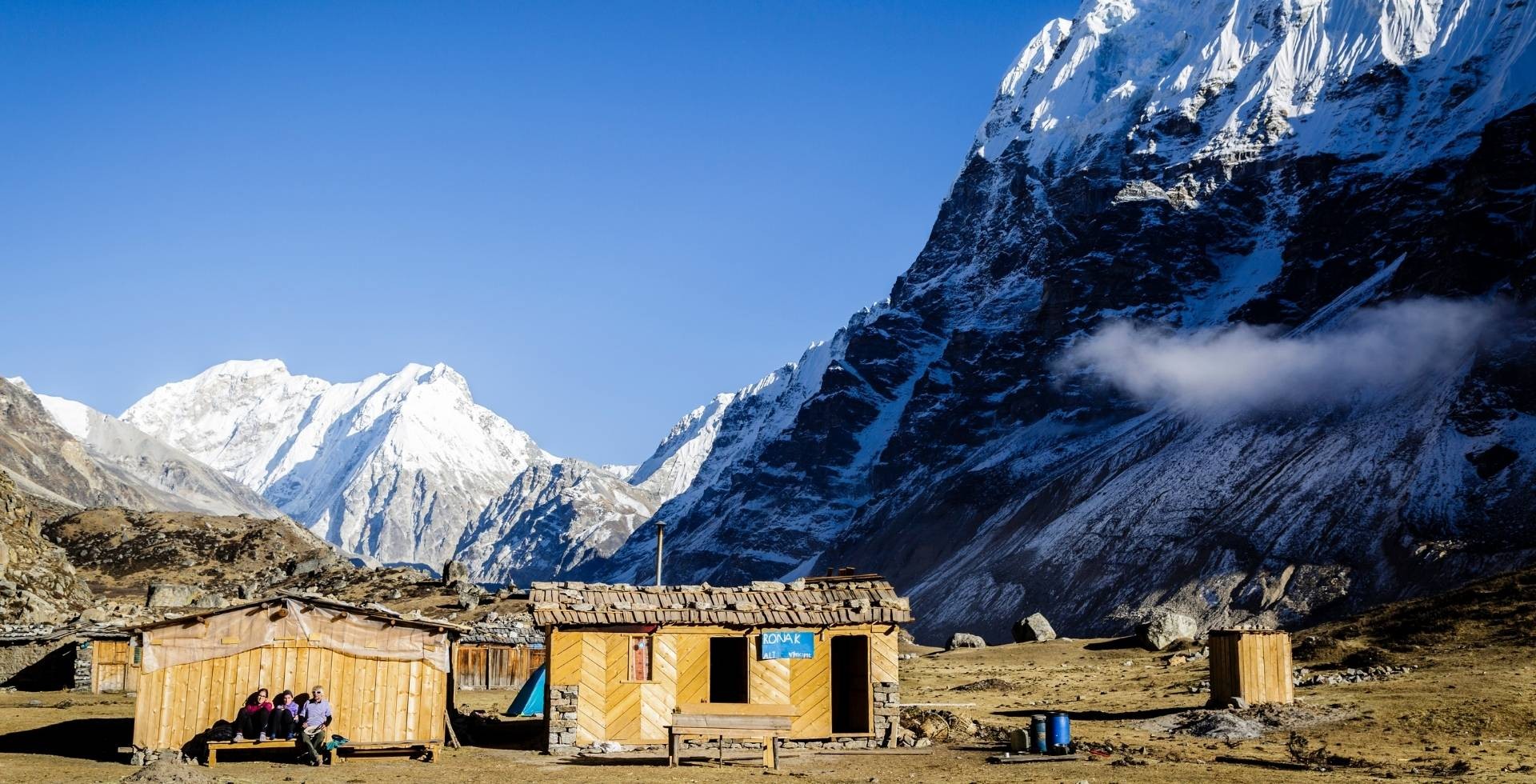
The accommodations on this Langtang Gosaikunda Lake trek come with well-equipped teahouses. You get basic to comfortable mountain lodges in Langtang Valley, followed by spiritually charged guesthouses right next to Gosaikunda Lake:
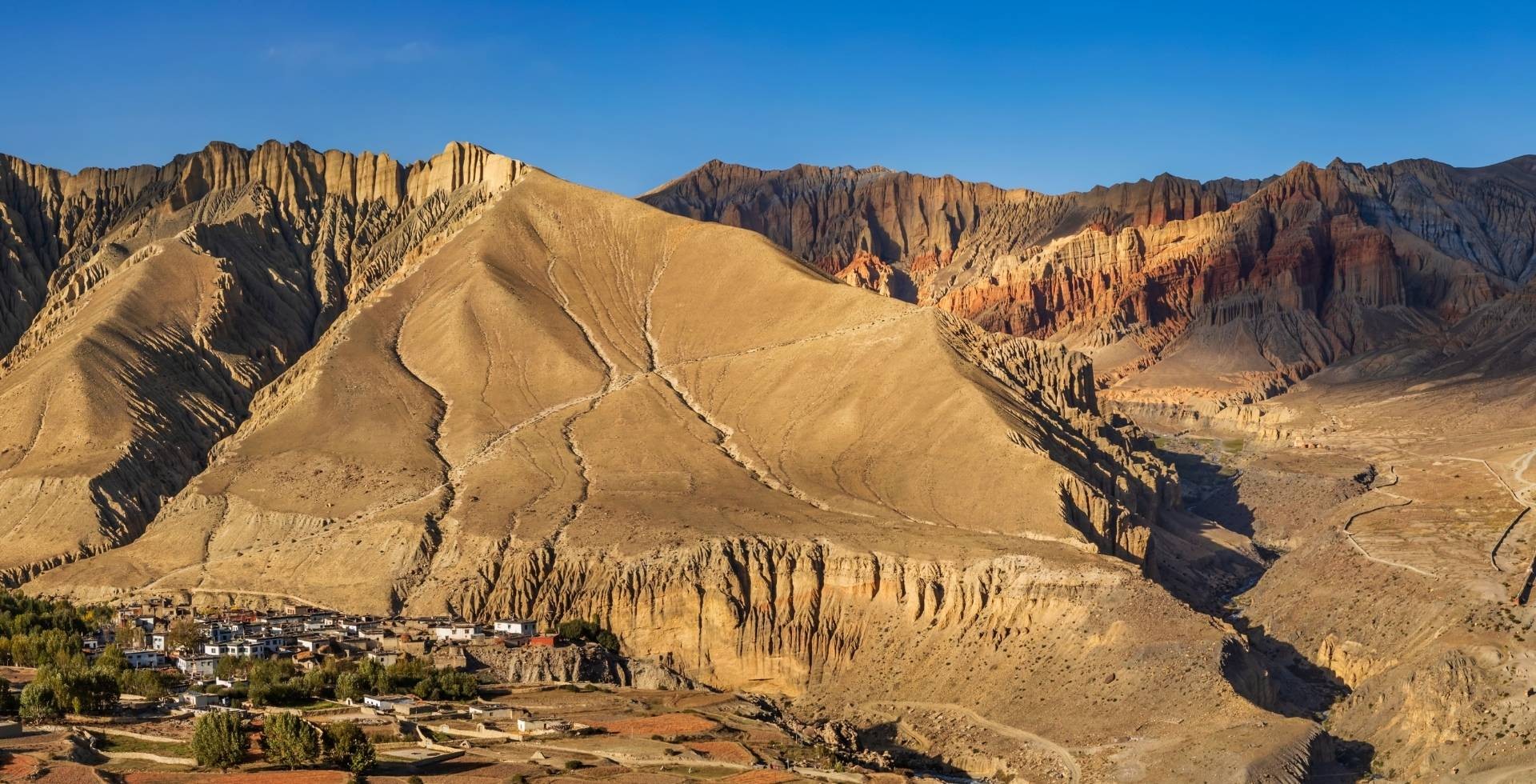
- Syaphru Bensi (Syabrubesi, 1,467 m): The starting point and cultural gateway to the entire Langtang region, Syaphru Bensi sits at the confluence of the Bhote Koshi and Langtang Khola, serving as your first introduction to the Tamang community. It has the most complete services on the trek, including lodges, shops, and a few monasteries worth visiting in the evening before the real trekking begins the next morning.
- Lama Hotel (Changdam Village, 2,470 m): Named after a Buddhist monk who built the first lodge here in 1976, Lama Hotel is a cozy cluster of teahouses nestled deep in the forest right beside the Langtang Khola. You'll stay here both on the way up and on the return, and each time feels slightly different as the river sounds and the forest atmosphere wrap around you at the end of a long walking day.
- Langtang Village (3,455 m): The rebuilt heart of the valley, Langtang Village rose from the devastation of the 2015 earthquake that buried a part of the settlement under an avalanche. The newer lodges here are proper mountain accommodations with warm dining halls and attached options in some cases, and the nearby memorial site and newly built Buddhist stupa make this one of the most emotionally significant overnight stops on the entire trek.
- Kyanjin Gompa (3,890 m): This is indeed the crown of the Langtang Valley, where the mountains close in from every direction. Two nights here give you the time for both Kyanjin Ri and Tsergo Ri, plus a relaxed visit to the cheese factory, Kyanjin Monastery, and Langtang Glacier Lake.
- Thulo Shyaphru (Thulo Syabru at 2,250 m): A larger village on a high ridge with terraced fields, Thulo Shyaphru is where you transition from the Langtang Valley route to the Gosaikunda trail. It has solid lodges and a genuinely warm Tamang community character, and the ridge-top position gives excellent early morning views before the climb toward Laurebina begins.
- Laurebina (3,900 m): A small settlement of lodges sitting high on the ridgeline between the lower forests and the Gosaikunda basin, Laurebina is your last stop before the final ascent to the sacred lake. The views of Ganesh Himal and the Langtang range from this ridge are wonderful, and the cold, clear mountain air here gives you a strong sense of how close you are to something genuinely special.
- Gosaikunda Lake (4,380 m): Staying the night next to Gosaikunda itself is one of the most unique accommodation experiences on any trek in Nepal. The lodges here are simple but adequate, positioned just steps from the lakeside. And the experience of waking up at this altitude next to a lake that millions of pilgrims have walked for days to reach, watching the first light hit the surrounding peaks and sometimes the frozen surface of the water, is unlike anything else this country can offer!
- Dhunche (1,960 m): The endpoint of the trekking section and the location of the Langtang National Park headquarters, Dhunche is where your private vehicle will be waiting to return you to Kathmandu. It's also a worthwhile final glimpse of the Rasuwa district, with local shops, a few teahouses, and the dramatic valley views that remind you just how far above you spent the last several days.
Well, every stop on your Langtang-Gosaikunda journey earns its place in the itinerary, and together they form a route that covers more of the region's true character! If this combination of Langtang Valley and Gosaikunda speaks to you, this is the trek will be right for you. Book your Langtang Valley with Gosaikunda Lake Trek with us at Altitude Himalaya, and let's make this journey happen!
 130 km
 1467 m