I’ve travelled to the Langtang region numerous times across various months. The same goes for our other guides and content team here at Altitude Himalaya.
One thing we all agree on is that Langtang has immense seasonal diversity and depth; some of the best across Nepal for sure!
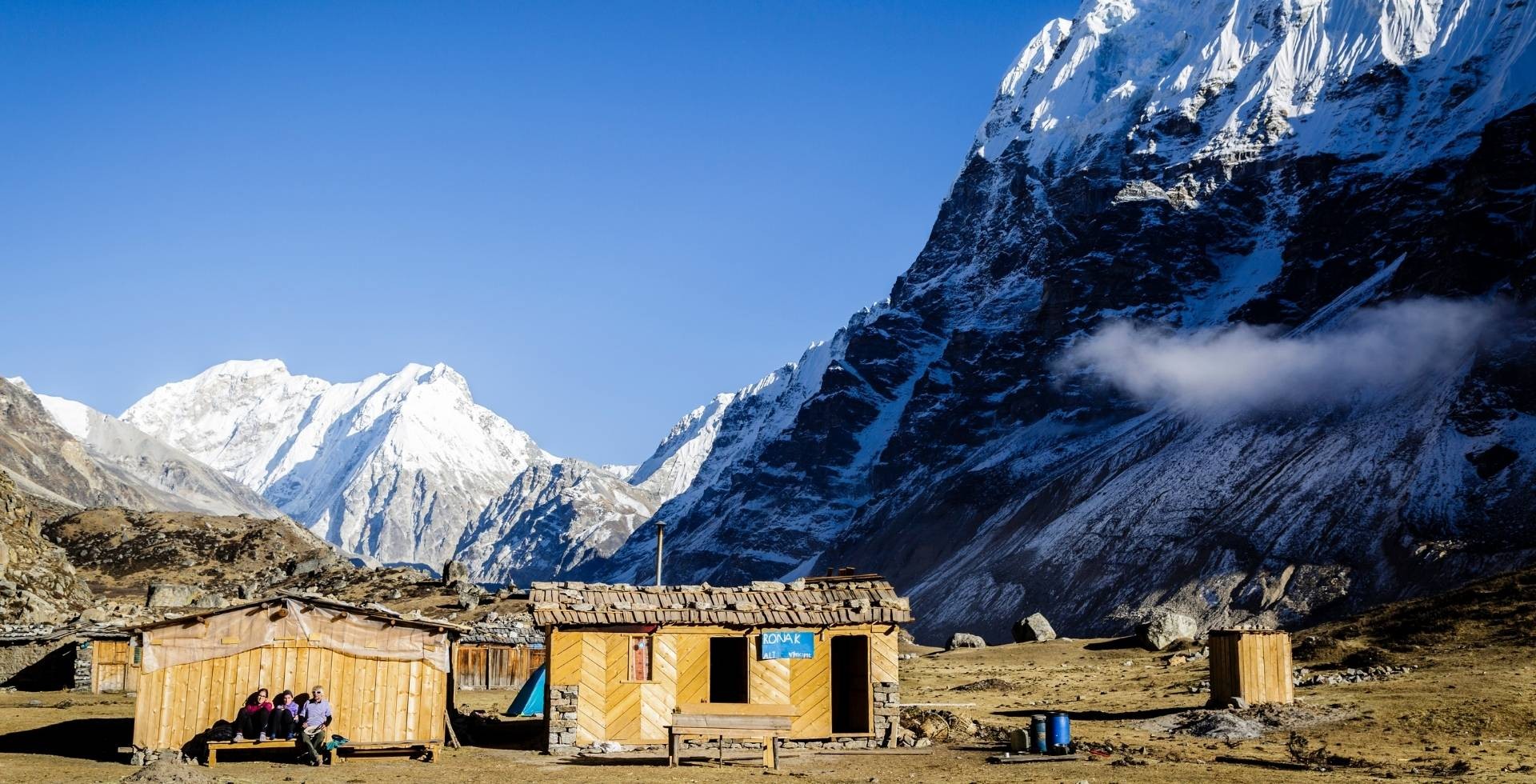
Spring brings a mix of blossoming rhododendron forests and snow-capped peaks.
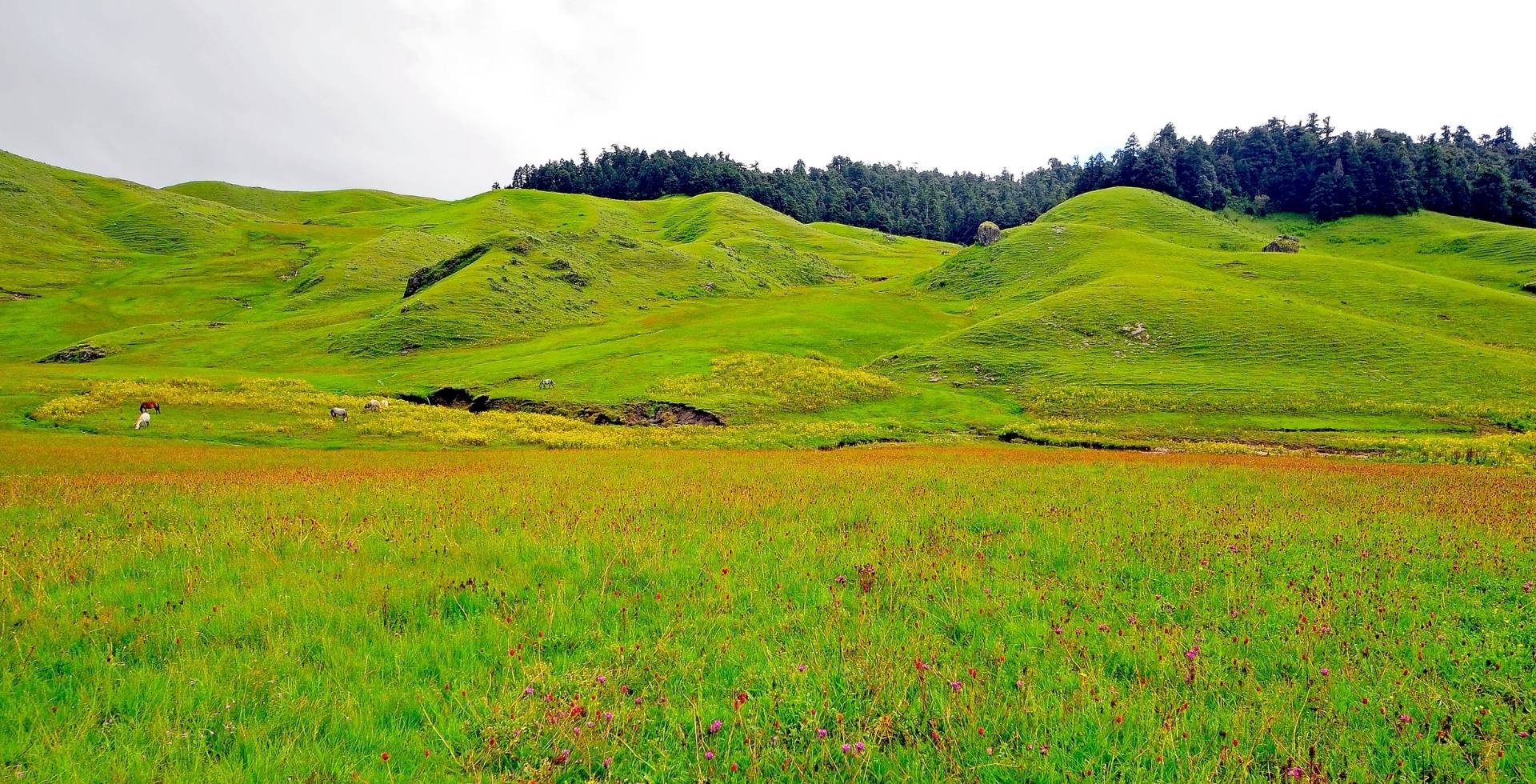
Monsoon is the go-to time for wildflower lovers, or anyone that hates peak season crowds.
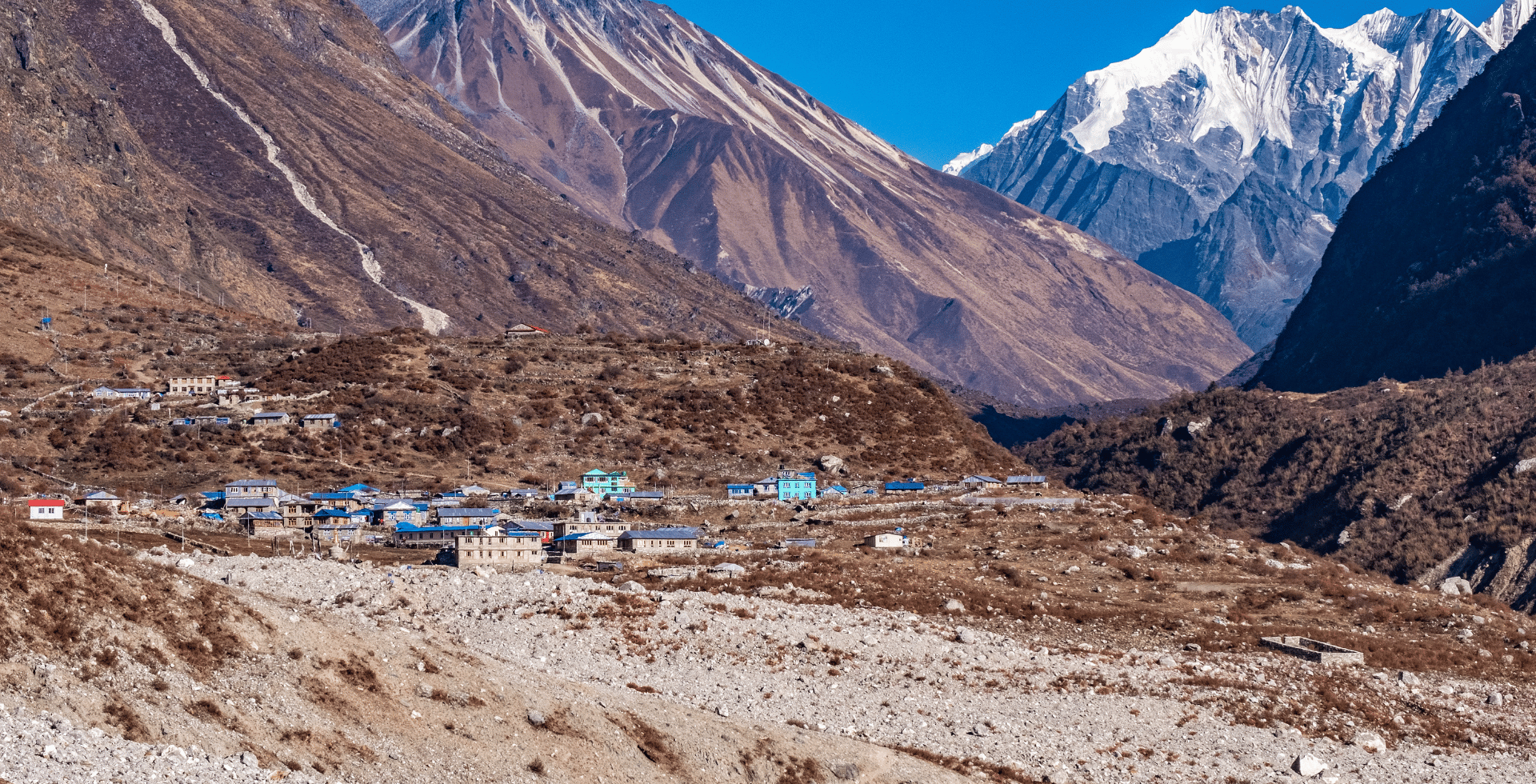
Autumn is the fan favorite with clear skies, pleasant temperatures, and stable weather.
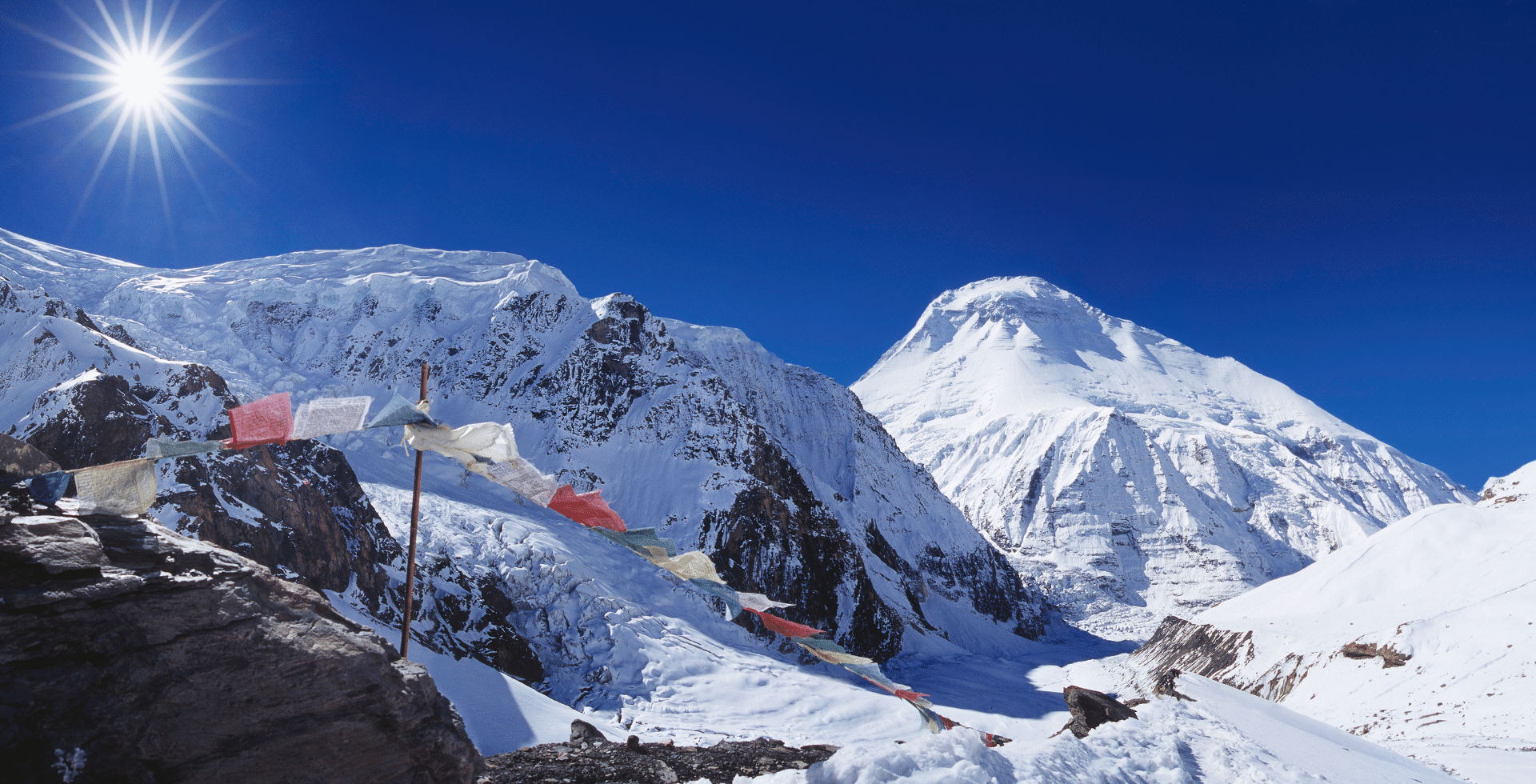
Many peaks and high passes are inaccessible in winter, but you could have a snowy adventure with the right preparation.
Each season and each month allows a different aspect of Langtang to shine, from views and wildlife, to local culture and festivities.
Let me help you figure out the best time to visit Langtang Valley depending on what you’re expecting from your trek.
Factors to Consider for Best Time
Weather patterns, trail condition and road access, risk and difficulty level, key attractions in the region, wildlife sighting and all other factors vary from month to month.
Here are the main factors you should focus on when planning your Langtang trek:
Trail Safety and Accessibility
Thanks to its proximity to the capital, most trailheads in the Langtang region remain accessible throughout the year.
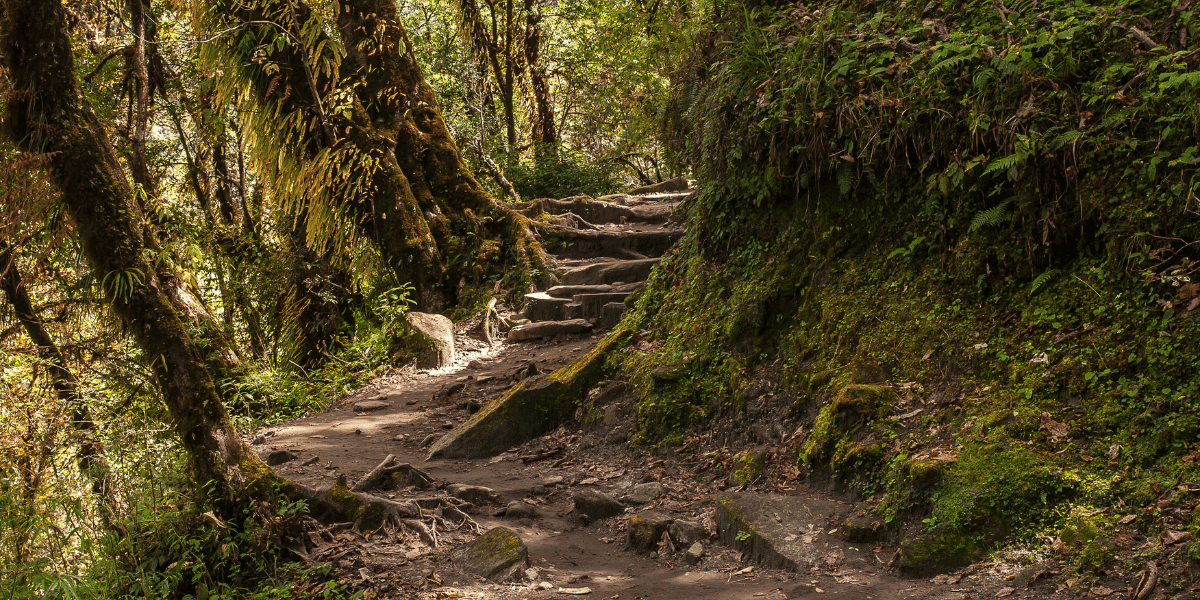
The majority of the roads are asphalt-pitched, concrete, or light offroad. The problem begins once you get off the roads and actually start trekking.
Many spots in Langtang are disaster-prone; particularly during periods of heavy rain. One of the first stops on the trail is literally called ‘Pairo’ (landslide).
Langtang also sees a lot of snow in winter. Traversing the trail and reaching points of interest can be tough or simply impossible after heavy snowfall.
So, you must understand the quirks of different seasons when planning your Langtang trek. Having the latest trail update right before you start the trek is also essential as weather windows are a crucial part of the puzzle.
Make sure to consider all of this and plan well or get a reliable local operator like Altitude Himalaya to handle it for you.
Day-to-day Weather
You likely have a rough idea of the seasons in Langtang - monsoon is rainy and unstable, winter is cold, while spring and autumn are relatively pleasant.
But remember that they’re just general patterns that are becoming less and less reliable each year thanks to climate change.
I’ve done numerous trips to the region in March, April, and May and seen plenty of fog, clouds, and rain.
And I’ve experienced clear blue skies in June when most people would expect gloomy monsoon skies.
The key here is to find good weather windows and plan your itinerary and packing list accordingly.
On-the-ground Experience
The off-season is quieter and allows for a peaceful trek. But you’ll have to pack the correct rain/snow gear.
Your itinerary must account for fewer daylight hours, trail conditions and weather patterns so that your time at the viewpoints isn’t ruined by poor visibility or safety concerns.
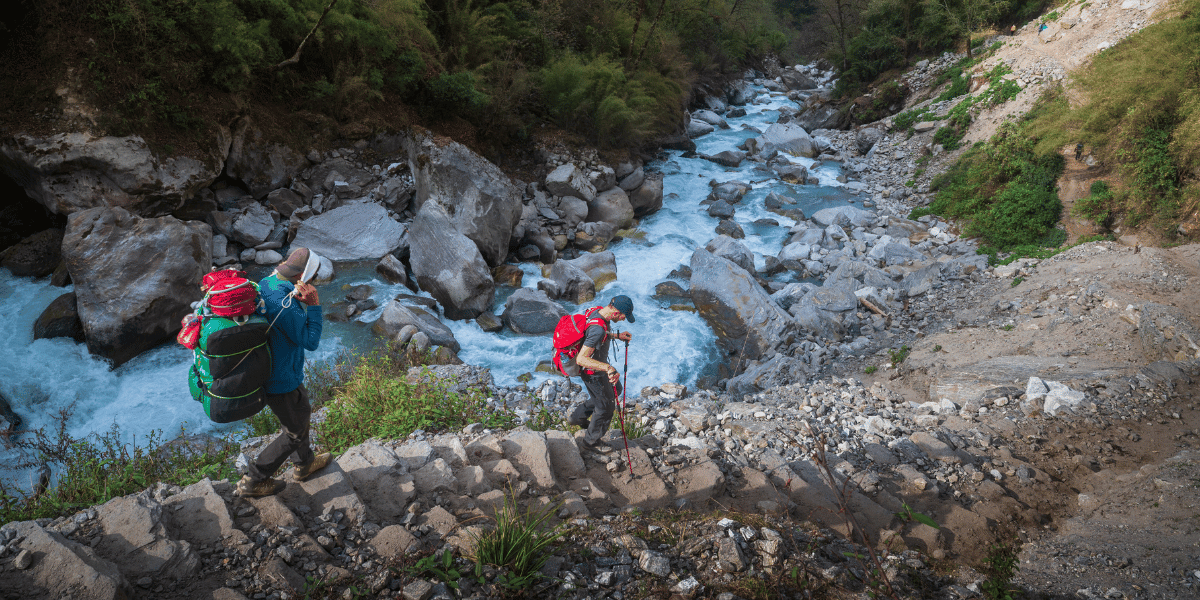
Peak season is safer and easier with stable weather, and you get to pack less. You can cover the same distance much quicker as you don’t have to deal with mud, leeches, or snow.
But the peak season’s busy trails aren't everyone’s cup of tea. The accommodation may not be to your liking as the best hotels and rooms are pre-booked.
Higher prices, longer wait time for food and services, noisier from morning to night; all small details that can add up to be quite off-putting.
Basically, account for the hour-by-hour experience of walking as well as hotel stays to pick your ideal time to visit Langtang valley.
Local Culture and Festivities
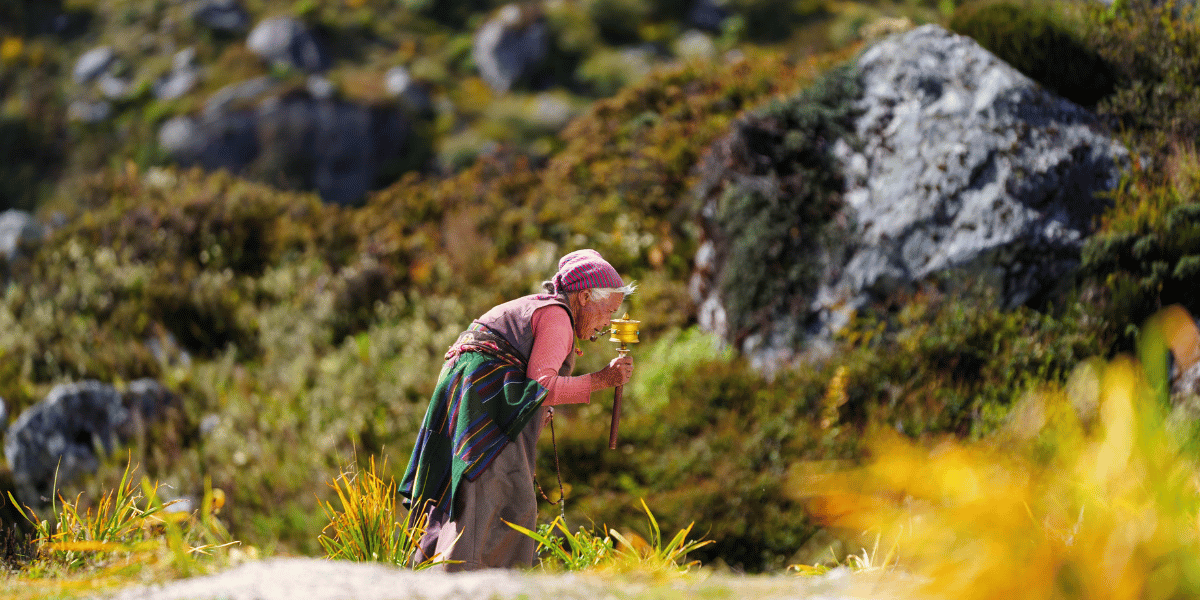
The local Langtangpas migrated here from Tibet half a millenia ago. They consider this place a ‘beyul’, a sacred hidden valley blessed by Guru Rinpoche.
Centuries later, those religious roots and beliefs still stand strong in Langtang.
Chat with the locals over some tea and ask about their typical day and general lifestyle. You’ll notice the depth of their spirituality very clearly in the way they treat not just people, but also the mountains, the trees, the rivers, the animals, and the prayer flags.
In a region so steeped in culture, festivals are obviously a key attraction point.
Tarna Festival and Buddha Jayanti honor figures and deities like Lord Buddha and Guru Rinpoche, while Dhukpa Chheju and Chyamgi Puja honor yaks and horses.
Sonam Lhosar (Tibetan New Year) is a time of celebration for the Tamang population, while festivals like Gyalpo Lhosar (celebrated by Tibetan communities) and Janai Purnima are celebrated by other ethnicities in the greater region.
These sacred gatherings bring people together from across the world; not just for prayer, but also for fun and games, community meals, and celebration.
Whether you’re doing the Langtang Valley trek, or other routes in the region like Tamang Heritage / Gosainkunda / Ruby Valley / Panchpokhari / Helambu Circuit, definitely look into upcoming festivals for the period you’re planning.
Wildlife Spotting
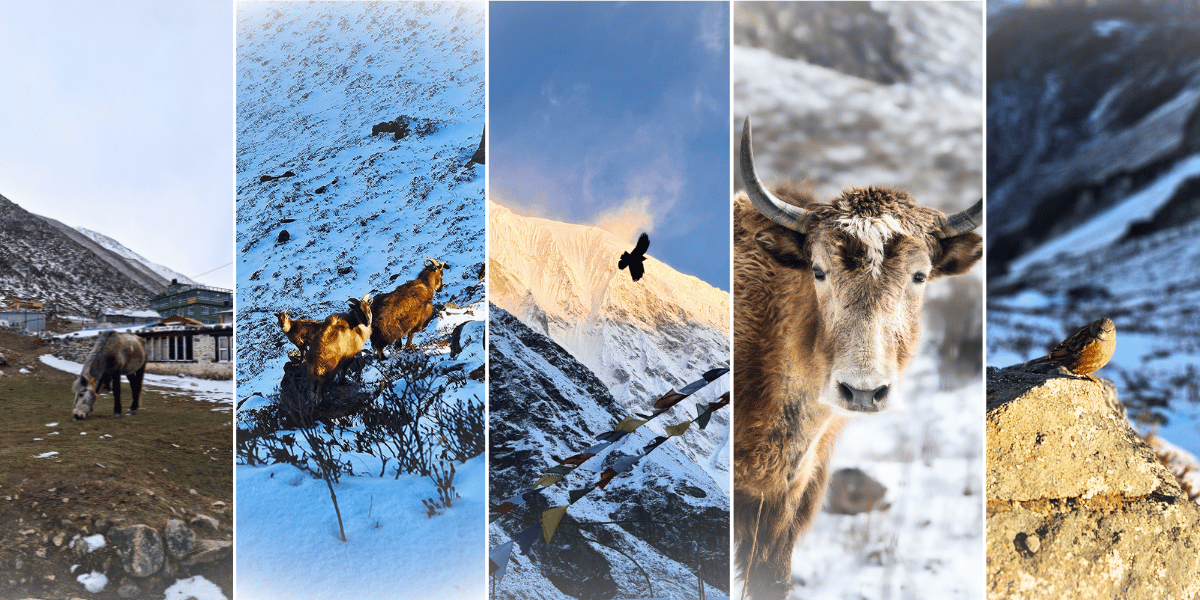
The Langtang region hosts thousands of plant and animal species across subtropical forests, alpine meadows and arctic tundras.
For instance, you’ll likely come across Magpies, Woodpeckers, Ghorals, Macaques, etc in the low-lying forests. Predators like Leopards and Black Bears keep away from the main trails and settlements but they do reside in the area.
You’ll see Pikas, Marmots, and Blue Sheep in the alpine zones. Red Pandas and Snow Leopards can be found in the highest remote zones but you’ll need some major luck.
Some of these species hibernate in the winter, while others move to lower elevations to survive. Plus, there are plenty of migratory birds to observe if you’re into bird-watching.
If wildlife spotting is a priority for you, it is extremely important to choose the right season, time of day and places to visit.
Overview of Different Seasons
The Nepali trekking calendar is best divided into four seasons:
|
Season
|
Months
|
Trail Condition
|
Daylight Hours
|
Weather (Views, Visibility)
|
Avg. Temperature (°C)
|
Difficulty Level
|
Accommodation Availability
|
|
Spring
|
March to Mid-June
|
Pleasant walk on dry trails, some snow higher up; mix of dry and wet trails due to some rain
|
5:30 AM to 6:30 PM
|
Clear windy skies, lush green landscapes, snow on peaks, little rain; clear mornings with afternoon clouds, occasional rain
|
18° to -5°
|
Easy to Moderate
|
Crowded, pre-booking recommended; fewer crowds toward end of season
|
|
Monsoon
|
Late-June to Mid-September
|
Muddy trails due to heavy rain, landslide risk
|
5:30 AM to 6 PM
|
Mainly cloudy with heavy rain, extremely lush forests
|
17° to 5°
|
Moderate to Challenging
|
Empty trails, some hotels may be closed
|
|
Autumn
|
Late-September to Mid-December
|
Easy dry trails; light to moderate snow depending on elevation
|
6 AM to 5:30 PM
|
Pleasant skies with almost no rain; great visibility but colder once sun sets
|
12° to -12°
|
Easy to Moderate
|
Very crowded, pre-booking necessary; fewer crowds toward end of season
|
|
Winter
|
Late-December to February
|
Deep snow and icy sections higher up
|
6:30 AM to 5 PM
|
Clear skies with snow-covered landscapes
|
6° to -13°
|
Moderate to Challenging
|
Empty trails, many hotels are closed
|
Note: The temperatures shown here are averages based on data recorded high in the valley (Langtang and Kyanjin Gompa). The lower elevations are a bit warmer, the coldest days and nights will have lower temperatures than shown, and so on.
Spring (March to Mid-June)
The spring temperature high up in the Langtang valley averages from 18°C mid-day to -5° at night. You start the trek from lower elevations where it's even warmer.
You'll encounter little rain as most days have clear skies with a nice cool breeze. There's plenty of snow to be seen covering the Langtang mountains and high passes.
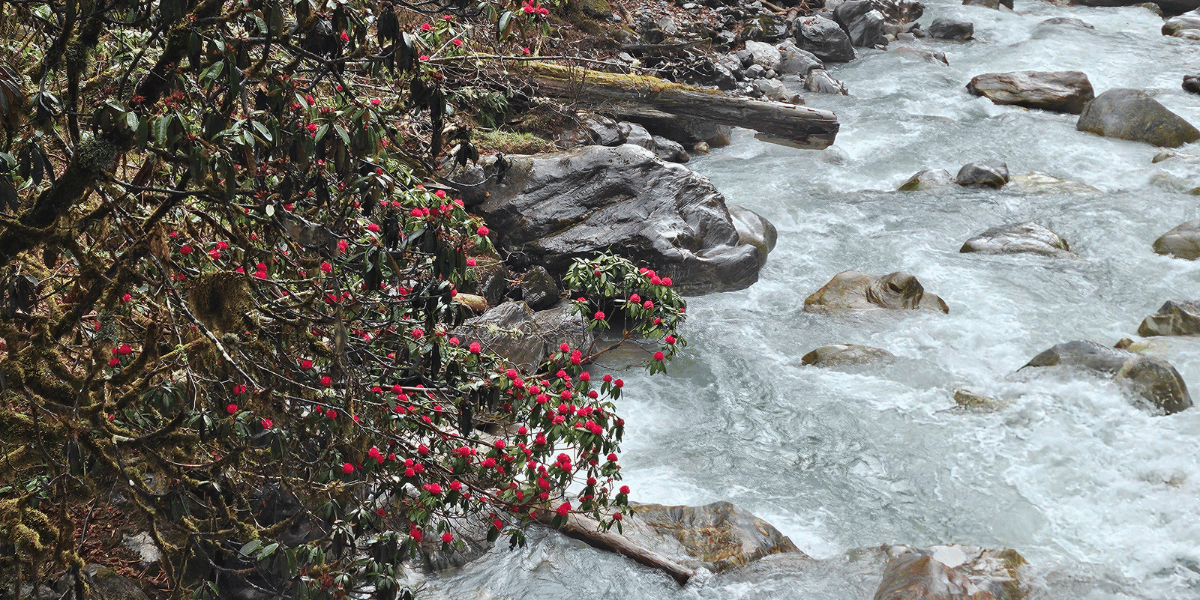
Deeper into the season, the snow melts and gives way to blooming rhododendrons and more active wildlife.
The contrasting mix of blue skies, green hills, colorful flowers, glacial rivers/waterfalls and snow-capped peaks creates a vivid vista no less than a renaissance painting.
Needless to say, spring is consistently the best season for photography and videography. The colors are simply exceptional.
As the season pushes into late spring and early June, the weather becomes a transitional period with frequently changing conditions. You'll see a mix of clear sky, fog, high clouds, rain, and winds throughout the day.
Temperatures in the high valley range from 18°C to 6°C. Days can feel hot and humid (particularly when walking under the sun). Nights tend to be nice and cool.
You must pack rain protection like a poncho or rain jacket, quick dry pants and trail runners, and one full set of dry clothing to wear at the hotel.
The trail is nice and quiet during this time, which is great for hikers seeking solitude. The snow melt forms countless sparkling waterfalls and streams throughout the trek.
Visit any kharkas (pasturelands) or go for other hikes in the region like Panch Pokhari and you'll also get to witness fields of wildflowers (Buttercups, Primulas, etc).
Pros:
- Excellent weather and views
- Most viewpoints and points of interest are accessible
- Biodiversity starts to bloom (both flora and fauna)
- Late spring is good for wild camping/peak climbing
- Trail isn't as crowded later in the season
- Good views during early hours and right weather windows
- Hills turn greener with more flowers blooming
- Prices drop slightly compared to peak season
Cons:
- Busy trails and packed hotels early in the season
- Need good time management and weather prediction
Monsoon (Late-June to Mid-September)
Langtang receives the fewest visitors during monsoon. These visitors mostly come to try their luck with the landscape/view and observe the plant life.
Although most of the monsoon period is gloomy and rainy, there are occasional periods where the weather opens up.
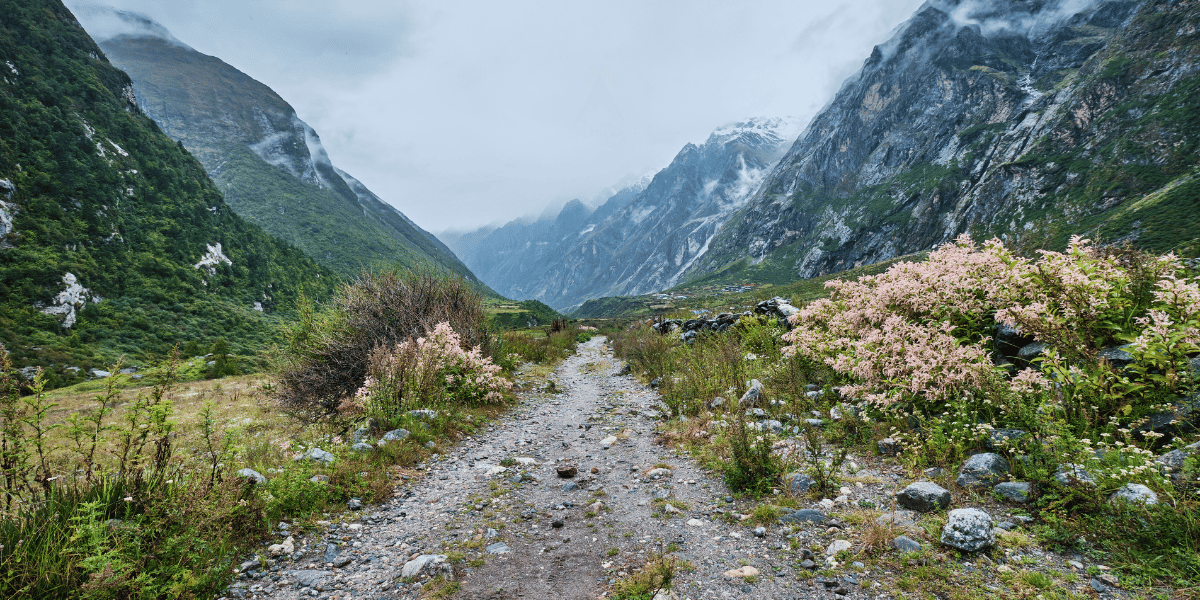
If you're lucky enough to find these weather windows, you'll experience the most vibrant green hills and fields covered with wildflowers like Blue Himalayan Poppies, Saxifrages, and Bristortas.
Pleasant streams from summer turn into roaring waterfalls in the monsoon. A sight to behold, but also a safety risk that must be navigated carefully.
Temps range from 17°C to 5°C, similar to summer. The only difference is now you're dealing with rain all day every day.
All in all, the correct mindset and gear are essential to enjoy the Langtang Valley trek in the monsoon.
And if you combine your Langtang Valley Trek with Gosaikunda Lake (particularly during Janai Purnima time), you even get to witness a fair, where thousands of pilgrims visit the sacred lake for holy dip.
Pros:
- Nature in full bloom
- Empty trail and lowest prices
- Exceptional views when weather is good
- Witness Nepali Festivals like Tarna Mela/Langshisha Jatra and Janai Purnima (in Gosaikunda and Panch Pokhari sides)
Cons:
- Muddy trails, constant rain and poor visibility
- Landslide-risk, need alternative route sometimes
- River crossings can be challenging
- Leeches
Autumn (Late-September to Mid-December)
Autumn is the busiest trekking period throughout Nepal, not just Langtang.
As the monsoon winds have just withdrawn, weather remains very stable for most of this season and temps range from a pleasant 12°C to a chilly -12°C.
All locations and side trails become safely accessible, and you can get away with packing less, which allows for an easy and enjoyable hike.
These conditions make Autumn an excellent time for exploring remote locations like Langshisha Kharka, Morimoto BC, Tilman Pass, Ganja La pass, Yala Peak etc. And you also get to camp away from the Autumn crowds; two birds with one stone!
While you're in town, the locals may invite you to partake in the month-long celebrations of Dashain and Tihar/Deepawali (the two biggest Nepali festivals).
As the season rolls into December, it's basically autumn but colder and quieter. Temperatures range from 7°C to -12°C and higher locations like Langtang village and up start seeing snowfall.
The cold brings down the visitor numbers drastically, even though it's easily manageable with the right winter layering and gear.
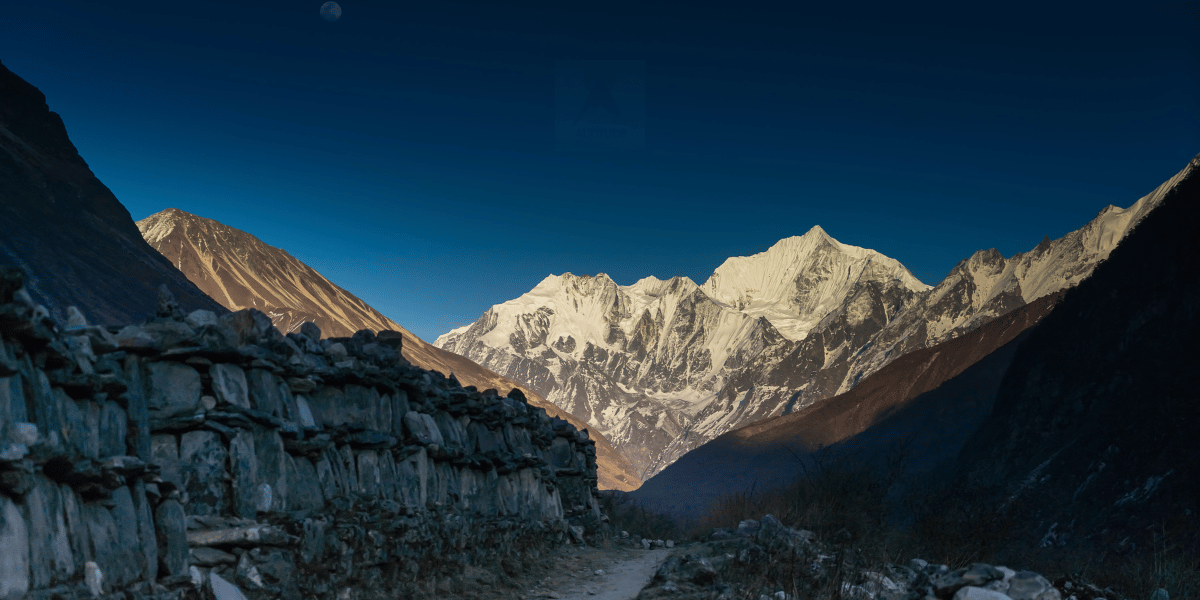
Most locations are still accessible, the weather is fantastic, and the trails are nice and peaceful. Definitely the most underrated time to trek to Langtang!
Pros:
- Excellent views and pleasant weather
- All points of interest are easily accessible
- Good all-around and very underrated time later in the season
Cons:
- Packed hotels, higher prices and bustling trails early in the season
- Need to carry a little more gear
Winter (Late-December to February)
During peak winter, temps range from 6°C to -13°C. The region receives a lot of snowfall, which can be a good or bad thing depending on who you ask.
If you're only travelling till Kyanjin, the valley is a glistening winter wonderland.
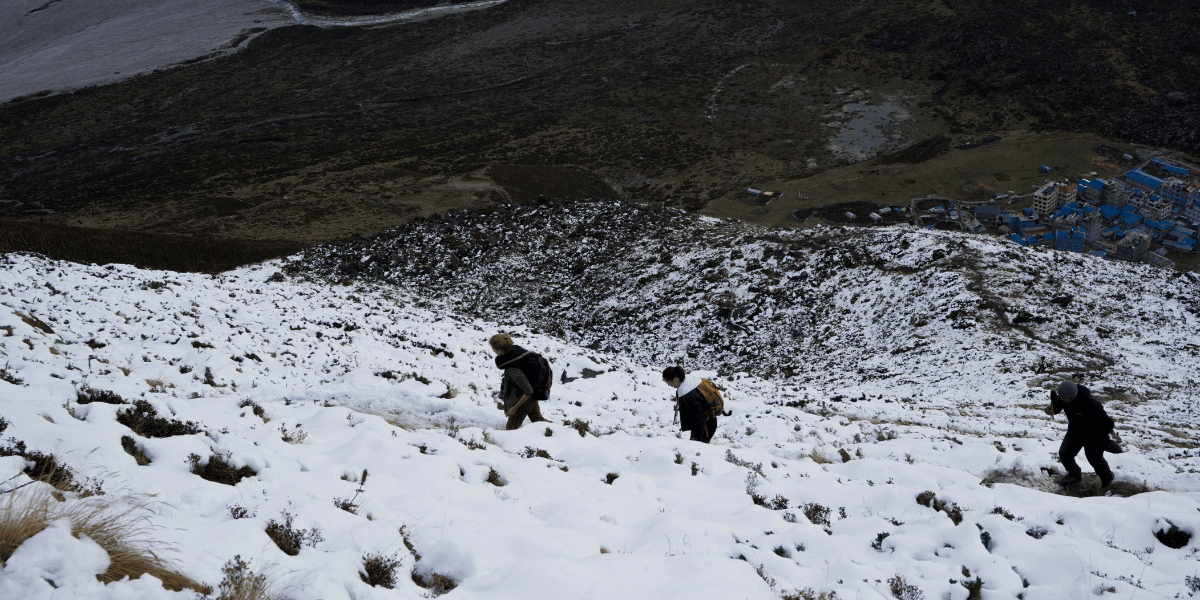
Most people can get to Lower Kyanjin Ri (4,400 m), or the frozen glacial lake north of Kyanjin at the very least.
But higher viewpoints, high passes and trekking peaks become inaccessible. The snow is usually too deep and brings risk of slip/fall and avalanche.
Some hotel owners close shop and stay at lower elevations until spring. Also, daylight hours are shorter, it gets colder faster, and you'll find your gear and water frozen in the morning.
So, good time management, planning, and gear preparation is non-negotiable. But if you're well-prepared, you'll have an unforgettable himalayan adventure!
Pros:
- Good weather, excellent views
- Quieter trails and cheaper prices
Cons:
- Must pack good winter clothes and equipment
- Coldest season and traversing snow can be tough
Climate Change: How It's Affecting
Himalayan weather has always been unpredictable. Things change at a moment’s notice.
Climate change has made things even worse in the last few years.
For instance, we saw a lot of snowfall and rainfall this spring (2026). Even during the end times of the season, visibility remained poor with low temps compared to previous years.
The monsoon tends to linger around longer every year. In 2025, the DHM had to issue extreme weather warnings even in October!
The last bout of monsoon winds caused heavy rainfall for a few days leading to flash floods and landslides.
4 Langtang trekkers got swept away in the floods, while a lot more had to be rescued.
Winters are often a lot warmer than expected and you might see naked peaks with very little snow.
The glaciers are receding rapidly. The Yala glacier has shrunk by 66% since its first measurement and is expected to die in the next two decades.
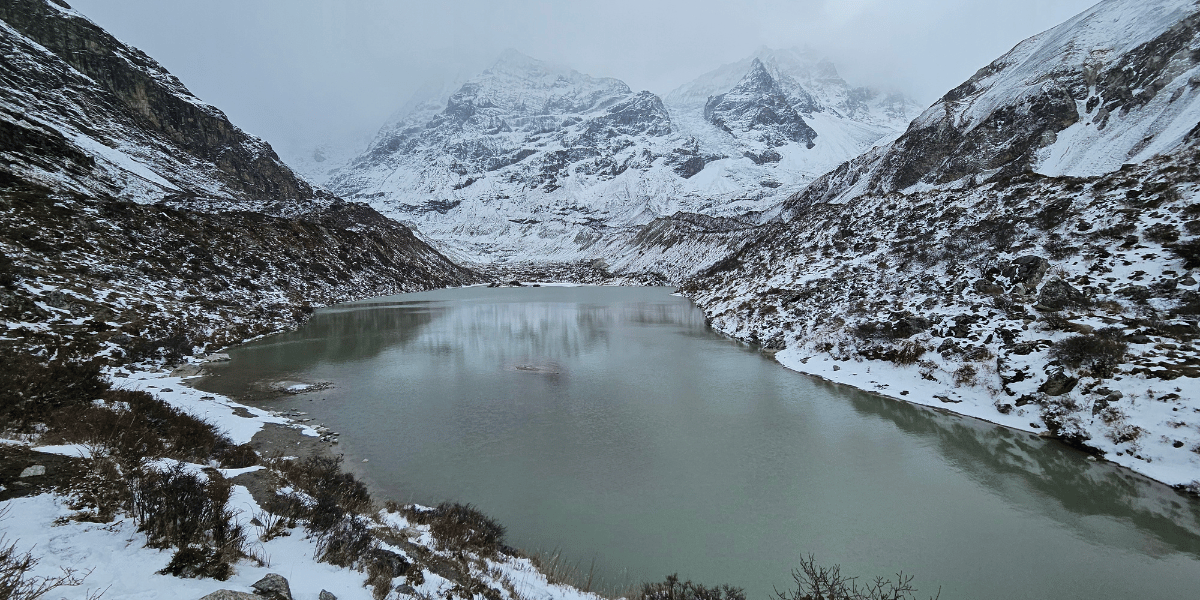
The Langtang Lirung glacier-melt formed the Lirung Glacial Lake some 25 years ago. The area used to be yak grazing land, but now it’s a sizable lake that’s expanding every year.
Langtang, the valley of glaciers, may not be so for much longer.
In any case, the takeaway here is that climate change and season creep is a major factor that you must account for when planning your Langtang trek.
Even in “good” seasons like spring and autumn, stay up-to-date with the weather updates and warnings to safely finish your trek during the best window.
If you’re visiting from outside Nepal, it’s best to let a local operator like Altitude Himalaya handle this for you as we get the latest updates directly from people in the valley.
Langtang Valley in Different Months [Our Experiences]
Still unsure about the season? We’ve collected personal insights and experiences from our team members about their own trips to Langtang.
Our favorite parts, what we did right, what we struggled with and the mistakes we made; this month-by-month breakdown has a ton of useful real-world info!
You’ll hear from me (Anup) and Bhishu from here on.
In March
Bhishu:
March is supposed to mark spring. But what actually hit us on Day 2 (just past Thangshyap) was a partial snow blizzard that lasted the entire night.
The locals were not sure whether our Altitude Himalaya team would be able to reach Kyanjin Gompa the next day. That one moment taught me more about mountain weather than any guide ever could!
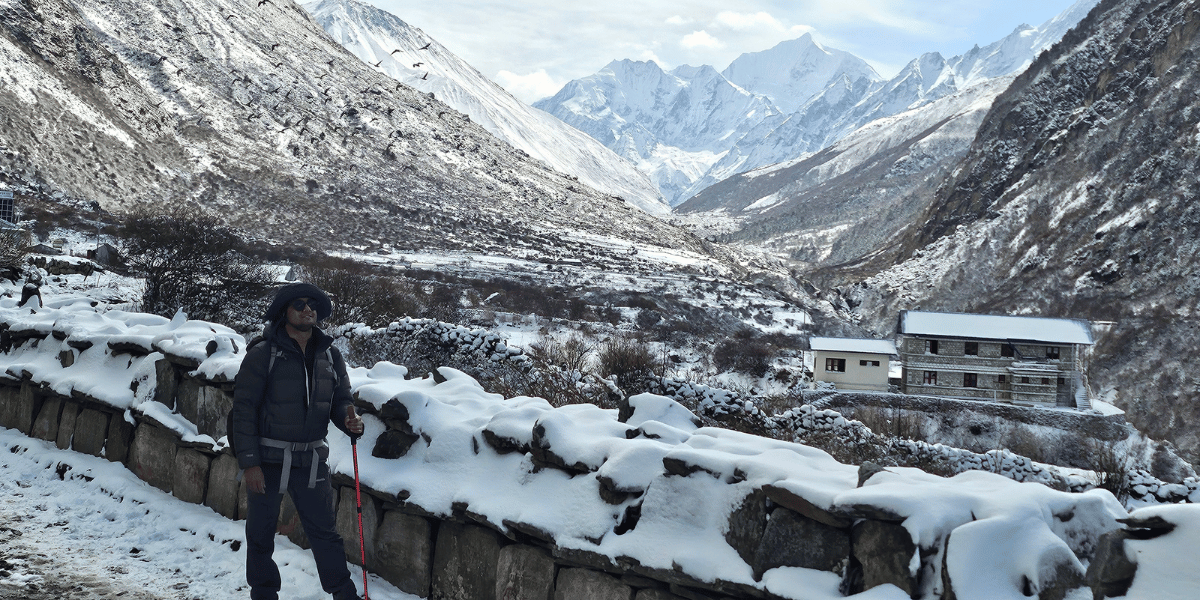
And this isn't just bad luck: the once-predictable trekking seasons in Nepal are now becoming increasingly unpredictable and extreme, driven by “climate change”. That "is this even spring?" feeling is something more and more trekkers are experiencing in March.
Now, let me get into the details of our experiences from the Langtang Valley Trek in March 2026:
- Trail conditions: The trail got completely snow-covered from the third day (after that heavy snowfall on Day 2). The morning push to Tsergo Ri was where difficulty showed up (especially for our beginners). They returned after reaching halfway (the Lower Viewpoint), but I wanted to attempt the Tsergo Ri summit, even if it meant solo. Sadly, I had to turn back too due to extreme snow depth. Not reaching the top was a real disappointment. The return descent was even trickier, as the snow in lower sections had already melted quickly, leaving behind a muddy and slippery trail!
- Daylight hours and daily distance: Post-winter March brings noticeably longer daylight hours, and that worked in our favor! We were able to cover 15 km from Bamboo to Langtang Village in a single day. But beginners called this the hardest stretch of the entire trek (understandably so).
- Physical and mental difficulty: Tsergo Ri was the only genuinely hard part. Reaching Kyanjin Ri was manageable since the snow had already melted along the lower trail (but the difficulty would be similar to Tsergo if the trail had been snow-covered). Some of our team members even had to skip the Kyanjin Ri morning hike after being completely drained from the mountain weather.
- Unpredictable weather: Mornings were consistently clear with excellent visibility. That's what saved our mountain views! Everything shifted from 2 PM onward though, with clouds rolling in and bringing light snow intermittently. Also, network issues appeared at higher sections whenever the weather turned bad.
- Teahouse crowd: Mid-March is a growing peak period but during our time, the crowd level was decent overall, except for Lama Hotel.
- Packing mistakes: One friend forgot gloves. Another skipped crampons (which was absolutely necessary for the Tsergo Ri descent). Our teahouse lent us leg gaiters, and they genuinely changed things for me on my solo Tsergo Ri hike. Gaiters are permanently on my March packing list now.
- Flora and fauna: Rhododendrons were present but not in full bloom. Wildlife was limited to musk deer and Himalayan Blue Sheep (but locals did confirm that there was a sighting of the endangered red panda during our time on the trek).
In April
Anup:
April’s busy trails are a turn off for many people, but I don’t think it should be considered a downside for everyone.
Langtang doesn’t get nearly as over-crowded as other regions like Everest.
For me, the peak season crowd here creates a more fun and lively environment, both on the trail and in teahouses.
It’s also a time when I’ve been able to complete treks much faster/easier as my pack is the lightest. Here’s what my exact April experience was like:
- Views were initially disappointing due to fickle weather but things got much better once we got to Langtang village and higher.
- The trail was easy to traverse with no snow or slippery sections. This also made packing for the trip easier.
- At Lama Hotel, we met a trio of British ladies. It was very interesting to hear about their experiences travelling to 20+ countries.
- At Kyanjin, we met a family of 4 from Vietnam. They were doing the trek with a 7 year old and he was a real goofball.
- The trail conditions were fantastic for the early morning hike up to Kyanjin Ri, and we got clear views of the peaks around us.
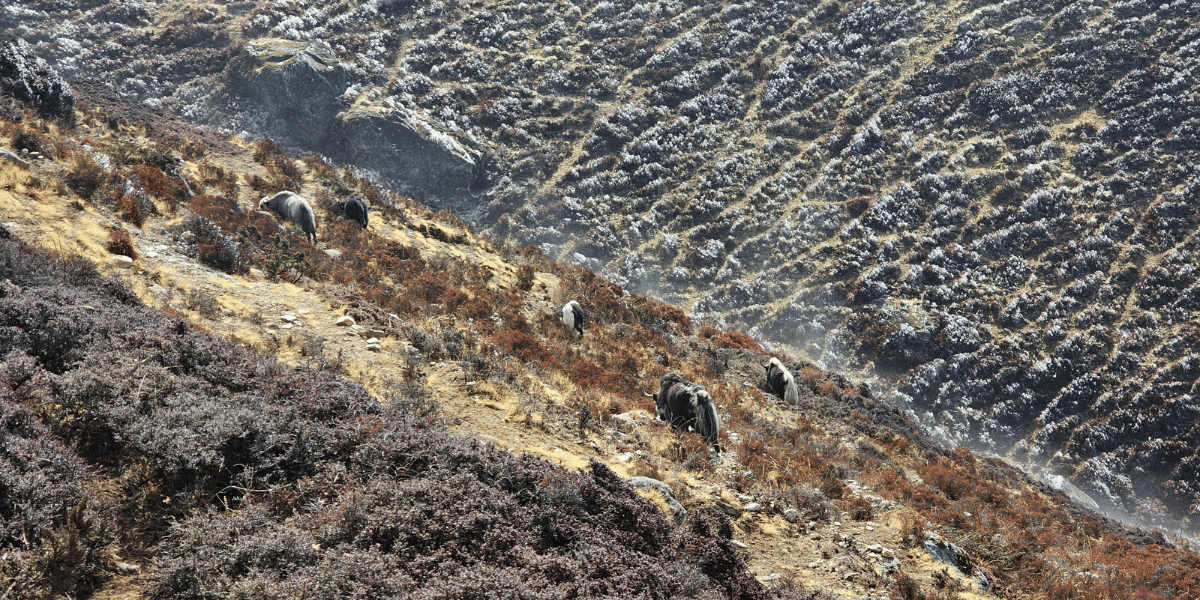
- But because we exclusively stuck to the main trails, the only animals we saw up there were Yaks grazing. For wildlife sighting, venturing to more remote parts seemed essential!
In May
Anup:
During our Langtang Gosainkunda trek, me and my friends stayed the night at Cholangpati. It was 9 PM and we were lounging around in the dining hall when two Nepali trekkers arrived.
Their faces were swollen from the cold and they were extremely fatigued.
Apparently, they left the previous camp around 4:30 PM. But they miscalculated the daylight hours and the altitude made the ascent tough. Fog and darkness soon set in and the otherwise easy forest trail became a pitch-black confusing maze.
This small patch of the trail took 3 times longer than expected and made for an exhausting ascent. But at least they made it through safely.
Many others are not so lucky as such mistakes often turn fatal. I see reports of trekkers getting lost or slipping off cliffs every year.
Don’t be like this. Respect daylight hours and mountain weather and reach your camp early!
Besides that, my May trekking experience looked like this:
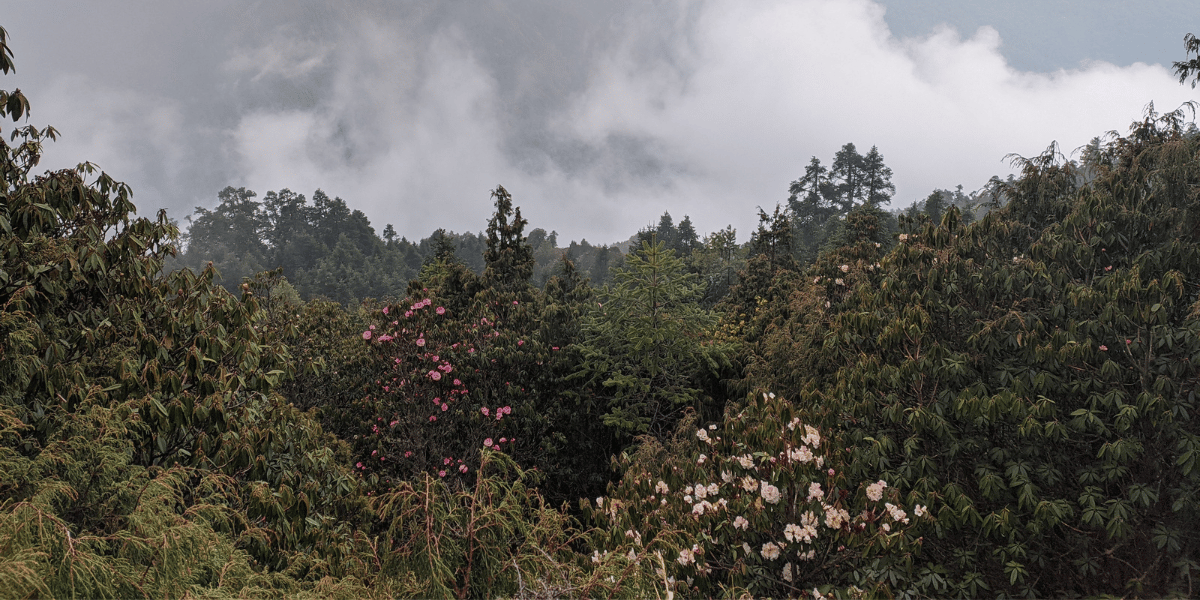
- The trail was generally dry and easy to traverse. We started with thick green forests at the lower elevations and climbed up to alpine terrain (we saw some light snowfall above 4000m).
- The weather was unstable with clear skies and great visibility for an hour, then some winds, then some fog and clouds, light rain/snow and so on.
- Even when it was snowing, the temps were mild as we were close to summer.
- We managed to find good weather windows for all our hikes up to the viewpoints.
- Some team members did skip certain hikes like Kyanjin Ri due to fatigue. They opted for easier locations like the glacial lake nearby.
- While our team planned the itinerary well around daylight hours, trail difficulty, and fatigue level, some others didn’t. This was an important learning experience and reminder for us as to how easily things can go wrong.
In October
Bhishu:
Our CEO, Kiran Sir’s October 2023 trek story came with good weather and some local foods along the trail!
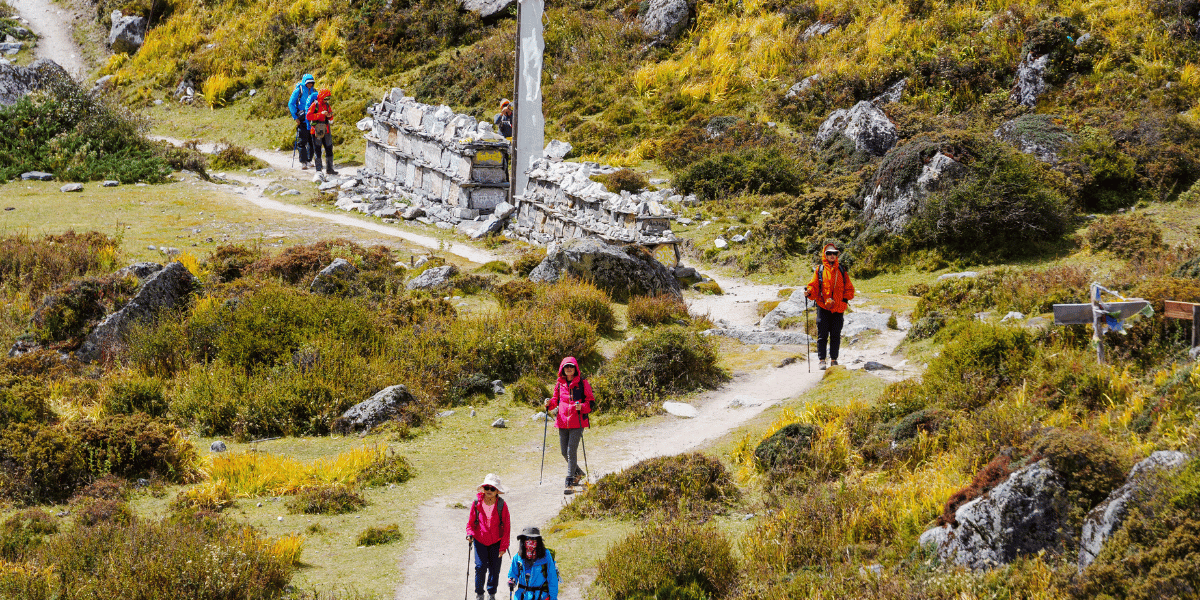
Except for one unexpected heavy rainfall on a single night (which nobody saw coming in October), the weather opened up beautifully from there on. This is what it looked like on the ground:
- Views were exceptional. Exactly what October is supposed to deliver!
- The Pairo section had a minor landslide impact (because of that rainfall), but nothing that stopped them.
- Trail was green (as it was right after monsoon in Nepal)
- Crowd was decent, not very crowded (expected as it was the peak season).
- No snow meant a clean run all the way up to Kyanjin Ri.
- The Dashain festival vibe started right from Kathmandu and carried into the lower sections of the trail.
- Wildlife sightings were limited. And honestly, that's typical for October. The peak season crowd means more foot traffic on the trail, and shy animals like the red panda prefer quieter side valleys and thick forest belts with less disturbance.
- But the real highlight? He says it was the potato harvest season!
- Kiran Sir also got to try Rildok, a traditional Sherpa and Tibetan dish where potatoes are hand-pounded until all the starch is released, leaving them with a sticky consistency, then hand-shaped into round dumplings and simmered in a broth of garlic, onion, butter, and timmur (a Nepali Sichuan pepper).
In November
Bhishu:
If October felt like everything was going right, early November 2025 was the complete opposite in terms of weather for Kiran sir and our guests. And yet, it still turned into an experience worth talking about:
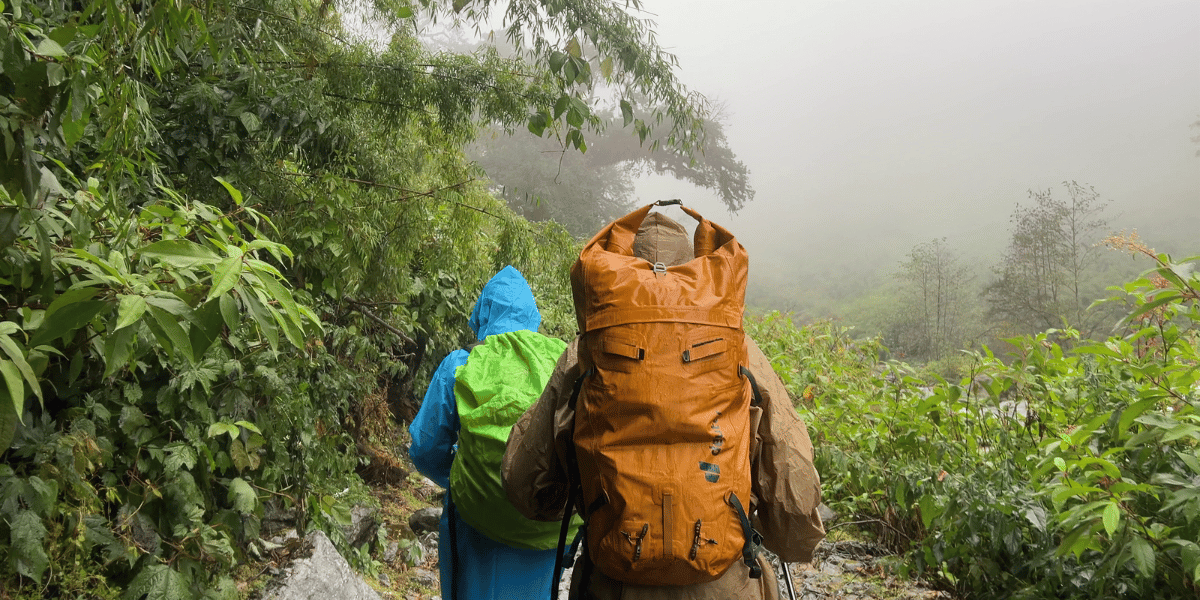
- Heavy rainfall had hit out of nowhere, and it wasn't just Langtang. Other regions of Nepal were equally affected.
- The landslide section got difficult to cross because of that rainfall.
- Even the Langtang Khola had swollen noticeably, which is genuinely unexpected for November. The sound of it, though? Kiran Sir says it was really soothing!
- Things only improved after reaching Langtang Village. The snow wasn't heavy, and it melted quickly as they moved higher.
- The timing meant Kyanjin Ri hike was right at the melting point, making the trail a little tricky. But every single guest made it. That achievement meant even more because of how uncertain conditions had been!
- The sunset view from Kyanjin Ri after all that struggle? Kiran Sir says the sky opened up and gave them really extraordinary views!
Our Message: “Inspect Weather, Not Just Season”
One thing that our team has experienced in every month when trekking in the Langtang region is: UNEXPECTED WEATHER! Whether it be October rain, November floods, March blizzards, the weather has challenged us one way or the other.
As I mentioned earlier, the once-predictable weather of spring, summer, autumn, and winter has now become unpredictable, and Langtang is no exception to this reality.
What we've also noticed is that sometimes choosing the right weather window within the so-called "wrong" season has kept some of us dry while others have gotten caught in the peak-season chaos. You see, the decision matters more than the calendar month!
And Kiran Sir's direct note on this is simple: Do not attempt the Langtang Valley trek during heavy rainfall or heavy snowfall. The reason is straightforward: heavy rain makes the lower, landslide-prone sections genuinely dangerous to cross, and heavy snow at the upper sections makes viewpoint hikes like Kyanjin Ri / Tsergo Ri nearly impossible to attempt. So, watch the weather window. That one decision changes everything!
Which Time is Best For Me? [Tips From Altitude Himalaya Team]
By now, you surely understand that each season/month has its own charm. The best time for you will depend on what you’re looking for - views and photography, pleasant weather and an easy trek, verdant wildlife, local culture and festivals, or anything else.
Our Altitude Himalaya team members shared these tips that they personally used to pick the best time for their Langtang treks:
- Get the latest updates from the DHM or global weather forecast sites. Especially, keep an eye out for extreme weather warnings. Safety should be your highest priority!
- Join online forums and Facebook groups, ask people who were recently there about their trekking experience and trail conditions.
- Get updates from locals on-the-ground if possible.
- Ideally, have a couple of buffer days planned. I’ve gotten stuck on the highway and on the trail before due to poor weather and road blockades. A tight schedule could mean ruined plans.
- Budget properly! Off-season trekking can take longer than expected, you might get stuck sometimes, or you could be unwell/injured and need rescue. Make sure you carry enough cash.
- Pack proper gear for the season you’ve chosen (dry clothing set, microspikes, spare goggles, etc).
- Once you’ve chosen the time to visit, research which attractions take center stage at that time, from festivals to best viewpoints. Make the best of your trek!
To wrap things up, here are general recommendations based on the activity:
- Safest/easiest time: Autumn, then spring
- Best time for photo/videography: Spring is best, autumn is decent, and clear summer and winter days are also good
- Best time for max greenery: Summer and monsoon
- Best time for remote camping: Spring and autumn
- Best time for peak climbing: Late spring and autumn
- Best time for wildlife spotting: Spring
- Best time for adventurous trek: Winter
- Best time for quiet trails: Summer and pre-Winter
- Best time for a cultural experience: Best to check festival dates and month by month data
- Best time for budget trekkers: Summer and pre-winter
Preparing for the Langtang Valley Trek
A standard 7-day Langtang valley itinerary is a good fit for most people most of the time. But people sometimes customize it for a few main reasons:
- They want extra days in Kyanjin to explore the many interesting locations nearby.
- They want to stay at a village or homestay for multiple days to immerse in the local lifestyle, culture, spirituality, and history.
- They want to combine a nearby trek like Gosainkunda or Panchpokhari.
- They’re travelling in peak monsoon, so buffer days are crucial.
- They’re travelling in peak winter, so they expect their pace to be slower.
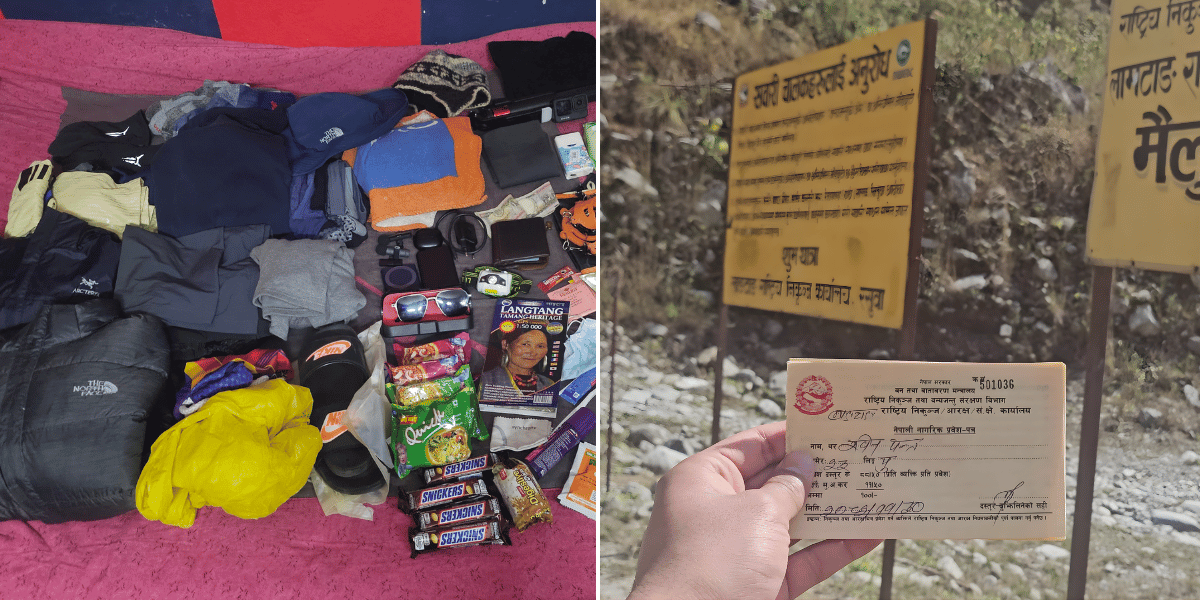
Regarding packing:
- Rain gear is non-negotiable for monsoon. Rain jacket, poncho, an umbrella (locals love this!), anything will do. Just have some form of rain protection. A waterproof pack liner or cover and dry sacks are a good idea. And make sure you have a set of dry clothes to change into at camp. Hypothermia is a real risk in the mountains.
- Similarly, carry snow and cold gear for winter trekking (microspikes, gaiters, gloves, buff, trekking pole, puffer, sleeping bag). Ensure you have a dry set of warm clothes for camp. And keep your water bottle, batteries, socks, and shoes inside your sleeping bag if possible. Otherwise, they usually freeze overnight.
- In the warm seasons, you can get away with ultralight packing if that's your style. But in all cases, check the weather and temperature forecast before you finalize your pack and head out.
Regarding permits:
Regarding fitness, mental, and trail-wise preparation:
- Being fit helps in any season, but for off-season trekking specifically, you also need the right mindset and mental preparation. You may have to walk in constant rain, deep snow, and negative temps.
- Take care during strong river crossings, and understand that some locations may be inaccessible in the off-season. Never compromise safety for some short-term fun.
- In warmer seasons, stay vigilant against sunburn, dehydration, and heatstroke.
Regarding budgeting and insurance:
- Transport and hotel prices are slightly higher in the peak season. But it’s nothing major, so don’t stress too much about it.
- Need help with insurance, flight booking, agency booking, hiring a guide, last minute shopping, or any other kind of preparation? Check out our comprehensive Langtang Valley trek preparation guide.
Final Thoughts: What Time Do We Recommend?
At this point, you should have a great idea of different seasons in Langtang and which one is best for you.
In my case, I love May for peak climbing around Kyanjin. Yala Peak South (5,520m) is a beginner peak that almost anyone can summit. No peak climbing permits needed as of the publish date, but I highly recommend taking a guide as climbing always carries some risk.
May and Late Oct-Nov are fantastic for remote camping around Langshisha Kharka, Nyengang Kharka, Morimoto BC, etc.
December is just highly underrated in general. The trail, views, and weather, everything is lovely if you can handle the cold.
Just one final reminder - the traditional idea of choosing the right trekking season is outdated now. Regardless of what season you visit, make sure to plan well with the latest weather updates. And if you’re not sure how to do that, we’re always here to help!


 Anup Thapa