
• Trip Code
    Trip Code THTAH
  • calendar
    Duration 14 Days
  • meter
    Trip Difficulty moderate
  • highest-point Highest Point 4985 M
  • group
    Group Size 2-10 People
  • start
    Start Point Kathmandu
  • end
    Trip End Point Kathmandu
  • accomodation
    Accommodation As Mentioned
  • meal
    Meals As mentioned
  • transport
    Transportation On Private

Trip Overview

Most trekkers who come to visit the Langtang region walk straight to Kyanjin Gompa and are back within 5 to 6 days, happy with the mountain views and the occasional yak sighting. 

Well, that’s not a wrong approach at all. But there's also a version of this journey that begins well before the Langtang Khola even comes into sight, and that version is the Tamang Heritage Trail!

This 14-day package is built for those who want the complete Langtang region experience, not just the alpine part of it. It combines the culturally rich Tamang Heritage Trail through Rasuwa's most traditional villages with the full-length Langtang Valley Trek.

It means culture plus optional hikes to Kyanjin Ri and Tsergo Ri. You get two iconic routes fused into a single, deeply rewarding adventure.

So, why does combining them make so much sense? Well, that’s simply because both trails actually complement each other in a way that keeps the journey fresh from the very first step to the very last. 

The Tamang Heritage section takes you through forested ridgelines, hot springs, and centuries-old stone villages where people still live by the traditions of their Tibetan ancestors. 

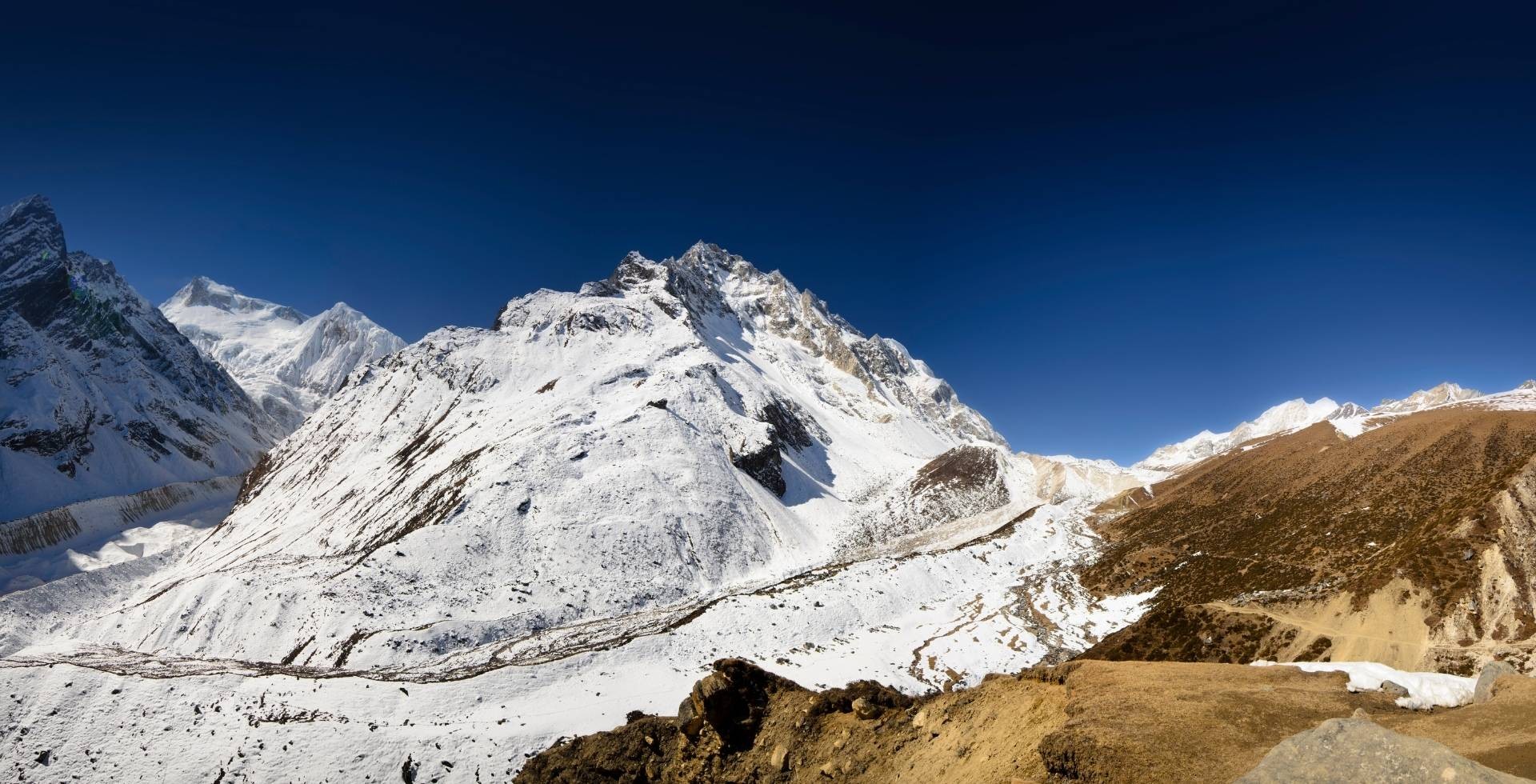
Then, as soon as you cross over into the Langtang Valley route at Lama Hotel, the landscape shifts to towering alpine peaks, glacial rivers, and the kind of wide-open mountain scenery that stays with you for years (the kind of memory you’d want to have after visiting Nepal). 

In terms of difficulty, this 14-day Tamang Heritage Trek falls under the moderate level. The Tamang Heritage section (Days 3 to 8 of trekking) keeps the altitude manageable, with the highest point along that stretch being Nagthali Bhanjyang at 3,165 m. 

Your 14-day Tamang Heritage Trail with Altitude Himalaya kicks off with a day of arrival and a full day of Kathmandu sightseeing before the drive to Syaphru Bensi (1,467 m) on Day 3. 

From there, the trekking adventure kicks off along the Tamang Heritage route, ascending through forested trails of rhododendron, oak, and bamboo towards the hillside village of Gatlang (2,238 m)

The following days take you through the trail villages of Thambuchet (1,768 m), Tatopani (2,607 m), Thuman (2,338 m), and Briddhim (2,229 m), each carrying its own cultural identity, local monasteries, and the wonderful warmth of Tamang hospitality.

From Briddhim, you will join the classic Langtang Valley at Lama Hotel (Changdam Village, 2,470 m), pushing further through Langtang Village (3,455 m) and onward to Kyanjin Gompa (3,890 m) over the next two days. 

At Kyanjin Gompa, we've planned a two-night stay, so you have enough time to go for the sunset hike to Kyanjin Ri (4,400 m) on the first evening and attempt the full-day Tsergo Ri (4,700 m) hike the following morning. 

On the return, you’ll retrace the Langtang Valley trail back to Syaphru Bensi, and from there, it's the 5-to-6-hour drive back to Kathmandu in time for your farewell cultural dinner.

Facts About This Tamang Heritage With Langtang Valley Trek

Protected Area

Langtang National Park

Major Caste

Tamang

Major Religion

Tibetan Buddhism

Rivers

Bamdang Khola, Chilime Khola, Palpuchhe Khola, Birddhim Khola, and Langtang Khola that mix into Bhote Koshi River

Main Mountains and Peaks

Ganchenpo, Langtang Lirung, Luri Himal, Ghenye Liru, Tsangbu Ri, Naya Khanga, etc.

Highest Elevation

4,985 m (Tsergo Ri)

Permits

Langtang National Park Entry Permit, TIMS Card, Restricted Area Permit (for Thuman area)

Trek Route

Syaphru Bensi > Gatlang > Thambuchet > Tatopani > Nagthali > Thuman > Briddhim > Sherpagaun > Lama Hotel > Langtang Village > Kyanjin Gompa > Kyanjin Ri & Tsergo Ri > Lama Hotel > Syaphrubensi

Main Stops Along the Tamang Heritage Trail

From Syaphru Bensi all the way to Kyanjin Gompa, this 14-day journey takes you through some of the Langtang region's most culturally alive and scenically stunning villages. 

On the Tamang Heritage section, you’ll pass stone-paved alleys, Tibetan monasteries, and families who’re ready to welcome you into their teahouses/homestays with the hospitality you will never forget!

As you cross into the Langtang Valley section, the accommodations shift to mountain lodges with warm dining halls and proper food menus, keeping you well-fed and comfortable at every elevation.

Here are the main stops along the Tamang Heritage Trail:

  • Syaphru Bensi (or Syabrubesi): This is the gateway to everything in the Langtang region, serving as the starting point for both the Tamang Heritage Trail and the classic Langtang Valley Trek. Sitting right alongside the Bhote Koshi river, it's a lively hub with lodges and shops and also where the Tamang culture starts to reflect. 
  • Gatlang: This is going to be your first “real” introduction to traditional Tamang life and thus genuinely earns the name "The Black Village". It’s thanks to the dark slate roofs, intricately carved wooden window frames, and stone-paved lanes that have looked the same for generations.
    And very close to the village sits Parvati Kunda (approx. 2,600 m), a sacred alpine lake revered by both Hindus and Buddhists. As per a legend, the lake was discovered by the King of Gatlang while searching for a lost hunting dog.
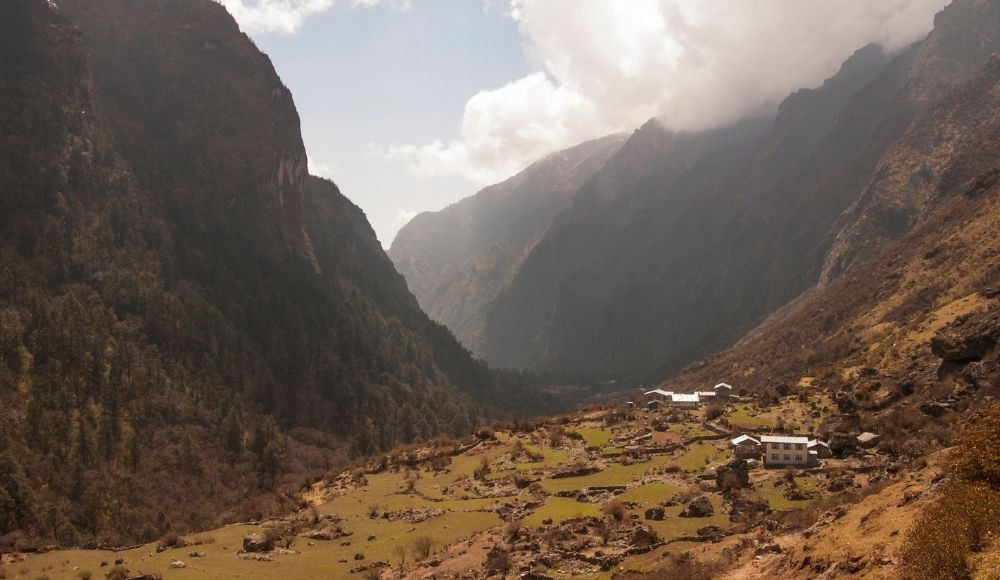
  • Thambuchet: Sitting along the descending trail from Gatlang towards Chilime, this is a small settlement you'll pass through as the route drops through forested hillsides with chortens, mani walls, and colorful prayer flags. The trail here is beautiful, lush, and quiet, with terraced farmland and dense rhododendron forests. 
  • Tatopani: The name says it all. "Tatopani" literally means "hot water" or “hot springs” in Nepali. And after two days of walking uphill and downhill through the Tamang Heritage Trail, the natural hot spring here feels exactly as good as it sounds!
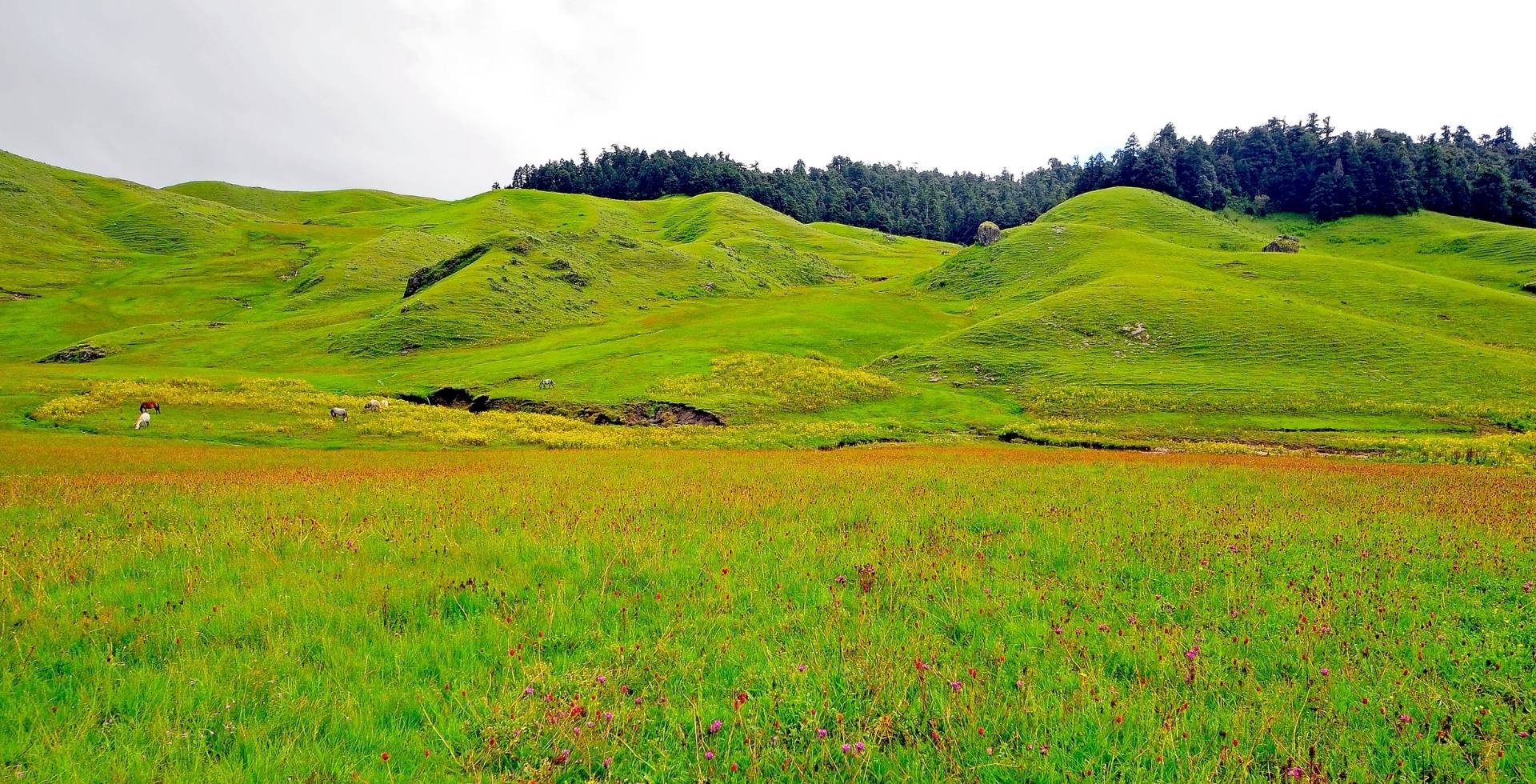
  • Thuman: This village is known for its wide, open grasslands and Tibetan-influenced Tamang architecture. If you’re here during the right time (like the festive season), you might even witness traditional shamanic performances and local music, which are a genuine part of the cultural life here. Also, you get wide-angle views of the Langtang mountain range sitting right behind the village, which makes it equally scenic!
  • Briddhim: This village serves as the final stop on the Tamang Heritage section before you join the Langtang Valley route. The community here has embraced sustainable, homestay-based tourism more thoughtfully than almost anywhere else in the region, and our itinerary gives you the chance to spend a night experiencing just that!
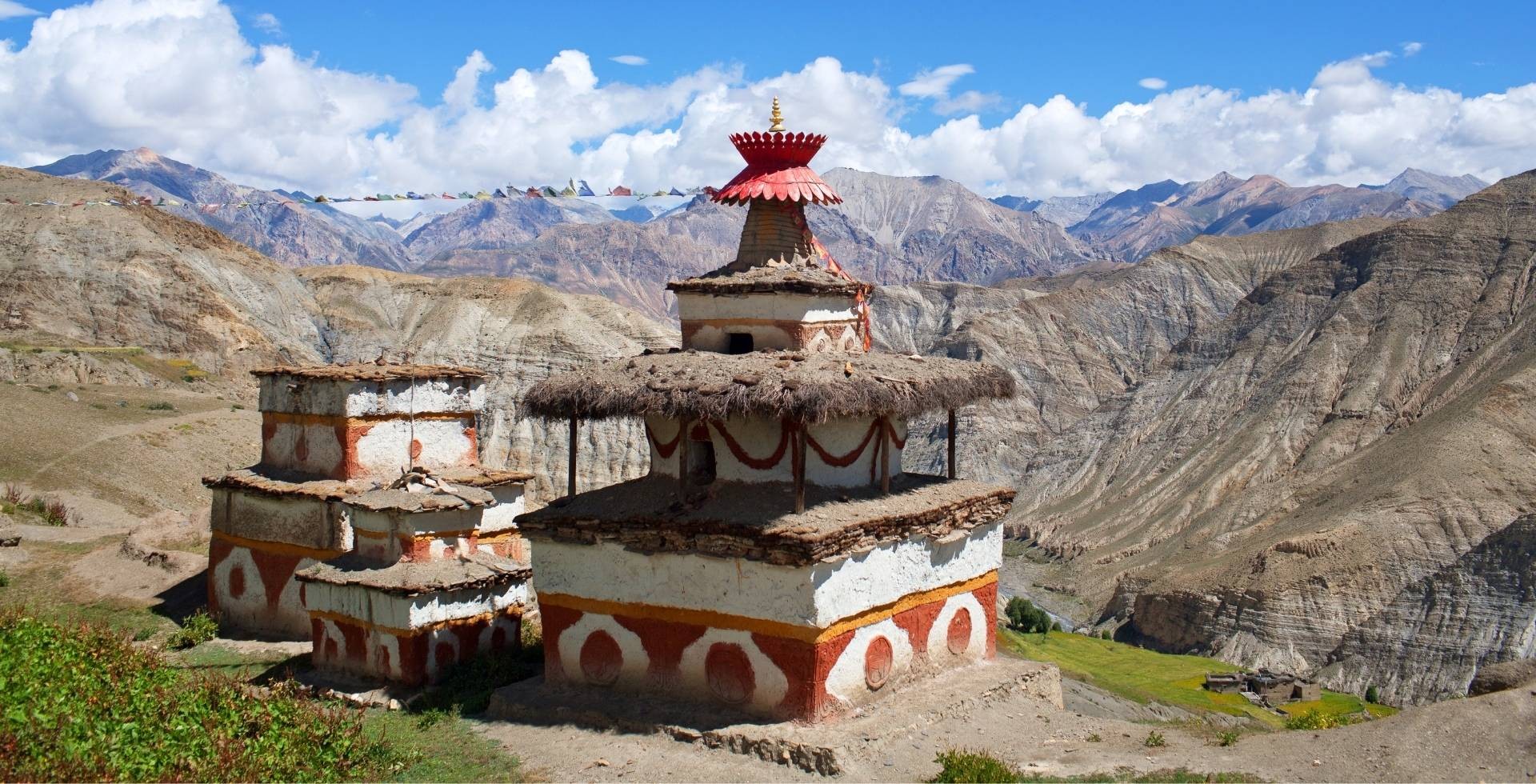
    In the evening, be sure to visit Dukchu Gomba (also called Dukchu Monastery), which the legendary Tibetan Lama Guru Rinpoche himself chose as a sacred site.
  • Lama Hotel (Changdam Village): After descending from Briddhim and passing Sherpagaun (aka Sher-Pho Gaun) through forested trails of rhododendron and oak, you arrive at Lama Hotel and formally join the Langtang Valley route. This place got its unusual name after a Buddhist monk (lama) built the first lodge here back in 1976, and the name has stuck ever since.
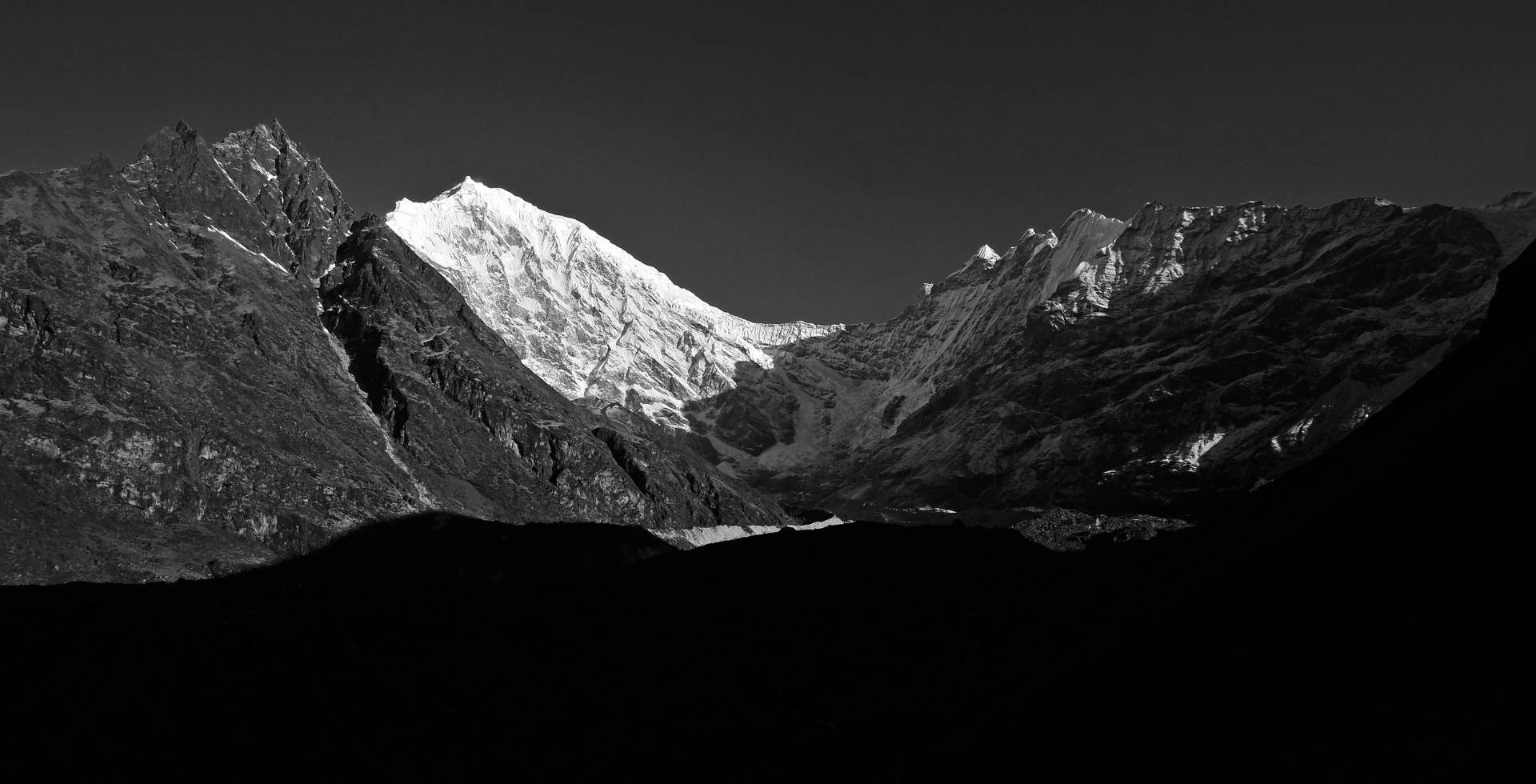
  • Langtang Village: Rising from the devastating 2015 earthquake that triggered a massive avalanche and buried the main settlement, the resilience of the Tamang community has now rebuilt the village a little ahead of the main trail. Views of Langtang Lirung (7,234 m), Luri Himal (6,924 m), and Gochenpo (5,296 m) are stunning from here, and the memorial site nearby serves as an important reminder of what was lost and what was rebuilt.
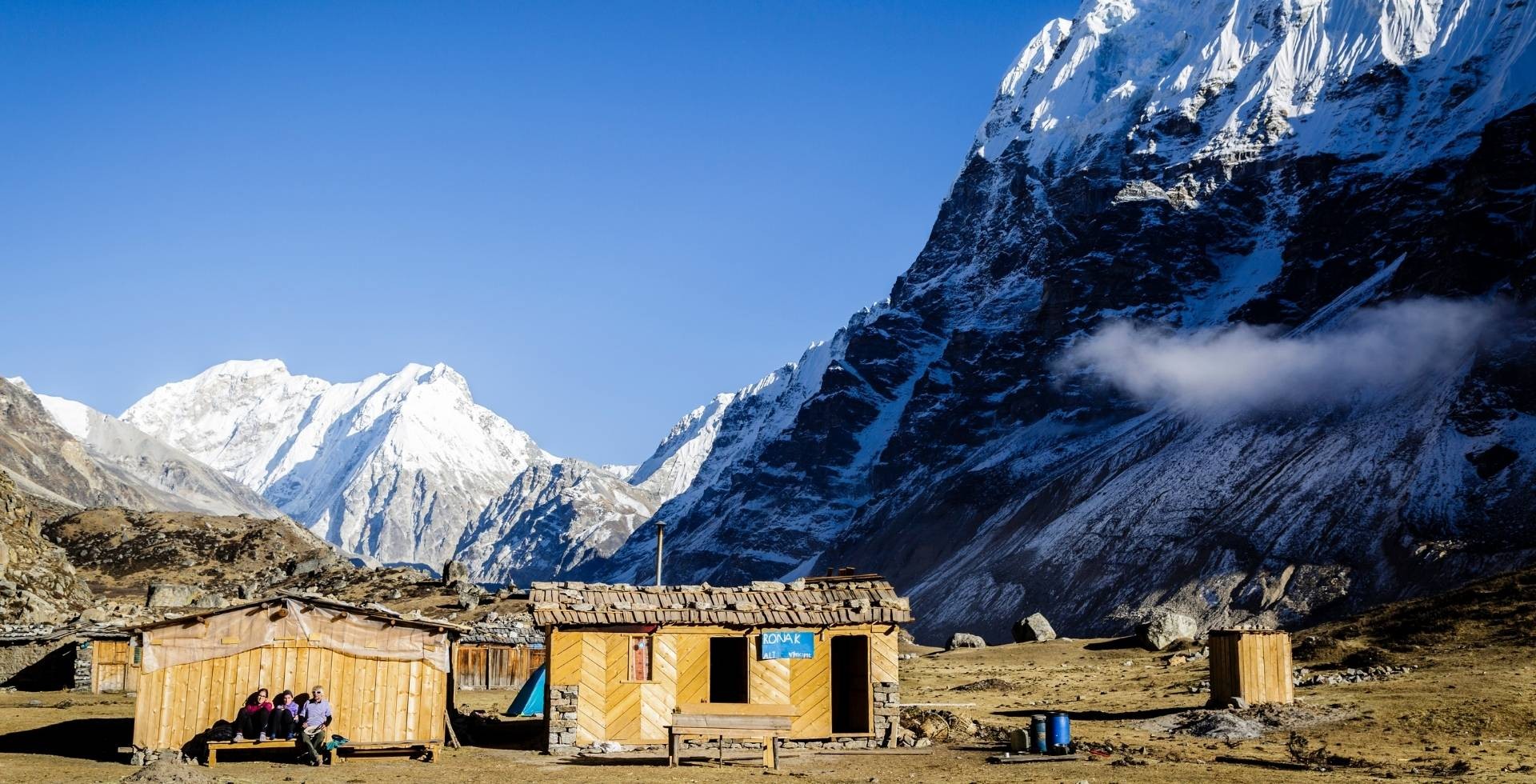
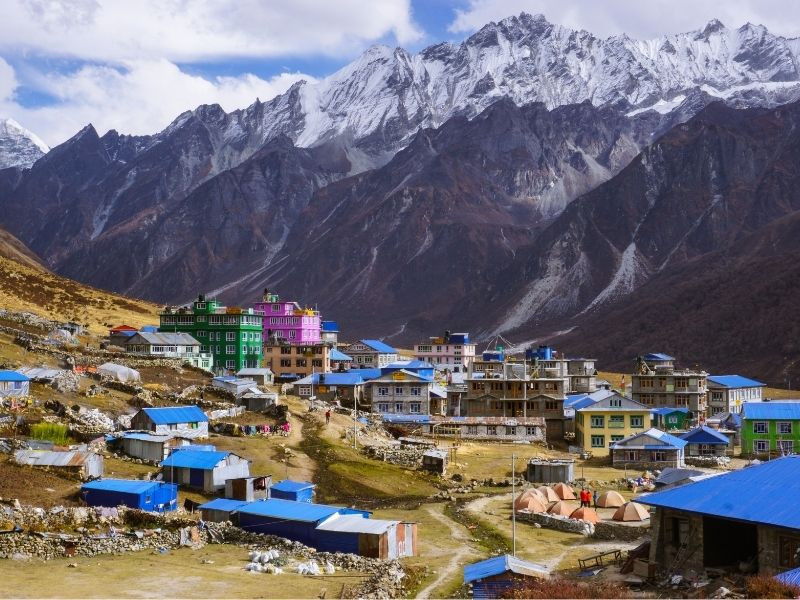
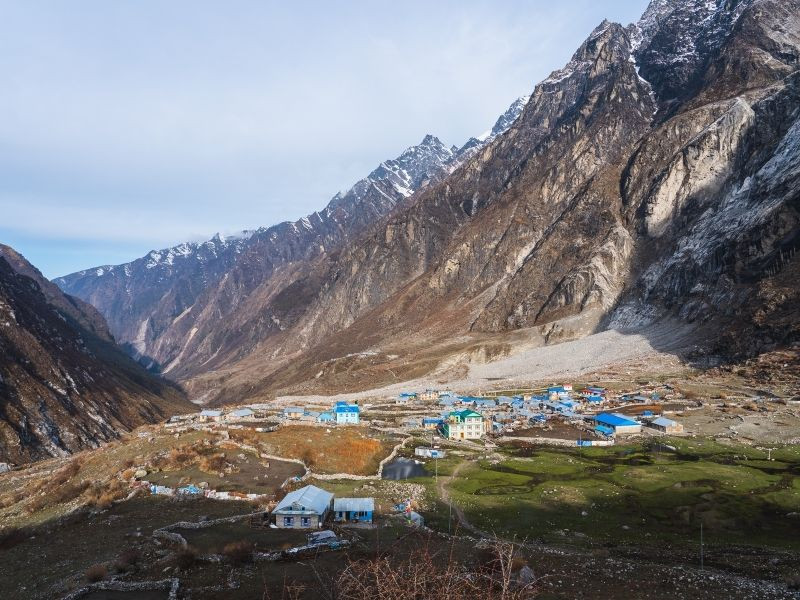
  • Kyanjin Gompa: This is the village where you’ll sleep at the highest altitude, and the major highlights are the Langtang and Jugal mountain ranges! Named after the Kyanjin Monastery, the village also houses the famous Organic Yak Cheese Production Centre and a micro-hydro station powered by the Langtang or Lirung Glacial Lake.
    More importantly for this package, it serves as the starting point for both the sunset hike to Kyanjin Ri and the pre-dawn push to Tsergo Ri, which are the two ultimate adventure highlights of this 14-day journey.

Major Viewpoints on This Trek

The Tamang Heritage Trail with Langtang Valley Trek gives you viewpoints at almost every elevation. Each one offers a completely different visual experience within Langtang National Park:

  • Gatlang Height: This vantage point might be around 2,650 m, but the views of the Langtang Himal and Ganesh Himal ranges are really impressive! It's not an intense climb from the main settlement of Gatlang, and it's particularly wonderful during spring when the rhododendron forest below is fully in bloom!
  • Nagthali Bhanjyang: This is actually the highest point along the Tamang Heritage section of this 14-day trek, and the views it offers are genuinely extraordinary at this elevation. You get an unobstructed 360-degree view (on a clear day) of the entire Jugal and Langtang summits. Also, this place served as a meditation site for local Buddhist monks and nuns in the past!
  • Kyanjin Ri: This is the classic evening or sunrise viewpoint from Kyanjin Gompa, and our itinerary includes a sunset hike here on the day you arrive at the village. You can choose to stop at Lower Kyanjin Ri (4,400 m), which already gives outstanding views of Langtang Lirung's towering south face and the Lirung Glacier curving below it, or push on to Upper Kyanjin Ri (4,700 m) for the full 360-degree experience.
    From the upper viewpoint, you can see Langtang Lirung, Ghenye Liru (6,571 m), Kimshung aka Tsangbu Ri (6,781 m), Yubra Himal (6,048 m), Yansa Tsenji (6,567 m), Kanja La Chuli (5,652 m), Naya Khanga or Ghanja La Chuli (5,863 m), Boden-Powell Scout Peak (5,857 m), Gochenpo (5,296 m), and Ganchenpo, all lit up in golden evening light.
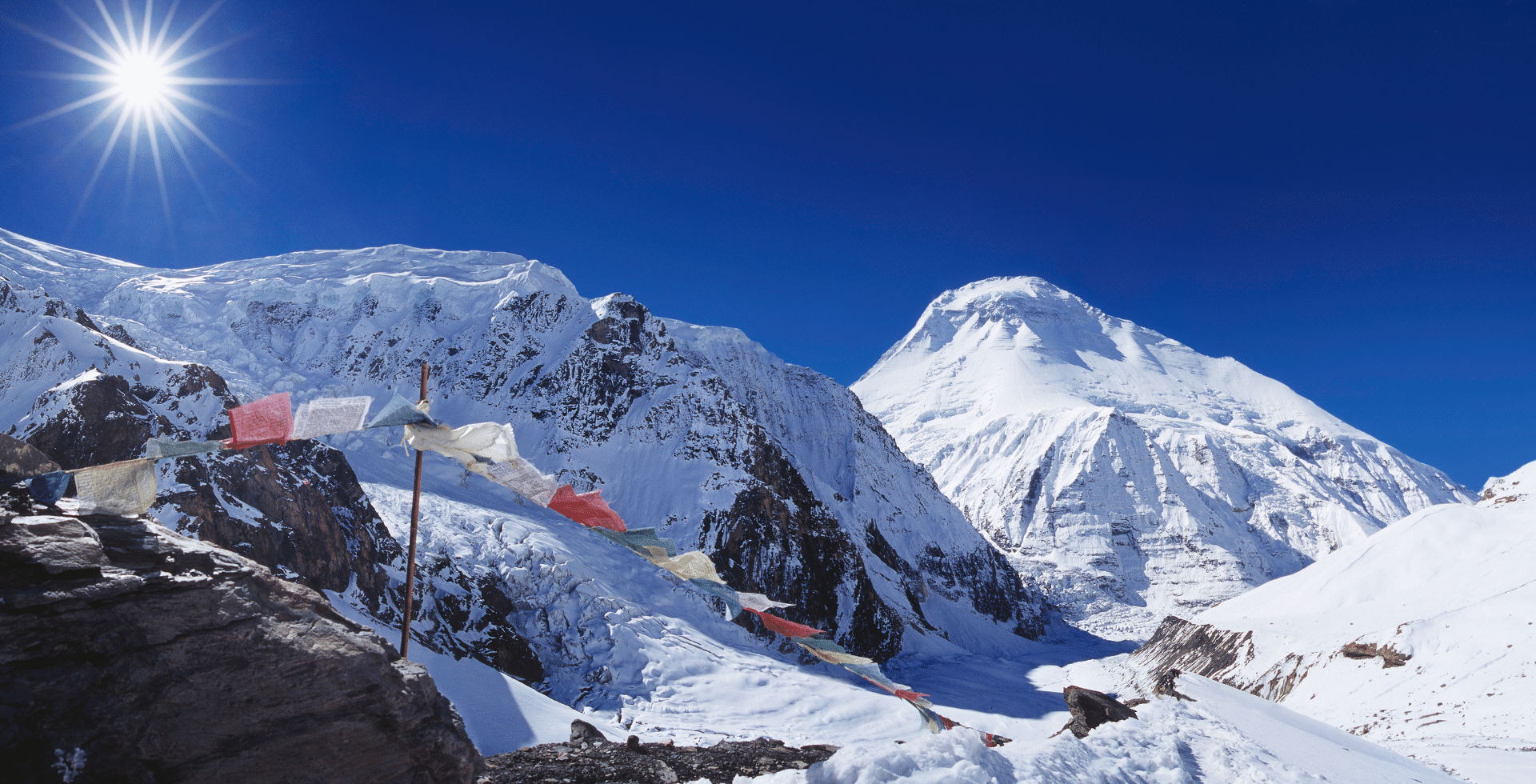
  • Tsergo Ri: This is one of the major Langtang region attractions of the entire 14-day trek and the most rewarding viewpoint you'll experience anywhere in the region! After reaching nearly 5,000 m above sea level, you get face-to-face with all those mountains you saw from Kyanjin Ri. On top of that, these hidden peaks too: Yala Peak (5,732 m), Yala Peak South (5,520 m), Bhemdang Ri (6,150 m), Bhemdang Karpo (6,865 m), Ramthang Karpo Ri (6,865 m), Langshisa Ri (6,412 m), and even Shishapangma (8,027 m) across the Tibetan border.

Why Tamang Heritage Over Classic Langtang Valley Trek?

The short answer is the Tamang Heritage Trail gives you everything the classic Langtang Valley Trek offers, plus a whole new experience that most people never even know they're missing. 

Here are the highlights of what makes these extra days such a difference:

Living Tamang Culture, Not Just Seeing It

On the classic Langtang Valley Trek, you move through Tamang villages quickly. But on the Tamang Heritage section, these villages are the main destinations!

You will slow down in Gatlang and walk its stone lanes, sit with families in Thuman and notice how the wooden window carvings on their homes were made by hand. 

Likewise, you get to hear stories at a local monastery in Briddhim and how these communities understand the world in literally a different way. 

So, the main difference here is you get to observe the Tibetan Tamang culture of Langtang up close and genuinely spend time with the locals.

Authentic Homestay Experience

The Tamang Heritage Trail comes with community-run homestays that are well organized and genuinely warm. 

This means you get to sleep in a local Tamang home, eat meals prepared from whatever the family has grown or raised, and wake up to a morning routine that's been unchanged for decades!

It's the kind of experience that travel brochures talk about but rarely deliver, and on this part of the Langtang route, it's actually the real thing!

Parvati Kunda: Local Pilgrimage Site

Parvati Kunda sits approx. 2,600 m above Gatlang and is one of those places that you wouldn't even know existed if you stuck to the classic Langtang Valley route. 

It’s a sacred alpine lake and is revered by both Hindus and Buddhists. During Janai Purnima, pilgrims reach here to offer prayers and bathe in its cold waters. Women on the same day believe that visiting here means you get the blessings of Goddess Parvati for fertility.

Visiting Parvati Kunda outside of pilgrimage season is a quieter but equally spiritual experience! You get to see the surrounding mountain views reflecting off the still surface.

Relax in Tatopani Hot Springs

After two days of trekking on the Tamang Heritage section, the natural hot springs at Tatopani arrive at exactly the right moment!

The water here is mineral-rich, and locals have long believed that it can heal sore muscles and joints. Honestly, it’s not just a legend, as the warmth genuinely works after consecutive days of uphill and downhill trail walking!

The hot spring in the Tatopani village is a simple pleasure, but on a 14-day trek, that kind of simple pleasure matters the most!

Enjoy Quiet Trails

One of the most underappreciated aspects of the Tamang Heritage Trail is how genuinely uncrowded it is, even during peak time to visit Nepal

Compared to the Langtang Valley main trail (which can see a lot of foot traffic from the start of the trek), the heritage section often feels like you have the entire ridgeline to yourself! 

Honestly, this solitude is what adds quality to the entire hiking adventure. And as we have been mentioning all along, it allows for much more genuine interaction with the local communities you pass through!

Transition from Culture to Wilderness

The single most satisfying thing about this combined 14-day itinerary is how naturally the Tamang Heritage Trail transitions into the Langtang Valley section. 

By the time you reach Rimche via Sherpagaun and join the classic Langtang route, the cultural richness of the previous days now shifts to the breathtaking landscape you're now entering!

Understanding more about the Tamang people and how they live far from the alpine zone, you’re now going to enjoy the alpine meadows and the mountains that draw closer.

At Altitude Himalaya, we've designed this package to give you not just mountains, but meaning! Scroll through this full package and once you're confident in what we've curated, start your Langtang Valley Trek preparation with Tamang Heritage Trail with us!

Read More

Trip highlights

  • Explore the traditional Tamang villages of Gatlang, Tatopani, Thuman, and Briddhim.
  • Visit Parvati Kunda (approx. 2,600 m), the sacred alpine lake near Gatlang.
  • Soak in the natural hot springs at Tatopani.
  • Enjoy panoramic views of Ganesh, Jugal, and the full Langtang range from multiple points.
  • Visit earthquake-affected Langtang Village and take a quiet moment at the memorial.
  • Reach Kyanjin Gompa and visit Organic Yak Cheese Production Centre and Langtang/Lirung Hydro Glacier Lake.
  • Optional high-altitude hikes to Kyanjin Ri (4,700 m) and Tsergo Ri (4,985 m).
  • Chances to spot red pandas, Himalayan Tahr, langur monkeys, musk deer, etc.
  • Sightseeing in Kathmandu, along with a traditional Nepali cultural dinner program on the final day.

Outline Itinerary

DAY 1: Kathmandu Arrival.

DAY 2: Kathmandu Sightseeing, Trek Preparation.

DAY 3: Drive to Syaphru Bensi.

DAY 4: Syaphru Bensi to Gatlang.

DAY 5: Gatlang to Tatopani via Thambuchet.

DAY 6: Tatopani to Thuman via Nagthali.

DAY 7: Thuman to Briddhim.

DAY 8: Briddhim to Lama Hotel.

DAY 9: Lama Hotel to Langtang Village.

DAY 10: Langtang Village to Kyanjin Gompa, Kyanjin Ri Sunset Hike.

DAY 11: Morning Hike to Tsergo Ri, Kyanjin Gompa Exploration.

DAY 12: Kyanjin Gompa to Lama Hotel.

DAY 13: Lama Hotel to Syaphru Bensi, Drive to Kathmandu.

DAY 14: Farewell, Departure.

Detailed Itinerary

Expand all
Day 1

Kathmandu Arrival.

trip-accomodation Nepali Ghar
trip-meals N/A
Day 2

Kathmandu Sightseeing, Trek Preparation.

duration 9-10 Hours
trip-accomodation Nepali Ghar
trip-meals B
Day 3

Drive to Syaphru Bensi.

duration 5-6 Hours
distance 130 Km
ascent 1467 m
trip-accomodation Local Lodge
trip-meals B,L,D
Day 4

Syaphru Bensi to Gatlang.

duration 8-9 Hours
distance 17 Km
ascent 2238 m
trip-accomodation Teahouse
trip-meals B,L,D
Day 5

Gatlang to Tatopani via Thambuchet.

duration 4-5 Hours
distance 11 Km
ascent 2607 m
trip-accomodation Teahouse
trip-meals B,L,D
Day 6

Tatopani to Thuman via Nagthali.

duration 5-6 Hours
distance 7.5 Km
ascent 2338 m
trip-accomodation Teahouse
trip-meals B,L,D
Day 7

Thuman to Briddhim.

duration 3-4 Hours
distance 6 Km
ascent 2229 m
trip-accomodation Teahouse
trip-meals B,L,D
Day 8

Briddhim to Lama Hotel.

duration 8-9 Hours
distance 13 Km
ascent 2515 m
trip-accomodation Teahouse
trip-meals B,L,D
Day 9

Lama Hotel to Langtang Village.

duration 7-8 Hours
distance 12 km
ascent 3455 m
trip-accomodation Teahouse
trip-meals B,L,D
Day 10

Langtang Village to Kyanjin Gompa, Kyanjin Ri Sunset Hike.

duration 9-10 Hours
distance 11 km
ascent 3890 m
trip-accomodation Teahouse
trip-meals B,L,D
Day 11

Morning Hike to Tsergo Ri, Kyanjin Gompa Exploration.

duration 8-9 Hours
distance 9 km
ascent 3890 m
trip-accomodation Teahouse
trip-meals B,L,D
Day 12

Kyanjin Gompa to Lama Hotel.

duration 7-8 Hours
distance 18 km
ascent 2470 m
trip-accomodation Teahouse
trip-meals B,L,D
Day 13

Lama Hotel to Syaphru Bensi, Drive to Kathmandu.

duration 4-5 Hours
distance 11 km
trip-accomodation Nepali Ghar
trip-meals B,L,D
Day 14

Farewell, Departure.

duration 30 Minutes
trip-meals B

Price Includes

  • All required airport pickup and drop off on a private basis.
  • All the mentioned sightseeing in Kathmandu on a private AC vehicle.
  • All mentioned Kathmandu sightseeing entrance fees.
  • Professional government-licensed tour guide for sightseeing in Kathmandu.
  • A private vehicle for your drive from Kathmandu to Syabrubesi and return from Syabrubesi to Kathmandu.
  • All 3 nights accommodation in Kathmandu in 3-star hotels on a double/twin sharing basis.
  • All 10 nights accommodation in local lodges during the trek. (On twin sharing basis)
  • Daily breakfast at the respective hotels or local lodges from the next day of your arrival.
  • Lunch and Dinner in the entire trekking journey.
  • All required permits: Langtang National Park Entry Permit, TIMS Card, and Restricted Area Permit (if required)
  • Travel insurance for your guide.
  • Duffle bag and trekking map (if required).
  • A professional English-speaking government-licensed trek guide for your Tamang Heritage trek.
  • Guide and driver’s food, salary, accommodation, and allowance.
  • One local SIM card (returnable) during the trip.
  • Arrangement of an emergency helicopter service, which will be covered by the traveller's insurance.
  • All government and local taxes.
  • Traditional Nepali cultural dinner in Kathmandu on the last evening of your trip.
  • A Tamang Heritage Trek Completion Certificate.

Price Excludes

  • Personal expenses.
  • International flights.
  • Nepal visa cost.
  • Lunch and Dinner in Kathmandu.
  • Travel insurance covering helicopter and other forms of high-altitude rescue (highly recommended).
  • An optional porter during the trek (who carries up to 20/22 kg bag). If you need one, just contact us (extra cost applies).
  • Tips for the guide, porter, and anyone else involved.
  • Sweet things like dessert/chocolates during the trek. 
  • Any alcoholic and non-alcoholic drinks.
  • Hot showers/battery charges/heater/mineral water during the trek.
  • Services that are not mentioned above.

Tour Guide, Tips

This 14-day Tamang Heritage Trek is thoughtfully designed for guests seeking the perfect adventure in the Langtang region of Nepal. Even if you’re on a tight schedule, we promise that this journey won’t be just about the mountain views but will also offer a deep cultural immersion where you will mostly meet the Tamang communities.

Each major destination we stop at on this trek has its own unique charm. That said, don’t worry if you’d like to make changes to the itinerary.

At Altitude Himalaya, your experience is our top priority. Any changes are absolutely possible; all we need is clear communication.

To help you make informed decisions without second-guessing the package, we’ve answered some frequently asked questions in the section below. Let’s explore them together!

Best Season For Tamang Heritage Trail

Unlike other countries, Nepal has six distinct seasons. And our team at Altitude Himalaya has experienced the Tamang Heritage Trail in all of these times. We have served our guests every month of the year, and we vow to do it for you, too!

Seriously, it’s difficult to tell you which is the best season because the beauty of every time hits differently. Allow us to explain in short:

  • Basanta (Spring) season, falling from mid-March to early May, brings blooming rhododendrons, clear weather (slightly unpredictable), decent temperatures, and stunning mountain views. Do note that the trail (particularly the Langtang Valley side) can become a little crowded. 
  • Grishma (Summer) season, falling from mid-May up to June, comes with fewer trekkers along the trail, brings in the pre-monsoon, still has decent temperatures in the high-altitude region, and has great mountain views (if the weather is good).
  • Barsha (Monsoon) season, falling from July to mid-September, is less preferred. Although the green trail in the lower sections of the Langtang region and the best views of the waterfalls make it heavenly, the problem with continuous rainfall, leeches, muddy trails, and less possibility of mountain views is something you need to keep an eye out for. 
  • Sharad (Autumn) season, falling from late September to mid-November, is the peak season for the Tamang Heritage Trek and the best too in terms of weather, culture, ideal temperature, mountain views, and still the possibility of greenery with good levels in waterfalls. But this can be a little more crowded (even more compared to the Spring season) and expensive too.
  • Hemanta (Winter) season, falling from late November through mid-January, brings in extreme cold in the high-altitude region. But the views mostly remain clear (in the mornings), and for those who love snowfall, this could be the best time!
  • Sishir (Late Winter) season, falling from late January through early March, is mostly dry, and the major sections of the high-altitude region are bound to experience snowfall. And with the previous season already doing its magic, this season could create slightly more challenges but it is still best for those who seek adventures.

You see, the best season to trek in the Langtang region actually depends on your preference

Permits Required For This Trek

To trek in the Langtang region, you must have proper permits. There are three permits required (one is mandatory while the other two remaining depend on government regulations) to legally enter the region. And the cost mainly varies depending on your nationality and age.

Here are the complete details:

Permits

Nepali Citizens

SAARC National

International Trekkers

Child Discount

Porter Fee

Langtang National Park Entry Permit

NPR 100

NPR 1500

NPR 3000

Free for children below 10 years

NPR 25

TIMS (Trekkers Information Management System) Card

[OPTIONAL, we’ll provide if necessary]

-

Group: NPR 300

Group: NPR 1000

-


Restricted Area Permit (RAP)

-

USD 20 per person /week

-

Camping Fee (for those wishing to choose camps over teahouses)

NPR 100

NPR 1000

NPR 1500

-

The good news is that we handle all the Langtang region permits for you. All you need to do is provide the necessary documents and photos, and we’ll guide you through the process once you’ve booked this trek with us.

Accommodation, Food, and Transportation on Your Trip

Upon your arrival in Kathmandu, our representatives will warmly greet you at the airport and escort you in a private vehicle to your three-star hotel, where breakfast is included for the next morning. 

During the 14-day Trek, your accommodations will be carefully selected local lodges in the Langtang region.

Over the years, we have picked those that consistently provide the best services for our guests, and your assigned trek guide will take you directly there without you having to do much hassle.

All meals (breakfast, lunch, and dinner) are included during your trekking journey, ensuring you receive a high-calorie diet to sustain yourself. Yes, even a packed lunch is included when you’re attempting the Tsergo Ri in the early morning (which takes 5-6 hours to reach the top).

For transportation, you’ll be escorted on a private jeep to Syaphru Bensi from Kathmandu and also when returning to the capital.

Upon your arrival in Kathmandu, it will be the same three-star hotel you stayed in before your trek began (although there’s an option for change). And like earlier, breakfast will be included for the next morning. Not to forget about the farewell cultural dinner, too!

And if you’re willing to taste more of the local cuisine, be sure to check out our guide on the best Nepalese food to get more ideas.

Packing List for Tamang Heritage Trek

Trekking in the Langtang region means you’ll pass through varying altitudes and weather conditions. Although your journey begins from the warmer valleys, you’re going to pass through alpine zones at the end of the trek.

So, packing can be a bit tricky, and let us inform you that this is one of the most asked questions by our guests. Now, if you’re actually reading this section, KUDOS TO YOU, as we ensure that you won’t have a query left.

Packing the right clothes and gear that let you adjust to changing temperatures and conditions is absolutely essential for treks like the Tamang Heritage Trail. So, here’s a complete packing list to guide you regardless of the season:

Clothing: LAYER THEM!

  • Base Layer (for moisture control): 3 to 4 quick-dry lightweight trekking shorts, 2 to 3 bottoms (shorts or pants based on season), sports bras/innerwear that are sweat-wicking, a pair of thermals for the nights
  • Mid Layer (for insulation): 1 warm fleece jacket/pullover/insulated down jacket (essential for high altitudes and mornings/evenings)
  • Outer Layer (for wind and rain protection): Waterproof/windproof jacket with hood, Waterproof trekking pants, Lightweight windbreaker (optional but handy)

Headwear and Handwear

  • Warm beanie or wool hat
  • Sunhat/cap with a wide brim
  • Neck gaiter or buff for dust and cold air
  • UV-protection sunglasses
  • Lightweight inner gloves (optional)
  • Warm insulated outer gloves

Footwear

  • Sturdy trekking boots (waterproof and ankle support)
  • 1 lightweight pair of camp shoes/sandals (for evenings and teahouses)
  • 7 to 8 pairs of warm trekking socks
  • 1 to 2 pairs of liner socks (extra, optional)

Trekking Essentials

  • Backpack (70-80L, with good hip and back support)
  • Daypack (10-20L for essentials during hikes to Kyanjin Ri and Tsergo Ri)
  • Duffel bag (we’ll provide to your porter, if required!)
  • Trekking poles (highly recommended for descents)
  • Headlamp with spare batteries (for that early morning hike to Tsergo Ri, and may be required in the evening when returning from Kyanjin Ri!)

Personal Items and Accessories

  • Water bottle or thermos
  • Water purification tablets/drops (optional)
  • Sunscreen (SPF 50+) and lip balm with SPF
  • Quick-dry towel and toiletries
  • Wet wipes/hand sanitizer 
  • Deodorant (showers are limited at higher altitudes)
  • Personal first aid kit 
  • Prescribed personal medications
  • Snacks and protein bars

Electronics and Miscellaneous

  • Camera or smartphone (with extra batteries/power bank)
  • Universal travel adapter (standard voltage of electricity in Nepal is 220-240 Volts and 50 HZ)
  • Lightweight book, journal, or cards (to fight teahouse boredom)
  • Earphones or headphones (for vehicles, do not carry speaker)

Documents and Money

  • Valid passport with Nepali visa
  • Trekking permits (Langtang National Park Entry Permit, TIMS Card, and Restricted Area Permit)
  • Copies of travel insurance covering high-altitude trekking
  • Cash (Nepali rupees)
  • Photos and other documents that we will inform you of

Dos and Don’ts on This Trek

Adventures, like this Tamang Heritage trek, come with a risk. No matter how confident you are, there are certain things you need to follow to stay safe.

Also, you must be aware of the culture and customs of the Langtang region. You must respect them at all costs!

Since we’ve organized this tour with your safety and that of your group in mind, we kindly request you not to engage in anything that could make things difficult for us or for the local communities along the trail.

To ensure you avoid those mistakes, here are some essential tips:

Things to Do

Things to Avoid

Carry small trash bags to collect your garbage.

Don’t litter around.

Respect local customs and learn basic Nepali greetings like “Namaste”.

Don’t bargain aggressively in small villages.

Keep your permits with you to show them to the respective offices on the Tamang Heritage trail.

Don’t leave the group without informing the guide.

Respect other trekkers’ privacy and walk in a queue (if required when the trail is crowded).

Don’t make excessive noise, as it disturbs others (avoid carrying speakers).

Ask before photographing locals.

Avoid alcohol and smoking in high-altitude regions.

Label your gear clearly.

Don’t wear your boots or sandals when entering sacred sites.

Give way to trekkers, porters, and pack animals coming from the opposite side.

Don’t panic in case you show signs of altitude sickness (inform your guide immediately).

Besides all these, there are still plenty of things to keep in mind before going for the Tamang Heritag Trail. Before even coming to Nepal, you need to have strong mental endurance, do strength training, long-distance walking, and other things that indirectly help you reduce the difficulty of this trek.

Tipping Culture in Langtang Region

We won’t say tipping is a must, but there’s a tradition that trekkers and climbers have followed for decades!

For that reason, we highly recommend tipping your porters and even guides. Our suggestion is to tip them at least 10% of your total trek package cost. That’s the minimum they expect, but you can raise it as per your desire or depending on the service they provide.

Honestly, this is something we don’t even have to speak for. We are just making you well aware of it from this guide itself. Once you do the trek, you’ll automatically know why there’s a tipping culture in the Langtang Region and even other treks in Nepal.

Tamang Heritage Trek Customization With Altitude Himalaya

The itinerary above was for the longer version of the Langtang Valley Trek, the Tamang Heritage Trail, but there are multiple other locations that you can visit that this trail connects, which will surely enhance your overall experience. 

We can arrange short hikes to Langshisa Kharka (as mentioned earlier) or even help you take on the challenge of Yala Peak. There’s also Ganja La Pass that connects you to the Helambu region

Well, here are some of our already-curated trekking packages that you should definitely check out:

Note that we aren’t just limited to these packages. We can curate a customized itinerary just for you. So, don’t hesitate to contact us directly on WhatsApp!

Frequently Asked Questions

Where is the Tamang Heritage trail?

How much extra should I carry for my Tamang Heritage Trek?

Can a beginner do the Tamang Heritage Trek?

Do I need travel insurance for this Tamang Heritage Trek?

Do I need a restricted area permit for the Tamang Heritage Trek?

Should I worry about altitude sickness?

Is there any age limit for trying out the Tamang Heritage Trek?

Is it possible to do the Tamang Heritage Trek without a guide?

Are Wi-Fi and mobile networks available along the trail?