



There’s something truly magical when someone refers to Mount Everest, the world’s highest peak, standing at the height of 8,848.86 m. Just getting to see it is something that every person in this world dreams of, and if you're thinking of doing it, you've landed on the right page!
While climbing the mountain itself is a difficult thing to do, there's a journey through the rugged Khumbu region that lets you get glimpses of the highest mountain in the world from different angles. We're referring to the Everest High Three Passes Trek, a trending topic among trek enthusiasts and mountain climbers, too!
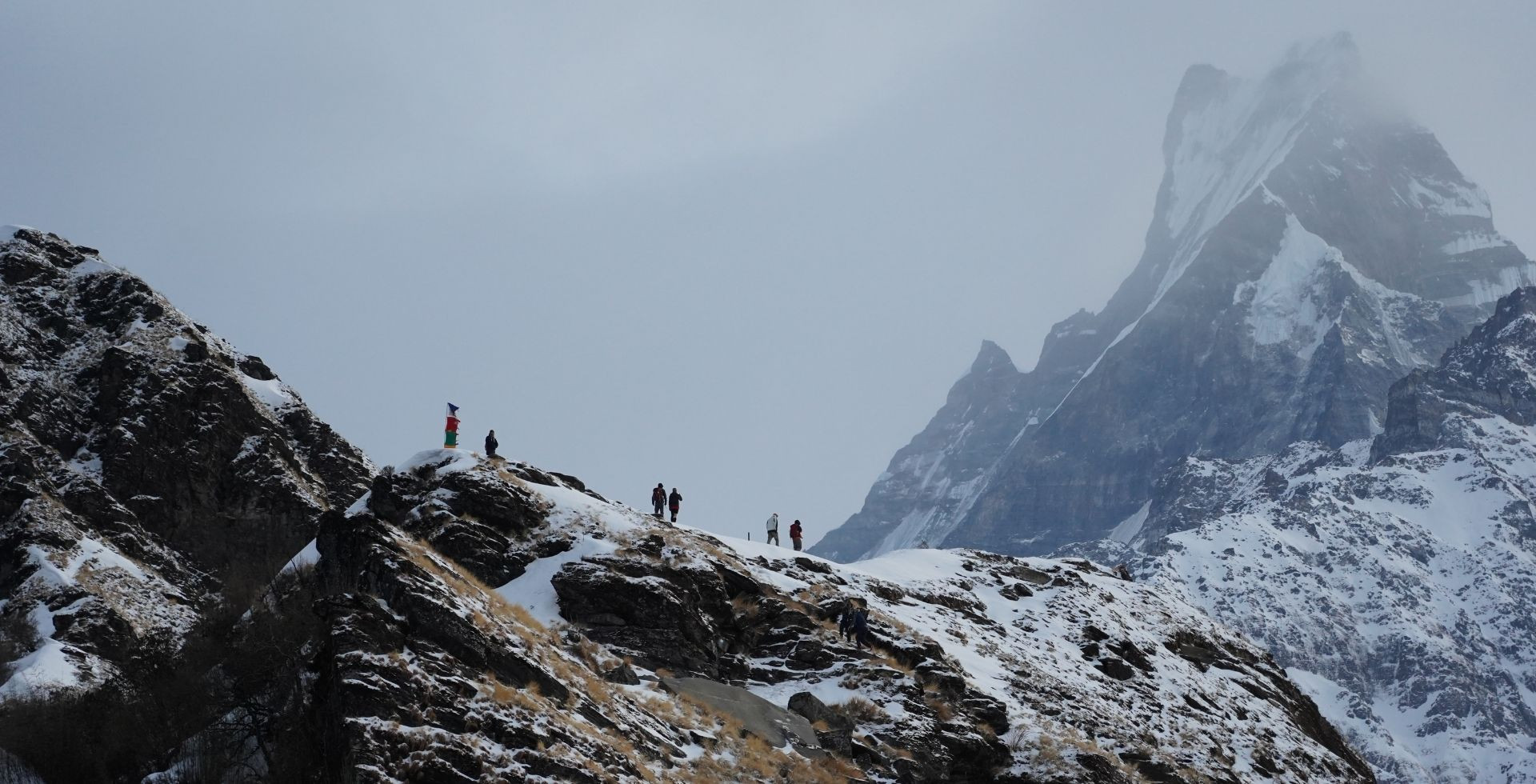
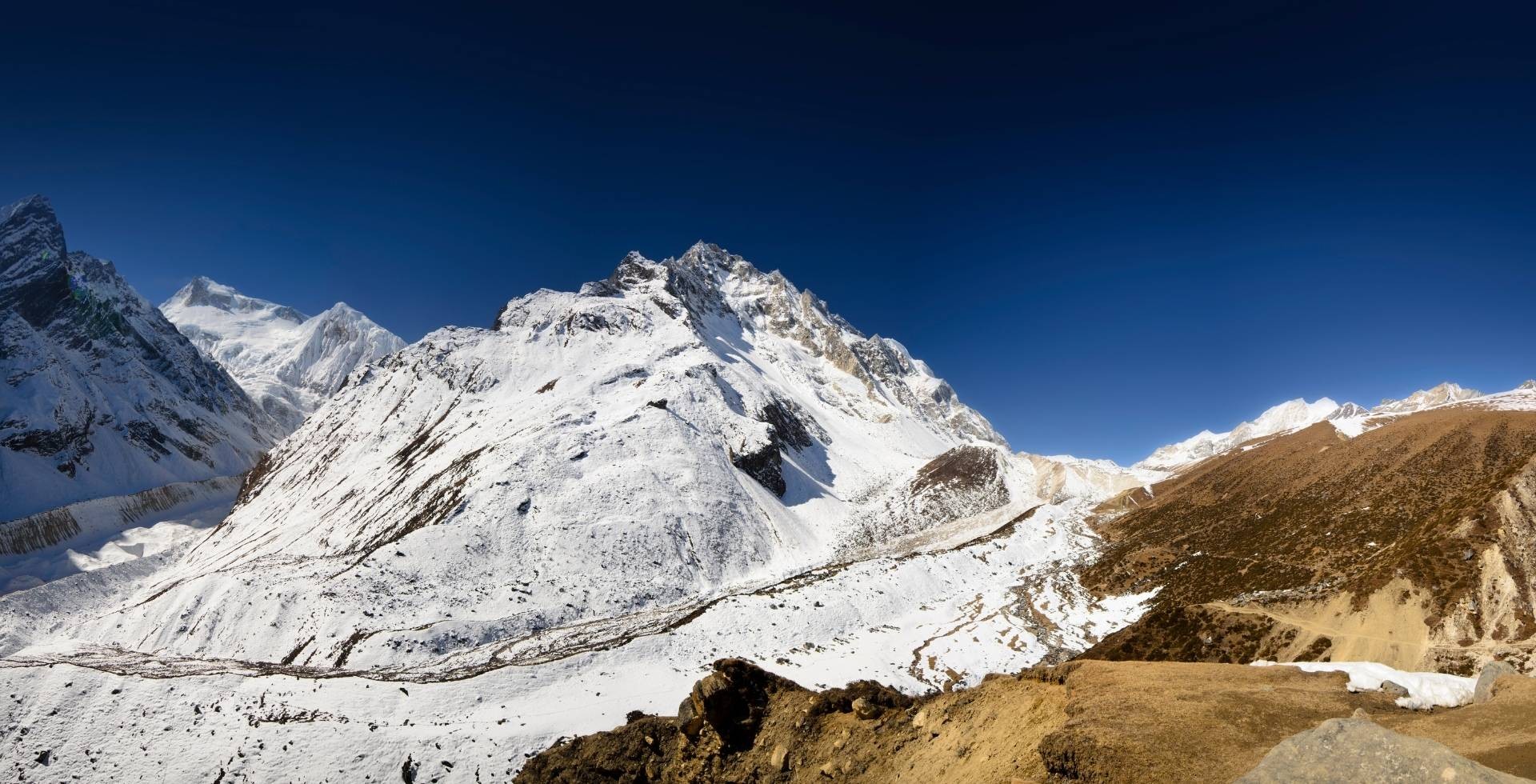
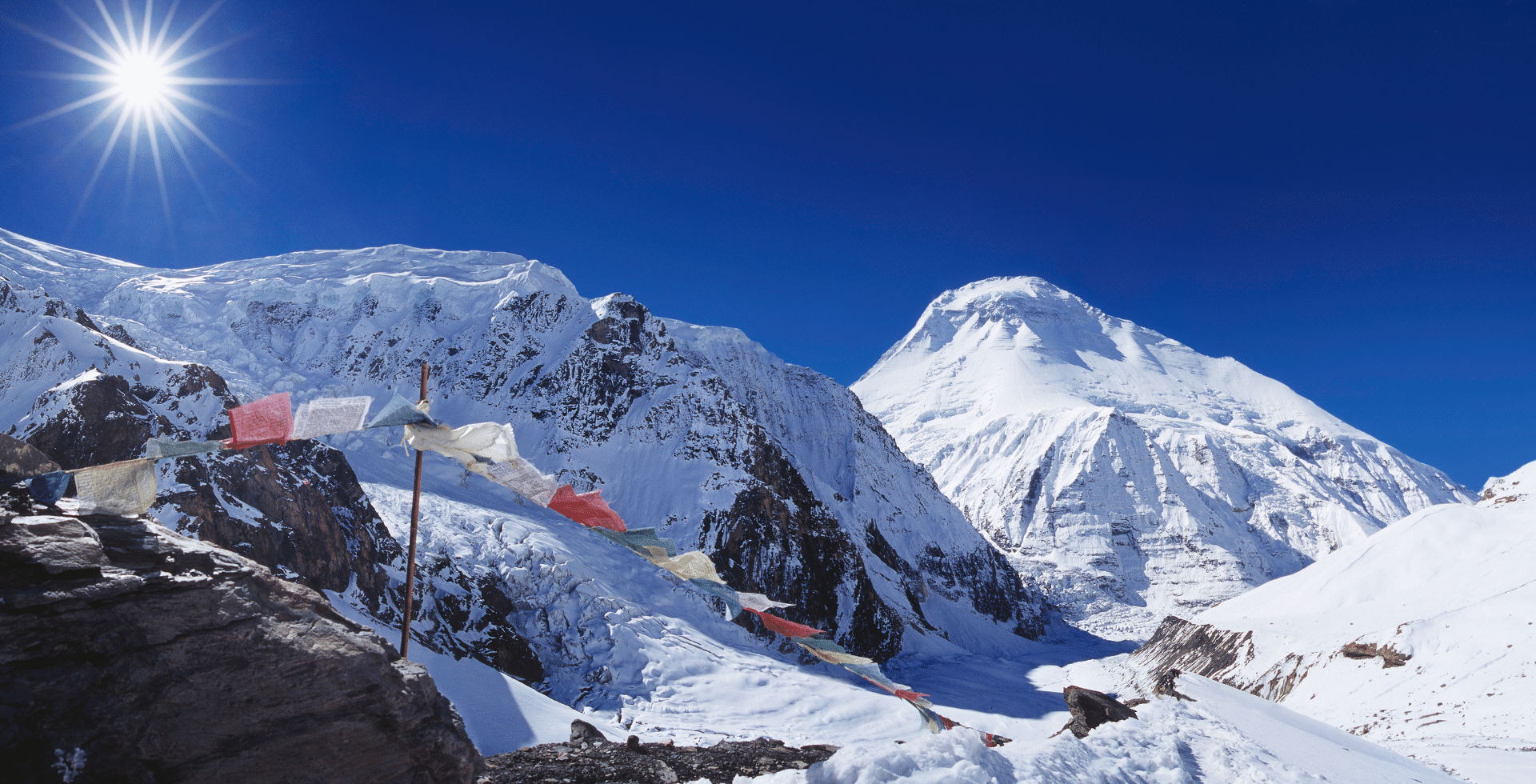
This 21-day journey takes you across three breathtaking and challenging high mountain passes: Kongma La (5,535 m), Cho La (5,420 m), and Renjo La (5,360 m). Each landmark offers stunning views of not just Everest, but also Lhotse, Makalu, Cho Oyu, Ama Dablam, and other gigantic peaks. That's not just about it! It introduces you to hidden valleys, glacial lakes, and untouched Sherpa settlements.
The Three Passes trek goes beyond just the Everest Base Camp or the high-altitude Kala Patthar Viewpoint. It's an extended version of trekking in the Everest region.
You have to walk across ancient moraines and icy sections. These three passes are indeed the ultimate test of your endurance and determination. Hence, it's a perfect adventure for those who crave something beyond the ordinary Everest Base Camp trek.
With that being said, it’s no easy hike. We rank the Everest Three Passes Trek in the extreme level of difficulty. It's challenging due to its high altitude, long walking hours, and steep ascents/descents.
The journey takes you above 5,000 m multiple times (having to sleep above it), which requires proper acclimatization, physical fitness, and mental readiness. Even the weather here can be dramatic, adding an extra layer of difficulty and adventure.
Now, that's where our team of ALTITUDE HIMALAYA makes all the difference. With years of experience in the Everest region and having served hundreds of guests already, we ensure that your trek won't just be thrilling but also safe, well-paced, and with minimal hiccups.
We handle your logistics, hire expert Sherpa guides and porters, and make sure that you get to stay in the comfortable tea house with personalized support. Our team's mission is not just to take you to the three passes but to take care of every small detail so that you can focus on your own experience.
Your journey begins in the capital city of Kathmandu. where you’ll be diving into the city’s cultural side with a guided sightseeing tour of four of its UNESCO-listed heritage sites. The real adventure only begins on Day 3 as you take a scenic mountain flight to Lukla. From there, you hike through lush forests, Sherpa villages, and another UNESCO heritage site, Sagarmatha National Park.
After passing through the villages of Lukla, Phakding, Namche, Deboche, Dingboche, and Chukhung, you'll go on a challenging hike to Kongma La Pass. Then comes the highlight of visiting Everest Base Camp and Kala Patthar after crossing Lobuche and Gorak Shep.
Usually, it's a return for those going for just the EBC trek from here. But on this 21-day Everest Three Passes adventure, we’re just beginning. Next up is the stay in Dzonglha, followed by the second pass, Cho La (considered the most challenging).
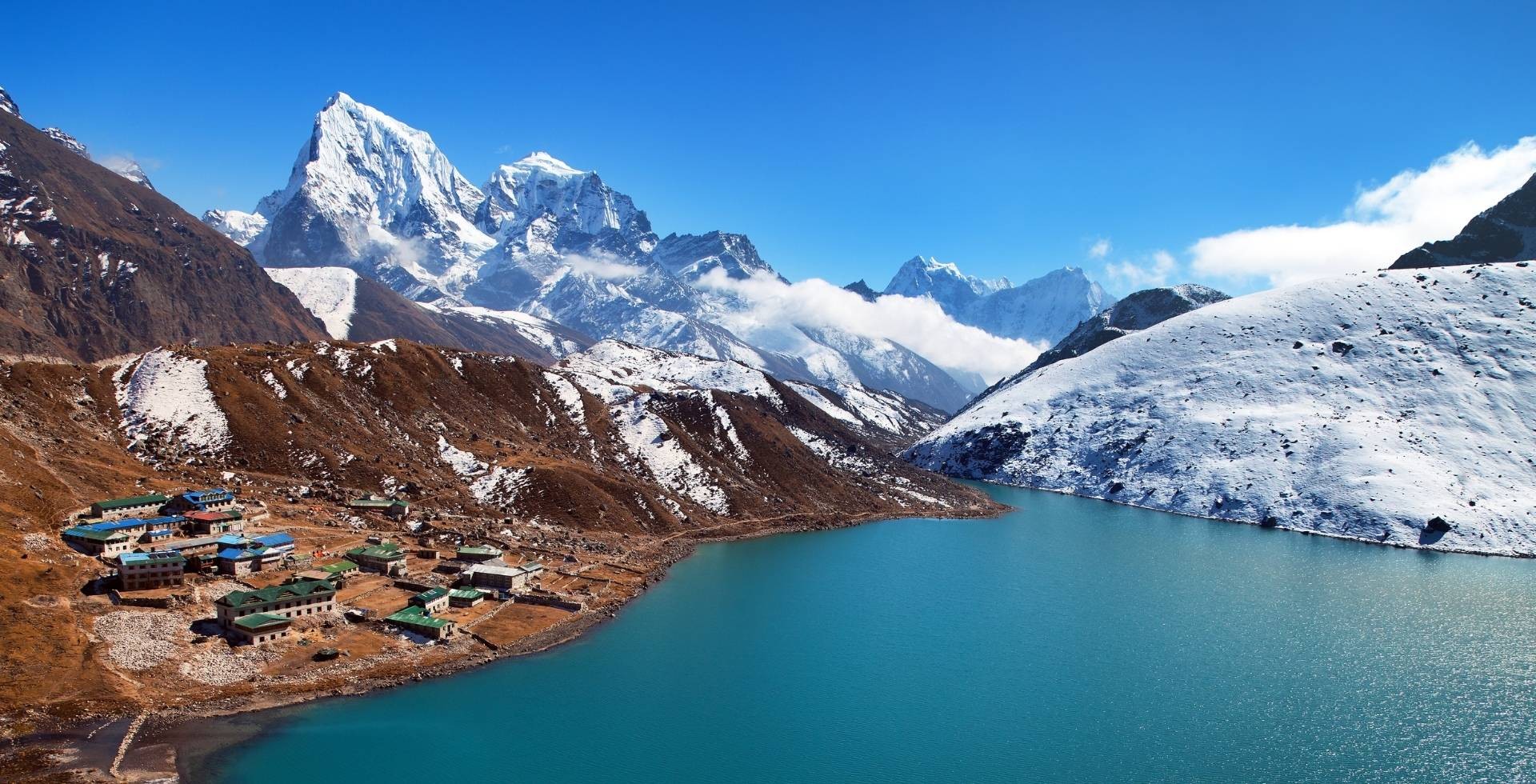
Then, you'll reach Dragnag and then head to Gokyo, from where you'll get to Gokyo Ri to enjoy panoramic views of the Everest range with Gokyo lakes right below you. After exploring the lakes, you'll then go for the third pass, Renjo La.
From there on, the descent begins, first to Lungdhen and then followed by Thame. Passing via more Himalayan settlements, you'll be back at Namche Bazaar and then to Lukla, completing a circuit.
Ready to enjoy what we have just explained? Before hitting that Book Now button, be sure to read below in detail to discover everything that you'll be doing on this Everest Three Passes Trek.
Facts About the Everest Three Passes Trek
|
Protected Area |
Sagarmatha National Park |
|
Region |
Everest/Khumbu |
|
Major Ethnic Groups |
Sherpa, Rai, Tamang, Gurung |
|
Major Religion |
Tibetan Buddhism |
|
Rivers |
Dudh Koshi River, Imja Khola, Bhote Koshi River |
|
Main Mountains and Peaks |
Mount Everest, Lhotse, Cho Oyu, Ama Dablam, Thamserku, Pumori |
|
Highest Elevation |
5,645 m (Kala Patthar) |
|
Permits |
|
|
Route |
Lukla > Phakding > Namche > Deboche > Dingboche > Nangkartsang > Dingboche > Chukhung > Kongma La Pass > Lobuche > Gorak Shep > EBC > Gorak Shep > Kala Patthar > Gorak Shep > Dzonglha > Cho La Pass > Dragnag > Gokyo > Gokyo Ri > Gokyo Lakes > Lungdhen > Thame > Namche > Lukla |
The Three Passes on This Journey
The Everest Three Passes Trek comprises Kongma La (5,535 m), Cho La (5,420 m), and Renjo La (5,360 m). These are three of the Everest region’s highest as well as most scenic mountain passes that come with a unique mix of challenge and spectacular Himalayan views.
Doing this trek means you'll be ultimately completing a circuit of the highest mountain in the world, across Khumbu (where Mt. Everest is located), To learn more, read about these remarkable passes below:
Kongma La Pass at 5,535 m
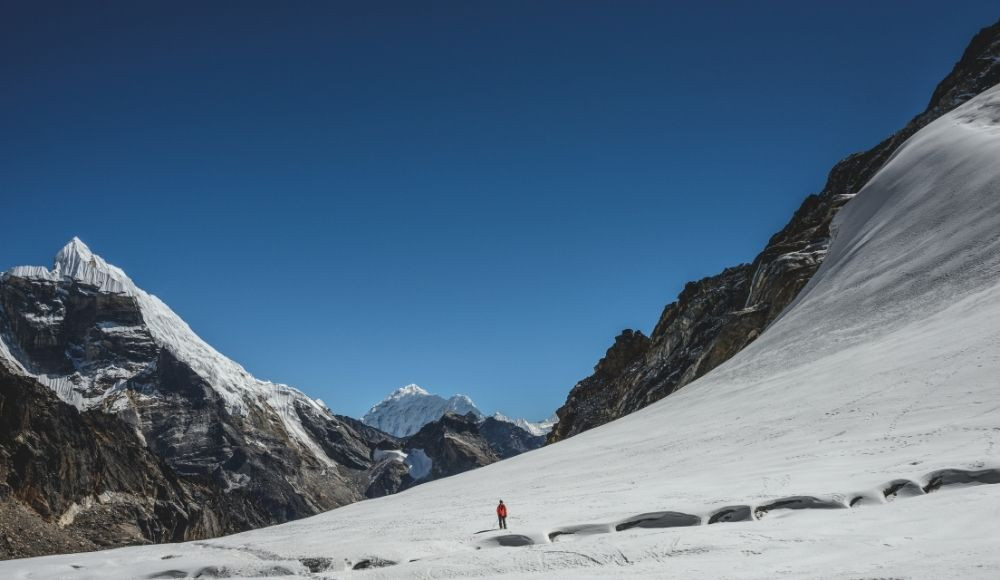
The first of the three high passes is Kongma La (5,535 m), a challenging yet rewarding journey in the Everest Three Passes Trek. As per our itinerary, you'll be crossing this pass on Day 10, with the aim of connecting Chhukhung to Lobuche. The trail is rugged and surrounded by glaciers and moraine valleys, perfect for landscape shots!
Moreover, the climb is not just steep but also long. Especially if you're a beginner, it can be demanding as you require strong stamina and proper acclimatization to get to the other side. But don't be overwhelmed, as once you get to the top, the views are simply going to be unmatched!
You can see Lhotse, Makalu, Ama Dablam, Lobuche Peak, Khumbu Glacier, and the Kongma La lake right below you. Getting there makes you feel that you've come for the real Himalayan adventure!
Cho La Pass at 5,420 m
The second of the three high passes is Cho La (5,420 m), and as per our itinerary, you'll be crossing it on Day 13. The pass links Dzonglha to Dragnag (Thangnak) and is yet another dramatic and adventurous part of the Everest Three Passes Trek. Steep ascents, rocky terrain, and a glacier crossing, just like with the previous pass.
To avoid strong afternoon winds, your climb begins early in the morning (as early as 4 AM). And as you move ahead, the spectacular views of Everest, Ama Dablam, Cholatse, and the Ngozumpa Glacier (the largest in Nepal) unfold.
Cho La pass connects the main Everest Base Camp route with the Gokyo Lakes trail, making it a must-do when you're in the upper Khumbu region. As much as its ascent is demanding, the descent towards Dragnag is equally slippery and difficult. So, strong mental endurance is the key to crossing it!
Renjo La Pass at 5,360 m
The final challenge of the circuit comes at Renjo La Pass (5,360 m), and once you cross it, it marks the start of the end of your Three Passes loop. You'll be leaving Gokyo Valley on Day 16 and passing toward Lungdhen, the start of the Thame Valley.
The trail here is also steep with a steady climb, which can be equally demanding as the earlier two passes. But from the top, you’ll again get to witness one of the best panoramic views, featuring Mount Everest, Lhotse, Makalu, Cho Oyu, and Gokyo Lakes below. The deep blue lakes below and the snow-covered peaks right in front of you are a scenery you can't miss capturing!
Also, Renjo La is comparatively less crowded and offers the best way to close this Everest Three Passes Trek chapter.
Visit Major Stops and Vantage Points
Your adventure from Namche Bazaar to the summits of the three passes is like a grand circuit of Everest itself.
You won't just be trekking but also exploring the vibrant Sherpa villages, reaching viewpoints like Everest View Hotel, Nangkartsang Peak, Gokyo Ri, and Kala Patthar. Oh! And even the legendary Everest Base Camp is included!
Every stop gives you a new perspective of the Himalayas. Those shimmering glacial lakes of Gokyo and the sweeping panoramas of Everest, Lhotse, and Ama Dablam. It's truly magical!
Below are the main vantage points that you'll visit on this unforgettable trek:
The First Acclimatization Hike: Everest View Hotel
On the fifth day of this Everest Three Passes Trip, you'll go on your first acclimatization hike from Namche Bazaar to the famous Hotel Everest View (3,880 m), one of the luxury hotels in the region.
Also, at present, it is the highest located five-star hotel in the world. And as expected, it offers panoramic views of the Everest range right from the terrace, which includes Mt. Everest, Ama Dablam, Lhotse, and Thamserku.
In case you're interested, you may even enjoy a leisurely breakfast or coffee here. Be sure to soak in the Himalayan scenery before returning to explore more of Namche!
Even our Atitude Himalaya team ensures we stop by the place at least once when we're in the Everest region. It gives us a calm and rewarding day before the upcoming strenuous hikes.
Enjoy Panoramic Views from Nangkartsang Peak
The acclimatization day we have included at Dingboche (4,410 m) on this package also takes you to Nangkartsang Peak (5,083 m). Reaching this viewpoint serves perfectly before heading toward higher altitudes. The steep climb helps you adapt gradually, and along come the sweeping views of the lower Khumbu region.
From the top, expect to see Ama Dablam, Makalu, Lhotse, and the Imja Valley. Those interested can even stop by Nangkartsang Gompa, which is a small monastery tucked a short distance away from the main trail to the viewpoint.
Reach the Iconic Everest Base Camp
On Day 11 of this Everest Three Passes Trip, you and your squad shall finally reach the iconic Everest Base Camp situated at an elevation of 5,364 m. It's indeed a true milestone of the journey, but honestly, just the start of something more exciting to come! Reaching the base camp (if you haven't before) gives you the best experiences of the entire trekking journey.
For this, you'll need to wake up early in the morning and go on a hike from Gorakshep. This part of the trek takes you across rocky glacial terrain and finally leads to the base of the world’s highest mountain.
While Mount Everest itself isn’t visible from the camp, you’ll be surrounded by towering peaks like Nuptse, Khumbutse, Pumori, and Khumbu Icefall. Also, there's a large stone with "Everest Base Camp" written on it, which is the best place to celebrate your achievement and take that iconic photo every trekker dreams of!
You'd be surprised to know that the base camp is situated on the moving Khumbu Glacier itself. And if you're here in Spring (which is the main summit season), you even get to see climbers all set for their journey. In case you get the chance, be sure to wish them luck!
Enjoy Sunrise from Kala Patthar Viewpoint
The morning after reaching base camp is another exciting adventure! Day 12 of our itinerary takes you to Kala Patthar (5,545 m), the highest point of this entire Everest Three Passes Trek.
You'll start your climb before dawn. Plus, it's steep and demanding, but once you're on the top, the golden sunrise over Mount Everest is sure to melt your heart!
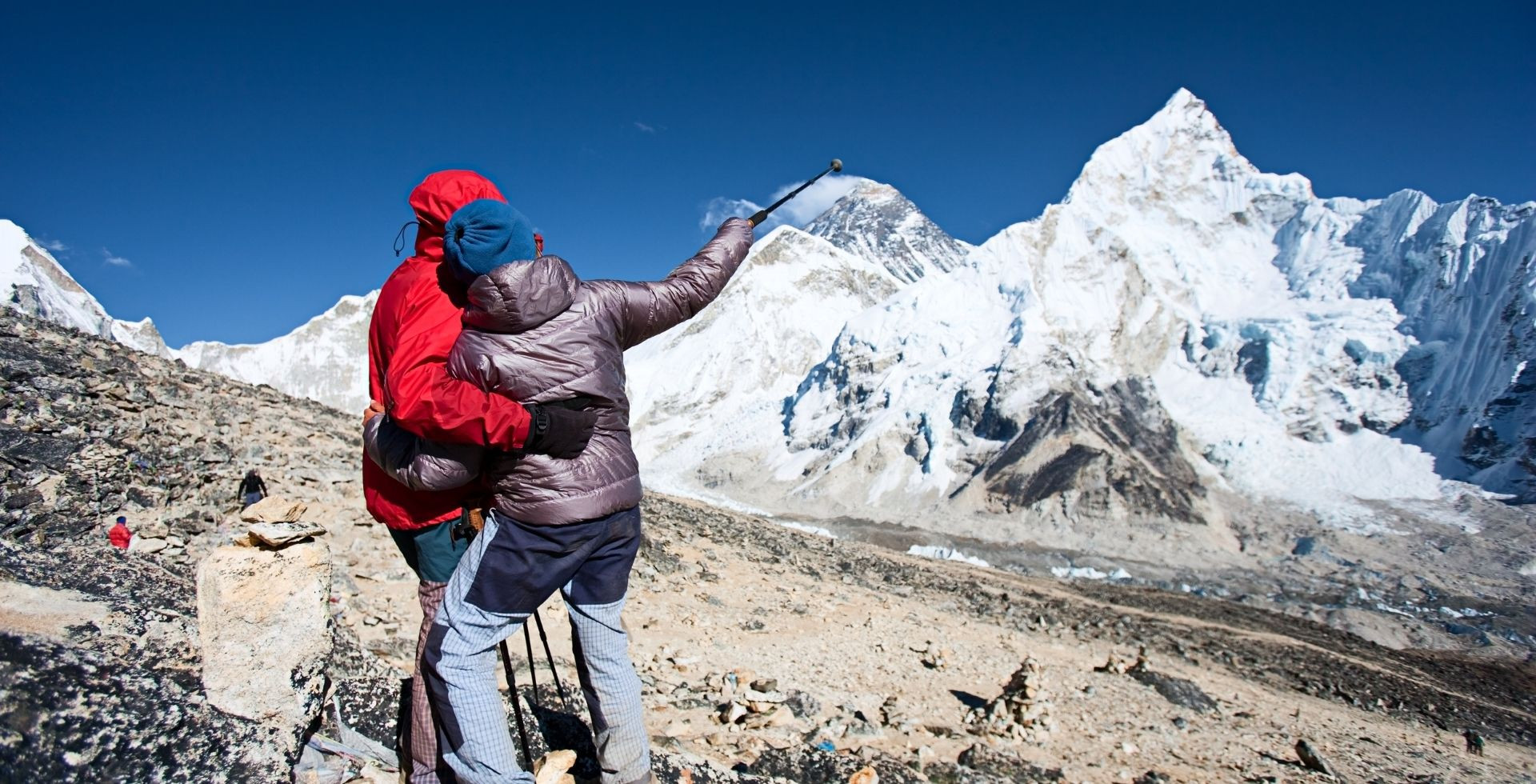
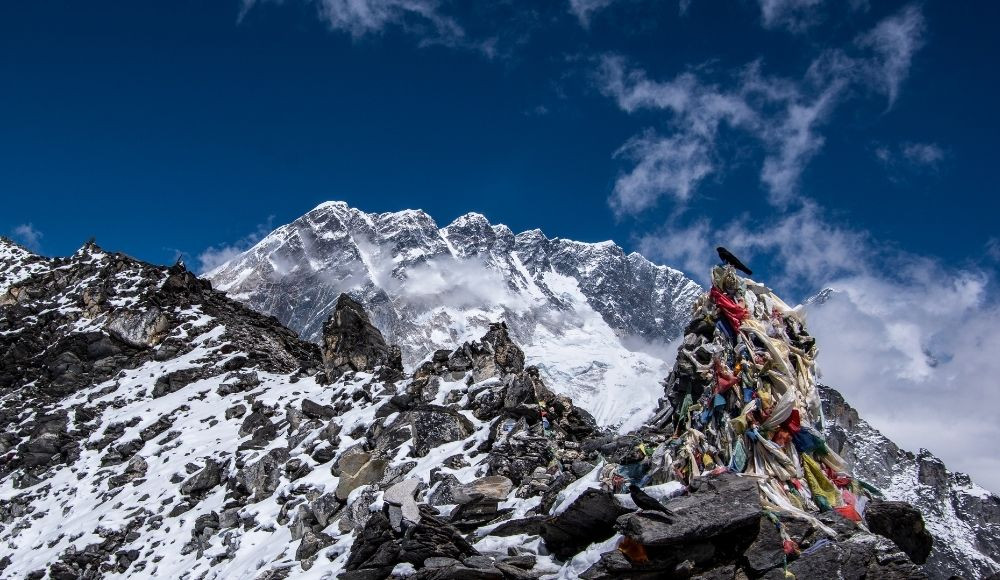
Along with the close-up view of Everest, you get to witness the spectacular sights of Lhotse, Nuptse, Pumori, and the vast Khumbu Glacier below. Standing on top of the Kala Patthar viewpoint feels like standing on the roof of the world!
Enjoy the Sunset from Gokyo Ri
The fourteenth day of our journey in the Everest region starts with arrival in Gokyo (4,790 m) from Dragnag. But we won't rest long, as the ascent towards Gokyo Ri (5,357 m) awaits.
Without a doubt, this vantage point offers one of the most breathtaking views in the entire Everest region. While most choose the early morning climb, our Altitude Himalaya team takes a different approach. We shall be taking you here on an evening ascent to witness the golden-hour glow over Everest.
From the top, Mount Everest, Lhotse, Makalu, and Cho Oyu can be clearly seen. But what's even more fascinating is that you get the views of the entire Gokyo valley with shimmering Gokyo Lakes right below. In just seconds, you'll forget about the steep and rocky trail you pass, with the afternoon wind adding to the challenge to reach Gokyo Ri. But the calm evening light with very few crowds makes it peaceful and the best for sunset lovers!
Explore the Serene Gokyo Lakes
The Gokyo Lake System of the Everest region is located at around 4,700 to 5,000 meters and is considered the highest freshwater lake cluster in the world.
The system comprises tons of lakes, among which six glacial lakes are the main ones. They are connected by streams originating from the Ngozumpa Glacier.
And these turquoise waters aren't just physically beautiful but hold deep religious significance for both Hindu and Buddhist pilgrims. It's believed that the lakes are home to the serpent gods (Nag Devatas):
- Gokyo I (Longponga Tsho, 4,690 m): This is the first lake, located about an hour's hike from the main settlement of Gokyo.
- Gokyo II (Taujung Tsho, 4,710 m): Another small lake that is located en route to the first lake.
- Gokyo III (Dudh Pokhari, 4,790 m): The most prominent lake located in Gokyo village. It's also the first lake that you'll encounter with stunning views of Cho Oyu and the surrounding peaks on the other side.
- Gokyo IV (Thonak Tsho, 4,870 m): The largest and deepest among all the Gokyo lakes. Its view from Gokyo Ri is simply stunning!
- Gokyo V (Ngozumpa Tsho, 4,980 m): Right at the edge of the Ngozumpa Glacier, this lake rewards with rugged beauty and panoramic scenery. It takes time to reach here, so only those interested may visit. Otherwise, you may take in the views from Gokyo Ri itself.
- Gokyo VI (Gyazumpa Tsho, 5,000 m): The most remote and tranquil lake, and reaching here would be a big challenge, also consuming the entire day.
Other glacial lakes in the region are Angladumba Tsho (5,020 m), Relama Tsho (5,050 m), and Renjo Tsho (5,150 m). These are smaller ones that you get to see when heading toward Lungdhen after crossing Renjo La Pass.
A must-check package: 14-day Gokyo Lakes Trek
Packed With Adventure
This Everest Three Passes Trek, organized by Altitude Himalaya, is a journey in the Himalayas that comes with a full-throttle adventure! The heart-wrenching landing in the Tenzing–Hillary Airport, rugged glaciers and narrow ridges of the high mountain passes, and also the possibility of spotting rare wildlife… every step here is about excitement and challenges.
Here are the key adventure highlights of this Everest Three Passes Trek:
Scenic Landing at Tenzing–Hillary Airport
Starting off, you'll be taking on a thrilling flight to Tenzing–Hillary Airport in Lukla (2,845 m). It's perched right on a mountain ridge, and the tiny airstrip is listed among the world’s most dangerous airports.
Speaking about its runway, it's just 527 meters long! And what makes it frightening to land here is the steep incline. It's indeed a heart-pounding moment when reaching here, but when you see other planes land, it's a joy to watch for sure!
The flight comes with awe-inspiring views of the Himalayan range, and you'll see mountain ranges beyond the Everest range, mainly Langtang and Gauri Shankar, along with surrounding peaks. When we’re on the flight ourselves, we often describe this moment as “a roller coaster in the clouds”. And when we interviewed some of the pilots who frequently fly here, many agreed that the Lukla airport is one of the most challenging landings on Earth!
Off-the-Beaten Trekking Experience
The classic Everest Base Camp route is popular and often crowded, especially in the peak season. However, this Everest Three Passes Trek goes beyond the normal trail, making it more difficult than the EBC but comparatively more peaceful.
The main sections of Chhukhung to Lobuche via Kongma La, Dzonglha to Dragnag via Cho La, and Gokyo to Lungdhen via Renjo La offer an off-the-beaten-path experience, one that exceeds your expectations!
Rugged Terrain and Challenging Weather
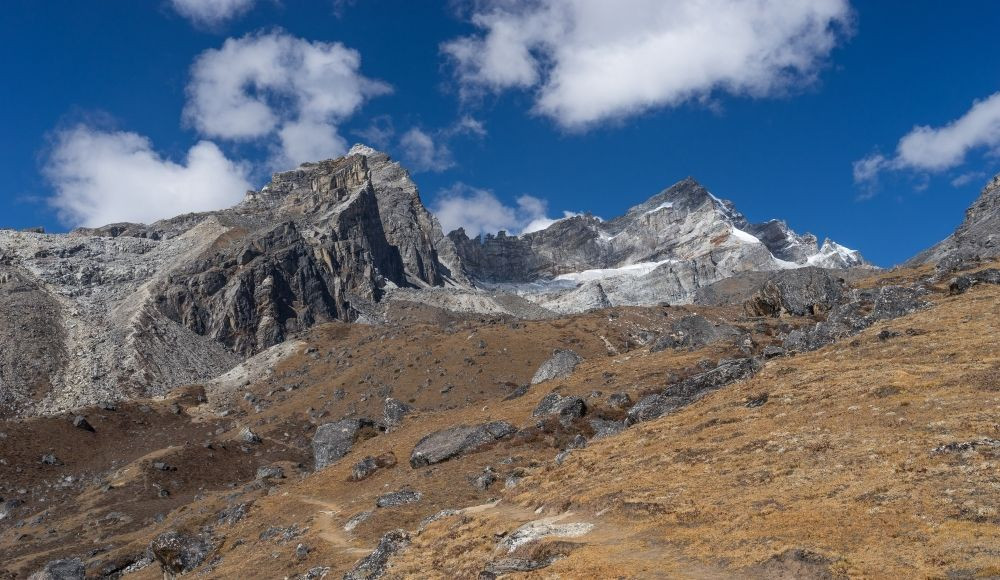
As mentioned above, the Everest Three Passes Trek takes you along some very tough sections. These are the most rugged and demanding terrains in the entire Himalayan region of Nepal.
The technical challenges in the route include steep ascents, icy trails, rocky moraines, and narrow ridges. Beyond that, you'll have to cross sections that may require ropes, crampons, and careful scrambling.
Moreover, the weather in the Khumbu region is quite unpredictable year-round:
- In spring (March–May), snowmelt can make passes slippery, and strong afternoon winds can be gusty (especially above 5,000 m).
- Summer (June–July) brings occasional rain and cloud cover, reducing visibility.
- Autumn (September–November) is the one that offers the most stable weather, but still sudden storms or icy patches are possible.
- In winter (December–February), temperatures can go below zero degrees, icy trails are common, and strong winds make the passes extremely demanding.
- One season we suggest avoiding is the Monsoon season (late June–early September). The precipitation in the high passes is mainly heavy snowfall, and landslides are quite common.
You see, the combination of technical terrain and volatile weather makes this Everest Three Passes Trek extremely challenging. So, for those seeking an off-the-beaten-path Himalayan experience, it's a must-do!
Trekking in the High-Altitude Khumbu Region
The Everest Three Passes Trek takes you through extremely high-altitude regions. The key vantage points and overnight stops along the route include Kongma La Pass (5,535 m), Cho La Pass (5,420 m), Renjo La Pass (5,360 m), Kala Patthar (5,545 m), Gokyo Ri (5,357 m), Everest Base Camp (5,180 m), Gorak Shep (5,180 m), and Nangkartsang Peak (5,083 m).
At these elevations, oxygen levels drop significantly and hence, the chances of altitude sickness also become high. But this can be tackled by letting your body acclimatize properly. Thankfully, the professional guides we have included in the package shall help you tackle this from the start of this trip.
The trek’s combination of technical passes, glacier crossings, steep ascents/descents, and narrow ridges adds to the adventurous appeal. These high-altitude conditions, along with remote villages and limited facilities, make the Everest Three Passes Trek a physically demanding adventure in the Himalayas.
Spot Rare Himalayan Wildlife
The Everest Three Passes Trek that you'll be going for shall be within the Sagarmatha National Park, which is a UNESCO World Heritage Site in itself. It is home to some of the rarest species on the planet known to adapt to the extreme high-altitude conditions.
Some of the most popular wildlife in the region include the snow leopard, red panda, Himalayan tahr, musk deer, and Himalayan black bear. Even high-altitude birds such as the Himalayan monal, snow cock, and lammergeier can be found here.
Since these species are extremely rare, you have to be lucky to spot them. However, if you turn over our travel books, most guests from Altitude Himalaya have encountered Himalayan tahr, blue sheep, wild yaks, snow finches, and choughs near the high passes.
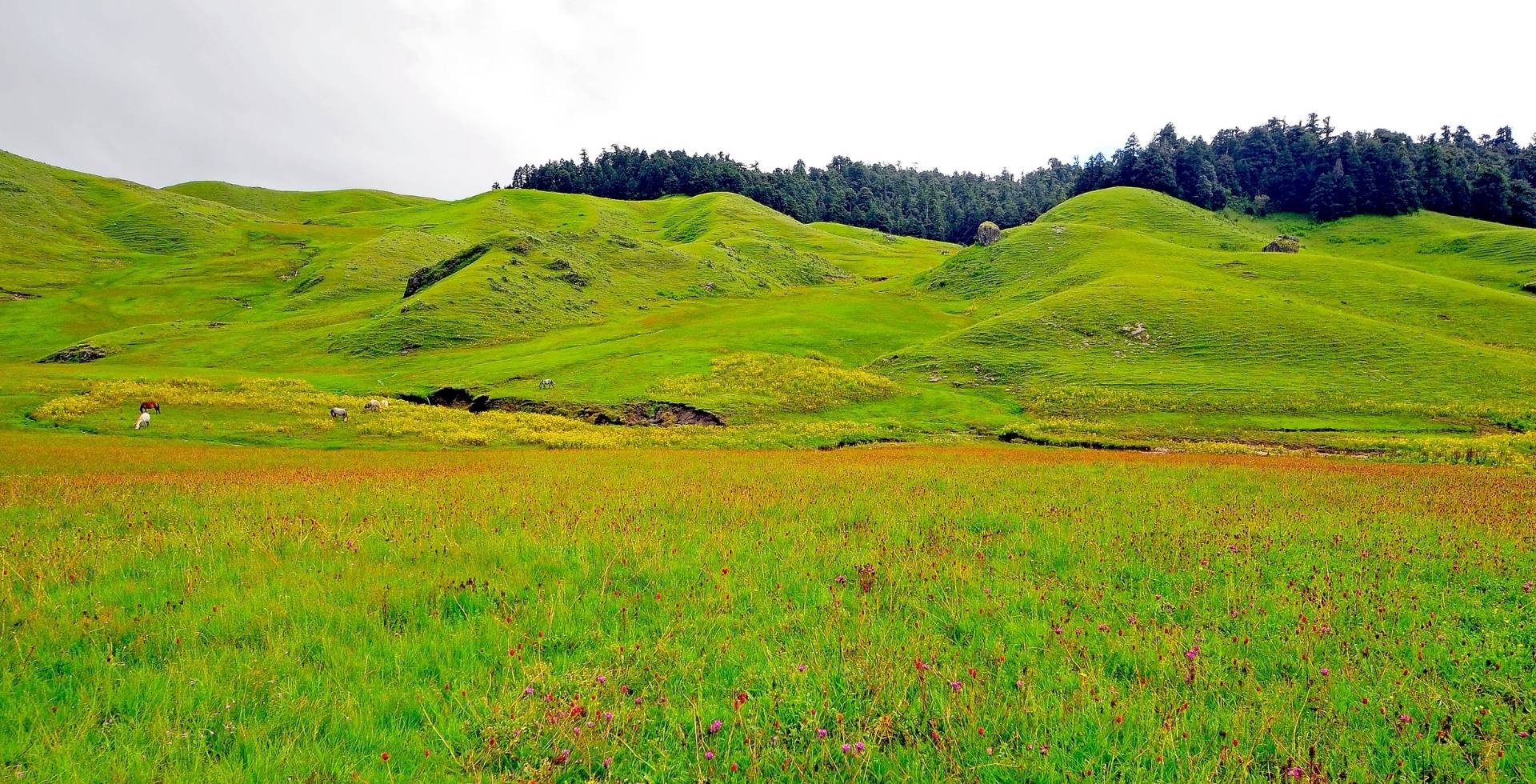
Talking about flora, Sagarmatha National Park is home to rhododendron forests, juniper shrubs, and alpine wildflowers. Especially during spring and early summer, this makes the landscape worth capturing!
Cultural Highlights: Sherpas and Beyond
This 21-day Everest Three Passes Trek isn’t just about the towering peaks that you see but also about the rich culture of the Solukhumbu district. You get to meet and interact with the legendary Sherpas, who are known for their mountaineering expertise.
This cultural journey of Nepal starts from the first day of your main trip in Kathmandu up until your return to the capital city. Here are the main highlights:
Begin With a Cultural Tour in Kathmandu
Before the 17 days of the main trek, we have set aside one special day where you shall step into the vibrant Kathmandu Valley.
This cultural heart of Nepal is a UNESCO World Heritage Site consisting of seven monumental zones. Among them, we shall give you a tour of the four sites that are rich in terms of history, art, and spirituality (in the main Kathmandu district):
- Kathmandu Durbar Square: The former palace for the Malla and Shah kings boasts over 50 temples, palaces, and courtyards. The main highlight will be the Kumari Ghar, where we pay a visit to get a sight of Nepal’s Living Goddess.
- Swayambhunath Stupa: Also known as the Monkey Temple, this is an ancient site that offers panoramic views of the valley and comes with fascinating legends showing rich spiritual significance.
- Pashupatinath Temple: The holiest Hindu temple in South Asia, where sacred rituals take place on the banks of the Bagmati River. You get to watch cremation practices as well as get glimpses of spiritual babas within the premises of the golden pagoda-style temple.
- Boudhanath Stupa: Known as the world’s largest spherical Buddhist stupa, you'll be surrounded by traditional Tibetan thangka paintings, other unique arts, and pilgrims doing the kora walk. You're welcome to spin the prayer wheels yourselves, explore the bustling street, and enjoy a peaceful lunch from a rooftop.
And after your return from the trek, Altitude Himalaya offers an evening cultural program with a traditional dinner included. This is a treat for all our guests, where they get to witness Nepal’s rich tapestry of folk music, dance, and local customs. It's the perfect way to end the Everest Three Passes adventure!
Major Villages Along the Everest Trail
During your 17-day stay in the Solu and Khumbu regions, you’ll pass through a series of villages and settlements. The local life and the religious practices of the people here are the most fun part of the journey. So, expect to experience the vibrant traditions in the following stops:
- Lukla (2,860 m): This small town in the Khumbu region is not just the home to Tenzing-Hillary Airport but is also the starting point of the trek.
- Phakding (2,610 m): Right alongside the Dudh Koshi River, this is a small village where you’ll stop for the first night.
- Namche Bazaar (3,440 m): The vibrant hub of the Khumbu region, which is famous for its colorful markets, cozy cafes, and a Sherpa Cultural Museum nearby.
- Khumjung (3,790 m): A peaceful village widely known for the Hillary School. It's also home to the blooming rhododendron forests and traditional Sherpa villages, which become perfect to explore during your acclimatization day in Namche.
- Deboche (3,740 m): This is a place home to the historic Deboche Nunnery. And since it's nestled within the forested region, there's a great chance to spot Himalayan wildlife like musk deer and pheasants.
- Tengboche (3,860 m): Famous for the largest monastery in the Khumbu region (Tengboche Monastery), this settlement also comes with panoramic views of Ama Dablam and surrounding peaks.
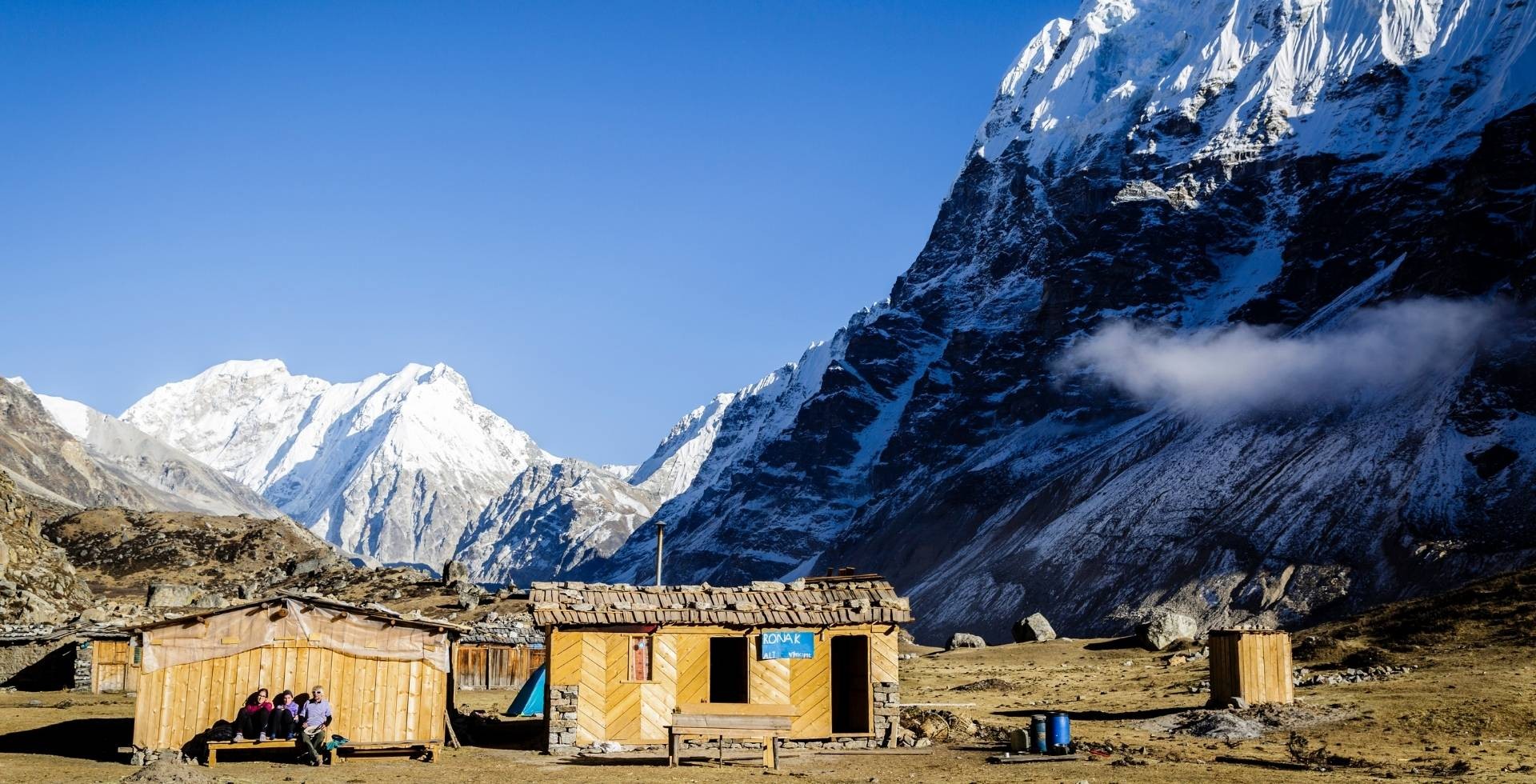
- Dingboche (4,410 m): A high-altitude village where you'll be spending two nights for acclimatization. Be sure to explore the stone-walled fields and teahouses. This is also the place from where you'll go for the side hike to Nangkartsang Peak.
- Chukhung (4,730 m): Yet another small settlement within the Imja Khola valley, where you'll mostly meet the climbers heading to or coming back from Island Peak. The close-up views of Ama Dablam and Lhotse keep you company before the Kongma La Pass.
- Lobuche (4,910 m): Yet another high-altitude happening village in the Everest region that you'll reach after descending from the first of the three passes.
- Gorak Shep (5,180 m): This is the last settlement before Everest Base Camp and Kala Patthar. Unlike the other regions of the trail, you'll find limited facilities here, and it also goes completely above the vegetation line. Not to forget that you'll be sleeping above 5,000 meters, which is a major challenge!
- Dzonglha (4,830 m): This one's more of a quiet highland settlement before your second pass, Cho La. The views of Cholatse and the surrounding Himalayan range make this a beautiful destination too.
- Dragnag (4,700 m): A small village en route to Gokyo after you cross the challenging pass. You'll only find basic amenities here, so be mentally prepared for a night's stay.
- Gokyo (4,790 m): Along with mountains, this is the place that brings you closer to the famous glacier Lakes. Visit all six lakes and go for the hike to Gokyo Ri from here. The third pass, Renjo La, also starts from here.
- Lungdhen (4,850 m): This is another remote trail in the Three Passes trail, where you shall reach after crossing Renjo La. The Bhote Koshi River and Renjo Khola on your side offer both peace and a sense of accomplishment.
- Thame (3,800 m): After long days of high-altitude stays, you'll reach a lower region (below 4,000 m) for a stay in this traditional Sherpa village. Be sure to explore the plenty of monasteries located here.
Sherpas: Guardians of the Himalayas
The Sherpas are the natives of the high-altitude regions of the Khumbu region. They are well-known for their remarkable physical endurance, high-altitude adaptability, and deep knowledge of the Himalayas and are the main guides for treks/climbs.
When anyone speaks about mountains, Sherpas are the first people on everyone's mind, right? And getting to visit their real home is truly an invaluable part of this Everest Three Passes journey.
Sherpas have resided in the Solukhumbu district for centuries and are well aware of all the best trekking destinations in the region. These people mainly practice agriculture and animal husbandry.
The term "Sherpa" actually comes from two Tibetan words, Shar (east) and Pa (people). Together, the word literally means “people from the east,” reflecting that their origin is in eastern Tibet.
Besides Sherpas, the Everest region is also home to other ethnic groups such as the Thami, Rai, and Tamang. The dominant religion here is Tibetan Buddhism, and you get to see the influence in local architecture, festivals, and daily practices.
 8.5 Km
 2610 m