
• Trip Code
    Trip Code EBCTAH
  • calendar
    Duration 15 Days
  • meter
    Trip Difficulty difficult
  • highest-point Highest Point 5645 m
  • group
    Group Size 2-10
  • start
    Start Point Kathmandu
  • end
    Trip End Point Kathmandu
  • accomodation
    Accommodation Lodges
  • meal
    Meals As Mentioned

Trip Overview

Mount Everest isn’t just the world’s tallest peak (at 8,848.86 m). This is a mountain of tales, legends, and records.

It’s locally known as Sagarmatha in Nepali (meaning, “the forehead of the sky”) and Tibetans call it Chomolungma (meaning, “Goddess Mother of the World”). And you probably are already aware of Sir Edmund Hillary and Tenzing Norgay’s 1953 summit that made one of the most iconic adventures in history.

There are countless facts about Mt. Everest that are all interesting to hear. But of course, not everybody can climb the tallest mountain in the world. What we all can do is at least get to the base camp (at 5,364 m) and see how the preparation is done, check out the views of the Great Himalayas that Nepal is famous for, and challenge yourself to a high-altitude region that becomes a confidence booster once completed!

Whether you’re a trekker or just a normal person somewhere in this corner of the world, our intuition says you’ve thought of getting to the Everest Base Camp at least once in your life. Are we right? Well, to help out every person in this world, our team at Altitude Himalaya has curated this special package to the iconic EBC.

That’s just one spot. But did you know that the highlight of this entire journey is climbing up to Kala Patthar? It’s at an elevation of 5,645 m, being the highest point of the EBC trek. 

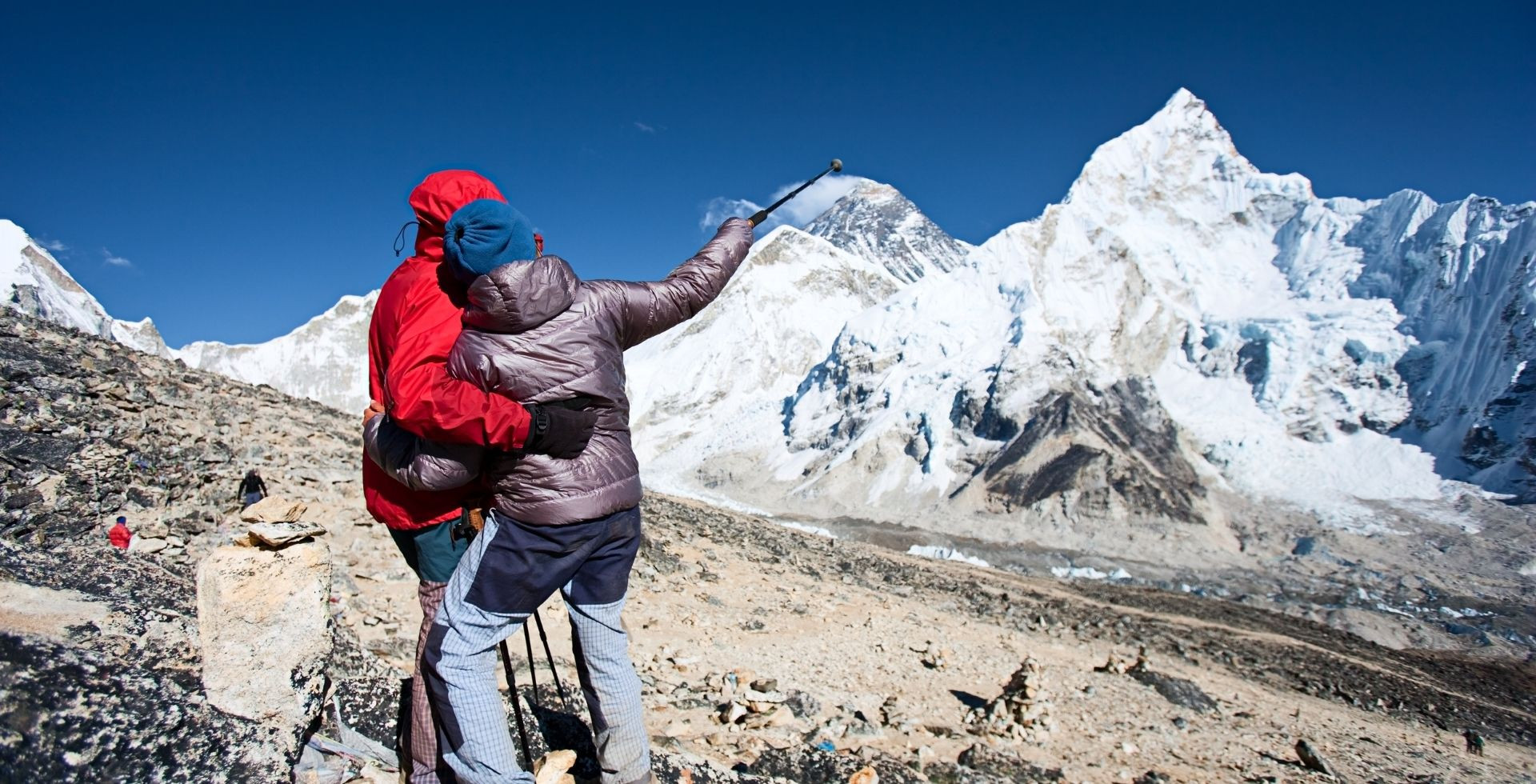
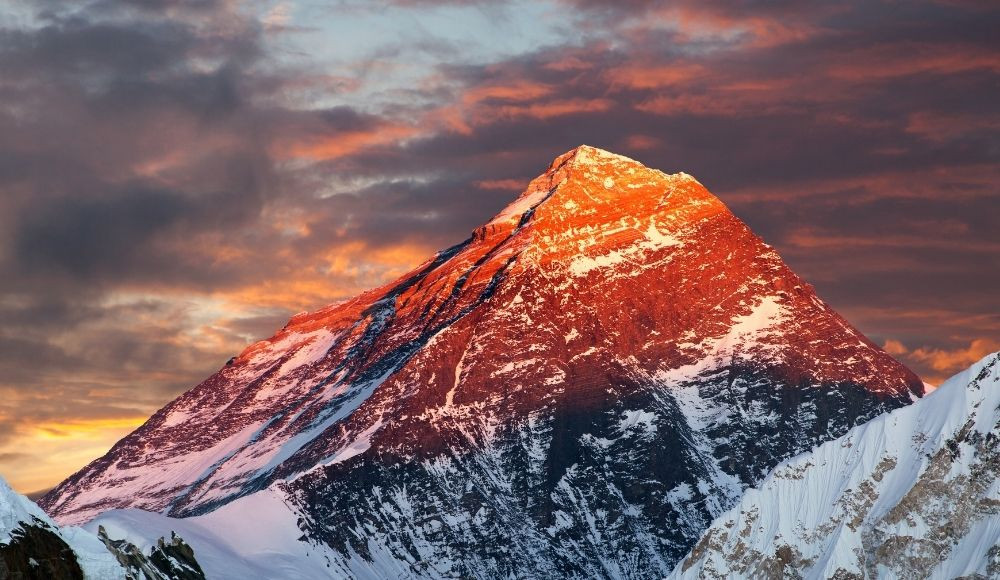
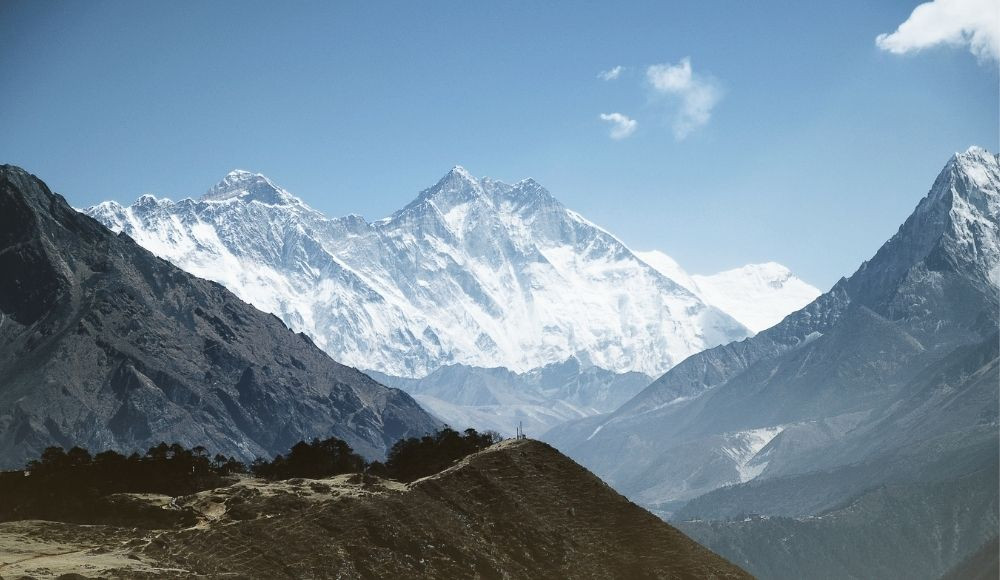
While the main mountain isn’t seen from the base camp, Kala Patthar is where you’ll get the breathtaking views of Everest, Lhotse, Nuptse, Ama Dablam, and Pumori. It’s without a doubt the best panorama you’ll experience anywhere else on Earth.

The trek to Everest Base Camp is challenging, as we rate it in the ‘difficult’ level category. But it’s absolutely achievable, even for beginners with the right preparation. It’s not just about stamina or pacing; you have to keep in mind about acclimatization and a strong mental endurance too. So much of efforts…

And that’s where Altitude Himalaya steps in. We’ve designed this Everest Base Camp itinerary to balance adventure with comfort, ensuring that your journey is safe, enjoyable, and culturally educational.

Your 15-day Everest Base Camp Trek begins in Kathmandu, where you’ll explore UNESCO World Heritage Sites before taking the scenic flight to the most dangerous airport in the world, Lukla

From there, the trail goes through Sherpa villages like Phakding, Namche Bazaar, Tengboche, Deboche, Dingboche, eventually leading to the rocky terrains of Lobuche and Gorak Shep. During the return, you’ll also stop by Pheriche, another happening village in the Khumbu region.

Every day in this journey is a mix of uphill climbs, descents, suspension bridges, and jaw-dropping views of different mountain ranges. These challenges are simply a part of the EBC experience. Thin air, unpredictable weather, and long walking days—every single one of these tests your endurance. 

That’s why acclimatization days in Namche Bazaar and Dingboche are built into our EBC itinerary, prepared from our own experiences and advice from the best trek guides in Nepal. 

But besides the guide’s support, even you should prepare for the EBC trek by coming to this SAARC nation with a strong mindset, steady pace, and basic trekking preparedness.

We’ve made sure that the details in this guide are crystal clear, mentioning everything about packing list, acclimatization tips, Sherpa culture insights, and frequently asked questions. So, before you hit that “Request a Quote” or “Book Now” button, take your time to explore everything we’ve laid out for you here.

Facts About Everest Base Camp Trek

Protected Area

Sagarmatha National Park

Region

Everest/Khumbu

Major Caste

Sherpa, Tamang, and Rai

Major Religion

Tibetan Buddhism

Rivers

Dudh Koshi River, Bhote Koshi, Imja Khola, Lobuche Khola, Pheriche Khola

Main Mountains and Peaks

Kusum Kanguru, Thamserku, Kongde Ri, Everest, Lhotse, Ama Dablam, Kangtega, Taboche, Island Peak, Cholatse, Nuptse, Pumori, Khumbutse, Lingtren, Changtse, Makalu (distant view)

Highest Elevation

5,645 m

Permits

  • Sagarmatha National Park Permit
  • TIMS Card
  • Khumbu Pasang Lhamu Rural Municipality

Route

Lukla > Phakding > Namche > Deboche > Dingboche > Nangkartsang > Lobuche > Gorak Shep > Everest Base Camp > Gorak Shep > Kala Patthar > Gorak Shep > Pheriche > Namche > Lukla

Adventures That Fill Your Soul

The Everest Base Camp trek literally pushes your limits, awakens your senses, and fills your soul with unforgettable moments (no doubt!). From the first thrilling takeoff at Lukla’s Tenzing-Hillary Airport to the final sunrise at Kala Patthar, every step is an adventure!

You’ll climb steep trails, cross some high passes, gain high altitude, and even reach peaks above 5,600 m!

With great adventures come great views of the breathtaking Himalayan panoramas. The iconic view of Everest from Kala Patthar is truly the highlight. You’ll also witness the rugged glaciers of Khumbu, Lobuche, Churro, Lobuche East, Changri Nup, and Changri Shar.

Let’s now get into them in detail.

Landing at the Most Dangerous “Lukla Airport”

Your journey to Everest Base Camp begins with one of the most thrilling experiences, which is a flight to Lukla’s Tenzing-Hillary Airport

This tiny airstrip located at 2,840 m has been named after Sir Edmund Hillary and Tenzing Norgay Sherpa, honoring their legacy in the Khumbu region (where Mt. Everest is located).

Often described as “the world’s most dangerous airport”, Lukla is notorious for its short 527-meter runway, which ends at a cliff edge. Totally a nerve-racking moment to experience on your own!

The airstrip slopes upward at a gradient of approx. 12% to help airplanes land quickly. Even the best professional pilots admit of navigating rapidly through changing weather, limited visibility and having very little room for error.

This air route up to the Tenzing-Hillary Airport is usually served by small twin-engine aircraft, such as the Dornier 228 or Twin Otter, specifically designed to handle Lukla’s unique conditions. The airlines operating them currently are Tara Air, Sita Air, Summit Air, and Nepal Airlines.

However, there are quite a lot of challenges when booking your Lukla Flight. We have discussed that in detail in the Trip Guides section below.

Strenuous Uphill Climbs

The EBC Trek is a difficult journey. And why wouldn’t it be? After all, you’re getting to the base camp of the highest peak in the entire world.

There are plenty of uphill climbs and you’ll be gaining an extremely high elevation, in fact, reaching up to the 5,645 m mark. And among them, some are quite strenuous to get to:

Route

Elevation gain (approx.)

Major Challenge

Phakding to Namche Bazaar

830 m

Larja Dobhan to Namche climb

Namche to Deboche

300 m

Multiple uphill stretches, especially in Sansa and Tengboche

Deboche to Dingboche

670 m

Final approach to Dingboche

Dingboche to Nangkartsang Viewpoint

673 m

Short but completely uphill stretch

Dingboche to Lobuche

500 m

Thokla/Dughla Pass

Lobuche to Everest Base Camp

454 m

Continuous uphill towards Pyramid, Gorak Shep, and EBC

Kala Patthar Sunrise Hike

465 m

Extreme altitude in the morning

Even from the table above, there are three major highlights that can’t be missed out when we refer to ‘adventure in the EBC trek’...

Surreal Views From Nangkartsang Viewpoint

The optional hike from Dingboche (4,410 m) to Nangkartsang Peak (5,085 m) is a complete steep ascent. It serves as a perfect acclimatization adventure, proving to be a great hiking decision as you move higher into the Khumbu region.

Note that only a few trekkers take this trail, so it’s going to be a peaceful yet fun experience compared to just spending your time exploring the village area.

Of course, the main highlight here is the 360-degree panoramic mountain views. You’ll get to see Ama Dablam (6,812 m), Lhotse (8,516 m), Nuptse (7,861 m), Island Peak (6,189 m), Cholatse (6,440 m), and Tawoche (6,495 m). On the other side, the village of Dingboche and the Imja Khola Valley also look equally beautiful!

Reaching The Iconic Everest Base Camp

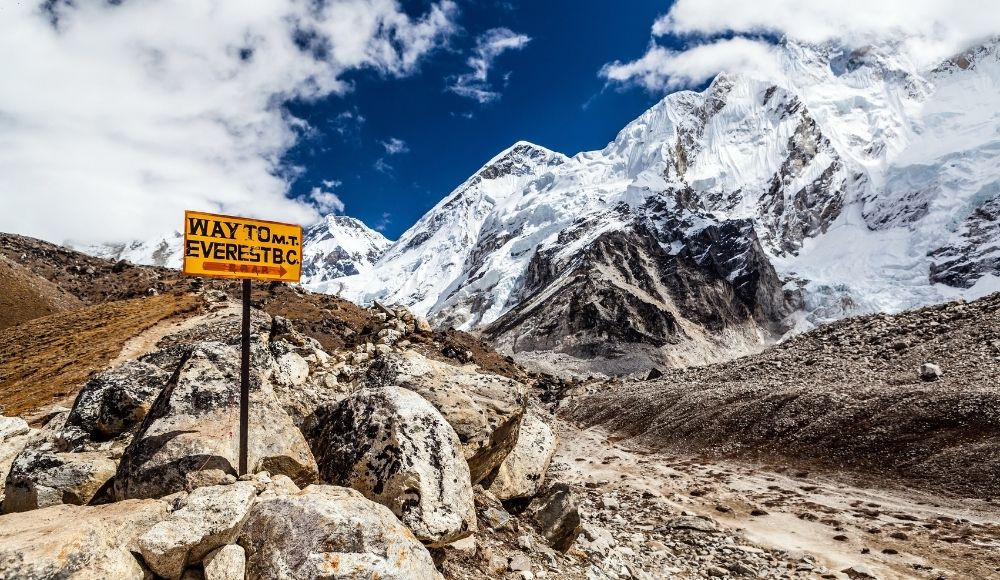
Everest Base Camp isn’t just an ideal destination, but in fact a dream for every trekker in the world. Mt. Everest itself won’t be visible from here, but reaching the camp is an adventure in itself!

Every step to this point tests your stamina, focus, and determination. The final stretch is mostly uphill, with rugged terrain and thin air. Your heart pounds, your lungs work harder, and every step reminds you why and how you’ve come. It’s physically demanding, mentally pushing, yet deeply rewarding!

And once you arrive at the elevation of 5,364 m, even standing at the base of the world’s tallest mountain gives you an unforgettable sense of achievement. It’s truly a confidence booster, something even our team at Altitude Himalaya recalls feeling.

During this journey, you’ll pass the Khumbu Glacier, witness the climbers’ base camp at Everest Base Camp, and even explore Pumori Base Camp. Despite no direct Everest view, the surrounding mountains (mainly Nuptse, Khumbutse, and Ama Dablam) make the experience absolutely exhilarating.

Morning Hike to Kala Patthar For Sunrise Views

The ultimate journey of this 15-day Everest Base Camp trek takes you to Kala Patthar (5,645 m), the highest vantage point trekkers can reach.

Here, you’ll finally witness the best views of Everest that you’ve been craving through all those tiring days on the trail. Along with that, you’ll also get clear and unobstructed views of neighboring giants like Lhotse, Nuptse, Pumori, and Changtse.

Going through rugged, high-altitude terrain in the quiet early morning is an adventure in itself. But once you reach the top, you’ll be rewarded with 360° Himalayan panoramas and a golden sunrise illuminating Everest. It surely makes you forget everything about those long, exhausting treks.

Main Villages Along the EBC Trail

This Everest Base Camp trek, organised by Altitude Himalaya, journeys through multiple Sherpa villages. You get to learn about Buddhist culture, enjoy stunning landscapes with mountain views, and most essentially, immerse yourself in the local lifestyle. 

While there are plenty of stops, here are the major ones, where you’ll be spending one or two nights:

Phakding: First Stop on the Journey

Phakding (2,610 m) is the first stop on your Everest Base Camp Trek. It is a tiny village along the Dudh Koshi River. In fact, Phakding’s name is said to have originated from the Tibetan words meaning “Hill of the River Crossing”.

The village serves as the perfect introduction to the Khumbu region’s Sherpa culture. And you get to see traditional tea houses, mani walls, and colorful prayer flags along your way. 

Namche Bazaar: The First Glimpses of Everest

Namche Bazaar (3,440 m) is the vibrant hub of the Khumbu region. Historically, it served as a trading post for salt, wool, and grains between Tibet and Nepal.

Today, Namche has evolved into the cultural and commercial heart of the Sherpa community. The colorful markets in the heart of the Himalayas are sure to surprise you.

You’ll get to relax in cozy cafes and even browse Himalayan art before continuing your EBC trek.

And since you’ll be spending three nights (one during the return) here, there are a few spots nearby that simply can’t be missed:

  • Sherpa Cultural Museum: Visit on your leisure day to learn more about Sherpa history, mountaineering, and daily life in the Khumbu region.
  • Everest View Hotel (EVH): A short acclimatization hike early in the trek offering panoramic views of Everest, Lhotse, and Ama Dablam from 3,880 m elevation.
  • Khumjung Village: A little further along the trails of Syangboche, this village blooms with white rhododendron flowers. It’s a peaceful stop for lunch during your Everest journey.
  • Khumjung Secondary School: Founded by Sir Edmund Hillary in 1961 after noticing that the region lacked even basic education.
  • Sagarmatha National Park Headquarters: Learn about conservation efforts and the diverse wildlife of the park.
  • Local Markets (especially Saturdays): A traditional market where locals trade food, clothes, and souvenirs, which are perfect for cultural immersion.

Deboche: Overnight Stop in the Forest

A little below the bustling village of Tengboche (3,860 m), you’ll find Deboche (3,740 m), a serene settlement surrounded by lush rhododendron and birch forests.

Deboche is also home to Deboche Nunnery, claimed to be one of the oldest Buddhist nunneries in Nepal. During your visit, you might catch a glimpse of the ceremonial nuns performing religious rituals.

Nestled in this forested setting, Deboche also offers opportunities to spot Himalayan wildlife, including musk deer, pheasants, monal, and blue sheep.

Dingboche: Acclimatization in the Highland Village

Dingboche (4,410 m) is the largest Sherpa settlement, where you’ll witness wide valleys and stone-walled fields protecting barley and potatoes from the harsh mountain winds.

Historically, it served as a place for seasonal farming and grazing livestock. However, with the rise of Everest Base Camp expeditions and trekking, Dingboche has grown into a key acclimatization stop on the trail.

The extra day included in our package allows for short but rewarding hikes to nearby viewpoints, the main one being Nangkartsang Peak. Ama Dablam Base Camp can also be reached from here, but it’s not included in this 15-day EBC itinerary.

Just like other vibrant villages along the trail, Dingboche offers traditional houses, teahouses, bakeries, and even a few internet cafes. Expect a memorable stay with spectacular views of the surrounding mountains.

Lobuche: Gateway to the High Himalayas

Lobuche (4,910 m) is a rugged settlement in the Khumbu region. The trail from Dingboche onwards is completely rocky and challenging, even up to reaching the village of Lobuche.

This is the exact spot where you truly feel the Himalayas as the landscapes transform. Vegetation fades, and glaciers dominate! Along the way, you’ll get glimpses of the two main glaciers of the region: Khumbu and Lobuche.

Just above the Lobuche settlement, you’ll also come across the memorials at Thukla Pass, honoring climbers who couldn’t make it to the summit.

Gorak Shep: The Last Lodges on the Trail

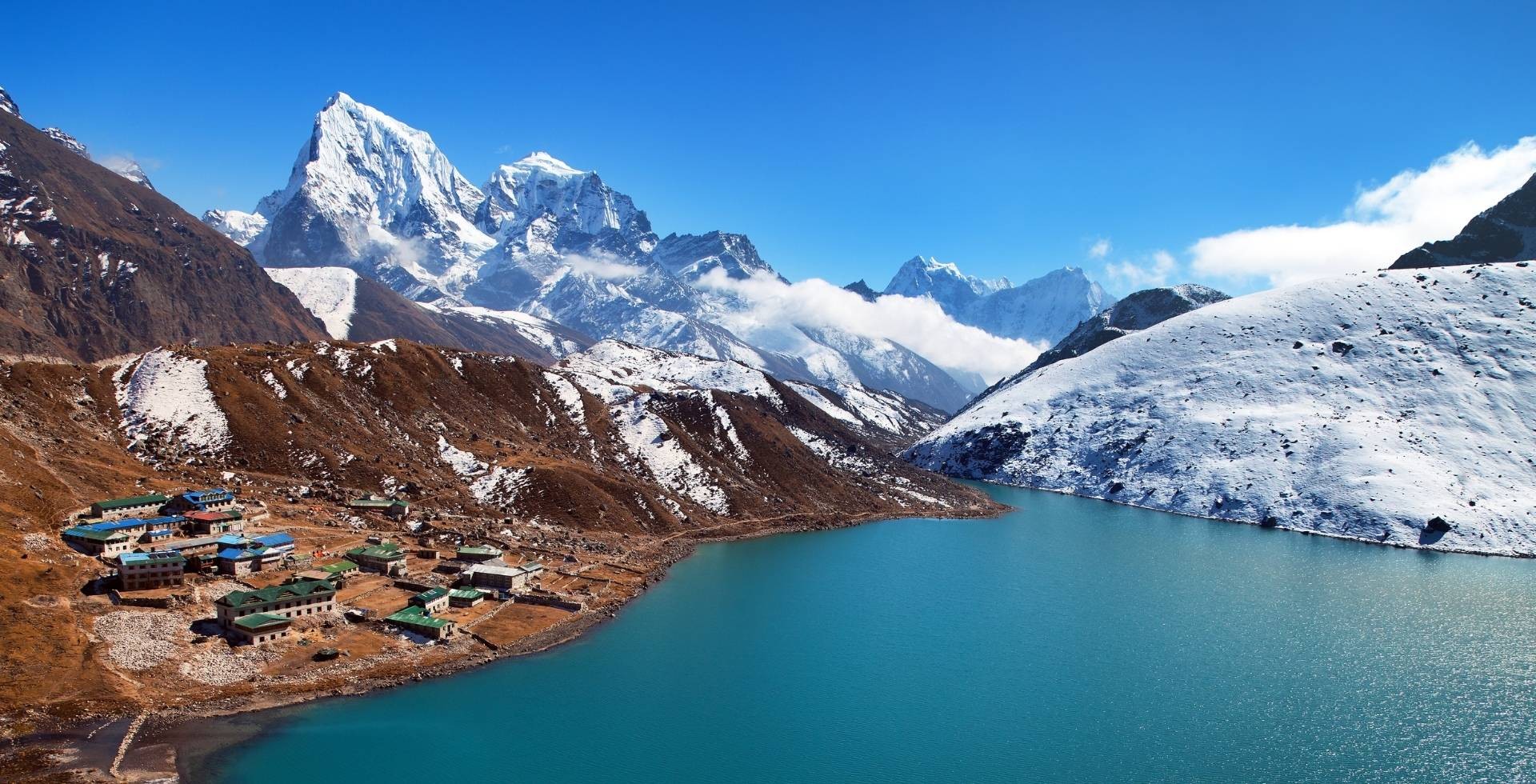
Located right at the edge of the Khumbu region, Gorak Shep (5,180 m) is the final settlement on the Everest Base Camp route. Unlike the other villages along the trail, only basic facilities are available here.

Another important point about Gorak Shep is that it serves as the launching point for trekkers heading to Everest Base Camp itself and to Kala Patthar.

Here, you’ll find only a handful of lodges and no vegetation at all. Despite that, a one-night stay here (right after descending from EBC) keeps you motivated for the next morning's hike to Kala Patthar. 

Pheriche: A Brief Stop on Your Return Journey

Once you’ve ticked off both EBC and Kala Patthar, your return hike takes you to Pheriche (4,260 m), located in the Imja Valley. Here, you get to explore the traditional yak-herding settlement.

A major highlight in the village is the Himalayan Rescue Association (HRA) clinic, which provides education and medical aid for those suffering from altitude sickness. It’s definitely worth a stop, especially since you don’t pass this part of the trail during the ascent.

Cultural Experiences to Enhance Your Trip

Before entering the mighty Everest region, your journey begins in the heart of Nepal’s culture, Kathmandu. You’ll explore royal palaces, sacred stupas, Hindu temples, and Tibetan-inspired monasteries.

Once the trek unfolds, this trip to Everest Base Camp won’t just be about landscapes and mountains. It will also be about people and their legendary stories. You’ll meet the Sherpa community, experience colorful festivals (if the timing is just right), and learn about Buddhist practices along the Himalayan trail.

Here are the cultural highlights of this EBC trip:

Kathmandu Sightseeing and Cultural Dinner

Before your Everest adventure begins, you’ll land in the cultural heart of Nepal, the Kathmandu Valley! It’s a designated UNESCO World Heritage Site and home to seven monumental zones that showcase centuries of history, art, and spirituality.

It’s not just the country’s political capital but a living museum of traditions where Hindu and Buddhist cultures coexist.

On this tour, our professional guide will take you through four of the valley’s most iconic landmarks:

  • Kathmandu Durbar Square: This site once served as the royal palace of the Malla and Shah kings and features over 50 temples, palaces, and courtyards. The highlight is the Kumari Ghar, home to Nepal’s Living Goddess.
  • Swayambhunath Stupa: One of the oldest religious sites in Nepal, its legends trace back to the very formation of the Kathmandu Valley. The legendary monkeys have earned it the nickname ‘Monkey Temple’, and it also serves as a hilltop vantage point offering panoramic views of Kathmandu and the surrounding mountains.
  • Pashupatinath Temple: The holiest Hindu temple in Nepal, visited daily by thousands of pilgrims. Its golden pagoda-style temple, sacred Aryaghat cremation sites on the Bagmati River, and centuries-old rituals provide an unforgettable spiritual experience. In fact, the itinerary can be tweaked to incorporate Shandya Arati too!
  • Boudhanath Stupa: Dating back to the 5th–6th century, this stupa is one of the world’s most important Buddhist pilgrimage sites. Circled by prayer wheels, Tibetan monasteries, and shops selling thangka paintings, Boudhanath is a must-visit. You can even try authentic Tibetan food before ending your evening.

Along with visiting these iconic spots, the final experience offered by Altitude Himalaya is a cultural program over a farewell dinner. This lets you dive deep into Nepal’s diverse communities, their costumes, traditional dances, folk songs, and more.

It’s honestly one of the best ways to end any journey in Nepal. The customs and cultures are so unique across different regions that you’re bound to be fascinated!

Meet the Famous ‘Sherpa’ Community

No journey to Everest (or even its base camp) is complete without meeting the legendary Sherpa people. Originally of Tibetan origin, they have lived in the Khumbu region for centuries!

From guides to porters, they will be your companions throughout the EBC trek. At Altitude Himalaya, it’s our priority to ensure you learn about their Tibetan Buddhist traditions, the colorful monasteries they pray at, and their deep love for the mountains. Today, Sherpas are recognized globally as expert climbers and guides.

Not to forget, Tenzing Norgay, the first person to summit Everest with Sir Edmund Hillary, was also a Sherpa. And today, his legacy is carried forward by record-holding climbers from the region.

Since you’ll mostly be staying in Sherpa homes, you’ll also experience their warm hospitality. Just be sure to show the same respect to them that they extend to every guest.

Besides Sherpas, you’ll also find Tamang and Rai communities living alongside them, adding even more cultural richness to your Everest journey.

Stop By Different Monasteries

To dig deeper into Tibetan Buddhism and the Sherpa culture, this trip also features some of the region’s well-known monasteries. Step inside, meet the monks, and make sure to absorb as much knowledge as possible during your visit to these gompas:

  • Uche Chholing Monastery: Located along the Phakding–Namche trail, this small but culturally significant monastery in Monjo offers a serene experience. Inside, you’ll find monks deep in prayer, guided by the chief monk.
  • Khumjung Monastery: During your Namche acclimatization hike, you’ll visit Khumjung Village, where the highlight is this famous monastery, believed to house a Yeti scalp!
  • Tengboche Monastery (Dawa Choling Gompa): En route to Deboche, you can stop at the most iconic monastery in the Khumbu region. Known as the spiritual heart of the Sherpa people, it hosts major Tibetan festivals, including the very popular Mani Rimdu festival.
  • Nangkartsang Gompa: Less visited by trekkers, this gompa can be included on an optional acclimatization hike when heading to Nangkartsang Peak. There’s one diversion in the trail that you need to keep an eye out for!

Yeti Legends and Other Himalayan Myths

Who hasn’t heard of the legendary Yetis? You might have even seen depictions of them as giant apes with sharp teeth and a mystical aura. In fact, many of you reading this may have come across AI-generated videos that have gained quite a lot of attention in recent years.

What many don’t know is that in pre-Buddhist and Bon traditions, these Glacier Beings were actually worshipped as a form of god. The Lepcha community of the Himalayas even believes them to be the spirit of the hunt and are also regarded as the master and protector of all animals.

The tales go far beyond what the internet can offer. So, if you’re curious, there’s no better place than Everest to explore them. During your EBC trek, you’re sure to hear even more of such stories. Just don’t hesitate to strike up this conversation with the locals at the lodges you visit.

Read More

Trip highlights

  • Scenic flight to Lukla Airport, the most dangerous airport in the world.
  • Explore vibrant villages of Lukla, Namche, Dingboche, Lobuche, and Pheriche.
  • Reach the iconic Everest Base Camp (5,364 m) on this high-altitude adventure.
  • Enjoy views of Everest, Pumori, Nuptse, and Changtse from Kala Patthar (5,655 m).
  • Get sights of Thamserku, Kusum Kanguru, Kongde Ri, Lhotse, Ama Dablam, and more along the EBC trail.
  • Learn about Sherpa culture and visit monasteries in Khumjung and Tengboche.

Outline Itinerary

DAY 1: Kathmandu Arrival.

DAY 2: Kathmandu Sightseeing.

DAY 3: Flight to Lukla, Trek to Phakding.

DAY 4: Phakding to Namche Bazaar.

DAY 5: Acclimatization in Namche, Optional Hikes.

DAY 6: Namche to Deboche.

DAY 7: Deboche to Dingboche.

DAY 8: Dingboche Acclimatization, Nangkartsang Hike.

DAY 9: Dingboche to Lobuche.

DAY 10: Trek to Everest Base Camp, Back to Gorak Shep.

DAY 11: Hike to Kala Patthar, Descend to Pheriche.

DAY 12: Pheriche to Namche.

DAY 13: Namche to Lukla.

DAY 14: Flight to Kathmandu, Cultural Dinner.

DAY 15: Farewell, Departure.

Detailed Itinerary

Expand all
Day 1

Kathmandu Arrival.

duration 30 Minutes
distance 10 Km
trip-accomodation Nepali Ghar
trip-meals N/A
Day 2

Kathmandu Sightseeing.

duration 7-8 Hours
trip-accomodation Nepali Ghar
trip-meals B,L,D
Day 3

Flight to Lukla, Trek to Phakding.

duration 5-6 Hours
distance 8.5 Km
ascent 2610 m
trip-accomodation Local Lodge
trip-meals B,L,D
Day 4

Phakding to Namche Bazaar.

duration 7-8 Hours
distance 10 Km
ascent 3440 m
trip-accomodation Local Lodge
trip-meals B,L,D
Day 5

Acclimatization in Namche, Optional Hikes.

duration 4-5 Hours
distance 9 Km
ascent 3440 m
trip-accomodation Local Lodge
trip-meals B,L,D
Day 6

Namche to Deboche.

duration 6-7 Hours
distance 10 Km
ascent 3740 m
trip-accomodation Local Lodge
trip-meals B,L,D
Day 7

Deboche to Dingboche.

duration 7-8 Hours
distance 9.5 Km
ascent 4410 m
trip-accomodation Local Lodge
trip-meals B,L,D
Day 8

Dingboche Acclimatization, Nangkartsang Hike.

duration 3-4 Hours
distance 4 Km
ascent 4410 m
trip-accomodation Local Lodge
trip-meals B,L,D
Day 9

Dingboche to Lobuche.

duration 5-6 Hours
distance 8 Km
ascent 4910 m
trip-accomodation Local Lodge
trip-meals B,L,D
Day 10

Trek to Everest Base Camp, Back to Gorak Shep.

duration 6-7 Hours
distance 8 Km
ascent 5180 m
trip-accomodation Local Lodge
trip-meals B,L,D
Day 11

Hike to Kala Patthar, Descend to Pheriche.

duration 8-9 Hours
distance 16 Km
ascent 4260 m
trip-accomodation Local Lodge
trip-meals B,L,D
Day 12

Pheriche to Namche.

duration 7-8 Hours
distance 19 Km
ascent 3460 m
trip-accomodation Local Lodge
trip-meals B,L,D
Day 13

Namche to Lukla.

duration 7-8 Hours
distance 19 Km
ascent 2840 m
trip-accomodation Local Lodge
trip-meals B,L,D
Day 14

Flight to Kathmandu, Cultural Dinner.

trip-accomodation Nepali Ghar
trip-meals B,D
Day 15

Farewell, Departure.

trip-meals B

Price Includes

  • All required airport pickup and drop off on a private basis.
  • All the mentioned sightseeing in Kathmandu on a private vehicle.
  • Kathmandu sightseeing entrance fees.
  • Professional government-licensed tour guide for sightseeing in Kathmandu.
  • A private vehicle for your drive from Kathmandu to Manthali.
  • Airplane tickets from Manthali to Lukla and vice versa (in the off-season, directly from Kathmandu to Lukla).
  • 3 nights' hotel (3-star) accommodation in Kathmandu.
  • 11 nights' accommodation in local lodges during the trek, as mentioned in the itinerary.
  • Daily breakfast at the respective hotels or local lodges from the next day of your arrival.
  • Lunch and Dinner in the entire trekking journey.
  • All required permits (Sagarmatha National Park Entrance, Khumbu Rural Municipality, and TIMS Card)
  • Duffle bag, trekking maps, and sleeping bags (not compulsory, but can be included if required).
  • A porter during the trek (who carries up to 20/22 kg bag).
  • A professional English-speaking government-licensed trek guide for your EBC trek.
  • Guides’ and porters’ food, salary, accommodation, and allowance.
  • One local sim card during your stay (returnable).
  • Arrangement of an emergency helicopter service which will be covered by the traveller's insurance.
  • All government and local taxes.
  • Traditional Nepali cultural dinner in Kathmandu on the last evening of your trip.
  • An EBC Trekking Completion Certificate.

Price Excludes

  • Personal expenses.
  • International flights.
  • Nepal visa cost.
  • Lunch and Dinner in Kathmandu.
  • Travel insurance covering helicopter and other forms of high-altitude rescue (highly recommended).
  • Tips for the guide, porter and anyone. 
  • Sweet things like dessert/chocolates during the trek. 
  • Any alcoholic and non-alcoholic drinks. 
  • Hot showers/battery charges/heater/mineral water during the trek.
  • Services that are not mentioned above.

Tour Guide, Tips

The 15-day Everest Base Camp Trek is thoughtfully designed for guests seeking the perfect adventure in Sagarmatha National Park. Even if you’re on a tight schedule, we promise that this journey won’t be just about reaching the base camp of the world’s tallest mountain but will also offer a deep cultural immersion in the Sherpa community.

Each major village we stop at on this EBC trek has its own unique charm, showcasing some of the top highlights of the Khumbu region. That said, don’t worry if you’d like to make changes to the itinerary.

At Altitude Himalaya, your experience is our top priority. Any changes are absolutely possible, all we need is clear communication.

To help you make informed decisions without second-guessing the package, we’ve answered some frequently asked questions in the section below. Let’s explore them together!

Best Season For EBC Trek

There’s no single “best” season for the EBC Trek, as each month offers something unique. At Altitude Himalaya, our job is to make your trip possible no matter which time of year you choose to trek in the Everest region.

  • Spring brings blooming rhododendrons and clear mountain views. But the downside is crowded trail and occasional unpredictable weather.
  • Autumn is arguably the most popular season (particularly in October and November months), offering crisp skies, stunning mountain vistas, and cultural festivals for deeper immersion. The downside here is obviously the crowd of trekkers. In fact, at nearly every step of the trail, you’ll find someone.
  • Monsoon is known for continuous rainfall, slippery trails, and potential flight delays. But if you’re lucky, you’ll witness the Everest trail in full green bloom, dotted with distinct wildflowers. The path becomes far more peaceful, and if you get lucky with good weather, Monsoon can offer some of the most breathtaking views, sometimes even better than the dry seasons.
  • Winter is for true adventurers. Expect extreme cold, snowfall, and an increased risk of altitude sickness. But for those who love snow and dramatic landscapes, there’s no better season than winter!

To be very clear, THESE ARE THE PEAK MONTHS to keep in mind:

  • Spring: March 15 to May 15
  • Autumn: September 25 to November 25

During these periods, flights to Manthali get fully booked, and even the trail is extremely crowded. Even our Altitude Himalaya bookings fill up fast, likely the same with other trekking agencies.

Important Notes on Lukla Flights

By now, you already know what an exhilarating experience the Lukla Airport flight offers. But the reality is that this flight isn’t just expensive, it’s also hard to secure.

We have to consider peak seasons, weather conditions, passenger occupancy (in case your flight gets delayed), and several other factors. It’s seriously a headache, but once you book with Altitude Himalaya, you don’t have to stress about any of it as we make instant decisions, all thanks to our years of experience on handling the EBC treks.

Our team communicates with you well before your journey begins and keeps you updated throughout. Once everything is confirmed, we proceed accordingly.

Based on this, here’s what we suggest you prepare for before arriving in Nepal:

  • Off-season flights: Direct flights take off from Kathmandu. The main challenge here is weather. Bad conditions can delay flights for days (as honestly, we can’t predict the climate in the mountains!)
  • Peak trekking season (March 15 to May 15 and September 25 to November 25): Flights from Kathmandu are almost impossible to book. So, most flights then operate from Ramechhap’s Manthali Airport. But even here, securing a seat is extremely difficult. Even with pre-booking, cancellations may force you to wait for the next available flight, which can take a long time.

In case your flight looks like it will be delayed, instead of waiting endlessly for them, there are other options that you can opt for:

  • Helicopter transfer: We can arrange a helicopter ride for $300–$400 one-way, or $600–$800 round-trip. When you compare this with potential accommodation costs in Kathmandu or Manthali during delays, it’s a much better deal!
  • Overland drive: For budget-conscious travelers, a road journey is always an option. It takes about two extra days but still ensures you fulfill your dream trek. We’ll soon come up with a complete different EBC itinerary for this one.

Permits Required on This Trek

To trek to Everest Base Camp, you must have the proper permits. There are three main permits required to legally enter the region, and the cost varies depending on your nationality, age, and the number of people in your trekking group.

Here are the complete details:

Permits

Nepali Citizens

SAARC National

International Trekkers

Child Discount

Sagarmatha National Park Permit

NPR 100

NPR 1500

NPR 3000

Free for children below 10 years

TIMS Card

-

Group: NPR 300

Group: NPR 1000

Free for children below 10 years

Individual: NPR 600

Individual: NPR 2000

Khumbu Pasang Lhamu Rural Municipality

-

For 4 weeks: USD 20/week

Free for children below 10 years

Beyond 4 weeks: USD 25/week

The good news is that we handle all your Everest Base Camp permits for you. All you need to do is provide the necessary documents and photos, and we’ll guide you through the process once you’ve booked your EBC trek with us.

Accommodation, Food, and Transportation on EBC Trail

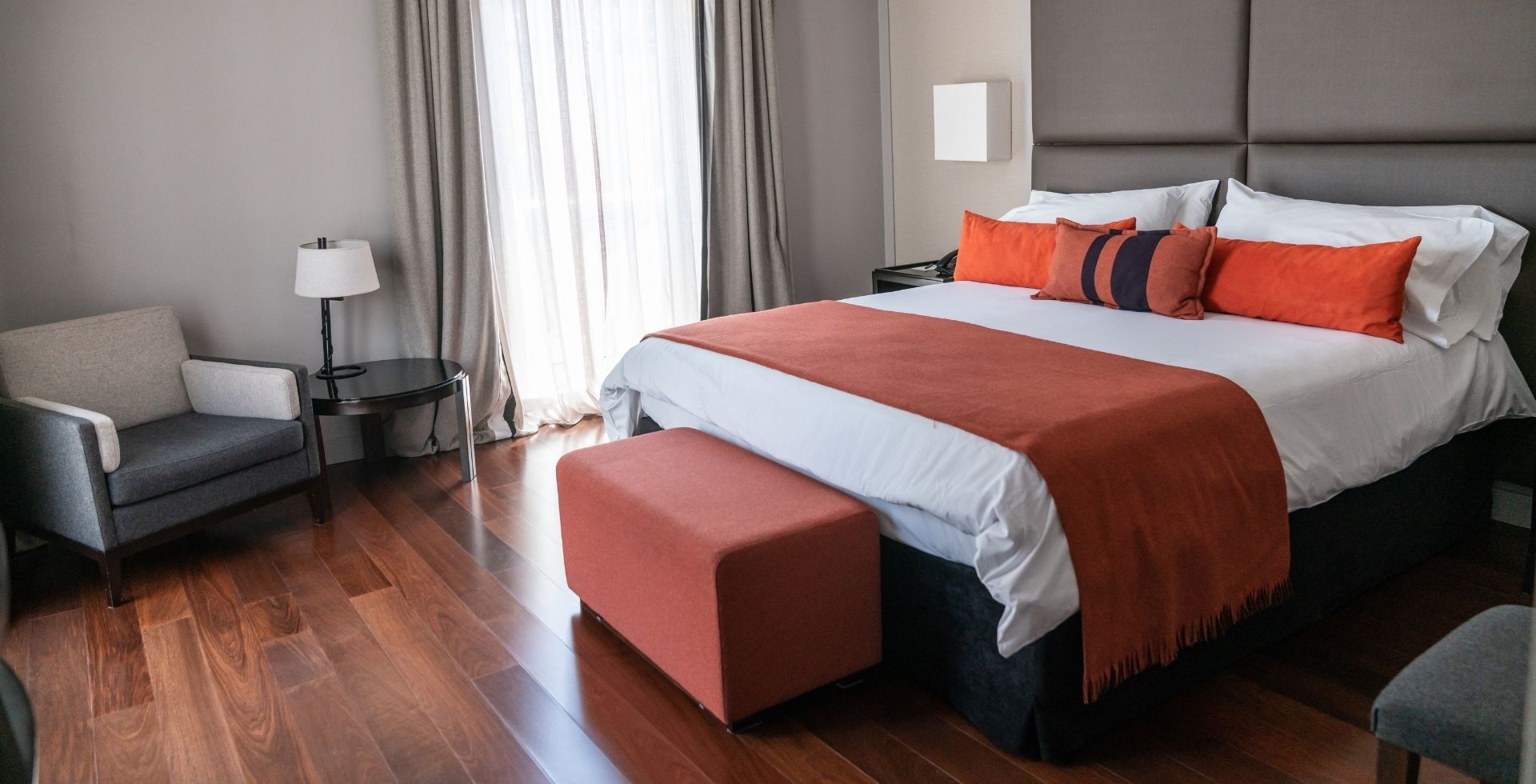
Upon your arrival in Kathmandu, our representatives will warmly greet you at the airport and escort you in a private vehicle to your three-star hotel, where breakfast is included for the first two mornings.

During the Everest Base Camp trek, your accommodations will be carefully selected local lodges. Over the years, we have picked those that consistently provide the best services for our guests, and your assigned trek guide will take you directly there without doing much hassle.

All meals (breakfast, lunch, and dinner) are included during your trekking journey, ensuring you receive the high-calorie diet needed to sustain yourself throughout the high-altitude regions.

For transportation, a domestic flight will be arranged (as discussed earlier) from either Kathmandu or Manthali (Ramechhap) and back. Up to Manthali, you will be escorted in a private 4WD vehicle and same is the case when you return to Kathmandu from there.

It will be the same three-start hotel you stayed in before your EBC trek, and like earlier, breakfast shall be included for the next two more mornings. Not to forget about the farewell cultural dinner too!

ALTITUDE SICKNESS in EBC: Should You Worry?

The highest elevation you’re going to reach doing the Everest Base Camp is 5,645 m (Kala Patthar). In fact, you’re going to pass through and spend nights in all the high-altitude regions, which naturally increases the risk of altitude sickness.

To sum up, rapid elevation gain, thin air and oxygen levels, strenuous climbs, physical exertion, cold weather, and dry air of the EBC trail all contribute to acute mountain sickness (AMS). It’s a condition where fluids accumulate in those body parts where they don’t belong (like the brain, lungs, and both).

Here are the most common symptoms of AMS:

  • Headache
  • Extreme fatigue 
  • Loss of appetite
  • Becoming breathless at rest
  • Dizziness
  • Nausea
  • Sleeping disturbances
  • Rapid pulse
  • Confusion and irrational behavior
  • Severe symptoms: inability to walk in a straight line, blue-tinged lips or skin, breathlessness, hacking cough (with blood)

However, altitude sickness in EBC is actually preventable and manageable if you follow the right approach. Here are some of our tips:

  • Add acclimatization days at different altitudes. We’re already doing this in Namche and Dingboche. Our well-prepared itinerary already shows why our company, Altitude Himalaya, cares about your safety over everything else!
  • Avoid sleeping pills, sedatives, and alcohol, as they tend to decrease breathing.
  • Drink 3–4 liters of fluids (boiled water, iodinated water, soup, etc.) every day to avoid dehydration.
  • Acetazolamide (Diamox) is popularly used here in Nepal and is easily available in most medical stores. But be sure to talk to your physician about whether it’s applicable for you. Our guides already carry this with them, and if you really think it’s going to cause issues, our suggestion is to take the meds from Lukla and up to your return in Pheriche.
  • In some cases, your AMS could lead to high-altitude cerebral edema (HACE). For that, you may take Nifedipine and Dexamethasone (again, be sure to seek permission from a physician before you go on the adventure).
  • Gamow bags are available in the health centers of Namche Bazaar, Pheriche, and Dingboche. When you blow them up, they help simulate pressures of lower altitude.
  • Evacuation by helicopter is possible on your EBC Trek. While we do not include the charges in our package, be sure to insure yourself for coverage of such high-altitude rescues. If we come to know about your situation, we’ll surely help you out in arranging it.
  • Don’t forget to note down the emergency contact numbers before starting your journey.
  • Beginners are requested to always stick with their guides or at least porters. Inform them in case any uncertainties happen.
  • Carry warm sleeping bag (just a suggestion; we can arrange it for you), boots adequate for snow, a warm jacket, and good-quality sunglasses for high-altitude regions as cold increases the chances of altitude sickness.
  • Never hurry! Let your body acclimatize to the high altitude.
  • Never continue your ascent if you encounter the early signs of AMS. Stop where you are, rest, and see how your body is reacting. In case the symptoms worsen (leading to HACE), descend immediately!
  • Avoid this EBC trek if you have heart disease, difficulty breathing at sea level, pregnancy, or other chronic medical conditions.
  • In case you’re trekking with children, know that they are even more prone to AMS. So, keep an eye out for them at all times.

Caution: Ignoring signs of AMS and HACE can lead to high-altitude pulmonary edema (HAPE), which can be fatal.

Packing List for Everest Base Camp Trek

Trekking to Everest Base Camp means you’ll pass through different altitudes and weather conditions. Although your journey begins from the warmer valleys, you’re going to pass through alpine zones and reach the snowlands.

So, packing can be a bit tricky, and let us inform you that this is one of the most asked questions by our guests. Now, if you’re actually reading this section, KUDOS TO YOU, as we ensure that you won’t have a query left.

Packing the right clothes and gear that let you adjust to changing temperatures and conditions is absolutely essential for treks like EBC. So, here’s a complete packing list to guide you:

Clothing: LAYER THEM!

  • Base Layer (for moisture control): 2 to 3 thermal tops (lightweight and quick-dry), 2 thermal bottoms for colder nights, Sports bras/innerwear that are sweat-wicking
  • Mid Layer (for insulation): 2 to 3 trekking shirts (long/short sleeves, quick-dry), 1 to 2 warm fleece jackets or pullovers, Insulated down jacket (essential for high altitudes and mornings/evenings)
  • Outer Layer (for wind and rain protection): Waterproof/windproof jacket with hood, Waterproof trekking pants, Lightweight windbreaker (optional but handy)
  • Trekking Pants and Shorts: 2 pairs of trekking pants, 1 lightweight trekking short (optional)

Headwear and Handwear

  • Warm beanie or wool hat
  • Sunhat/cap with a wide brim
  • Neck gaiter or buff for dust and cold air
  • UV-protection sunglasses
  • Lightweight inner gloves
  • Warm insulated outer gloves

Footwear

  • Sturdy trekking boots (waterproof and ankle support)
  • 1 lightweight pair of camp shoes/sandals (for evenings and teahouses)
  • 3 to 4 pairs of warm trekking socks
  • 2 to 3 pairs of liner socks

Trekking Essentials

  • Backpack (60–70L, with good hip and back support)
  • Daypack (20–30L for essentials during acclimatization hikes)
  • Duffel bag (we’ll provide you!)
  • Trekking poles (highly recommended for descents)
  • Headlamp with spare batteries (for that early morning hike to Kala Patthar!)

Personal Items and Accessories

  • Water bottle or hydration bladder
  • Water purification tablets/drops
  • Sunscreen (SPF 50+), lip balm with SPF
  • Quick-dry towel and toiletries
  • Wet wipes/hand sanitizer 
  • Deodorant (showers are limited at higher altitudes)
  • Personal first aid kit 
  • Prescribed personal medications (kindly carry Diamox as mentioned earlier)
  • Snacks/energy bars for long days

Electronics and Miscellaneous

  • Camera or smartphone (with extra batteries/power bank)
  • Universal travel adapter (standard voltage of electricity in Nepal is 220-240 Volts and 50 HZ)
  • Lightweight book, journal, or cards 
  • Earphones or headphones

Documents and Money

  • Valid passport with Nepali visa
  • Trekking permits (Sagarmatha National Park Permit, TIMS Card, Khumbu Pasang Lhamu Rural Municipality)
  • Copies of travel insurance covering high-altitude trekking
  • Cash (Nepali rupees)
  • Photos and other documents that we inform you

Dos and Don’ts on This Trek

Adventures, like this EBC trekking, come with a risk. No matter how confident you are, there are certain things you need to follow to stay safe.

Also, you must be aware of the culture and customs of the region. You must respect them at all costs!

Since we’ve organized this tour with your safety and that of your group in mind, we kindly request you not to engage in anything that could make things difficult for us or for the local communities along the trail.

To ensure you avoid those mistakes, here are some essential tips:

Things to Do

Things to Avoid

Carry small trash bags to collect your garbage.

Don’t litter around.

Respect local customs and learn basic Nepali greetings like “Namaste”.

Don’t bargain aggressively in small villages.

Keep your permits with you, as there are multiple checkpoints along the EBC trail.

Don’t leave the group without informing the guide.

Respect other trekkers’ privacy and walk in a queue (if required when the trail is crowded).

Don’t make excessive noise that disturb others (avoid carrying speakers).

Ask before photographing locals.

Don’t get drunk in high altitudes.

Label your gear clearly.

Don’t wear your boots when entering sacred sites.

Give way to trekkers, porters, and animals coming from the opposite side.

Don’t panic in case you fall down or show signs of altitude sickness.

Besides all these, there are still plenty of things to keep in mind before going for the EBC Trek. Before even coming to Nepal, you need to have strong mental endurance, do strength training, long-distance walking, and other things that indirectly help you out. We have prepared a separate guide on EBC trekking tips that you should definitely check out!

Tipping Culture in EBC

We won’t say tipping is a must, but there’s a tradition that trekkers and climbers have followed for decades!

For that reason, we highly recommend tipping your porters and even guides. The salary they receive is at a standard rate.

Our suggestion is to tip them at least 10% of your total EBC trek cost. That’s the minimum they expect, but you can raise it as per your desire or depending on the service they provide.

Honestly, this is something we don’t even have to speak for. We are just making you well aware about it from this guide itself. Once you do the trek, you’ll automatically know why there’s a tipping culture in EBC and even other treks in Nepal.

EBC Customization With Altitude Himalaya

The Everest Region of Nepal has plenty of hidden gems that are less explored. Even within this package (if you remember from above) we haven’t included a trip to Ama Dablam Base Camp, whose route offers another level of scenic beauty.

Now, imagine what other locations of Khumbu can offer! Seriously, even if it takes an additional week to explore those regions, they can become a once-in-a-lifetime opportunity for you. And for quite a lot of adventurers out there, we’re pretty sure you’d want to add those to your trekking list too.

You can opt for a complete helicopter service like we mentioned earlier. Or, in case you’re having second thoughts about going forward with trekking, even a simple helicopter tour or mountain flight could suffice your needs.

Look into our following packages and see if they could be better for you than the current 15-day Everest Base Camp Trek pacakge:

Note that we aren’t just limited to these packages. We can curate a customized itinerary just for you. So, don’t hesitate to contact us directly on WhatsApp!

Frequently Asked Questions

Where is the Everest base camp trek?

Can a beginner join the Everest base camp trek?

Why is the Everest base camp trek popular?

What are the major attractions of the Everest Base Camp Trek?

Is there any age limit for trying out the Everest base camp trek?

What is the possibility of getting altitude sickness during this trek?

How much extra should i carry for my EBC Trek?

Do I need travel insurance for the trek?

Can I do the EBC trek solo without a guide or porter?

Are Wi-Fi and mobile networks available along the trail?

What happens if I can’t continue the trek due to altitude or health issues?