



 Highest Point


Mount Everest isn’t just the world’s tallest peak (at 8,848.86 m). This is a mountain of tales, legends, and records.
It’s locally known as Sagarmatha in Nepali (meaning, “the forehead of the sky”) and Tibetans call it Chomolungma (meaning, “Goddess Mother of the World”). And you probably are already aware of Sir Edmund Hillary and Tenzing Norgay’s 1953 summit that made one of the most iconic adventures in history.
There are countless facts about Mt. Everest that are all interesting to hear. But of course, not everybody can climb the tallest mountain in the world. What we all can do is at least get to the base camp (at 5,364 m) and see how the preparation is done, check out the views of the Great Himalayas that Nepal is famous for, and challenge yourself to a high-altitude region that becomes a confidence booster once completed!
Whether you’re a trekker or just a normal person somewhere in this corner of the world, our intuition says you’ve thought of getting to the Everest Base Camp at least once in your life. Are we right? Well, to help out every person in this world, our team at Altitude Himalaya has curated this special package to the iconic EBC.
That’s just one spot. But did you know that the highlight of this entire journey is climbing up to Kala Patthar? It’s at an elevation of 5,645 m, being the highest point of the EBC trek.
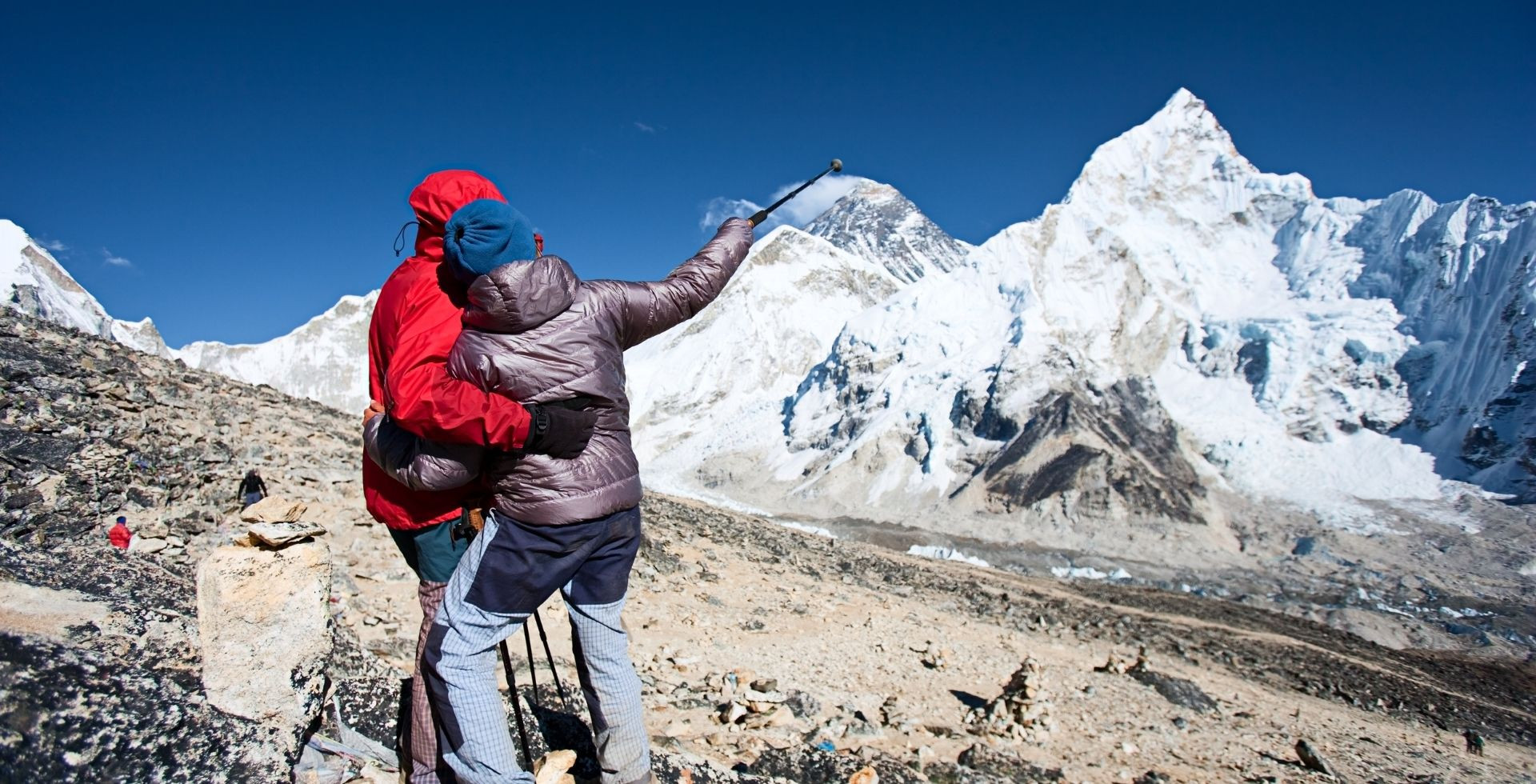
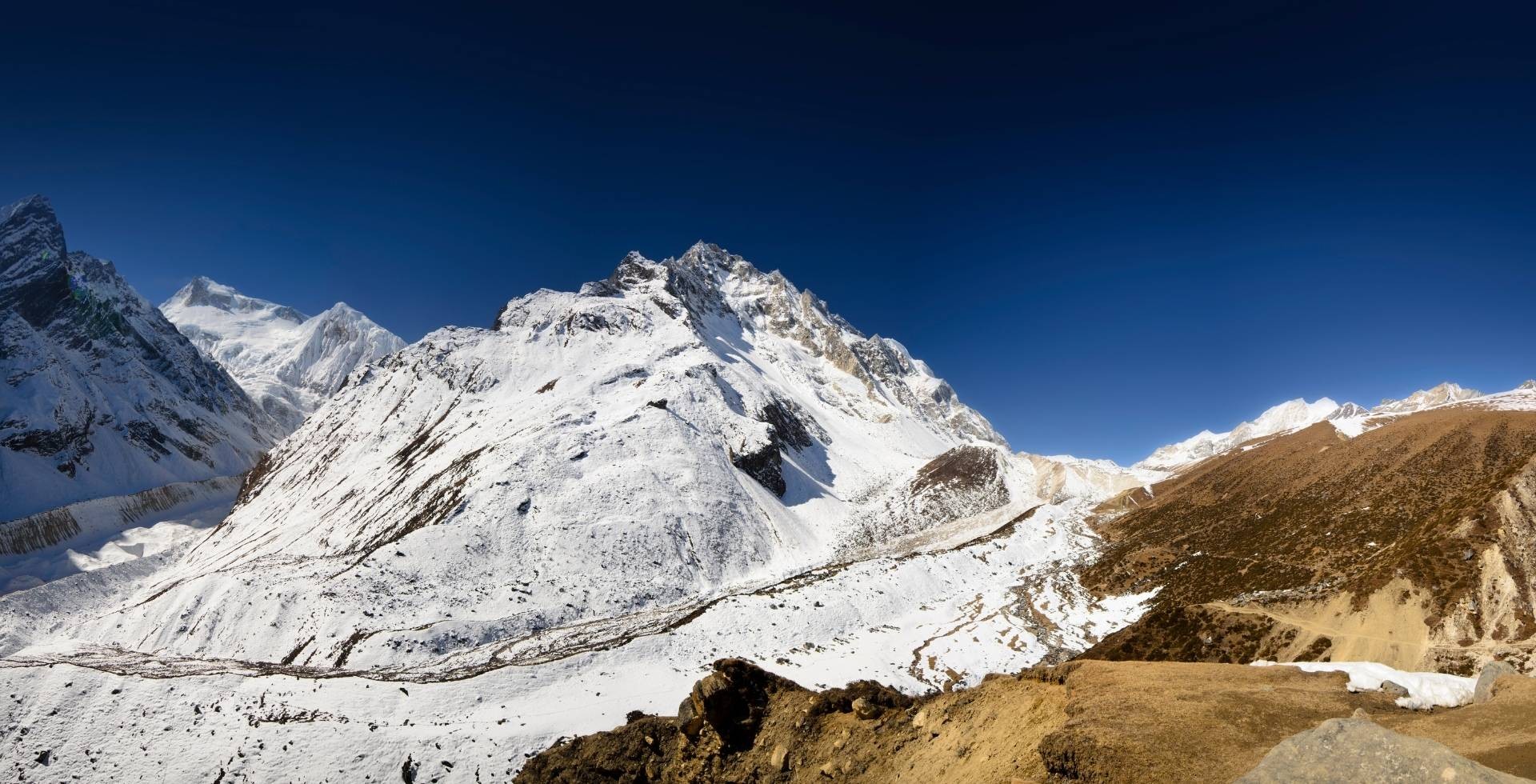
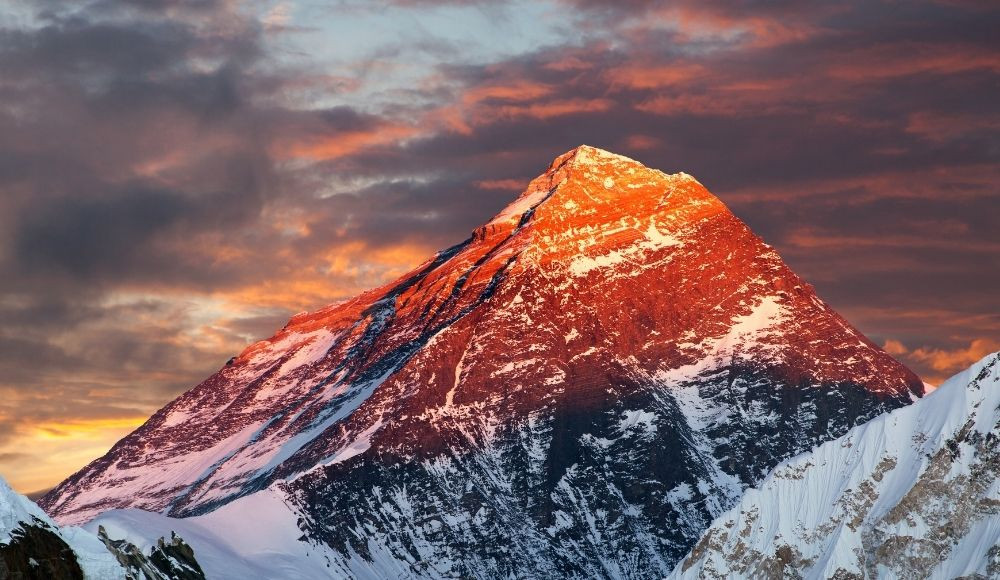
While the main mountain isn’t seen from the base camp, Kala Patthar is where you’ll get the breathtaking views of Everest, Lhotse, Nuptse, Ama Dablam, and Pumori. It’s without a doubt the best panorama you’ll experience anywhere else on Earth.
The trek to Everest Base Camp is challenging, as we rate it in the ‘difficult’ level category. But it’s absolutely achievable, even for beginners with the right preparation. It’s not just about stamina or pacing; you have to keep in mind about acclimatization and a strong mental endurance too. So much of efforts…
And that’s where Altitude Himalaya steps in. We’ve designed this Everest Base Camp itinerary to balance adventure with comfort, ensuring that your journey is safe, enjoyable, and culturally educational.
Your 15-day Everest Base Camp Trek begins in Kathmandu, where you’ll explore UNESCO World Heritage Sites before taking the scenic flight to the most dangerous airport in the world, Lukla.
From there, the trail goes through Sherpa villages like Phakding, Namche Bazaar, Tengboche, Deboche, Dingboche, eventually leading to the rocky terrains of Lobuche and Gorak Shep. During the return, you’ll also stop by Pheriche, another happening village in the Khumbu region.
Every day in this journey is a mix of uphill climbs, descents, suspension bridges, and jaw-dropping views of different mountain ranges. These challenges are simply a part of the EBC experience. Thin air, unpredictable weather, and long walking days—every single one of these tests your endurance.
That’s why acclimatization days in Namche Bazaar and Dingboche are built into our EBC itinerary, prepared from our own experiences and advice from the best trek guides in Nepal.
But besides the guide’s support, even you should prepare for the EBC trek by coming to this SAARC nation with a strong mindset, steady pace, and basic trekking preparedness.
We’ve made sure that the details in this guide are crystal clear, mentioning everything about packing list, acclimatization tips, Sherpa culture insights, and frequently asked questions. So, before you hit that “Request a Quote” or “Book Now” button, take your time to explore everything we’ve laid out for you here.
Facts About Everest Base Camp Trek
|
Protected Area |
Sagarmatha National Park |
|
Region |
|
|
Major Caste |
Sherpa, Tamang, and Rai |
|
Major Religion |
Tibetan Buddhism |
|
Rivers |
Dudh Koshi River, Bhote Koshi, Imja Khola, Lobuche Khola, Pheriche Khola |
|
Main Mountains and Peaks |
Kusum Kanguru, Thamserku, Kongde Ri, Everest, Lhotse, Ama Dablam, Kangtega, Taboche, Island Peak, Cholatse, Nuptse, Pumori, Khumbutse, Lingtren, Changtse, Makalu (distant view) |
|
Highest Elevation |
5,645 m |
|
Permits |
|
|
Route |
Lukla > Phakding > Namche > Deboche > Dingboche > Nangkartsang > Lobuche > Gorak Shep > Everest Base Camp > Gorak Shep > Kala Patthar > Gorak Shep > Pheriche > Namche > Lukla |
Adventures That Fill Your Soul
The Everest Base Camp trek literally pushes your limits, awakens your senses, and fills your soul with unforgettable moments (no doubt!). From the first thrilling takeoff at Lukla’s Tenzing-Hillary Airport to the final sunrise at Kala Patthar, every step is an adventure!
You’ll climb steep trails, cross some high passes, gain high altitude, and even reach peaks above 5,600 m!
With great adventures come great views of the breathtaking Himalayan panoramas. The iconic view of Everest from Kala Patthar is truly the highlight. You’ll also witness the rugged glaciers of Khumbu, Lobuche, Churro, Lobuche East, Changri Nup, and Changri Shar.
Let’s now get into them in detail.
Landing at the Most Dangerous “Lukla Airport”
Your journey to Everest Base Camp begins with one of the most thrilling experiences, which is a flight to Lukla’s Tenzing-Hillary Airport.
This tiny airstrip located at 2,840 m has been named after Sir Edmund Hillary and Tenzing Norgay Sherpa, honoring their legacy in the Khumbu region (where Mt. Everest is located).
Often described as “the world’s most dangerous airport”, Lukla is notorious for its short 527-meter runway, which ends at a cliff edge. Totally a nerve-racking moment to experience on your own!
The airstrip slopes upward at a gradient of approx. 12% to help airplanes land quickly. Even the best professional pilots admit of navigating rapidly through changing weather, limited visibility and having very little room for error.
This air route up to the Tenzing-Hillary Airport is usually served by small twin-engine aircraft, such as the Dornier 228 or Twin Otter, specifically designed to handle Lukla’s unique conditions. The airlines operating them currently are Tara Air, Sita Air, Summit Air, and Nepal Airlines.
However, there are quite a lot of challenges when booking your Lukla Flight. We have discussed that in detail in the Trip Guides section below.
Strenuous Uphill Climbs
The EBC Trek is a difficult journey. And why wouldn’t it be? After all, you’re getting to the base camp of the highest peak in the entire world.
There are plenty of uphill climbs and you’ll be gaining an extremely high elevation, in fact, reaching up to the 5,645 m mark. And among them, some are quite strenuous to get to:
|
Route |
Elevation gain (approx.) |
Major Challenge |
|
Phakding to Namche Bazaar |
830 m |
Larja Dobhan to Namche climb |
|
Namche to Deboche |
300 m |
Multiple uphill stretches, especially in Sansa and Tengboche |
|
Deboche to Dingboche |
670 m |
Final approach to Dingboche |
|
Dingboche to Nangkartsang Viewpoint |
673 m |
Short but completely uphill stretch |
|
Dingboche to Lobuche |
500 m |
Thokla/Dughla Pass |
|
Lobuche to Everest Base Camp |
454 m |
Continuous uphill towards Pyramid, Gorak Shep, and EBC |
|
Kala Patthar Sunrise Hike |
465 m |
Extreme altitude in the morning |
Even from the table above, there are three major highlights that can’t be missed out when we refer to ‘adventure in the EBC trek’...
Surreal Views From Nangkartsang Viewpoint
The optional hike from Dingboche (4,410 m) to Nangkartsang Peak (5,085 m) is a complete steep ascent. It serves as a perfect acclimatization adventure, proving to be a great hiking decision as you move higher into the Khumbu region.
Note that only a few trekkers take this trail, so it’s going to be a peaceful yet fun experience compared to just spending your time exploring the village area.
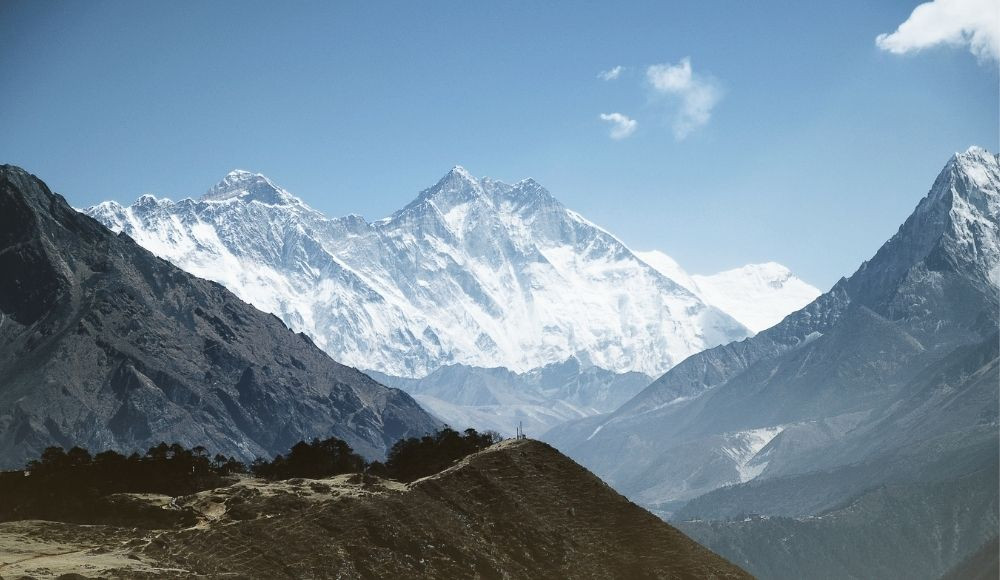
Of course, the main highlight here is the 360-degree panoramic mountain views. You’ll get to see Ama Dablam (6,812 m), Lhotse (8,516 m), Nuptse (7,861 m), Island Peak (6,189 m), Cholatse (6,440 m), and Tawoche (6,495 m). On the other side, the village of Dingboche and the Imja Khola Valley also look equally beautiful!
Reaching The Iconic Everest Base Camp
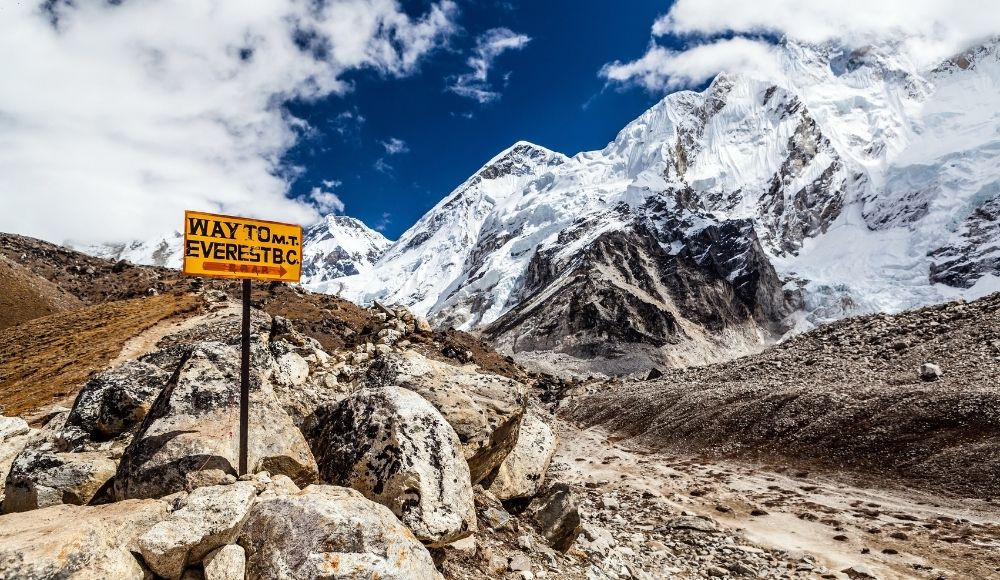
Everest Base Camp isn’t just an ideal destination, but in fact a dream for every trekker in the world. Mt. Everest itself won’t be visible from here, but reaching the camp is an adventure in itself!
Every step to this point tests your stamina, focus, and determination. The final stretch is mostly uphill, with rugged terrain and thin air. Your heart pounds, your lungs work harder, and every step reminds you why and how you’ve come. It’s physically demanding, mentally pushing, yet deeply rewarding!
And once you arrive at the elevation of 5,364 m, even standing at the base of the world’s tallest mountain gives you an unforgettable sense of achievement. It’s truly a confidence booster, something even our team at Altitude Himalaya recalls feeling.
During this journey, you’ll pass the Khumbu Glacier, witness the climbers’ base camp at Everest Base Camp, and even explore Pumori Base Camp. Despite no direct Everest view, the surrounding mountains (mainly Nuptse, Khumbutse, and Ama Dablam) make the experience absolutely exhilarating.
Morning Hike to Kala Patthar For Sunrise Views
The ultimate journey of this 15-day Everest Base Camp trek takes you to Kala Patthar (5,645 m), the highest vantage point trekkers can reach.
Here, you’ll finally witness the best views of Everest that you’ve been craving through all those tiring days on the trail. Along with that, you’ll also get clear and unobstructed views of neighboring giants like Lhotse, Nuptse, Pumori, and Changtse.
Going through rugged, high-altitude terrain in the quiet early morning is an adventure in itself. But once you reach the top, you’ll be rewarded with 360° Himalayan panoramas and a golden sunrise illuminating Everest. It surely makes you forget everything about those long, exhausting treks.
Main Villages Along the EBC Trail
This Everest Base Camp trek, organised by Altitude Himalaya, journeys through multiple Sherpa villages. You get to learn about Buddhist culture, enjoy stunning landscapes with mountain views, and most essentially, immerse yourself in the local lifestyle.
While there are plenty of stops, here are the major ones, where you’ll be spending one or two nights:
Phakding: First Stop on the Journey
Phakding (2,610 m) is the first stop on your Everest Base Camp Trek. It is a tiny village along the Dudh Koshi River. In fact, Phakding’s name is said to have originated from the Tibetan words meaning “Hill of the River Crossing”.
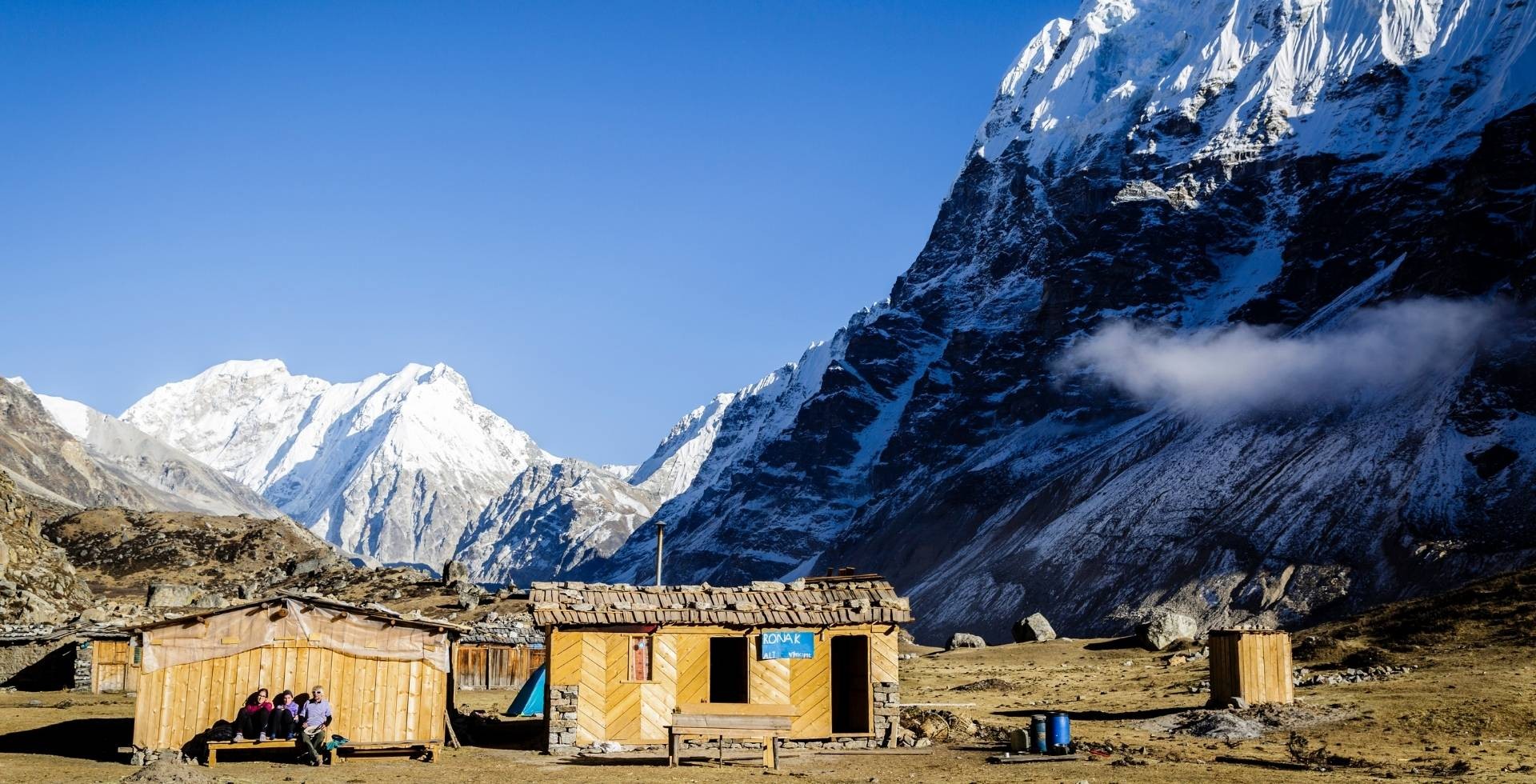
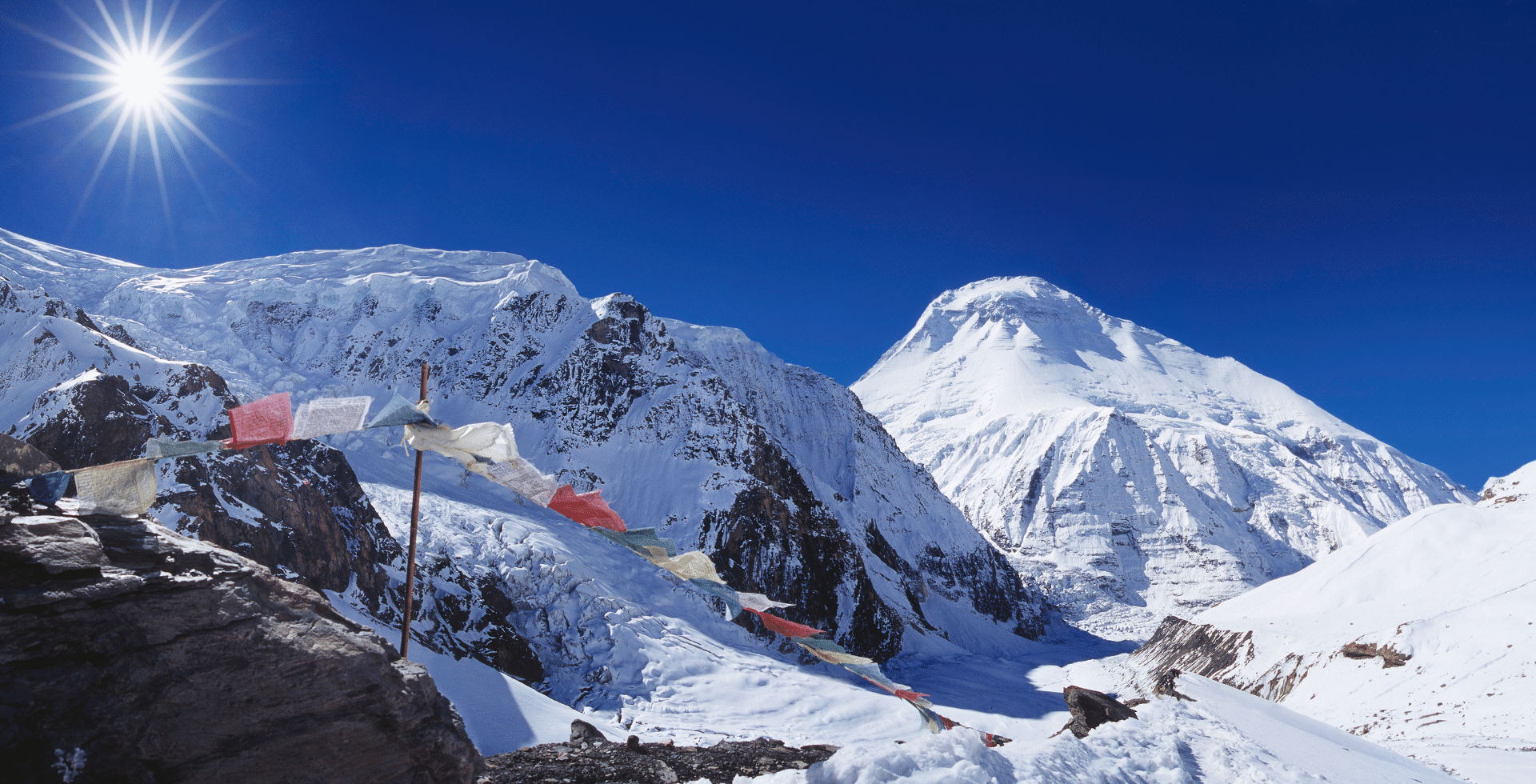
The village serves as the perfect introduction to the Khumbu region’s Sherpa culture. And you get to see traditional tea houses, mani walls, and colorful prayer flags along your way.
Namche Bazaar: The First Glimpses of Everest
Namche Bazaar (3,440 m) is the vibrant hub of the Khumbu region. Historically, it served as a trading post for salt, wool, and grains between Tibet and Nepal.
Today, Namche has evolved into the cultural and commercial heart of the Sherpa community. The colorful markets in the heart of the Himalayas are sure to surprise you.
You’ll get to relax in cozy cafes and even browse Himalayan art before continuing your EBC trek.
And since you’ll be spending three nights (one during the return) here, there are a few spots nearby that simply can’t be missed:
- Sherpa Cultural Museum: Visit on your leisure day to learn more about Sherpa history, mountaineering, and daily life in the Khumbu region.
- Everest View Hotel (EVH): A short acclimatization hike early in the trek offering panoramic views of Everest, Lhotse, and Ama Dablam from 3,880 m elevation.
- Khumjung Village: A little further along the trails of Syangboche, this village blooms with white rhododendron flowers. It’s a peaceful stop for lunch during your Everest journey.
- Khumjung Secondary School: Founded by Sir Edmund Hillary in 1961 after noticing that the region lacked even basic education.
- Sagarmatha National Park Headquarters: Learn about conservation efforts and the diverse wildlife of the park.
- Local Markets (especially Saturdays): A traditional market where locals trade food, clothes, and souvenirs, which are perfect for cultural immersion.
Deboche: Overnight Stop in the Forest
A little below the bustling village of Tengboche (3,860 m), you’ll find Deboche (3,740 m), a serene settlement surrounded by lush rhododendron and birch forests.
Deboche is also home to Deboche Nunnery, claimed to be one of the oldest Buddhist nunneries in Nepal. During your visit, you might catch a glimpse of the ceremonial nuns performing religious rituals.
Nestled in this forested setting, Deboche also offers opportunities to spot Himalayan wildlife, including musk deer, pheasants, monal, and blue sheep.
Dingboche: Acclimatization in the Highland Village
Dingboche (4,410 m) is the largest Sherpa settlement, where you’ll witness wide valleys and stone-walled fields protecting barley and potatoes from the harsh mountain winds.
Historically, it served as a place for seasonal farming and grazing livestock. However, with the rise of Everest Base Camp expeditions and trekking, Dingboche has grown into a key acclimatization stop on the trail.
The extra day included in our package allows for short but rewarding hikes to nearby viewpoints, the main one being Nangkartsang Peak. Ama Dablam Base Camp can also be reached from here, but it’s not included in this 15-day EBC itinerary.
Just like other vibrant villages along the trail, Dingboche offers traditional houses, teahouses, bakeries, and even a few internet cafes. Expect a memorable stay with spectacular views of the surrounding mountains.
Lobuche: Gateway to the High Himalayas
Lobuche (4,910 m) is a rugged settlement in the Khumbu region. The trail from Dingboche onwards is completely rocky and challenging, even up to reaching the village of Lobuche.
This is the exact spot where you truly feel the Himalayas as the landscapes transform. Vegetation fades, and glaciers dominate! Along the way, you’ll get glimpses of the two main glaciers of the region: Khumbu and Lobuche.
Just above the Lobuche settlement, you’ll also come across the memorials at Thukla Pass, honoring climbers who couldn’t make it to the summit.
Gorak Shep: The Last Lodges on the Trail
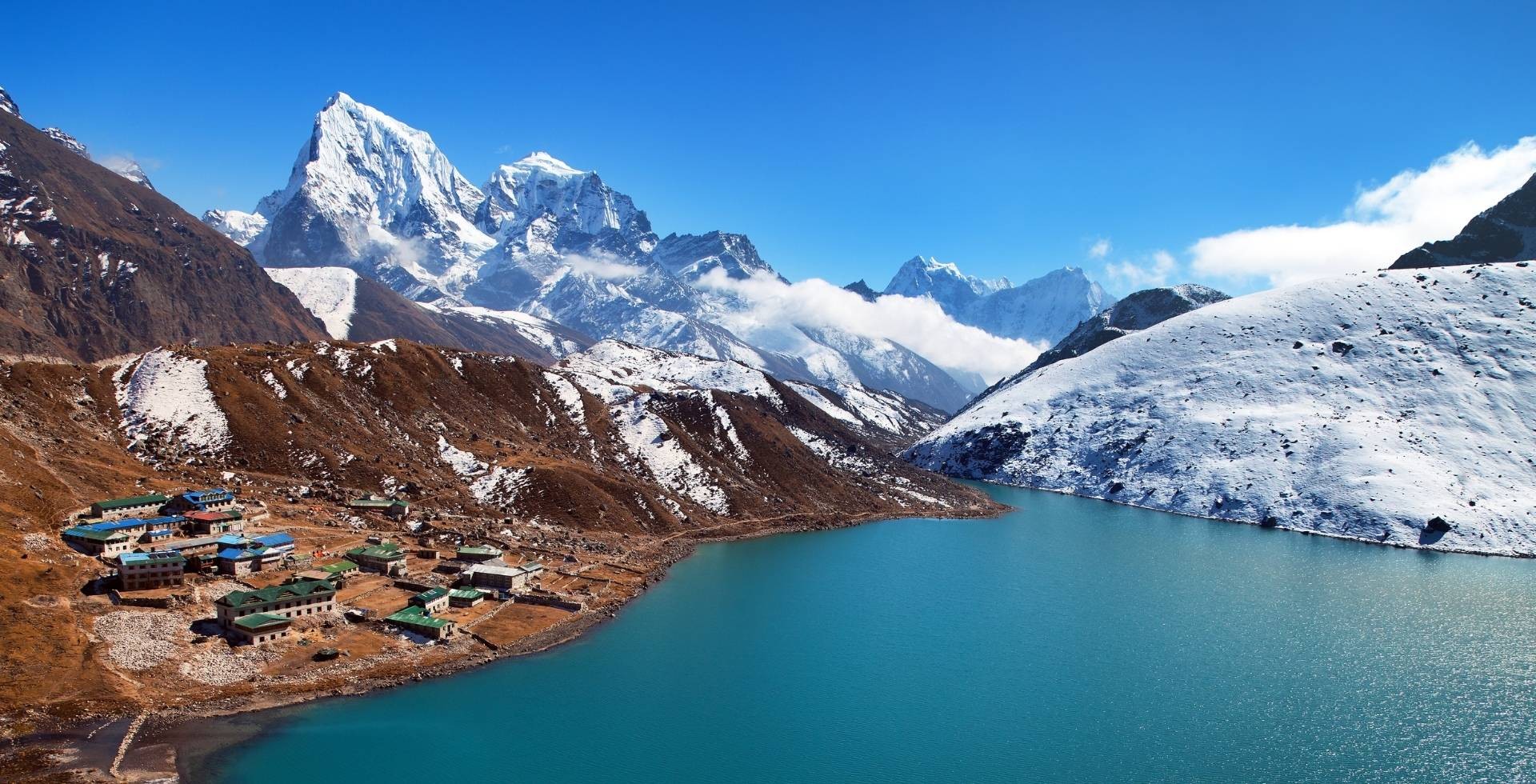
Located right at the edge of the Khumbu region, Gorak Shep (5,180 m) is the final settlement on the Everest Base Camp route. Unlike the other villages along the trail, only basic facilities are available here.
Another important point about Gorak Shep is that it serves as the launching point for trekkers heading to Everest Base Camp itself and to Kala Patthar.
Here, you’ll find only a handful of lodges and no vegetation at all. Despite that, a one-night stay here (right after descending from EBC) keeps you motivated for the next morning's hike to Kala Patthar.
Pheriche: A Brief Stop on Your Return Journey
Once you’ve ticked off both EBC and Kala Patthar, your return hike takes you to Pheriche (4,260 m), located in the Imja Valley. Here, you get to explore the traditional yak-herding settlement.
A major highlight in the village is the Himalayan Rescue Association (HRA) clinic, which provides education and medical aid for those suffering from altitude sickness. It’s definitely worth a stop, especially since you don’t pass this part of the trail during the ascent.
Cultural Experiences to Enhance Your Trip
Before entering the mighty Everest region, your journey begins in the heart of Nepal’s culture, Kathmandu. You’ll explore royal palaces, sacred stupas, Hindu temples, and Tibetan-inspired monasteries.
Once the trek unfolds, this trip to Everest Base Camp won’t just be about landscapes and mountains. It will also be about people and their legendary stories. You’ll meet the Sherpa community, experience colorful festivals (if the timing is just right), and learn about Buddhist practices along the Himalayan trail.
Here are the cultural highlights of this EBC trip:
Kathmandu Sightseeing and Cultural Dinner
Before your Everest adventure begins, you’ll land in the cultural heart of Nepal, the Kathmandu Valley! It’s a designated UNESCO World Heritage Site and home to seven monumental zones that showcase centuries of history, art, and spirituality.
It’s not just the country’s political capital but a living museum of traditions where Hindu and Buddhist cultures coexist.
On this tour, our professional guide will take you through four of the valley’s most iconic landmarks:
- Kathmandu Durbar Square: This site once served as the royal palace of the Malla and Shah kings and features over 50 temples, palaces, and courtyards. The highlight is the Kumari Ghar, home to Nepal’s Living Goddess.
- Swayambhunath Stupa: One of the oldest religious sites in Nepal, its legends trace back to the very formation of the Kathmandu Valley. The legendary monkeys have earned it the nickname ‘Monkey Temple’, and it also serves as a hilltop vantage point offering panoramic views of Kathmandu and the surrounding mountains.
- Pashupatinath Temple: The holiest Hindu temple in Nepal, visited daily by thousands of pilgrims. Its golden pagoda-style temple, sacred Aryaghat cremation sites on the Bagmati River, and centuries-old rituals provide an unforgettable spiritual experience. In fact, the itinerary can be tweaked to incorporate Shandya Arati too!
- Boudhanath Stupa: Dating back to the 5th–6th century, this stupa is one of the world’s most important Buddhist pilgrimage sites. Circled by prayer wheels, Tibetan monasteries, and shops selling thangka paintings, Boudhanath is a must-visit. You can even try authentic Tibetan food before ending your evening.
Along with visiting these iconic spots, the final experience offered by Altitude Himalaya is a cultural program over a farewell dinner. This lets you dive deep into Nepal’s diverse communities, their costumes, traditional dances, folk songs, and more.
It’s honestly one of the best ways to end any journey in Nepal. The customs and cultures are so unique across different regions that you’re bound to be fascinated!
Meet the Famous ‘Sherpa’ Community
No journey to Everest (or even its base camp) is complete without meeting the legendary Sherpa people. Originally of Tibetan origin, they have lived in the Khumbu region for centuries!
From guides to porters, they will be your companions throughout the EBC trek. At Altitude Himalaya, it’s our priority to ensure you learn about their Tibetan Buddhist traditions, the colorful monasteries they pray at, and their deep love for the mountains. Today, Sherpas are recognized globally as expert climbers and guides.
Not to forget, Tenzing Norgay, the first person to summit Everest with Sir Edmund Hillary, was also a Sherpa. And today, his legacy is carried forward by record-holding climbers from the region.
Since you’ll mostly be staying in Sherpa homes, you’ll also experience their warm hospitality. Just be sure to show the same respect to them that they extend to every guest.
Besides Sherpas, you’ll also find Tamang and Rai communities living alongside them, adding even more cultural richness to your Everest journey.
Stop By Different Monasteries
To dig deeper into Tibetan Buddhism and the Sherpa culture, this trip also features some of the region’s well-known monasteries. Step inside, meet the monks, and make sure to absorb as much knowledge as possible during your visit to these gompas:
- Uche Chholing Monastery: Located along the Phakding–Namche trail, this small but culturally significant monastery in Monjo offers a serene experience. Inside, you’ll find monks deep in prayer, guided by the chief monk.
- Khumjung Monastery: During your Namche acclimatization hike, you’ll visit Khumjung Village, where the highlight is this famous monastery, believed to house a Yeti scalp!
- Tengboche Monastery (Dawa Choling Gompa): En route to Deboche, you can stop at the most iconic monastery in the Khumbu region. Known as the spiritual heart of the Sherpa people, it hosts major Tibetan festivals, including the very popular Mani Rimdu festival.
- Nangkartsang Gompa: Less visited by trekkers, this gompa can be included on an optional acclimatization hike when heading to Nangkartsang Peak. There’s one diversion in the trail that you need to keep an eye out for!
Yeti Legends and Other Himalayan Myths
Who hasn’t heard of the legendary Yetis? You might have even seen depictions of them as giant apes with sharp teeth and a mystical aura. In fact, many of you reading this may have come across AI-generated videos that have gained quite a lot of attention in recent years.
What many don’t know is that in pre-Buddhist and Bon traditions, these Glacier Beings were actually worshipped as a form of god. The Lepcha community of the Himalayas even believes them to be the spirit of the hunt and are also regarded as the master and protector of all animals.
The tales go far beyond what the internet can offer. So, if you’re curious, there’s no better place than Everest to explore them. During your EBC trek, you’re sure to hear even more of such stories. Just don’t hesitate to strike up this conversation with the locals at the lodges you visit.
 10 Km
10 Km 2610 m