Langtang Valley Trek is one of those treks in Nepal where you don't have to break the bank to have a life-changing experience.
It can be completed in just 6 to 7 days, and the total cost can stay between USD 500 and USD 800 per person. That's already a great deal for a Himalayan trek, right?
And if you're planning to make the most of your Nepal trip (like adding Kathmandu sightseeing to your itinerary), along with arrival and departure included, the Langtang Valley Trek becomes a full 9 to 10 day experience. This cost ranges between USD 1,000 and USD 1,300 per person.
At Altitude Himalaya, our standard 10-day Langtang Valley Trek package starts at USD 1,280 per person. That includes your guide’s salary, all accommodations, visits to Kathmandu’s UNESCO World Heritage sites, and meals throughout the trek. I'll explain why that price makes sense in a bit.
Now, for independent trekkers, the cost can drop even further! But you have to keep certain things in mind. Without a guide, there's no one except locals to assist you when things go sideways.
Know that in the mountains, things do go sideways sometimes (not everything is guaranteed). I’m talking about permits, transportation, food, accommodation, and a few other factors that affect your overall trekking budget.
Also, a heads-up: there are additional costs that don't fall under any agency package. These include things like personal gear, snacks, medications, and your own spending habits along the trail. Yes, they require a separate budget allocation.
Now, without further ado, let me do a complete Langtang Valley cost breakdown so that it becomes easier for you to plan your trek ahead.
Summary: How Much Does Langtang Valley Trek Cost?
Here is a general breakdown of the cost for the Langtang Valley Trek:
|
Cost Element
|
Approx. Cost
|
Impact on Budget
|
Included in Travel Agency’s Package?
|
|
Permits
|
USD 10 - 35
|
2 - 5%
|
Yes
|
|
Transportation (two-way)
|
USD 20 - 25 (public, per person) / USD 250 - 350 (for private vehicle, cost divided among the passengers)
|
5 - 15%
|
Yes
|
|
Guide salary
|
USD 25 - 35 per day (overall USD 150 - 200)
|
30 - 40%
|
Yes
|
|
Porter salary
|
USD 15 - 25 per day (overall USD 100 - 150)
|
20 - 25%
|
Depends on agency
|
|
Accommodation and Meals
|
USD 100 - 120 total (package, 6 to 7 days)
|
20 - 25%
|
Often
|
|
Charging, Wi-Fi, Hot showers (in some places only)
|
USD 15 - 30
|
3 - 5%
|
No (but if you choose teahouse package, usually free)
|
|
Extra food, drinks, and personal expenses
|
USD 30 - 40
|
5 - 10%
|
No
|
|
Snacks and Medications
|
USD 15 - 20
|
3 - 5%
|
No
|
|
Tips for guide, porter, and driver (total)
|
USD 100 - 120
|
15 - 20%
|
No
|
|
Emergency Cash
|
USD 25 - 30
|
3 - 5%
|
No
|
|
What’s not included here: travel insurance, shopping, and other impulsive expenses.
|
Detailed Langtang Valley Trek Cost Breakdown
Let me straight away get into what your daily and overall expenses in the Langtang Valley Trek shall look like.
Whether you're trekking with us or going independently, here are the factors that give a transparent look at every cost you'll encounter in the Langtang Valley trails.
Permit Cost
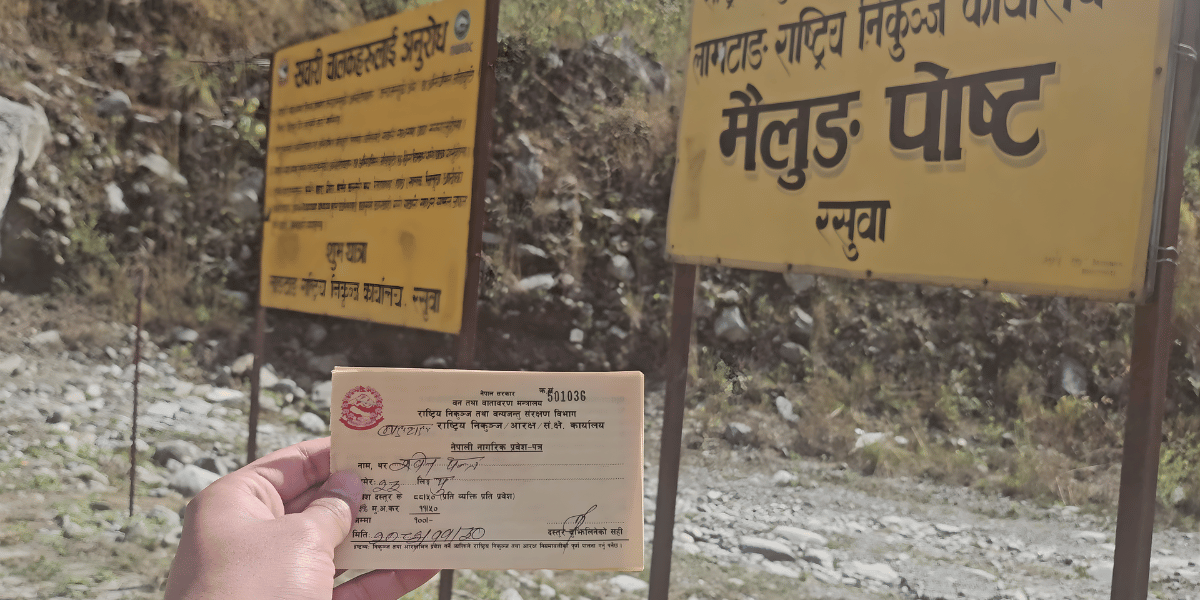
There is one compulsory permit for the Langtang Valley Trek: it’s the Langtang National Park Entry Permit. Its cost varies based on your nationality.
The TIMS (Trekkers Information Management System) Card is technically optional these days, but I'd still highly recommend it. It serves as a safety measure for you and for your guides, and it barely adds to your overall cost.
Whether you're going independently or with a reliable trekking agency, the permit fees are the same. Just note that separate costs apply for those taking porters along.
Also, solo trekking is permitted in the Langtang Valley. Those thinking of travelling that way can get the permits from the checkpost in Dhunche (or Mailung). Or, you could even apply for the permit at the Nepal Tourism Board office in Kathmandu ahead of your trek.
Here's the complete permits breakdown:
|
Permits
|
Nepali Citizens
|
SAARC National
|
International Trekkers
|
Child Discount
|
Porter Fee
|
|
Langtang National Park Entry Permit
|
NPR 100
|
NPR 1500
|
NPR 3000
|
Free for children below 10 years
|
NPR 25
|
|
TIMS (Trekkers Information Management System) Card
[OPTIONAL, we’ll provide if necessary]
|
-
|
Group: NPR 300
|
Group: NPR 1000
|
-
|
| |
|
|
Camping Fee (for those wishing to choose camps over teahouses)
|
NPR 100
|
NPR 1000
|
NPR 1500
|
-
|
Transportation Cost
There are multiple ways to reach Syaphru Bensi (or Syabrubesi), the starting point of the Langtang Valley Trek, from Kathmandu:
- Public Transport: This costs around NPR 1,000 to 1,500 (approx. USD 8 to USD 10) per person. Both regular buses and electric van options are available from Machhapokhari in Kathmandu. Some choose the Galchi route to connect with the Pasang Lhamu Highway, while these days, the Tokha-Bidur road has become a more preferred option. (Two-way cost: NPR 2,000 to 3,000, i.e. USD 15 to 20)
- Private Vehicle: Instead of the public vehicle hassle, you may opt for a private car/jeep/vans (for larger groups) to reach Syaphru Bensi. The cost depends on the vehicle operator (around NPR 20,000 to 25,000, i.e. USD 130 to 165 for 4-to-6 seater vehicle). Expect to pay more than for the public bus for its added comfort and convenience. (Two-way cost: NPR 40,000 to 50,000, i.e. around USD 250 to 350)
Here’s one note from our own experience: we once explored an alternative route via Mailung to see if it could be a faster option. And the latest news (as of April 2026) is that the scenery is different, but the road conditions still need improvement.
So, for now, the Dhunche route via Trishuli Bazar remains the most reliable and practical way to get there.
Daily Accommodation and Food Cost
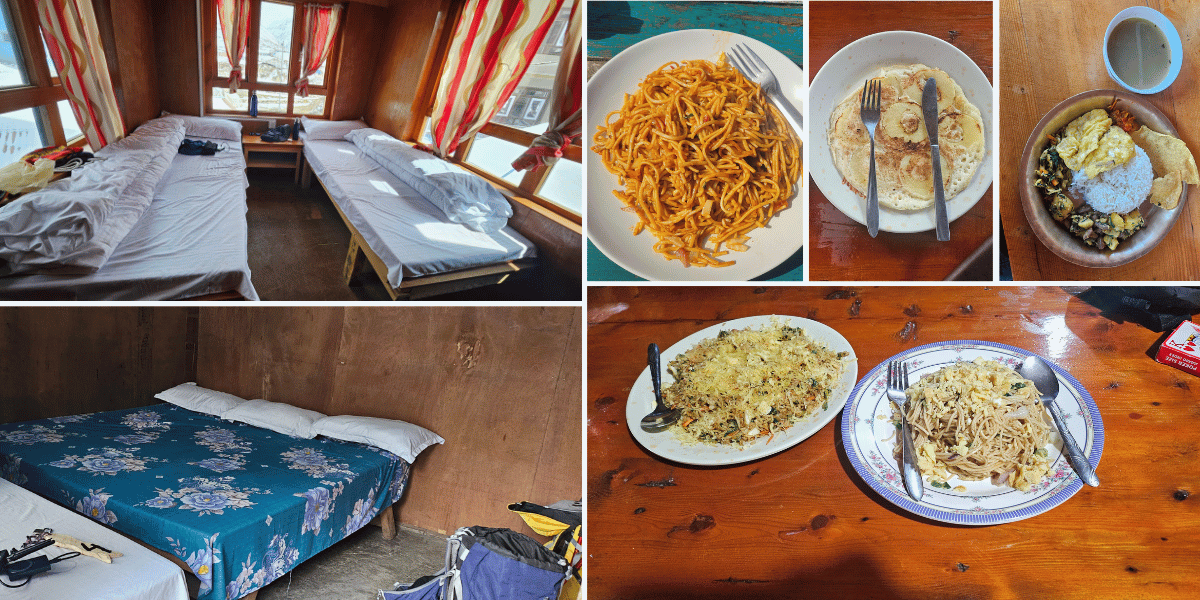
Accommodations in Langtang Valley Trek vary depending on where you are on the trail and which lodge you're staying in. There’s no hotel classification system like those in the cities, as your stays are going to be in teahouses or mountain lodges.
And Langtang Valley has a good mix of teahouses, from basic to reasonably comfortable. These lodges charge based on what they offer: diverse food options, hot showers, Wi-Fi, charging facilities, and other amenities.
You also have a choice between:
- Full package: Room + Two meals + hot beverages (included at a flat rate)
- Paying separately: Separate charge for room and food (that you get to order from the available menu). The advantage of this option is that you get to try a wider variety of food rather than being locked into a set option.
Per Person Package
Now, here’s a realistic per-person breakdown based on our own experience on the trail:
- Syaphru Bensi (can be two nights): Since different types of accommodation options are available, prices can vary accordingly depending on the standard of stay and included services. (approx. USD 20 to 25 per night)
- Bamboo: NPR 1,500 to 2,000 (approx. USD 10 to USD 15)
- Lama Hotel (can be two nights): NPR 1,500 to 2,000 (approx. USD 10 to USD 15)
- Langtang Village: NPR 2,000 to 2,500 (approx. USD 15 to USD 20)
- Kyanjin Gompa (for two nights generally): NPR 2,000 to 3,000 (approx. USD 15 to USD 25)
If you opt for the package system, the total accommodation with two meals and amenities across all nights comes to roughly NPR 15,000 to 18,000 (approx. USD 100 to USD 120) per person.
Separate Rooms and Meals
For separate rooms, teahouses charge anywhere from NPR 500 (in lower sections) to NPR 1000 (in higher sections). Some may not allow you to bring food from outside, so be sure to keep this rule in mind.
While breakfast and dinner are included in teahouse packages, lunch costs separately.
Likewise, if you choose to pay separately (not opting for the package system), charges may go a little higher compared to the Dal Bhat (for dinner) and chapati/Tibetan bread/porridge (included for breakfast) that the teahouses include in their packages.
To give you a much clearer idea,
- At lower sections of the trail (from Pairo to Lama Hotel), a typical meal like pancakes or Tibetan bread costs NPR 400 to 600, and Dal Bhat around NPR 650.
- At Langtang Village (and surrounding area), breakfast runs NPR 550 to 700, lunch NPR 600 to 750, and dinner NPR 700 to 800.
- At Kyanjin Gompa (and surrounding area), prices are noticeably higher. Breakfast is NPR 800 to 900, Dal Bhat goes up to NPR 950, and other dishes like pasta or chowmein range from NPR 800 to 900.
Basically, the higher you go, the more expensive the food in Langtang Valley Trek becomes! And it makes complete sense once you see how goods are transported up the trail.
Sometimes, it's porters carrying loads on their backs, while other times, it's a row of mules that you'll have to step aside for on the narrow trail. Well, that effort has a cost that we all must respect.
Hidden Costs in Teahouses?
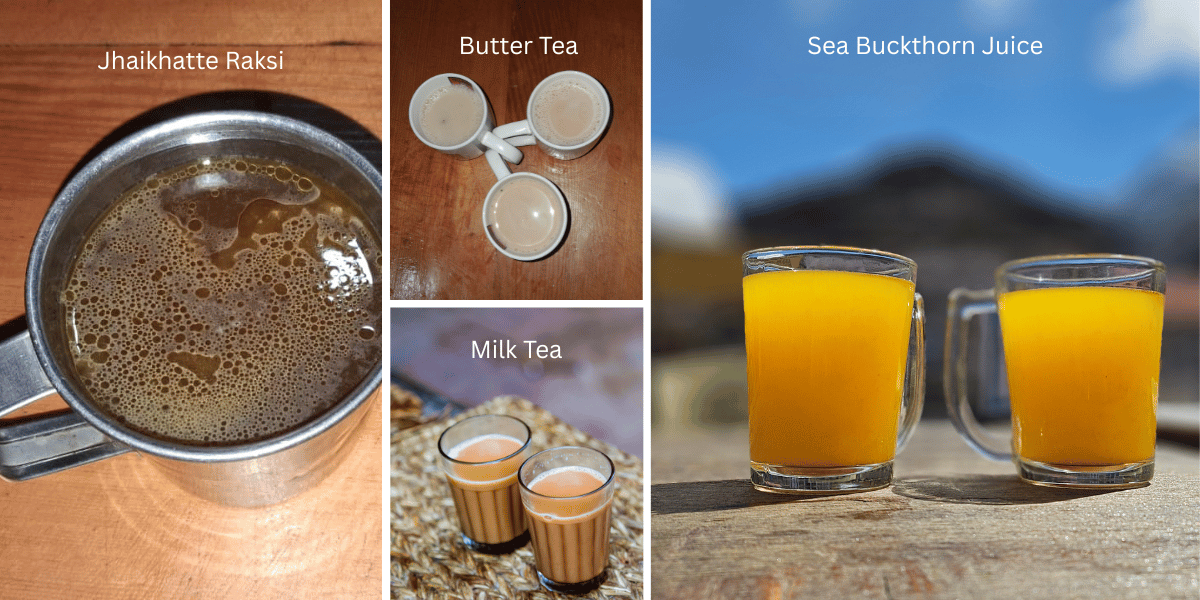
Besides, there are costs most trekkers don't plan for, but you should be mentally prepared for them too. These include:
- Tea and hot drinks: Tea can cost NPR 50 to 300 (depending on location and type). Don’t miss out on Sea Buckthorn juice. One or two glasses at NPR 250 to 400 each is well worth it.
- Drinking water: NPR 50 to 100 per litre (many let you refill your bottles for free, but this is just in case)
- Besides these, if you try other drinks, they will likely cost extra.
While most teahouse packages include Wi-Fi, charging, and hot water, some places might not. So, this can add to the extra cost (especially if you’re travelling independently). Expect to spend under USD 5 at each stop for:
- Hot showers: NPR 300 to 500
- Charging: NPR 100 to 300
- Wi-Fi: NPR 200 to 400
Note that these numbers were from our own content team’s experience on the trail, and I've given a slightly wider range so you have a realistic picture of what you'll actually spend.
Also, this applies mainly to independent trekkers because when you trek with an agency like Altitude Himalaya, your three meals are already included in the package price.
But you'll still need your own cash for sea buckthorn juice, extra snacks, and personal expenses.
Extra Snacks and Medications
Now comes the part that not even trekking agencies cover within the package, so these things shouldn't be overlooked!
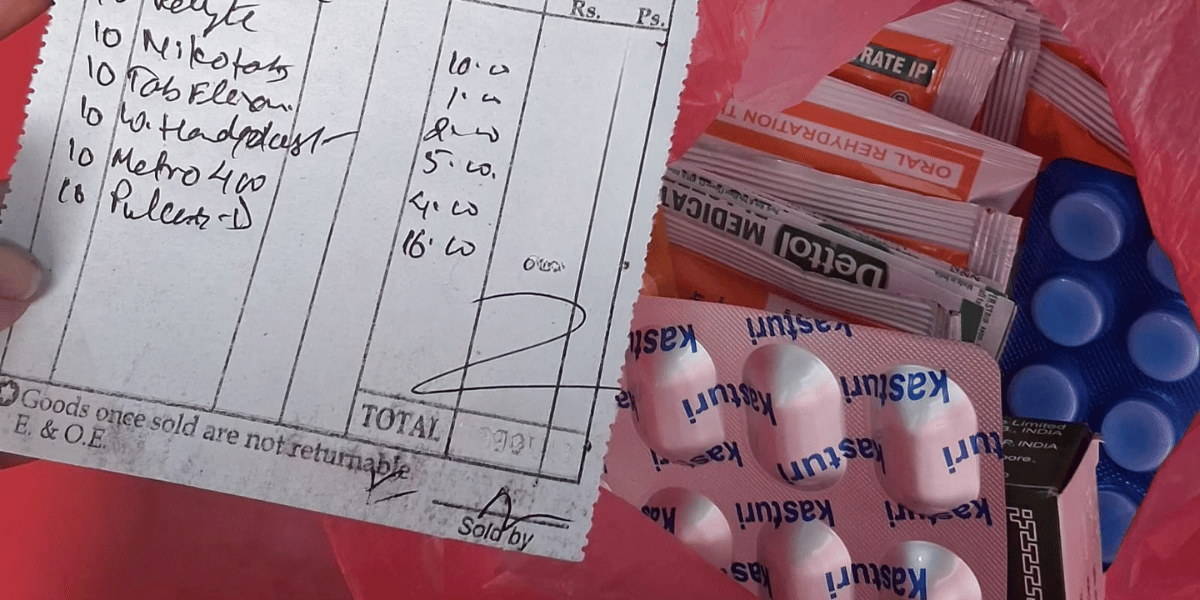
Your guide will carry some general medications, but you should still bring your own basics. Your Langtang Valley Trek packing list should include protein bars, granola bars, chocolates, instant noodles, biscuits, or other preferred items for extra fuel on the trail.
I suggest budgeting around NPR 2,000 to 2,500 (approx. USD 15 to USD 20) separately for these general snacks and personal medications. And of course, if you have specific dietary needs or prefer branded products, the cost can go higher. So, plan for that accordingly and shop in Kathmandu before heading out.
Guide, Porter, and Guide-Porter Cost
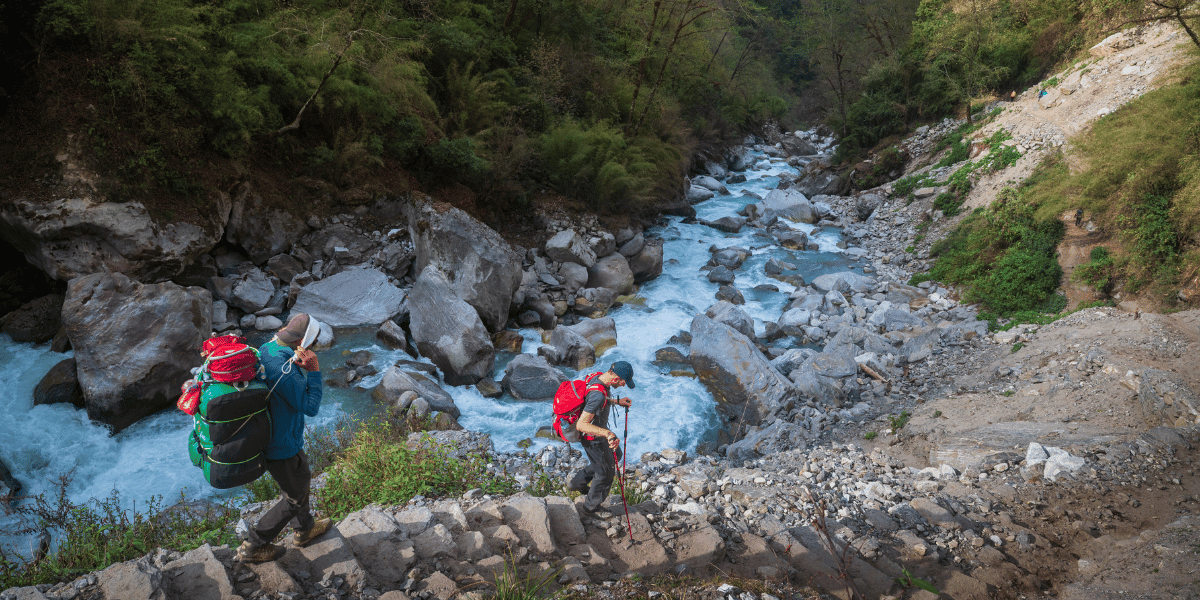
If you're trekking with Altitude Himalaya, we include both a separate guide and a separate porter in our packages. You have the option to skip porters, though.
But if you look into some local agencies, you may find a guide-porter over two professionals to reduce costs. That's one person doing two jobs at a reduced salary.
This is not something we support at Altitude Himalaya as part of our responsible tourism policy, even though we technically can arrange it if a guest specifically requests it.
Instead, we even sometimes send along one of our own team members for larger groups, just to make sure you have proper support throughout. You see, we only want you to have the best experiences, and we’re going to do everything beyond to achieve that!
Now, here's the daily rate breakdown for reference:
- Professional government-licensed guide: USD 25 to 35 per day
- Government-licensed porter: USD 15 to 25 per day
- Guide-porter (dual role): USD 25 to 30 per day
Please don't forget to tip your guides, porters, and drivers at the end of the trek. It's not a compulsion, but it's a deeply rooted tradition in Himalayan trekking culture.
I generally suggest budgeting at least 10% of your overall trip cost. And if you're in a group, you can definitely pool together! It's just going to be a small gesture for the people who make your trekking experience wonderful.
Expenses Beyond the Basics
These are costs that often don't make it into any Langtang package or cost breakdown, but they're real. So, definitely don’t forget about them:
- Emergency evacuation: If you fall ill and need to descend with pack animal support or porter assistance, that adds cost. In extreme cases, a helicopter evacuation from the Langtang National Park can cost beyond USD 2,500, depending on conditions and your pickup location. While altitude sickness isn’t a major concern on this trek, you never know what might happen in the mountains. So, you need to be prepared at all costs!
- Travel insurance: The above point leads directly here. Travel insurance is not compulsory for Langtang Valley Trek, but it's something I personally believe is non-negotiable. Make sure your policy covers high-altitude trekking and emergency helicopter evacuation. Expect to pay USD 100 to 300 for a policy that actually covers you properly.
- Gear: Here’s Langtang Valley Trek requires standard trekking gear: sturdy hiking boots, trekking poles, moisture-wicking base layers, a warm mid-layer, a windproof outer jacket, a hat, gloves, sunglasses, and a headlamp. If you're buying in Nepal, Thamel in Kathmandu has everything at a range of price points. Quality varies, so don't compromise on footwear. I recommend budgeting around USD 100 to 400, depending on what you already own and what you need to buy or rent.
Payment Methods in Langtang Valley
I'll be honest: I was genuinely surprised to find an ATM in Kyanjin Gompa. That was something I didn't expect, because we never see these machines up in the mountains (at least I haven’t until now).
This easily says villages in Langtang Valley are heading for positive changes. But still, it’s highly recommended to carry Nepali cash. Let me tell you why…
Nepali Cash (NPR)
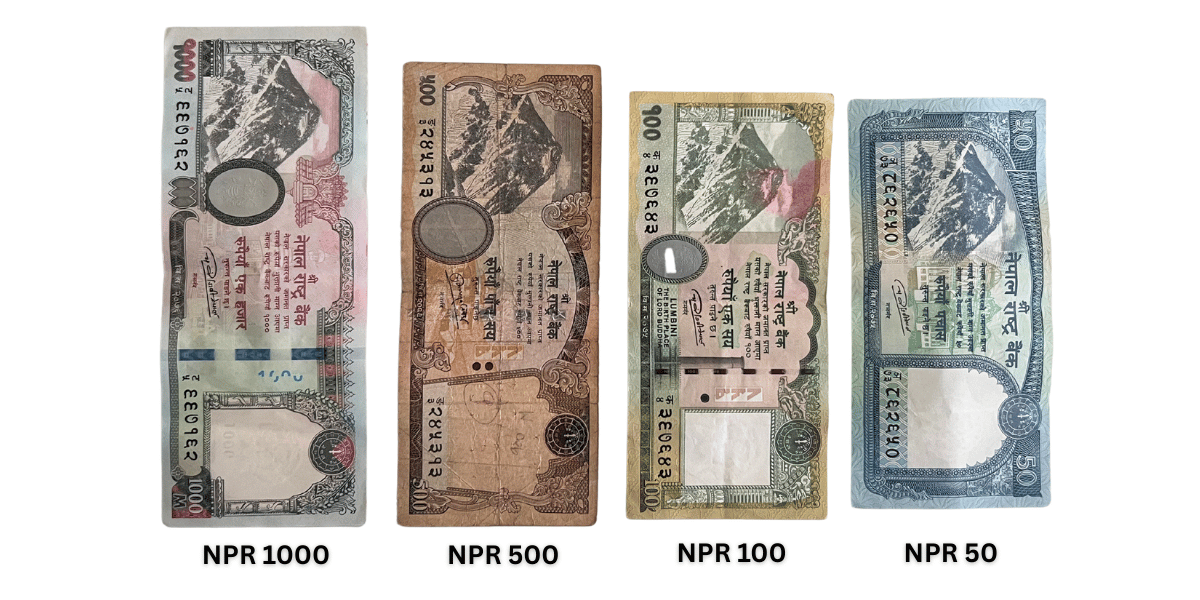
The best approach for payments in Langtang region is to give cash in hand to the service providers. For that, it’s good if you carry all cash with you from Kathmandu itself.
Honestly, as long as you have cash, you don't have to rely on any other method as your primary plan. However, one thing is for sure: cash distribution is essential!
Just don’t place all cash in one place; instead, find different pockets or compartments in your trekking bag. I learned this the hard way after losing my wallet on a trek once. That lesson never left me!
You can exchange your foreign currency at any foreign exchange counters in Thamel, Kathmandu, before heading for the trek. And if you're booking with us or any other agency, your guide handles most of the major payments during the trek (so, no need to worry much).
Still, carrying extra NPR for personal expenses is essential, as those are always on you!
My Cash Split Strategy:
Remember the cash distribution technique I mentioned above? Well, here's what I personally do (and recommend to you):
- Divide your total cash into 7 to 8 equal groups. For instance, NPR 40,000 can be split into 8 groups of NPR 5,000 each.
- Store each group in a different compartment of your bag or clothing, such as your trouser pockets, inner bag compartments, your wallet, or even a phone cover or first aid kit.
- Make sure every spot has a proper zipper or seal.
- Designate one pocket as your active spending pocket. When it runs out, refill it from another group.
This way, now, even if you lose your cash from one spot, the rest of the money remains safe. The key is choosing random, unexpected places that only you know about.
ATM in Kyanjin Gompa
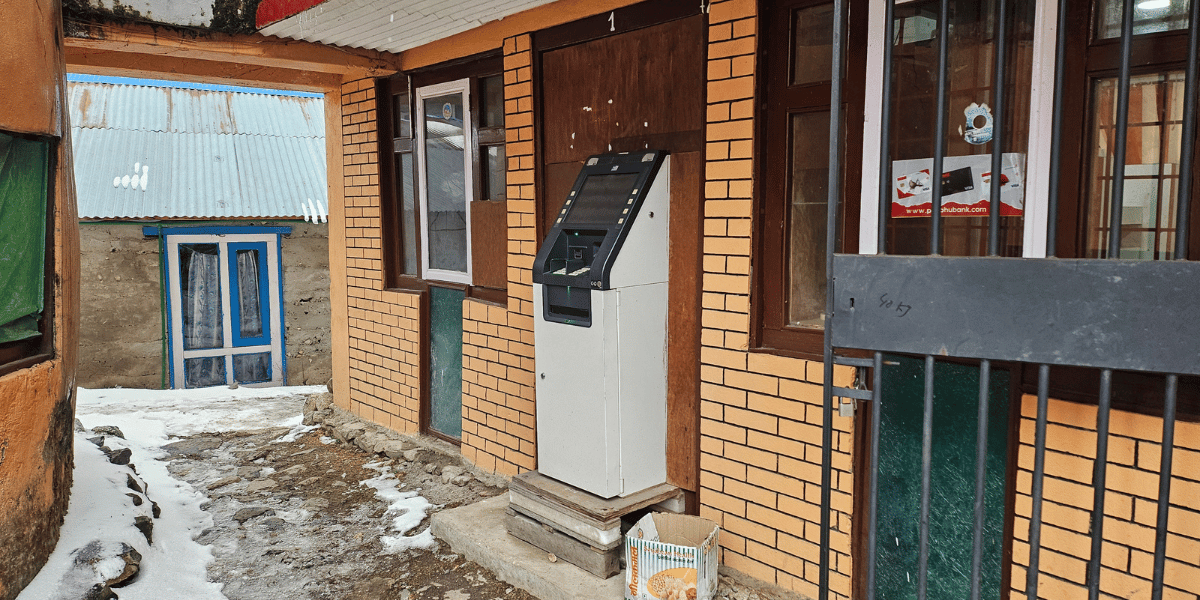
Yes, there is currently an ATM in Kyanjin Gompa, and it's working just fine! But technical issues can still happen, especially during bad weather. So, you cannot absolutely rely on it as your main cash source.
But as I mentioned earlier, it's a great sign for Langtang Valley. And I’m sure more will follow in the coming years! (We'll update this once more ATMs are installed along the trail.)
Besides Kyanjin, there are no ATMs along the Langtang trail. The last reliable ATMs before the trek are in Syaphru Bensi, so be sure to take out all required cash here itself. Even better if you carry it from Kathmandu itself!
While your cards will work in the ATM, there is no option for card payment anywhere along the Langtang Valley trails (as of April 2026).
Online Payment
While it’s possible to use online payments at some teahouses along the trail (where connectivity allows), know that network issues are common during bad weather here. So, online payment is not something you should plan around.
And yet again, I’m going to lean towards suggesting carrying cash. Because when trekking in the mountains, cash remains the king!
Money Etiquette on the Langtang Trail
The Langtang Valley was devastated by the 2015 earthquake, as the primary commercial and residential hub was buried by the massive avalanche. It has been a painful period for the locals as many lost their dear ones during this tragic natural disaster.
Many lodges have now been rebuilt from scratch, which shows how resilient the Tamang people of Langtang Valley are. One thing remains the same even after the disaster: these Tibetan-influenced communities are warm and deeply hospitable.
Keeping that dark past in mind, please know how you spend money here. Here are some tips to ensure you won’t make any mistakes:
- Don't bargain aggressively. Getting goods here costs real effort, whether it's porters or pack animals doing the carrying. So, the prices are more than fair for what they are!
- If you check out later than expected (could happen in Kyajin Gompa if you decide to head downhill the same day after returning from Tsergo Ri), pay the extra charge without hesitation. Lodge owners have routines and guests to prepare for, and if you cancel at the last moment, it could result in their loss.
- Respect the tipping culture and reward your guides and porters (also, jeep drivers if you’re travelling privately or with an agency). Even in a group, pooling together for a tip is completely normal and expected.
- Donate cash only to monasteries or places with dedicated donation boxes.
- Please don't give money directly to children or beggars. Instead, buy them food or clothing. In fact, this applies everywhere in Nepal, not just on the Langtang trail.
Money Saving Tips For Langtang Valley Trek
Langtang Valley Trek is already one of the most budget-friendly treks in Nepal compared to the popular Everest Base Camp, Annapurna Circuit, or even the Annapurna Base Camp.
And if you follow these tips from me, I know you'll stretch your budget even further:
- Join a group trek instead of booking a private one. It brings the per-person cost down and you get to share the experience with others. We're working on launching group join treks for Langtang, so keep an eye out for that.
- Avoid peak seasons if you can. Spring (March to May) and autumn (September to November) are the busiest yet best months for the Langtang Valley Trek, and both accommodation and transport prices rise noticeably during these periods.
- Opt for public bus/van to Syaphru Bensi instead of a private jeep. The road is in good condition, and the bus ride itself gives you a wonderful slice of daily Nepali life.
- Choose Dal Bhat over Western food. It's cheaper, more filling, and your gut will genuinely thank you after the difficult sections of the Langtang valley Trek.
- Carry a water bottle/thermos and purification tablets rather than buying bottled water at every stop. Drinking water prices go up after crossing Syaphru Bensi.
- Skip the hot shower once you're above Lama Hotel. Wet hair at high altitude in cold temperatures is a recipe for getting sick, and that's the last thing you want mid-trek.
- Try avoiding excessive meat at higher elevations. Refrigeration is limited up there and freshness is not guaranteed (because Langtang is a non-violent zone). You can rely only on eggs and turn into a vegetarian for the week. This naturally makes your trek cheaper and safer.
- Skip the western food options. While pizz and french fries might sound tempting, they're not cost-efficient and are not particularly the best in taste and health.
Langtang Valley Trek With Agency vs Independent
One major question from tourists: should you go with an agency or tackle the Langtang Valley Trek independently?
Well, low cost is tempting, I get it. But here's an honest comparison:
|
Trekking with an Agency
|
Trekking Independently
|
|
Extra charges on agency fees and a small commission apply to every service.
|
The cost is lower (of course!).
|
|
You get safety as the priority.
|
You have to manage everything yourself with no backup.
|
|
Dedicated guide and porter support included.
|
If you want a guide or porter, you’ll need to find them on your own.
|
|
Guaranteed accommodation even during peak season.
|
May face accommodation issues during peak spring and autumn seasons when teahouses fill up fast.
|
|
All meals included (some agencies even cover extra drinks, no need to worry about teahouse package or independent payment.
|
You have to manage all sorts of payments yourself.
|
|
Proper support during bad weather or emergencies.
|
During bad weather or a medical situation, you rely entirely on locals or other trekkers nearby.
|
Well, the cost difference might save you USD 200 to 400. But the question is whether that saving is worth the uncertainty?
If I’ve convinced you to choose a reliable trekking agency, I hope you give Altitude Himalaya a fair chance.
Langtang Valley Trek Cost Packages From Altitude Himalaya
Our most-demanded Langtang Valley Trek package that works for most of our guests is the 10-day classic version.
But we’re not limited to just that. We also offer extended itineraries and fully customizable options. Let me walk you through each one.
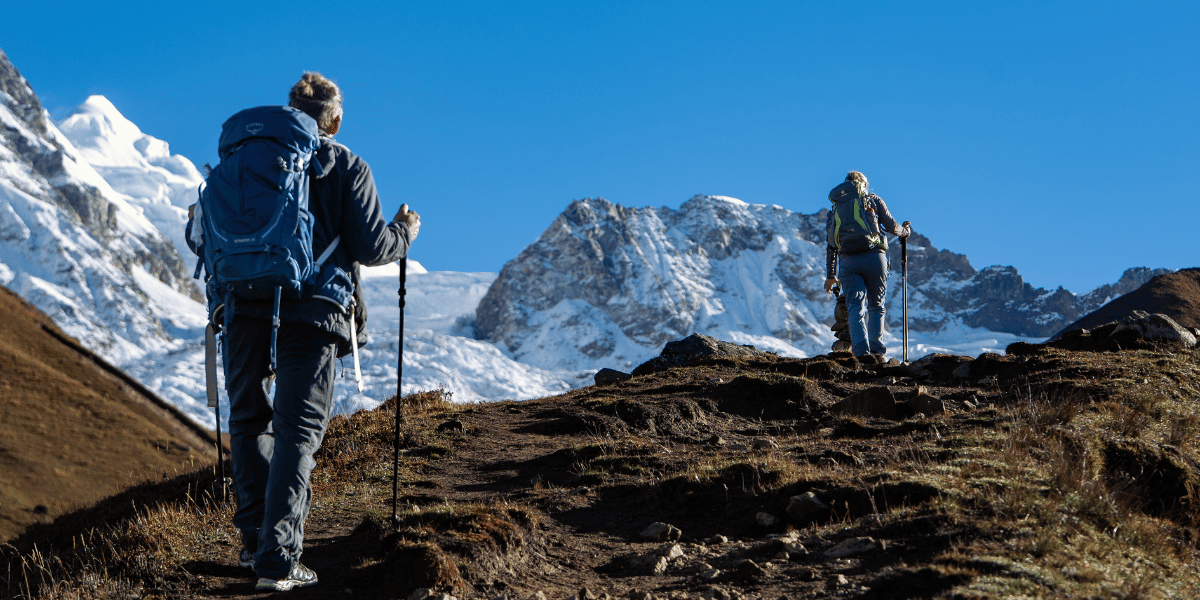
This is our flagship package I’ve been referring to. It’s a full-board service that we offer from your arrival in Kathmandu on Day 1.
You get to spend a day doing a proper sightseeing tour across UNESCO World Heritage Sites, and then get into the trek from Day 3 onwards.
One question that we’re often asked: why USD 1,280 when other packages are available for under USD 1,000?
Here's the honest answer. We don't just send you into the mountains with whoever is available. You get a professional and knowledgeable guide from our young team.
This guide doesn't just show you the route but also takes the responsibility of teaching you about the culture, the people, and the landscape along the way.
Moreover, we also include a porter who carries 20-22 kg of baggage (per two trekkers). Also, accommodation and all three meals are covered during your Langtang Valley Trek.
The difference in price with other local trekking agencies is clearly seen once you travel with us. Our prior guests’ reviews speak for us!
This is going to be the 10-day itinerary:
- Day 1: Arrive in Kathmandu.
- Day 2: Kathmandu Sightseeing and Trek Preparation.
- Day 3: Drive from Kathmandu to Syaphru Bensi / Syabrubesi.
- Day 4: Syabrubesi to Lama Hotel.
- Day 5: Lama Hotel to Langtang Village.
- Day 6: Langtang Village to Kyanjin Gompa, Evening Hike to Kyanjin Ri.
- Day 7: Optional Hike to Tsergo Ri, Kyanjin Gompa Exploration.
- Day 8: Kyanjin Gompa to Lama Hotel.
- Day 9: Lama Hotel to Syaphru Bensi, Drive to Kathmandu.
- Day 10: Farewell and Departure.
This USD 1,280 package includes:
- Airport pickup and drop-off on a private basis.
- All Kathmandu sightseeing on a private vehicle with entrance fees and a professional government-licensed tour guide.
- Private vehicle for the drive to Syabrubesi and back.
- 3-star hotel accommodation in Kathmandu for the required nights (breakfast included)
- All teahouse accommodation during the trek with full BLD (breakfast, lunch, and dinner).
- All required permits: Langtang National Park Entry Permit and TIMS Card (optional).
- A professional English-speaking government-licensed trek guide and a porter (as mentioned earlier), including their food, salary, accommodation, and allowance.
- Additional services: one local SIM card (returnable), emergency helicopter service arrangement (covered by traveler's insurance), all government and local taxes, a traditional Nepali cultural dinner on the final evening, and a trek completion certificate.
Short Langtang Valley Trek in 6-7 Days
Not interested in arrival/departure services, the sightseeing portion in Kathmandu city we gave in the classic package? That's completely fine!
We can even arrange a shorter package for you, covering the same Langtang Valley Trek route at a reduced cost. The inclusions remain similar to the classic version. And you even have the option to exclude porters and other add-ons based on your preference.
This customizable Langtang Valley Trek format has worked well for a lot of our guests before who seek flexibility without compromising on safety. All we want to say is: this is indeed possible!
All you have to do is contact us directly and we'll sort out a quote based on exactly what you need.
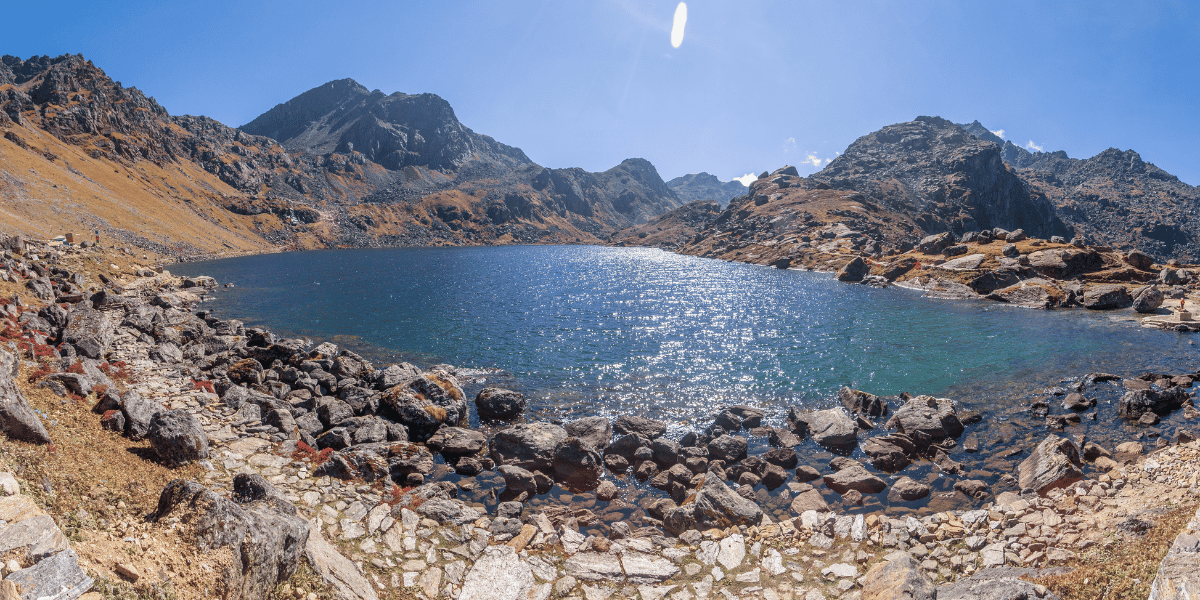
This is the extended version of our classic Langtang Valley Trek, and honestly, it's one of my personal favourites.
For just a little more than the standard package, you get to combine two of the most iconic attractions within the Langtang region: the Langtang Valley as well as the sacred Gosaikunda Lake.
These are both located within the Gosaikunda Rural Municipality, and the highlight is that, within the same trip, you get two different landscapes and experiences.
The 14-day Langtang with Gosaikunda Trek itinerary first involves visiting the Langtang Valley. Then, you’ll return from Kyanjin Gompa and divert from a little ahead of Pairo towards Thulo Syaphru that lands you in Cholangpati.
Next, you’ll take the moderate uphill towards Gosaikunda Lake. The return will take you directly to Dhunche (with an option to do the Laurebina Pass after passing Surya Kunda Lake in Nuwakot district).
This adds around 3 to 4 days to the classic version and is well worth the extra time and cost. I’ve been to both locations, and I seriously think you should opt for this package if you have got that extra time.
This one is for those who care deeply about culture, not just views. As the name suggests, the Tamang Heritage Trail is a culturally focused route that passes through traditional Tibetan-influenced villages before connecting to the classic Langtang Valley route.
You get to meet with a very different Tamang community with deep Tibetan Buddhist influences.
This trek starts with visits to Gatlang, Thambuchet, Tatopani, Brimdang, Nagthali, Thuman, and Briddhim before connecting to Lama Hotel. It’s kind of an extended itinerary that’s equally beautiful, not just in terms of culture but in terms of Langtang and Jugal mountain views too.
The cost of USD 1,630 per person might sound a little higher, but for what you get, we promise you’ll find it reasonable once you hit the trails!
More Custom Packages for Langtang Valley Trek
If none of the above packages matches your plan, no worries. We are all open ears!
You can request your own itinerary, and our Altitude Himalaya team will review it and come back with a tailored package just for you!
This gives you complete freedom over your schedule while we handle all the logistics. So, fill out this booking form, and we'll clear all your doubts without any pressure.
Also, we are in the process of launching group join treks for Langtang Valley. So if you're a solo trekker looking to travel with others and split costs, stay tuned for that!
Final Thoughts: Is Langtang Valley Trek Worth the Cost?
Yes. Without a doubt!
When you meet the people of the Langtang Valley, many of whom are still rebuilding their lives after the 2015 earthquake, you'll understand exactly where your money goes.
Know that these communities rely on trekking tourism for their livelihoods. The lodges, the teahouse staff, all of them are part of your adventure, and spending a little extra would just bring smile to their faces.
Well, USD 1,280 with Altitude Himalaya may feel like a stretch at first glance. But when you factor in what's included (the quality of guides, the reliability, the meals, the comfort, and the peace of mind), it makes complete sense.
And if you're not booking with us, that's fine too! Even on a tight budget, the Langtang Valley gives you more than you pay for. All you need is the right mindset and proper preparation.
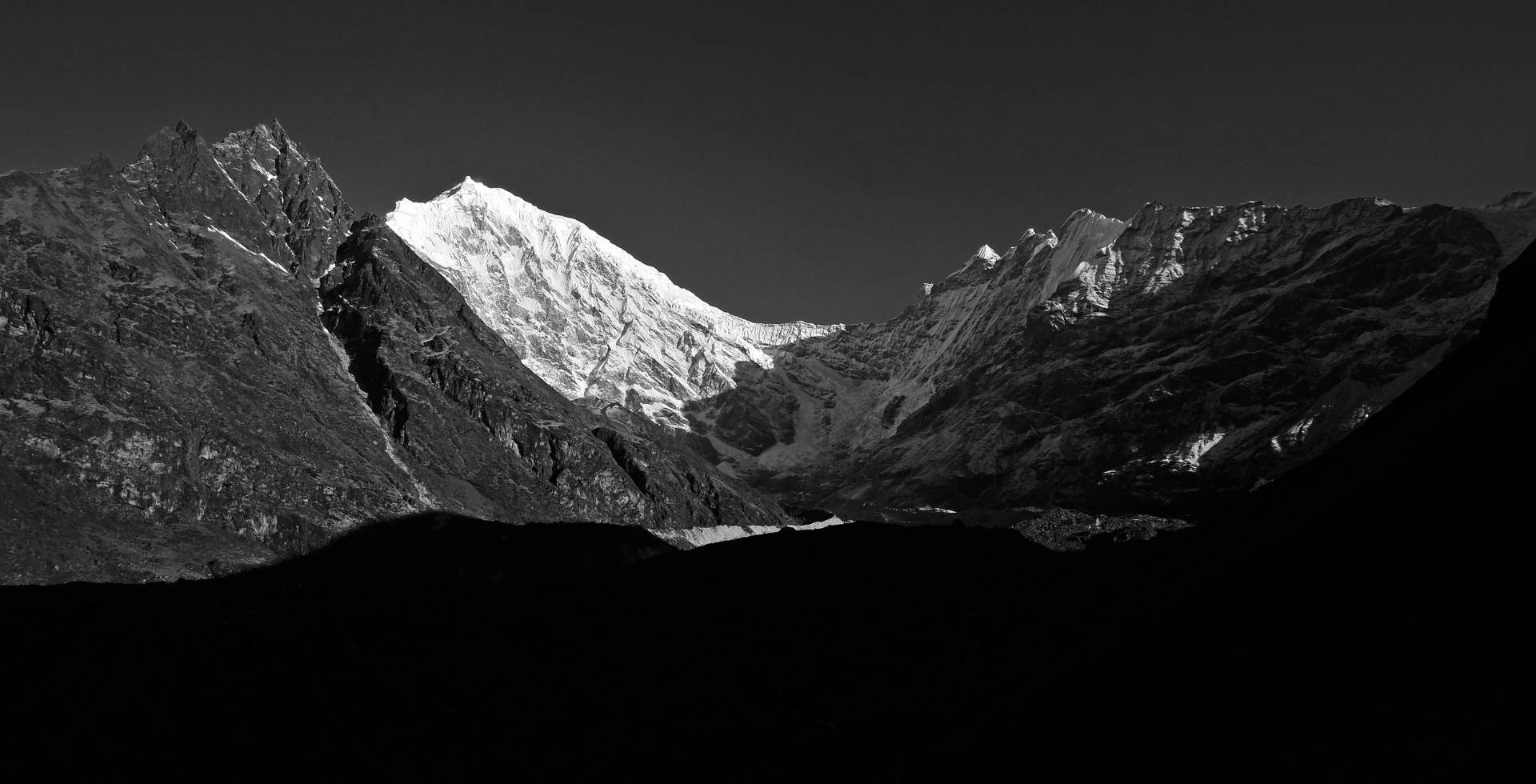
The views of Langtang and Jugal Himal range, the Tamang culture, the local cheese production centre at Kyanjin, the yak herders on the high pastures: none of that has a price tag!
You'll spend money to get there, yes. But once you're on that trail, you'll stop counting. And that's the honest truth about Langtang Valley Trek!


 Bhishu Acharya