

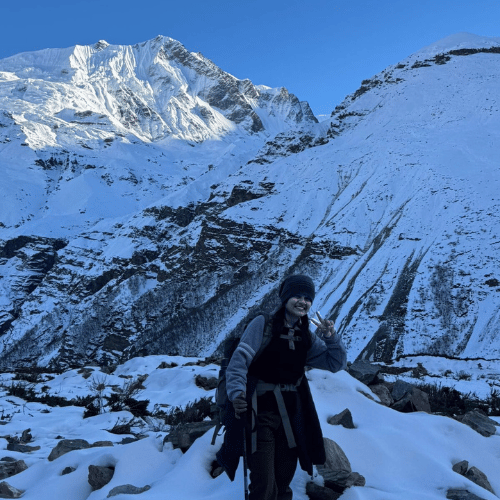
 Karuna Bhattarai
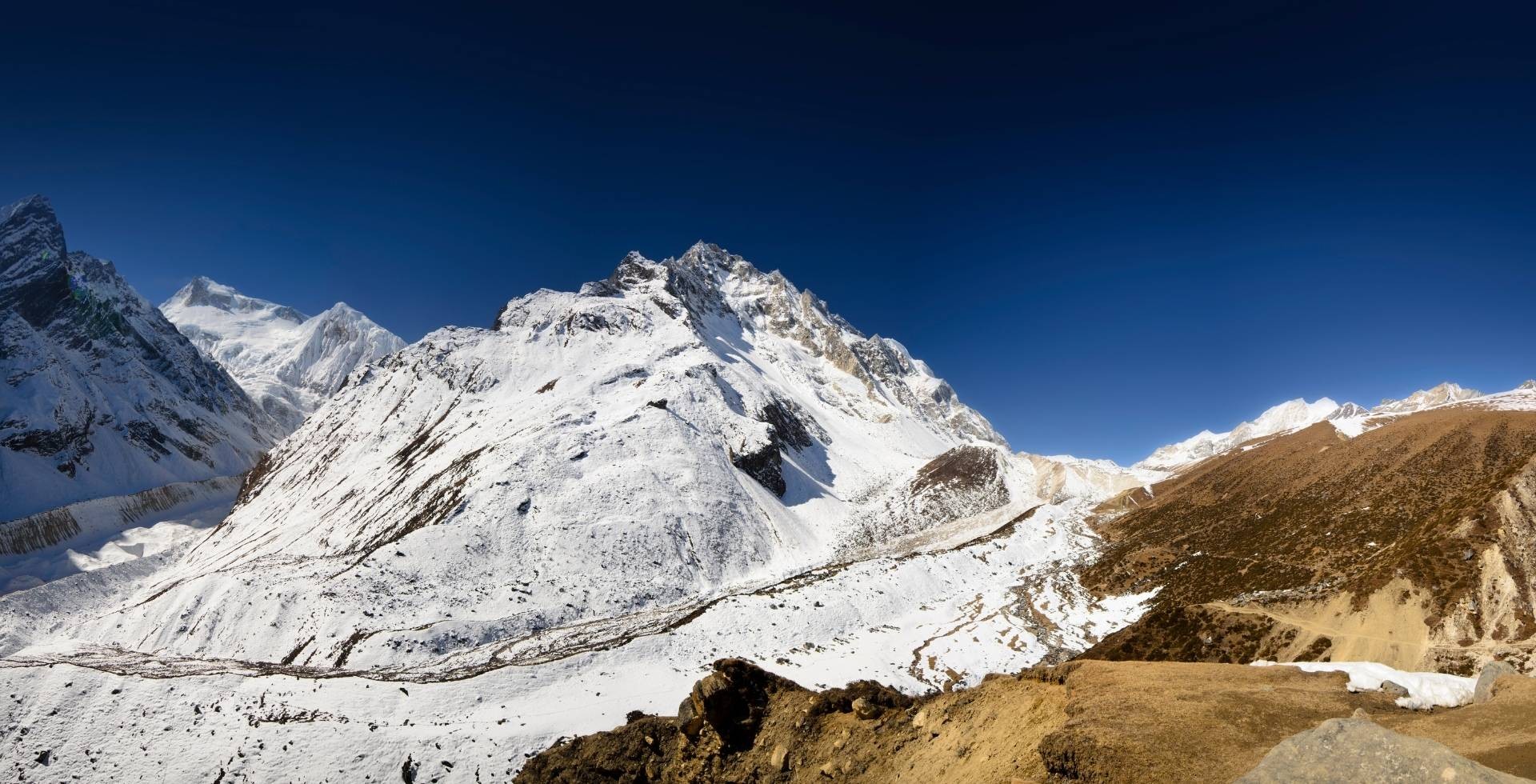
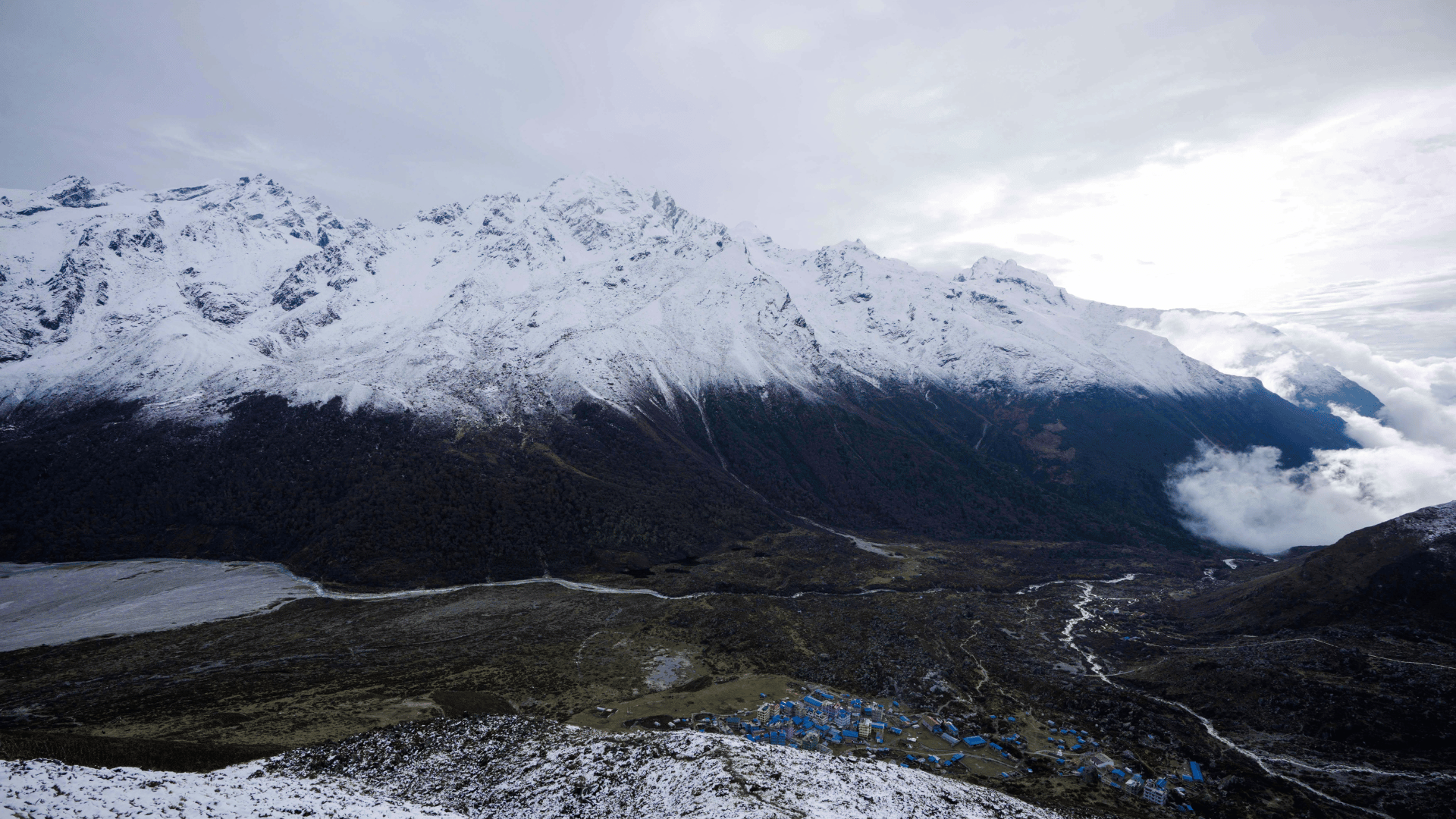
Langtang Valley Trek is by far one of the most rewarding short treks in Nepal. With the Himalayas as your backdrop and a constant lullaby from the Langtang river, you are truly teleported into a different realm. Every turn on this trek reveals a new scene from a mountain film.
Langtang Valley lies within the Langtang National Park, which has helped protect its indigenous flora, fauna, and traditional mountain communities.
The Langtang National Park is the first Himalayan national park in Nepal where red pandas hide in dense forests, yaks graze on open pastures, and Tamang villages still follow their centuries-old traditions.
The stark difference between the Kathmandu Valley and the Langtang Valley is what still stays with me. Simple tea houses, warm tea, big skies, and the feeling that I am walking through something genuine rather than a manufactured trekking product.
Especially if you are a beginner trekker, the Langtang Valley trek experience genuinely shapes your appreciation for the Himalayas and mountain life. So, let’s find out exactly what you're getting into with this trek.
Facts of Langtang Valley Trek
|
Region |
Langtang |
|
Province |
Bagmati |
|
Districts |
Rasuwa |
|
Rural Municipalities |
Gosaikunda Rural Municipality |
|
Total Distance |
65-80 km depending on the itinerary |
|
Total Trekking Days |
5-10 (depending on the itinerary) |
|
Avg. hiking hours (per day) |
5-7 hours |
|
Start Point/End Point |
Syabrubesi / Syabrubesi |
|
Difficulty Level |
Moderate |
|
Highest Elevation |
Kyanjin Ri (4,773m); optionally Tserko Ri (4,984m) |
|
Permits |
Langtang National Park Entry Permit, Trekkers’ Information Management System (TIMS) Card |
|
Accommodations |
Mountain lodges, teahouses |
|
Best Seasons |
Spring and Autumn |
|
Key Attractions |
Langtang Valley, Kyanjin Gompa, Kyanjin Ri, Tserko Ri, Langtang Glacier, Yala Glacier, and yak pastures, Tamang and Tibetan-influenced villages, optional Gosaikunda extension |
|
Major Caste |
Tamang (Sherpa and Gurung in small numbers) |
|
Major Religion |
Tibetan Buddhism |
|
Major Mountains |
Langtang Lirung, Gangchempo, Changbu, Yubra, Yala Peak, Dorje Lakpa, Langtang II, and other peaks/mountains |
|
Major Rivers |
Langtang Khola, Tanmarche Khola, Trishuli River |
Why Choose Langtang Trek?
The Langtang Valley Trek offers a moderate pace and steady altitude gain, providing the exact refreshment that everybody seeks. The valley is intimate, human, and story-rich, especially once you see how much has been rebuilt since the 2015 earthquake.
The new Langtang village, memorial sites, and shrines display the immense pain this valley has held and the strength people had to find to welcome trekkers again.
Aside from people’s resilience, Langtang Valley offers riverside trails, village immersion, viewpoints, and so much more.
Tamang Heritage and Living Himalayan Culture
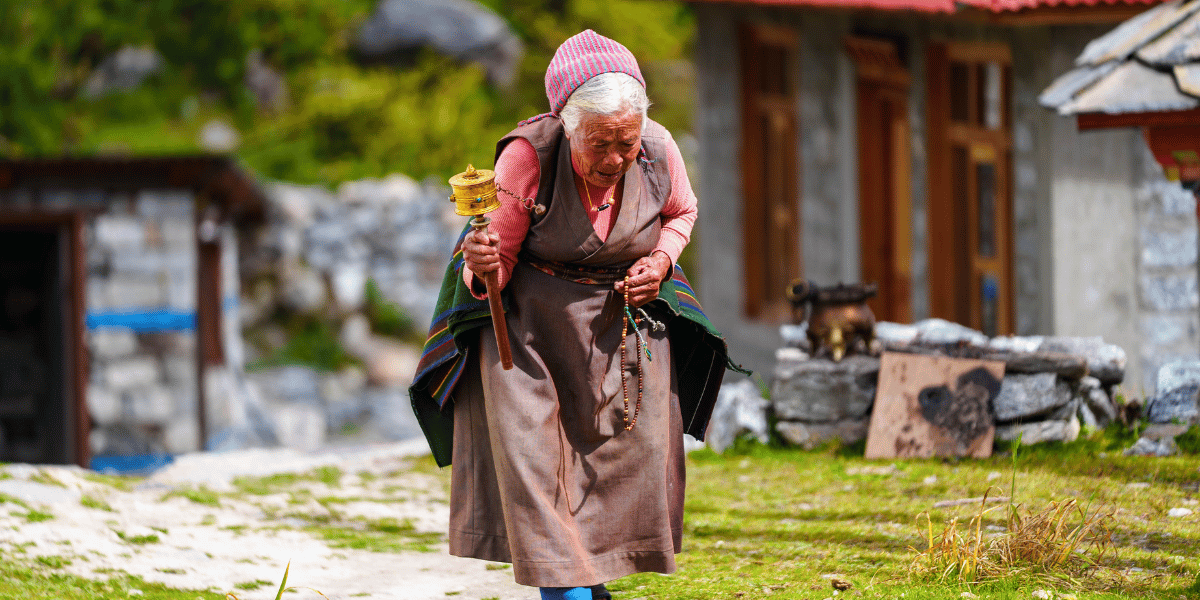
Langtang Valley is the ancestral homeland of the Tamang people. Tamang culture closely resembles Tibetan traditions shaped by mountain life and cross-border trade. Along the trail, you’ll encounter:
- Mani walls carved with Buddhist prayers
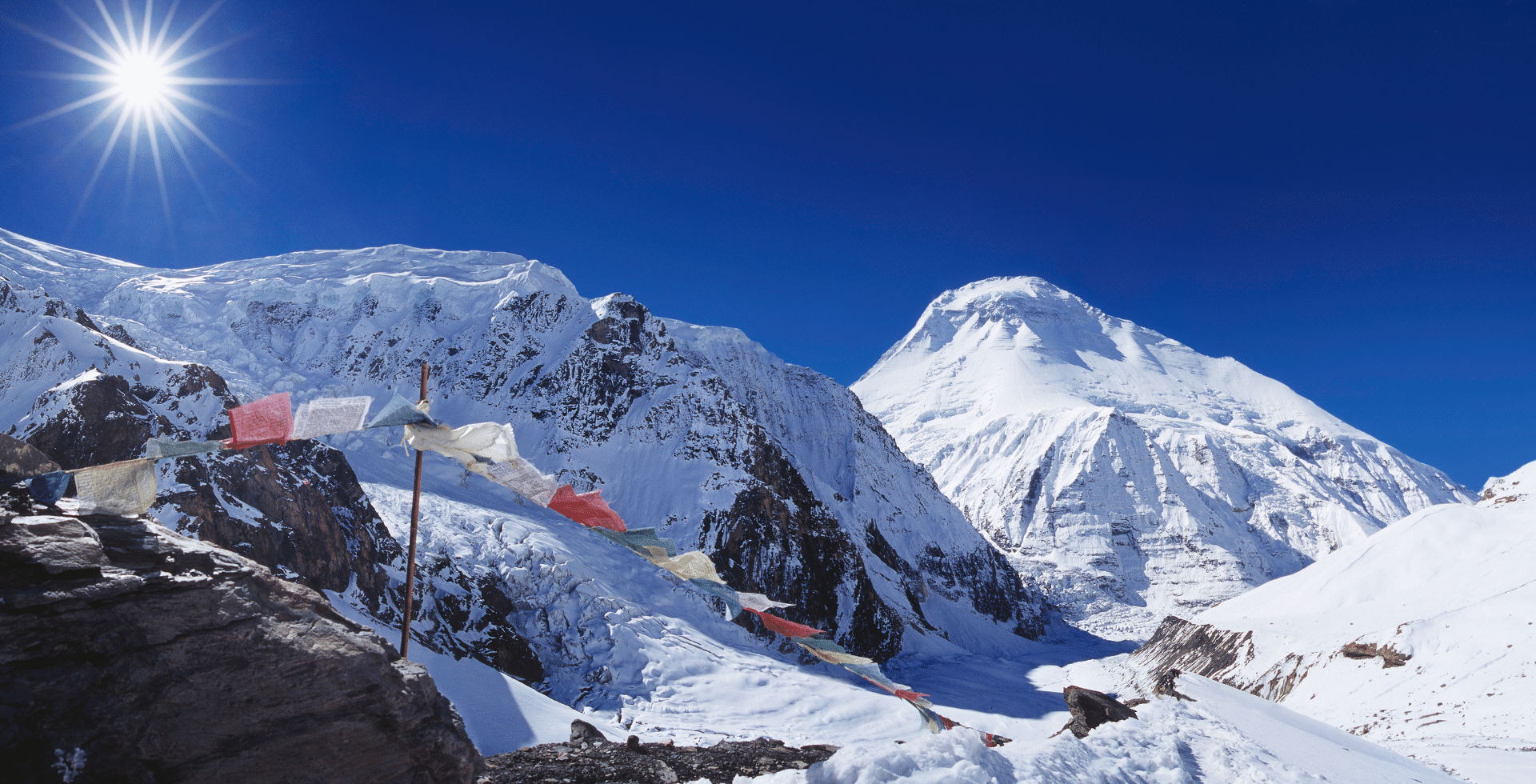
- Colorful prayer flags fluttering across valleys
- Chortens, monasteries, and prayer wheels integrated into daily life
In Ghoda Tabela, I had the chance to speak with a local who runs a yak and dairy farm. He shared how deeply spirituality is ingrained in his daily life, something he attributes to his cultural upbringing.
Like him, many people of the Langtang Valley have shaped the region through their warmth, resilience, and quiet spirituality, passed down through generations.
A Riverside Trail to the High Himalayas
On your journey from Kathmandu to Syabrubesi, the Trishuli river flows alongside you for much of the drive. From Syabrubesi, the trail follows the Langtang river through steep, forested gorges before widening into a classic glacial valley.
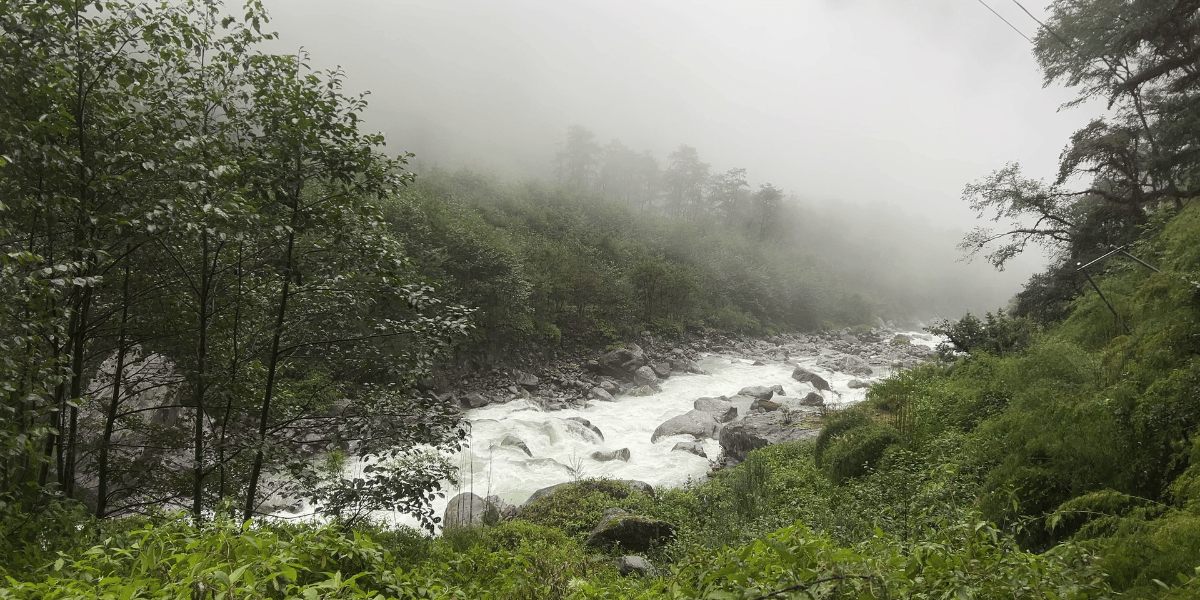
Along the way, you’ll cross the bridge over Tanmarche Khola, a tributary flowing into the Langtang river, where small waterfalls cascade down the slopes.
You start with grassy hills, cross suspension bridges, and walk into pine and rhododendron forests and then to rocky valleys. The shift in the ambience from lowland villages to high valley mornings set the immersive experience of this trail.
Traditional Immersion in Himalayan Villages
Early on, the trail passes through beautiful villages tucked into forest clearings like Bamboo, Lama Hotel and Ghoda Tabela. In these villages, the sound of the river drowns out everything else.
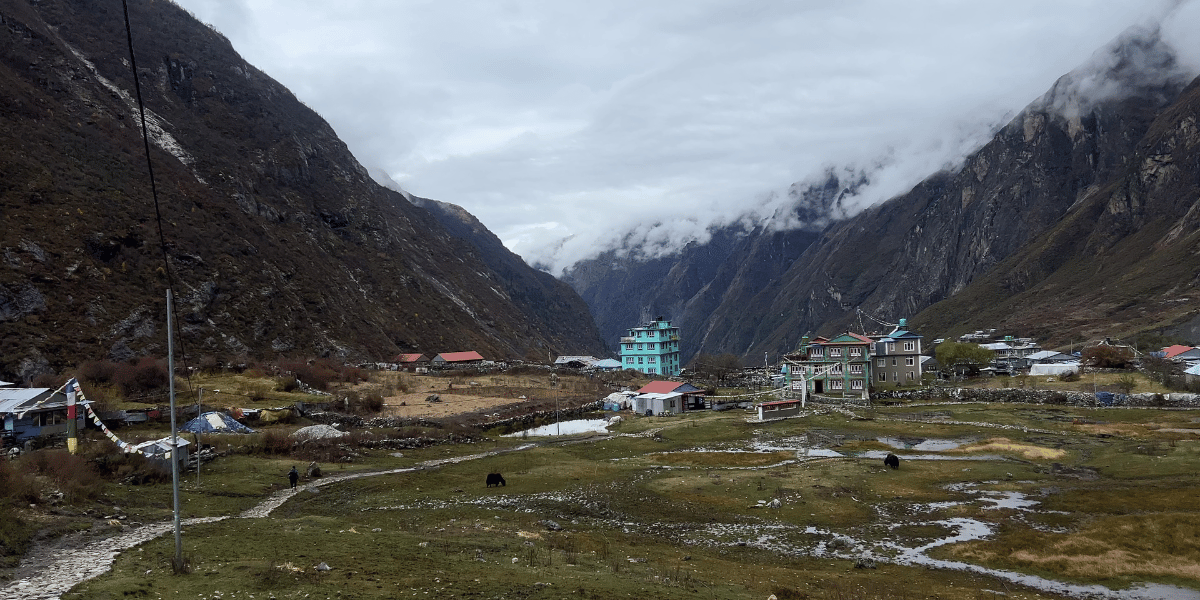
As you move higher up, the villages look more Tibetan with mani walls and prayer wheels along the trail, like so in Langtang village and Kyanjin valley.
In Kyanjin Gompa, the settlement is more modern in the sense that you get modern amenities but with a traditional ambience. You get to wake up to yak bells and the smell of fresh-baked goods, making your stomach rumble.
Key villages along the Langtang Valley trail include:
- Syabrubesi: A small town where the trek starts, besides the Trishuli River. Mostly Tamang locals live here, and you can stroll to the riverbank to soak in the atmosphere.
- Lama Hotel: A forest settlement surrounded by dense greenery, where the sound of the Langtang river quiets everything else down.
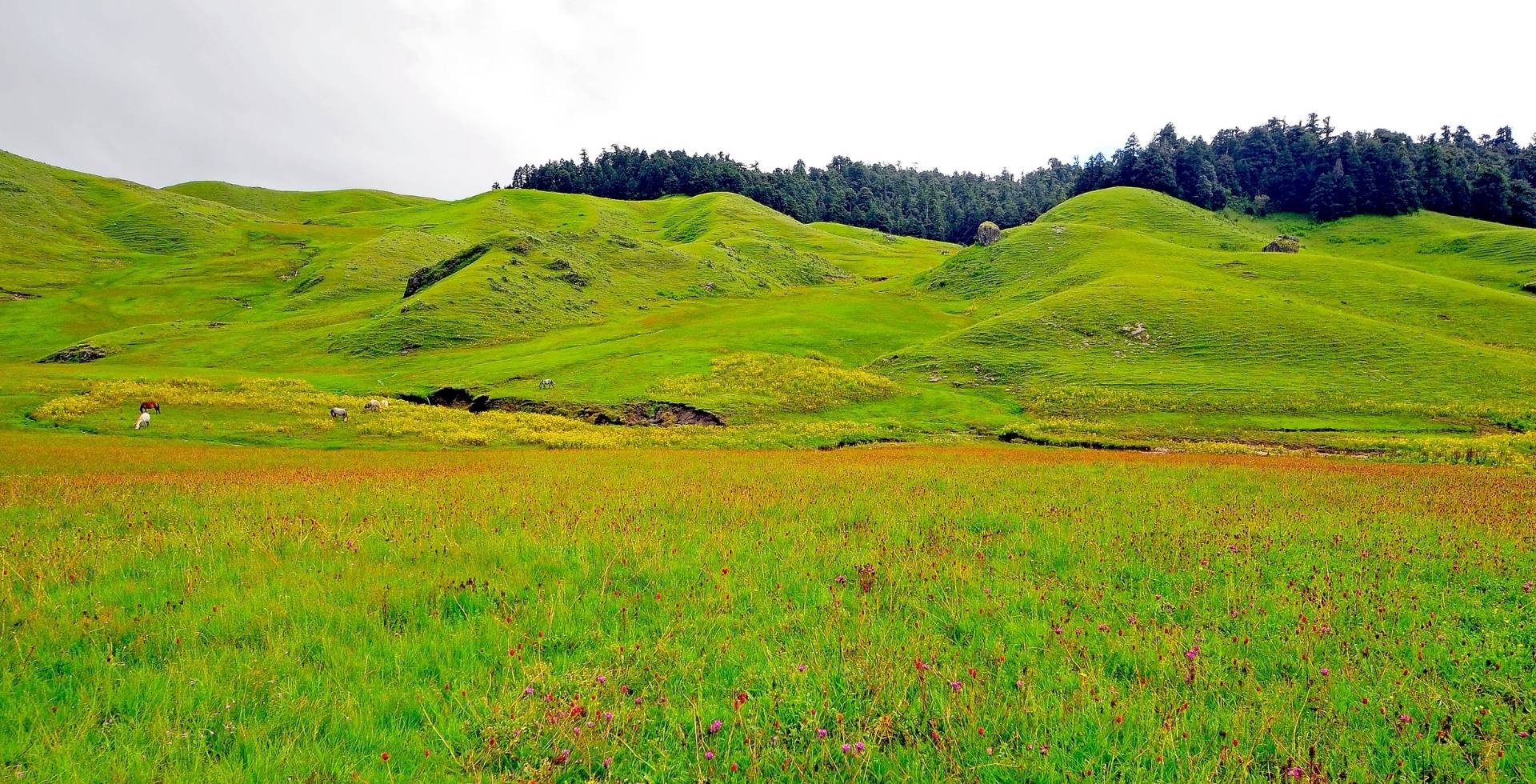
- Ghoda Tabela: An open meadow settlement surrounded by rhododendron forests and yak pastures.
- Langtang Village: Relocated and rebuilt after the 2015 earthquake, featuring Tibetan-style homes, mani walls, and a strong sense of community.
- Kyanjin Gumba Village: The cultural and scenic heart of the trek, blending traditional life with modern comforts.
Kyanjin Gompa: Monastery, Yaks, and Mountains
Kyanjin Gompa (Kyanjin/Kyanjin Gumba) is situated at 3,870 m above sea level. It is the first “viewpoint” destination you’ll reach in the Langtang Trek, which is one of the major attractions here.
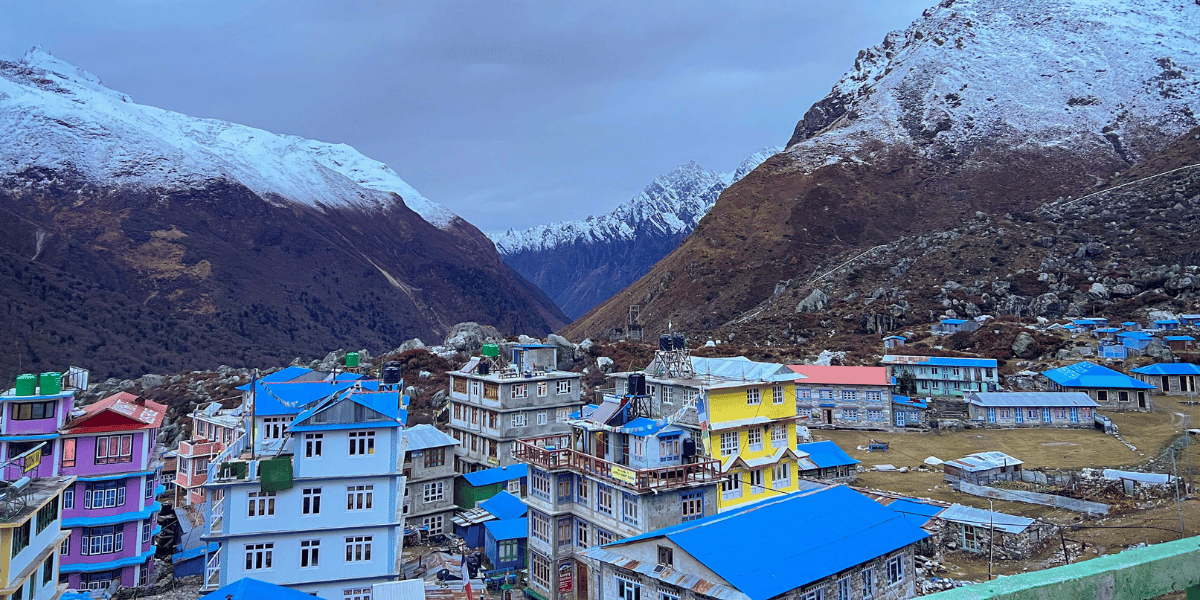
Here, you get an old monastery, the Swiss yak cheese factory, and a panorama of peaks that feels straight out of a fairytale.
I still remember sitting there early in the morning watching the mountain range change colour as the sun rose. This moment alone makes every step you took along the trail feel worth it.
Viewpoints: Kyanjin Ri and Tserko Ri
From Kyanjin, you get choices of which summits you want to conquer. Kyanjin Ri is more famous and comparatively easier than its sibling, the Tserko Ri.
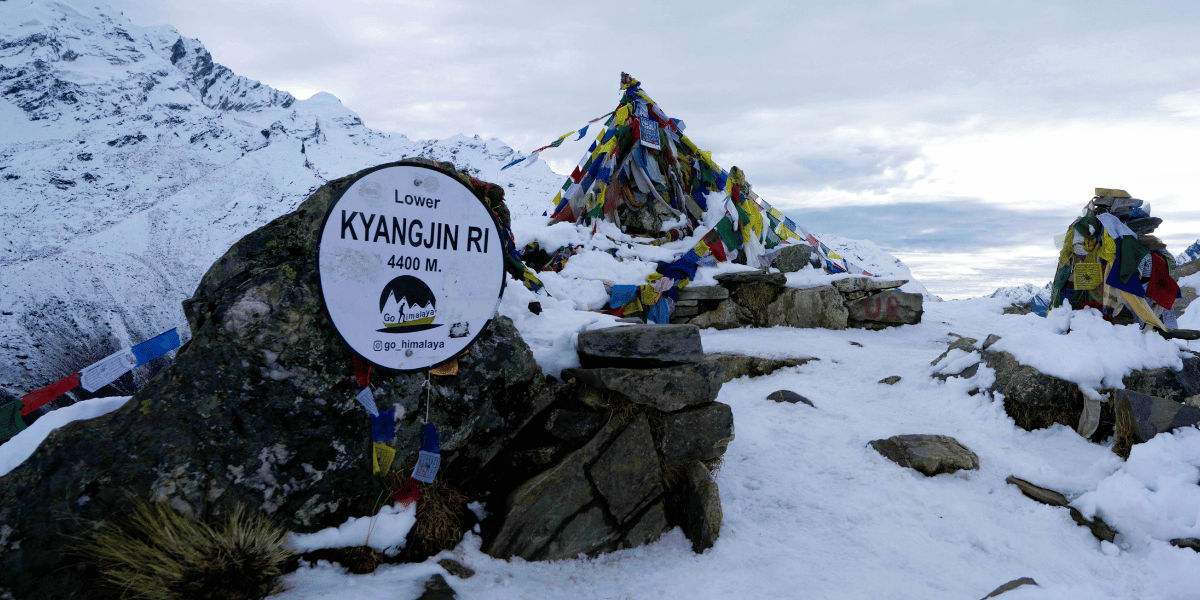
From Kyanjin Village, you go up a steep rocky mountain and, within a few hours, you reach the Kyanjin Ri peak at 4,773 m. The whole way up and at the top, you get to enjoy the view of glaciers, moraines, and the entire Langtang Valley stretched out below.
Tserko Ri takes a bit longer to reach than Kyanjin Ri, demanding an earlier start and tougher push. At 4,984 m, you get to enjoy an incredible 360-degree view that makes every breath worthwhile.
With Altitude Himalaya, you don’t have to choose which viewpoint to reach. Our Langtang Valley Trek itinerary includes a sunset hike to Kyanjin Ri and then a sunrise ascent to Tserko Ri. This way, you get to experience both of the viewpoints at their best.
Optional Detours and Destinations
If you want more than just the classic trekking experience in the Langtang region, you can add an optional expedition to Yala Peak or add Gosaikunda as another destination of your adventure.
Yala Peak
Yala Peak is a perfect starting point for trekkers who don’t have the know-how of mountain climbing but are interested in doing so.
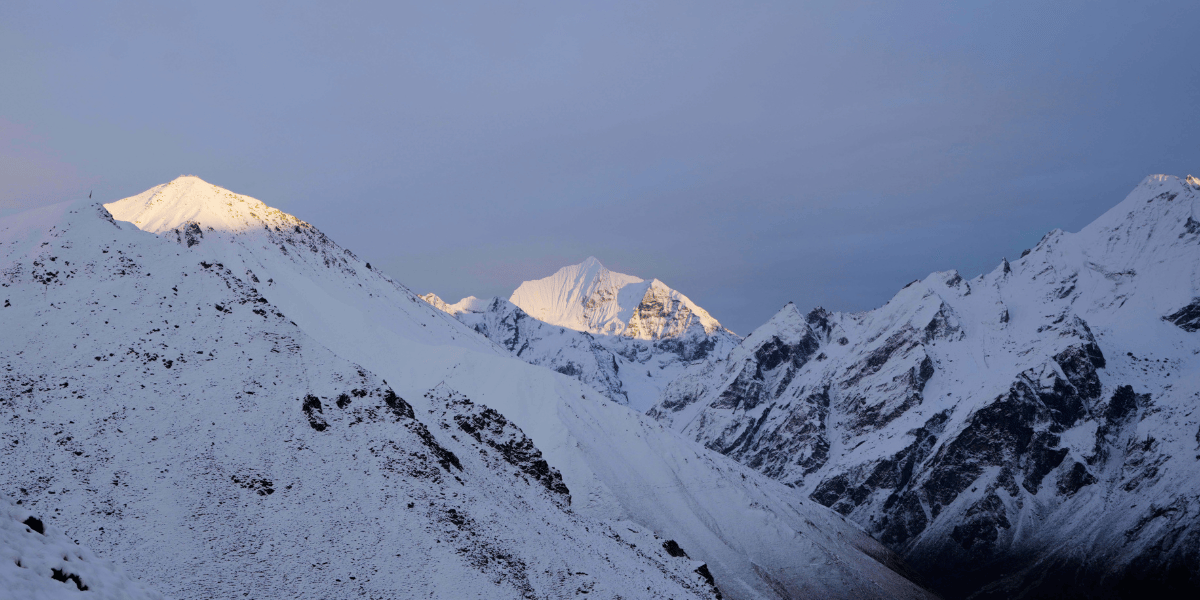
With just basic glacier travel, trekking gear, and some rope work, anyone can add this 5,500 m climbing experience to their Langtang experience.
Since it turns the Langtang Valley trek into a mini-expedition, it is perfect to test yourself at a higher altitude before committing to bigger peaks.
Langtang Gosaikunda Lake Trek
If you want to make your Langtang experience more immersive, consider extending it to Gosaikunda Lake, creating a longer trek that links valleys, lakes, and peaks all in one.
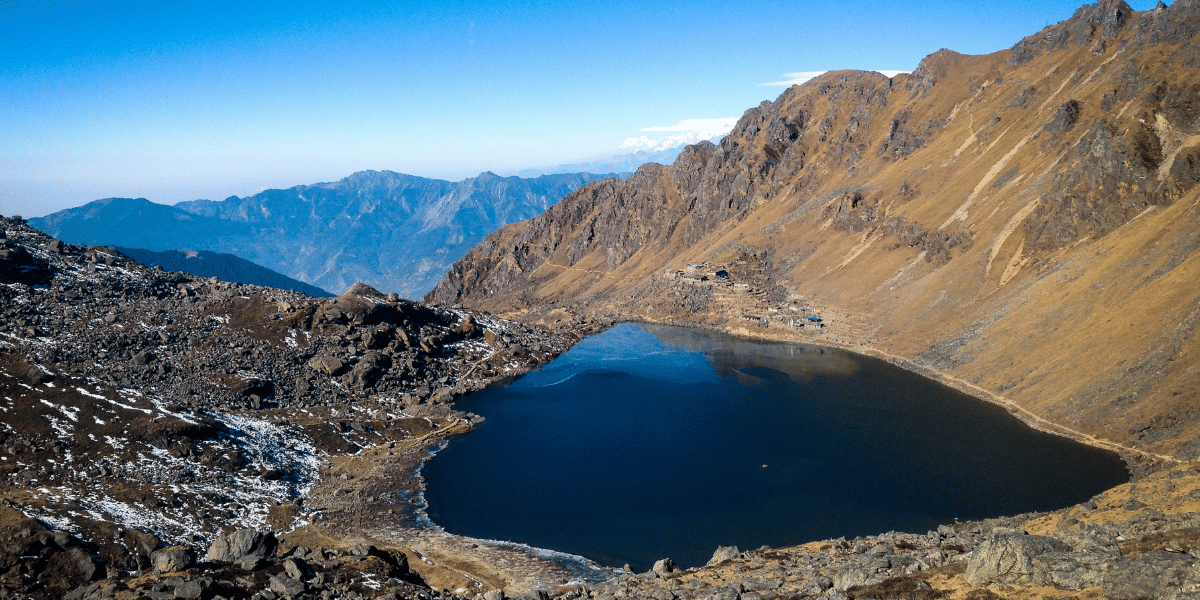
Gosaikunda Lake is a sacred, high-altitude alpine lake popular among Hindu and Buddhist pilgrims. Devotees travel here to take a dip and wash away their sins.
Situated at 4,380 m, it boasts a reputation for being beautiful and holy, attracting all kinds of travellers from all around the world.
Permits Required for Langtang Valley Trek
To trek in the Langtang region, you must have proper trekking permits.
Legally, you only need the Langtang National Park Entry Permit to trek in the Langtang region. But for your own safety, we recommend you also carry the TIMS card with you.
The cost of these permits varies depending on your nationality, age, and group size. The two permits are:
- Langtang National Park Entry Permit
- Trekkers Information Management System (TIMS) Card [Optional]
Here are the complete details:
|
Permits |
Nepali Citizens |
SAARC Nationals |
International Trekkers |
Child Discount |
|
Langtang National Park Entry Permit |
NPR 100 |
NPR 1,500 |
NPR 3,000 |
Free for children below 10 years |
|
TIMS (Trekkers Information Management System) Card |
- |
Group: NPR 300 |
Group: NPR 1,000 |
Free for children below 10 years |
Note: When booking with Altitude Himalaya, you won’t have to worry about permits at all. Once you confirm your Langtang Valley Trek with us and send over the required documents and photos, our team will sort out every step of the permit process for you.
Langtang Valley Trek Itineraries
When I went to Langtang Valley, our team had initially planned a 6-day itinerary. We were all experienced trekkers and wanted to explore as much as possible in a short time.
But, as you can probably guess, that was nowhere near enough to take in all the beauty the valley holds.
I wish I had allocated an extra day for both Kyanjin and Langtang village. Walking through the aftermath of the 2015 avalanche, exploring the new Langtang village, and seeing the strength of the locals, I wish I had spent more time with them.
The trail had its challenges. Specifically, at the start of my hike to Kyanjin Ri, I looked up at the rocky ascent and questioned my life decisions. But at the top, the golden hue on the Himalayas stretched out in front of me.
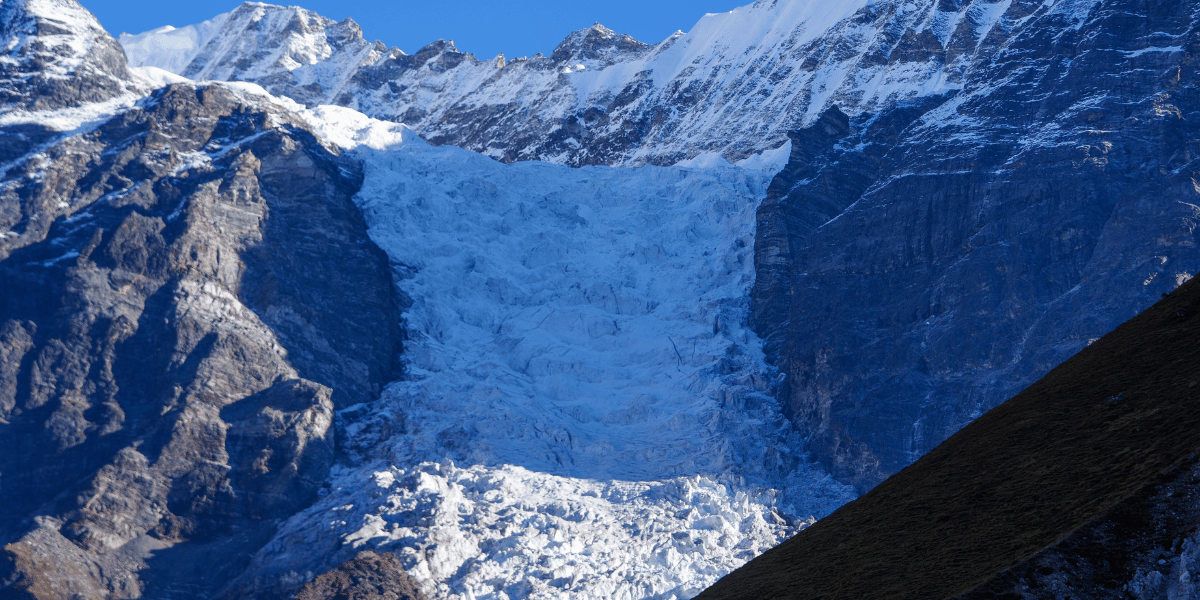
The Langtang glacier shone in its glory, and the Langtang Valley lay below. Every single step I took to get to the top felt worth its weight in gold.
From my experiences and takeaways, here are some Langtang Valley itineraries for people with all kinds of expectations from the trek. If you have something specific in mind, reach out to us. Our team at Altitude Himalaya will curate an itinerary that fits exactly what you want.
Classic 10 Days Langtang Valley Trek
DAY 01: Kathmandu Arrival.
DAY 02: Kathmandu Sightseeing and Trek Preparation.
DAY 03: Drive to Syabrubesi.
DAY 04: Syabrubesi to Lama Hotel.
DAY 05: Lama Hotel to Langtang Village.
DAY 06: Langtang Village to Kyanjin Gompa (Kyanjin Ri Sunset).
DAY 07: Hike to Tserko Ri, Return to Kyanjin Gompa.
DAY 09: Kyanjin Gompa to Lama Hotel.
DAY 09: Lama Hotel to Syabrubesi, Drive to Kathmandu (Cultural Dinner).
DAY 10: Departure from Kathmandu.
Langtang Valley 6 days Trek
DAY 01: Kathmandu to Syabrubesi, Trek to Bamboo.
DAY 02: Bamboo to Langtang Village.
DAY 03: Langtang Village to Kyanjin Gompa, Village Tour.
DAY 04: Kyanjin Ri Sunrise, Trek to Gumba Village.
DAY 05: Trek to Syabrubesi.
DAY 06: Drive back to Kathmandu.
Langtang Gosaikunda Trek
DAY 1: Kathmandu Arrival.
DAY 2: Kathmandu to Syabrubesi.
DAY 3: Syabrubesi to Lama Hotel.
DAY 4: Lama Hotel to Langtang Village.
DAY 5: Langtang Village to Kyanjin Gompa, explore Tserko Ri.
DAY 6: Sunrise from Kyanjin Ri.
DAY 7: Kyanjin Gompa to Lama Hotel.
DAY 8: Lama Hotel to Thulo Syabru.
DAY 9: Thulo Syabru to Sing Gompa.
DAY 10: Sing Gompa to Gosaikunda Lake.
DAY 11: Gosaikunda to Dhunche.
DAY 12: Dhunche to Kathmandu.
DAY 13: Departure, Farewell.
Langtang Tamang Heritage Trail
DAY 01: Kathmandu Arrival.
DAY 02: Kathmandu Cultural Sightseeing.
DAY 03: Kathmandu - Dhunche - Syabru drive.
DAY 04: Trek from Syabrubesi to Gatlang.
DAY 05: Gatlang - Tatopani via Thambuchet.
DAY 06: Tatopani - Brimdang - Nagthali - Thuman.
DAY 07: Thuman to Briddim.
DAY 08: Briddim to Lamahotel.
DAY 09: Lama Hotel - Langtang valley.
DAY 10: Langtang - Kyanjin Gompa.
DAY 11: Kyanjin Gompa-Lamahotel.
DAY 12: Lamahotel - Syabrubesi.
DAY 13: Syabrubesi - Kathmandu.
DAY 14: Departure.
Langtang Valley Helicopter Tour
DAY 01: Fly to Langtang Valley, Hike to Kyanjin Gompa.
DAY 02: Kyanjin Gompa Sunrise, Hike to Kyanjin Ri.
DAY 03: Hike to Tserko Ri (4,984 m).
DAY 04: Gosaikunda touchdown, Back to Kathmandu.
Accommodations and Food Along the Langtang Trail
Langtang has plenty of teahouses and lodges every couple of hours along the trail from start to end. That is to say, you don’t need to worry about carrying camping gear at all.
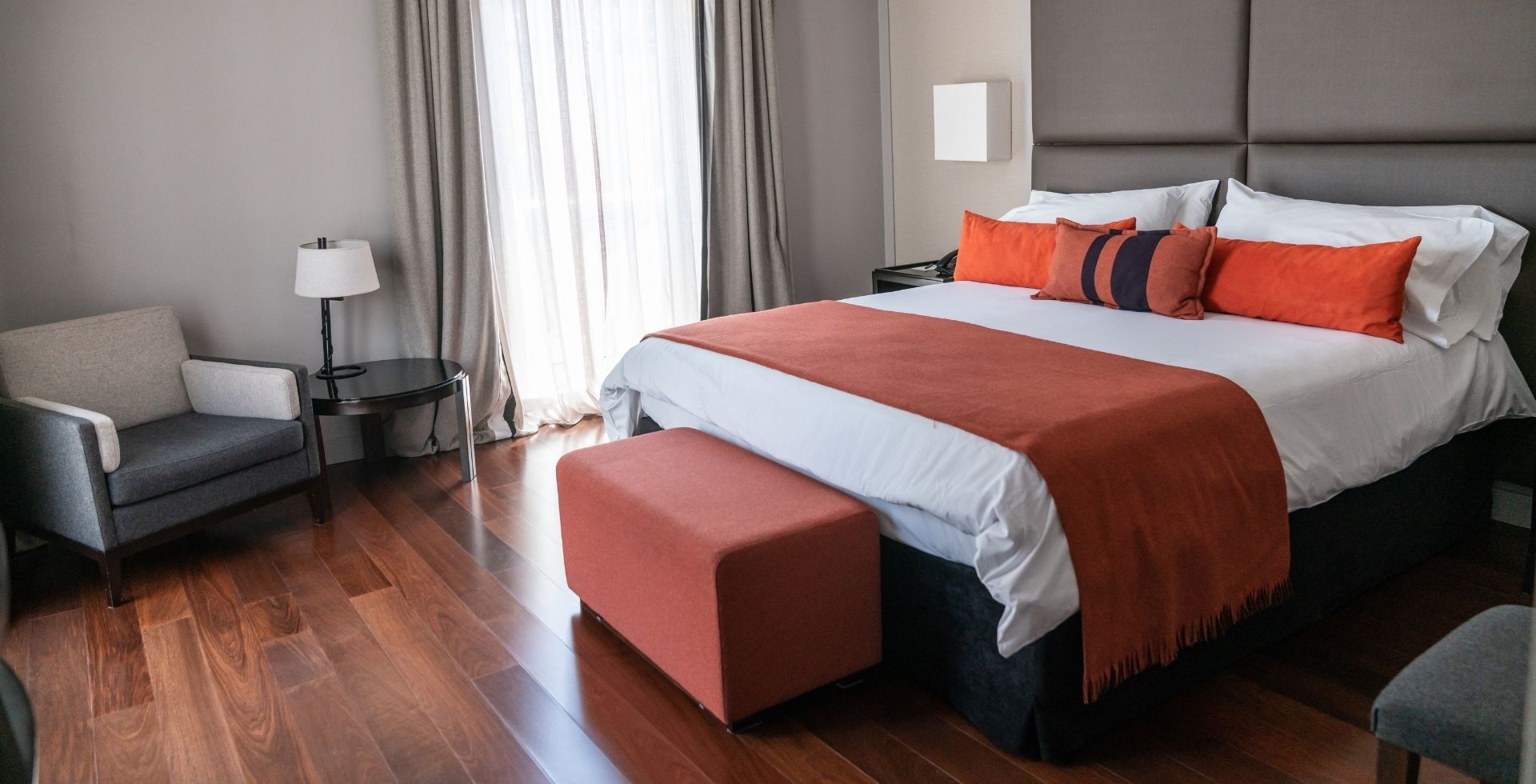
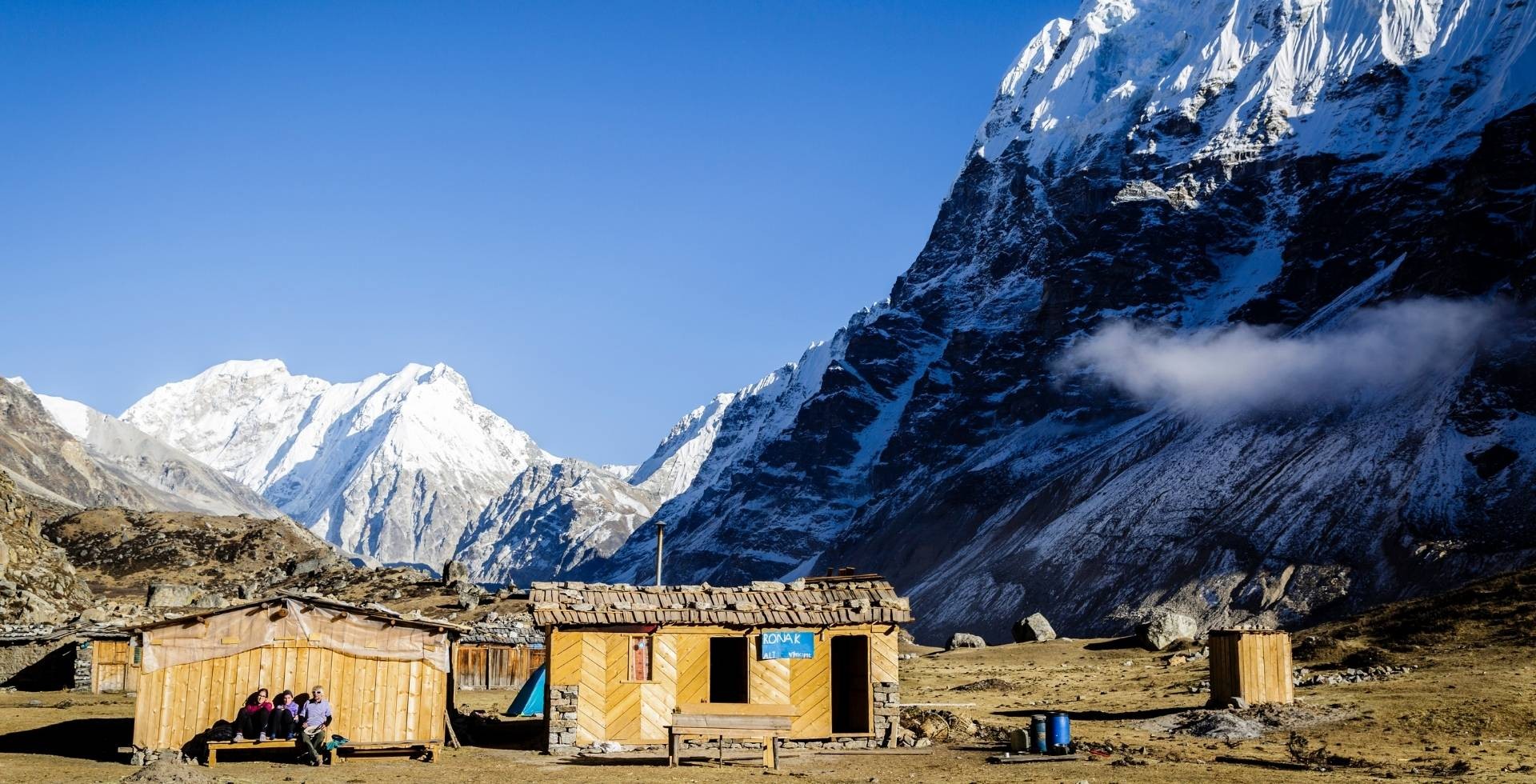
These lodges are simple, family-run, nothing above the top, but enough to provide you a warm night’s sleep in clean sheets after a hot meal. Usually, there is a shared dining hall with heating where all trekkers and locals gather to eat and chat.
Rooms and Facilities
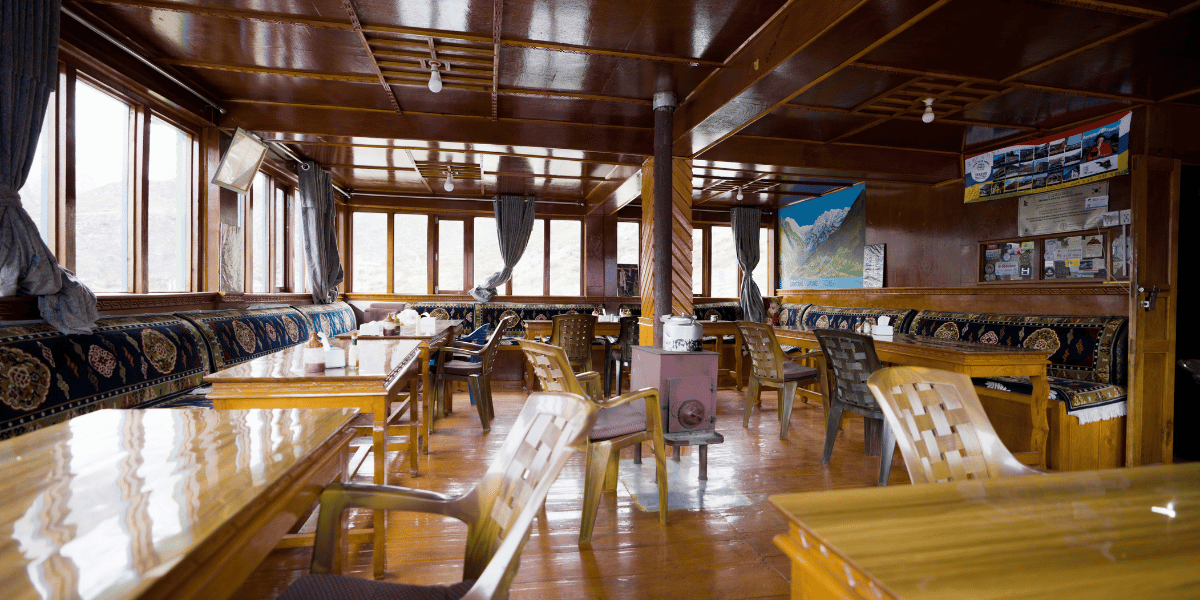
- Most tea houses offer twin rooms with wooden beds, foam mattresses, pillows, and blankets. If you need extra warmth, you can simply ask for an extra blanket or add your own sleeping bag.
- There are some lodges with private attached bathrooms, but it's rare. So you will have to adjust to shared bathrooms for the trip.
- Electricity, phone charging, and Wi-Fi are available in many lodges along the trail. In major settlements like Bamboo, Lama Hotel, Ghoda Tabela, Langtang Village, and Kyanjin, both Wi-Fi and electricity are usually reliable. They can be spotty in bad weather, but most of the time, they work just fine.
Meals and Menus
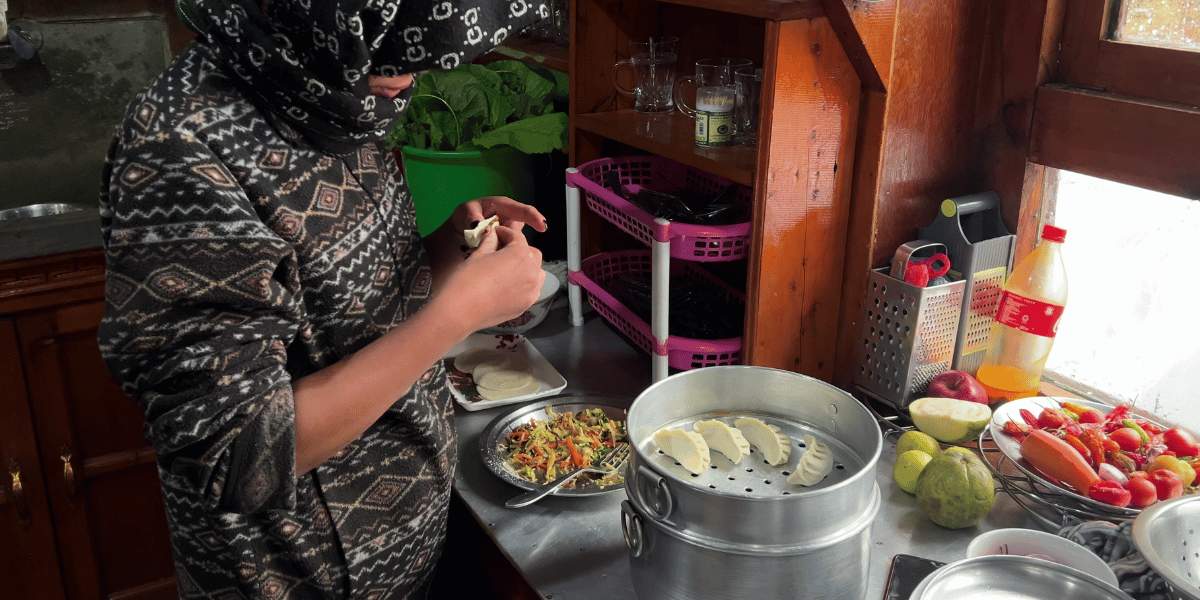
- You’ll find the usual Nepali dishes like dal bhat, thukpa, momo, Tibetan bread, etc. But in more developed areas like Langtang village and Kyanjin, you can find plenty of western options if Nepali food is not really up to your taste. They serve porridge, pasta, pancakes, and even pizza and burgers.
- Tea houses will require you to order your dinner/lunch ahead of time so that it gets ready in time.
- Breakfast time is usually 7-10 am, lunch is around late morning to mid-afternoon, and dinner is before 9 pm.
Drinks and Treats
- You get plenty of hot drink options to warm up, including black tea, milk tea, hot ginger, garlic soup, lemon tea, herbal teas, and coffee.
- You also have soft drink options, and in some lodges, local alcohol options.
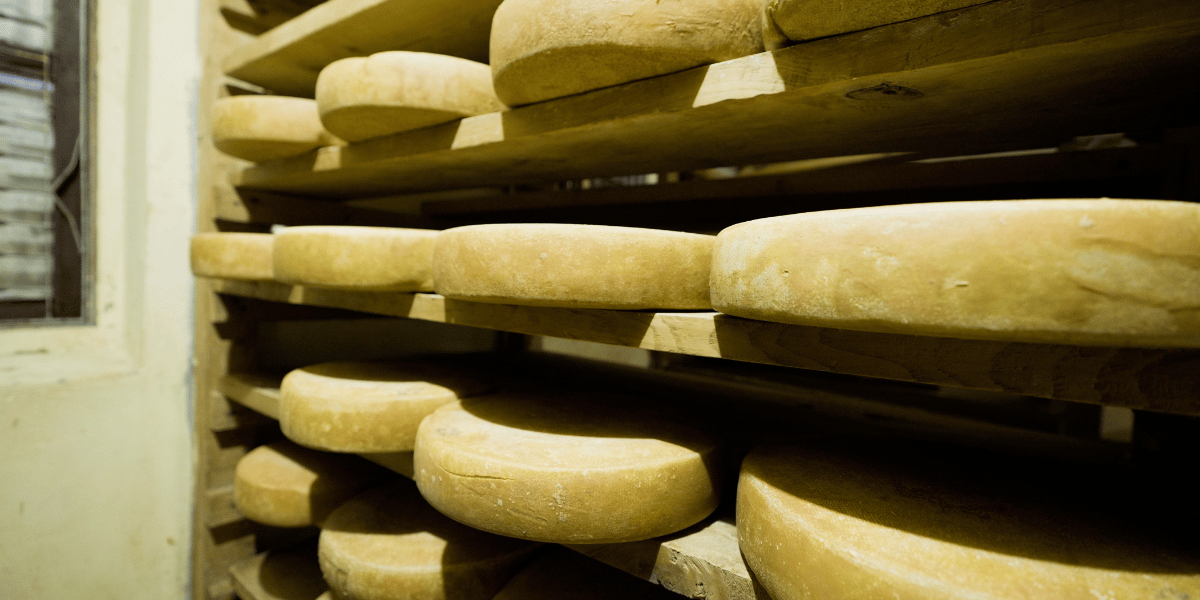
- In Kyanjin Gompa, fresh yak cheese, yogurt, and pastries are a real treat after a long day’s climb.
Tip: Because tea houses are frequent and well spaced, you can trek with a light backpack and focus more on enjoying the beauty of the Langtang Valley.
Difficulty Level of Langtang Valley Trek
The Langtang Valley Trek has a beginner-to-intermediate difficulty. The trail itself is short, well-maintained, and easier when compared to many high-pass treks.
But the altitude gain adds a bit of difficulty to it. It still takes you above 4,500 m with some challenging days with very steep climbs.
Trail and Daily Walking
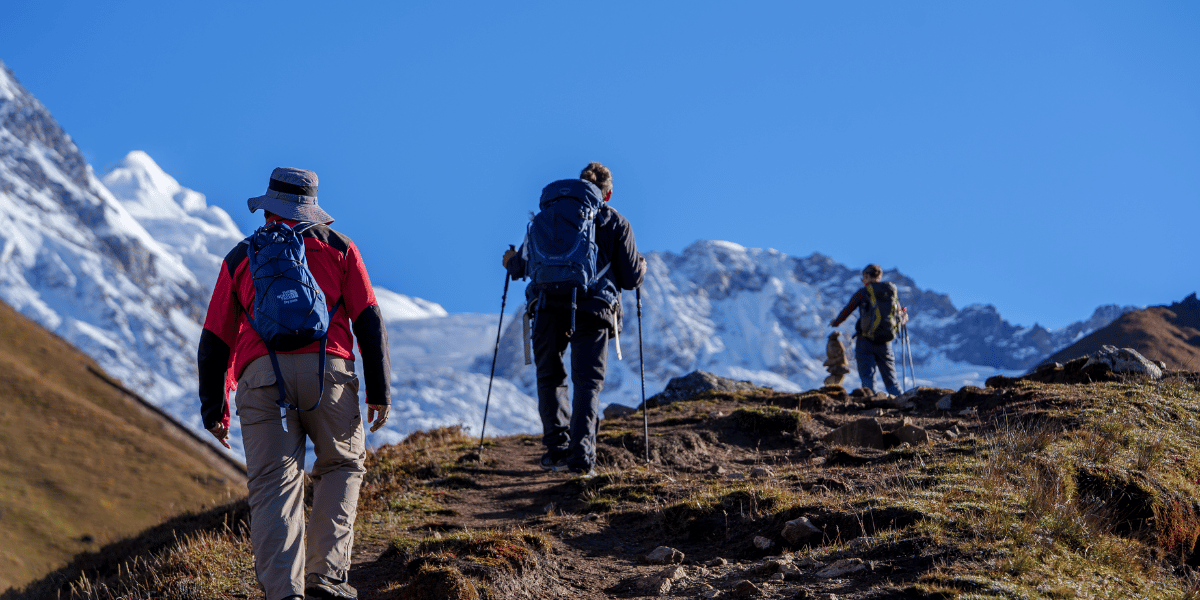
- The Langtang Trek itinerary starts at around 1,450 - 1,550 m in Syabrubesi and gradually climbs to above 3,800 m at Kyanjin Gompa, with 5-7 hours of walking per day.
- The trail is well-marked, initially passing through lush forests and valley trails. But above Langtang village, they become steeper and rockier, especially while climbing towards Kyanjin Ri and Tserko Ri.
Altitude and Risk of AMS
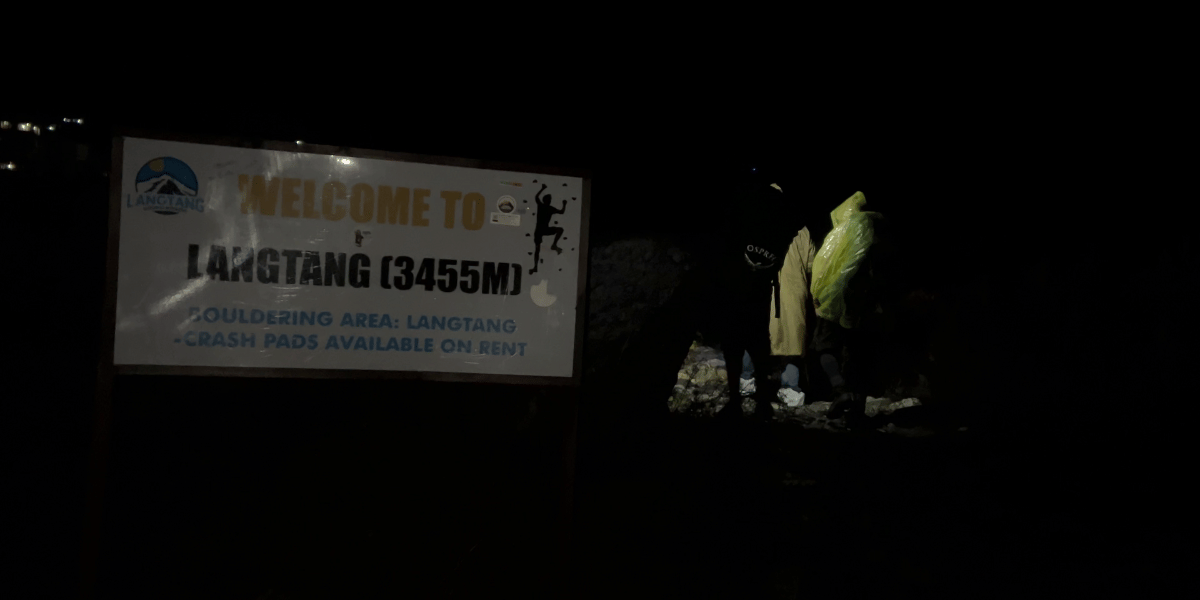
- Trekkers are at risk of Altitude Sickness and Acute Mountain Sickness(AMS) after crossing 3,000 m, i.e., as you reach Ghoda Tabela. The risk substantially increases if you climb too fast or skip acclimatization.
- Since you will spend multiple nights in high altitude regions, you might experience headaches, nausea, and sleep issues. It's extremely important to listen to your body and spot altitude sickness symptoms early on.
What Makes the Langtang Valley Trek Doable
- The trek is simple and well-marked and does not require any specialised climbing gear or technical knowledge. With proper acclimatization, any reasonably fit beginner can complete it.
- Walking at a steady pace and listening to your body when it requires you to stop, rest, and acclimatize keeps your Langtang trek comfortable instead of being a struggle.
To sum it up, yes, Langtang is beginner-friendly in terms of the trail and technicality required. However, you still need to be wary of the high altitude, especially during your climb to the Kyanjin Ri and Tserko Ri viewpoints.
Best Time to Do the Langtang Valley Trek
Langtang is one of those treks you can do almost year-round if you’re prepared. But spring and autumn are the most popular, and they are so for a reason.
Here’s a breakdown of the major features of the Langtang Valley Trek in different seasons of Nepal:
March-April (Spring)
- Days are pleasantly mild, nights are cool, and the rhododendron forests along the lower trail burst into reds and pinks.
- Mountain views are excellent in the mornings.
- Pre-monsoon showers might build up in the afternoons with strong winds, so starting early will give you the clearest experience.
Highlight: Lush rhododendron forest blooming at its best, framing big, clear morning mountain views.
May - June (Late Spring/Pre-Monsoon)
- Temperatures rise, and the air gets more humid, but trails are still manageable, and most lodges are fully open.
- You might experience more afternoon clouds and thunderstorms, so flexible plans and good rain gear are important.
Highlight: Warm, lush trails with longer walking days and fewer crowds than peak seasons.
July - September (Monsoon)
- The valley turns vibrant green, and waterfalls are everywhere, swelling to their full extent.
- The crowd is mostly thinned out at this time, so you get a quiet, intimate experience with the Langtang valley
- On the downside, heavy rainfall can make the trails muddy and slippery, bring leeches into forests, and trigger landslides or road disruptions.
Highlight: Deep green valley, powerful waterfalls, and a very quiet, almost private Langtang experience.
October - Early November (Autumn/Post-Monsoon)
- With the monsoon withdrawing, the skies clear up, the humidity drops, and you get the best mountain views of the year. The Langtang and Jugal mountains are covered in snow after the monsoon, adding more to their beauty.
- Small flowers are blooming in the grassy areas, adding sprinkles of color to the lush green forest
- Temperatures are comfortable for walking, and nights are cool but not extreme.
Highlight: Post-monsoon crystal-clear views of freshly snowcapped peaks and a beautiful mix of green slopes and bright, clean mountains.
Mid November - Mid December (Late Autumn/Early Winter)
- November brings stable weather, crisp air, and stunning clarity
- Trails are quieter, but tea houses are still available. Best time if you like clear views and fewer people. It's also alluring for those who like to travel during cold weather.
Highlight: Stable weather with fewer trekkers - amazing for photographers and anyone who loves crisp, cold mountain air.
Late December - February (Winter)
- Temperatures can drop below –10°C at higher points, and heavy snow can occasionally block sections above Langtang village or make Kyanjin Ri and Tserko Ri unsafe, so you need proper winter gear and flexibility in case plans must change.
- Winter treks offer clear blue skies, snow-dusted peaks, and peaceful trails if you prefer solitude and don’t mind the real cold.
Highlight: Silent, snow-laced valley and empty trails, giving you a raw, contemplative Langtang experience if you’re well-equipped for sub-zero conditions.
How Are Shifting Seasons Affecting Langtang Valley?
In recent years, seasonal patterns in Langtang have become less predictable. Rainfall is increasingly random, a lot of the time extending beyond its traditional monsoon window.
Just this year, rainfall continued to mid-october which is usually considered peak dry season. Snowfall has also become unpredictable, which makes trekking more risky and even more dangerous in case of snowstorms.
These shifts can affect:
- Trail conditions and road access
- Visibility during what was once a reliably clear period
- Trek planning, especially for those on tight schedules
On my trip to Langtang, my team had to stay an extra night in Langtang Village due to heavy rainfall in March, which is too early even for pre-monsoon showers. So, all trekkers are now advised to:
- Build buffer days into their itinerary
- Monitor weather forecasts more closely
- Stay flexible and be prepared for any conditions rather than relying solely on traditional “Best season” labels.
Langtang Valley Trek Packing List
Trekking in the Langtang region means you will pass through varying altitudes and weather conditions. Packing the right clothes and gear that let you adjust to changing temperatures and conditions is absolutely essential. So, here is a complete packing list to guide you:
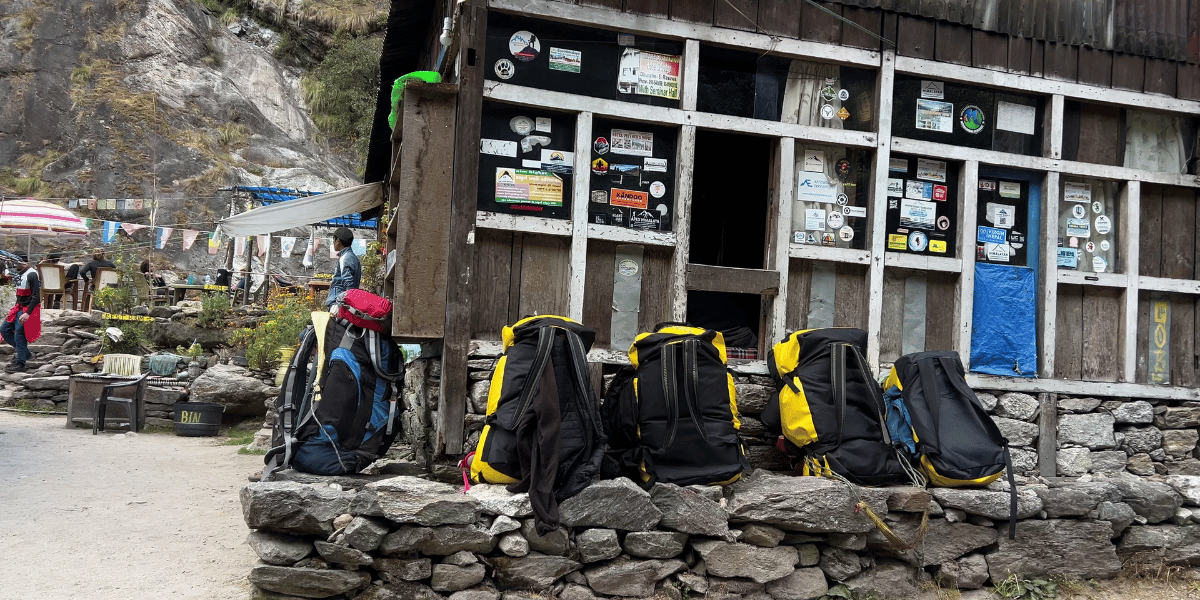
Clothing
Base Layer: Moisture control
- Thermal tops
- Thermal bottoms
- Innerwear that is sweat-wicking
Mid Layer: Insulation
- Trekking shirts
- Fleece jackets
- Down jacket
Outer Layer: Wind and rain protection
- Waterproof jacket
- Waterproof trekking pants
- Trekking pants
- Lightweight trekking shorts
Headwear and Handwear
- Warm beanie/woolen hat
- Sunhat/cap
- UV-protection sunglasses
- Lightweight inner gloves
- Warm insulated outer gloves
Footwear
- Good quality trekking boots
- Sandals
- Trekking socks
Trekking Essentials
- Good quality trekking bag
- Duffel bag
- Trekking poles
- Headlamp with spare batteries
- Daypack for final day hikes
Personal Items and Accessories
- Water bottle/hydration bladder
- Sunscreen (SPF 50+), lip balm with spf
- Quick dry towel and toiletries
- Hand sanitiser and wet wipes
- Prescribed medication and a personal first aid kit
- Snacks/energy bars
Electronics, Documents, and Miscellaneous
- Earphone/headphone
- Powerbank
- Valid passport with Nepali visa
- Enough Nepalese currency
- All other necessary documents
Booking Your Langtang Valley Trek With Altitude Himalaya
When you book your trek with Altitude Himalaya, you are not only booking logistics, but you are also joining a team that genuinely knows these trails, stops, and tea houses by name. Altitude Himalaya offers expert support, drawing on years of experience in the Nepalese Himalayas.
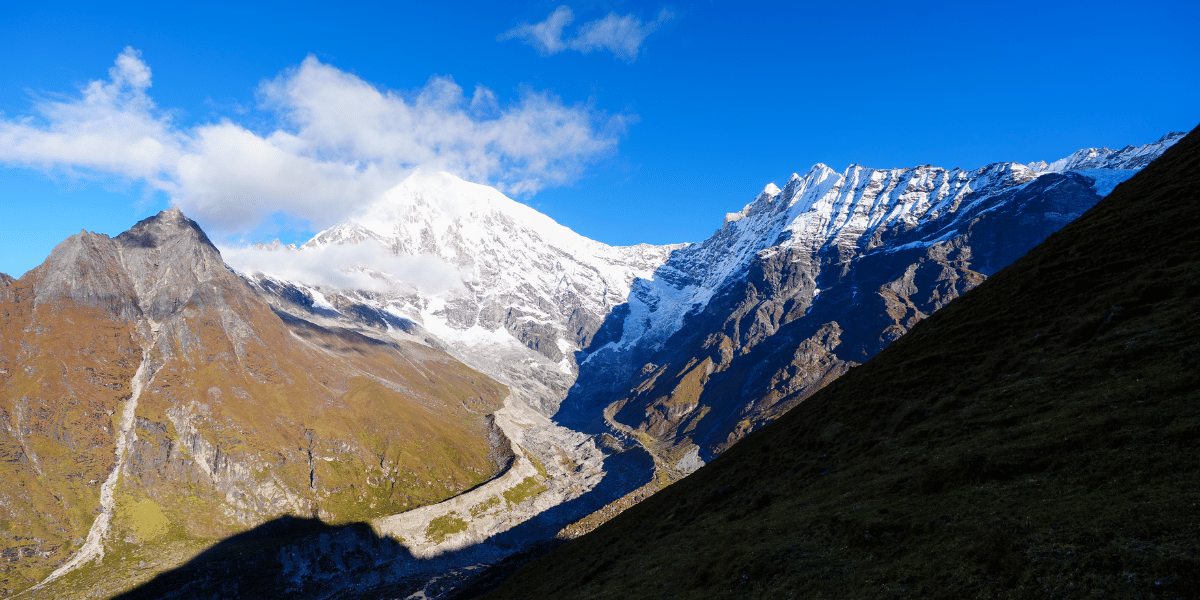
End-to-End Support
- From private or shared transport to Syabrubesi, permit arrangements, and carefully chosen lodges, everything is handled so you can focus on the trek.
- Professional guides from the Langtang region bring stories and mountain legends that you could never get from a map alone.
Custom Combinations: Langtang + more
- You can extend your Langtang Valley Trek with Gosaikunda for trekking through pilgrimage lakes and ridge-top sunrises.
- You can also choose to add on the Tamang Heritage Trail to experience the culture more closely. It is perfect for a traveller who loves people as much as they love peaks.
- If you are short on time or simply want to experience a more exclusive experience, you can opt for our Langtang Valley helicopter tour. You get aerial Himalayan views and guided hikes in comfort, without compromising the essence of the journey.
Group Join and Private Departures
- Group join departures help solo trekkers and small groups keep costs reasonable while still travelling with a professional guide and porter support.
- Private departures are more customised to your pace. You can either choose to go slow for comfort or fast for extra adventures throughout your trip. Private trips are ideal for families, couples, or groups of friends who want flexibility with pacing.
Tips From My Experience on the Langtang Valley Trek
Langtang is not a trek you should rush through. The valley rewards patience, awareness, and a bit of humility. These tips come from my own time on the trail, from small mistakes, moments, and conversations along the way:
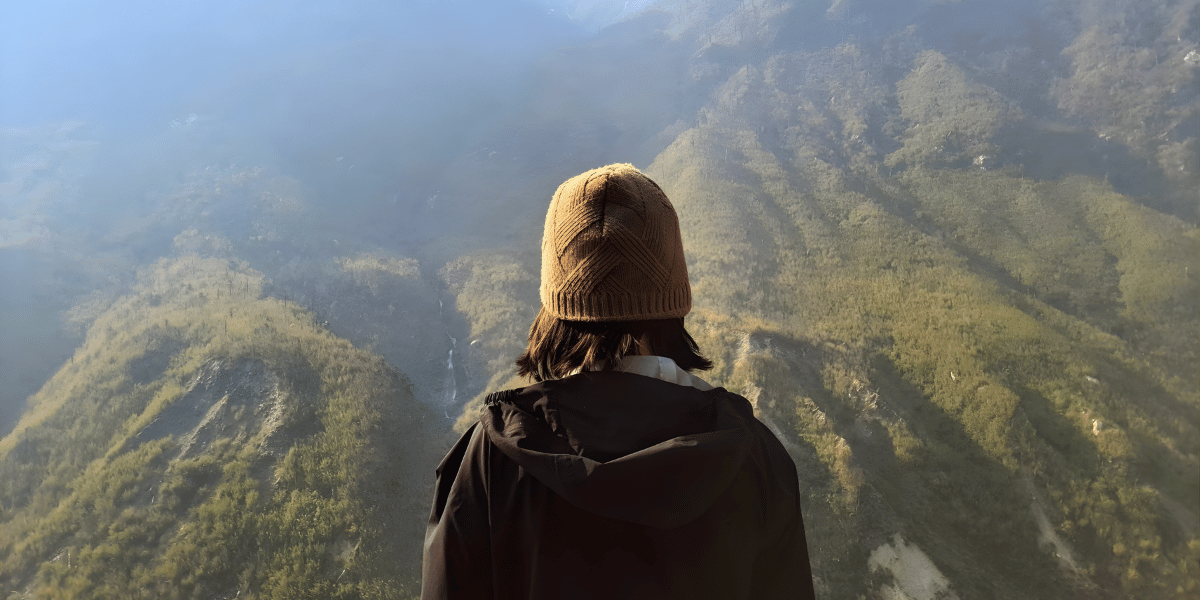
- Start walking early; the valley feels most peaceful in the morning, and you’ll reach your next lodge before encountering strong afternoon winds.
- Embrace a slow, steady pace. Take time to stop and appreciate everything you wouldn’t have otherwise encountered.
- Keep a free day in your plan for Kyanjin. You can either use it for trying to conquer Yala Peak or to simply bask in the sunlight and enjoy the valley.
- Drink more water than you think you need. Dehydration causes more than just headaches at high altitude.
- Avoid overpacking. With tea houses everywhere, you don’t need a lot. Pack just enough to get you through and keep you warm. Snacks and drinks will be available for purchase at the villages in case you need any.
- Allow yourself an hour or so to simply take in the experience of the Langtang Valley. Sit down without cameras or rushing and watch clouds slide off Langtang Lirung. These will become the memories you talk about the most.
- Bring enough cash with you. Wi-Fi and card machines may not be reliable in these mountains.
- If headache, nausea, or dizziness feels stronger than just exhaustion, speak up early. A small rest for acclimatization will prevent it from becoming a bigger problem later in the day.
- Talk to people, locals and travellers alike. Share stories, ask them about their lives, and tell them about yours. People are just as important a part of the Langtang Valley Trek as the peaks.
Conclusion
Langtang isn't Nepal's highest or toughest trek. Honestly, that's part of its charm. In just about a week, you get to see forests, rivers, glaciers, and yak pastures. Mountains feel close enough to touch.
You walk a valley that's faced real loss. But it bounced back strong. Rebuilt homes and lodges greet you warmly. It does not matter if it's your first trek or your fifth. Langtang slows you right down. It opens your eyes. Reminds you why we chase the mountains again and again.
And if you decide to walk this valley with us at Altitude Himalaya, we’ll make sure the only thing you have to think about is how long you can linger over that morning cup of tea with Langtang Lirung, Langtang II, Gangchempo, and Yala Peak in front of you!