I’m sure many of us have come across a situation when our expenses while travelling have crossed the preplanned budget. Some of the major travel expenses that you will have to prepare for are accommodations, transport (within Tibet and outside Tibet), meals, and travel guides.
While I cannot give you an exact number on how much your trip would cost, I can give you the price ranges and details on various determining factors that can help you estimate the amount you will need for your trip.
Overall Length of Your Stay
The number of days you plan to spend in Tibet is a major determinant that you must consider before planning your budget.
Longer stay means more nights spent in hotels, so you will have to pay extra. But an additional night doesn’t necessarily mean wasted time.
Most of the extra nights in the itineraries are intentionally included for a reason. Rushing your trip to avoid hotel bills can make you more vulnerable to altitude sickness.
As Tibet is a high-altitude region, moving from one location to another should be carefully thought out, as your body needs to adjust to the low levels of oxygen at different elevations.
Travel agencies usually divide the sightseeing according to travellers’ comfort and the guide rates will be adjusted accordingly. Even if you can cover two destinations within a certain time, buffer time will be added for various reasons.
One of the main reasons for staying an additional night is for acclimatization. Once you acclimatize to a certain city’s altitude, it will be easier for you to complete your sightseeing there as well as other locations with similar elevation.
Apart from that, you will also have to pay for additional food expenses when you stay longer in Tibet. The cost may also vary depending on the region you stay in.
Your Accommodation Preference
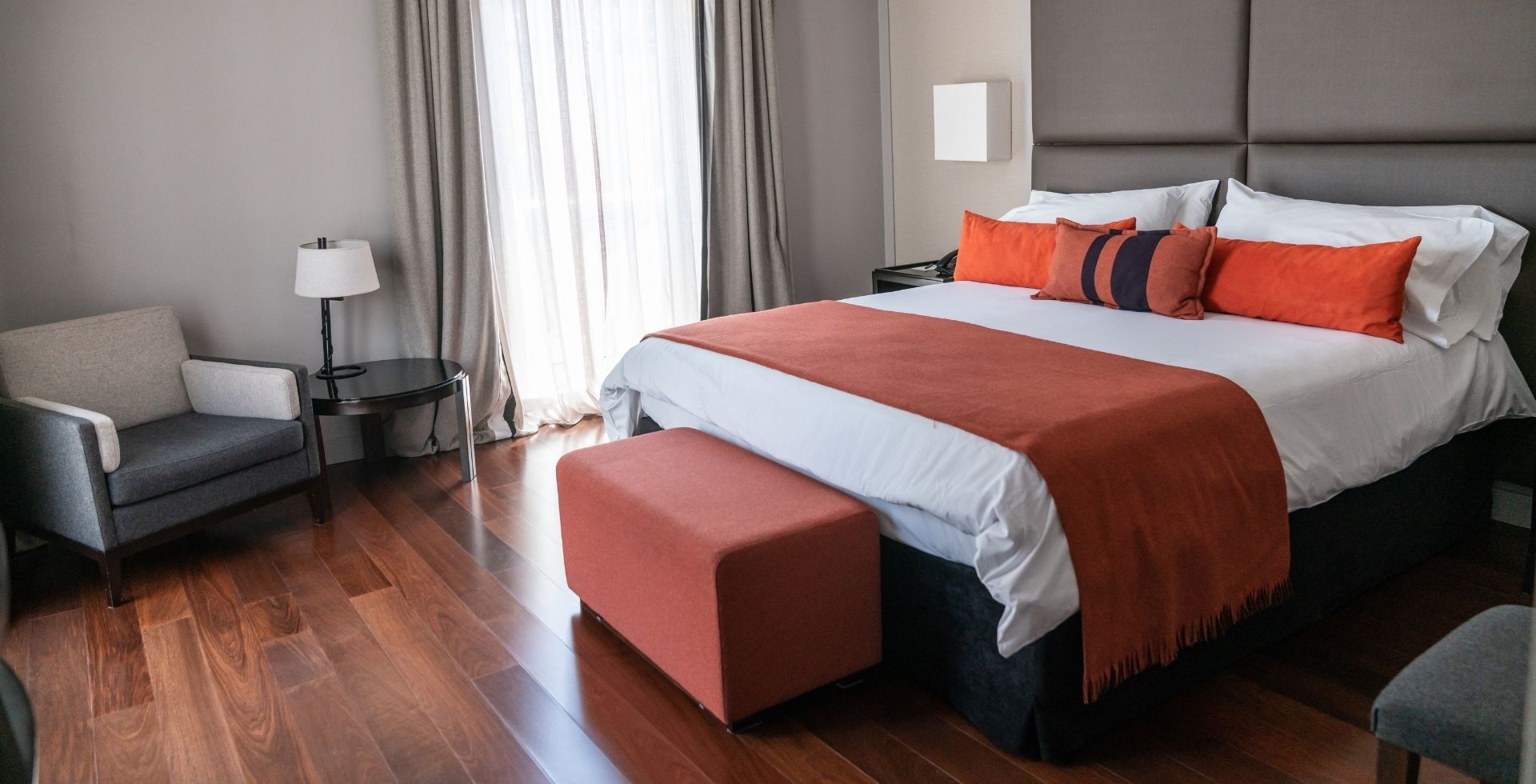
There are ranges of hotels available in Tibet for you to stay at during your trip. Ever since tourism took off in Tibet during the 1980s, many infrastructure has been developed to make travel more accessible.
Today, when you look at the accommodations provided in Tibet, you will find that some of the largest luxury hotel chains have expanded their presence in the Tibet Autonomous Region.
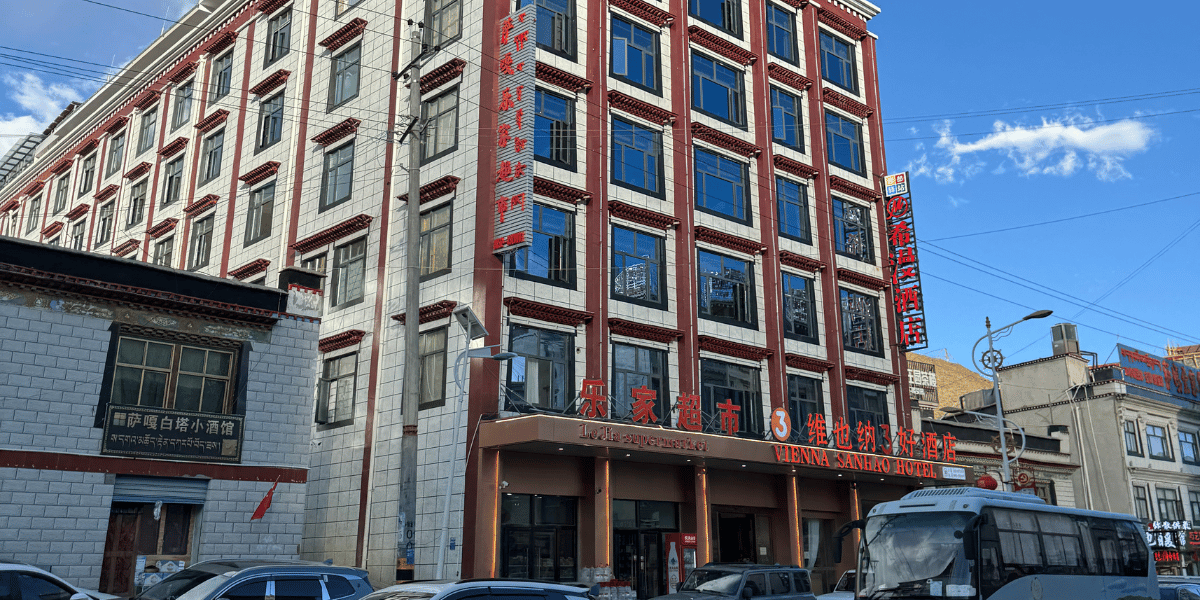
Please look at the table below to get an estimated cost for different ranges of hotels available in Tibet:
|
Types of Hotel
|
Estimated Cost
|
|
3-star Hotels
|
About $80 per night
|
|
4-star Hotels
|
About $120 per night
|
|
5-star Hotels
|
Above $200 per night
|
3-Star Hotels in Tibet
If you visit Tibet today, you will find that the locally rated 3-star hotels have become the top choice of accommodation for most of the visitors.
These 3-star hotels come with basic amenities like air-conditioned rooms, hot water, free WiFi, extra heating (heated mattresses or blankets) and complimentary breakfasts.
The rooms are comfortable and come with private bathrooms. With most of the rooms decorated in Tibetan aesthetics, these 3-star hotels provide standard services at affordable prices.
Additionally, the hotels in towns and cities are located nearby happening places, making it easier for you to visit the restaurants and shops.
Here are some of the renowned 3-star hotels in Lhasa and Shigatse that have received positive feedback from visitors.
|
Hotel
|
Location
|
|
Shambhala Palace
|
Lhasa
|
|
Tibet Baiyi Hotel
|
Lhasa
|
|
Yak Hotel
|
Lhasa
|
|
Himalaya Hotel
|
Lhasa
|
|
Jinjiang Inn Select
|
Lhasa
|
|
Tangka Hotel
|
Lhasa
|
|
Tibet Greeting Hotel
|
Lhasa
|
|
Gyantse Hotel
|
Gyantse County
|
|
Gesar Hotel
|
Shigatse
|
|
Magnificent Hotel
|
Shigatse
|
|
JI Hotel
|
Shigatse
|
5-Star Hotels in Tibet
For those who cannot compromise on luxury while travelling, don’t worry, Tibet has you covered. There are also 5-star hotels in Lhasa and Shigatse, which would certainly cost more than the 3-star accommodations.
These hotels provide extra services with top quality. Without opting for sightseeing, you can simply choose to relax in these hotels, enjoying your time at their in-house spas and restaurants with an à la carte menu.
|
Hotel
|
Location
|
|
St. Regis Lhasa Resort
|
Lhasa
|
|
Shangri-La Hotel
|
Lhasa
|
|
Intercontinental Lhasa Paradise
|
Lhasa
|
|
Four Points by Sheraton
|
Lhasa
|
|
Lhasa Manasarovar Hotel
|
Lhasa
|
|
Lhasa Ruiji Holiday Hotel by Marriott
|
Lhasa
|
|
Hilton Shigatse
|
Shigatse
|
However, you cannot expect the same if you wish to travel to remote areas. If you are travelling for treks or pilgrimages, you will have to adjust in tea houses and monasteries for the night’s stay.
Note: If you are a budget traveller and plan on spending a minimal amount for accommodations, there are plenty of budget-friendly hotels that provide basic amenities. Please consult about the choices with your travel agency.
Accommodation During Kailash Mansarovar Yatra
Your trip to Kailash is going to be quite different compared to Lhasa and Shigatse. While travelling from Lhasa or via Kathmandu, you will meet at Tibet’s travel hub, Kyirong/Gyirong Town.
From Kyirong to Darchen, you will find 3-star or even 5-star hotels on the way. But after crossing Darchen, you will have to trek for 3 days if you are opting for Mt. Kailash kora. During those days, or during your overnight stay at Lake Mansarovar, you will have to stay at local guesthouses or teahouses.
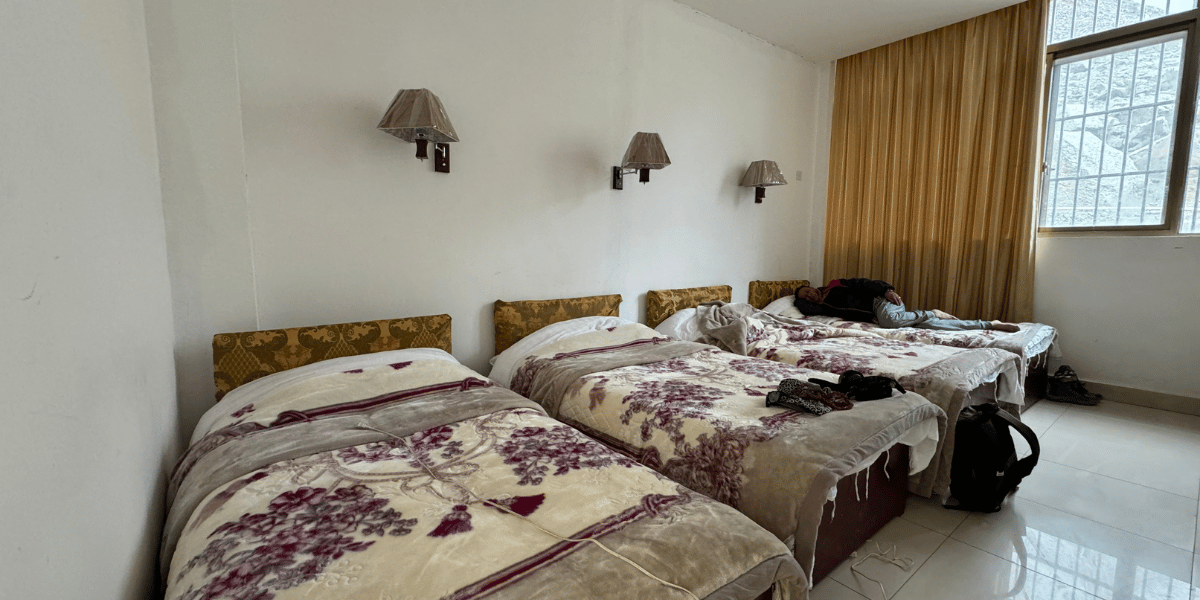
While the rates for hotels are similar to the ones mentioned in the table above, you will pay much less in local guesthouses and teahouses.
However, as you reach higher altitudes, you will have to pay more when it comes to meals. This is because of seasonal disturbances in transportation and the environment there, where agriculture is not the best food resource.
Note: If you have any more questions regarding Kailash Mansarovar Yatra or need a clearer breakdown of the expenses, our dedicated sister company, Kailash Yatra Travel, would be happy to help you out!
Transportation in Tibet
Before we read more details on transportation, please note that all the vehicles provided by reputed travel agencies will have a spare oxygen can in the trunk to make sure that you do not face any trouble with increasing altitude.
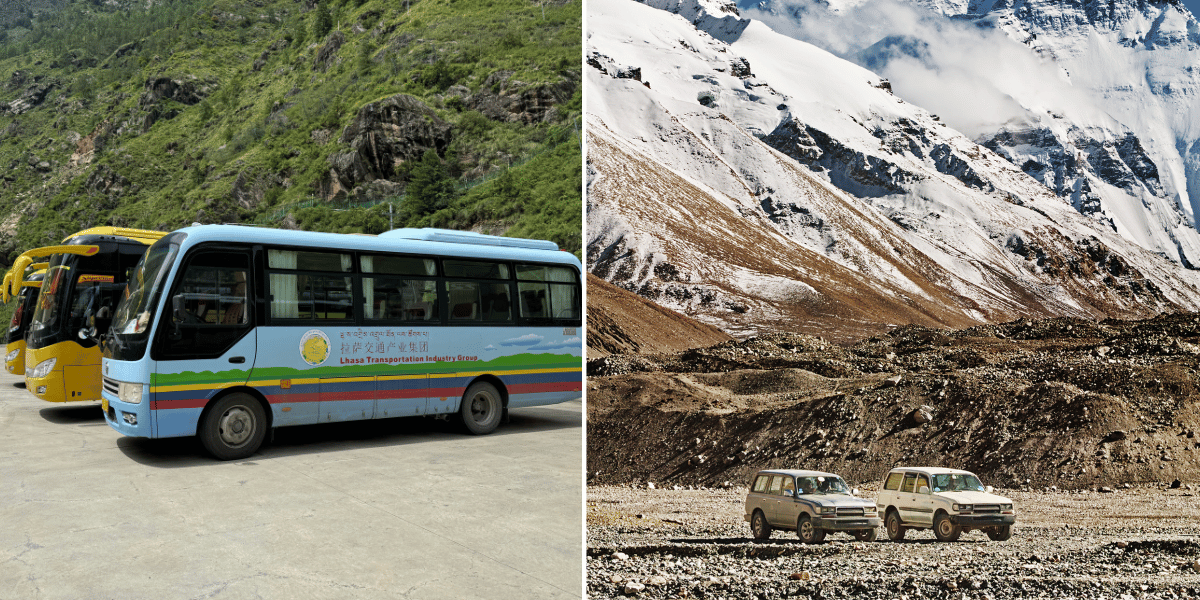
Additionally, the vehicles provided there will be air-conditioned, clean, and comfortable. There are different modes of transportation that you can choose from for your journey around Tibet.
The size of your travel group also determines the size of the vehicle provided by the travel agency.
|
Types of Vehicle
|
Approximate Cost Per Day
|
|
Car
|
$150
|
|
Van
|
$200
|
|
Bus
|
$400
|
|
4WD Land Cruiser
|
$500
|
If your group is made up of two individuals, a car will be provided from the time the driver picks you up to the time he drops you off. This is the cheapest option, but it is only available for a smaller group.
For a group slightly larger, a van will be provided at a slightly higher price. And for large groups, a bus (luxury coach on request with respect to the location) will be provided.
However, the mode of transportation will also change based on the road conditions and different terrains.
One of the most popular vehicles for Tibet travel is the four-wheel Toyota Land Cruiser. It is the best choice for those wishing to visit North EBC and Mount Kailash. It is comfortable and convenient in rugged terrains and can take you to rural areas with ease.
However, given the car’s fuel consumption and maintenance cost, renting the 4WD for basic sightseeing can be more expensive. So travelling in 4WD can be saved for destinations in remote areas.
Note: Roadways are only accessible till Darchen town while travelling to the Mt. Kailash region.
Route Taken to Reach Tibet
Apart from the medium of transport you take in Tibet, the medium of transport you choose to reach Tibet also influences the travel cost.
Let me explain in brief how each route and medium affects the total cost and which route seems the most beneficial.
Pros of Travelling to Tibet from Nepal
The only direct international flight to Tibet is operated from Kathmandu, Nepal, by Himalaya Airlines. The duration of the flight is 1.5 hours and the frequency of flights on a weekly basis is determined according to the season.
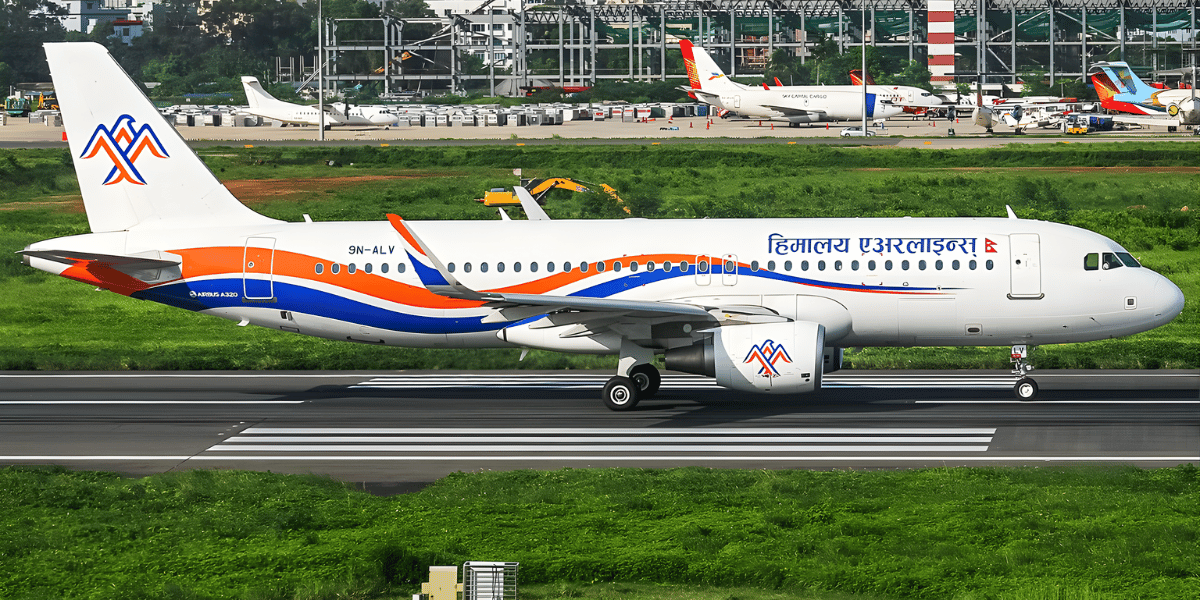
If you don’t want to take the flight, then Nepal has the solution for that too – the Sino-Nepal Friendship Highway that connects Kathmandu to Lhasa. Taking this roadway from Nepal to China is beneficial in many ways.
Apart from being cost-effective, it is somewhat easier on your health, as you will gradually acclimatize to increasing levels of altitude, because taking a flight would mean landing directly at an elevation of 3,650 m above sea level.
Furthermore, the drive is scenic and you can witness how the Tibetan and Nepalese cultures slowly start blending as you reach the Nepal-China Border. Please note that these modes of transport are only accessible if you are already in Nepal.
Here is a table to give you an idea about the costs of different modes of transportation:
|
Mode of Transportation
|
Approximate Price
|
|
Driving overland from Kathmandu to Rasuwa
|
$200 per vehicle (4WD)
|
|
One-Way Flight from Himalaya Airlines
|
$450 - $600 (changes with season)
|
|
Two-way Flight from Himalaya Airlines
|
$900 - $1,200 (changes with season)
|
Note: You can also take a helicopter to reach Tibet from Nepal, but this mode of transport is designed specifically for those who are planning to go for the Kailash Mansarovar Yatra. The flight will take off from Simikot Airport and land at Hilsa, Nepal (another Nepal-China Border), and then you can finish your immigration process and drive to Tibet. Prices and availability vary according to seasons.
Travelling to Tibet from Other Countries
First things first, there are no direct international flights to Tibet from any other country, except Nepal. This means that all the international flights to Tibet from any other country will include a layover in mainland China.
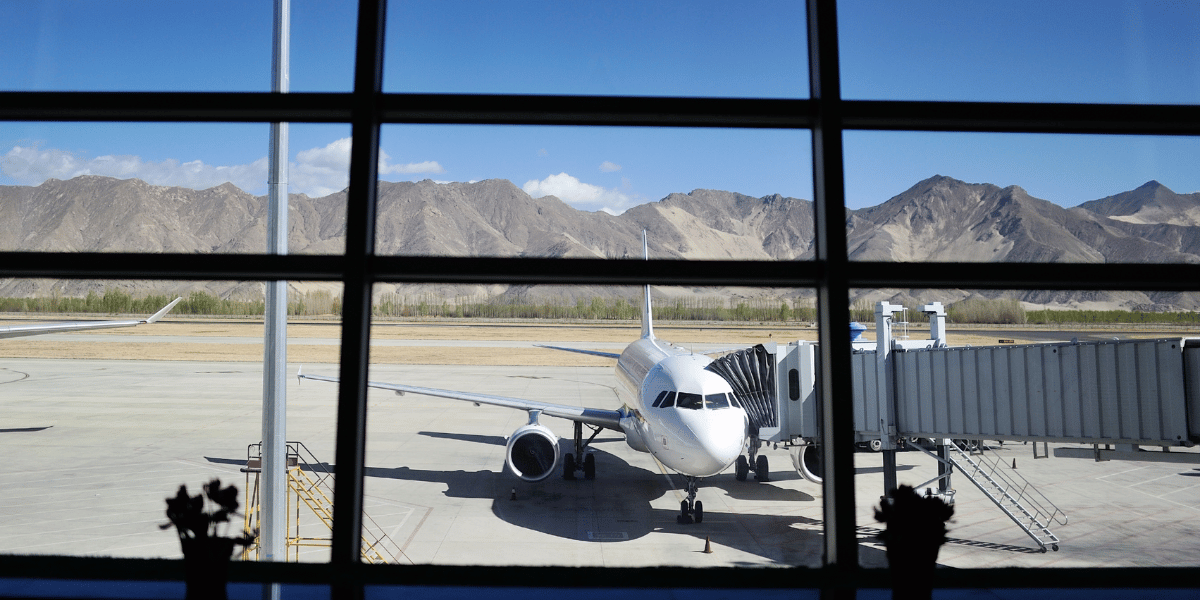
Please understand that the flight fares will be higher because of the flight duration and extra charges for high-altitude operations.
The prices for these flights depend on your departure location and flight availability; please check them with the airlines of your choice. If there are too many layovers, your flight ticket will be higher.
Since preferences and departure costs can vary according to nationality, those travelling to Tibet from the USA, the United Kingdom, and those from Australia can check the respective linked pages for a detailed itinerary and transparent cost breakdown.
Train to Tibet from Mainland China
Taking the train from mainland China is one of the most economical options to travel to Tibet. The train goes through the Qinghai-Tibet Railway, which many travellers have claimed to be a scenic route.
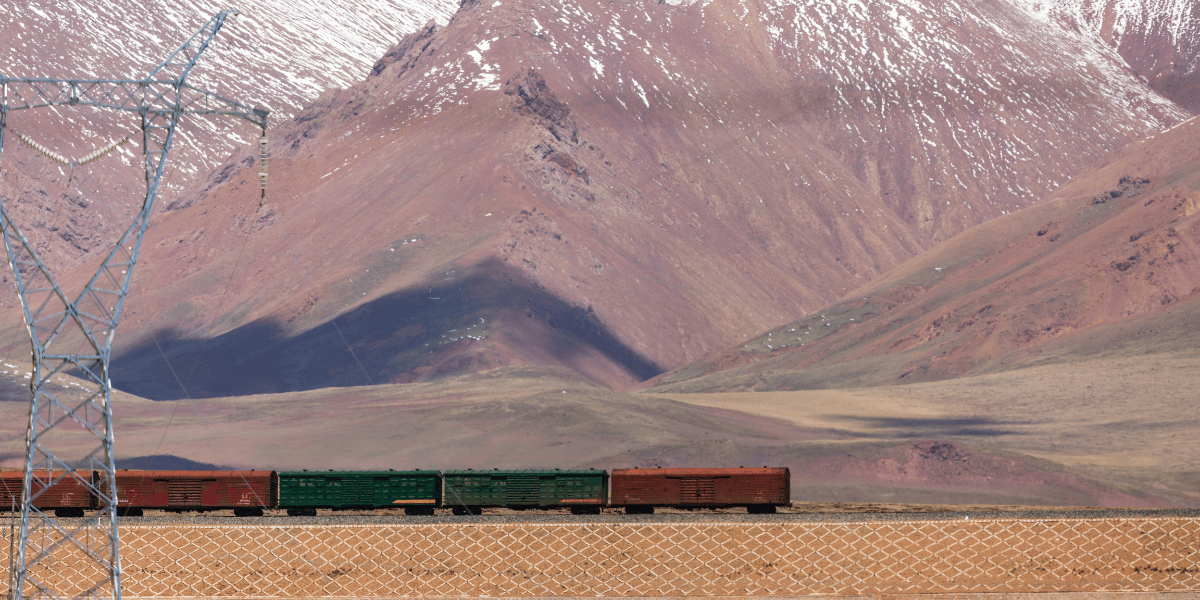
However, the journey will take more than 20 hours, extending up to 40 hours, depending on your boarding station. Even the shortest route, from Xining, will take about 20 hours.
Some other major cities of departure are Chengdu, Beijing, and Shanghai.
If you plan on taking the train to Tibet, please consult with your travel agency for more details regarding your city of departure.
Make sure that you have all the necessary documents to board the train. The train fare can cost you anywhere between $100 - $300, depending on the distance and standards of the cabin.
Your Group Size
When it comes to vehicles in Tibet, you don’t rent a seat; you rent a vehicle. Similarly, the price of the guide remains the same no matter the size of the group. So keeping these aspects in mind, it is evident how the size of your group can affect the shared costs.
The bigger your group is, the less you will have to pay per person for services like transport and tour guides. As for accommodation, most of the rooms in the 3-star hotels are provided on a twin-sharing basis.
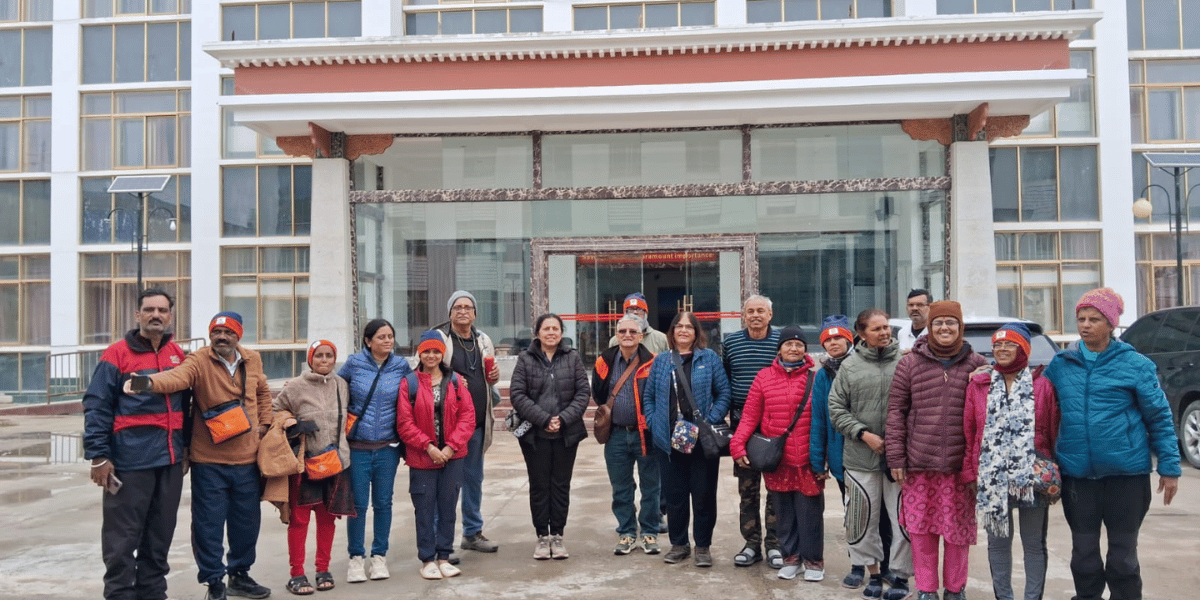
If you are comfortable with the people in your group, sharing rooms can be effective in reducing the cost. But if you wish to upgrade to a single room, then you will have to cover the extra cost for the room.
However, when it comes to a small group, it is easier for them to upgrade their hotels. They are also less likely to face issues with room availability in peak tourist seasons.
In addition, smaller groups also get more personal attention from the guide, as he/she might get busier when there is a large group.
Furthermore, with a small group, itineraries can be made more flexible. With bigger groups, itineraries are always tight right from the airport pickup.
Smaller groups can ask for more time while sightseeing to have a meaningful engagement with their surroundings.
Tour Guide’s Salary
Normally, a tour guide in Tibet charges about $70 to $100 per day, and prices may vary based on the number of sites you visit in a day, group size, and the experience he/she has.
For example, if you are travelling in a group of four and the particular guide charges $80 per day, then you would only have to pay $20 for yourself.
The reason why I have emphasized the cost for hiring a tour guide is because it is mandatory. You cannot travel around Tibet without a tour guide provided by a licensed agency.
This ensures that all the visitors abide by the travel regulations. Additionally, having guides can also ensure your safety throughout your time in Tibet. They can also help you understand the norms and social cues so that you can have an easy time in Tibet.
Note: If you are travelling with Altitude Himalaya in a large group, an extra travel guide will be arranged upon request.
Your Choice of Meals
Most of the 3-star hotels in Tibet serve a simple continental breakfast every morning that is complimentary, but the choice of lunch and dinner is up to the travellers.
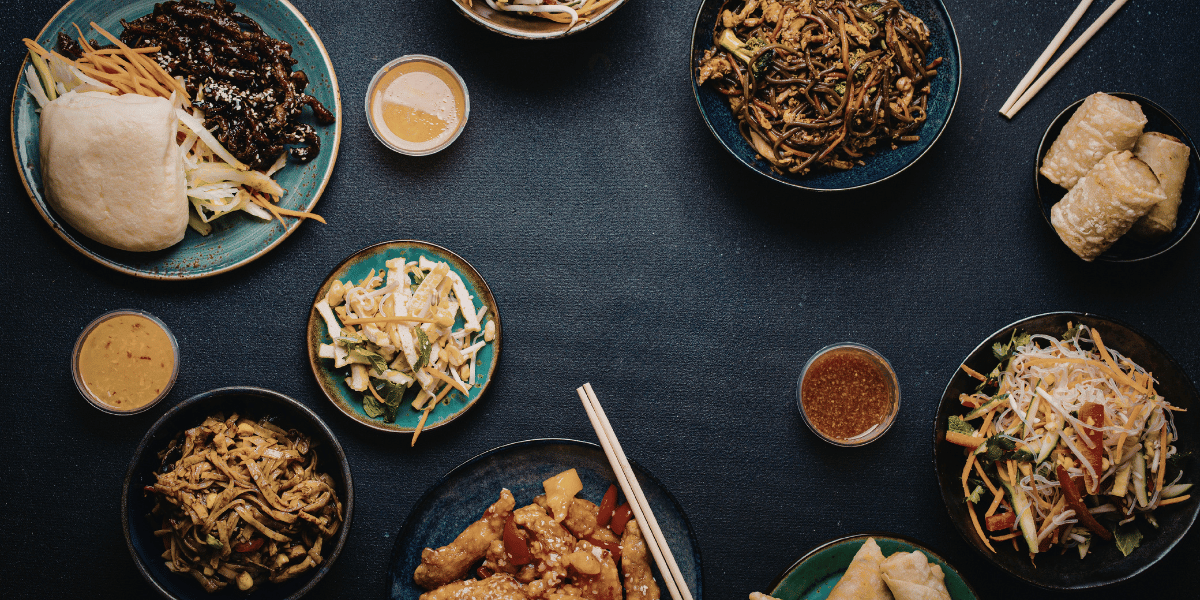
For lunch and dinner, you will have plenty of options for restaurants that serve authentic Tibetan, Chinese, Indian, and Nepalese food. There are also various western fast food chains like McDonald's and KFC in the cities, and many restaurants serve pizza, pasta, and burgers.
The price of the meals depends on the type of restaurant you choose. If you pick a high-end restaurant, then you will have to pay more, obviously.
The most affordable choice will always be traditional Tibetan food, but it is an acquired taste for many.
While the local Tibetan cuisine could cost you between $2- $10, the price of the meals in other restaurants can range between $15 - $30.
Note: Different agencies have different services when it comes to serving lunch and dinner.
Kitchen Team by Altitude Himalaya
If you are planning on travelling via Nepal’s roadway with us or leaving Tibet via the Nepal-China Border, we are happy to announce that we also provide a kitchen team to accompany you throughout your journey in Tibet.
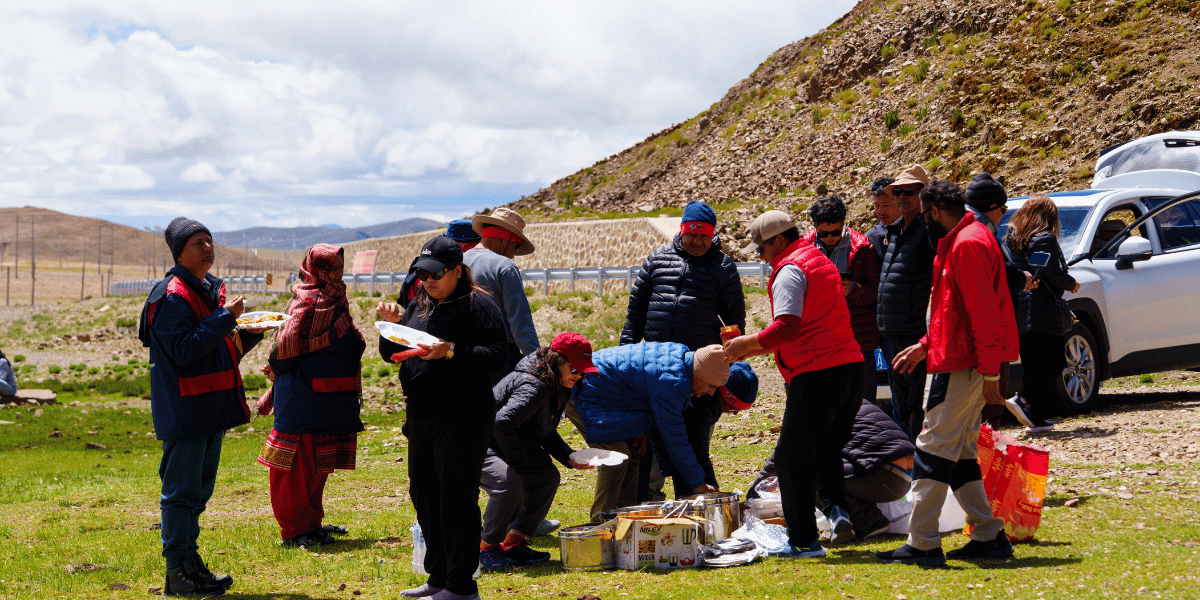
Our kitchen team ensures that you get your meals on time according to your preferences and dietary restrictions.
Our kitchen team will maintain the highest level of hygiene when it comes to preparing your food. With carefully selected ingredients, the team will ensure that you consume a balanced diet suitable for the weather and the altitude.
Sightseeing Activities
Your Tibet tour is incomplete without your visit to at least one of the major historical sites in the region you are visiting. When you book your Tibet package, regardless of the company, all packages have sightseeing fees included in them.
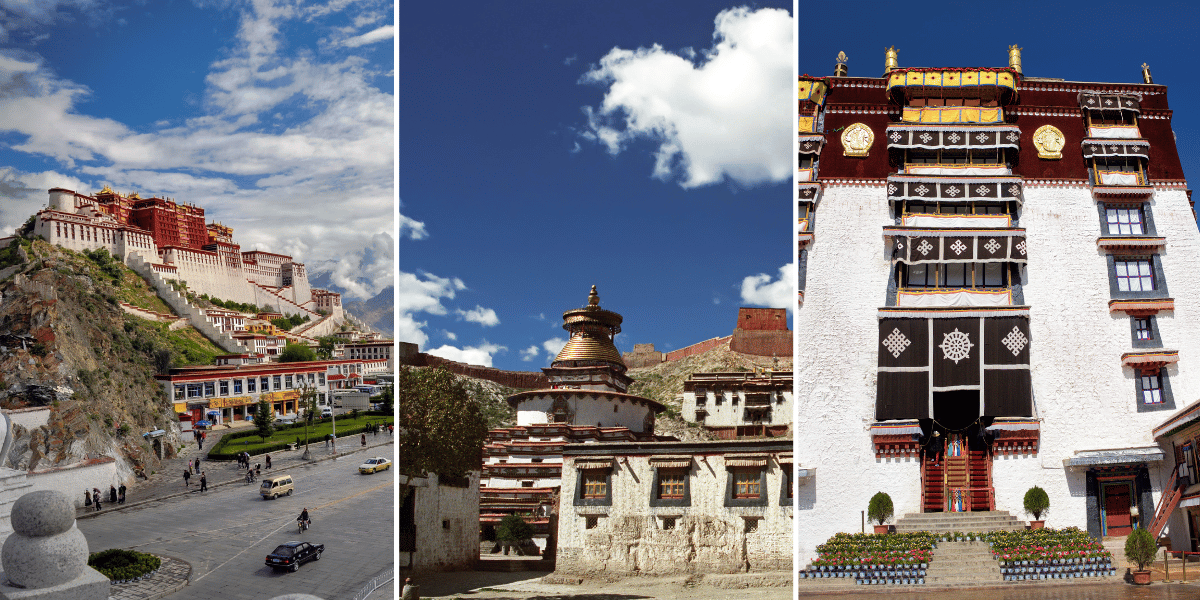
And it wouldn’t be fun if you didn't visit those places. Afterall, they hold immense cultural and natural significance. Visiting such places will give you a more detailed insight into the history and lifestyle of Tibetans.
Here is a table that gives you an idea about the entrance fees for the major sites in Lhasa and Shigatse. Please note that the fees are subject to change.
|
Attractions
|
Entrance Fees
|
|
Potala Palace
|
Approximately CNY 200 per person (May - October) and around CNY 100 (November - April)
|
|
Jokhang Temple
|
Around 80-85 CNY (additional fees for photography permits)
|
|
Ramoche Temple
|
Around 30 CNY
|
|
Sera Monastery
|
Approximately CNY 50
|
|
Drepung Monastery
|
Approximately CNY 50-60
|
|
Ganden Monastery
|
Around CNY 50 (additional photography fees possible)
|
|
Norbulingka Palace
|
Around CNY 60 (prices may change according to peak tourist season)
|
|
Zoo (Inside Norbulingka Palace)
|
Around 10-20 CNY
|
|
Drak Yerpa
|
Around CNY 20-50
|
|
Pelkor Chode Monastery
|
Around CNY 60
|
|
Tashilhunpo Monastery
|
Around CNY 55
|
If you have a list of places that you want to visit, make sure to customize your package. By doing so, you will only have to pay for the sites that you are interested in.
The more places you want to visit, the greater will be the cost after summing up the entrance fee for those selected sites. For historical sites like Potala Palace and Tashilhunpo Monastery, you will have to pay extra charges if you want to take photographs inside.
Choosing to Trek in Tibet
Tibet hosts some of the most scenic and spiritual treks, like the Mt. Kailash Kora, North EBC trek from Old Tingri, and Shalu Monastery trek. If you are planning to visit Tibet for a trek, then your expenses will differ from those who are visiting Tibet for sightseeing or pilgrimage.
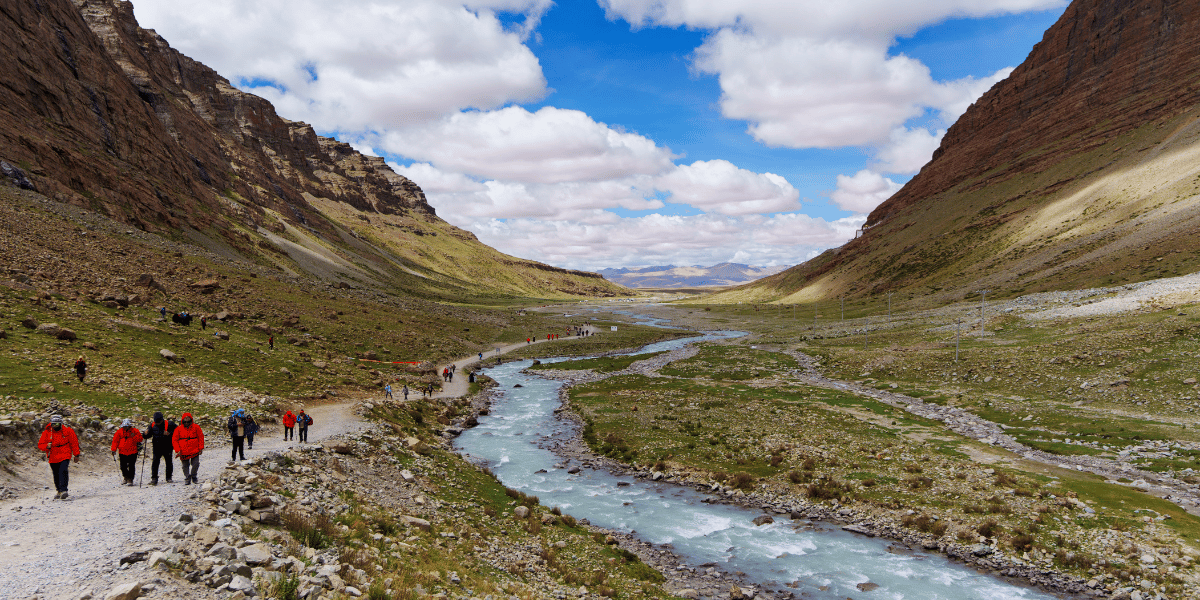
Once you visit the major attractions and acclimatize to the altitude, you can start your trek. When you are trekking, your overall cost can get affected by factors like trek duration, trek guide, porters, food, and accommodation.
While you will be saving a lot of cost on transportation as you will be walking, you will be spending more on your trek guide and porter.
While the rate of hiring a trekking guide per day will remain the same (approximately $70 to $100), the extra rate of hiring a porter will be around $40 to $60 per day.
You will also be spending less on accommodation, as most of the stays will be provided by tea houses on your trekking route and tents. The same goes for meals.
While trekking in rural areas, you won’t have the option of different cuisines for your meals. You will have to adjust to local Tibetan food, which is certainly cheaper than continental cuisines.
Lastly, if you are trekking around zones declared sensitive by the military, make sure that your agency provides you the Alien’s Permit as well as the Military Permit. And be prepared for buffer days while trekking in Tibet, as seasonal factors can affect the road conditions and trekking trails.
In conclusion, while you will cut costs on factors like stay, meals, and transportation, you cannot avoid the fixed expenses for trek guides and porters. The longer your trek lasts for, the more you will have to pay for logistics.
Fixed Expenses: Visa and Permits
One of the fixed expenses that you need to know about is the cost for Chinese Visa and Tibet Travel Permit. The visa fee differs according to your nationality. Don’t forget to check if you are eligible for visa exemption.
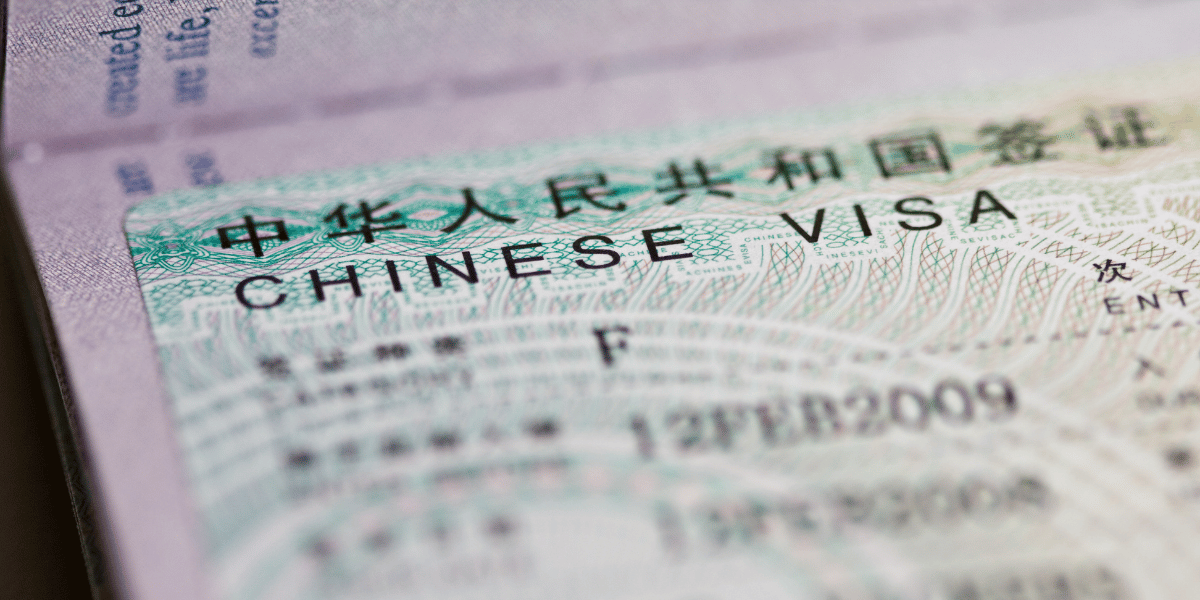
While the Tibet Travel Permit is free, agencies charge a service fee for the application.
Gentle reminder that Altitude Himalaya charges minimal fees for human resources. If you have any confusion regarding the visa application and permit application, feel free to reach out to us.
Travel Insurance [Highly Recommended]
When it comes to travel insurance, we highly recommend guests get it from their native countries.
The perks of travel insurance are different based on the provider company. For Tibet, your insurance should cover high-altitude medical emergencies, evacuation, and support in remote areas.
Despite the supervision of expert travel guides, investing in travel insurance is a must for every traveller, as you might face unpredictable events on your journey.
Before you get your travel insurance, or if you already have one, please notify the company about your travel plans in high-altitude regions. Lastly, ensure that they also cover charges for trip cancellations.
Now that the factors that affect your travel expenses have been discussed, let’s move on to the estimated costs required for the timeline you have in mind for your Tibet trip.
These expenses are not inclusive of your airfare or roadway transportation costs. Similarly, the days required to reach Tibet have not been added up.
Please note that these sub-sections have taken references from the calculations of our existing itineraries.
4 to 6 Days in Tibet
If you are planning on staying in Tibet for 4 to 6 days, then $1,600 will suffice. This amount includes your expenses for accommodation, transportation within Tibet, meals, and sightseeing.
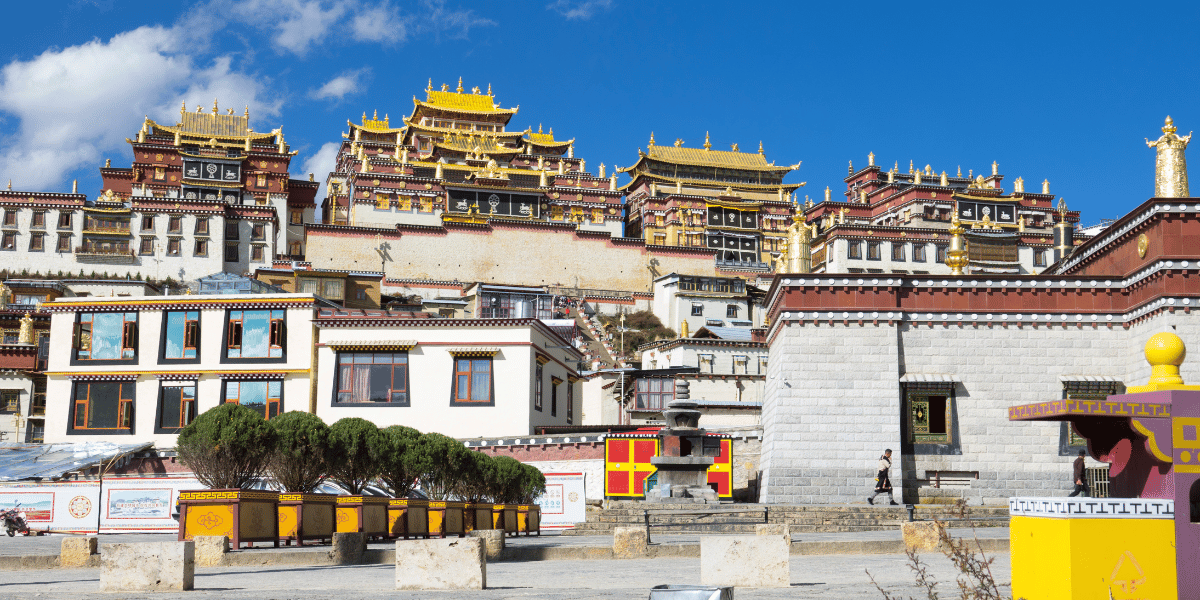
However, given the short time period, your time in Tibet will be limited to Lhasa and other major attractions that are closer to Lhasa.
Please look at the itineraries mentioned below to get a better idea of the expenses required for you to spend 4 to 6 days in Tibet.
- Short 4 Days Lhasa Tour: This itinerary, lasting for 4 days, is centered around the attractions located within Lhasa. According to this itinerary, $750 (for fixed expenses), along with additional expenses for meals like lunch and dinner and tipping, will be enough to visit the 3 UNESCO World Heritage Sites of Tibet (Potala Palace, Jokhang Temple, and Norbulingka) and other sites near Lhasa like Sera Monastery and Drak Yerpa.
- Lhasa Monasteries Tour: Many don’t realize how staying a day longer in Tibet can bless your eyes. Based on this itinerary, if you have $1,050 and some additional cash for your personal expenses and meals, then 5 days is more than enough for you to explore Lhasa. Within this budget and time period, you can not only cover the 3 UNESCO World Heritage Sites, but you can also visit the 3 Great Gelug Monasteries in Lhasa. In addition, you will also have some time for the short hike at Drak Yerpa.
- Best of Lhasa Tibet Tour: For 5 nights in Tibet, you will need $1,250, according to our itinerary. The amount mentioned covers your fixed expenses such as accommodation, breakfast, transportation, sightseeing, and tour guide charges.
You might need to carry some additional cash for expenses that are not mentioned in the package itinerary, such as lunch and dinner, shopping, tips, etc.
7 to 10 Days in Tibet
If you have more than a week’s time to travel in Tibet, then those few additional days will open doors to more tranquil paradises. You can either choose North EBC, or explore two holy lakes of Tibet that are closer to Lhasa.
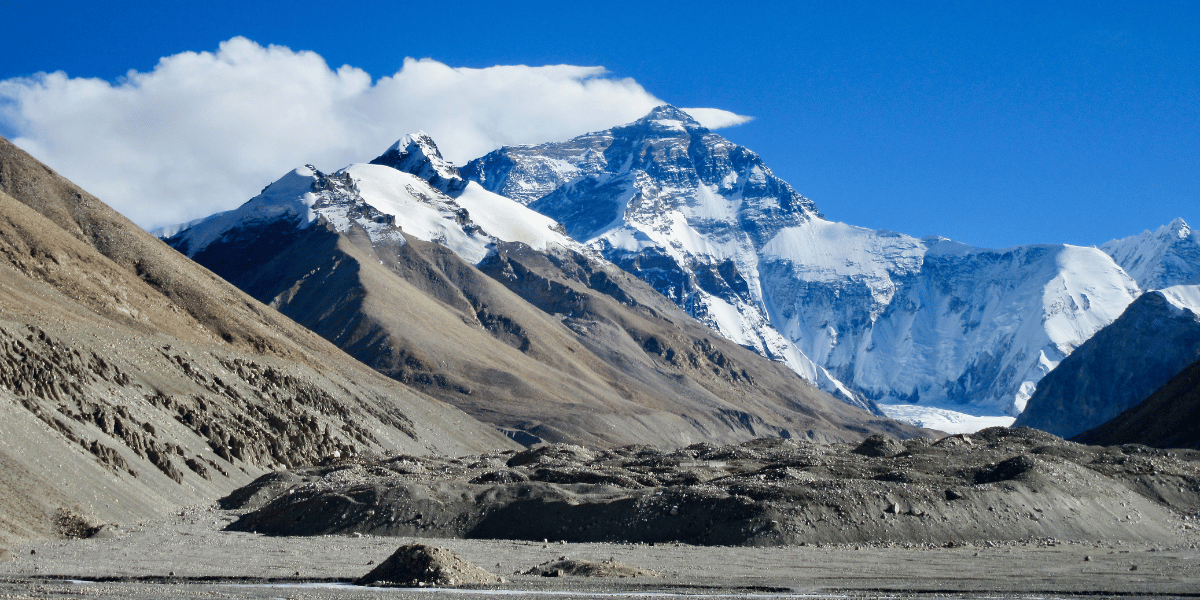
The point here is that spending a week or more allows you more time to explore the gems outside Lhasa. But this means more sightseeing and more expenses for stay, meals, and transport.
So your time in Tibet, for 7 to 10 days, can cost anywhere around $2,000 to $3,500. Let’s have a look into our existing itineraries for a better understanding.
- Tibet Lhasa Namtso Lake Tour: According to this package’s itinerary, $1,750 will be enough to explore Lhasa, the Holy Namtso Lake, and the second-largest city of Tibet, Shigatse. This cost includes mandatory expenses like stay, sightseeing, and transport. You will need additional cash for expenses that are not included in the package, such as lunch and dinner.
- Lhasa Everest Base Camp Tour: This is another itinerary for 8 days in Tibet, but instead of Namtso Lake, you will be visiting the Holy Yamdrok Lake and majestic Mt. Everest’s North Everest Base Camp (EBC). Priced at $1,850, although the duration is the same, the expenses will be higher as you will be heading to North EBC, a place comparatively rural compared to Lhasa and Shigatse. Additionally, you will be covering more distance while travelling to North EBC and Kyirong, so that explains the hike in cost.
- Tibet Combo Tour: What’s better than having 10 days to explore Tibet? Having your expenses planned. This 10-day long itinerary is priced at $2,350, and takes you to the best places in Tibet, where you can embrace both nature and the culture. In 10 days, you will visit Lhasa, Shigatse, North EBC, and the holy Lakes: Yamdrok Lake and Namtso Lake. As mentioned above, please carry additional cash for services that are not covered in the package.
We also have a different itinerary called Explore Tibet Tour for 10 days, at the price of $2,450. This trip covers Lhasa, Shigatse, 2 Holy Lakes, North EBC, and Kyirong.
More than 12 days in Tibet
If you have more than 12 days in Tibet, that means you can visit other regions as well. For instance, you can visit North EBC as well as Mt. Kailash. The ideal cost for this trip of 16 days would be $5,500-$6,000 (including extra cash in hand).
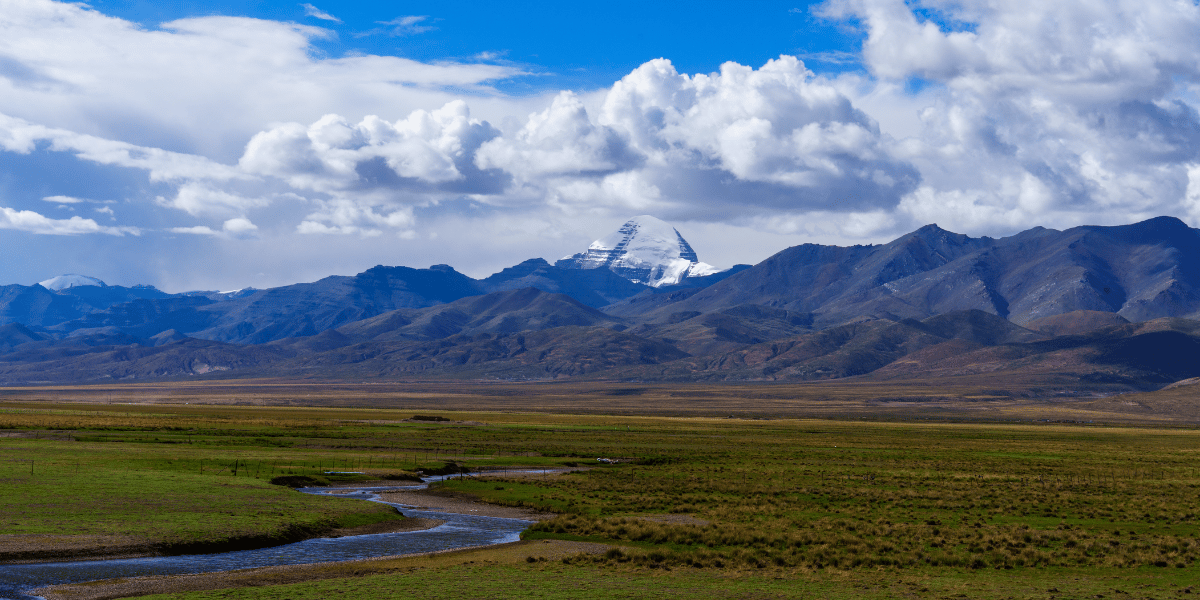
Our 16-days long Kailash Mansarovar Yatra via Lhasa itinerary will take you around Lhasa, Shigatse, North EBC, Lake Mansarovar, and Mt Kailash’s kora circuit.
If you do not wish to explore the remote areas and want to plan a long visit around the cities of Tibet (about 13 to 15 days) with short hiking trails or treks, then your expenses will certainly drop down to the range of $3,500 - $4,500.
Combine Tibet With Nepal and Bhutan
Lastly, if you wish to cover two countries within the time period of 2 - 3 weeks, you can always customize your trip. For more information on travelling to Tibet via Nepal, you can check Best Nepal Tibet Tour package by Altitude Himalaya.
To add Bhutan and cover 3 countries within 3 weeks, the best set of destinations that we offer is Best Nepal Tibet Bhutan Tour. Traveling to these three countries together will give you a better opportunity to learn how deeply interconnected the faith and cultures are in these regions.

 Suraksha Subba