A plate of Dal Bhat or Mo:Mo: is what most people opt for when visiting Nepal. But I bet you didn’t know about Newari cuisine, a platter that holds the traditional and cultural significance of the entire Newa community.
This platter is mostly consumed during the major Newari festivals. But these days, the cuisine has become a fan favorite among people from other ethnic groups, too!
Newari Cuisine not only satisfies your hunger. Every bite takes you back to the valley's historic traditions and vibrant culture, all thanks to its intense flavors.
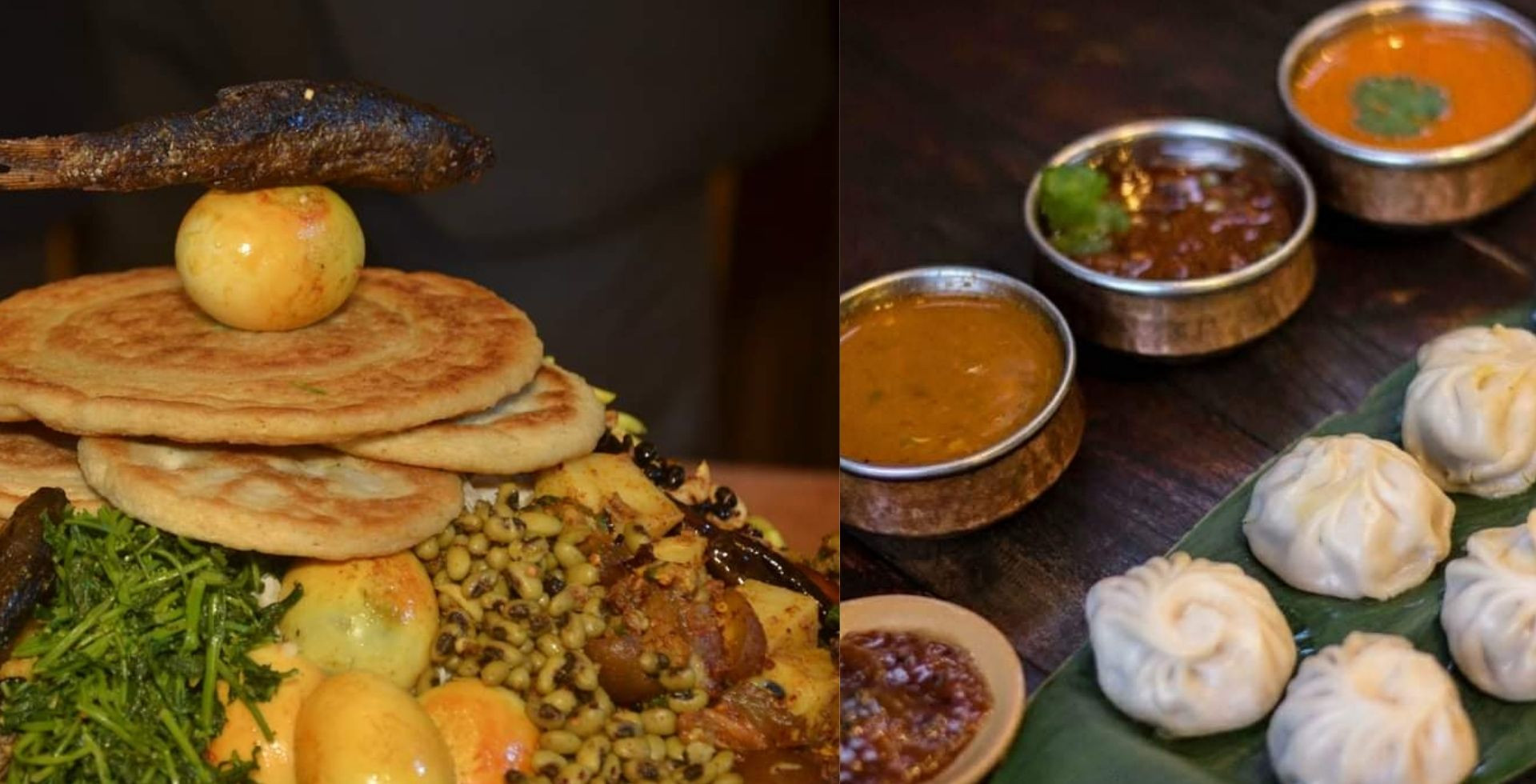
A platter of Samay Baji with sweet Yomari on one side and fiery Choila on the other. The cherry on top? Home-brewed liquor, Aaila! I’m already drooling as I’m writing this article because Newari cuisine never disappoints me!
And today, I’ve come up with in-depth information about the cultural significance, health benefits, and must-try food items within the Newari cuisine. There are also some unexplored Newari delicacies that I’ve revealed here. So, be sure to read this blog till the end!
What Makes Newari Cuisine Worth Trying?
Every food item in Newari Cuisine appears promising because each dish tells a story of tradition and heritage. It’s worth trying, considering its rich cultural significance, extraordinary variety of dishes, complex flavors, and unique style of preparation. Allow me to explain.
A Legacy Rooted in Tradition
Among the distinct indigenous ethnic groups in Nepal, one of the most renowned is the Newars. They are the natives of the Kathmandu Valley and have been farming in this fertile soil for several years. They have access to a wide range of crops, resulting in a varied diet.
The Newars have a rich culture, and most of the community celebrations are deeply rooted in customs and traditions. With the help of various Guthis (socio-religious institutions), the locals come together throughout the year, celebrating each festival grandly and vibrantly.
The key aspect that brings the community together is none other than the delicious Newari Cuisine. The food items included are not just delicious, but they also hold down historic legacies!
A popular example is Samay Baji, which is a food platter that symbolizes good luck, joy, and longevity. Moreover, the five main items here represent different classical elements (sky, earth, water, fire, and air).
Similarly, Yomari (a unique cone-shaped dish) has its own festival called Yomari Punhi, in which Newars celebrate the end of the rice harvest season. The story of Suchandra and Krita, who got the blessing from Lord Kubera, highlights that the food item is a direct blessing from the god!
The rich cultural heritage, long-held traditions, and legacies/myths associated with the food and drinks are some reasons why many appreciate the culinary art of Newari cuisine!
Traditional Style of Preparation
Newari Cuisine’s unique presentation is what catches everyone’s attention. Most Newari restaurants feature an open kitchen system, allowing you to watch the food being prepared.
It’s mostly the females who work in the kitchen wearing one of the traditional attires, “Haku Patasi”. And usually, men are responsible for serving the table wearing “Daura Suruwal”.
One thing about the foods and drinks in Newari cuisine is that they are organic, fermented, and always freshly prepared. They are made with local ingredients following traditional steps. This is what makes the cuisine more authentic and tasty!
Even the vessels and utensils used are distinct. Usually, the plates, cups, and bowls used for serving food items are made of brass and copper.
Moreover, a Newari container, “Aunti”, is used to pour the fermented hard drinks (like Aila or Thon) in a clay bowl known as “Salincha”, especially during feasts and gatherings. These traditional utensils are perfect for serving the correct quantity of the drink.
Traditionally, Newars use their hands for eating food. But nowadays, spoons and forks have become common (in both households and restaurants), considering proper sanitation.
Experience of Eating the Newari Way
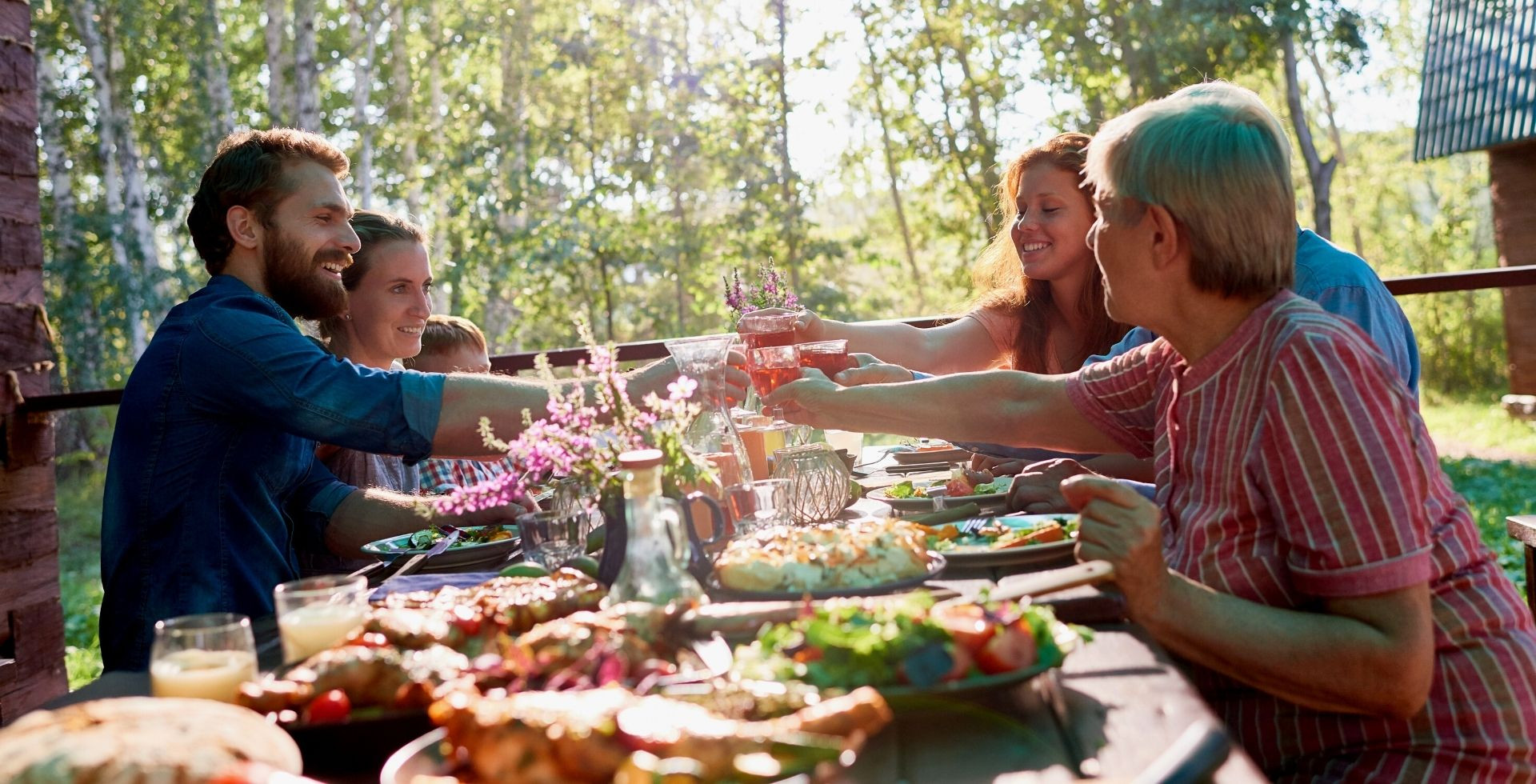
During every Newari festival and special occasion, a feast called “Bhoj” is organized, where all the family members and relatives gather to enjoy Newari Cuisine. I truly believe that experiencing Bhoj should be on everyone’s checklist when visiting Nepal.
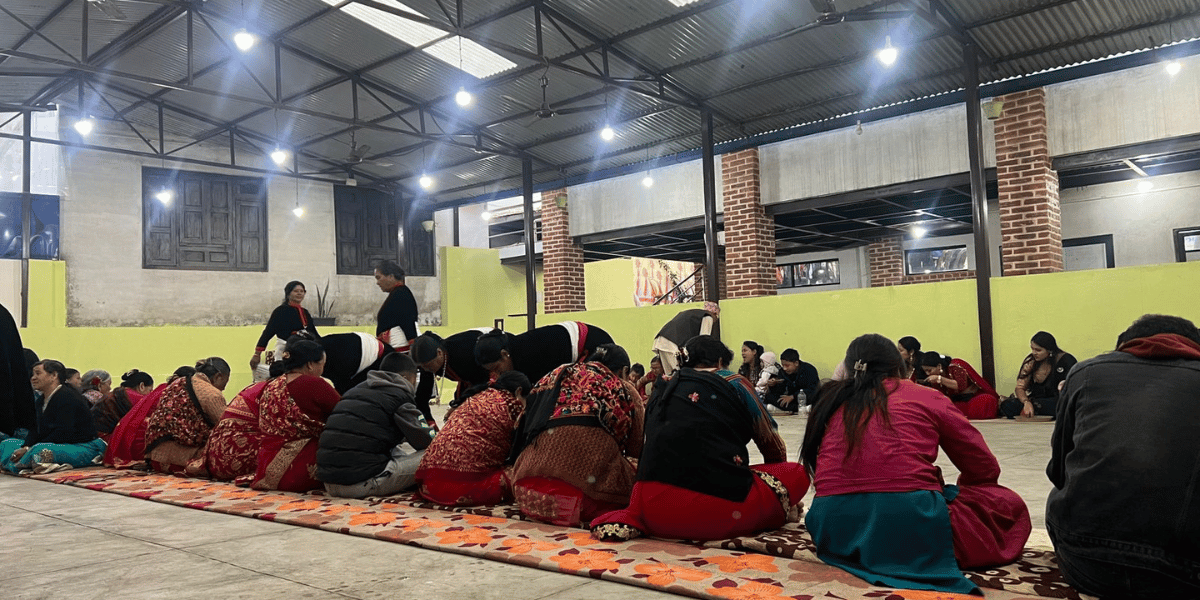
It’s not just about trying new foods. You also get to experience a new style of eating.
Traditionally, people enjoyed Newari cuisine by sitting on a mat placed on the floor. Moreover, the food used to be served on leaf plates and eaten with bare hands.
Even today, lavish communal feasts, like Suku Bhwey or Lapte Bhwey, are organized. Here, you have to sit on a straw mat known as a “Sukul”, and you’d be served Samay baji on the leaf plates known as Lapte.
Diverse Dishes with Distinct Textures
Coming to the taste, there’s a wrong impression that Newari Cuisine is very spicy. But as they say, looks can be deceiving; not all food is as spicy as it seems. In fact, each item has a unique taste, texture, and specialty.
As amazing as it looks, Newari cuisine adds different textures to your taste buds, from soft and jelly to raw, crunchy, and spicy. There’s an equal balance of sweetness, sourness, and tanginess!

The famous Chiura (beaten rice) has a crunchy texture, while foods like Takha, Nhyakha, and Steamed buffalo blood (chohi) have a jelly texture.
Another surprising aspect of Newari Cuisine is the inclusion of raw meat prepared by mixing just spices and seasoning (called Kachilaa).
Even the boiled organs of buffalo and goats are included in the cuisine. While it might sound fascinating to everyone else, it’s pretty normal in the Newar community. For first-timers, tasting them might sound nasty, but I assure you, it sure is tasty!
The food items within Newari Cuisine are so diverse that there are perhaps more than 200 dishes! While some are available throughout the year, others are prepared only during special occasions.
In cold winter times, Yomari, Takha, and Nyakhuna are the best, as they provide warmth to the body. On the other hand, Juju Dhau is best enjoyed during summer days. However, famous items like Bara and Chatamari can be a quick snack at any time of the year.
A Perfect Balance of Taste and Nutrition
Newari Cuisine blends perfectly with diverse ingredients and preparation techniques. The foods included here aren't just flavorful and satisfying but are also nutritious!
The meat (buff, chicken, chevon, and sometimes duck) is mostly steamed, grilled, or stewed, which provides essential protein to the human body. The generous use of spices (like turmeric, garlic, and ginger) offers natural anti-inflammatory and antioxidant benefits.
On the other hand, veg items like Bara (fried lentil patties) and Chatamari (rice flour crepes) provide essential nutrients like fiber, protein, and vitamins.
What’s Included in a Newari Cuisine?
The Newari Cuisine includes both veg and non-veg food items. The most popular ones are Samay Baji, Choila, Sapu Mhicha, Yomari, Chatamari, and Bara. Besides, there are many more delicious items that people usually miss.
Let me introduce you to some more Newari dishes, starting with the most popular ones:
Non-Veg Newari Food Items
Newari Cuisine consists of a diverse array of non-vegetarian dishes, where buffalo, goat, and duck meats are primarily used. They are often prepared with spices that highlight their distinct textures.
Here are the seven must-try non-veg Newari dishes:
Samay Baji
|
Ingredients
|
Chiura (Beaten Rice), Bhatmas (Black Soybeans), Palu (finely cut ginger), Choila, egg, spicy potatoes, spinach, boiled beans, pickles, etc.
|
|
Taste Profile
|
Balance of crunchy, spicy, tangy, and savory flavors
|
|
Spice Level
|
Medium to high
|
Samay Baji is a classic and traditional dish that is often served as an appetizer or the first course of a meal. It is synonymous with beginnings and celebrations among Newars.

The dish stands for good luck, health, prosperity, and longevity. It's a hearty supper served on a plate and is best eaten with some locally made drinks such as Chyang and Aila.
Choila
|
Ingredients
|
(Buffalo, Chicken, or Duck), oil, spices
|
|
Taste Profile
|
Spicy, smoky, and savoury
|
|
Spice Level
|
Medium to high
|
Choila, also known as Chhwela or Chhoyela, is a popular Newari dish made with grilled meat mixed with some oil and spices. It's tasty, blendable, and also traditionally required in major Newari festivals.
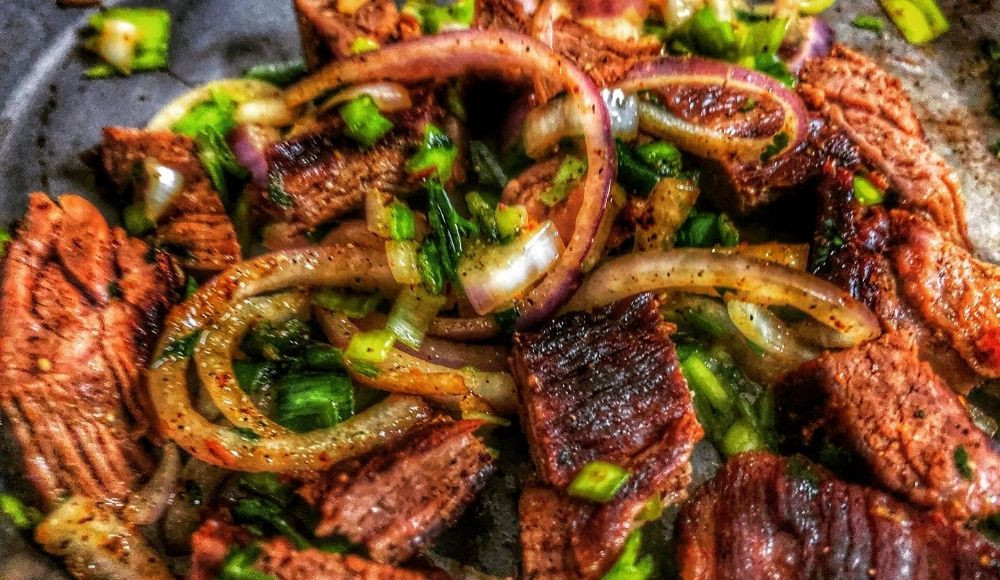
Often eaten with rice flakes (chiura), the flavor of Choila is very fiery and mouth-watering. In fact, it is one of the major items included in Samay Baji.
You can find a variety of different meats used to make the dish, such as Buffalo, Chicken, or Duck, but Buffalo is the most popular one.
Kachila
|
Ingredients
|
Raw meat, spices
|
|
Taste Profile
|
Spicy and Savoury
|
|
Spice Level
|
Medium to high
|
“Kachi,” means “Raw,” and “La,” means “Meat” in the Newari language. Together, it means raw meat.
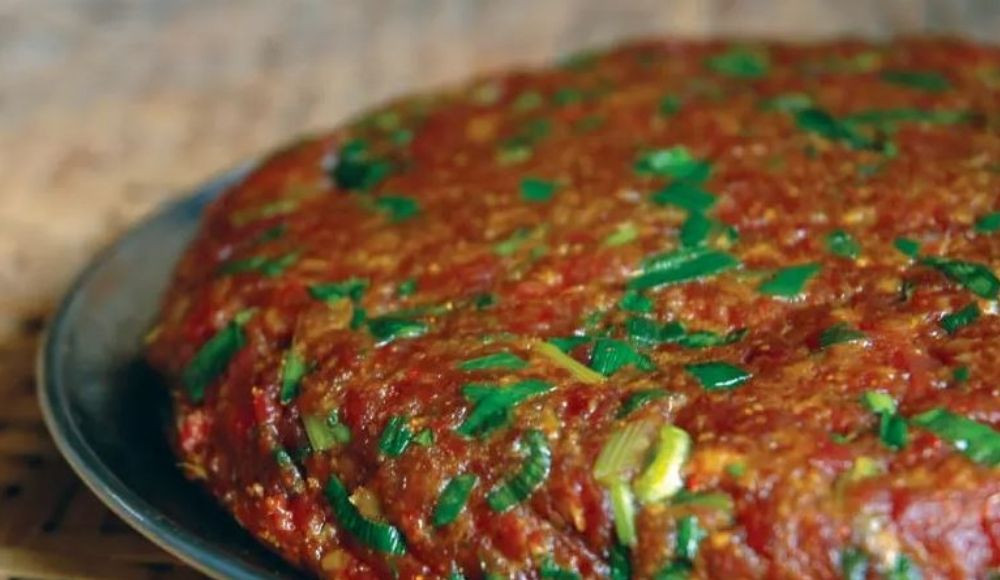
Mixed with spices and garnished with coriander, this is one of my favorite dishes on the list. Although eating it raw might make it a bit unappealing, the bold flavors make it surprisingly delicious.
Trust me, once you try it, you’ll be addicted to Kachila!
Chatamari
|
Ingredients
|
Rice flour, minced meat, sliced vegetables, and egg
|
|
Taste Profile
|
Savoury
|
|
Spice Level
|
Medium
|
Another special dish of the Newari Cuisine is Chatamari, which is a round-shaped batter made from rice flour. It’s often topped with ingredients like minced meat, egg, and sliced vegetables.
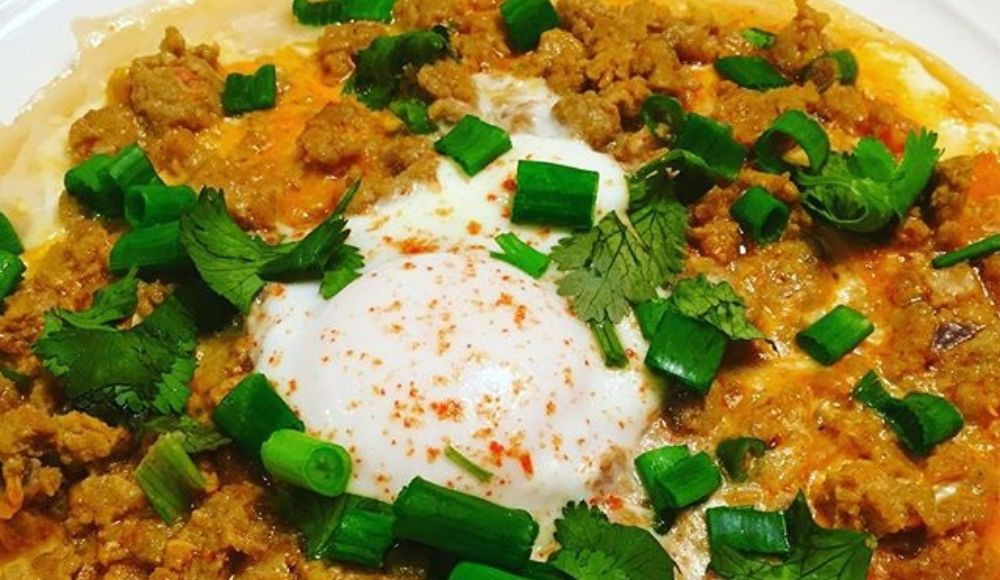
Its appearance is very similar to Pizza, and hence many call it "Newari Pizza” too. These days, many consume it as a snack, and most restaurants make sure not to miss it on their menu.
You can even customize this dish by adding beef, corn, mushrooms, onions, and other ingredients that you prefer.
Bara
|
Ingredients
|
Thick black lentil paste, spices, egg, meat, (or vegetables)
|
|
Taste Profile
|
Savoury and Spicy
|
|
Spice Level
|
Low to Medium
|
Bara is a popular, healthy, and hygienic traditional Newari dish made of black lentils. It's one of Nepal's most beloved dishes, all because it's nutritious and tasty.
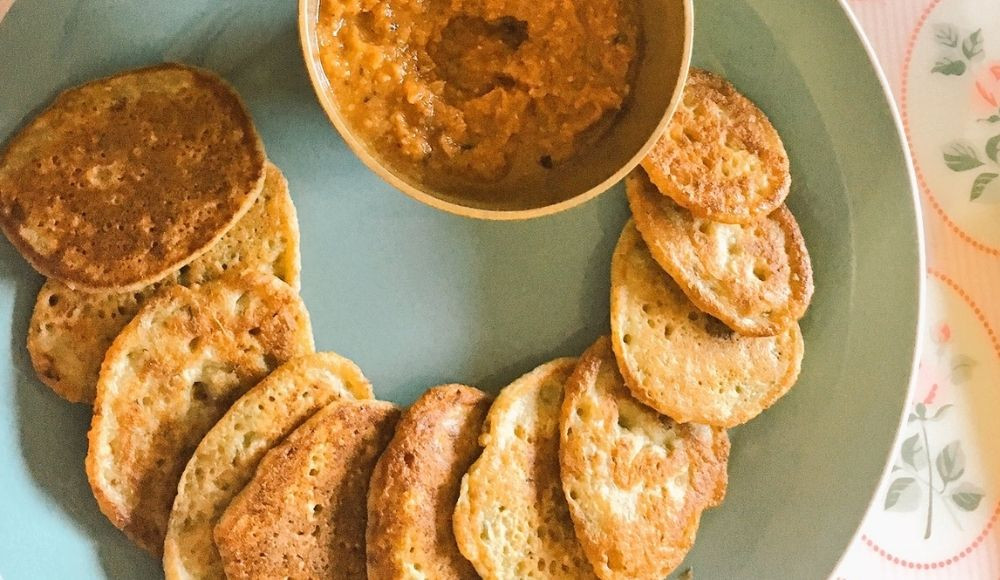
For its preparation, the beans are soaked overnight and washed multiple times the following day till the bean peel comes off. After that, they are ground into a thick paste with spices, ginger, and salt added to enhance the taste.
Before consuming it, you have the option to select the topping of Bara, which can be egg, meat, or vegetables. Thus, even vegetarians can enjoy this dish!
Kaakwa or Bulla
|
Ingredients
|
Fermented rice, spices, minced buffalo meat, and other red meats
|
|
Taste Profile
|
Tangy, Sour, and Spicy
|
|
Spice Level
|
Medium
|
Kaakwa or Bulla, is a non-vegetarian soup made with buffalo bone and other minced red meats, especially enjoyed during Bhoj. The most important ingredient of Kaakwa is the leftover fermented rice used to make Thon.
The soup is served hot with thick gravy. And thanks to the low alcohol content remaining from Thon, it retains the tangy and sour flavour, which is what most people like about it.
Sapu Mhicha
|
Ingredients
|
Buffalo leaf tripe, bone marrow, and spices
|
|
Taste Profile
|
Juicy, crispy, and savoury
|
|
Spice Level
|
Low to Medium
|
Sapu Mhicha is a fried dish made from buffalo leaf tripe stuffed with bone marrow. Its bag-like appearance tied with a thread might look unusual at first, but there's really nothing to worry about, really.
The jellified bone marrow is filled in the crunchy leaf tripe, which makes Sapu Mhicha taste buttery and juicy. You just have to bite it off from the thread marking, and once you do that, the burst of flavors coming from the bone marrow will hit your mouth, giving you an unforgettable taste!
Newari Veg Dishes
The majority of the dishes in the Newari Cuisine are non-vegetarian. But vegetarians don’t have to worry at all! There are certain food items made purely from flour, lentils, beans, unique spices, and veggies that you can try.
Here are the six most-loved Newari veg items:
Yomari
|
Ingredients
|
Rice Flour, Molasses or Milk Solids
|
|
Taste Profile
|
Sweet and Slightly Chewy
|
|
Spice Level
|
None
|
Yomari is a traditional steamed dumpling with different types of fillings inside. It's one of a kind that I personally don’t get enough of!
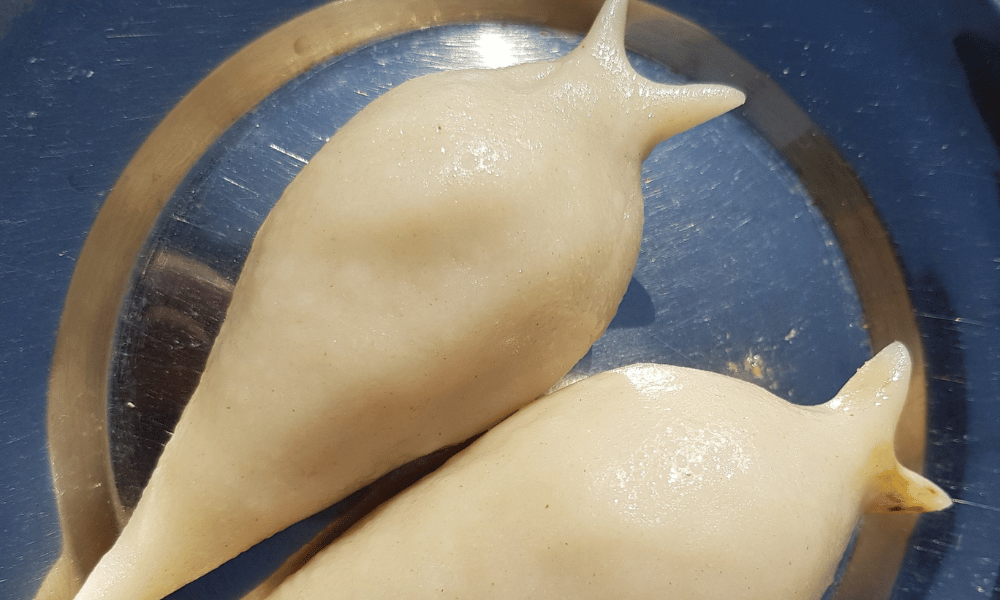
On the full moon of Thinla, the second month of Nepal Sambat or Marga Shukla Paksha, Newa communities gather to celebrate Yomari Punhi. The day is mainly celebrated as the end of the rice harvest season, and for the celebration, Newari people make Yomaris in various shapes and sizes, later enjoying them with their family and friends.
Note: If you’re a vegan, only opt for Chaku Yomari, as Khuwa Yomari contains milk solids.
Kwati
|
Ingredients
|
Black-eyed beans (Bodi), White beans (Seto Bodi), Chickpeas (Chana), Field beans (Kerau), soybeans (Bhatmas), Red kidney beans (Rajma), Blackgram beans (Mas), Mung beans (Mung), Fava beans (Bakulla), and spices
|
|
Taste Profile
|
Aromatic and Savoury
|
|
Spice Level
|
Medium
|
In the local Newari terms, “Kwa” means “Hot” and “Ti” means “Soup”, meaning Kwati is a hot soup. As per tradition, it’s prepared with a mixture of 9 different beans, which are all rich in nutrients.
Kwati is best eaten at the end of the monsoon season. In fact, Newars celebrate “Gunla Punhi” or “Kwati Punhi” on the full moon of Shrawan, where they enjoy this nutritious soup. It’s the same day when the Hindu community celebrates “Jannai Purnima”.
As per the Gregorian calendar, the festival usually falls in August, but as it is celebrated according to the Lunar calendar, the exact date changes every year.
Aloo Tama
|
Ingredients
|
Potatoes, beans, fermented bamboo shoots, and spices
|
|
Taste Profile
|
Tangy, sour, and spicy
|
|
Spice Level
|
Medium to High
|
Yet another unique and healthy soup is Aloo Tama. This is not just a Newari dish but is even enjoyed by other communities all over Nepal.
Made from potatoes and beans with fermented bamboo shoots, it’s mostly enjoyed during the cold winter time, as it keeps the body warm. Moreover, the inclusion of fermented bamboo shoots adds a distinct tangy taste to the soup, making it a must-have in the Newari Cuisine.
Gwaramari
|
Ingredients
|
Flour, Water, and Baking Powder
|
|
Taste Profile
|
Soft, crunchy
|
|
Spice Level
|
None
|
Gwaramari comes from two Newari words: “Gwara” meaning “Round”, and “Mari” meaning “bread”. The literal meaning of Gwaramari is “round bread”.
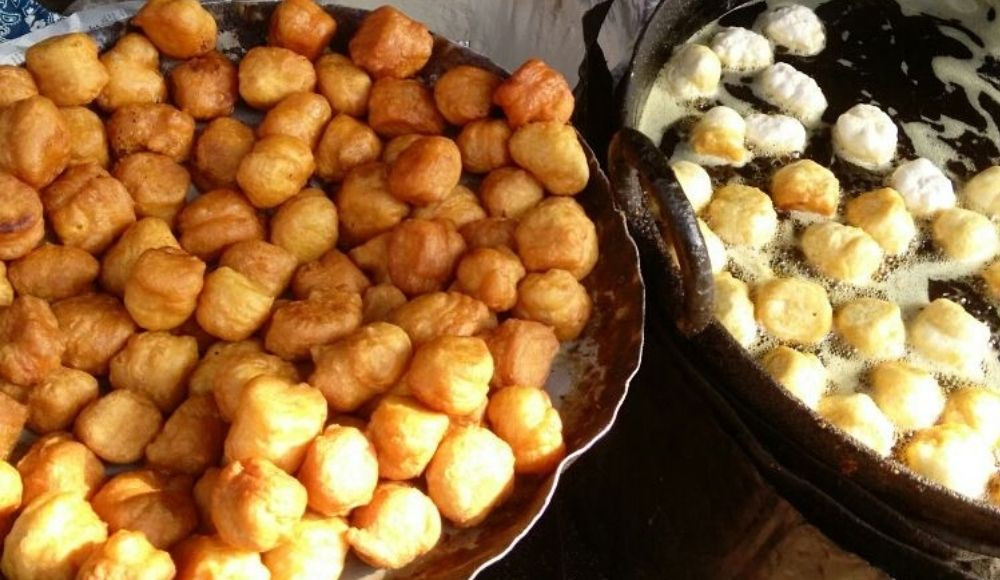
It's warm, fluffy, and easy to make with just a few ingredients. Soft on the inside and crunchy on the outside, this small-sized fluffball is considered the best morning breakfast in most Newari households.
Lakhamari
|
Ingredients
|
Rice flour, black gram, sesame seeds, and sugar syrup
|
|
Taste Profile
|
Sweet and Crunchy
|
|
Spice Level
|
None
|
A sweet dish with a hard texture, Lakhamari, plays an important role in major occasions in the Newari Community.
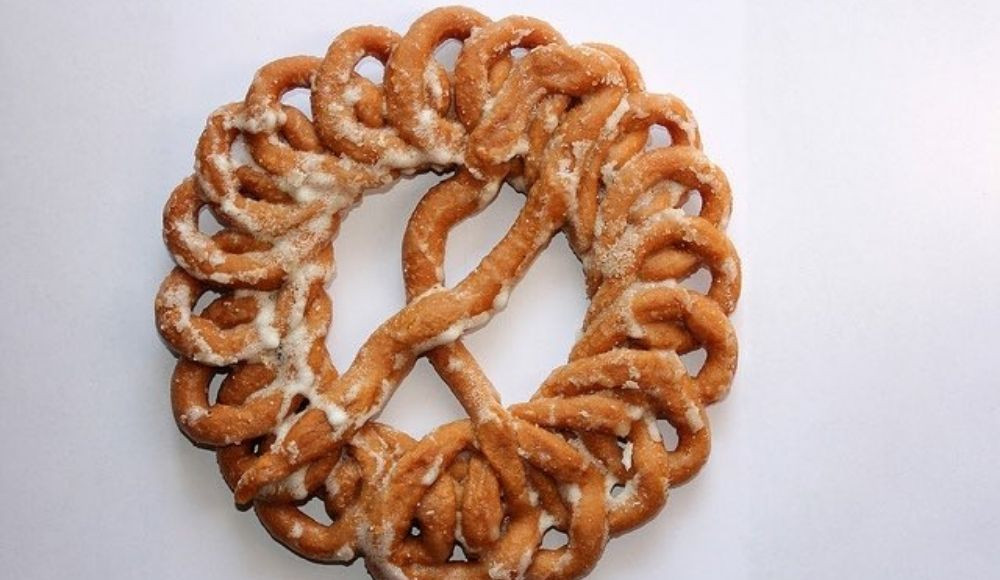
For instance, as a part of the marriage ritual, the groom’s house sends Lakhamaris as a gift to the bride's home before the wedding. This symbolizes the confirmation of marriage.
Thanks to its large size, it is one of the easily recognizable dishes that will catch your eye. However, smaller variations are also available, making them easy to eat.
Juju Dhau
|
Ingredients
|
Buffalo milk
|
|
Taste Profile
|
Sweet
|
|
Spice level
|
None
|
Juju Dhau is the most famous yogurt in Nepal, originating from the Bhaktapur district of Kathmandu Valley. The Newars term Juju as “king” and dhau as "yogurt”, thus, Juju Dhau means "The King Yogurt."
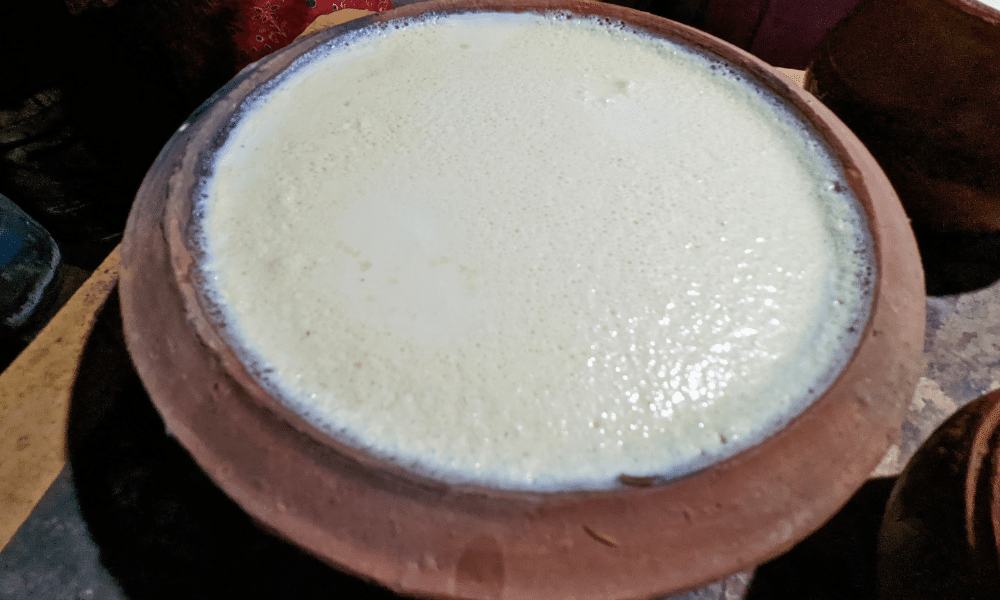
This thick and creamy curd is usually made in a clay pot, which gives it an earthy aroma that your taste buds will surely enjoy!
Newari Alcoholic Drinks
Alongside various food items, Newari Cuisine also includes traditional beverages, all of which are homemade. These aren’t prepared just for fun, but they hold great importance in the social, cultural, and religious events.
As they say, “food is incomplete without a drink”; this is 100% relevant when it comes to Newari culture. On every occasion, whether it be birthdays or festival gatherings, Newari drinks such as Tho and Aila are always there.
Aila (Newari Liquor)
|
Ingredients
|
Rice, grains, or millet
|
|
Preparation Method
|
Fermentation and Distillation
|
|
Taste Profile
|
Fiery and smooth
|
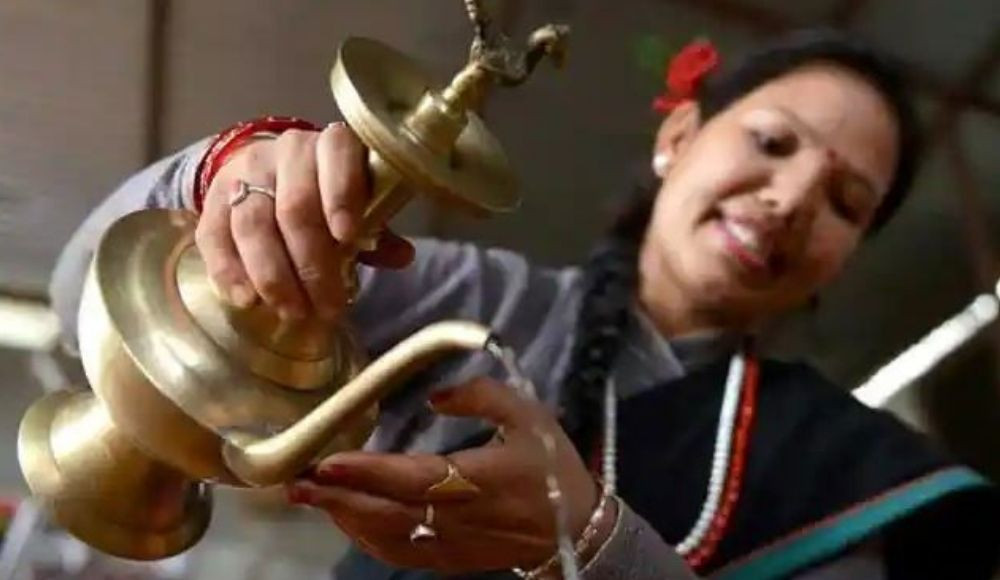
Aila is a traditional Newari distilled liquor made from fermented millet, rice, or grains. Often served during special occasions in the Newari culture, this hard liquor is a favourite amongst all. Yes, including myself!
Chyang (Thon)
|
Ingredients
|
Rice, marcha (a type of yeast), water
|
|
Preparation Method
|
Fermentation
|
|
Taste Profile
|
Sweet and Tangy/Sour
|
Who doesn’t love beer? Newars prepare their own homemade rice beer called Thon or Chyang. It's consumed at almost every jatra/ceremony and even loved by all Nepalese.

For its preparation, rice is soaked and fermented for several days, which results in its sweet and slightly tangy flavor.
Some More Newari Delicacies
Earlier, we learned about the Newari dishes that are the most popular. However, the Newari Cuisine includes even more dishes, which I’ve mentioned below:
|
Name
|
Veg or Non-Veg
|
Taste and Texture
|
Ingredients
|
Spice Level
|
|
Phokso Fry
|
Non-Veg
|
Savoury and crispy
|
Flour, water, eggs, and Goat Lungs
|
Low to medium
|
|
Dyakula
|
Non-Veg
|
Savoury and spicy
|
Buffalo or mutton meat with spices
|
Medium to high
|
|
Bhutan
|
Non-Veg
|
Spicy and Savoury
|
Goat intestines and tripes
|
Medium
|
|
Nhepu
|
Non-Veg
|
Creamy, Smooth, and Savoury
|
Buffalo brain and spices
|
Low
|
|
Jibro
|
Non-Veg
|
Chewy and Savoury
|
Buffalo tongue and spices
|
Low to medium
|
|
Sukuti
|
Non-Veg
|
Smoky, Spicy, and Savoury
|
Dried meat (buff, chicken, or chevon)
|
Low to medium
|
|
Tisya
|
Non-Veg
|
Savoury and Aromatic
|
Buffalo's spinal cord and spices
|
Low
|
|
Rakti
|
Non-Veg
|
Jelly-textured and Savoury
|
Coagulated blood of a goat or buffalo.
|
Low
|
|
Taakha
|
Non-Veg
|
Spicy and Jelly-textured
|
Buffalo meat and spices
|
Medium to high
|
|
Sanyakuna
|
Non-Veg
|
Spicy, Tangy, and Jelly-textured
|
Dried fish and spices
|
Medium to high
|
|
Jerry
|
Veg
|
Crunchy and Sweet
|
Flour, baking soda, sugar
|
None
|
|
Swari
|
Veg
|
Mostly neutral (slightly salty)
|
Wheat flour, water, and ghee
|
None
|
|
Saag
|
Veg
|
Earthy, slightly sweet/bitter (differs based on type)
|
Leafy greens and spices
|
Low
|
|
Tamatar ko Achar
|
Veg
|
Tangy and savoury
|
Tomato and spices
|
Low to medium
|
|
Mula ko Achar
|
Veg
|
Tangy and sour
|
Radish and spices
|
Low to medium
|
|
Methi ko Jhol
|
Veg
|
Slightly Bitter, nutty, and aromatic
|
Fenugreek, water, and spices
|
Low to medium
|
|
Pau Kwa
|
Veg
|
Sweet or sour
|
Nepali hog plum, fenugreek seed, and spices
|
Low to medium
|
|
Mushroom Sadheko
|
Veg
|
Fiery, tangy, and spicy
|
Mushrooms and spices
|
Low to medium
|
Tasting Newari Cuisine as a Tourist
When you’re out exploring the Newari streets and alleyways, the smell of delicious Newari foods is likely to attract you. But before you start exploring the Newari cuisine yourself, there are a few points you need to note.
Right Time to Experience: During Newari Bhoj
To get the authentic taste of the Newari delicacies, the right time I’d suggest is during the festivals, such as Indra Jatra, Gai Jatra, Machhindranath Jatra, Bisket Jatra, Dashain, and Tihar. This is the time when the Newar community hosts feasts (called Bhoj).

So, if you’re lucky enough to be invited to a Newar household, you get to taste all the popular food items, like Yomari, Lakhamari, and Samay Baji. Along with that, you even get to experience the high-end hospitality of the Newa people.
Where to Try Authentic Newari Cuisine
Newari Cuisine is famous among all the Nepali communities, too. And you don’t really have to be a Newar or be friends with Newars to experience this delicious cuisine.
These days, different places offer different variations of the Newari dishes. So, even tourists who are visiting Nepal can experience them quite easily.
Here are the best places to try authentic Newari cuisine:
Newari Restaurants
The most reliable option is to opt for popular Newari restaurants that promise to serve Newari foods at any time of the year.

Patan, known for its narrow alleyways, is filled with local eateries, and here are the best ones that we recommend:
- Honacha
- Nandini Food Court
- Paalcha Newari Kitchen
- Cafe De Patan
- Yala Layeku Kitchen
Even Kirtipur, an ancient town within Kathmandu, is known for its rich food culture, and here, the following restaurants have a good name:
- Newa Lahana
- Sasa Twa
- Laskus Newa Restaurant
- Falcha Newa Restro
- Sa Wa Chhen
If you are visiting the Bhaktapur area, the following restaurants and cafes have good reviews:
- De Temple Cafe
- The Garuda Bar
- Chiya Bhatti Cafe
- Madhikarmi Juju Dahu Centre
Be sure not to miss the famous Juju Dhau when you’re in Bhaktapur Durbar Square or the nearby area.
For the convenience of tourists, numerous Newari restaurants have opened up in the Thamel area too. You may simply visit any one listed below:
- Newa Ghasa (branches in Sorhakhutte and Maharajgunj)
- Pasa Newari Kitchen
- Jheegu Bhwoy Chhen
- Thamel House Restaurant
- Harati Newari Restaurant
Street Food Stalls
During the festivals such as Yomari Punhi, Indra Jatra in Kathmandu, Machindranath Jatra in Patan, and Bisket Jatra in Bhaktapur, the Newar community hosts street festivals. And during this time, you can find many stalls set up in different locations that serve various Newari foods.
Apart from just trying the Newari cuisine here, you even get to witness their preparation right in front of your eyes!
Local Households
Getting into a Newari home is the best way to experience the authentic Newari Cuisine. This is when having a Newar friend can be a blessing.
Foods prepared in local households taste different because they often include unique family recipes, making them distinct from those made in restaurants and street stalls.
They also differ in terms of the environment, as watching how it’s cooked can be very enjoyable. Or if you’re a culinary enthusiast, you might get the chance to learn how to prepare it yourself!
Dos and Don’ts When Trying Newari Cuisine
Newari Cuisine might be traditionally rich, but along comes the challenge of cultural practices and food etiquette before trying it on your own. Below are some of the dos and don'ts you should be aware of:
|
Dos
|
Don’ts
|
|
Keep your legs crossed when sitting on a mat.
|
Eat or pass the food with your right hand, as it is culturally inappropriate.
|
|
Eat food with your hands or ask for a spoon/fork, whichever you’re comfortable with.
|
Offer your food to others after eating it. It is considered "defiled" (jutho) and disrespected.
|
|
Request a milder version of the dish if you don't like spicy foods.
|
Start the food right away; wait until all the food items are fully served.
|
|
Pour water or liquor into a cup before drinking.
|
Drink straight from the vessel.
|
|
Wait for the elders to begin.
|
Waste the food. Instead, you can decline or ask for a smaller portion of the food if you’re not comfortable eating it.
|
|
Offer a small portion to the gods before you start eating.
|
Do not leave mid-feast. At a formal Bhoj, wait until the final course, as food is served in a strict sequence.
|
Final Words: Your Newari Plate Awaits!
Newari Cuisine is all about rich, symbolic, and distinctive dishes, all originating within the Newar community. Trying it once is going to be more than just a culinary experience, as it also offers a glimpse into the history of Newar culture.
So, if you’re planning to visit Nepal, I hope you won’t just stick with a plate of Dal Bhat or Mo:Mo after reading this article. I genuinely hope you’re going to keep Newari Cuisine on your bucket list. And definitely tag Altitude Himalaya on your Insta stories if you try it.
Happy eating!















 Rijen Manandhar