



 Highest Point


A trek that’s moderately challenging to do and also perfect for trekkers of all ages? Annapurna Base Camp it is!
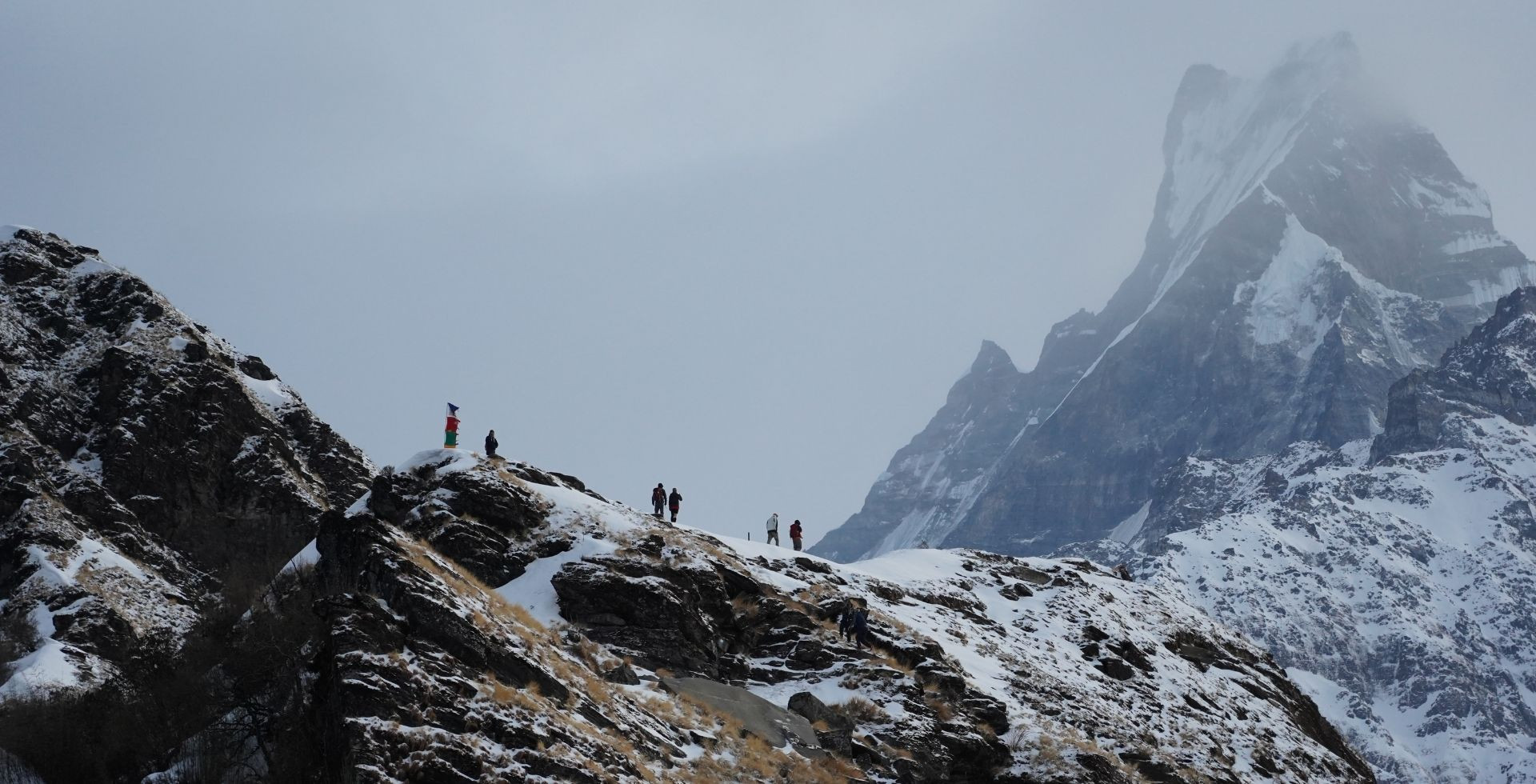
You don’t need to be a high-altitude expert to enjoy this Himalayan adventure, yet the trail leads you to one of the most iconic spots in Nepal. It takes you very close to the tenth-highest mountain in the world, Annapurna I (8,091 m), along with Annapurna South (7,219 m) and Machhapuchhre (6,993 m).
Those breathtaking 360-degree panoramic views of snow-capped peaks still come to my mind as I’m writing this. In fact, our entire team at Altitude Himalaya knows exactly what these words mean, and we’re pretty sure our guidance will make you live through the same thing.
To do this trek, you need to travel to the Annapurna Conservation Area. The trail passes through one of Nepal’s most ecologically and culturally rich regions. Historically, the trails were narrow, rugged paths used by local traders.
Fast forward to today, the trails have improved to a great extent, with mostly stone-paved paths. Only the high-altitude sections are slightly rugged, but still best for adventure seekers!
Despite all those ups and downs, the entire journey is quite comfortable. You even get to experience terraced fields, rhododendron forests, and ethnic villages along the way, meeting trekkers from different nations!
Well, what matters most on every trek is YOUR EXPERIENCE. Everyone walks with a professional guide and completes the ABC Trek, but where’s the fun and educational part?
That’s where Altitude Himalaya comes in. Our job is to elevate your experience even further. Our well-experienced team takes care of your safety, offers local insights from the best trek guides in the country, and ensures you live and breathe through the Gurung and Magar villages.
This 10-day Annapurna Base Camp Trek begins with a scenic flight to Pokhara from Kathmandu. Here, you’ll go for a warm-up hike to the World Peace Stupa and then come back the same route.
From there, the adventure finally starts after a drive to Ghandruk, which is often regarded as the gateway to Annapurna. Those interested in skipping can even choose a direct jeep drive to Samrung. Your trek gradually ascends through Chhomrong, Bhanuwa, Sinuwa, and Himalaya.
Along the way, you’ll cross rivers, climb stone-paved paths, and pass through rhododendron forests before reaching Machhapuchhre Base Camp. Only on the sixth day of this trip will you finally reach the legendary Annapurna Base Camp, which is surrounded by towering peaks including Annapurna South, Hiunchuli, Machhapuchhre, and Gangapurna.
The descent takes you up to Jhinu Danda on the final day, where natural hot springs await your squad. It’s a well-earned relaxation point before returning to Pokhara and ultimately to Kathmandu.
Upon arriving in the capital, you’ll experience the cultural heartbeat of the city with visits to Boudhanath Stupa and Kathmandu Durbar Square, which are both UNESCO World Heritage sites.
You see, going for the ABC Trek gives you a truly unforgettable sense of achievement. This is a journey that captures the magic of the Annapurna mountains and their surrounding ranges.
Read this entire package to learn why it’s a place you must visit at least once in your life.
Facts About Annapurna Base Camp Trek
|
Protected Area |
Annapurna Conservation Area |
|
Major Caste |
Gurung |
|
Major Religion |
Buddhism |
|
Rivers |
Modi Khola (aka Hinku River) |
|
Main Mountains and Peaks |
Annapurna I, Annapurna South, Hiunchuli, Machhapuchhre/Fishtail, Annapurna III, Gangapurna, Gandharba Chuli |
|
Highest Elevation |
4,130 m |
|
Permits |
Annapurna Conservation Area Permit (ACAP) and TIMS Card |
|
Route |
Ghandruk > Chhomrong > Himalaya > Machhapuchre Base Camp > Annapurna Base Camp > Sinuwa > Jhinu Danda > Samrung |
Key Stops Along the ABC Trek
The Annapurna Base Camp trek is a journey through one of Nepal’s most spectacular landscapes. Those snow-capped mountains, deep valleys, and traditional villages come together to create an unforgettable trekking experience.
It’s not just about natural wonders but also passing charming Gurung settlements, lush rhododendron forests, rushing rivers, and panoramic viewpoints along the way.
Each stop along the Annapurna trail offers its own unique experience, and here are all the key spots you need to keep in mind before heading for the trek:
Ghandruk: Gateway to ABC
One of the most popular destinations (even among the locals) in the Annapurna region is Ghandruk. It is a charming Gurung village that marks the start of your ABC trek.
Located at around 2,000 m, the main highlight here is the panoramic views of Annapurna South, Hiunchuli, and Machhapuchhre. On good mornings, you can even see Annapurna I from a distance.
Ghandruk also provides trekkers a glimpse of traditional Gurung culture, even allowing you to rent and try their cultural attire. In fact, it has become a trend to do so.
The stone houses, terraced fields, and warm local hospitality confirm that you’re indeed in the Himalayas. With our professional guide, we’ll make sure you get a proper tour of the village, even though an overnight stay isn’t available.
Chhomrong: First Overnight in the Mountains
Situated at roughly 2,170 m alongside the Modi Khola River, Chhomrong is your first real mountain stop on the way to Annapurna Base Camp. This is yet another prominent Gurung village that serves as a bustling hub for trekkers and offers decent local lodges and teahouses.
The spectacular glimpses of Annapurna South, Hiunchuli, and Machhapuchhre from Chhomrong make your stay absolutely worth it! Be sure to get a proper taste of village life, local cuisine, and the daily mountain lifestyle when here.
And if you were unable to rent Gurung attire in Ghandurk, it’s possible to pose for pictures in Chhomrong too. You’ll even find bakeries and cafes that are worth stopping by!
Bhanuwa and Sinuwa: Lower and Upper Stops
Bhanuwa (now called Lower Sinuwa) is the lower stop along the Modi Khola trail. It’s a great spot to enjoy the lush green forests. The surroundings are covered with rhododendron and bamboo forests, and when the season is right (in spring), you’ll love the blooming flowers.
A further short climb from Lower Sinuwa takes you to Sinuwa, also known as Upper Sinuwa. This is one of the most preferred villages for night stays, but we haven’t arranged one during this 10-day ABC trek.
Dovan and Bamboo: Forest Trails
Further from Sinuwa is a small settlement of Bamboo, where many stop for lunch and accommodation. You’ll reach here after a downhill hike from Sinuwa along the forest route.
As the name suggests, the place is full of bamboo forests. Just don’t expect mountain views when you’re passing by this region, as it’s located in the middle of the hills.
Another 2-hour hike from Bamboo takes you to Dovan and further to Upper Dovan. During the return, on Day 6 of this 10-day Annapurna Base Camp trip, we have arranged a night stay here. It’s a great spot offering close views of Mt. Machhapuchhre.
Himalaya: Resting Point by Hinku River
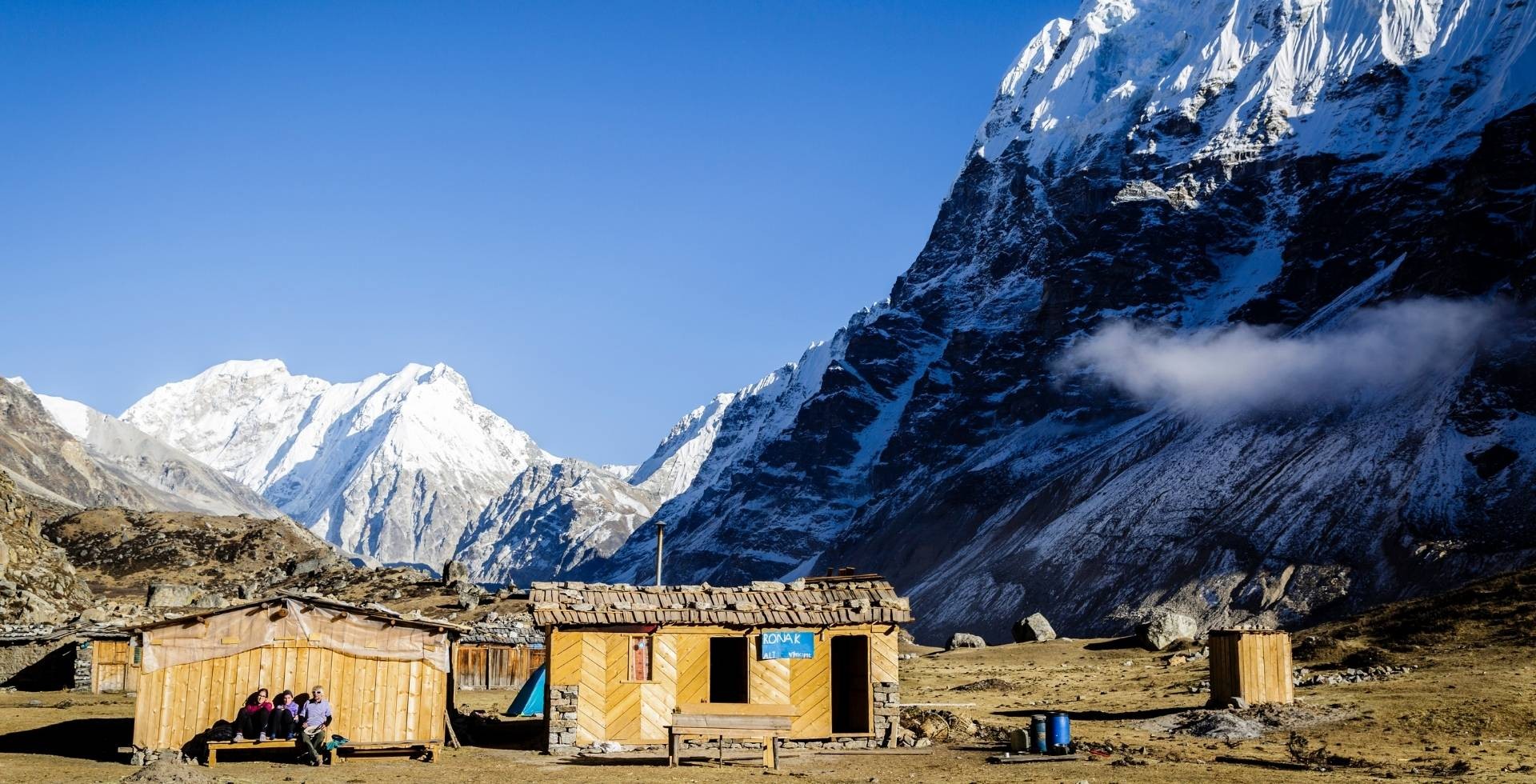
Above the roaring Modi Khola (aka Hinku River), there’s a settlement called Himalaya that serves as a peaceful resting point for trekkers. You’ll also find a few cozy lodges and teahouses here.
Moreover, the trail is surrounded by forests of rhododendron and pine, making it an ideal place to catch your breath. You’ll spend a night here and prepare for the steeper climbs that follow.
The only sad part is that the mountains aren’t clearly visible from the Himalaya, as it’s somewhere along the folds of the hills.
Deurali: Gateway to the Annapurna Peaks
After crossing Himalaya, you’ll have to cross the recently constructed stairway that leads to the final stop before the gigantic peaks appear right in front of you. Deurali is a spot favoured by many, especially those who aim to stay at ABC the next day.
Before reaching the settlement, you need to cross the Hinku River on a small bridge (previously, you had to cross the river itself!). This part of the Annapurna trail is a little challenging, as the section is prone to landslides and avalanches.
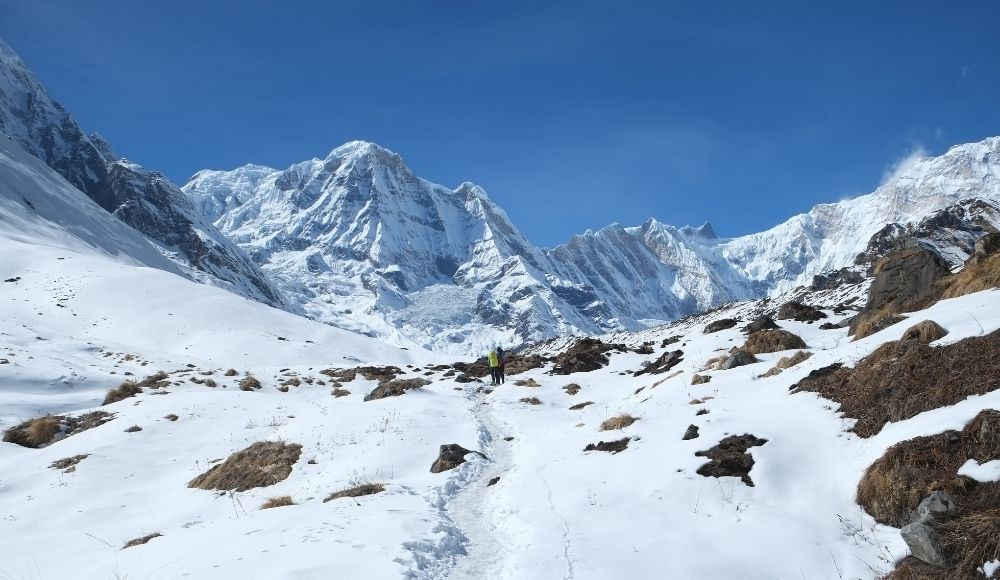
Once you cross Deurali, the views of the mountains finally unfold. You get a very different view of Mt. Machhapuchhre (its backside), and Annapurna South stands right in front of you like a tower. This starts on the way to Machhapuchhre Base Camp…
Machhapuchhre Base Camp: Foot of Fishtail Peak
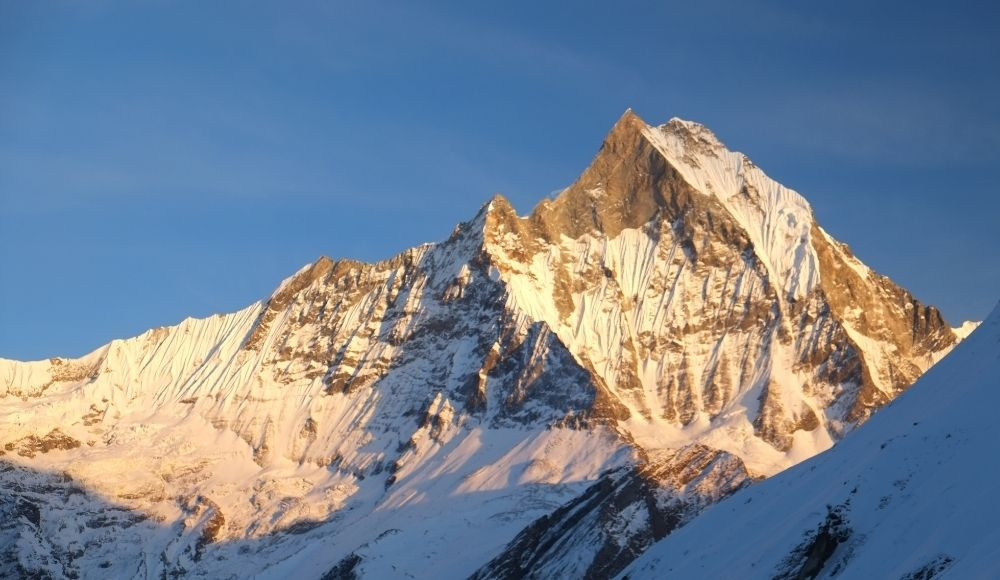
Right at the base of the iconic Mt. Machhapuchhre (aka Fishtail), there are a few lodges that can accommodate trekkers. It’s a great way to escape the crowds at ABC, while still enjoying the stunning close-up views of one of the Annapurna region’s most photographed mountains.
The crisp mountain air and panoramic vistas make Machhapuchhre Base Camp a memorable highlight. This is the final stop before your hike to Annapurna Base Camp the next day.
Annapurna Base Camp: The Final Iconic Destination
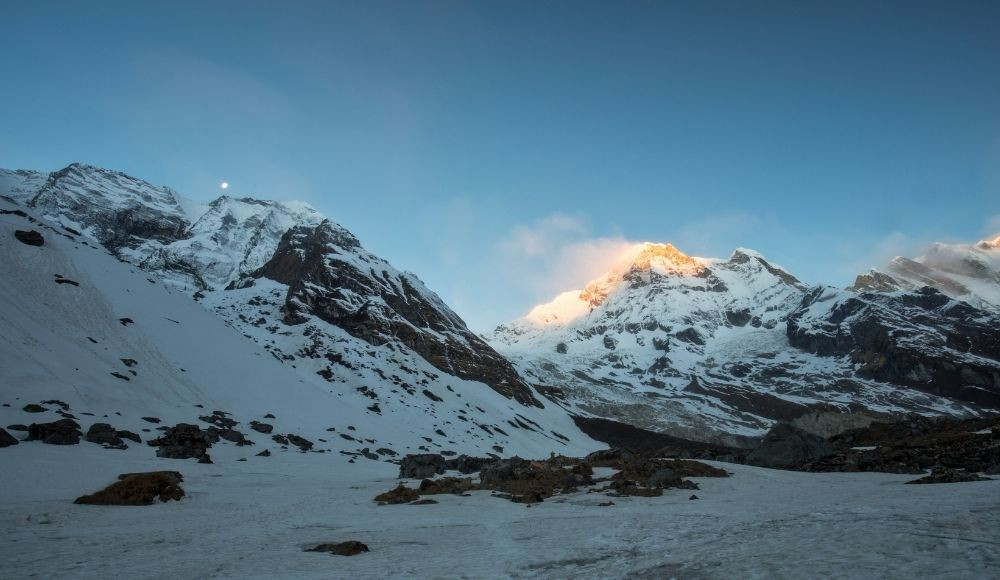
After three days of continuous hiking, you’ll reach Annapurna Base Camp (ABC) on the fourth morning. It’s without a doubt the ultimate highlight of this trek, and throughout the season, hundreds of trekkers from around the world make their way to this legendary 4,130 m (13,550 ft) spot.
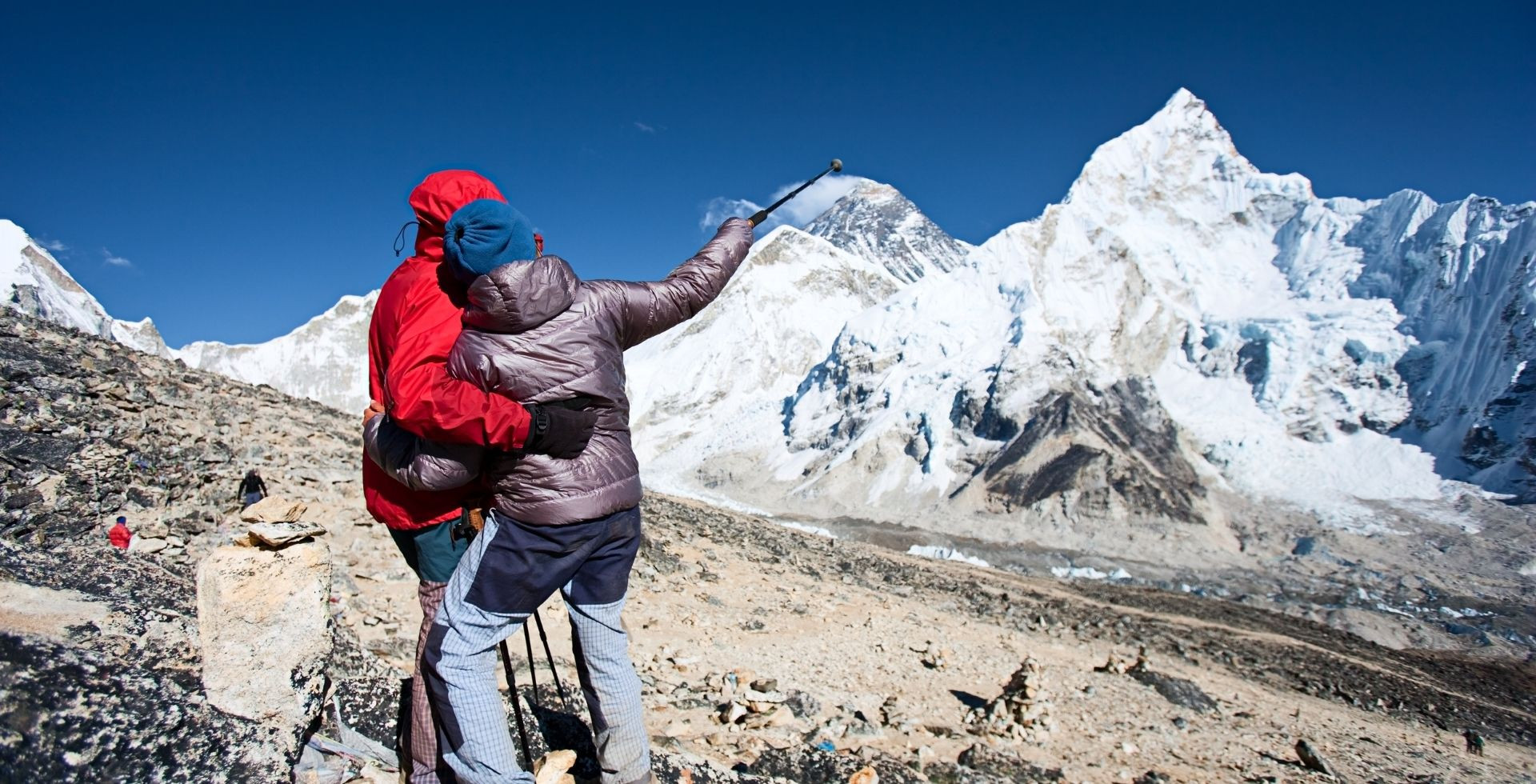
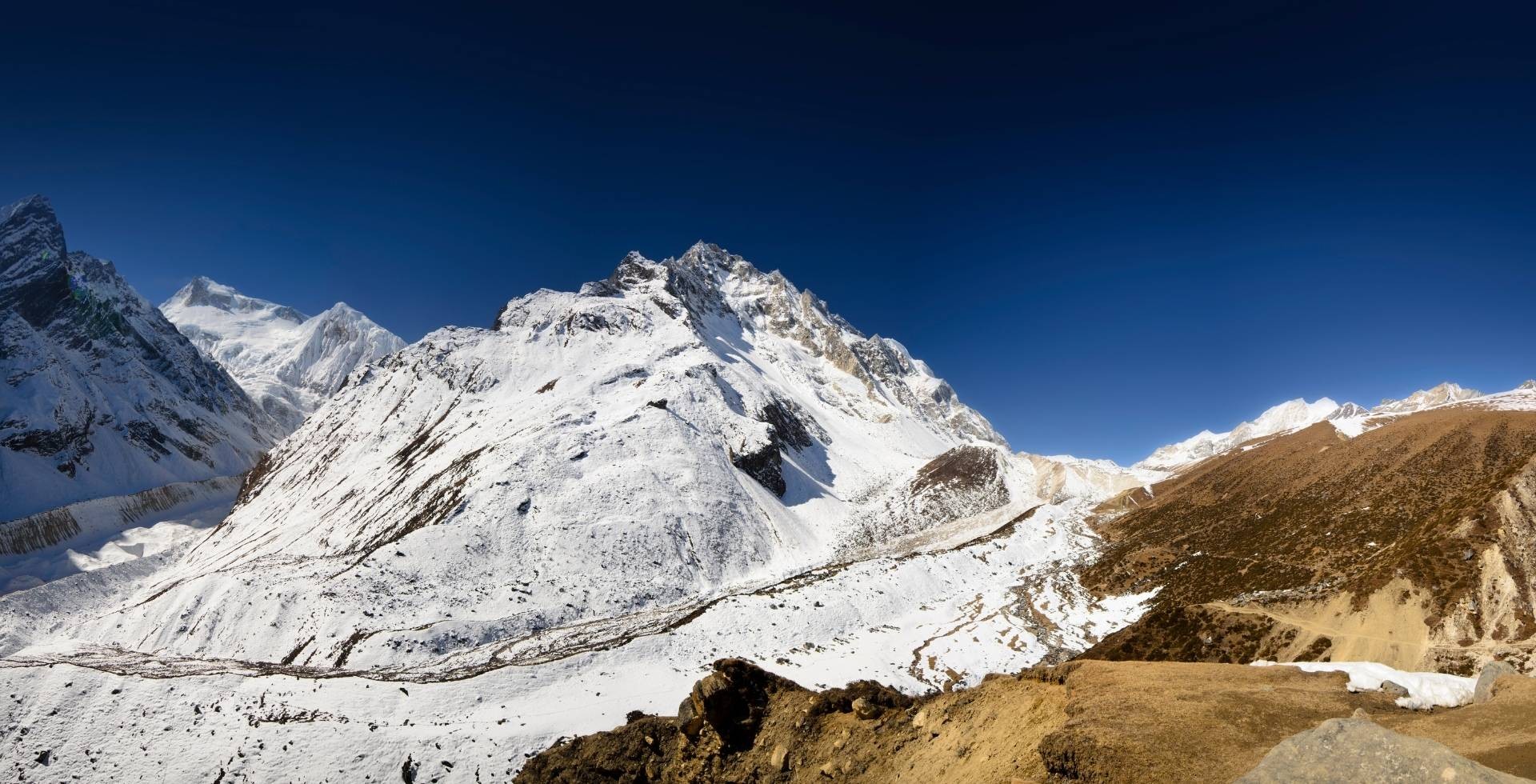
Located right in the middle of the towering peaks of the Annapurna Massif, ABC places you incredibly close to the mountains, offering 360-degree views of the snow-capped mountains around.
The major highlights include Hiunchuli, Annapurna South, Baraha Shikhar (Annapurna Fang), Annapurna I, Singu Chuli, Tharpu Chuli, Annapurna III, Gandharba Chuli, and Macchapuchre. Yet, more than the dramatic mountain panorama, it’s the sense of achievement upon reaching here that truly defines the moment.
Jhinu Danda: Village with Natural Hot Springs
Jhinu Danda serves as the perfect final stop after the moderately difficult trek to Annapurna Base Camp concludes. This small village is famous for its natural hot springs, where trekkers can soak their aching muscles while enjoying views of the surrounding mountains and lush valleys.
The water in the natural hot springs isn’t just warm but also mineral-rich, believed to provide both relaxation and rejuvenation. This soothing conclusion to the trek in Jhinu Danda is a well-earned reward for the long journey through the Annapurna region.
Scenic Highlights of the ABC Trail
Moving on, the Annapurna Base Camp trek is perfect for all five of your senses. The snow-capped mountains, vibrant rhododendron forests (in spring), and the rushing Modi Khola river come together to make your journey unforgettable.
You’ll get panoramic mountain views at every stop and even chances to spot wildlife in the forests (if lucky). This trek isn’t just about reaching the destination but about experiencing the true beauty of the western Himalayas of Nepal.
Mountain Views on the Route
From the very first stop in Ghandruk, you’ll be greeted with stunning views of Annapurna South, Hiunchuli, and Machhapuchhre throughout the trail.
Chhomrong brings you closer to the snow-capped peaks. After Deuarli, you’ll find yourself almost face-to-face with the iconic Mt. Machhapuchhre and its neighbouring giants. The actual panoramic view awaits you upon reaching Macchapuchre Base Camp, as from here, the scenes are simply MAGICAL!
Even on your return, you’ll still be blessed with views of Machhapuchhre and the lower ridges from Jhinu and Samrung.
Trek Through Rhododendron Forests
Mountains often take the limelight on every trek. However, the Annapurna Base Camp trail is also widely popular for its vibrant rhododendron forests found in different regions. The main locations include Ghandruk, Bhanuwa, Sinuwa, Chhomrong, Bamboo, Dovan, and Jhinu.
These forests bloom in multiple spectacular colours during spring, including fiery reds, soft pinks, and creamy whites. Beyond their beauty, rhododendrons play an important ecological role, supporting birds, insects, and small mammals here.
In local culture, red rhododendrons are considered a symbol of celebration, while white flowers signify purity. Each of these blooms carries a special meaning, and to learn about each, our team at Altitude Himalaya is welcoming you to the Annapurna CA!
Follow Modi Khola Throughout Your Journey
How many of you love the sound of roaring rivers? Well, the Modi Khola River on this trek offers just that throughout your journey. Its water comes directly from the glaciers of the Annapurna range.
You’ll be walking along its banks from Chhomrong through Bhanuwa, Sinuwa, and Himalaya. The river cuts through the deep valleys in the Annapurna Conservation Area, and even the views of this Modi Khola look breathtaking as you trek along.
108 Chahara Waterfall: A Must-Stop
When approaching Himalaya from Upper Dovan, the forested route takes you to a scenic stop at the wonderful waterfalls. The shimmering waters here are relaxing to your eyes and definitely worth stopping by for pictures!
It’s named so, as 108 waterfalls are coming down from the glacier waters. You can’t reach its base but rather get to appreciate its beauty from the viewpoint itself.
Just a note, though: there’s a holy temple called Pojenhyam Baraha Temple, and you have to be wary of not spitting or throwing garbage around. It’s a temple sacred to both Hindus and Buddhists.
Cultural Experiences on the Trek
Beyond the views of the mountains, the Annapurna Base Camp trek, along with the major cities on this tour, comes with a tapestry of culture, tradition, and local life.
You’ll meet the Gurung and Magar communities in the mountains, Brahmins, Chhetris, and Newars in the hills, and, in addition, get to experience a Western influence in the vibrant streets of Pokhara and Thamel.
Here are the major cultural and lifestyle highlights of your trip to Nepal:
Meet Local Ethnic Communities
One of the most rewarding aspects of the ABC trek is the chance to meet the local ethnic communities living here. From them, you get to learn so much about the mountains, as they have lived and learnt through them for generations.
The primary community is Gurung, found all the way from the starting point of Ghandruk. In fact, you get to wear traditional Gurung dresses here and capture plenty of memorable photos.
Even a minority of Magars and other Tibetan-influenced communities live along the route from Samrung to the base camp itself.
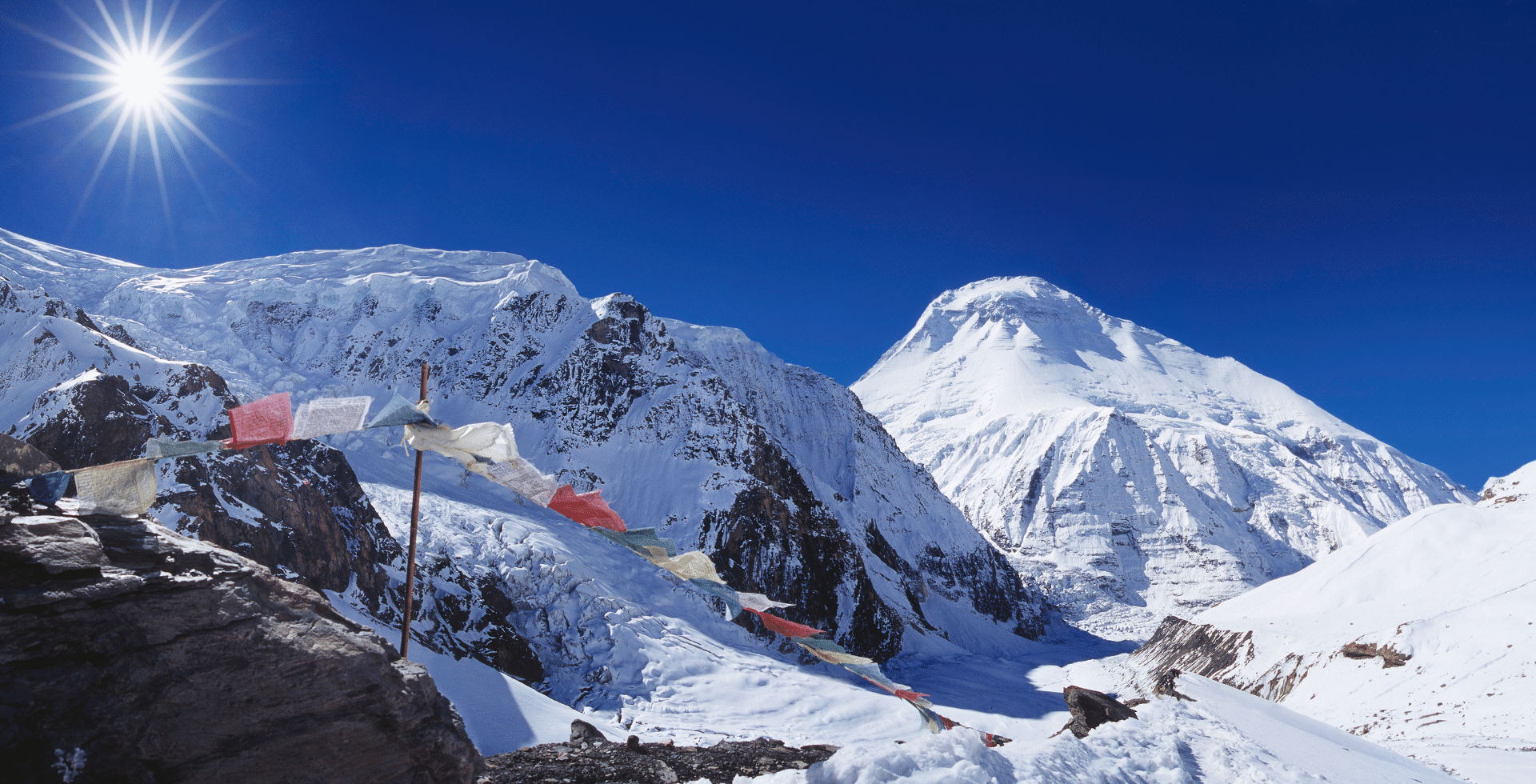
Beyond meeting the people, you’ll appreciate the beautiful old-style stone houses with slate roofs. The terraced fields and colourful prayer flags add to the charm of the trek.
Above all, this ABC trek offers glimpses into local traditions as residents warmly welcome trekkers with top-level hospitality. Be sure to listen to their Himalayan stories, learn about their cultural practices, and even observe how traditional meals like Dal Bhat are prepared.
Pokhara Half-Day Sightseeing
Pokhara City is widely known as the gateway to the Annapurna region as well as other trekking destinations in western Nepal. This vibrant city is located right at the foothills of the Himalayas, and it feels surreal just to be there.
Beyond Lakeside, which is the main hub, Pokhara also offers culturally rich places. The city is a great place to prepare for your trek, do some final shopping, and even spend a relaxing evening after your trek ends.
Among the different places to visit and things to do in Pokhara, we will take you only to the World Peace Stupa (Shanti Stupa) today.
This stop, located atop a hill, offers breathtaking views of Phewa Lake and the entire city of Pokhara. Locals as well as tourists visit here for prayer, yoga, and to truly find peace.
Unlike our regular Pokhara packages that take you around the city in a private 4WD, we have arranged a special way to reach the stupa. You’ll start with a rowboat or kayak ride across Phewa Lake, followed by a walk along an uphill forested trail for a warm-up hike. You’ll return the same route.
Afterwards, continue on the water to Tal Barahi Temple, which is an optional stop. This temple, situated on a small island in the middle of the lake, offers a peaceful retreat before returning to the vibrant lakeside for a leisurely evening stroll.
Kathmandu Half-Day Sightseeing
Kathmandu is the capital city of Nepal, offering rich history, culture, and spirituality. Though your time upon arrival may be brief, you’ll experience more of the city after returning from your trek.
Here, you’ll explore its temples, squares, and bustling streets. During this half-day tour, you’ll focus on two iconic UNESCO World Heritage sites among the seven in the valley.
We begin with Boudhanath Stupa, one of the largest stupas in the world and a major center of Tibetan Buddhism in Nepal. The massive white dome and golden spire are surrounded by prayer wheels and colorful flags.
Since you’ll have just returned from Pokhara, be sure to enjoy a rooftop lunch while taking panoramic views of the stupa.
From Boudhanath, a private 4WD will drop you at New Road, from where you continue to Kathmandu Durbar Square on foot. Here, amidst centuries-old palaces, temples, and courtyards, you’ll learn so much about the traditional architecture and artistry of Nepal.
Right on time, you’ll even catch a brief glimpse of the living goddess Kumari as she appears to the public.
Before proceeding to your farewell dinner, explore the nearby Ason and Thamel areas for souvenirs, handicrafts, and local treats.
You might like reading: Other sightseeing places in Kathmandu
 10 km
10 km 2170 m