Bhutan, also known as the last Shangri-La, is a landlocked country in South Asia between India and China (Tibet Autonomous Region). In recent years, Bhutan has made it to the headlines of different news articles, only for good reasons.
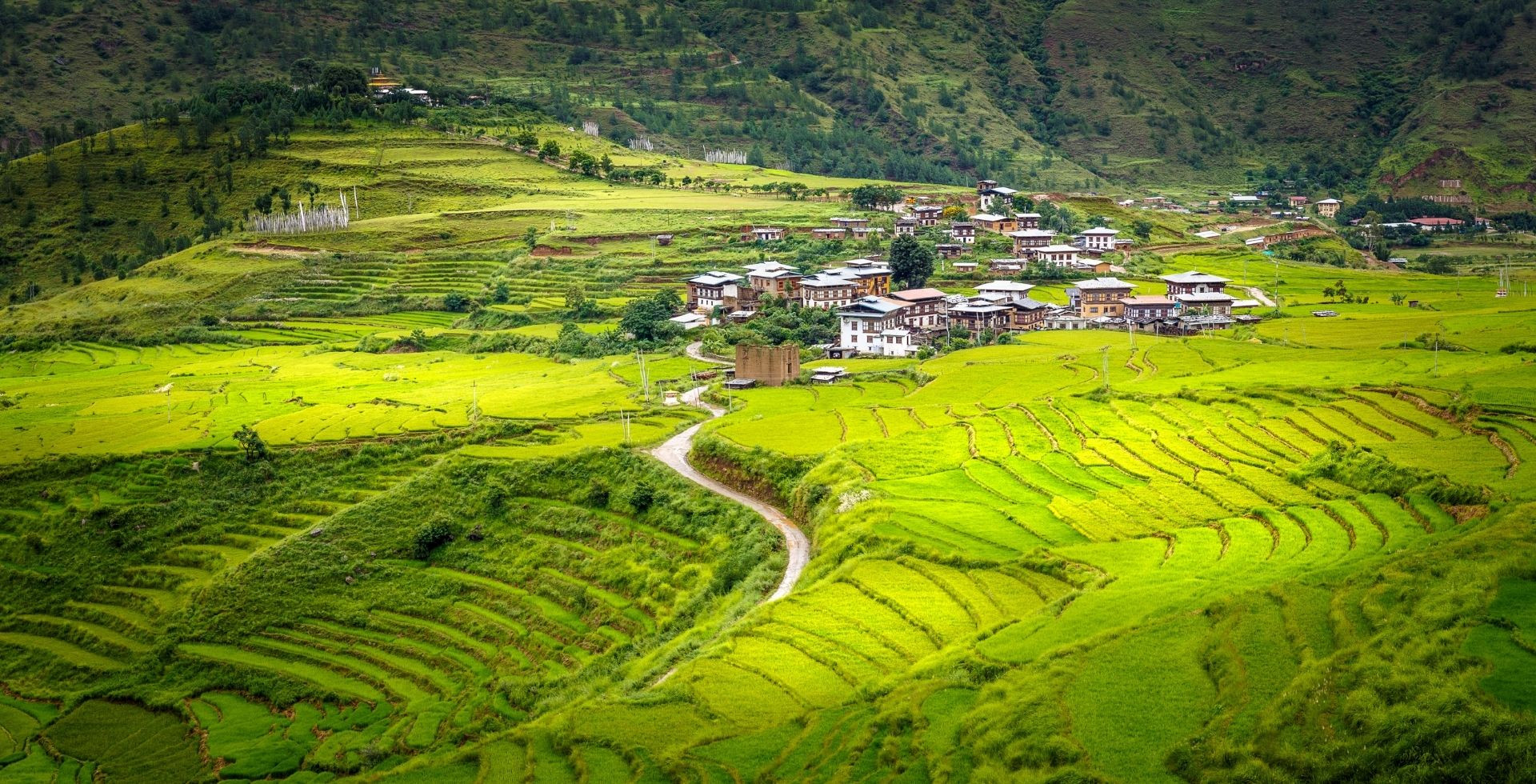
With more than 70% of Bhutan’s land being covered by forests, Bhutan’s nature is as untouched as its culture and traditions. These rich green forests sit below the beautiful linings of the Himalaya, and every city and valley will make you feel like you are walking in John Constable’s paintings.
And since it has become a popular travel destination today, many people have this question, “How do I make it to Bhutan?” While there are many ways to reach Bhutan, like roadway from India and flights to Bhutan, our blog is written to expand on the best travel route to Bhutan – travelling from Nepal to Bhutan.
But before we continue with the blog, let me tell you what exactly it is about Bhutan that makes it a dream destination.
What Makes Bhutan a Dream Destination?
Although a landlocked nation, Bhutan has certainly outperformed on the international stage in terms of sustainable development. As a part of that, tourism in Bhutan is limited and exclusive.
Sustainable Tourism
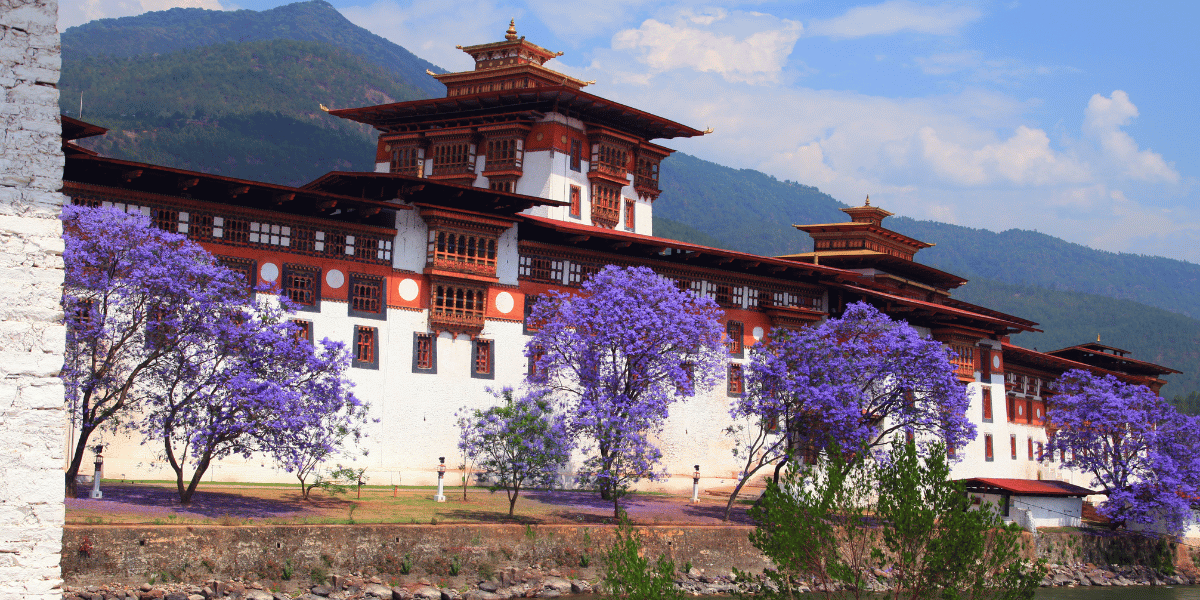
This means, according to their ‘High-Value, Low-Impact’ tourism policy, Bhutan has limited the number of tourists to ensure that their environment is protected. Furthermore, the local communities are equally driven in protecting their surroundings and choose to live in the most organic way possible.
So this means your time in Bhutan is going to be as healthy as it can get. Health is something that many of us do not consider before booking our trip unless it includes trekking or other adventure sports/activities.
Pristine Nature
The refreshing cool breeze accompanies you throughout your journey in Bhutan. With each drive as scenic and beautiful as the previous ones, you will find that the presence of the majestic mountains or palatial hills are always somewhere in the distance.
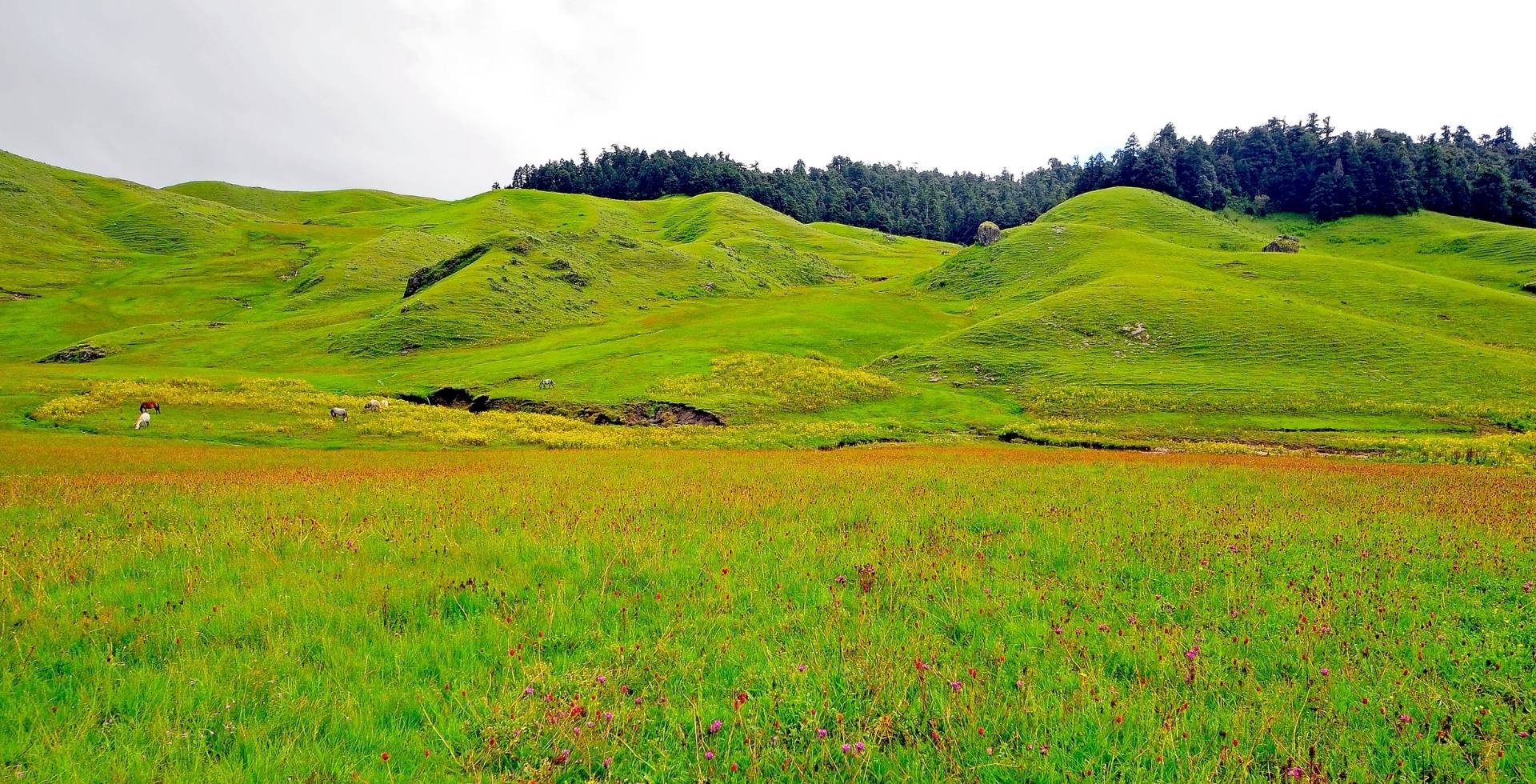
Every spring, the valleys are covered with colorful rhododendrons, wildflowers and vibrant purple jacarandas that last through the summer. The light rains in the summer make the flowers livelier than ever, and when the leaves start falling in autumn, Bhutan turns into a golden paradise.
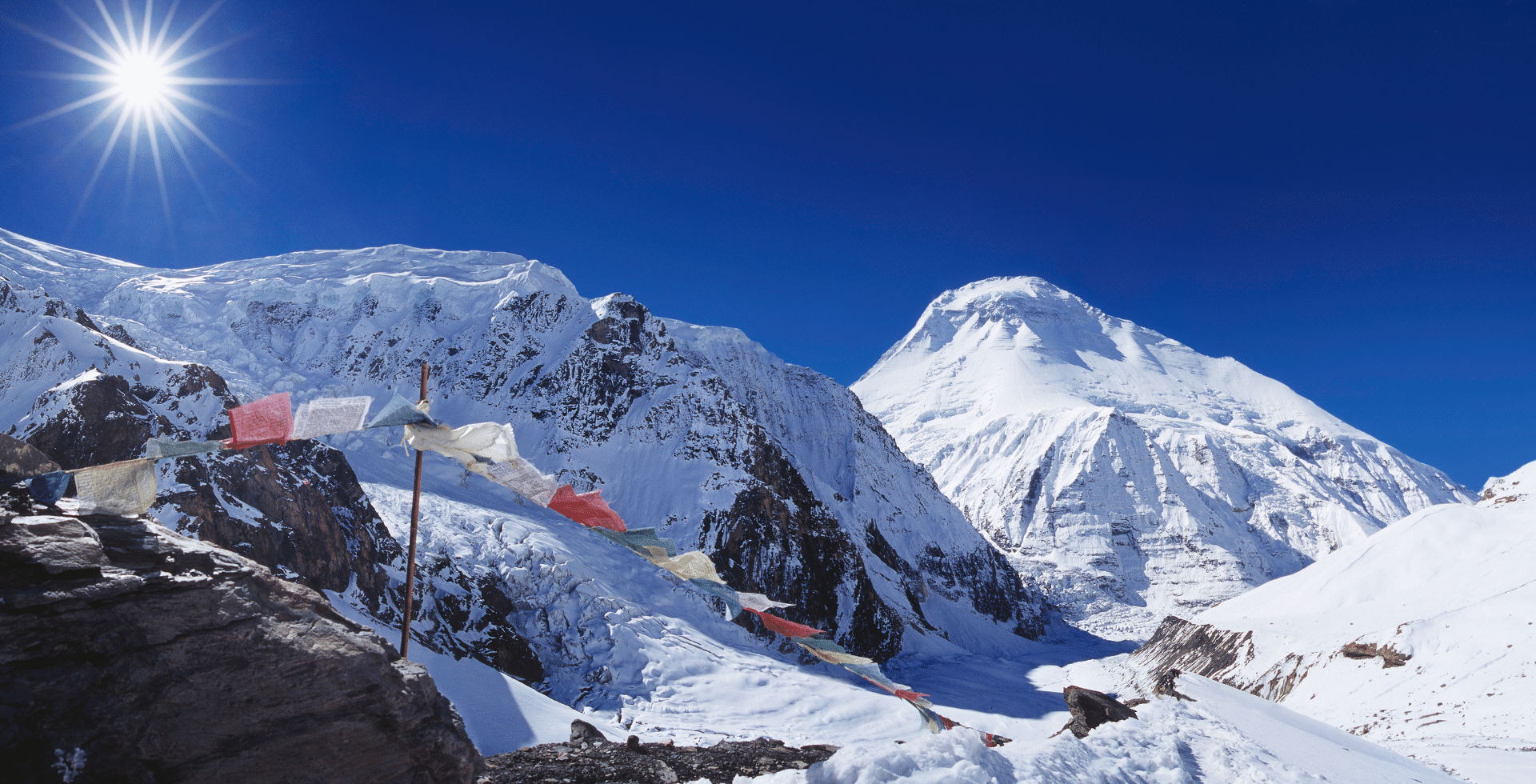
Winter’s beauty is no less than any other season. Even though the temperature gets freezing cold in most of the regions of Bhutan, the snowcapped mountains will give you that sense of inner peace, making all the shivering and teeth chattering worth it.
And it’s high time that we admit it out loud that jogging in a place with one of the best air qualities is in fact a privilege in modern times. To make sure that you get the best of it, there are numerous nature trails for hiking and trekking in Bhutan that you can opt for, in case you want to ponder or get lost in nature!
Preservation of Historical Sites and Culture
Almost every historical site that you visit in Bhutan, you will come to realise that there are some religious and spiritual aspects to its foundation and architecture. What’s even more fascinating is the fact that most of these sites are located on cliffs or hillocks.
To keep you interested, I will throw in the iconic Taktsang Monastery, famously known as the Tiger’s Nest Monastery, as an example. Located in Paro, this monastery is built on the slopes of a cliff’s topmost part, and anyone looking from below will believe that the site is inaccessible.
One can only enjoy the tranquility of the monastery after a moderate hike to the top. But all these hikes, be it the nature trail or to the monastery, will surely feel rewarding once you reach the main destination.
Some of the temples have been standing strong since the time of King Songtsen Gampo from the 7th century. But that’s not all. So has the culture, tradition, and faith of the Bhutanese people.
Being the only country with Vajrayana Buddhism as a state religion in the world, the religious rituals and spirituality have been woven into the daily lives of the Bhutanese people. One thing is for sure; their devotion and adherence to traditions are as strong as the fortified monasteries in their land.
Gross National Happiness
Bhutan is the only country that has prioritized happiness in its constitution. The term has been coined as 'Gross National Happiness', and this philosophy makes the nation legally bound to look after the wellbeing of the citizens.
Happiness is linked to various factors of life, the most basic ones being shelter, education, and health, and Bhutan’s government has taken every necessary step to ensure that their people have a higher quality of life.
Hospitality, like in Nepal, has been engrained in the culture of Bhutan. So when a nation is happy, the services you receive and the interactions you have with the people are ultimately positive. So practice your best smile and leave your frown back home, because we are all learning happiness in Bhutan.
If I start explaining every reason that makes Bhutan a dream destination, then the writing would probably never end. But I hope that these points have given you more reasons to visit Bhutan.
Documents needed to Travel to Bhutan from Nepal
Unless you are eligible for visa exemption in some countries, like any other international travel destination, you will need a visa to enter Bhutan. While few nationals can receive their visa on arrival (covered below), most of us will most likely need to apply for a visa.
Apart from that, there is also another mandatory fee known as the 'Sustainable Development Fee' that every visitor visiting Bhutan must pay. All these topics and other requirements will be covered below and the sections that will follow.
Bhutan Visa
As mentioned above, the most important document that you need prior in order to visit Bhutan, be it from Nepal or any other country, is a visa.
This is a legal requirement unless you are a citizen of India, Bangladesh, or Maldives, or you have a diplomatic or a legit government official passport from Switzerland or Thailand. These nationals can get their visa on arrival or entry permit from their respective ports of entrance.
Other than the citizens of these countries, every other one will have to apply for a visa. Visitors below the age of 18 must be accompanied by a legal guardian.
Documents Required for Visa Application
You can apply for a Bhutan visa through Bhutan Immigration Service Portal, with a processing fee of $40. However, please note that you will need to submit a confirmed travel itinerary provided by a licensed tour operator along with other necessary documents.
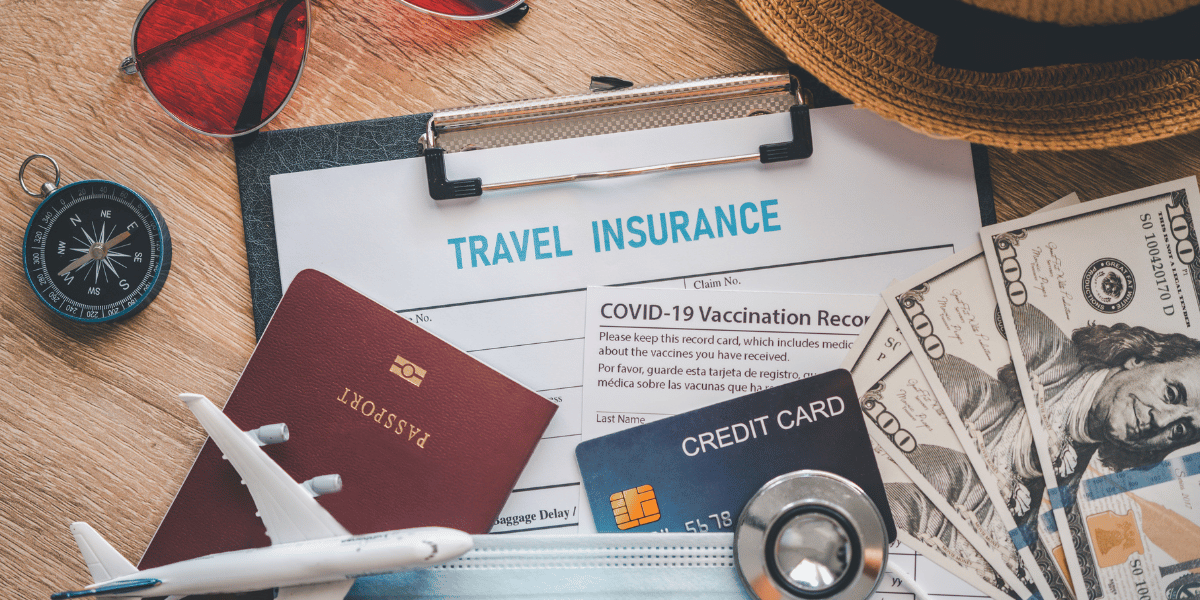
Other required documents are a passport with more than 6 months of validity, a recently taken passport size picture, your travel insurance (highly preferred), and a proof of payment (POP regarding visa processing fee and SDF).
But since you will require a tour operator to confirm an itinerary with other mandated services like vehicle renting, a licensed driver of Bhutan, and a licensed tour guide, applying for a visa through travel agencies can be much faster and seamless. So why go through all the hassle if these things can be handled by tour operators for a minimal charge?
With reputed tour operators like Altitude Himalaya, you won’t have to worry about hidden charges in the tour package, as you will be provided a clear budget breakdown on request.
While it can take anywhere between 5 working days and a week for your visa approval, I highly recommend that you start your visa application process a month before your trip.
What is Sustainable Development Fee?
As I have already mentioned Sustainable Development Fee (SDF) a couple of times above, I’m sure that you have been wondering, “What exactly is SDF?”
SDF is a cautionary measure taken by the government of Bhutan in order to regulate their tourism and support their tourism policy. As there are very few visitors who would be open to paying an extra $100 per night, the visitors population in Bhutan is very limited, so they ensure that the visitors receive high-value services and experiences in Bhutan. By limiting the number of visitors, they continue with their efforts towards sustainable development and ecological preservation and conservation.
So the number of tourists who make it to Bhutan have to pay SDF prior to their entrance. The SDF which gets collected is then later allotted to various developmental projects. They are employed in infrastructures like health, education, construction, tourism, and conservation (both natural and man-made structures).
The table below has mentioned the SDF rates for visitors:
|
Nationality
|
SDF for Adults
|
SDF for Children (above 6, who haven’t turned 12)
|
|
All foreign visitors except Indian nationals
|
US $100
|
US $50
|
|
Indian Citizens
|
INR 1200
|
INR 600
|
Note: SDF is not applicable to children below the age of 6, regardless of their nationality.
SDF Waivers
Apart from the fixed SDF amounts, there are few conditions for SDF waivers for some visitors.
- Diplomats and government official passport holders from Switzerland and Thailand are eligible for SDF waiver if they are visiting for official purposes. Those visiting for tourism and other purposes must pay the SDF.
- Individuals who are nationals of SAARC with an officially issued SAARC Visa Exemption Sticker do not have to pay the SDF as long as they are visiting for official purposes.
- Pilgrims heading to Gomkora and Jayanti Mahakal Temple are eligible for an SDF waiver as long as they stay in the pilgrimage area recognized by the government.
- Indian citizens visiting border towns are also eligible for the SDF Border Town Waiver for 24 hours, and those border towns are Samtse, Phuentsholing, Gelephu, and Samdrup Jongkhar. However, if they plan to go beyond Gurung Basti in Samtse, Rinchending Checkpost in Phuentsholing, Aipoli Bridge in Gelephu, or Pinchinna Checkpost in Samdrup Jonkhar, then they must pay the SDF.
- International students (including monks and nuns in monasteries), foreign workers approved by labour and immigration, and foreigners related to Bhutanese citizens by marriage are also eligible for SDF waiver.
- Diplomats, consulates, expatriate traders, and workers of international organizations are also eligible for SDF waiver as long as they are visiting for official purposes. The conditions are available on Bhutan’s Department of Immigration’s official website.
- Bhutanese nationals (an individual) can invite 2 guests every year, and those individuals are also eligible for an SDF waiver.
Overall, implementing SDF for Bhutan is a crucial step that Bhutan is taking to protect its ecological wealth and biodiversity while ensuring that the benefit of income from tourism is distributed equally among the people of Bhutan.
Note: The SDF regulations are subject to change by the Bhutan Government, please visit the official website to get updated information.
International Travel Insurance
Let’s look into the last major document that visitors are strictly recommended to get before they finalize their trip to Bhutan – an international travel insurance.
Although, as per the last announcement of Bhutan’s Department of Tourism, travel insurance is no longer mandatory, the government strongly encourages visitors to get one in case of “unlikely emergencies associated with any international travel”.
While all the tours operated by reputed agencies will be guided by experts, with respect to road and weather conditions, travel insurance can be really helpful even if it is for small medical help. Direct billing to the insurance provider is always beneficial compared to having to pay the medical bills upfront and compromising with your travel budget.
So before you book your flight to Bhutan, make sure that your insurance provider has already been informed regarding your trip and the necessary changes have been made for your travel insurance coverage.
Some of the main things that your travel insurance should cover are:
- Emergency medical evacuation (especially if you are trekking in Bhutan)
- Accidents during adventure activities
- Medical coverage
- High-altitude emergencies
- Travel delays
Once you have finalized your international travel insurance, travelling will feel much lighter no matter where you are headed. It is a precaution that visitors must take as a part of safe travelling.
How to travel to Bhutan?
Now that you know everything about the documents you will need and processes that you will have to go through while applying for a visa, we can move on to the topic of the best route that you can take while travelling to Bhutan.
Via Indian Roads
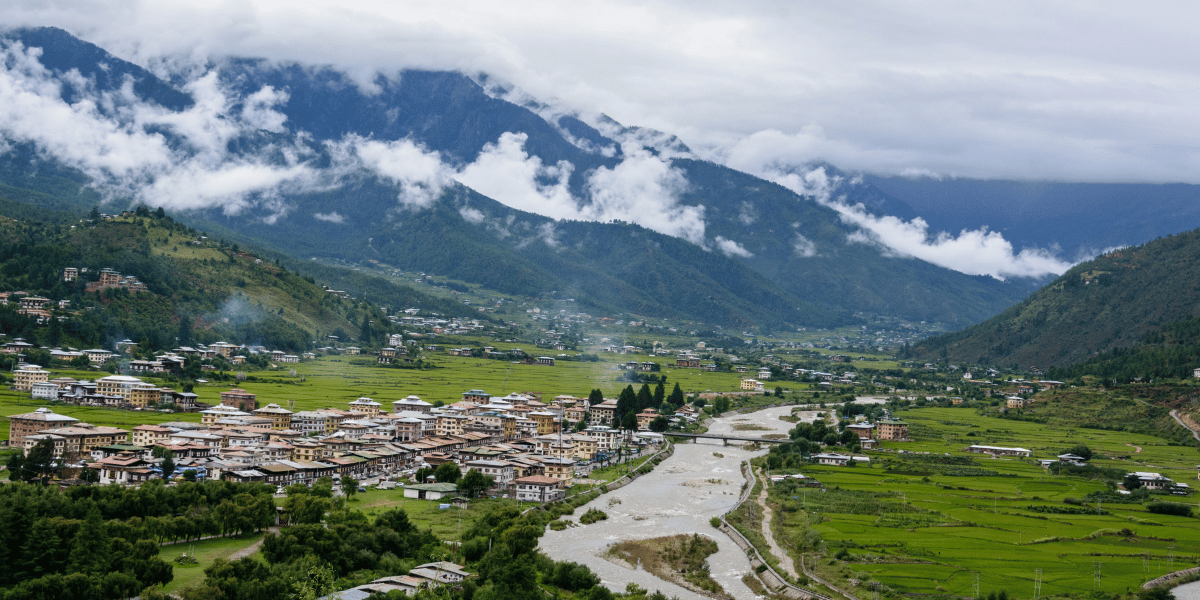
You can enter Bhutan from India by road if you are entering through these four towns: Samtse, Phuentsholing, Gelephu, and Samdrup Jonkhar. These routes are certainly the most economical way to reach Bhutan, but there are some drawbacks.
First of all, after you enter Bhutan, you will have to travel on the mountainous roads, and those winding roads can result in motion sickness if you are not accustomed to such roads.
Another thing is, the moment you enter Bhutan, you will need a travel guide in order to cross between different towns and cities. You might as well take a flight and have a representative pick you up at the airport. This is not just about luxury; it is also about convenience.
Lastly, the mountainous roads are often damaged by weather conditions. Especially during the winters and the summers. In summer, the rain can disrupt your travel due to frequent occurrences of landslides, and in winter, you have trouble crossing some entry points due to heavy snowfalls resulting in blocked roads.
Direct International Flights (Excluding Nepal)
Another way to travel to Bhutan is by heading to a city from where you can take a direct flight to Bhutan. Apart from Nepal, the countries that operate direct flights to Bhutan are Singapore, Thailand, Bangladesh, and India. While flights are available from Malaysia and the United Arab Emirates, please be prepared for layovers.
However, the flight fares from these countries are much higher compared to direct flight fares from Nepal, as the flight will have to cover a longer distance, resulting in high operational costs. And don’t forget, longer distance also means longer flight duration. There is no space for negotiation as there are only two Bhutanese airlines that operate flights to Bhutan: Drukair and Bhutan Airlines.
Lastly, remember that you are flying to a high-altitude destination. So flying to Bhutan directly from a significantly lower altitude region can cause your body some difficulty while acclimatizing.
Direct Flight From Nepal
Now we have the best travel route to Bhutan – a direct international flight from Kathmandu, Nepal. The flight will last from 1 hour to 1 hour and 15 minutes and Tribhuvan International Airport is the closest international airport to Paro International Airport.
This means lower flight fares with shorter flight durations. To explain why this is the best route that you can take, we have written a separate section right after this one.
Benefits of Travelling to Bhutan from Nepal
Travelling to Bhutan from Nepal has many perks. It is not only economical but also great for acclimatization. Here are some of the reasons that will definitely influence your mode of transportation while travelling to Bhutan.
Shorter Duration and Cheaper Fares
The distance between Tribhuvan International Airport (TIA) in Nepal and Paro International Airport in Bhutan is between 400-405 km. This makes TIA the closest international airport from Bhutan.
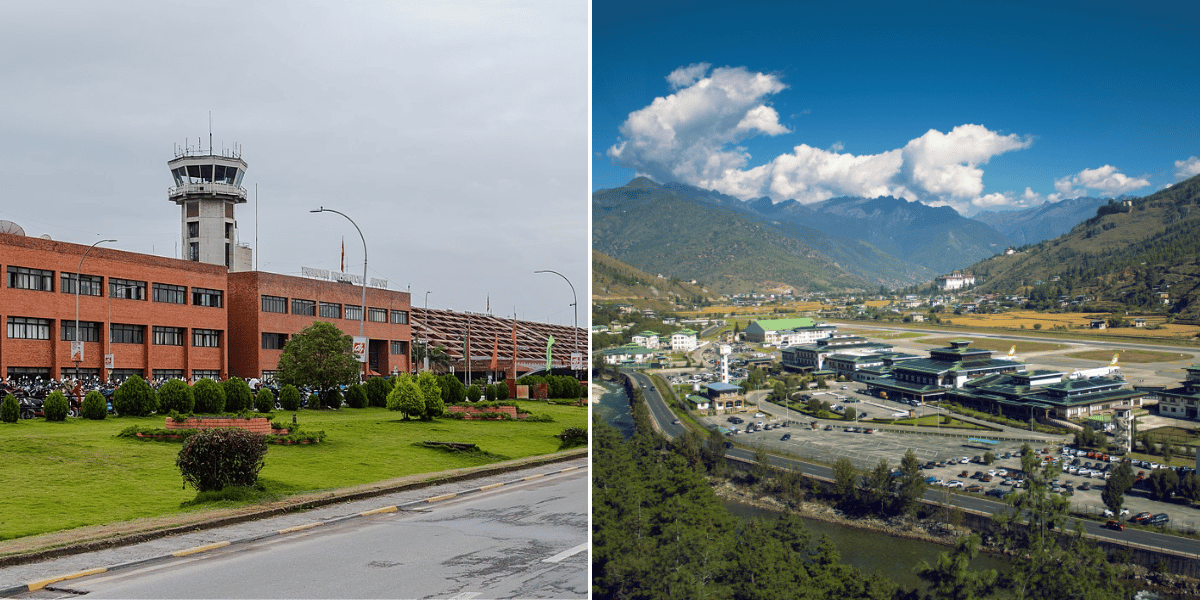
This means there is less fuel usage and lower maintenance costs in the long run. Therefore, the flights are much cheaper compared to other direct international flights like those taking off from Singapore and Thailand.
Lastly, as both of the countries hide the Himalayan gems, the flight from Nepal to Bhutan will be the most splendid flight of your life if you have a window seat. While landing in Paro, you will see some of the most majestic mountains of the country.
Planning Bhutan Tour from Kathmandu
It is always easier for tourists in Nepal to add Bhutan as another destination in their ongoing trips. This is because Kathmandu has become a tourism hub where people from all over the world travel to for different reasons.
So while in Nepal, it is easier for them to plan a flight to Bhutan and apply for a visa, as most of the travel agencies in Nepal specialise in Bhutan tours and have partnered with a licensed tour operator in Bhutan. So the visitors can apply for a visa while continuing their trip in Nepal.
Since many people in Bhutan are fluent in the Nepalese language, there is better conversational exchange while communicating. As a result, the trips booked from Nepal rarely receive any complaints as the guests’ expectations are already communicated.
Here’s an even better suggestion: Why don’t you travel to both countries together?
Visiting Bhutan and Nepal Together
I would not leave you hanging on after asking that question. Apart from the benefits mentioned above, there are numerous advantages of travelling to Bhutan and Nepal at the same time.
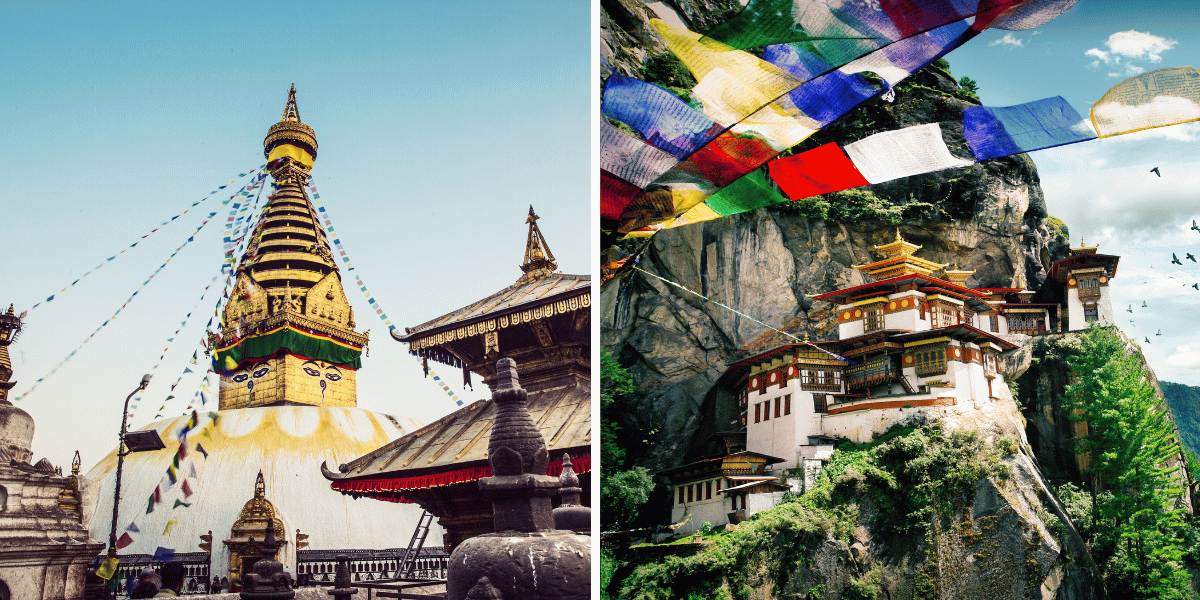
Compact Destinations of South Asia
Both Bhutan and Nepal are two of the smallest countries in South Asia, and they share another geographical similarity; both of them are lodged between two giant economic leaders of the world – China and India.
Being small countries, even if you have a short time in hand, you can visit both countries and complete the major destinations there. Four days in Nepal is enough to visit the major cities like Kathmandu and Pokhara, and four days in Bhutan is enough to visit the major towns and cities like Paro, Thimphu, and Punakha.
Cultural Continuity
Many cultural practices and beliefs overlap when it comes to Nepal and Bhutan. While Nepal is the birthplace of Gautam Buddha, Bhutan is the last Vajrayana Buddhist country. So if Nepal takes the spot as the origin of Buddhism, Bhutan certainly takes the spot when it comes to the unwavering faith of the people.
The blend between Hinduism and Buddhism in both countries is quite evident, except there are more Hindus in Nepal and vice versa. So when you visit Bhutan after visiting Nepal, you will experience a smooth cultural continuity.
Similarly, you will find many architectural similarities in the traditional structures, characterized by intricate wooden carvings and tiered-style structures.
You will also find many similarities between the practices and cultural norms between Bhutan and Nepal, such as the practice of taking your shoes off before entering someone’s home, smiling at strangers, and hospitable behavior towards visitors.
Eastern Himalayan Range
Sharing the eastern himalayan range that passes through Sikkim, both Bhutan and Nepal are homes to some of the greatest mountains. If Nepal has Mt. Everest, Lhotse, and Annapurna I, then Bhutan has Gangkhar Puensum and Jomolhari.
With shared himalayan ranges, the weather in Nepal is also quite similar to the weather in Bhutan, except for the Terai in the lower belt of Nepal. This also means they have similar ecological diversity and landscapes.
Both countries have some of the most beautiful valleys where you can enjoy the company of the locals and get lost in nature. Whether it is trekking or white water rafting, Nepal and Bhutan are the best destinations for such adventure activities.
These are some of the major reasons why you should visit the two countries together. While Kathmandu has taken more into westernization, it would make it a great place for you to adjust to some cultural norms and etiquettes before you head to Bhutan.
Currency Exchange for Travelling
If you are travelling to Bhutan from Nepal or any other country, let me explain how you can exchange the currency before your Bhutan visit.
The Nepalese Rupees is not accepted in Bhutan, so in order to travel to Bhutan from Nepal or anywhere else, you have to exchange your currency for USD, GBP, AUD, or Euro, as those are some of the currencies accepted at Paro International Airport’s Foreign Exchange Desk.
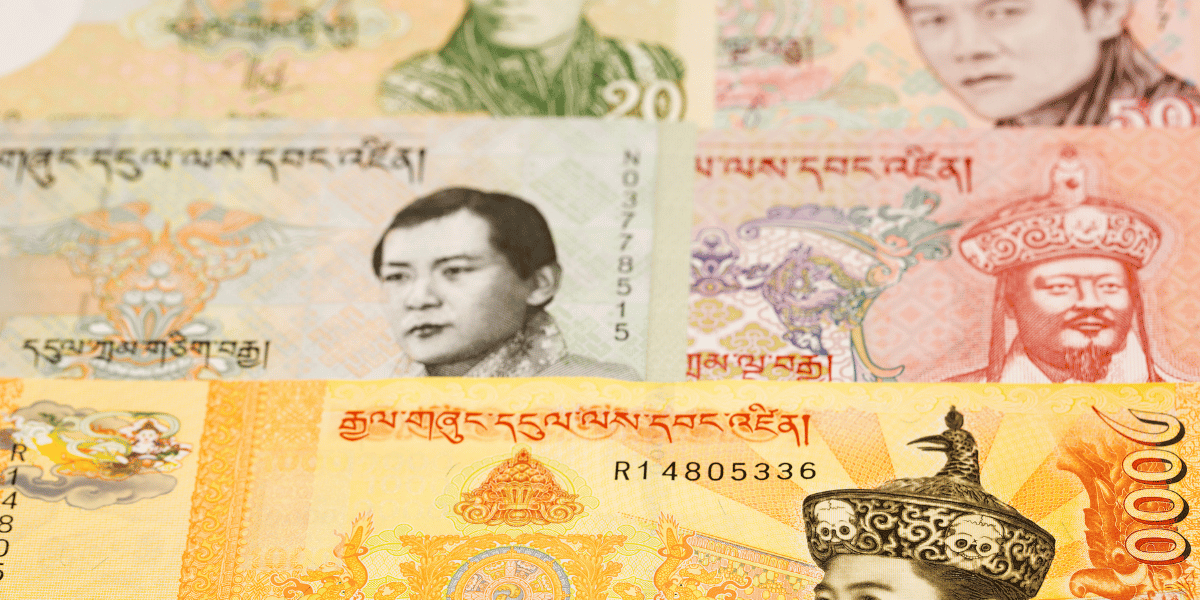
While USD is also accepted by many vendors in Bhutan, I would still suggest you exchange enough cash for payments in Bhutan. This is because people might not accept it if you are planning on visiting remote areas of Bhutan.
The Indian Rupees (INR) is equivalent to BTN, and it is another currency widely accepted in Bhutan. However, visitors are suggested to carry cash of 50 and 100 denominations. Overall, exchanging your currency can be beneficial for your journey in Bhutan.
And if you miss the Foreign Exchange Desk at the airport, you don’t have to worry, as you will find many currency exchange businesses in major towns and cities of Bhutan. Furthermore, even reputed hotels in Bhutan offer exchange services.
Note: If you are travelling from Bhutan to Nepal and you want to exchange cash from a reliable business or at a better exchange rate, feel free to reach out to Altitude Himalaya.
Alternative to Cash Payments in Bhutan
Other methods of payment that are accepted in Bhutan are online payments through digital banking apps like GoBoB by Bank of Bhutan and MyPay by Bhutan National Bank. In order to log in to the apps, you can get a local sim at the Paro International Airport to create an account.
Once you sign up and log in, you can easily link the digital wallets to your international card. This can make your transactions faster and easier. However, I would still recommend you carry cash while travelling to remote areas or trekking, as you might face issues with network connectivity and WiFi availability.
You can carry anywhere between $3,000 and $10,000 for your trip in Bhutan, depending on the duration of your stay. Although you won’t be spending most of it, it can be useful if you face delays in your itineraries or if you want to extend your stay in Bhutan.
Best Time to Visit Bhutan
While Bhutan is beautiful and welcoming throughout the year, the time you choose to travel depends on the season you prefer. There are four seasons in Bhutan: spring, summer, autumn, and winter. Each season can be rewarding in its own ways. Each season is a blessing to all the passionate birdwatchers and nature lovers.
Let’s get more detailed information about Bhutan in each different season so that you can plan your trip without any difficulties.
Spring (March to May)
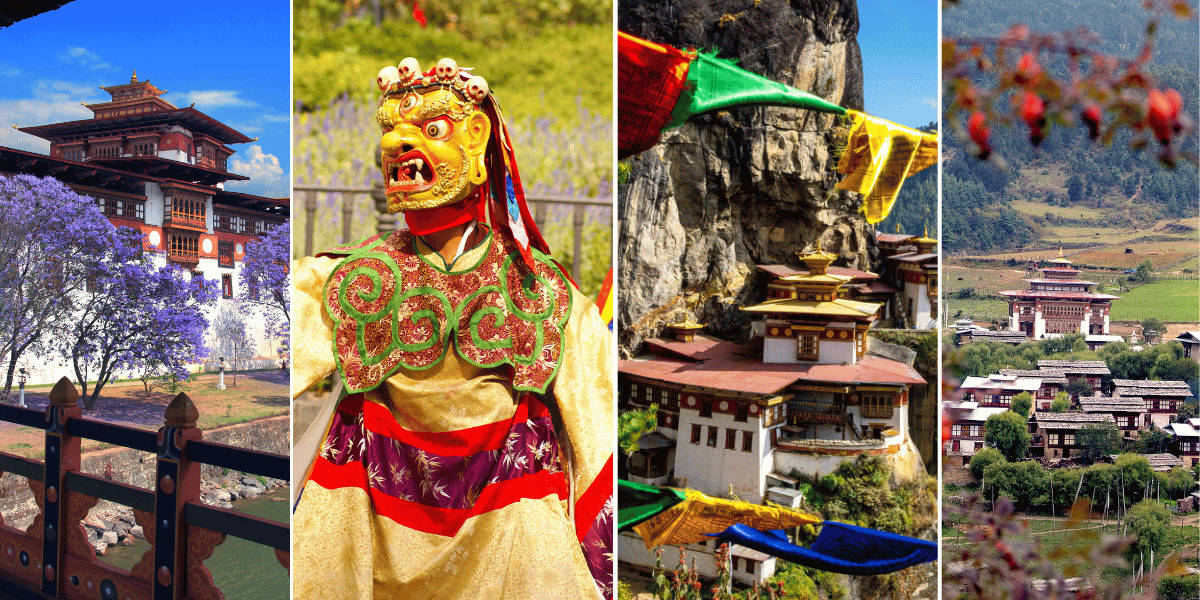
In Spring, Bhutan turns into a vibrant paradise with colorful rhododendrons and wildflowers decorating the hills and the valley. With the flowers blooming and the sun getting warmer, the snow starts melting in different parts of Bhutan. It is one of the best times to visit Punakha Dzong, as the valley is adorned with beautiful jacaranda trees.
As the sun gets warmer, the view gets clearer, and you can enjoy the view as you drive from one region to another. However, please be aware that it might rain in some parts of Bhutan, you will have to check this with your tour operator. As for the northern part of Bhutan, it might still be colder there until mid spring.
It is one of the best times for hiking and trekking as the melting snow starts clearing the walking trails.
Summer (June to August)
Summer is definitely one of the most pleasant weathers to travel to Bhutan. While most parts of Bhutan receive light showers in the summer, please be reminded that the southern parts of Bhutan can receive heavy rainfall, so plan your travel accordingly.
But since most of the renowned tourist destinations are located in western Bhutan, it should not really affect your travel plans. This is, unless you are entering from India. In that case, please be aware that there are frequent landslides in southern Bhutan because of heavy rain.
But other than that, summer is the best time to visit Bhutan, as the valleys shine like emeralds once the rain stops. However, please be aware that trekking can be difficult as the trails get muddy and slippery.
Autumn (September to November)
If you ask any native Bhutanese about the best season to visit Bhutan, then their first answer will always be Autumn. Apart from clear skies and warm days, Autumn is also the time when Bhutan welcomes the beautiful black-necked cranes in Gangtey.
This means Gangtey Monastery and Phobjikha Village become one of the liveliest places in Bhutan. The Hindu festival Dashain also falls around this time every year, and the Nepalese communities in Bhutan grandly celebrate this festival.
Whether it is a low-altitude trek or a high-altitude trek, autumn is the best choice for either of the activities. However, please keep in mind that it gets cold in the night if you are going for high-altitude treks.
In some regions of Bhutan, you can also participate in rice harvesting activities. This can be more fun if you are staying in a homestay with the native people.
Winter (December to February)
Winter comes with festivals like Punakha Tsechu and Trongsa Tsechu. Both of these festivals will give you an unbeatable opportunity to watch the festivals and religious performances up close.
While Punakha Dzong is famous for its masked dance, Trongsa Dzong has the iconic black-hat dance and Dance of the Eight Manifestations of Guru Rinpoche. This means, although cold, the celebrations and the joy will definitely warm you up.
As Thimphu and Paro receive snowfall, you will be bound to try the traditional hot stone baths. While you cannot trek in higher-altitude regions, it is one of the best times to enjoy nature walks.
But if you are travelling anywhere above the elevation of 3000m around January and February, please be prepared for the freezing daytime temperatures, about -2℃ in the daytime.
Best Time to Visit Nepal
In case you have made up your mind about travelling to Bhutan from Nepal, then here’s a short section about the best time to visit Nepal. But here is a short answer: spring and autumn.
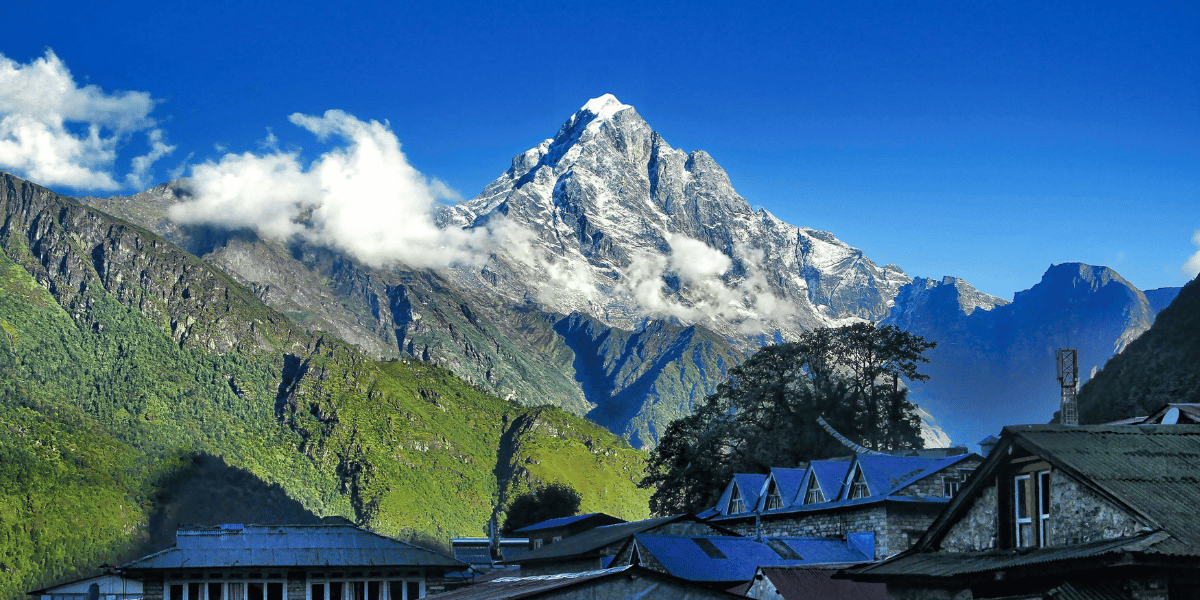
If you are looking for a networking opportunity, but in nature, then spring (March and April) and autumn/fall (October and November) are some of the best times to visit Nepal. This is the time when people from all over the world come to Nepal for trekking or a simple vacation exploring history, culture, and architecture.
Nepal attracts digital nomads from all around the world and you will never feel alone when travelling around the major cities of Nepal. The weather is the most pleasant around this time.
If you visit Nepal around spring, then you will have the chance to celebrate the festival of colors – Holi. And autumn will give you a glimpse into Dashain and Tihar, the major and most celebrated Hindu festivals of Nepal. So if you are in Nepal around these two seasons, make sure to join cultural tours that are organized by tour operators in Kathmandu.
Our Package for Bhutan
While we would be more than happy to host you in Bhutan as well as in Nepal, if you do not wish to book your visit with us, then the packages and the itineraries can still work as a guide while you plan your Bhutan visit.
Now that all the essential details about your travel from Nepal to Bhutan have been covered, why don't you give our Nepal Bhutan Tour Package a look? This package of 11 days takes you around different regions of Nepal and Bhutan.
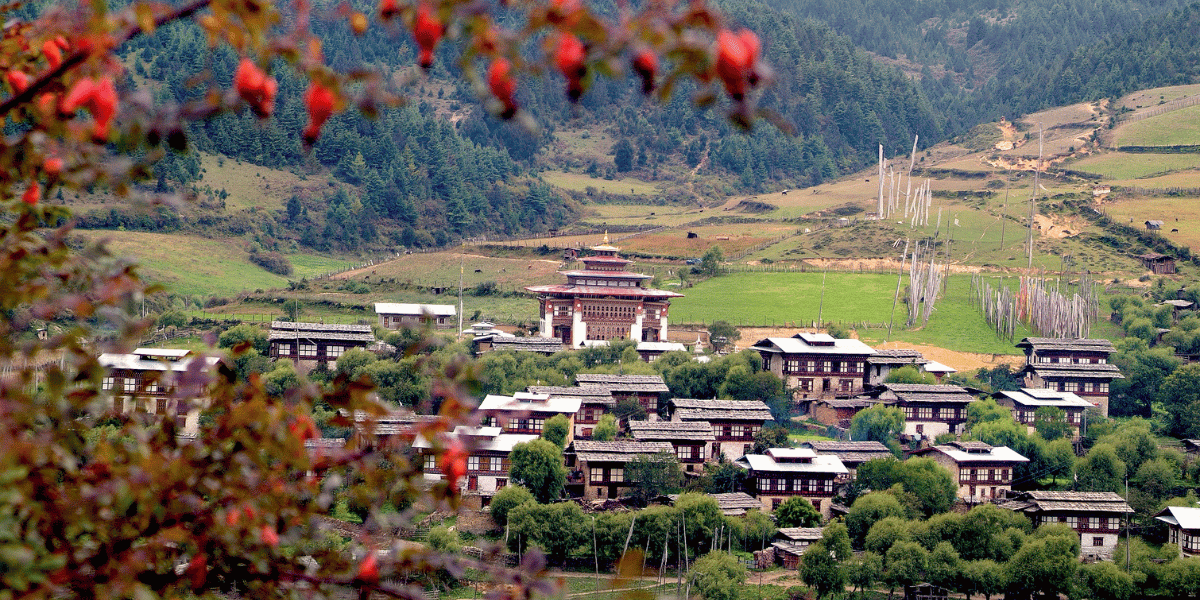
In Bhutan, you will cover the major places like Thimphu, Punakha, and Paro, in Nepal, you will see the UNESCO World Heritage Sites and travel to one of the most beautiful cities of Nepal, Pokhara.
And if you wish to travel to Bhutan directly, then here are our other trips that are centered around Bhutan:
- 7 Days Bhutan Tour
- All Bhutan Tour Package (10 Days)
- Best Bhutan Tour Package (6 Days)
- Bhutan Cultural Tour (8 Days)
- Bhutan Discovery Tour (9 Days)
- Explore Bhutan Tour (5 Days)
- Short Bhutan Tour (4 Days)
- Shortest Bhutan Tour (3 Days)
- Bhutan Luxury Tour Package (6 Days)
Lastly, if you want to visit three different paradises in South Asia, then the most ideal choice here would be Tibet. Not only are Nepal, Bhutan, and Tibet similar in elevation and geographical landscapes, but their cultures are deeply interconnected.
Our Nepal Bhutan Tibet Tour has been designed to let you have the most enjoyable time in these three countries. Lasting for 17 days, this package gives you the perfect opportunity to witness the grandest examples of nature and man-made structures while you observe the deepest forms of faith and cultural preservation in these three countries.
And don’t forget, customization is always encouraged by Altitude Himalaya!
Final Thoughts
We have now reached the end of this blog, and I hope that it was as informative as you expected it to be. From making you understand the unique beauty of Bhutan to all the different modes of transportation that you can take to reach there, this blog has been written with the attempt to make it the perfect guide for your plannings.
Mindful living, a trend for many, is a lifestyle there in Bhutan. While your journey in Bhutan might eventually come to an end, you will begin a new journey after you leave Bhutan; a journey of peace, kindness, and health with unforgettable memories.

 Suraksha Subba