• Trip Code
    Trip Code EBT
  • calendar
    Duration 5 Days
  • meter
    Trip Difficulty easy
  • group
    Group Size 2-10
  • start
    Start Point Paro
  • end
    Trip End Point Paro
  • accomodation
    Accommodation 3 Star Hotels
  • meal
    Meals As Mentioned

Trip Overview

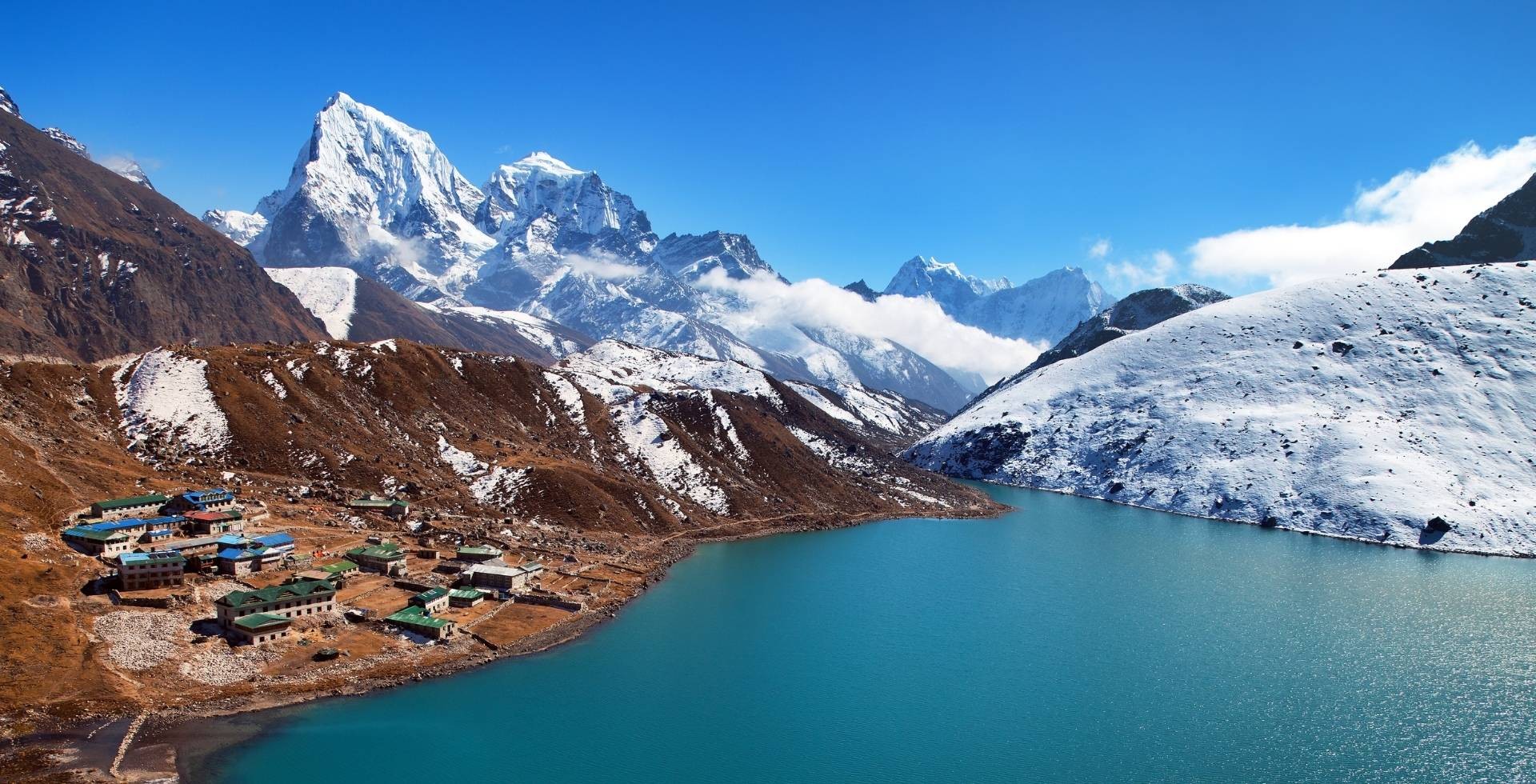
Want to spend some quality time where you are surrounded by mystery and pristine natural beauty? Then take time to experience the thrilling yet satisfying hikes, century-old temples exploration, and iconic landmarks fused with beautiful tradition on your Bhutan adventure. Bhutan is also known as the ‘’land of the Thunder Dragon’’ and ‘’the happiest country’’ which is exactly what you need to get refreshed and experience new things. Bhutan has everything to satisfy the hunger of travelers who want to experience nothing but pure nature and historical beauty. This glamorous country is located on the southern slopes of the eastern Himalayas and is jam-packed with beautiful century-old historical monuments.

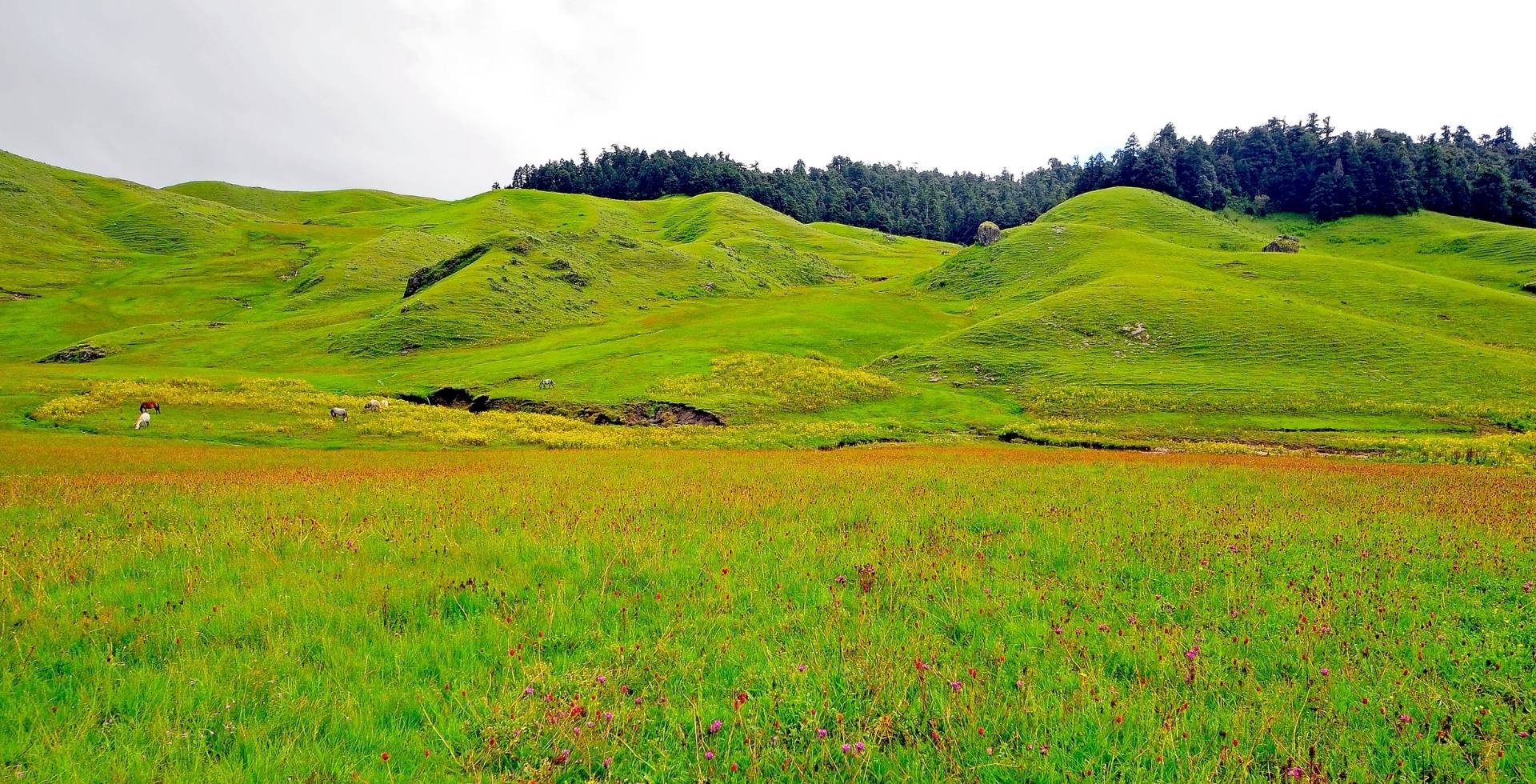
This 5-day Bhutan tour gives you enough time to explore the Dragon Kingdom. You will experience the lifestyle of the people, deep-rooted culture and tradition, vibrant festivals, and immaculate nature. As soon as you reach Bhutan, you will be welcomed by the fresh air and endless eye-pleasing valley view. This mysterious country will surround you with its warm aura wherever you go. While you are in Bhutan you can see the lush green hills from everywhere. Buildings in Bhutan hardly pass the 6th-floor meaning you get to see a killer view from your hotel, while going sightseeing everywhere. Also, people here are very warm and polite. You will experience a new concept of hospitality which will melt your heart.

This country has some of the most iconic monuments in the world that includes hundreds of years old monasteries, historical sites, and intimidating landmarks. You will get to see all the mesmerizing places with your own eyes. Besides the beautiful monuments, you will also get the chance to see nature while you hike toward the most popular monastery called the Tiger’s Nest Monastery aggressively pressed against the wall on a cliff. The landmarks are located in very peaceful and flawless places which provide great views that everyone can enjoy. Other monuments are also one of a kind with stunning locations as well.

The best way to know the history and culture of Bhutan is by visiting the heritage sites and observing the place while you get educated by the guide in detail. Once at the monumental sites you will be fascinated with the most intricate artwork that is displayed all over the buildings, monasteries, and fortress. The colorful patterns and designs will make you think and appreciate the culture and traditions of this place. Bhutan has deep-rooted Buddhist culture which you can see in every corner of Bhutan. Bhutan also proudly celebrates festivals throughout the year which are influenced by the Buddhist religion.

During your trip, you will go sightseeing to some of the most popular sites that include the most iconic monasteries, and landmarks that are Tachogang Lhakhang, National Memorial Chorten (Thimphu Chorten), Simtokha Dzong and Tashichho Dzong while you are at Thimphu. After that, you will visit Kuensel Phodrang, Dochula Pass, Chimi Lhakhang and Punakha Dzong while at Punakha.

Next is Paro and it has a lot to offer to visitors from unforgettable landscapes to century-old landmarks that are covered with charming history and Bhutanese artwork. Here in Paro, you will visit Changangkha Lhakhang, Motithang Takin Preserve, Zilukha Nunnery and Rinpung Dzong along with other historical sites Taktsang Lhakhang (Tiger’s Nest Monastery), Kyichu Lhakhang which is one of the oldest monasteries in Bhutan built in the 7th century. 

Bhutan Tourist Attractions

Bhutan has some of the fascinating attractions to offer its visitors. Bhutan is known for its untouched nature and unshakable Buddhist culture which are unique. Wherever you go you will find yourself surrounded by lush green valleys and fresh air so breathe in and breathe out. While you go out sightseeing the imposing buildings will stand tall in front of you making you feel small and intimidated. You are surrounded by a divine aura inside the monasteries and Dzongs, something mysterious. Bhutan is like a treasure for someone curious about history and architecture because some of the historical buildings date back to the 7th century and have authentic Bhutanese art engraved in them.   

Tachogang Lhakhang is a quiet monastery located on the outskirts of Paro valley. Tachogang means ‘’Temple of the hill of excellent horses’’ in the Bhutanese language. It was built by Thangtong Gyalpo as it is believed he saw a spiritual horse Balaha-an emanation of Avalokiteshvara,  while he was meditating. To reach this monastery one has to cross the Pachhu (Paro river) through an iron bridge. This isn't just any other iron brie that you see, it was built in the 14th century by a great architect Thangtong Gyalpo. He built 108 iron bridges throughout Bhutan and Tibet one of which is present in the Tachogang Lhakhang.

National Memorial Chorten also known as Memorial Stupa or Thimphu Chorten located in Doeboom Lam in the southern central part of the city.  It was built in 1974 to commemorate the third king of the Wangchuck Dynasty. This stupa is easily recognizable with its white-washed walls decorated with dazzling golden annexes. It is located in a perfect place from where you get the beautiful valley view and can spend some peaceful time there. The ambience is tranquil with the imposing monument where you will get a warm vibe from all the butter lamps lit in the memories of descended loved ones. Also, you will see people going around the Chorten in a clockwise direction which is called the circumambulation of the Chorten. 

Simtokha Dzong (‘’Dzong’’meaning small Castle-monastery) also known as Sangak Zabdhon Phodrang which translates to ‘’Place of the profound meanings of secret  Mantras’’ is a small monastery. It is situated in the southern region of Thimphu also this Dzong is one of the few monuments built in the early 17th century and is still intact in its original form. Acknowledging the expert artisan of Bhutanese architecture, Simtokha Dzong is one of the most visited attractions in Bhutan. Once inside the Dzong, you will see the journey of Gautam Buddha on the walls in the form of beautiful murals. Inside the monastery, if you look around you might as well see the preserved Tiger’s tails and gun hanging on the pillar of the Simtokha Dzong.

Takshichho Dzong

Tashichho Dzong also known as Tashichho Dzong nestled along the bank of the Wang Chu river which is the historical fortress-like monastery in Thimphu. Tashichhoe was originally known as Dho-Nyon (Blue-stone) Dzong. Tashichho stands for ‘’Fortress of Auspicious Doctrine’’in its native language. This is one of the most breathtaking landmarks in Bhutan with eye-catching white painted walls with iconic red roofs successfully captivating the attention of the visitors. The beauty of the building is well complemented by the lush green valley and open space around the site.

Kuensel Phodrang also known as the Buddha point and also known for housing one of the biggest Buddha statues, the great Buddha Dordenma. (Figure of Sakyamuni Buddha, one of the forms of Buddha)  is situated at an altitude of 2655 m in the center of Thimphu. This is a perfect spot to get a majestic sunset view and a panoramic view of the entire Thimphu valley. The site is surrounded by an alpine forest, and the highway leading to Kuensel Phodrang is known as one of the most rewarding road trips toward the most iconic routes in Thimphu.

Dochula Pass

Dochula Pass located in the middle of the road from Thimphu to Punakha is a small mountain pass in Bhutan. Situated at an elevation of 3100 it provides an exquisite view of the endless range of snow-capped peaks. The total number of 108 memorial Chorten consists of 107 mini Chorten with one large Choten also known as ‘’Druk Wangyal Chorten”. These Chorten are in the memories of brave soldiers who lost their life in 2003.  The cluster of memorial Chotens is decorated with vibrant prayer flags in honor of the soldiers and is considered a historical and religious site in Thimphu. You can also go on a short hike in the forest enclosed by the Dochula Pass.

Chimi Lhakhang is also known as the fertility temple sited on the hill of Lobesa valley, Punakha. This is one of a kind of temples that was built in 1499 AD. This pilgrimage is popular throughout Bhutan and it is believed that one can conceive a child if one visits this Monterey. Unlike other religious sites, this place is rather known for strange enlightenment and teaching which are different from ancient teachings. Drukpa Kunley also known as the madman of the Dragon Lineage was known to claim himself as the fertility Saint built this monastery.

Punakha Dzong

Punakha Dzong also known as Puntang Dewa Chhenbi Phodrang is the most immersive Dzong in Punakha valley. In its native language, it translates to “Palace of great happiness’’. It is situated along the banks of the Mo Chhu and Po Chuu rivers on the fringes of the main town of Punakha. This iconic landmark was built in 1638 AD and is the 2nd oldest and 2nd largest Dzong in Bhutan. This majestic site not only grants the visitors with its glamorous architectural beauty but also provides a mesmerizing view of the calm George surrounded by soothing green hills.

Changangkha Lhakhang is a  Buddhist fortress-like monastery built in the 12th century in Thimphu, Bhutan. It is balanced on a ridge beside Motithang Takin Preserve Changangkha Lhakhang is one of the most admired sites by travelers. This entire landmark is divided into three individual buildings. The first building is for those who have dedicated their lives to learning Buddhist teachings. Other buildings are dedicated to Gurus  Rinpoche; the last is the monks' meditation hall. This place offers a serene view of the Thimphu valley and is known for housing a unique figurine of Chenresig.

Takin Preserve

Motithang Takin Preserve is situated on the outskirts of Thimphu valley and is one of the protected areas in Bhutan. Motithang is dedicated to protecting the national animal of Bhutan. Takin is a goat-like animal that is protected by the government of Bhutan. This preserve is situated at an altitude of 2100m above sea level. This area is surrounded by dense alpine forests and grants a glorious view of the valley. To see the Takin visit this preserve at the feeding time when they are close to the fence.

Zilukha Nunnery locally known as Thangthong Dewachen Nunnery is a Buddhist monastery in Bhutan in Thimphu valley. The monastery is a few mins away from the town. This nunnery houses monks who dedicate their life to learning Bhhudist teaching and after they graduate, monks dedicate their lives to community service. This place will inspire you to learn about the peaceful teachings of Buddha.

Rinpung Dzongkha established in 1646 on a hill above Paro valley originally called Rinchen Pung Dzong which simply translates to ‘’the fortress on a heap of jewels’’. This Dzong is the most elegant and peaceful building which is a must-visit place while in Bhutan. This Dzong is known for exclusive religious sacred masks and costumes which is one of the main attractions. The prayer halls of this Dzong are stunningly painted with religious murals depicting the life of Milarepa, a point and saint of Tibet.

Taktsang Monastery (Tiger's Nest)

Taktsang Monastery locally is known as Taktsang Palphug  Monastery/ Paro Taktsang Monastery. Taktsang translates to Tiger’s Nest Monastery and is popular among international travelers. This imposing monastery aggressively pressed to the cliff with an elevation of 3210m above sea level. This iconic Monterey can only be reached by a hike that is 2 hours on foot. After you reach the top of the monastery you can see the panoramic view of the Paro valley followed by flourishing green forest along with a wide range of snow-capped mountains. The tiger's nest hike is considered an iconic and rewarding hike.

Kyichu Lhakhang called Kyichu Temple is the oldest temple in Bhutan which was built in the 7th century. It is also believed that this temple was built overnight and situated in Lango Gewog of Paro valley. There are twin temples in Kyichu, making it more iconic and important to its people. This place houses the original statue of Jowo Shakyamuni according to some philosophers. Also, you can see the mysterious orange tree which bears oranges throughout the year and is believed to have some sort of diving energy in this particular place. 

What to expect from a 5 days Bhutan tour?

Bhutan is known as the last Shangri-La on earth also known as the ‘’Mysterious land of Thunder Dragon’’. If the kingdom of Bhutan is a must-visit on your travel bucket list then this 5-tour package is the one for you. On this trip, you will enjoy the serene places located in mesmerizing places that provide 360 views of the nearby areas. This trip gives you one of a kind experience and the opportunity to observe the pristine nature followed by the rich culture and tradition of Bhutan. You will enjoy the light hike toward the most dramatic monastery in Paro that's the Tiger’s Nest monastery nestled on top of a cliff holding century-old history and beauty. Take advantage of the finest accommodation with heart-warming hospitality while in this hypnotic country.

Appreciate the deep-rooted Buddhist culture along with gaining knowledge, one of the happiest countries in the world. Starting from Thimphu, you will foresee the adventure as you take flight above the majestic valleys and the endless Himalayan ranges. From here you will explore Bhutan through cultural sightseeing to the most beautiful and glamorous landmarks in Bhutan. Refresh yourself with a rewarding hike towards the most admired hikes of all time to the Tiger’s Nest monastery. Along with the exciting sightseeing, you will see the architecture in person and appreciate the intricate artwork done all over the historical monuments. Throughout your Bhutan tour, you will be looked after by a local and licensed tour guide from Bhutan who will provide you with all the necessary pieces of information regarding the attractions.

Learn about the warm Buddhist influence engraved inside every Bhutanese heart. The divine energy that dwells in this county will comfort you with its warmth and unique culture that separates Bhutan from every other country. Bhutanese songs and interesting folklore will keep you entertained while making you curious and hungry for more fascinating information. The adventure through the happiest country - Bhutan will stick with you for years to come. The unique monasteries and historical sites will make your jaws drop. The clean and fresh environment will refresh you and please your hearts. The native who embraces their culture will fascinate you with their loyalty towards their culture and century-old traditions.

Read More

Trip highlights

  • Visit some of the major historical sites in Thimphu, Punakha, and Paro
  • Drive with the view of the great Himalayas and lush green valley.
  • Explore the grounds of sacred temples and fortified monasteries.
  • Witness the vibrant Buddhist culture and tradition.
  • Have a rewarding hike to the top of Tiger’s Nest Monastery.

Outline Itinerary

DAY 1: Arrival in Paro, Drive to Thimphu

DAY 2: Drive to Punakha, Punakha Sightseeing.

DAY 3: Drive to Paro, Enroute Thimphu Sightseeing.

DAY 4: Paro Sightseeing, Taktsang Monastery Hike.

DAY 5: Departure, Farewell!

Detailed Itinerary

Expand all
Day 1

Arrival in Paro, Drive to Thimphu

duration 5-6 Hours
trip-meals L,D
transportation On Private
Day 2

Drive to Punakha, Punakha Sightseeing.

duration 7-8 Hours
trip-meals B,L,D
Day 3

Drive to Paro, Enroute Thimphu Sightseeing.

duration 8-9 Hours
trip-meals B,L,D
Day 4

Paro Sightseeing, Taktsang Monastery Hike.

duration 9-10 Hours
trip-meals B,L,D
Day 5

Departure, Farewell!

trip-meals B

Price Includes

  • Visa fee, including processing fees.
  • Airport pick up and drop off on a private basis.
  • A private A/C vehicle for all the mentioned sightseeing.
  • All 4 night accommodation on a double-sharing basis. (3 Star Hotels)
  • Daily breakfast and dinner at the hotel.
  • Lunch at the government allowed tourist restaurant.
  • Sightseeing fees for all the attractions mentioned in the itinerary.
  • Licensed tour guide and driver.
  • Driver and guide’s allowance, salary, fuel cost, and toll/taxes.
  • Sustainable Development Fee (SDF) levied by the Bhutanese Government.

Price Excludes

  • International flights.
  • Personal expenses.
  • Tips for travel guides and drivers. (not required but recommended)
  • Services that are not mentioned above.

Tour Guide, Tips

This section has been crafted carefully to ensure that you plan your trip to Bhutan with ease and have a great time in Bhutan. Please read it thoroughly so that you can make an informed decision. 

We have covered different aspects that must be considered before you travel to Bhutan, with topics ranging from the best time to visit Bhutan to travel etiquettes that make your trip fun and ethical at the same time. 

Best Time to Visit Bhutan

There are 4 seasons in Bhutan; spring (March-May), summer (June-August), autumn (September-November), and winter (December-February). Each season offers different perks for visitors, and birdwatching is one of the perks that is constant despite the seasonal changes.

Before we continue, we want to let you know that Bhutan is beautiful throughout the year, and you can plan your trip in any season that you are comfortable with.

Spring (March to May)

Spring is one of two peak tourism seasons of Bhutan, with the other one being autumn. From March to May, Bhutan turns vibrant as the winter fades away and the rhododendrons and wildflowers start blooming across the country.

Some of the major festivals that fall around this season are Gomkora and Paro Tsechu. Some of the bird species that you will come across while travelling to Bhutan during the springtime are the Himalayan Monal, blood pheasant, white-bellied Heron, and Satyr Tragopan

While the mountains are colder till the end of spring, the southern side of Bhutan is quite warm. Although it is mostly sunny throughout Bhutan, a few regions of Bhutan might face light rain. Overall, the clear skies are accompanied by the clearest view of the mountains. 

Summer (June-August)

With occasional light showers in the late afternoon, the rice paddies in the hills shine like a gemstone in Bhutan during the summers. The rain won’t really affect your sightseeing activities, allowing you to enjoy Bhutan’s rich greenery

The major festivals that are celebrated during the summer are Nimalung Tsecchu and Kurjey Tsechu. This is also the best time to visit Phobjikha Valley, surrounded by the greenest paddy fields, while you enjoy the evening rain. 

Some of the birds that you can spot in the summers are cuckoos, drongos, and swifts. In the subtropical areas majorly made up of the southern foothills, you can find exquisite birds like Ward’s Trogon and the Rufous-necked Hornbill.

Summer is also an ideal time to participate in adventurous activities like white water rafting. Some of the best rivers for river rafting are the Mo Chhu and Po Chhu rivers. 

The rain is more frequent from late June to September in the southern region. Please look out for travel disturbances due to road conditions or delayed flights due to unpredictable weather. 

Some of the best places to visit in Bhutan during the summer are Paro and Punakha, where you can enjoy meals made from freshly harvested food grains. 

Autumn (September to November)

Any Bhutanese citizen would agree that autumn is one of the best times to visit their country. With golden hues transforming the entire country into a paradise, the weather around this time is mild and the post-monsoon season welcomes the clearest sky across Bhutan

The notable festivals celebrated in Bhutan during the months of autumn are Thimphu Tsechu, Wangdue Phodrang Tsechu, and the famous Jambay Lhakhang Drup with rituals like masked dance and nude dance. If you are opting for a homestay, you can participate in the rice harvesting activity.

Autumn also hosts one of the renowned festivals of Bhutan, the Black-necked Crane Festival in Gangtey Monastery, because this is the season when the cranes migrate to Phobjika Valley. Other birds that you can see in the autumn are the blood pheasant, Kalij pheasant, and Ward’s Trogon.

While it can get extremely cold in Northern Bhutan, autumn is one of the best seasons to go trekking in the Himalayas. With some of the best views that can be seen during this season, it is an ideal season for you to hike around Bhutan’s nature trails.

Winter (December to February)

The tourist crowd dramatically decreases as winter approaches Bhutan. However, this does not mean that you cannot travel to Bhutan during the winters. In fact, Bhutan boasts some of the clearest skies during wintertime, making all your drives feel cinematic with the view of the mountains surrounding you. 

Festivals like Punakha Tsechu and Trongsa Tsechu are celebrated in Bhutan during the winters and you can indulge in some of the local experiences like hot stone baths

While heavy snowfall in the mountains makes trekking impossible, you can still go for treks and hikes in low-altitude regions. With snowfall in cities like Paro and Thimphu, your winter trip will look like it came straight out of a movie. 

However, between January and February, the average temperature in the daytime drops as low as -2℃. So even if you don’t want to deal with the cold climate, you can still visit Bhutan around December. 

In low-altitude regions, you can find birds like Fire-tailed Myzornis and Golden-breasted Fulvetta. Make sure to carry proper winter clothes to keep you warm throughout your time in Bhutan. 

Visa and Sustainable Development Fee for Bhutan

The rules for visa eligibility and application can be different based on your nationality. If you are planning your visit to Bhutan, we request you to pay attention to this section, as we have mentioned crucial details regarding visa applications and mandatory SDFs charged to every visitor. 

Bhutan Visa 

Except for Indian citizens who will need an entry permit, anyone entering Bhutan must have a visa in order to enter Bhutan. However, citizens from Bangladesh and the Maldives can apply for their visa on arrival

Apart from that, individuals from Switzerland and Thailand with diplomatic passports or government official passports can also apply for a visa at the port of their entry. 

You can apply for the visa online through their official government portal, or for a seamless experience, you can apply for the visa through a licensed travel operator like Altitude Himalaya. 

Even if you apply for your visa independently, in order to travel to most of the places in Bhutan, you must be accompanied by a licensed travel guide

Sustainable Development Fee

But apart from the visa, there is something far more important that you must be aware of. Any visitors visiting Bhutan must pay the Sustainable Development Fee (SDF). You can pay for it while applying for a visa, or if you are a citizen from India, Bangladesh, or Maldives, you can pay for it on arrival. 

The amount of SDF an adult individual has to pay per night is USD 100. For children above the age of 6 who haven’t turned 12, the SDF amount for them is USD 50 per night. SDF is not applicable for children below the age of 6. 

However, the SDF amount is different for Indian citizens. An adult Indian citizen will have to pay INR 1200 per night, and children above the age of 6 who haven’t turned 12 will have to pay INR 600 per night

If your trip gets cancelled or if your stay is shortened, and if you have already paid the SDF for the trip duration or the extra nights, then Bhutan’s Department of Immigration will refund the amount back to you.

Border Waiver for Visitors

Any visitors who are visiting border towns (Samtse, Phuentsholing, Gelephu, and Samdrup Jongkhar) are eligible for a border waiver and do not have to pay the SDF.

However, if they go beyond Gurung Basti in Samtse, Rinchending Checkpost in Phuentsholing, Aipoli Bridge in Gelephu, and Rinchinna Checkpost in Samdrup Jongkhar, they must pay the SDF.

Lastly, while travelling around Bhutan, as long as you are accompanied by a licensed guide, there will be no need for a route permit. If you plan on hiking or trekking in Bhutan, it is mandatory that you plan it through a tour operator who will provide you with a licensed guide. 

Currency Exchange and Payments in Bhutan

The official currency of Bhutan is the Bhutanese Ngultrum (BTN), and the value of the currency remains equivalent to the value of Indian Rupees (INR). In this section we have explained how you can exchange your currency while you are in Bhutan and the payment methods accepted there.

Currency Exchange

The government of Bhutan suggests that visitors carry at least $10,000 spare while visiting Bhutan. This extra cash can come in handy during emergencies, buffer days, and in case of visa and trip extension. 

You can exchange your currency at the Paro International Airport in Bhutan after you land. Otherwise, you can visit the banks or authorized businesses that provide currency exchange services. 

And if you are staying in a luxury hotel or hotels that are a part of reputed hotel chains, then you can also ask the hotel representative if they provide currency exchange services. Most of them do. 

Payment Methods Accepted in Bhutan

While cash is one of the most prevalent methods of payment in Bhutan, you can rest assured that most of the ATMs in Bhutan allow withdrawals from Visa and Mastercard in the local currency. These cards are also accepted in hotels and certified tourist standard restaurants. 

You can also sign up for the digital wallets that are widely used in Bhutan. Two of the most reliable apps for online payments are GoBoB by the Bank of Bhutan and MyPay by Bhutan National Banks.

In order to sign up in these apps, you can buy a sim card at the airport and register your number in the app. After you log in to the app, you can easily connect your international card (Visa, Mastercard, and American Express). 

However, if you are visiting remote areas in Bhutan, make sure that you have sufficient cash for your time there. In most of the rural areas cards are not accepted, and you might face connectivity issues in remote areas while attempting to pay online. 

Note: In Bhutan, most of the vendors accept INR and USD. Visitors are recommended to exchange the BTN before their departure at the airport or their port of exit.

Visiting Hours in Bhutan

During summers in Bhutan, most of the attractions are open every day between 9 AM - 5 PM. However, during the winters, the sites open around 11 AM and close by 4:30 PM - 5:00 PM

Of all the attractions in Bhutan, the opening hours for Tashichho Dzong and a few parts of Trongsa Dzong are only after 4:30 PM for visitors. This is because these buildings have government offices that are still in use. 

Some of the attractions might be closed during government holidays or government-related events. Altitude Himalaya provides such information while you plan your trip with us so that your itinerary can move smoothly. 

Food in Bhutan

Unlike other places, while travelling in Bhutan, you will not be entering random restaurants for your lunch and dinner. Through guided trips, your travel guide will only take you to restaurants that have been certified as "tourist standard” by the government.

From local restaurants to high-end restaurants, the eligibility to receive this certification depends on the restaurant’s maintenance of safety and cleanliness. The restaurants with these certifications mostly serve traditional Bhutanese cuisine, Indian cuisine, and continental cuisines

You can find these restaurants in major tourist hubs of Bhutan and as in-house restaurants of hotels where you will be staying. 

Traditional Bhutanese Cuisine

Although you can find Indian cuisine and continental cuisine throughout the major towns and cities in Bhutan, learning a bit about traditional Bhutanese food won’t harm you. In fact, Bhutan is home to some of the most healthy and savoury comfort foods. 

Please note that most of the dishes are served with rice or red rice. Here are some of the traditional dishes that you might want to try during your stay in Bhutan:

  1. Ema Datshi: Bhutan’s national dish, Ema Datshi, literally means 'chilli and cheese'. As its name suggests, this dish is spicy and cheesy and preferred throughout the country. Ema Datshi is often seasoned with garlic or spring onions and served with rice. The rice on the side helps to balance the spice out. 
  2. Shamu Datshi: Now that we have established that 'Datshi' means 'cheese', it will be easier for you to distinguish dishes with cheese. Shamu Datshi is similar to Ema Datshi, except the chillies are replaced with mushrooms. With most of the citizens practicing the farm-to-table approach, the mushrooms in Shamu Datshi are usually freshly picked. This creamy and cheesy dish is also served with rice or red rice.
  3. Kewa Datshi: 'Kewa' in Dzongkha, Bhutan’s national language, means 'potato'. So this dish is basically made up of potato and cheese. The Bhutanese people often add tomatoes and onions into the mix while cooking it. Once it's ready, they garnish it with spring onions or coriander. 
  4. Shakam Ema Datshi: Shakam Ema Datshi is Ema Datshi with an extra ingredient. The extra ingredient here is Shakam; dried beef meat. Dried meat is very popular in Bhutan, Tibet, and Nepal and is one of the most practical methods of preserving meat for a long time. 
  5. Momo and Hoentay: If you have tasted momo in Nepal and you liked it, then you’ll probably be happy to find momo in Bhutan. They also have Hoentay, similar to momo, but made with buckwheat dough and stuffed with spinach or turnip leaves.

Tasting the local cuisine is a significant part of your travel experience no matter where you are, and we hope you enjoy the food in Bhutan

Accommodation in Bhutan

When it comes to accommodations in Bhutan, Bhutan has left no stone unturned. From comfortable campsites to 5-star luxury hotels, you can find everything in Bhutan, depending on the places you are visiting. 

3-Star Hotels

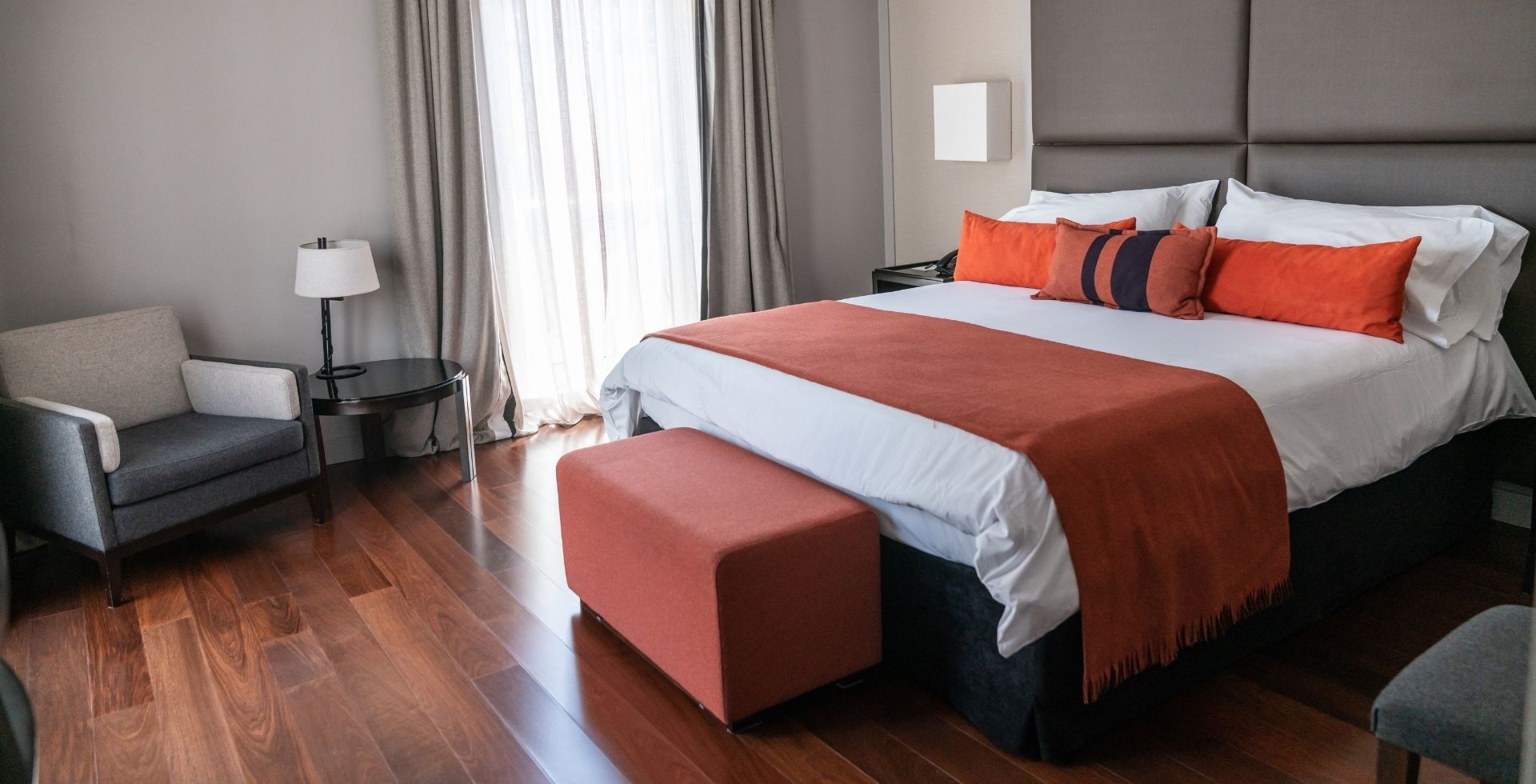
One of the most prominent choices of accommodation in Bhutan are the 3-star hotels that are open in almost every touristic town and city. Most of the 3-star hotels in Bhutan are well-established local boutique hotels where your stay will be comfortable and aesthetically pleasing.

These hotels have all the basic amenities covered and provide excellent services to their customers. They have attached bathrooms, TVs, free WiFi, and heated rooms to ensure that their guests are comfortable in every way possible. 

Furthermore, most of the 3-star hotels have in-house restaurants with tourist standard certification and provide complementary breakfast. Lunch and dinner can also be arranged on request.

5-Star Hotels

Bhutan is not just a representation of nature. While breathing clean fresh air in itself is a luxury, if you opt for 5-star hotels, your time in Bhutan will be a huge favor to your holistic wellbeing. 

Apart from the basic amenities, the rooms in these hotels are spacious and come with a large balcony or even a terrace. Guests with families can also book luxury villas. Most of the rooms in these luxury hotels come with some of the best views of the surroundings. 

Apart from gourmet dining, you can also find services like spas, yoga sessions, saloons, and hot stone baths inside the complex. As a part of their stay packages, they also offer guided hikes and access to swimming pools and fitness centers free of cost. 

Homestays and Campsites

Operated by local families, homestays are one of the best choices if you want to immerse yourself in Bhutan’s culture and lifestyle. The homestays are only allowed to operate after they receive the government’s approval. 

By participating in the daily activities of the household, such as farming and religious rituals, you will have some of the most meaningful interactions and cultural exchanges with the people of Bhutan. 

Staying in local homes with traditional decorations, you will have this rustic vibe as you practice archery with the locals. The best part is that some houses even have hot stone baths. Enjoy the home cooked meals that are prepared with freshly picked ingredients grown on their own farms. 

Campsites have been growing more popular recently. Like every other accommodation, campsites also require the government’s approval before they start serving guests. Some of the best places to go camping are around Punakha and Phobjikha Valley

Note: If you want to go camping in Bhutan without compromising on the quality of stay, we can arrange your stays in luxury glamping sites with all the basic amenities provided. 

Transportation in Bhutan

With the curved mountain roads all over Bhutan, visitors are strongly advised by the Department of Tourism of Bhutan to travel in vehicles that are prearranged by their respective travel operators. 

The size of the vehicle depends on the size of your group. Altitude Himalaya provides you with vehicles that are air-conditioned, clean, and private. It is one of the most practical modes of transportation in Bhutan, which is a small country. 

If you want to travel by air, you can also opt for domestic flights that connect 3 major cities of Bhutan: Yonphula, Bumthang, and Gelephu. The flights from these cities can also be connected to Paro International Airport.

If you want a premium experience, you can also book a helicopter from the Royal Bhutan Helicopter Services. You can opt for valley-to-valley transfers and fly over the skies of Bhutan while you get an amazing birdseye view of the beautiful Bhutanese landscapes. 

Self-Drive for Indian Citizens

The only way you can have a self-driving travel experience in Bhutan is if you are a native citizen or if you are an Indian citizen travelling with your own car from India. However, the self-driving option comes with various conditions

Unless they own the car or have an authorization letter from the owner of the car, self-drive is not allowed through rented cars. In order to take the car across the Bhutan border, there is various paperwork that needs to be done. 

First things first, the individual should own a valid Indian driving license, and he/she will have to pay INR/BTN 4,500 per day as their vehicle fee. 

Moving on, there are various documents that the driver must provide while entering the country. Adults must also present their voter ID card, as Aadhar Cards are not accepted. There are 4 points of entry for Indian citizens; they are Samtse and Phuentsholing (western Bhutan), Gelephu (central Bhutan), and Samdrup Jongkhar (eastern Bhutan). 

The car should meet the requirements set by Bhutan’s Construction and Transport Authority; only then will the vehicle permit be issued for the car. But that’s not all. The driver must also present Pollution Under Control (PUC) certificates and insurance documents

And the final requirement is the presence of a licensed travel guide in the car. Even if the car is self-driven by an Indian citizen, a travel guide must always be there in the car while sightseeing and driving across different regions. 

Travel Attire in Bhutan

The best approach to dressing up in Bhutan is by layering your clothes. Visitors are advised to pack lightweight layers that are suitable for both the daytime and the nighttime. 

While the temperature is bearable in spring, summer, and early autumn, carrying a warm windproof jacket or a down jacket can never go wrong. Other than that, you are suggested to carry lightweight shirts, cotton shirts and t-shirts, and comfortable pants. 

For the ladies, on days that you are not visiting temples and sacred sites, you can carry suitable and appropriate skirts and dresses for your casual outings. 

However, if you are planning on visiting Bhutan during late autumn and winter, thermal innerwear is going to be your lifesaver. Carry a thicker and warmer jacket along with your windproof jackets, as the temperature drops below freezing in the night. Add scarf, gloves, woollen socks and woollen hats into the mix, and you’re good to go. 

Even if you are not trekking or hiking, make sure that you have your sunscreen and other essential skincare products with you. 

For footwear, a pair of hiking shoes can never go wrong, whether it’s for hiking, trekking, or sightseeing. Your trip will be incomplete without the hike to Taktsang Monastery, and nothing can beat the use of hiking shoes in such scenarios. 

Apart from those, you can carry a pair of slippers or sandals for your short walks in the hotel or around the towns and marketplaces. 

Travel Etiquettes

To ensure that you and everyone around you get to have a good time in Bhutan, this section has been written with the purpose of giving you practical etiquette tips that you can refer to during your time in Bhutan. 

  1. In Bhutan, happiness is a part of the constitution, and the people are merry in their everyday lives. So when people smile at you, give them a smile back!
  2. The Bhutanese people are very serious when it comes to their sacred spaces. So if you are visiting temples and monasteries, make sure that you dress appropriately. Your clothing should cover your shoulders and legs, regardless of your gender. 
  3. Please maintain silence in temples and monasteries, as they are center of religious rituals and meditation. Many monks stay there for educational purposes, so please ensure that you are not disturbing them.
  4. During festivals and other celebrations, please be mindful while taking photographs of monks, ritual dance performers, or other people in the area. Asking for permission before taking anyone’s pictures is always a great idea while travelling. 
  5. Like most Asian countries, please remove your shoes while entering the shrines or the local people’s houses in Bhutan, unless they request you not to. 
  6. While entering sacred spaces or interacting with elders, please take off your hats/caps as a gesture of respect
  7. Hunting and fishing are illegal in most parts of Bhutan. 
  8. Bhutan’s standard of environmental maintenance is quite high, so please do not litter.
  9. Do not smoke in public places and monasteries.
  10. Do not wander off too far without a guide. 
  11. While tipping is not customary in Bhutan, we highly recommend tipping your travel guide, driver, and trekking crew

Other Bhutan Tours by Altitude Himalaya

Apart from our 5-Day Explore Bhutan Tour Package, we have various other packages that are designed for your journey in Bhutan. Please find the list below for the itinerary that suits your travel duration and destinations in Bhutan: 

  1. 7 Days Bhutan Tour
  2. Best Bhutan Tour Package (6 Days)
  3. All Bhutan Tour Package (10 Days)
  4. Bhutan Discovery Tour (9 Days)
  5. Bhutan Cultural Tour (8 Days)
  6. Short Bhutan Tour (4 Days)
  7. Shortest Bhutan Tour (3 Days)
  8. Bhutan Tour Luxury Package (6 Days)

If you want to combine your Bhutan trip with other places in Asia, then we have two more trips for you:

  1. Nepal, Bhutan, and Tibet Tour (17 Days)
  2. Nepal Bhutan Tour (11 Days)
Frequently Asked Questions

How to reach Bhutan?

Do we need a visa to visit Bhutan?

How many flights are there in a day to Bhutan from abroad?

How to get a Bhutan Visa?

Can we visit Bhutan except then from Nepal?

How to reach the Tiger's nest monastery?

What are Bhutan's tourist restrictions?

What makes Bhutan different from the rest of the world?

What is not allowed in Bhutan?