Did you know that the Tibet Autonomous Region is also known as Shangri-La? Those who have been to Tibet can surely testify that it is a peaceful paradise. But what is it that deems Tibet to be a paradise?
Covering a vast area of mountains and plateaus in Central Asia, Tibet is a beautiful place where both man-made and natural wonders make you feel awestruck.
But Tibet is not the destination where you can rush. It is a place where slow living and slow travelling come hand in hand. Being a high-altitude destination, travelling around Tibet comes with intentional stops along the way, which can determine the number of days you spend there.
Furthermore, given the Tibetan plateaus that you will have to travel across, your destinations are not always as close as you think they are. What looks close by might take hours to reach.
While 5 to 6 days in Tibet allows you to explore all of Lhasa, spending about 8 to 9 days can take you to North Everest Base Camp. Add a few more days to your itinerary to make it 14, and you can cover the holy Lake Mansarovar and Mt. Kailash.
With rich biodiversity, culture, and history located within Tibet’s area of 1,228,400 sq km, it seems impossible to cover the beauty of Tibet on a single trip. To simplify your trip and itinerary, we have divided tours to Tibet based on different regions so that you can get a general idea regarding the time required to travel around Tibet.
Why Visit Tibet?
Before moving on to the main topic of this blog, let me answer a simple question that you might have on your mind: Why should you visit Tibet? Or What is Tibet famous for?
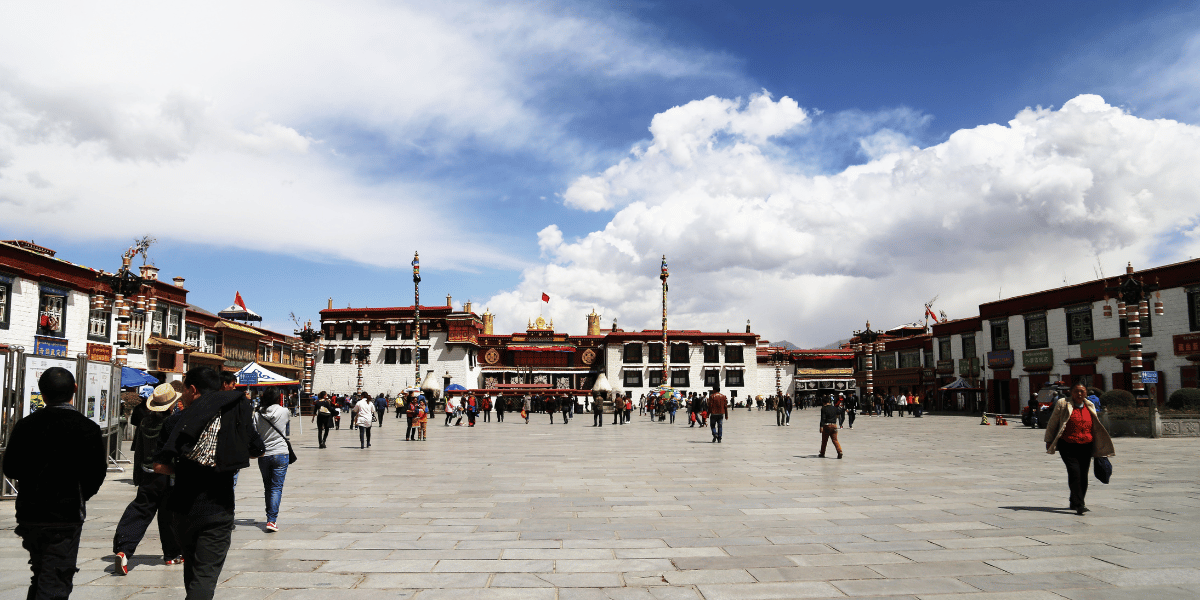
The Hype
The reason why Tibet is a popular destination among travellers is because it was labeled as the ‘Forbidden Land’ for the longest time. Tibet made its first contact with the Portuguese in the 1600s. And their first contact with the Britishers was in the 1700s.
However, due to language differences, the communication was mostly limited to the subject of trade. Then Tibet went through a long battle for independence which was unsuccessful and resulted in the exile of their great leader, the Fourteenth Dalai Lama.
It was only opened for commercial purposes by China in the 1980s, making it a tourist destination to generate income. Only then did Tibet become accessible for those who wondered what secrets the Roof of the World had been hiding from the world.
Architectural Grandeur
It turns out that the mysterious land housed some of the grandest architectural structures that seemed impossible to have been constructed in such a landscape. These structures are centuries old and have become of great aesthetic value for the westerners.
The idols in the monasteries were made of gold, copper, or mud and they were encrusted with precious stones. This showed how rich Tibet was, and it totally makes sense because Nepal used to get gold from Tibet around the 17th century.
Tibet’s Natural Treasures
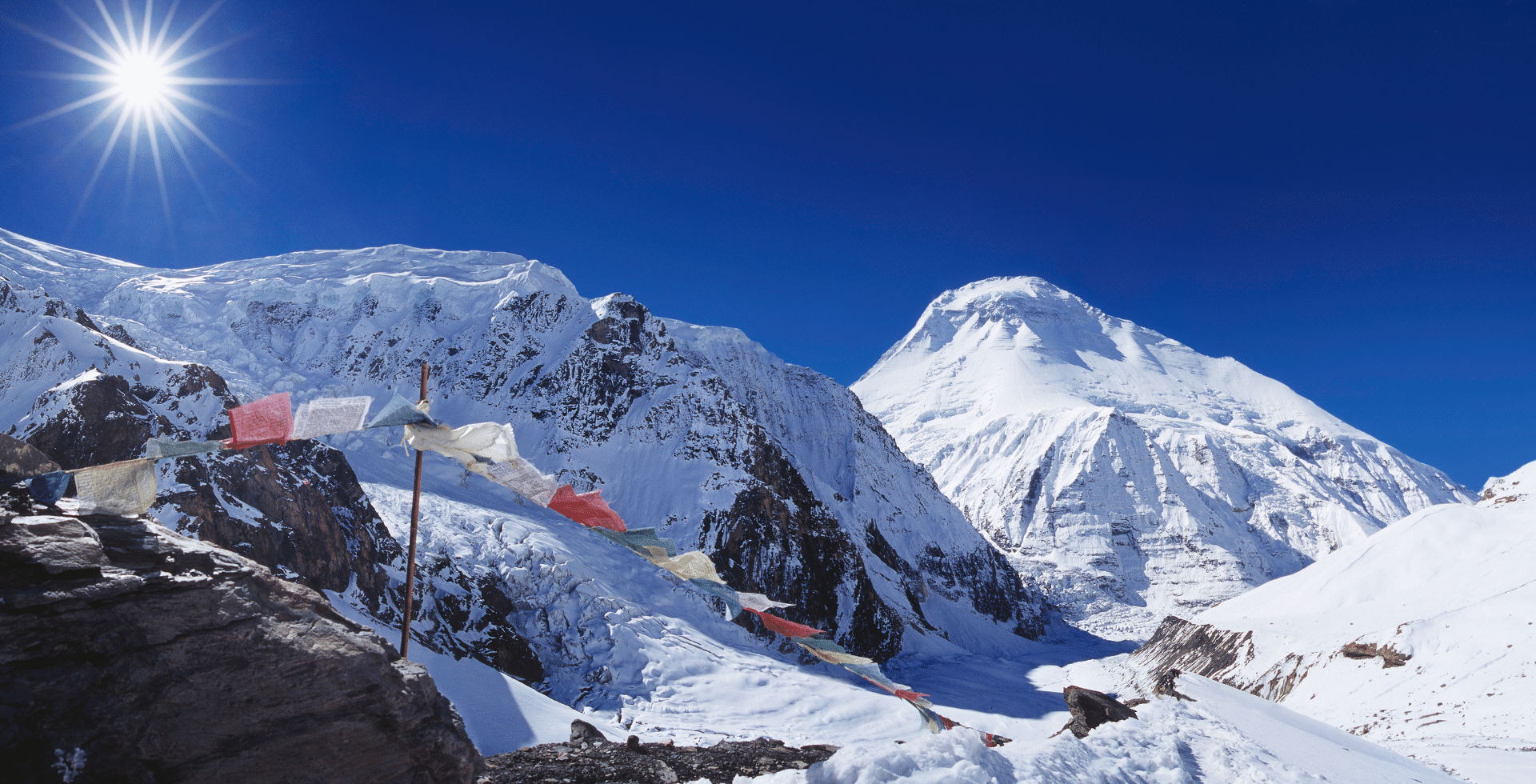
What made those structures great were the Tibetan plateaus, hills, and mountains that they were built on. Formed by the collision of two great tectonic plates (the Indian and Eurasian plates), Tibet has some of the greatest mountains, with Mt. Kailash and Mt. Everest (shared with Nepal) being the most well known of them all.
It also has some of the cleanest and most beautiful lakes, most of them surrounded by grassland and occupied by Tibet’s rich wildlife population. Many engage in birdwatching around the lakes, while many do the kora around the lake.
Outstanding Faith
Now this brings us to the topic of faith. Tibetan Buddhism is also one of the greatest tourist attractions in Tibet. With its development dating back to the 7th century, Tibetan Buddhism’s reach has grown to an unexpected volume.
Most of the visitors around Tibet are followers of Tibetan Buddhism or those interested in the religion. Don’t be surprised if you find groups who are there to learn about the Bon religion, the former dominant religion of Tibet, which revolved around shamanism and occult practices.
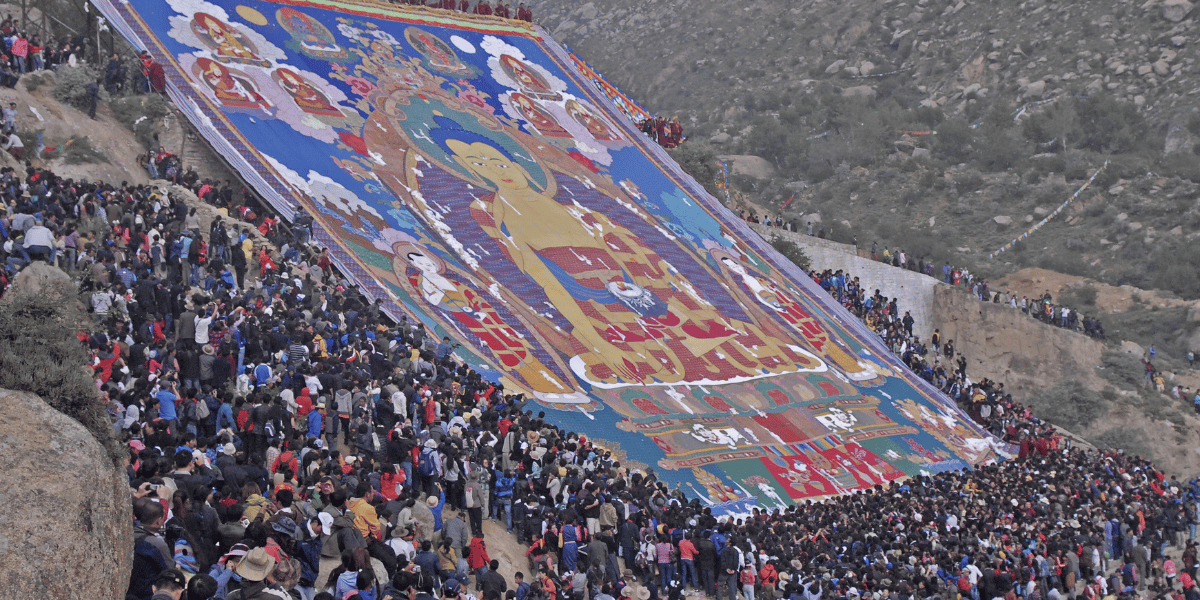
Coming back to the point, faith is another reason why you should visit Tibet. It is not essential that you become a Tibetan Buddhist, but there is something about walking around the chapels in the monasteries that gives you an enigmatic sense of peace. And the splendid decorations do give a sense of luxury, even if that was not their primary intention.
Lastly, the Tibetan people must be applauded for their resilience despite the violent history of invasion and oppression. These kindhearted people are welcoming and will most likely invite you to their homes for a cup of traditional butter tea.
I hope that these reasons are enough to convince you to visit Tibet. Afterall, the mysterious land is now welcoming you to embrace its secrets. Let’s move on to the next section; approximate days required to travel to different parts of Tibet.
Days Required to Travel Around Different places in Tibet
Calling Tibet large is an understatement. The Tibetan Plateau is colossal in size and is home to a large range of biodiversity, various landscapes, holy lakes and majestic mountains with a foundation rich in minerals.
This wide-stretched region requires you to travel at a slower pace suitable for your health and the region’s altitude. Slower pace means more silent hours at the sacred monasteries and in the charming nature.
This is one of the main sections that will give you a clear idea of the number of days you will need in Tibet before you plan your trip.
Days to Travel Around Lhasa
Lhasa, one of the major high-altitude cities in the world, is home to some of the most sacred sites in Buddhism. Taking the major tourism destinations into consideration, it would take approximately 6 days to cover Lhasa if you are planning on visiting the attractions mentioned below.
Lhasa, the heart of Tibet, is also the capital of the Tibet Autonomous Region. It is known as the most powerful center of Tibetan Buddhism and is of major political and religious importance.
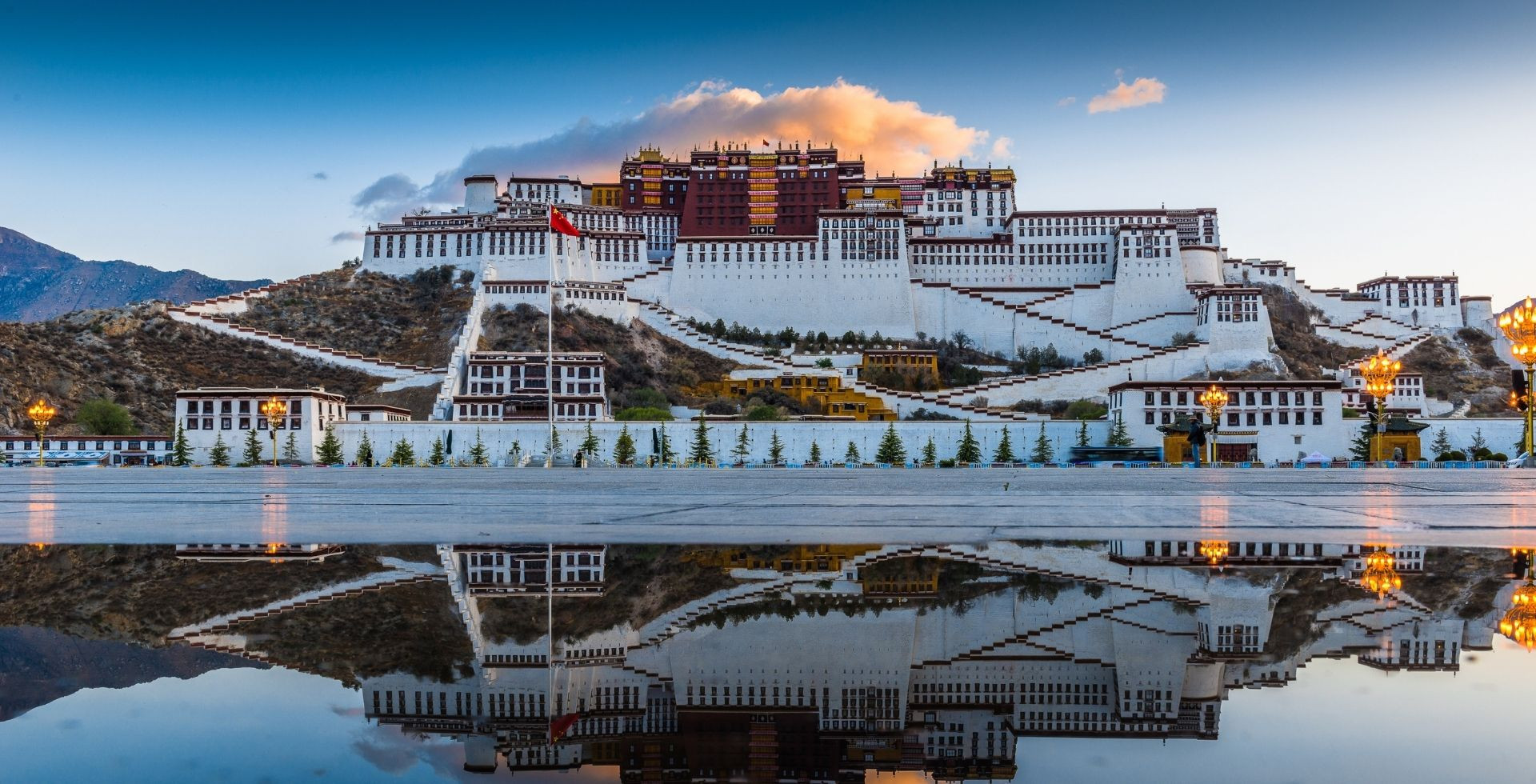
The Potala Palace, famously known as the Dalai Lama’s residence, was built on top of Marpo Ri (Red Hill), and anyone who enters Lhasa can see the building towering over the city. Despite the absence of the Fourteenth Dalai Lama, the power that the palace once held can still be felt by the visitors.
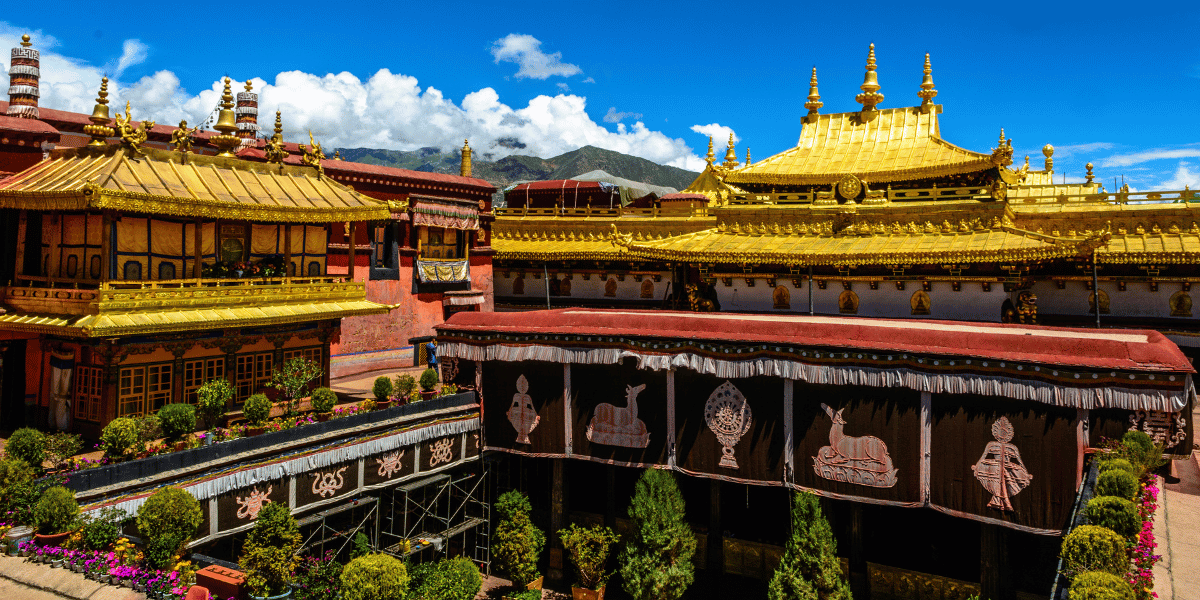
But the palace is not the only major power center here. Jokhang temple and Ramoche temple house two of the most revered idols of Buddha. The idols were bought by the brides of the legendary ruler King Songtsen Gampo, the Queens who influenced the start of Buddhism in Tibet.
Then we have the lush green gardens of Norbulingka that will make you feel like you are in Shangri-La indeed. All these palaces and temples are some of the main attraction sites in Lhasa that must not be missed.
There are 3 Great Gelug Monasteries of Tibetan Buddhism around Lhasa: Sera Monastery, Drepung Monastery, and Ganden Monastery, which keep the legacy of Je Tsongkhapa alive. After he established the Gelug School, he reformed and strengthened Tibetan Buddhism.
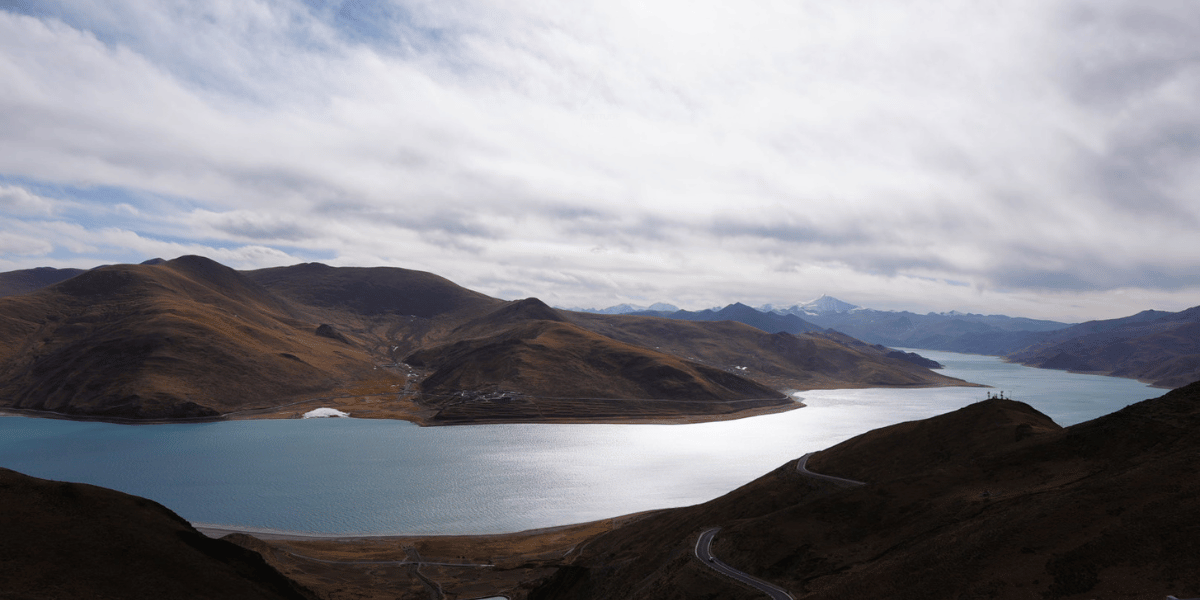
As beautiful as these structures are, the beauty of Lake Namtso and Lake Yamdrok cannot be ignored if you’ve made it as far as Lhasa. Both of the lakes are a couple of hours away from Lhasa but should be visited on separate days, as they are located in two different directions.
Lastly, there is a heaven in Lhasa for those who are into meditation, and it is called Drak Yerpa. It has a collection of numerous caves where prominent figures of Tibetan Buddhism like Guru Rinpoche, King Songtsen Gampo, and Atisha, once meditated.
To sum it up, 6 days would be the ideal time required to explore both the natural and architectural beauties of Lhasa.
Days to Travel to North Everest Base Camp
If you are travelling to North Everest Base Camp (EBC), please remember that you will need to move at a healthy pace. Visitors are strongly recommended to acclimatize to Lhasa’s elevation and then gradually travel to places at higher altitudes.
North EBC Via Lhasa
Our travel experts suggest that 8 days would be perfect to travel around North EBC (7 days if you wish to depart towards mainland China) after acclimatizing in Lhasa first. You also need to consider the travel time in this case, as you will have to travel to different cities.
The North EBC is more than 600 km away from Lhasa. Now for those who are more interested in visiting the North EBC rather than the spiritual sites of Lhasa, we can surely remove a few of the sightseeing from the itinerary.
However, the travel from Lhasa to North EBC must not be rushed. Lhasa itself is a high-altitude destination for the majority of the visitors. Compared to Lhasa, which has an average altitude of 3,659 m above sea level, the North EBC is at a much higher elevation of 5,150 m.
Therefore, you must acclimatize to Lhasa’s elevation before heading to North EBC to avoid severe symptoms of altitude sickness. Also note that it is not possible to drive all the way to North EBC within a single day. This means that you will have to make a stop at Shigatse, the second largest city of Tibet.
North EBC Via Kyirong

If you plan on visiting North EBC straight from Kyirong, then the itinerary will be shorter than the one planned via Lhasa. In order to adjust to the altitude, you will be staying extra days in Shigatse.
Overall, a week should be enough for North EBC if you want to go there straight from Kyirong Town on the Nepal-China Border.
Note: If you want to trek from Old Tingri to North EBC, please note that it will require additional days. For those interested in visiting the monasteries in Lhasa and Shigatse, we don’t mind arranging more sightseeing and extending your stay in Tibet!
Days to Travel around Mt. Kailash and Lake Mansarovar
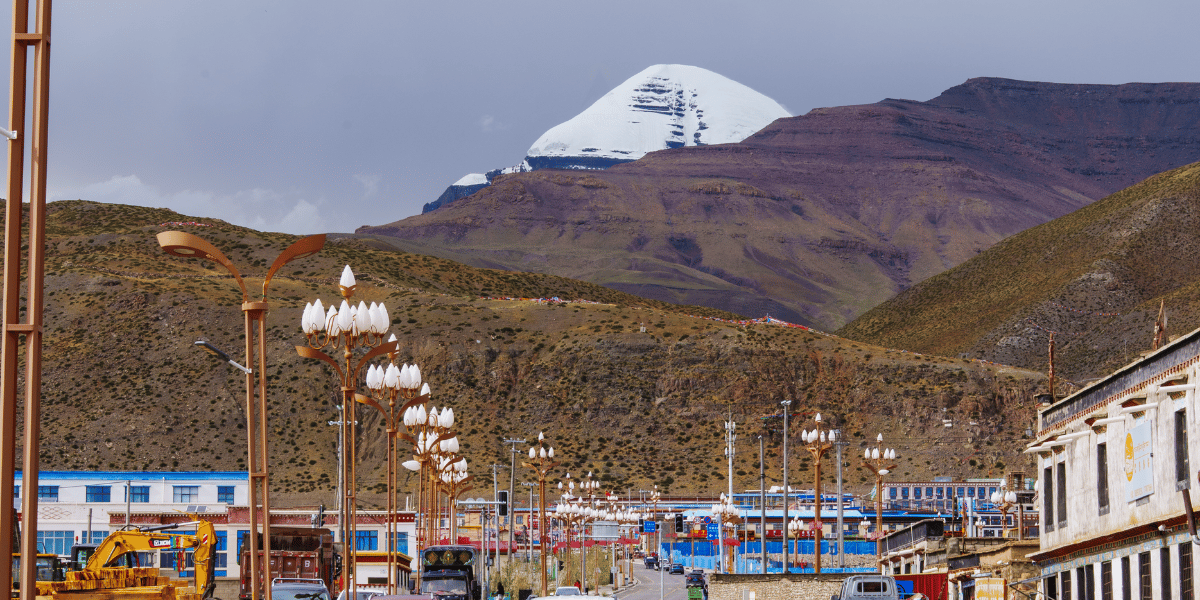
Mt. Kailash (6,638 m) is located in the Kailash Sacred Landscape, which covers about 31,000 sq km in area. While the majority of the landscape falls inside Tibet, some corners of the landscape touch parts of Nepal’s far western districts and some parts of India’s Uttarakhand.
The main attraction, Mt. Kailash holds religious and cultural significance for the people of South Asia, mainly for people belonging to Hindu, Buddhist, Jain and Bon religions. The pilgrims who take this rite of passage are mainly from Nepal, China, and India. Doing Kora around the mountain has been associated with erasing sins, liberation, and salvation.
Days Required from Kyirong to Mt. Kailash
If you don’t want to visit Lhasa and your main destination is Lake Mansarovar and Mt. Kailash, you can take a different route straight from Kyirong. It will take you about 9 days and it is only possible if you are travelling to Tibet through Nepal.
After reaching Kyirong, you will spend an extra day there for acclimatizing and sightseeing. The next day, instead of heading to Shigatse, you will head towards Saga and continue your journey to Lake Mansarovar and Mt. Kailash.
This trip, no matter where you start from, will be for longer days, as you will have to trek every now and then.
Days Required from Lhasa to Mt. Kailash
If you want to cover Lhasa and Kailash on the same trip, then you’re in for a long ride (literally), because you will be travelling all the way from South-central Tibet (Lhasa) to South-western Tibet (Kailash).
As these two points are more than 1100 km away from each other, this trip will surely be a lengthy one, but the architectural grandeur and pristine nature that you will pass along the way will make it all worth it.
Let me remind you again that in order to reach Kailash, you will have to trek. I mean, you can enjoy the view from afar, but to do the famous circumambulation, you’ll have to trek for at least 3 days. So I would suggest about 17 days for this trip.
Since the road to Kailash goes through Shigatse, you can also visit North EBC on the way.
Can you visit Tibet within 4 to 6 days?
Yes, 4 to 6 days is enough for Tibet. But the best destination for these days will be Lhasa. Although possible, we do not recommend extremely high-altitude destinations for these days, as they can cause fatigue and increase your vulnerability to altitude sickness.
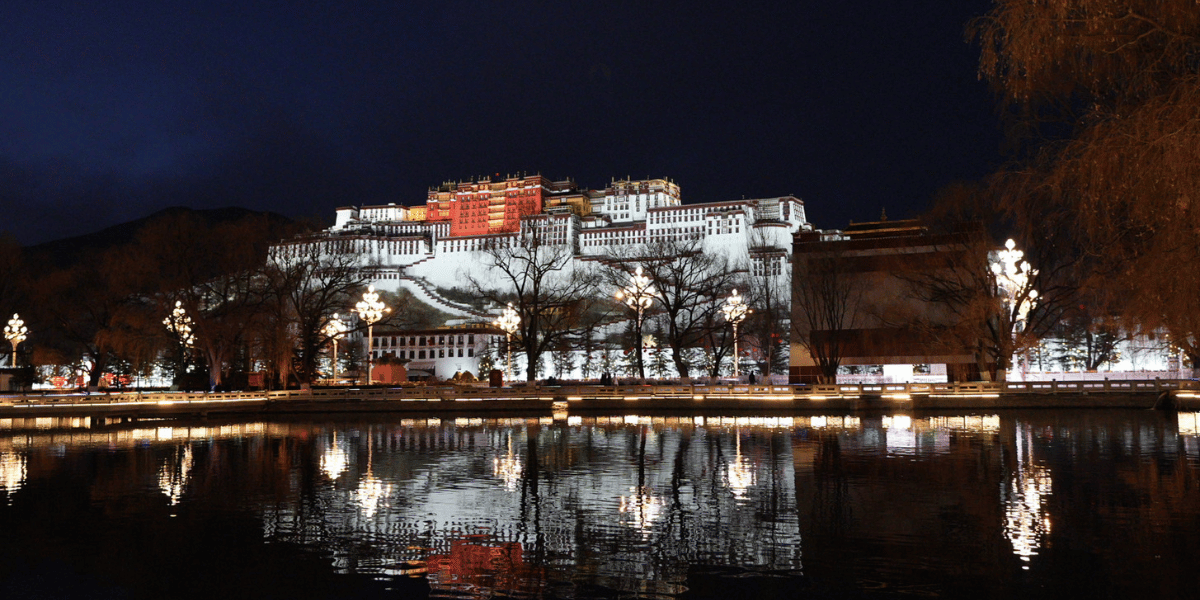
Check out our detailed itineraries that have been designed to take you around Tibet within 4 to 5 days:
- Best of Lhasa Tibet Tour: This tour lasts for 6 days and covers Potala Palace, Jokhang Temple, Barkhor Street, Sera Monastery, Drepung Monastery, Namtso Lake, and Yampachen.
- Lhasa Monasteries Tour: This 5 day trip is for those who want to learn more about Tibetan Buddhism. It will take you to the most important sites of Tibetan Buddhism in Lhasa. The sites covered in this trip are Potala Palace, Jokhang Temple, Ramoche Temple, Norbulingka, 3 Great Gelug Monasteries, and Drak Yerpa.
Can you Visit Tibet within 7 to 10 days?
Spending more than 7 days in Tibet is enough to open the doors to North EBC. So the simple answer is yes.
Another trip that you can cover in 10 days is your Mt. Kailash tour, if your start point is Kyirong. Please reach out to Kailash Yatra Travel to get your Mt. Kailash and Lake Mansarovar trip customized.
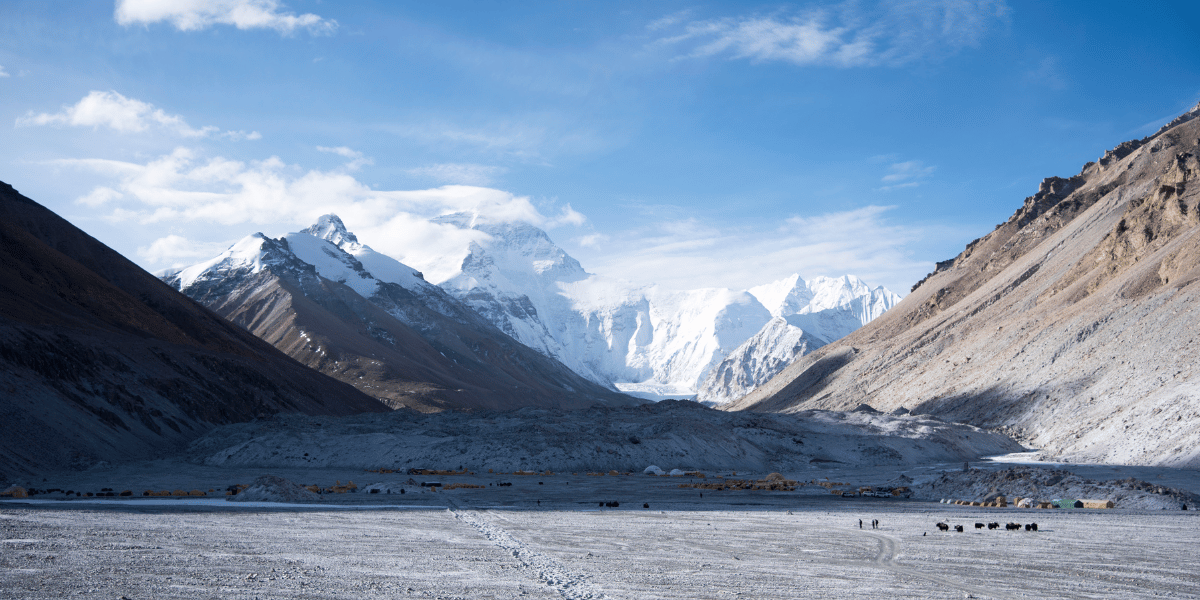
Meanwhile, you can also go through our itinerary for the Lhasa Everest Base Camp Tour package. It is an 8 day trip that has been planned keeping Kathmandu as the departure point. As suggested above, few of the monasteries have been removed, and Lake Yamdrok has been added.
The reason why Lake Yamdrok has been included in the itinerary is because of its altitude. At an elevation of 4,441 m, this lake is the perfect place to acclimatize before moving towards North EBC.
Can you visit Tibet within 12 to 17 days?
Having 12 to 17 days in your hand to explore Tibet will give you enough time to visit the best tourist attractions of Tibet as well as the quiet corners in the plateau.
It is the best way to understand the culture and tradition of Tibet in depth while embracing different components of nature that surround you. If we’re talking about locations here, 12 to 17 days is enough to cover Lhasa, North EBC, and Mt. Kailash.
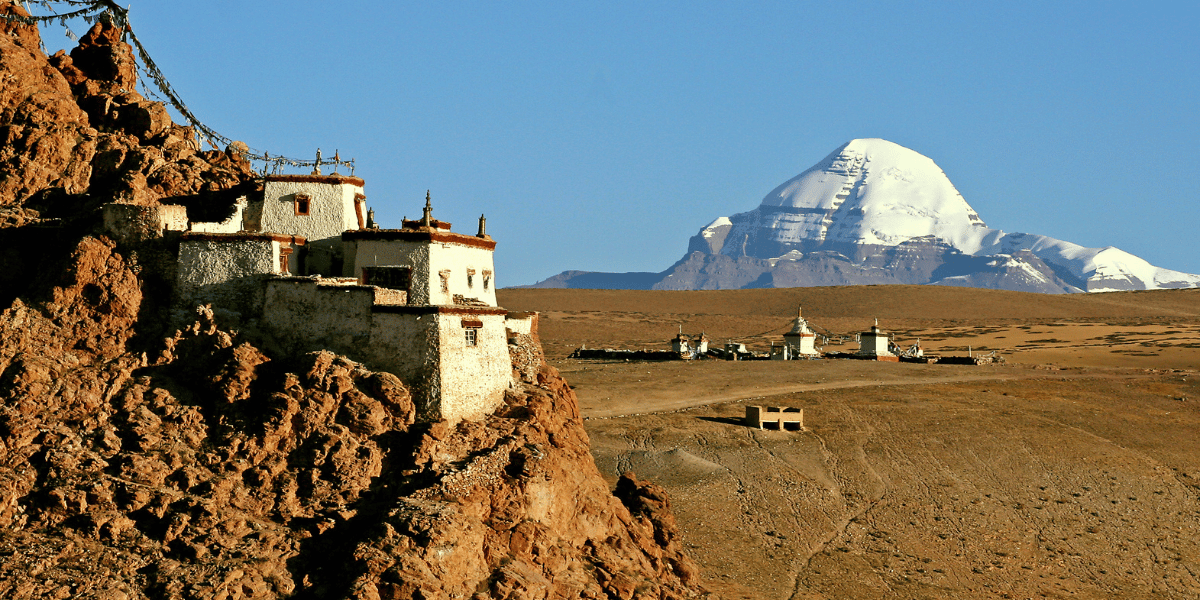
Our Kailash Mansarovar Yatra via Lhasa package has been designed to give you the best time in Tibet. Lasting for 17 days, this trip will take you around Lhasa, Shigatse, North EBC and Kailash. After visiting Lake Mansarovar, you will trek for 3 days to walk around Mt. Kailash and perform the Kora.
If you want to visit Kailash in particular, you can find more specific packages by Kailash Yatra Travel.
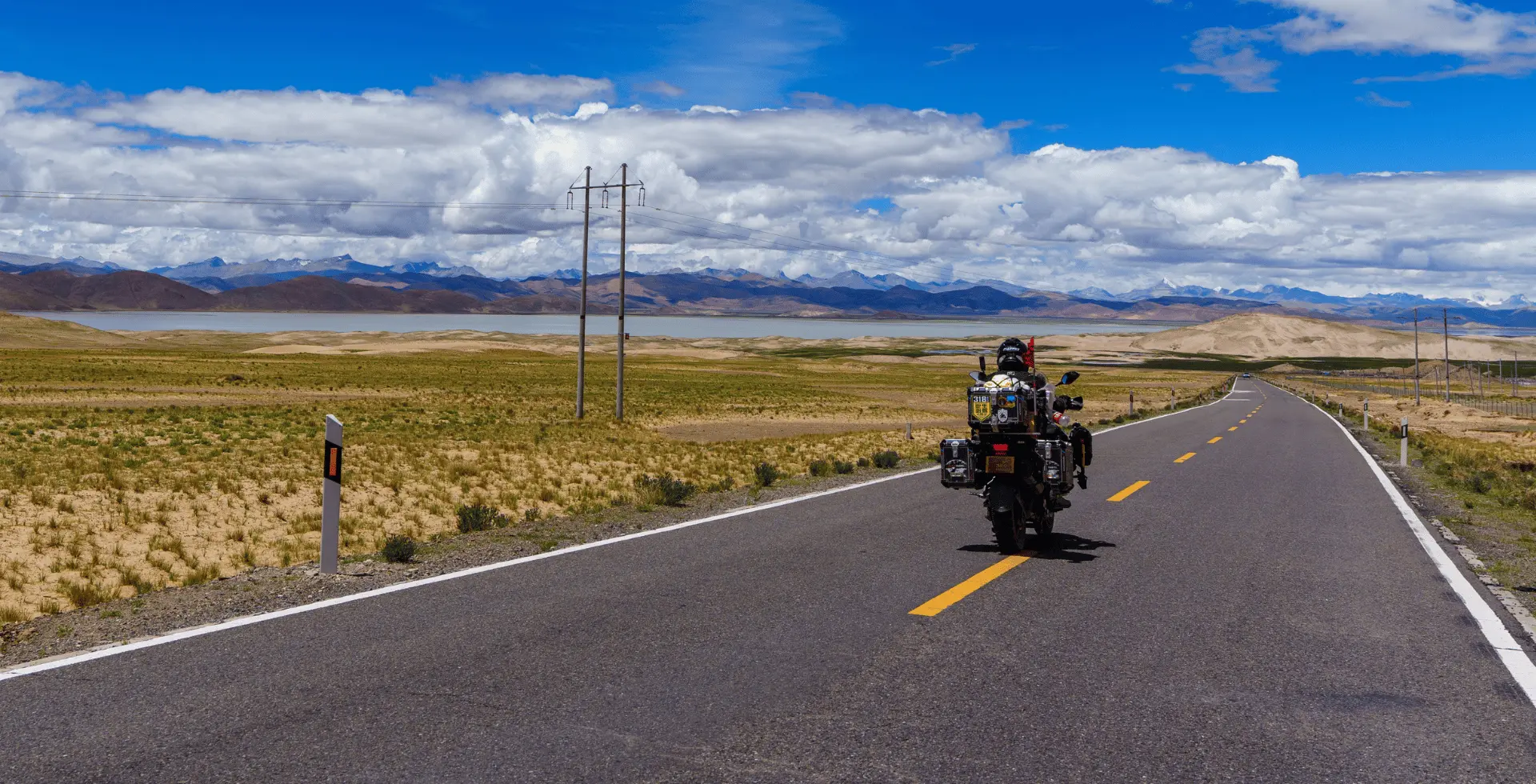
Lastly, if there is a certain region of Tibet that you want to explore, we can customize the package accordingly so that you can get the best out of your trip. Within these days, you can also arrange a motorcycling trip and nomadic travel in your itinerary.
Factors That Can Affect Your Travel Days in Tibet
While the trips organized by Altitude Himalaya have always moved according to the schedule, we always keep our guests informed on the factors that could influence their travel duration in Tibet.
Most of the factors are taken care of before the trip even starts as all of our itineraries are planned with regard to the weather, season, and travel routes, as your safety is our first priority. However, we request you to read this section to make informed decisions before planning your Tibet tour.
Mode of Transportation
Your mode of transportation to reach Tibet determines the time you spend for this trip.
If you plan on taking a flight to Lhasa, Tibet, then you will certainly have more time in hand to explore around. But that means landing directly at an altitude more than 3000 m above sea level.
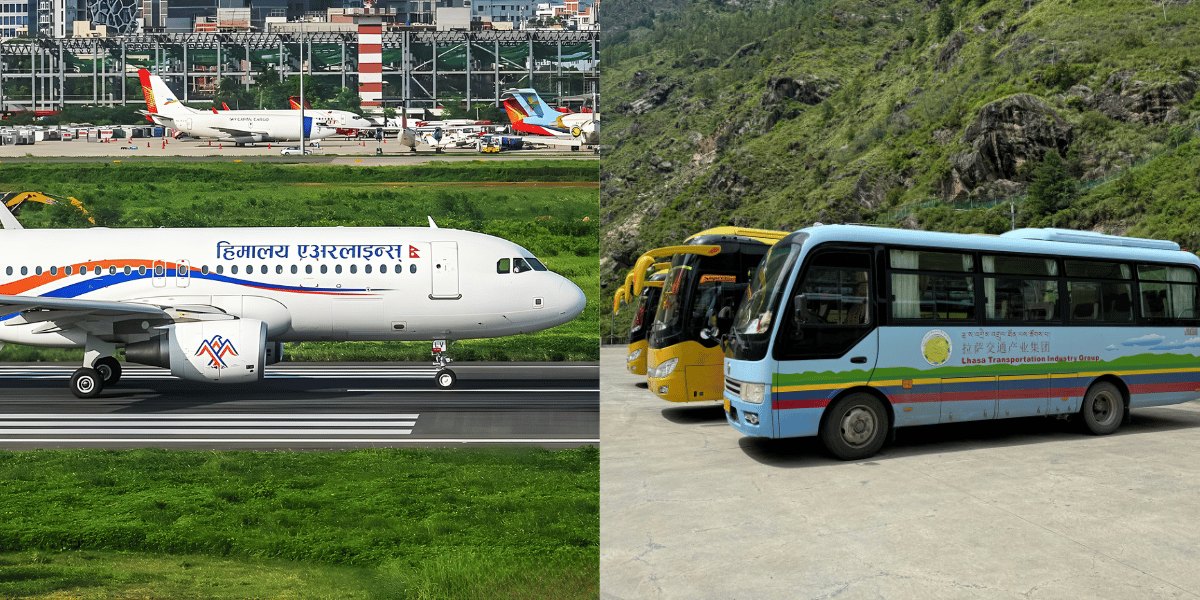
While taking the road from Nepal may add more days to your travel plan, you will get to acclimatize on the road and face few to zero difficulties once you reach Tibet. Another benefit of taking the road from Kathmandu to Lhasa is the opportunity to witness different cultures and traditions across the regions that lead you to Tibet.
As for travelling in Tibet, if you are visiting rough terrains or sites closer to mountains, renting a 4WD Land Cruiser will certainly help you cover long distances in a shorter time compared to cars and buses.
Place You Are Planning to Cover
As it has been mentioned above, if your itinerary is centered around Lhasa, your sightseeing will not last for more than 6 days. If you wish to stay longer in Lhasa for relaxation, you can extend your stay and spend the remaining days in leisure.
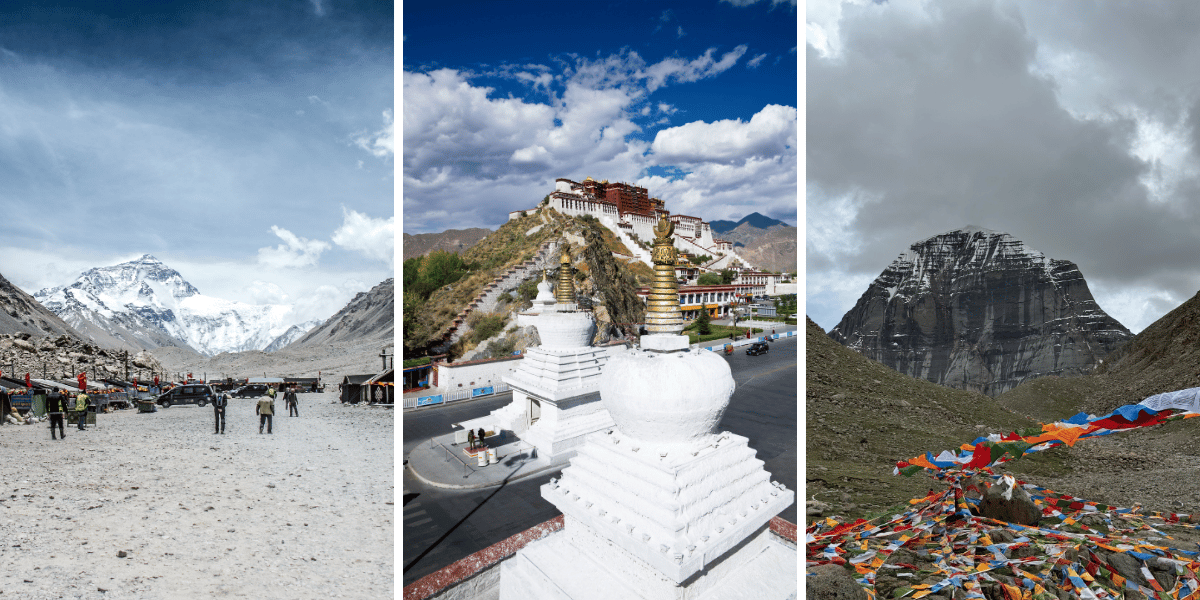
The more destinations you add to your itinerary, the longer your stay will be. The extended days might be more than your expectations when you receive the final draft of your itinerary.
This is because we carefully plan the travel time for long distance trips. If your next destination is at a significantly higher altitude than your former destination, we will intentionally add a stop midway for your body to acclimatize. Rushing is not an option in Tibet.
This explains why the North EBC tour, despite being accessible from Kyirong and Lhasa, lasts for longer days, and the same goes for Mount Kailash. With patience, your time in Tibet will feel more meaningful as you take your time to connect with the people and nature.
Purpose of Visit
Your purpose of visit is another factor that influences the duration of your journey.
If your main purpose is sightseeing, then you will most likely be done with your trip in a week. This is because the main attractions are located within Lhasa, and the expressway to Shigatse allows you to cover the long distance within a few hours.
But if you are there to learn about the culture or lifestyle, then you will have to add a few more days to the itinerary. For instance, if you want to experience the nomadic life firsthand, then that will certainly take longer.
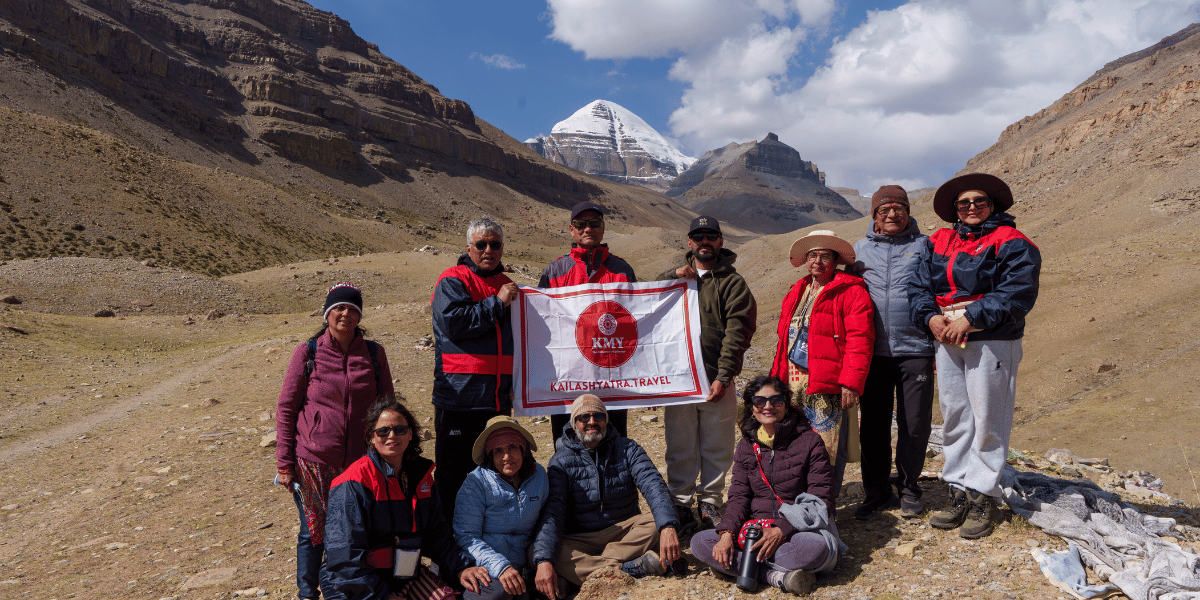
Lastly, if pilgrimage is your purpose of visit, then the travel days depend on the sacred sites you wish to cover. Taking kora around the major monasteries of Lhasa and Shigatse can be covered within a week.
However, doing the complete kora around Yamdrok Lake can take months. As for Kailash kora, it takes 3 days. But since most of the natural sacred sites in Tibet are located in high-altitude locations, extra days are mandatory for acclimatizing.
The Season You Visit In
One of the best seasons to visit Tibet is during the spring and early summer (March to June). Around this time, the weather starts clearing up and you will be met with clear skies and pleasant weather.
Days are generally warm with longer daylight hours. As the winter snow starts melting with the advent of spring, most of the roads become accessible and reliable.
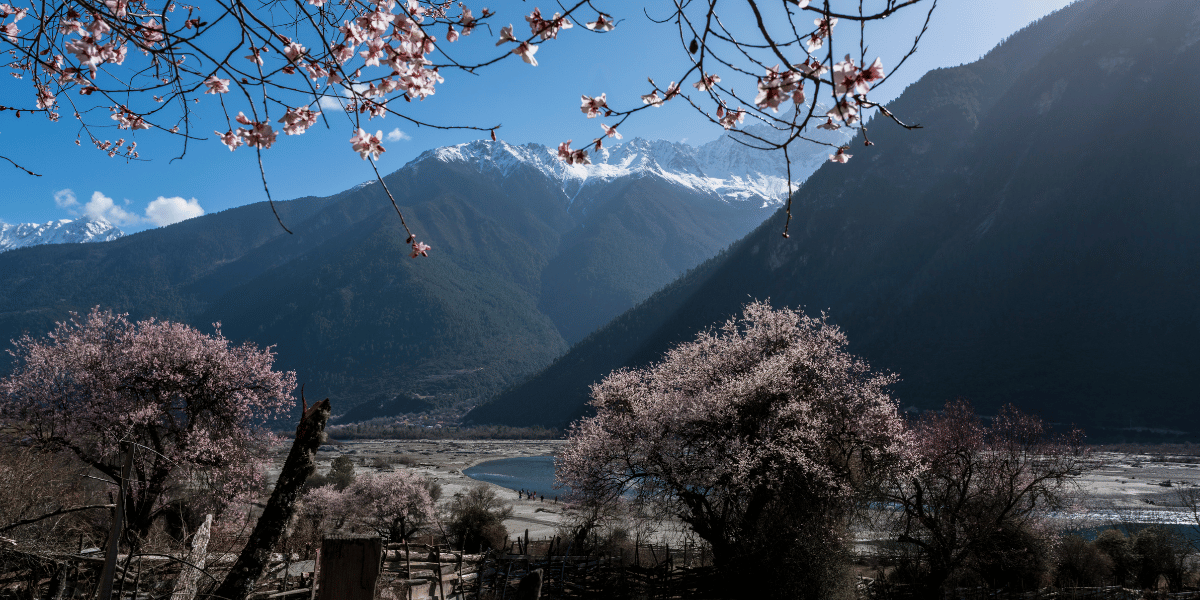
Another best season is in Autumn (September to November). With the lush green forests turning golden, you will be accompanied by beautiful scenery as you drive from one city to another.
You are much less likely to come across weather related disruptions in your itinerary. However, as you approach late Autumn in Tibet, daylight is shorter and you might have to rush to a few sightseeing spots.
Why Season Matters When Planning Your Trip to Tibet
Although Tibet is beautiful throughout the year, many places become inaccessible during monsoon and winter. When it rains, there are chances of landslides, a common disaster in the harsh Tibetan Plateaus. This can affect the roadways as well as the railways, often forcing you to stretch your stay in certain affected regions.
As for winter, the days are shorter and you will have to rush your sightseeing. Furthermore, the mountain ranges in Tibet experience extreme snowfall. Driving in such circumstances can be extremely dangerous so you might have to make short stays in unexpected places.
Trekking and hiking can be harder in these seasons. The trails are often hard to navigate and you might have difficulties in finding tea-houses and lodges in remote areas. Similarly, heavy rain and clouds can also disturb your scenery.
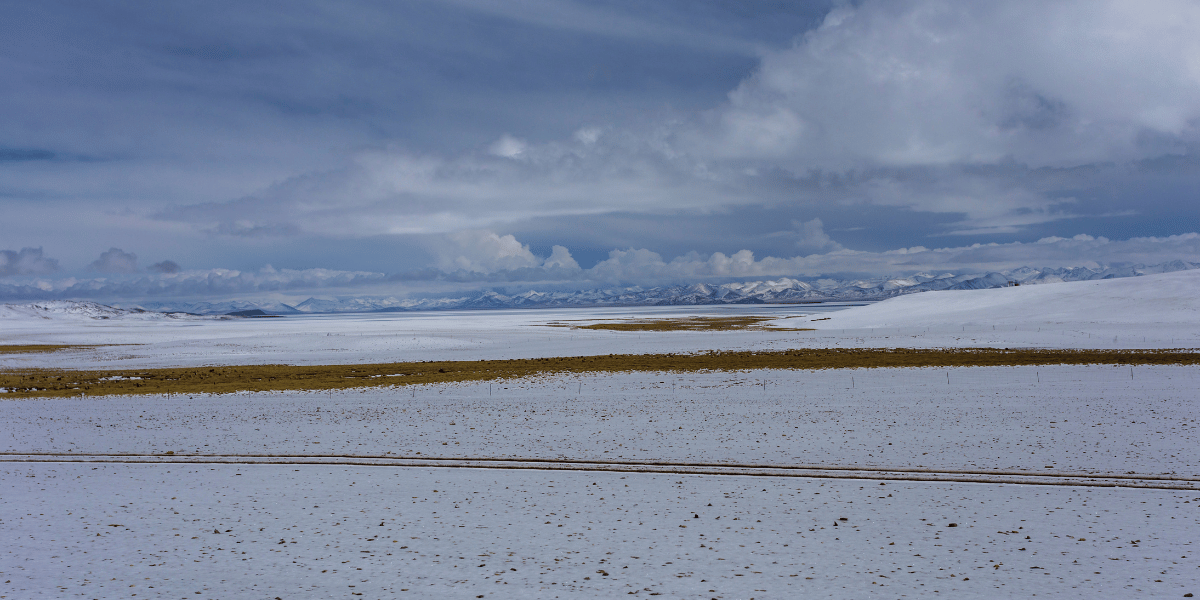
Then we have the cons of travelling in the cold. Being the Roof of the World, Tibet is at a higher elevation compared to other travel destinations in your bucket list. So if you are visiting Tibet in the winter, you need to take rest days as a mandatory part of your itinerary.
Rushing your travel in the winters can result in fatigue, making you more vulnerable to altitude sickness. And if rescue teams are not within reach, then it can be risky for you and your group.
And at last, there is the issue of flight operations in monsoon and winter. The rain, fog, and snow are the most responsible factors that result in flight delays or even cancellations. This is why flights to Tibet are very limited in number during the winters compared to the peak seasons when Lhasa welcomes thousands of visitors at the airport.
Extra Days Dedicated for Acclimatizing
If you look at our Tibet itineraries, you will see that we have provided enough gaps in the schedules for rest.
As you might have noticed, after you reach Lhasa, most of the sightseeing is centered around attractions with similar altitudes. For instance, before you visit Lake Namtso, you will be taken to places like Drak Yerpa and Ganden Monastery.
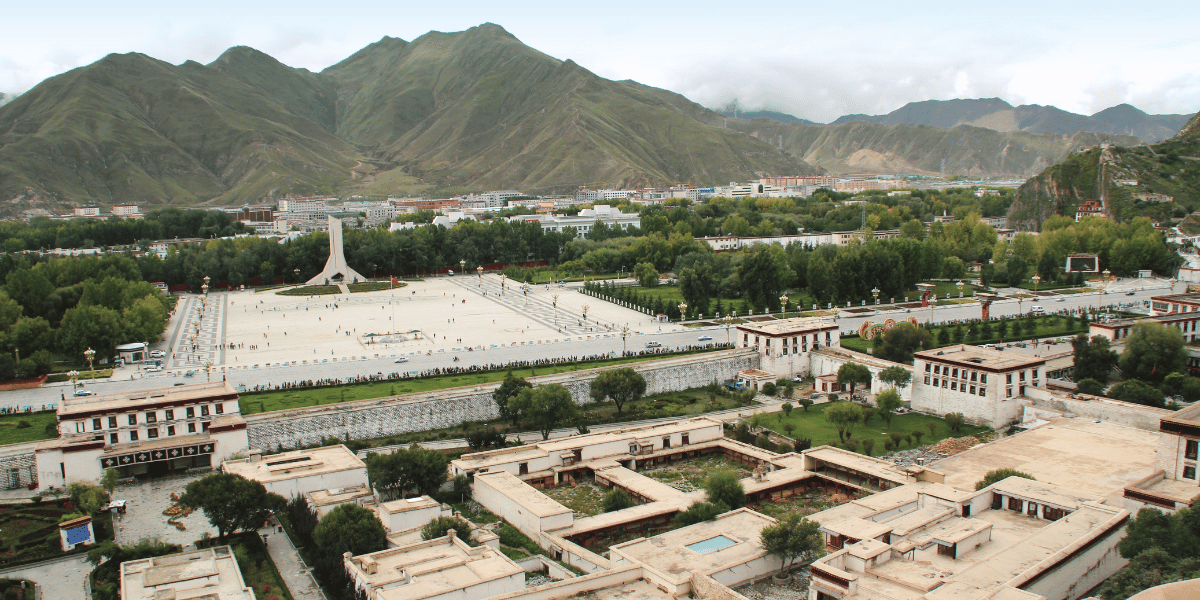
These sightseeings are scheduled with respect to acclimatization. So if you spend an extra day in a city, don’t think of it as a day lost.
You cannot rush the process of making your body adjust to low oxygen levels. Even if the distance seems short, places at higher elevations can drain your energy, affecting your sleep and appetite.
But mindful travelling is not a drawback at all. You get to have longer peaceful moments at the monasteries and engage in meaningful interaction with the monks and the local people of different regions.
By adopting mindful traveling, you will not only preserve your health, but you will also create lasting memories to tell your loved ones about your time in Tibet.
Final Thoughts
We hope that this blog has been informative in giving you sufficient details for you to plan your journey to Tibet. The time required to travel to different places in Tibet depends on the attractions in the certain region and the time that is spent in travelling.
While it takes a shorter time if your visit is centered around Lhasa, then the trip can be completed sooner. But if places like North EBC and Mt. Kailash are included in your itinerary, then it will certainly take longer; the distance is not the only factor here, we are weighing the risks of altitude sickness as well.
Don’t make the mistake of rushing your trip in Tibet. Our team at Altitude Himalaya looks forward to curating the best itinerary for you according to your preferred destinations at a pace that is comfortable for you.



 Suraksha Subba