Losar is one of the most prominent local festivals in the country, celebrated by people of the Mongol race. Major ethnic groups, such as Gurungs, Tamang, and Sherpa, celebrate this festival immensely.
The word “Lo” meaning “Year” and “Sar” meaning “New”, “Losar” pronounced as “Lhosar” or “Lochhar” in some communities, is celebrated as New Year, welcoming a fresh start and colorful celebration of a new beginning.
Losar is known by different names among the ethnic groups. Tamu Losar, of the Gurung community; Gyalpo Losar, of the Sherpa and Tibetan communities; and Sonam Losar for the Tamang and Hyolmo communities. They are the three major Losars celebrated in Nepal. While all are New Year festivals, they are celebrated according to their own lunar calendars, resulting in the ceremony falling under different months of the year.
Common activities like cleaning major Buddhist stupas like Swayambhunath and Boudhanath along with repainting and changing prayer flags, can be observed during all the Losar festivals. Around these places, numerous celebrations and events, and people following the rituals, such as Kora (circumambulation of the religious monuments or objects), can also be seen.
You can see people wearing traditional attire performing their dances, exchanging greetings, and holding family gatherings during this festival. Not only in Kathmandu but also in other Buddhist stupas located in places such as Khumbu, Helambu, Lamjung, Gorkha, Tanahun, and more, the celebration of the New Year takes place with authentic traditional practices, including music, folklore, and dances.
In this blog, you will gain in-depth knowledge about the celebration of Losar within various ethnicities. Here, you will learn when these festivals are celebrated, their history, their importance, and the authentic food and cuisine people indulge in according to their ethnicity during these New Years. To know more about the celebration of Losar, make sure to read the blog till the end.
Losar Festival Facts
|
Name
|
Tamu Losar
|
Gyalpo Losar
|
Sonam Losar
|
|
Ethnicity
|
Gurung community
|
Sherpa and Tibetan communities
|
Tamang and Hyolmo communities
|
|
Celebration Month
|
December or January
|
February or March
|
December or January
|
|
Days of Celebration
|
1 day
|
15 days
|
3 to 7 days
|
|
Where is it celebrated
|
Lamjung, Gorkha, Tanahun, and Kathmandu
|
Boudhanath, Swayambhunath, and Solukhumbu
|
Boudhanath, Swayambhunath, and communities in Kathmandu
|
|
Festivities
|
Cultural programs, traditional music, and family gatherings
|
Cleaning and decorating homes, family gatherings, visiting monasteries for prayers, music, and dances
|
Cultural events, Visiting monasteries
|
|
Traditional Dances
|
Chandi and Ghatu
|
Ghorsey, Cham, and Syabru
|
Tamang Selo
|
|
Food and beverages
|
Sel roti, tongba
|
Guthuk soup and Khapse
|
Sel roti, Gundruk, Khapse
|
Gyalpo Losar of the Sherpas
Gyalpo Losar, which means “King’s New Year” in the native language, is a festival celebrated by Himalayan communities, mainly the Sherpas. This event marks the start of the lunar calendar year, which occurs in either February or March. The exact date of the festival varies every year, depending on the Lunar cycles.
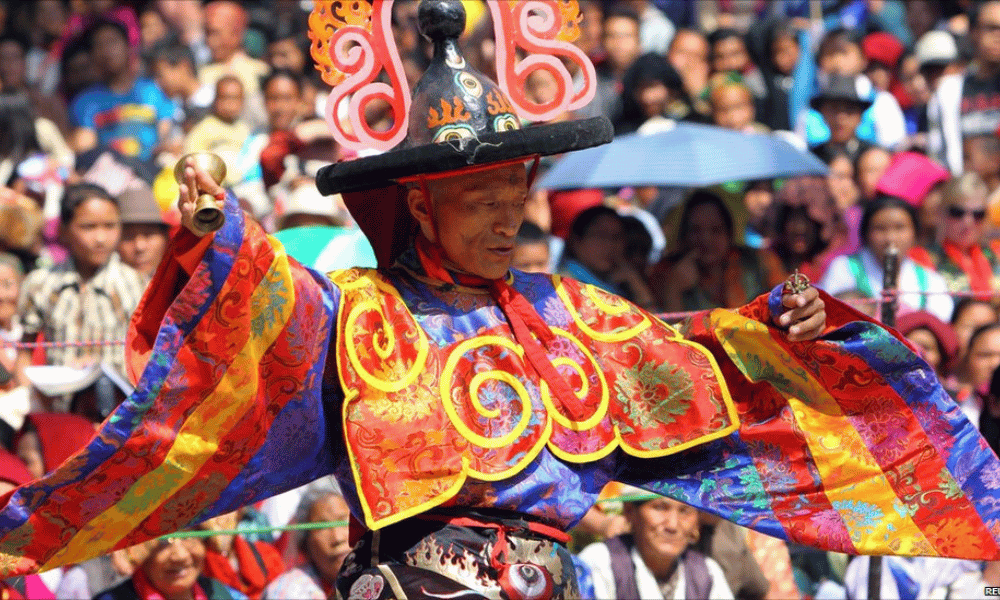
In the Sherpa community, this time can also be known as the celebration of the blessings of the previous year and a spiritual purification with a hopeful invocation for prosperity for the coming year. This time, the strength of family bonds can be seen. The members of the family are preserving cultural heritage and welcoming the promise of a new beginning with open hearts and joyful spirits.
Numerous activities take place before the Losar. Homes are cleaned, new clothes and prayer flags are purchased, and delicious treats such as sweets and nuts are prepared. Other fun and traditional activities are also conducted this time during Gyalpo Losar.
While the modern adaptations may have reduced the traditional duration in some communities, the festival’s essence has remained unchanged in the villages in the Himalayan region.
How is Gyalpo Losar Celebrated?
As mentioned, many days before the festival, houses are cleaned and decorated with new prayer flags and auspicious symbols painted with flour, butter, and rice. These symbols beautify the main shrine, water taps, fireplace, and gates, adding symbolism to these essential household items.
Two days before the Gyalpo Losar, families gather for a unique ritual known as Guthuk, which is also the name of the famous dish. This hardy stew dish includes 9 different beans, meat, rice, potato, pepper, radish, and more.
Each bowl contains a hidden object within the dumpling, such as wood, salt, wool, or even coal, which is playfully related to the character of the chosen person. Following the feast, symbolic offerings such as flour, dough figures, butter lamps, and family mementos are placed at crossroads to defend against evil.
With this ceremony, the first day begins with excitement as people wake up early in the morning, dress up in their finest traditional attire, complete with vibrant colors and intricate jewelry. Then they visit the monasteries and shrines for prayers and offerings to seek blessings for the coming year.
Following this, friends and families exchange traditional greetings, “Tashi Delek,” and receive blessings from elders returning with the same phrase, showing respect and gratitude.
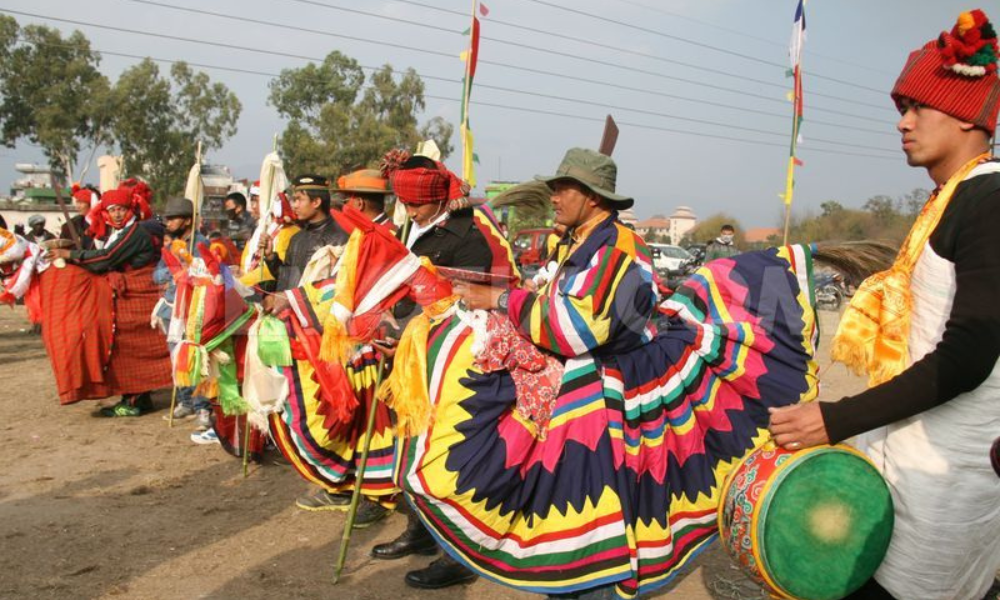
Traditional foods such as Tsampa, Dresil, and Khapse are served for dinner alongside Guthuk and other delicacies. The evening of the first day concludes with a celebratory meal that officially marks the start of the new year.
The following day is spent socializing, visiting relatives and friends, and enjoying traditional delicacies. On this day, friends and families also go to monasteries and pray for blessings for their departed loved ones.
On the third day, the community gathers at monasteries for rituals that honor a protective deity. You can see monks performing intricate traditional and delicate Cham dances, which are thought to bring blessings and defend against evil. The locals also participate in vibrant Shabru (Syabru) or Goru (Goring) dances, adding to the festive atmosphere.
In some communities and monasteries, the eve of the Guthuk ceremony is marked by fire purification and bonfires blazing to symbolize the consumption of negativity and the arrival of auspicious new beginnings.
Traditional Dress to Wear in the Gyalpo Losar
The traditional dresses are common among the Sherpa community and can be seen during Gyalpo Losar and other festive occasions. As the new year in the community falls during the cold season, men and women are often seen wearing warm, thick wool and vibrant clothes with detailed patterns.
For Men
Bakhu (Chuba or Kho): a long, heavy woolen robe with long sleeves
Kara: A cloth sash worn at the waist, tightening the Chuba.
Tolung: While traditionally wearing the Kara, it forms a pouch at the waist, which is used to carry small items.
Wan-tash: A white shirt-like garment worn underneath the Bakhu.
Tshoglhams or Kho: High, woolen boots
For Women
Tongkok: a full-length dress made of wool for the cold season
Angi: a sleeveless variation worn during the warmer season
Wan-ju: a long inner shirt worn under Tongtok or Angi
Pangden: a colored and striped apron worn in the front by the married women,
Matil or Gyaptil: a black apron at the back, which both married and unmarried women wear
Shya-mu: a unique hat for the headwear for both men and women
Jewelry: Mendok Kogde (Gold Earring), Kaou (unique necklaces)
Traditional Food and Beverages in Gyalpo Losar
The traditional food and beverages among the Sherpa community can be seen during Gyalpo Losar. Some famous items are mentioned below.
Guthuk: a traditional noodle soup made with 9 different ingredients, such as beans, meat, rice, potato, pepper, radish, and more
Khapse: deep-fried pastries to represent the sweetness in the coming year
Shyakpa: Himalayan noodle soup, with vegetables and dried meat
Tsampa: a traditional porridge
Dresil: a sweet rice dish
Chaang: a traditional homemade Tibetan beer made from barley, millet, or rice.
Changkol: a warm drink made with Chaang with other ingredients, such as tsampa, dried cheese, butter, and sugar.
Butter tea: tea made from Yak butter, milk, and salt
Traditional Music and Dances
There are various dances that people perform during the Gyalpo Losar. Some of them are given below.
Gorshey (Circle dance)
The word "gor" meaning circle and "shey" meaning dance, Gorshey is a dance performance where people gather in a circle and dance. All of the people hold hands, make a circle, move in a coordinated manner, and dance with the harmony and rhythm of Tibetan songs and musical beats. This can be such a simple and eye-pleasing performance that you can even join them.
Cham Dance
Cham dances are special, sacred performances done by monks in monasteries. These dances are like plays that tell Buddhist stories and show how good wins over evil. In some dances, the monks wear colorful masks that look like gods, and the stage is made pure with special prayers and blessings.
Syabru Dance
Syabru dance is another traditional dance of the Sherpa community. The name means "rhythm feel" in the Sherpa language. This dance is also performed by people from other communities from the Himalayan areas. It has a strong, rhythmic movement that makes it easy to recognize.
Sacred Prayers (Repeated Chants as Mantra)
During Gyalpo Losar, people chant sacred mantras as a big part of the celebration. They honor Lord Buddha and the gods. The Lamas read from prayer books to bring good wishes and blessings for the new year. This practice is very important for the community, as it helps them feel spiritually clean, start fresh, and hope for a peaceful and successful year.
Tamu Losar of the Gurungs
The early beginning of this Losar has its roots in the agricultural traditions. In the 1st century, it is believed that the Gurung community migrated from China to Tibet. At the time, they believed in following the Bon religion, meaning they were naturalists (Nature lovers).
Before it was a part of the Buddhist religion, Losar was celebrated differently. The people in Tibet celebrated Losar as an offering and gratitude to the nature spirits for the better agricultural progress.
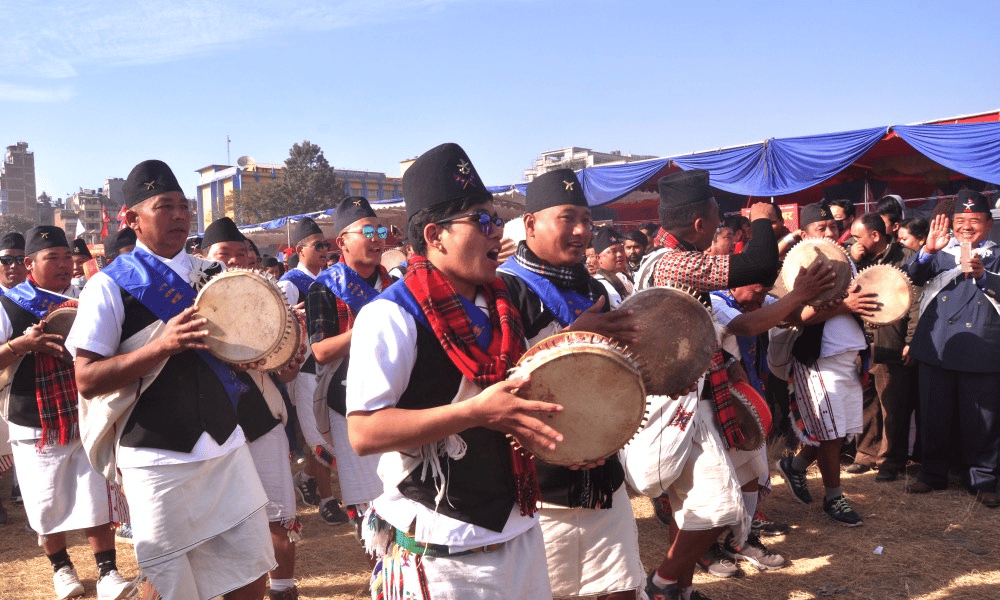
In the context of Nepal, the Gurung people were originally a nomadic group who came from Tibet. The word “Gurung” is derived from the Tibetan language, specifically the word “Grong”, which means “farmer.” They are one of the 59 indigenous groups in Nepal, primarily residing in the foothills near the Annapurna mountain range in the Himalayas.
They settled in from Tibet to Mustang, bringing Buddhism to the region in the 8th century CE. Later, they began to follow religious ceremonies related to life events like birth, death, marriage, and worship. Today, Gurung predominantly celebrates the tradition of the New Year as Tamu Losar, also known as Tolo Losar or Tola Losar.
“Lho”, meaning “Cycle of 12 years”, each year represented by 12 different animals, and “Sar” meaning “New” or “Change”. Eagle, Serpent, Horse, Sheep, Monkey, Bird, Dog, Deer, Mouse, Cow, Tiger, and Cat are the different animals representing “Lho”. The Gurung calendar, the Tamu Lho System, is based on the Chinese and Tibetan Lunar calendars.
Each year, the Gurung community bids farewell to the existing Lho and welcomes the new one. Not only for the new year, but they also follow the zodiac system calendar when starting something new or kick-starting any new projects. They check the calendar, consult the priests, and only begin the work accordingly.
Losar is celebrated on the 15th of Poush of the Nepali calendar (Bikram Sambat) every year, and it is believed that this particular day has the longest nighttime and the shortest daytime. In the following days, the daytime will be longer, which is the reason why Gurung people celebrate the New Year on this day as a new beginning.
In the Gurung language, greetings such as “Tamu Kayu” or “Tamu Chokpa” are often exchanged with one another during the Tamu Losar. They also say “Tamu Losar ko Subhakamana” in Nepali, which means “Best wishes for the New Year.”
How is Tamu Losar Celebrated?
People from the community, dressed in their traditional attire, come together and celebrate the festival by letting go of the sufferings of the preceding year and wishing for the prosperity and well-being of the community in the coming days.
In Kathmandu, a special programme is organised at Tundikhel to observe the festival. Lhosar means reuniting with all relatives and family friends. Early in the morning, they visit the gumba for the prayers and receive blessings for prosperity and happiness.
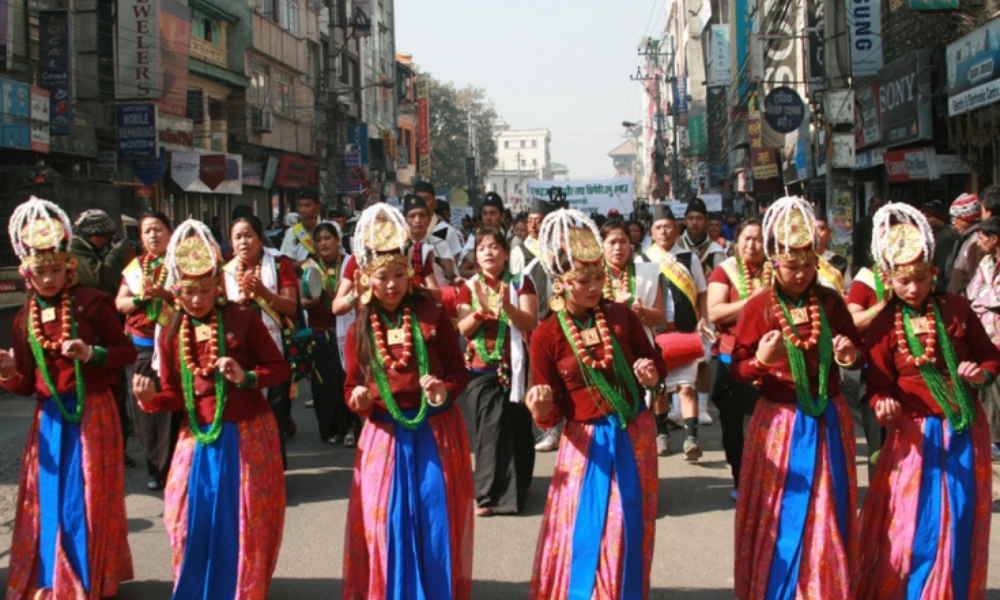
In other places and the villages, the monasteries are decorated with colorful lights, and each home raises a prayer flag on top of its roof. Since most of the Gurungs have migrated to the cities, to keep their traditions alive, they form a community according to their former villages, which are called “Samaj Ghar”. During the day, everyone goes to their own samaj ghar to celebrate Lhosar with our traditional food and clothes.
To mark Tamu-Lhosar, all family members gather together and worship their deities. They savor special sweets with alcoholic beverages (rakshi). They also perform songs and dances and organize a huge cultural program at Tudhikhel in Kathmandu amidst a diverse crowd. The Lhosar festival is a visual feast, with vibrant colors, lively music, and the aroma of traditional dishes that create an immersive experience.
Before the 8th Century, the festival was focused on nature, gratitude, and local spirits, which was based on the Bon tradition. But later, after the arrival of the Gurung people from Tibet, bringing Buddhism, the community celebrates Losar with new practices, family, food, and cultural performances.
Traditional Dress to Wear in the Tamu Losar
Men and women are often seen wearing warm and vibrant clothes during the time of Tamu Losar. Some of the traditional attire from the Gurung community is given below:
For men
Kaas (Skirt): a type of wrap-around skirt, like a loincloth.
Bhangra / Ryenga / Nhigi: a traditional hand-woven wrap, acts like a pouch
Bhoto (Vest): traditional buttonless sleeveless shirt worn over the upper body
Esta Coat: a waistcoat worn over the vest for a formal display
Patuki (Belt): a long, white cloth belt to secure the skirt
Dhaka Topi: traditional Nepali cap made from Nepali fabric, Dhaka
Galbandi: Muffler wrapped around the neck for a formal appearance and warmth
For Women
Cholo (blouse): a traditional fitted blouse embroidered in maroon, black, or blue
Phariya (Skirt): a full-length skirt, secured with a patuki
Patuki (Belt): a belt, typically longer than a man's, used to tighten the Phariya.
Tikis: a piece of black cloth worn between the Phariya and Patuki
Jewelry: traditional stone necklace and large gold earrings
Traditional Food and Beverages in Tamu Losar
Some of the traditional foods and beverages of the Gurungs are given below.
Sel roti: a deep-fried circular bread made from rice flour.
Khapse: a familiar food item associated with Gyalpo Losar
Dhido: a thick porridge made from millet or buckwheat flour.
Achaar: varieties of pickles
Kasaar: a dessert made with rice flour, sugar, and ghee.
Gundruk: a fermented leafy green vegetable.
Gundruk ko Jhol: a soup made from fermented leafy green vegetables
Meat dishes: Curries made from chicken, pork, and other meats
Bhutuwa: a popular stir-fried dish made from the internal organs of goat or other meat
Furaula: Small, deep-fried snacks made from buckwheat flour
Baabar: a deep-fried, round, flat bread made from rice flour, best eaten with curries
Tonbaa or Chang: types of rice beers traditionally homemade
Raksi: local homemade hard drink made from either millet, rice, or wheat
Traditional Music and Dances in Tamu Losar
The Gurung people have many authentic music and dance performances in the community. Some traditional music and dances performed during the Losar festival are given below.
Rodhi
The term “Rodhi” refers to both a traditional institution and a musical tradition of the Gurung community. This is a gathering where young people sing and dance, and it serves as a central part of Gurung social and cultural life.
Dohori songs
This is a major feature of Lhosar. Dohori are the folk duet songs where male and female singers engage in a verbal battle of wits, singing improvised lyrics to traditional folk tunes.
Ghatu
Accompanied by traditional music played on instruments like the madal, this is a ritualistic trance dance, or song-dance performance, where young girls perform and tell mythical stories, often with themes of love and tragedy.
Chudka
Chudka is a fast-paced, festive dance style frequently performed during Lhosar festivities, accompanied by upbeat music.
Sorathi
Similar to Ghatu, Sorathi is a traditional narrative song-dance but with different thematic stories, which can also be performed during the festival.
Salaijo and Kauda
These are traditional Gurung folk songs that people sing as they gather to celebrate. The musical style Kauda, in particular, is a traditional musical form of the Gurung people.
Thado Bhaka
The elders often sing these traditional and older folk songs known as Thado Bhaka during the Lhosar celebrations.
Sonam Losar of the Tamangs
Losar means the celebrations of the New Year in the Tamang community. The Buddhist Society of Nepal and the entire Tamang and Hyolmo community of Nepal celebrate Sonam Losar. It is mainly celebrated in Buddhist temples such as Namobuddha, Swayambhunath, and Boudhanath.
With their own culture and customs, the Tamang community celebrates 12 months of the year and a 12-year cycle. Each year is represented by one of twelve animal signs, which start with a rat and end with a boar/pig. This animal also represents 12 zodiac signs, similar to the Chinese calendar.
How is Sonam Losar celebrated?
Sonam Losar is a vibrant festival that is celebrated on the first new moon of the Nepali month of Magh, which falls between late January and mid-February every year. On this day, people clean and decorate their houses with prayer flags. People offer prayers in the prayer room in their houses and also visit Buddhist temples and monasteries to pray and celebrate the festival.
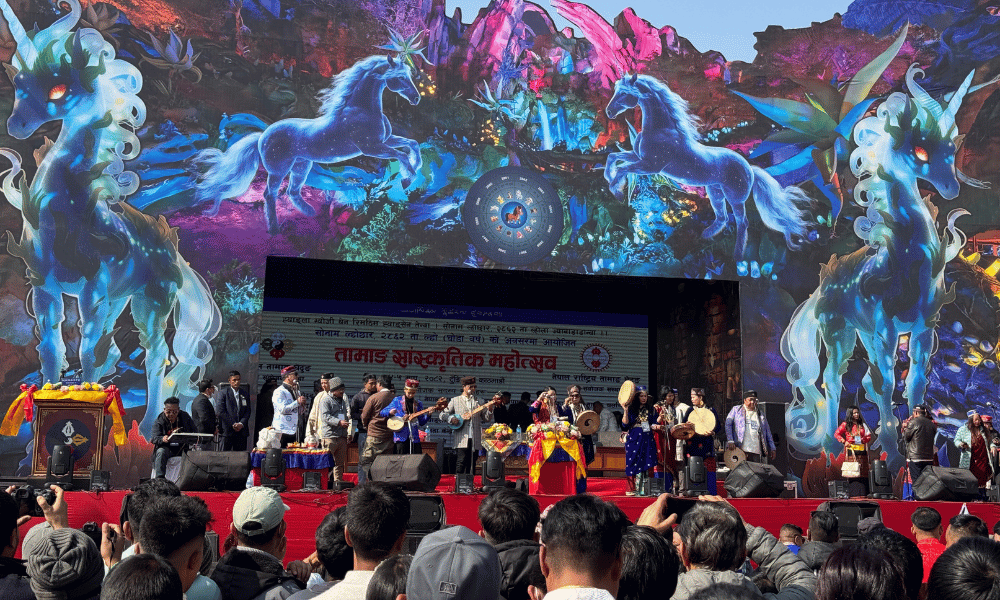
The Buddhist temples and monasteries are also cleaned and decorated by the locals and the monks. People are seen wearing the traditional dress during the festival and visiting the temples. Numerous events are organized, including music performances and traditional dances, and cultural exhibitions in big venues. The Tamang people vividly take part in the performances, showing the preservation of the rich traditions, customs, cultural heritage, and great bond in the Tamang community.
During the Sonam Losar, some traditional Tamang cuisines, such as Khapse, Sel roti, and Sinki, are made in the households, and people enjoy eating them with beverages like Chang and Guthuk.
Overall, the festival is celebrated with great pride, cleaning houses and temples, following the rituals, prayer ceremonies, wearing cultural dresses, music, dances, eating delicious foods, and sharing greetings.
Traditional Dress to wear in the Sonam Losar
You can see many people wearing a similar dress in the Sonam Losar. Either the men's or the women's, the cultural dress of the Tamang community is very unique and vibrant. Some of the items that they wear as part of the traditional Tamang dress are given below:
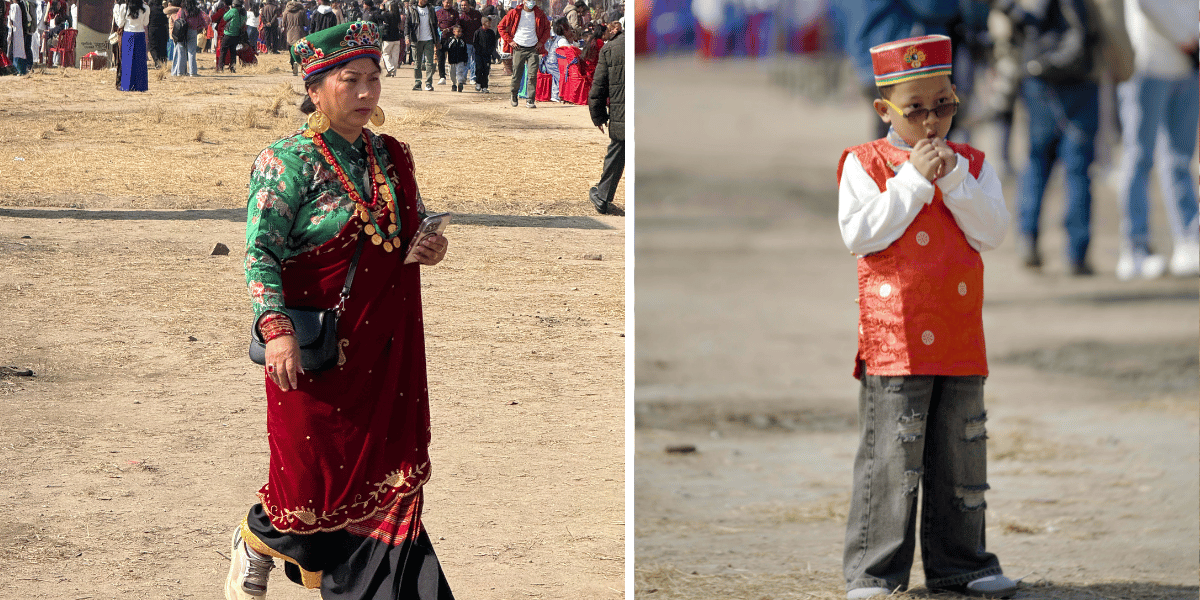
For men
Dhoti: a long wraparound skirt
Bhoto: a sleeveless jacket
Kurta: a silk shirt
Bakhu or Tamang gho: traditional men's garment of the Bhutanese (Gho)
Shyade or Tamang Tagi: a distinctive silk cap and a part of the traditional attire, worn by both men and women
For Women
Chuba or Hālan: ankle-length unisex robe
Pangden: vibrant aprons
Gunyo Cholo: a beautiful blouse
Fariya: a long, pleated skirt
Patuka: a long cloth belt wrapped around the waist
Ghalek: handwoven sash or shawl
Lungi: a garment wrapped around the waist, extended to the ankles
Ornaments: Tiki, Dugri, Pote, Jantar, Sirbandi
Traditional Food and Beverages in Sonam Losar
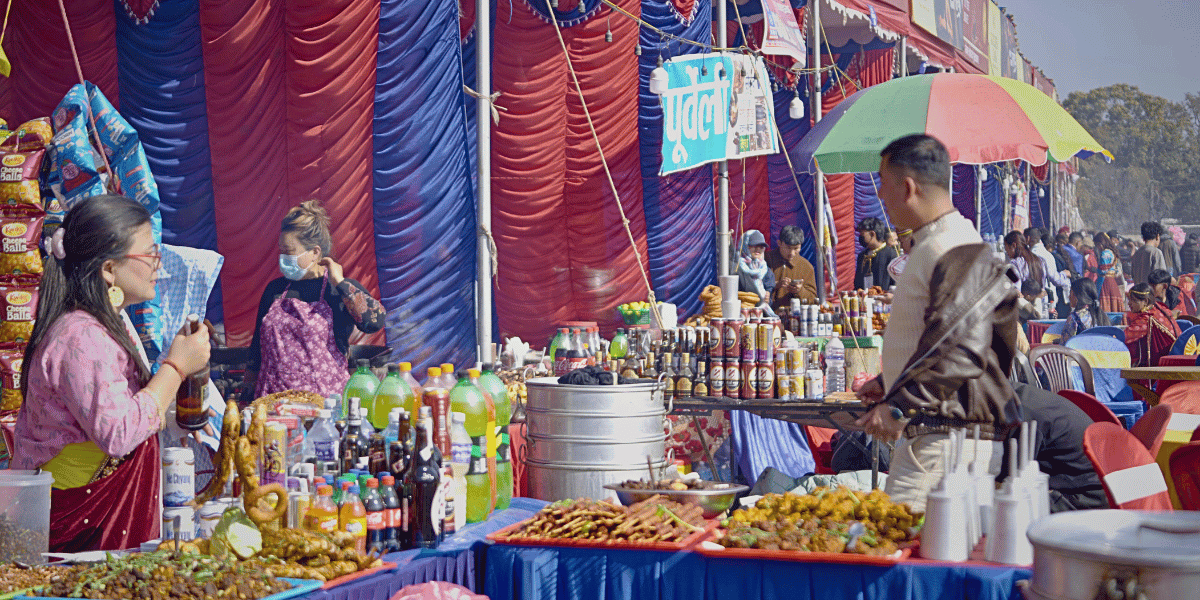
Sonam Losar includes various unique flavors and textures, pleasing to the taste buds and reflecting the culinary heritage. The Tamang cuisine takes center stage every year during this festive time. Some of the traditional and delicious foods and beverages of the Tamang community are given below:
Sel Roti: a sweet rice flour bread, round in shape
Gundruk: a fermented leafy green vegetable
Aalum: a special dish made from buckwheat flour
Sinki: a fermented radish dish
Furaula: fried buckwheat lumps
Khapse: a deep-fried dough snack made with dough flavored with salt, sugar, butter, and milk.
Babar: a deep-fried rice flour bread, often enjoyed with pickle
Meat Dishes: Various meat items of chicken or pork.
Chaang: a local alcoholic beverage made from fermented millet or rice
Guthuk: While primarily a noodle soup, made with nine types of beans, meat, wheat, rice, and other ingredients
Traditional Music and Dances in Sonam Losar
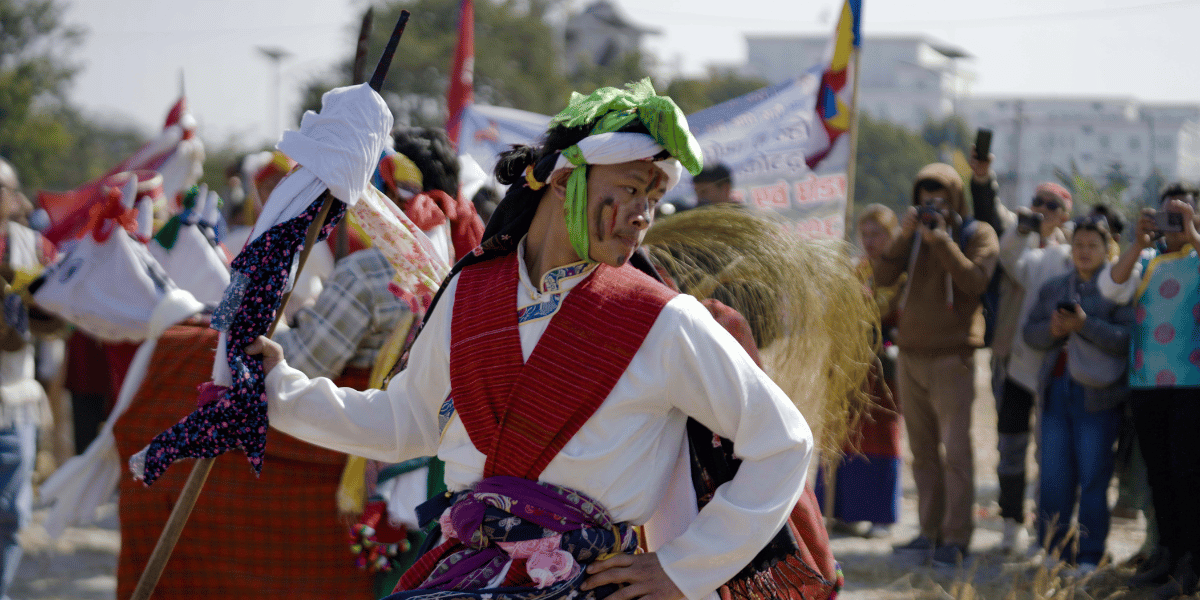
During the festival, the famous “Damfu”, a traditional drum, can be seen being played by the professionals. Along with that, people perform selo dances, widely known as “Tamang Selo” and other ceremonies in Buddhist monasteries and stupas to win over the negative forces. In Kathmandu, people gather in Tudikhel, and they play damfu, perform the dance, and sing songs.
Other Variations of Losar
Apart from these major Losar festivals, there are a few other lesser-known Losars. They celebrate the festival in their own variations, which share cultural roots with the well-known Losars.
Losar festivals in Nepal vary based on the specific ethnic group and the calendar they follow. These calendars were often adopted from different Buddhist traditions or adapted based on local cultural and agricultural needs.
The timings of each Losar festival depend on a distinct lunar calendar, resulting in celebrations occurring in December, January, or February. Hence, the existence of variations of one festival.
Some variations of the festival are given below:
Loba Losar (Mustang)
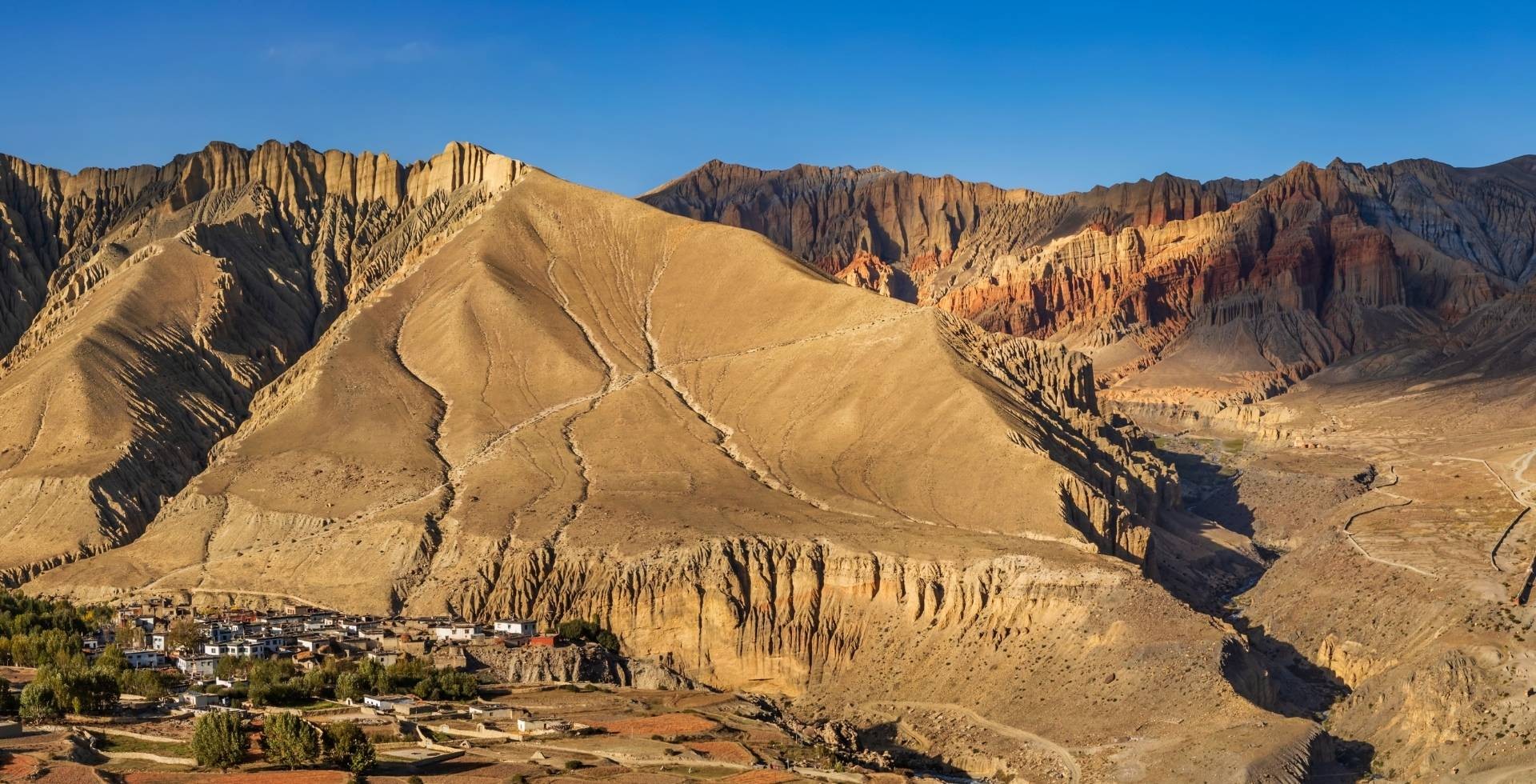
The isolated region of Upper Mustang, with its strong Tibetan Buddhist traditions, observes its own version of Losar, which is celebrated by the Loba people of Upper Mustang, also known as the Lobas.
Thakali Losar (Mustang)
The Thakali people, originally from the Mustang district, also celebrate a form of Losar, incorporating it into their own cultural calendar. It is distinct from Gyalpo Losar and often occurs in August. The community celebrates with masked dances, rituals, and reenactments of ancient myths.
Manange Losar (Manang)
The people of the Manang district celebrate their own version of Losar, reflecting their unique cultural identity and traditions.
Dolpo Losar (Remote Dolpo)
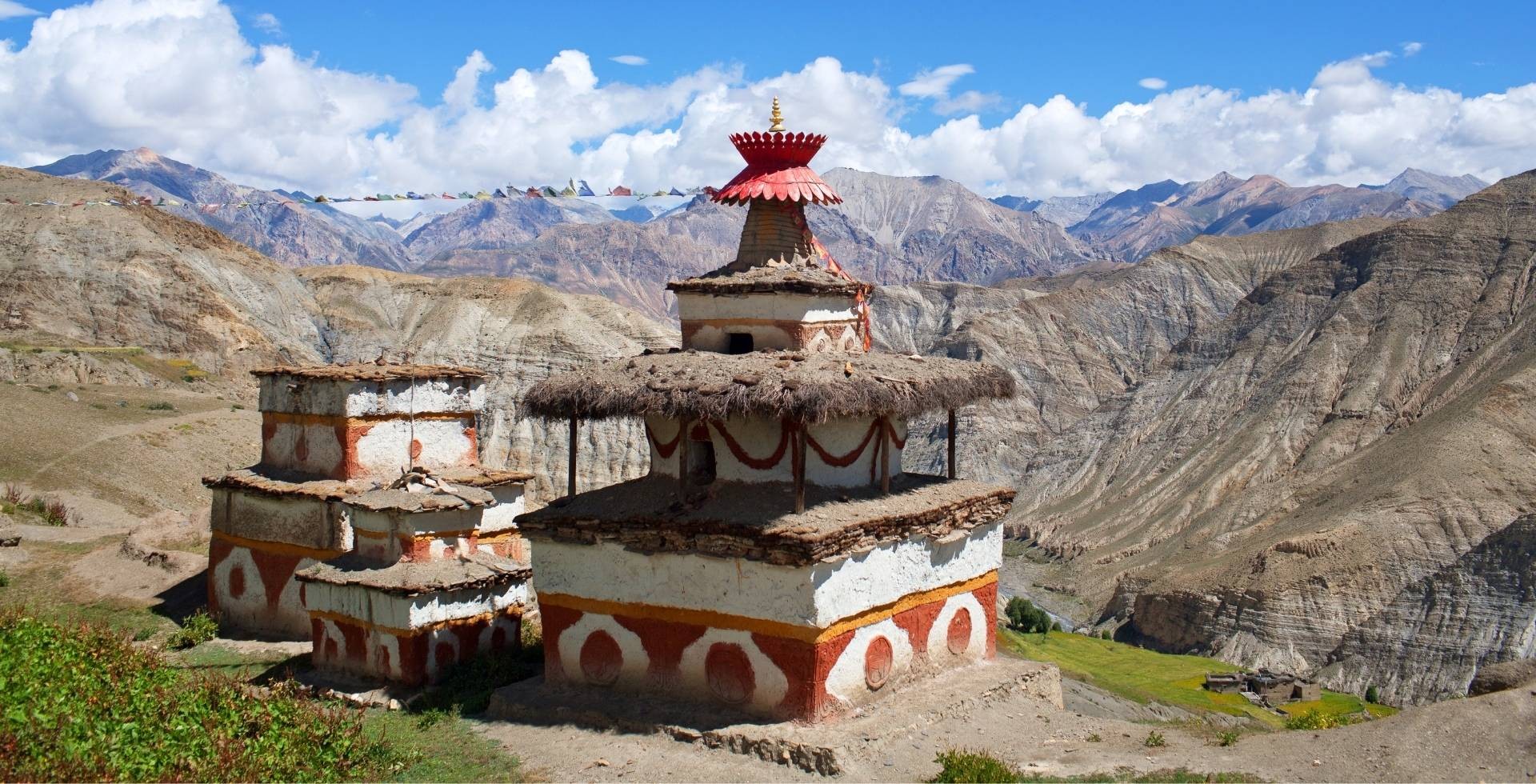
The remote Dolpo region in western Nepal is home to communities that also follow Tibetan Buddhist practices and celebrate Losar. Given the region's historical ties to Tibet, their Losar festivities are based on the Tibetan lunar calendar and include prayers and offerings. Specific villages and monasteries within Dolpo have their own local traditions for the new year.
Lama Losar (Tibetan Buddhist)
Various Tibetan Buddhist communities observe this Losar and tend to be more spiritually focused. Tibetan Buddhists visit monasteries, get blessings from their gurus, and offer prayers for prosperity and happiness in the new year. While Gyalpo Losar is the more public and secular New Year celebration, Lama Losar emphasizes spiritual preparation.
Tolo Losar
This Losar is celebrated by some Tibetan-influenced communities and the indigenous Gurung people living in the mountains. It is said to be the first known Losar celebration of the Gurung community. Later, as the community shifted to urban areas, the name of the festival changed to “Tamu Losar”. However, in some parts of the mountains where the Gurung community resides, they still celebrate the festival as Tolu Losar on the day of Poush Shukla Pratipada.
Lhomi Losar
The Lhomi people, who live in the upper reaches of the Sankhuwasabha district, have their own version of the Losar festival.
Losar in Different Parts of the World
Losar till this day remains a symbol of cultural heritage, spiritual renewal, and social harmony, providing the Tibetan Buddhist communities with an opportunity to preserve their traditions. Not only in Nepal, but the festival is celebrated all over the world by the people of the Mongol race. The festival reflects on the past year and welcomes the new year with hope and positivity.
Experiencing Losar as a Visitor in Nepal
Losar is a vibrant and lively celebration; you can even feel the excitement in the environment itself when visiting the hosted venues or near Buddhist temples and sacred places.
The new colors painted in the temples, new prayer flags hung up, and flowers and ceremonial scarves offered alongside people in their traditional attire, praying and holding incense sticks with butter lamps.
You can witness many people wearing the same dress during this time. Each of the ethnic groups has its own unique traditional attire, and during the festival, you can see men and women celebrating the festival and enjoying the beauty of Losar in their traditional dresses. The scenes will make you try on their ethnic dresses, join them for the prayers, and experience the new year with a new perspective.
During the festival, various rituals and traditions also happen near the Buddhist temples. You can observe the older generation of an ethnic group performing the traditional hymns and dance performances near these temples. You may notice many monks also meditating inside the temples.
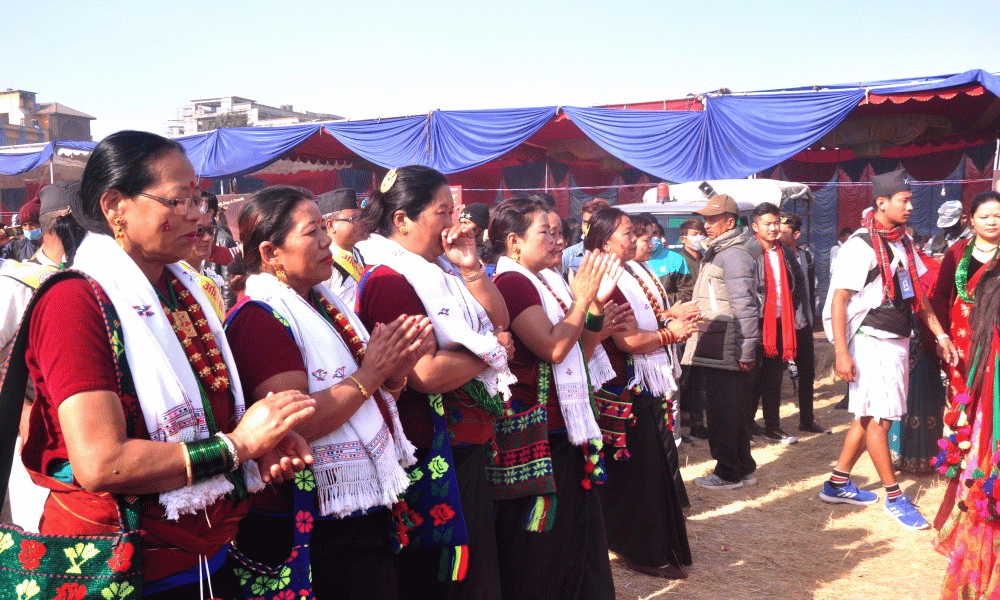
Don't get confused, as all of these are part of different ethnic groups, and their way of celebrating the Losar festival involves various rituals.
For a modern experience of the festival, visit the nearby hosted venues and enjoy the ceremonies, music, and dances. Make sure to ask permission and join the celebration with the locals.
For a traditional experience, many monasteries inside and outside the valley will be open for everyone. Some monasteries are free to visit and explore, while others require an entrance fee, providing some peaceful engagement classes. You can inquire about them and participate in a guided meditation session or even join a few prayer sessions.
However, as this is the high time for the Buddhist pilgrimage, we suggest you book your accommodation and transportation in advance. Altitude Himalaya provides the best packages for festivals like this and other famous trails for treks and travels. With us, you can have the best experience of the Losar festival in a peaceful and hassle-free setting.
Make sure to wear temple-friendly clothing such as long sleeves and long pants when visiting monasteries. You can also try their traditional dress and experience the festival. After all the traditional rituals are completed, people celebrate the festival together by dancing.
Apart from the rituals and the traditions, the community also hosts various programs and events showcasing the talents of the people in a bigger venue. The major programs include traditional music, hymns, dances, and even some prize distribution ceremonies.
The people are also very business-oriented, and you can expect many small businesses at these events. You could support them by engaging with the businesses, and maybe you can buy yourself a souvenir from them. You can also visit different shops other than at the events for the products while shopping in Nepal.
Within these stalls, you can also find some stalls selling traditional foods and beverages. More than just a snack, foods such as Sel Roti, Khapse, Dhedo, meat and dumplings, and beverages such as Chyang, Changkol, Tibetan butter tea, and tongba are an essential part of the cultural experience that brings communities and families together. You can try them on the stalls or even in various Tibetan restaurants; you won't be disappointed.
Do’s and Don’ts for Outsiders
The festival is celebrated traditionally and with precision. To make your experience of the Losar easier and smoother, we have arranged some points that might be helpful to you.
Do’s
- Participate in the celebrations
- Ask for permission first when joining them
- Take your shoes off when visiting the monasteries
- Walk clockwise in the temples
- Greet people properly
- Use greetings such as “Tashi Delek”, which translates to “good fortune and happiness”
- Dress respectfully
Don’t
- Do not interrupt them while they are in between traditional practices
- Don't be disrespectful in religious places
- Don’t wear revealing clothes
- Don't touch a person's head
- Avoid loud talking
- Don't enter the kitchen until you are invited
- Don't Over-Refuse Hospitality
Popular Tourist Destinations During Losar
Kathmandu and Pokhara host these festivals, which are enjoyed through cultural events, community feasts, dance, and musical performances with a huge number of people. For a lively experience of the festival, you can visit Buddhist temples in Kathmandu, such as Swayambhunath Temple and Boudhanath Temple, and places such as Tashi Palkhel and Pima Dashaning Monastery in Pokhara.
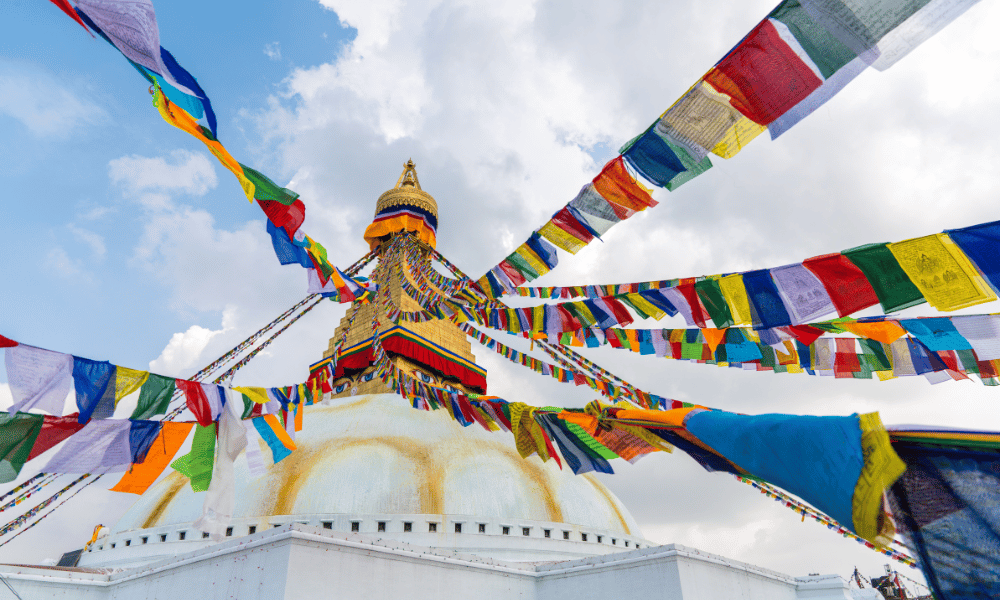
These locations will be full of people conducting traditional and cultural rituals, presenting both the locals and foreigners with a different and unique way of celebrating the new year.
If you want to experience more of this festival beyond these places, then visiting the traditional places in the highlands might be an amazing experience for you. As it is a mountain festival, places like Solukhumbu, Namche Bazar, Lamjung, Tenboche, and nearby monasteries at these places celebrate the Losar festival authentically.
The celebrations that you will witness here are just a bliss for the eye and the ear. Here, the crowds are smaller than in the cities, and the performance and the music will touch you deeply. Not only will the experience stick in your consciousness, but it will also not leave you for a long time. It will be one of those moments that you will experience and celebrate the New Year from a different perspective.
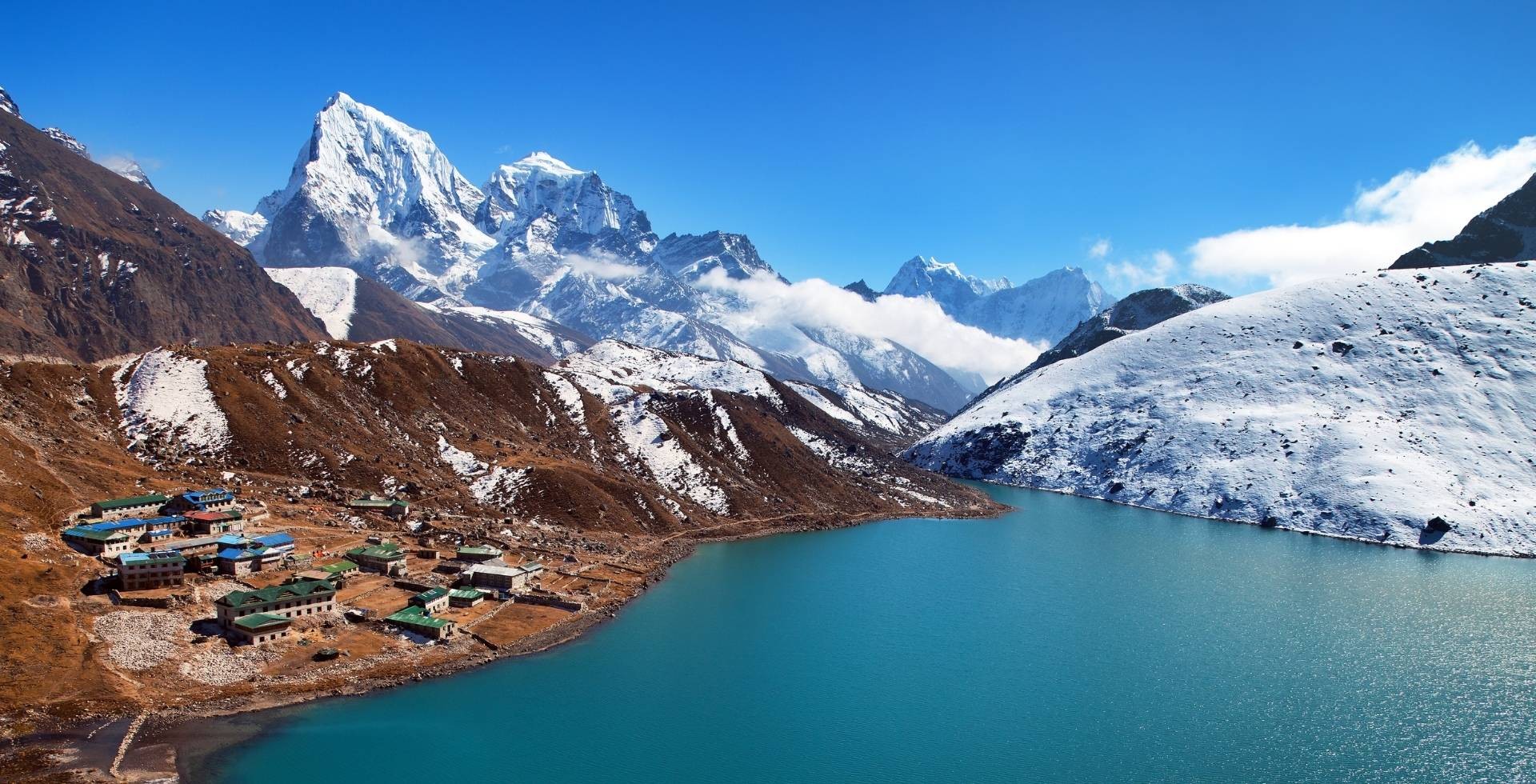
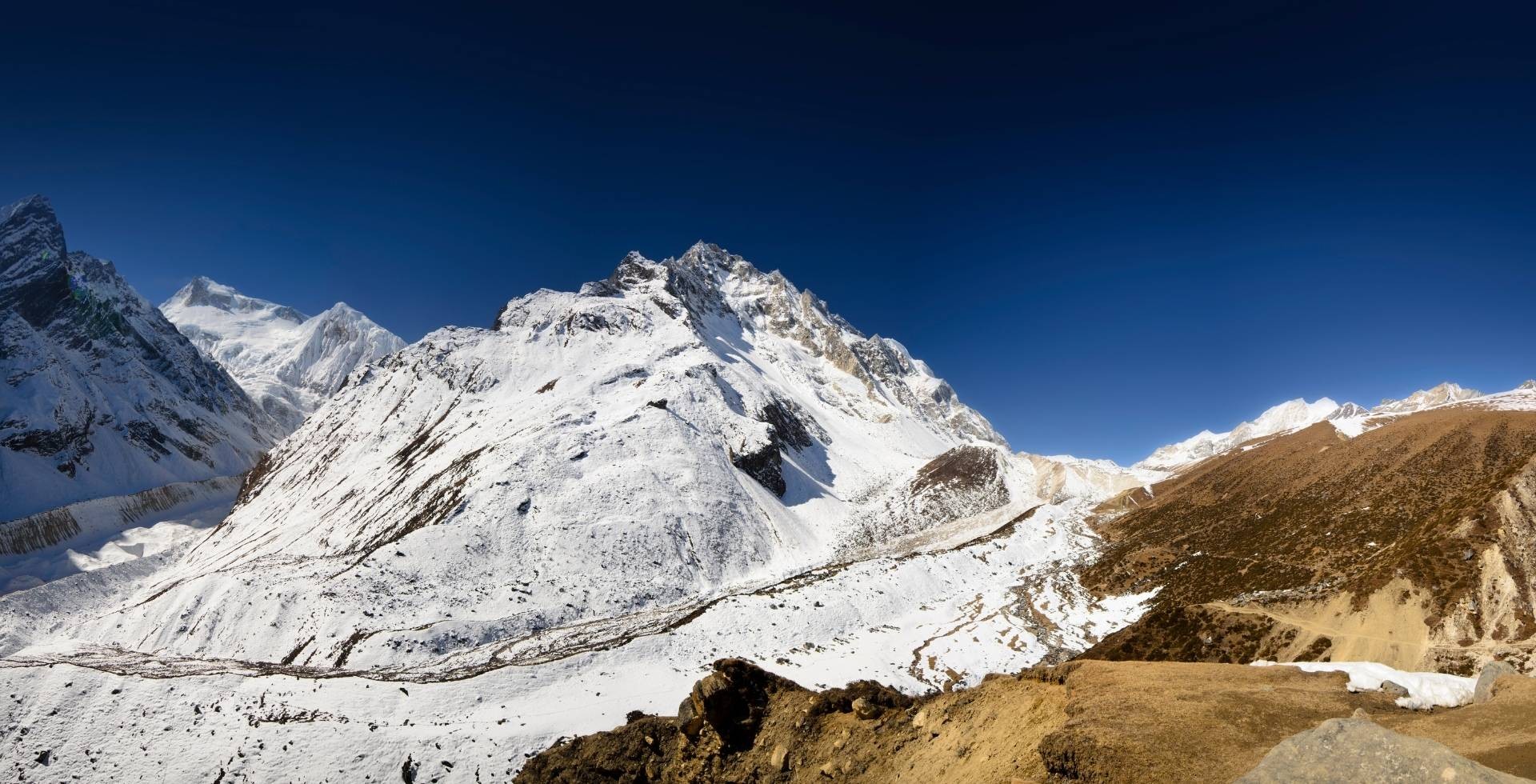
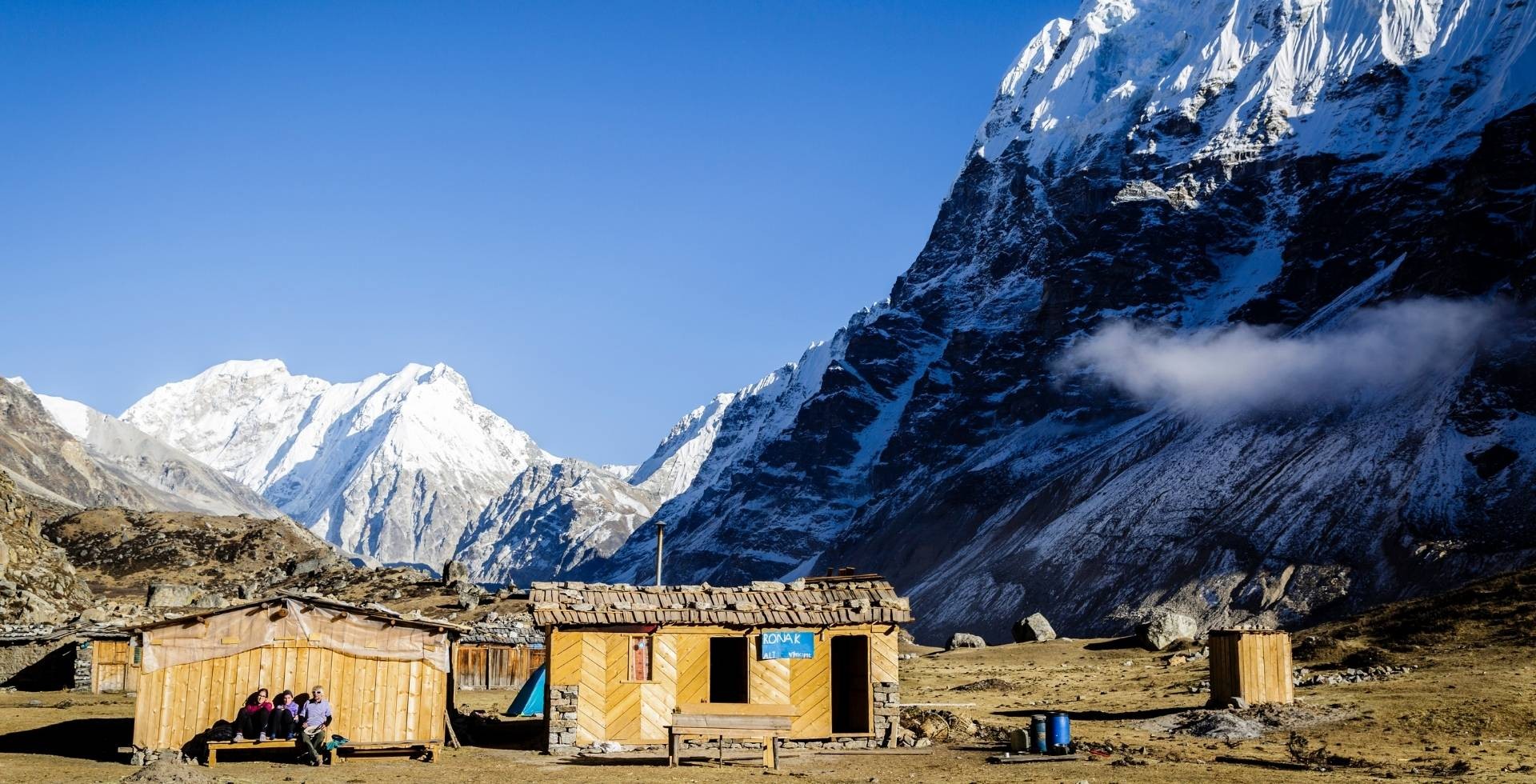
Traveling in the mountain areas during the time of Losar is very favourable if you want to experience the roots of the festival. Focus on travelling the routes to the regions with a strong Tibetan Buddhist dominance, and Altitude Himalaya can provide the appropriate treks for you. Treks in the Everest region have the major Tibetan population, Manaslu Circuit offers deep cultural engagement into Tibetan Buddhism and villages and monasteries in the Langtang region, and Upper Mustang hosts a dynamic and colorful Losar celebration.
Although this is a festival celebrated following the rituals and traditions, the gatherings, eating delicious food, and dancing do not stop. Make sure you ask for permission and join in the dances, as you don't want to miss this amazing opportunity to experience a new culture.
Final words: Experience of Lhosar in Nepal
Losar, the celebration of the New Year, portrays the rich, spiritual, and cultural traditions of Tibetan Buddhism. It is a time of new beginnings, joy, and unity, bringing communities together in celebration and prayer.
The Losar festival falls from late December through March. This is the time when winter will end and the weather will brighten up, so this will be the best time to visit the mountain regions for trekking.
Along with the domestic tourists, in the past years, more foreigners have also been favouring travel in the mountains and are seen enjoying them to the fullest this time of the year. Altitude Himalaya also posts related packages, making sure to make the travel of our guests memorable. You can check them out as well.
Thank you for taking the time to read the blog. We hope we were able to provide enough information about the celebration of different Losars.
And in this series of altitude chronicles, we post similar kinds of blogs related to festivals, culture, food, and informative guides for you to read before visiting Nepal, and they might interest you and help you in your next trip. So, stay updated with us and bookmark our site for future reference!




 Rijen Manandhar