Samay Baji basically is a combination of spicy, sweet, tangy, and authentically made Newari food items in a single plate. But the origins and the story of how it was started say otherwise.
Origin of Samay Baji
The original meaning of Samay Baji has been passed down through generations, including various changes throughout the decades. I, myself, grew up in a Newari household, and I have learnt from the older generation that Samay Baji, or just “Baji”, was initially taken as lunch by the farmers.
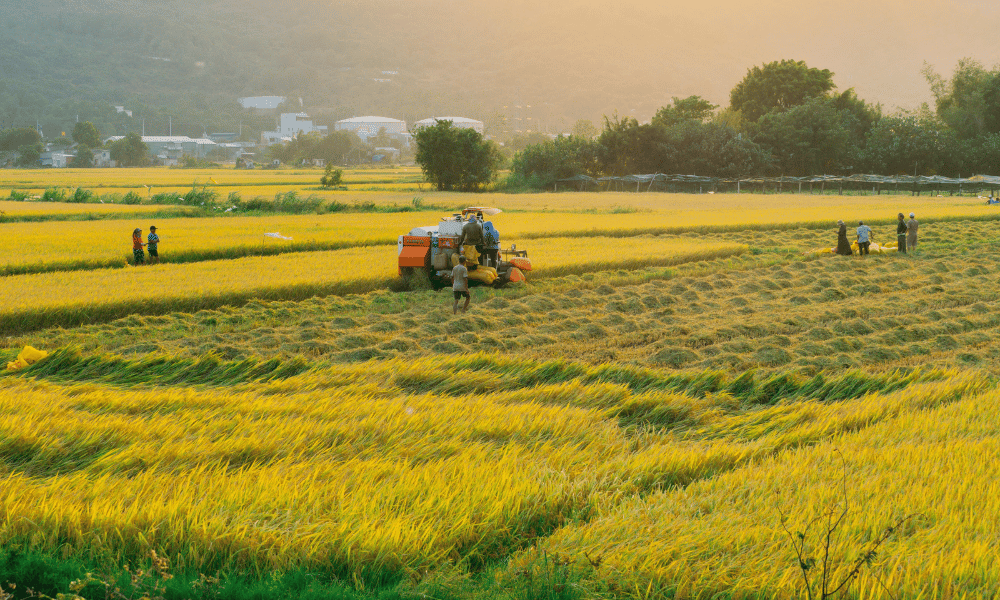
In the medieval period, most people were farmers in the Kathmandu valley. And after several hours cultivating the fields, people needed a break (like everyone does), and for lunch, they had Baji.
“Samay” means time, and “Baji” means “flattened beaten rice”. That’s how Samay Baji’s name was initially introduced, as a short form to say, “time to eat the beaten rice”.
Started from only Baji as an energy-boosting lunch, Newari people started including more varieties of food items (20 or even more!) as a part of a larger feast known as “Bhoye” in the community.
Spiritual Beliefs
Kathmandu is prominent to the Newar community, and Samay Baji represents more than just a part of the cuisine in the culture. It’s an authentic cuisine, and the food items even connect with good luck, health, prosperity, and longevity.

And did you know that the food items within Samay Baji represent the balance of cosmic creations? Well, the major components of the set are deeply connected with the philosophy of the spiritual universe, which itself makes this cuisine worth trying at least once in your life.
The five main items of Samay Baji represent different classical elements (Pancha Tatva), which construct the universe:
- Sky (Aakash) is represented by Baji,
- Earth (Prithvi) is represented by Masu (Meat),
- Water (Jal) is represented by Aduwa (Ginger),
- Fire (Agni) is represented by Raksi (Alcohol), and,
- Air (Vayu) is represented by Musya (Black Soya Beans).
The Religious Significance in the Newar Community
In the Newari community, almost every month we celebrate unique festivals and ceremonies. Samay Baji is used as a main meal in different festivals such as Mha Puja, Dashain, Tihar, Newari Bhoj, and many other ceremonies as well as cultural practices.
However, ritually, the platter has more significance during the festival of deities and demons, which is Indra Jatra.

This time of the year, many streets of the valley are decorated with a traditional huge pyramid of food items in the middle of the junction as a ceremonial display.
Lakhey (a demon from Newari folklore) is the major attraction of this festival and is offered to eat some of the Samay Baji first as a part of the ritual. Only then, the food is distributed to others.
Considering the major role of Samay Baji in every Newari festival, our team at Altitude Himalaya believes that it’s one of the 10 unique food items in Nepal that everyone must try!
Born in a Newari household myself, I have had the famous platter on various occasions since my childhood. In fact, I notice small changes in the side dishes, while the main food items stay consistent.
You see, Samay Baji's platter is customizable. In this section, I’ve summed up the most common items in the set, with some optional ones too:
Baji
Baji is the first and foremost item in the Samay Baji set. It is the most essential one on the platter as it plays an essential role in the Newari cultural practices.
As mentioned earlier, it symbolizes prosperity and represents the Earth beneath our feet.
Main Nutrients: Carbohydrates, Iron
Aalu Sadheko (Spicy Curried Potatoes)
Aalu Sadheko is yet another main item from the set. The flavour of spices mixed in the potatoes will make you ask for more despite their spicy taste.
It's delicious, tasty, and complements the set very well. If you like spices, then you are in for a treat!
Ingredients: chopped potatoes, onion, garlic, ginger, chili powder, salt, pepper, coriander
Main Nutrients: Carbohydrates, Potassium, Vitamin C, Fiber
Musya Palu
Musya Palu is basically a mixture of dry-roasted black soya beans and slices of ginger.
Historically, the Newar community regards it as the “Taste of Perseverance”, as it represents the hard work, resilience, and strength shown by the farmers.
Culturally, it is even served to the gods for good health and purification.
Ingredients: black soya beans, ginger, salt, chilli powder, mustard oil
Main Nutrients: Protein, Fiber, Magnesium, Potassium, Iron
Choila (Spiced Smoked meat)
In the Samay Baji set, this spicy grilled meat stands out from all. The smoky taste mixed with chilli spices and its arousing aroma is bound to make your face red, but you will want more of it!
There are basically 3 varieties of meat items to choose from: chicken, buffalo, and mutton. Each meat item here brings a unique and special taste.
Ingredients: chopped grilled meat, tangy sauce, seasonings, chilli powder, cilantro, and spring onions.
Main Nutrients: Protein, Iron, Vitamin B12

Bhutan (Chopped stomach and Intestine)
Bhutan is yet another meat item included in the Samay Baji set. It is basically a goat’s or buffalo’s stomach and intestine chopped into small pieces, boiled, and later fried and served with spices.
Ingredients: chopped meat, seasoning, ginger, garlic, tomatoes, mustard oil
Main Nutrients: Protein, Iron, Vitamin B12, Zinc
Saag (Spinach)
A little taste of green veggies (mainly spinach) is added in every dish worldwide. The same is the case with Samay Baji.
It offers numerous health benefits, like improvement in digestion, helping with eyesight, and possibly reducing heart diseases too!
Ingredients: leafy greens, onion, garlic, ginger, spices
Main Nutrients: Iron, Calcium, Vitamin A, Vitamin C, Vitamin K
Bhatmas (White soyabeans)
There are various types of soybeans in the Samay Baji, and the most recognizable is the white soybean. I love how different it tastes from the others, much more flavourful and CRUNCHY!.
Ingredients: soybeans, mustard oil, Timmur (Sichuan pepper), salt, pepper
Main Nutrients: Protein, Iron, Magnesium, Vitamin K, Zinc
Egg (Anda)
Chicken eggs are the most common item. In fact, it’s used in every festival celebrated by the Newar community and thus remains an inseparable part of the Samay Baji set.
They also serve as a traditional ritual known as “Sagun” on birthdays and other accomplishments.
Ingredients: mustard oil, turmeric powder
Main Nutrients: Protein, Calcium, Iron, Vitamin A, Vitamin D, Vitamin B12
Bara (Newari Pancake)
Bara, also known as ”Wo”, in the Newari community, is a traditional pancake-style food item. It can be served like a plain pancake or with eggs, minced meat, or vegetables.
Ingredients: yellow split lentils, ginger, garlic, turmeric, cumin powder, salt.
Main Nutrients: Protein, Carbohydrates, Fiber, Folate
Chana (Chickpeas)
Chickpeas, when mixed with potato curry, is my personal favorite item in the Samay Baji set. I love its aroma, spicy taste, and how it pairs well when eaten with Baji.
Ingredients: dried beans, oil, garlic, ginger, chilli powder, salt
Main Nutrients: Protein, Fiber, Carbohydrates, Folate
Mula ko Achar (Radish Pickle)
The Nepali fermented radish pickle, commonly known as “Mula ko aachar”, which is made from radish with a mixture of various spices. As the pickles taste refreshing, they help to add a different flavour to the set.
Ingredients: radish, spices, mustard oil, Timmur (Sichuan pepper), lemon juice
Main Nutrients: Vitamin C, Potassium, Calcium, Magnesium
Tamatar ko Achar (Pickle of Smashed Tomatoes)
This is another form of pickle made from tomatoes. The fried and later smashed tomatoes, with the correct amount of spices, blend perfectly with the other food items of the set. You can also dip your Bara, Choyla in the Tamatar Achar for a more tangy taste!
Ingredients: tomatoes, salt, pepper, chilli powder
Main Nutrients: Vitamin C, Potassium, Vitamin K, Lycopene
Aalu Tama
Aalu Tama is a soup dish made with chopped potatoes, beans, and fermented bamboo shoots (locally called ‘tama’). What makes it unique is the inclusion of bamboo shoots in the soup.
Ingredients: chopped potatoes, fermented bamboo shoots, black eyed peas, ginger, garlic, turmeric, onions, tomatoes, and green chillies
Main Nutrients: Carbohydrates, Potassium, Vitamin C, Protein
Salads
Last but not least, a few pieces of sliced cucumber, carrot, and radish are served as salads, just like it’s done with any other dish. They serve as rich counterpoints and balance with other dishes.
Main Nutrients: Vitamin A, Vitamin C, Vitamin K, Potassium, Calcium, Fiber
Dahi / Lassi
Dahi or curd, helps you mellow down all the spices. In the Newar community, the most popular type of curd used is Juju Dhau (originally from Bhaktapur). It’s used in every household and even in restaurants when Samay Baji is served.
Lassi is a type of drink, which basically is a blended form of Dahi sprinkled with a few cashews or nuts on top. It’s a sweet drink that you can have after finishing your Samay Baji set.
Ingredients: blended curd and nuts
Main Nutrients: Protein, Calcium, Fat, Carbohydrates
Chyang (Newari Rice Beer)
Chyang, locally known as “Thow”, is yet another major alcoholic drink served alongside the platter. It is famous especially amongst the youngsters, as it is allowed in the festivals.
Ingredients: rice, water, yeast, marcha

Aila (Rice Wine)
Aila is a locally made liquor with fermented ingredients like rice, grains, and millet.
Apart from having a very strong taste, it is also culturally accepted by every age group. Even children are allowed to taste alcohol during the festivals, under their parents' surveillance.
Ingredients: rice, water, marcha
Note: As Aila and Chyang are strong alcoholic beverages, we suggest you drink responsibly.
The best place to experience Samye baji is visiting the authentic local pubs, also known as “Bhatti”, around the alleyways of Kathmandu Valley, Dhulikhel, Banepa, Panauti, and other Newar towns.
Apart from that, you can also experience this Newari platter in Newari restaurants too.
Best Restaurants
In recent years, many restaurants have been established, promoting the ambience, heritage, and foods of Newari culture. You can easily find Samay Baji or Newari Khaja Set on their menu.

Our team at Altitude Himalaya has personally visited different Newari restaurants in the valley. They are good not just in terms of service, but have even gained popularity among the locals.
After a careful review, here’s a list of the best restaurants that offer Samay Baji set in and around Kathmandu:
- Newa Ghasa (branches in Patan, Basantapur, Maharajgunj, Sorhakhutte, and Budhanilkantha)
- Bhatti Restro, Kathmandu
- Cafe De Patan, Lalitpur
- Harisiddhi Newa Suli, Lalitpur
- Yala Layeku Kitchen, Lalitpur
- Newa Lahana, Kirtipur (branches in Bhaktapur as Newa Lahana Khwopa)
- Sa: Sa Twa, Kirtipur
- Community At The Nanee, Bhaktapur
- Cafe Harati, Bhaktapur
- Pasa Newari Kitchen, Banepa
The prices of the Samay Baji set are fairly affordable for everyone. Having the set in the Newari household, you can easily customise the food items.
However, if you’re ordering Samay Baji in restaurants, you need to comply by their mene. And the prices differ accordingly.
The Best Time to Eat
During the Newari functions and festivals, Samay Baji is prepared early in the morning of the same day or a day prior, ensuring it’s fresh to eat.
For many years, Samay Baji was mostly used in the Newar community on the occasion of festivals and cultural rituals. Later, the Khaja set became famous among every other Nepali community in the valley. And today, it is available all year round!
However, to experience the best of Newari culture, the best time would be the festive time. Whether you’re trying Samay Baji yourself or watching others eat it in a traditional way, it feels very vibrant!
The Best Way to Eat
The way of serving and eating Samay Baji differs based on the occasions, depending on festivals, marriage ceremonies, or just eating in restaurants.
During feasts, we usually sit on the ground, on a special type of carpet made from hay, locally known as “Sukul”.
Another important thing to note is that the way food items are served varies along with different castes of the Newari community.
Personally speaking, the caste I belong to serves only the major food components, including some personal interest items. As a ritual, the foods are served one more time, but it's not necessary to take them the second time if you feel full enough.
But I have a Newar friend from a different caste, who explains they get more than 25 food items on a single plate! And they even get the serving three different times!
On the other hand, restaurants have different ways of serving the platter. They provide a spoon and a fork with the Samay Baji as part of the health regulation, which is usually not the case when enjoying Samay Baji in the Newari households.
To experience the real taste and tradition, some items are best to be eaten with your bare hand.









 Rijen Manandhar