In 1974, Bhutan, the Land of the Thunder Dragon, opened its doors to international visitors to support the country’s development. Since then hundreds and thousands of individuals from all around the world have traveled to Bhutan.
If you are planning to be one of the visitors this year, then this blog is going to help you plan for your budget. Before we dive deeper into the sections of this blog, let me provide an estimated cost for your time in Bhutan.
A week in Bhutan can cost you anywhere between $2,300 to $2,500 if you are going for a mid-range experience. But if you want a luxury experience, then it would probably cost you anywhere between $6,000 to $15,000 per person for a week.
The numbers mentioned above include calculations for SDF, accommodation, meals, and transportation, but not the flight fares. So please read the blog to get a clearer breakdown that is going to help you plan your budget for your Bhutan trip.
You will read about the mandatory fees, the entry fees, daily expenses, and other expenses that will be a part of your trip.
Bhutan Travel Costs Overview
Before you move into the details of each and every travel expense you will come across, here is a table designed to inform you about the range of expenses for various expense factors in Bhutan. These ranges have been presented, ensuring affordability for budget travellers as well as luxury travellers.
|
Expense Factors
|
Price Ranges
|
|
Visa Processing Fee
|
$40 per person
|
|
Sustainable Development Fee (SDF)
|
INR 1600 per night per person (Indian Adults)
$100 per night per person (Other Foreign adults)
|
|
Accommodation
|
$30 - $1500+ per night
|
|
Meals
|
$10 - $150+ per meal
|
|
Transportation within Bhutan
|
$40 - $300 per vehicle, depending on the group size
|
|
Tour/Trekking Guide
|
$30 - $80 per day per group
|
|
Licensed Driver
|
$20 - $35 per day per group
|
|
Trekking Crew and Porters
|
$20 to $30 per day for each staff
|
|
Miscellaneous (Personal Expenses and Tips)
|
$50 - $250 per day depending on your personal expenses and group size
|
Mandatory Fees for Traveling to Bhutan
The first expenses that you will come across while planning your trip to Bhutan are the visa application fee and the Sustainable Development Fee (SDF). While the visa is a global requirement that you will need to visit any country (unless you are eligible for visa exemption), the SDF is unique to Bhutan.
Read below to learn more in detail about the visa application and SDF.
Bhutan Visa Fee
If you are not a native of India, the Maldives, or Bangladesh, then you will need a Bhutan visa prior to your arrival in the country. This applies to everyone, even government official passport holders and diplomat passport holders if they are not visiting the country for official purposes.
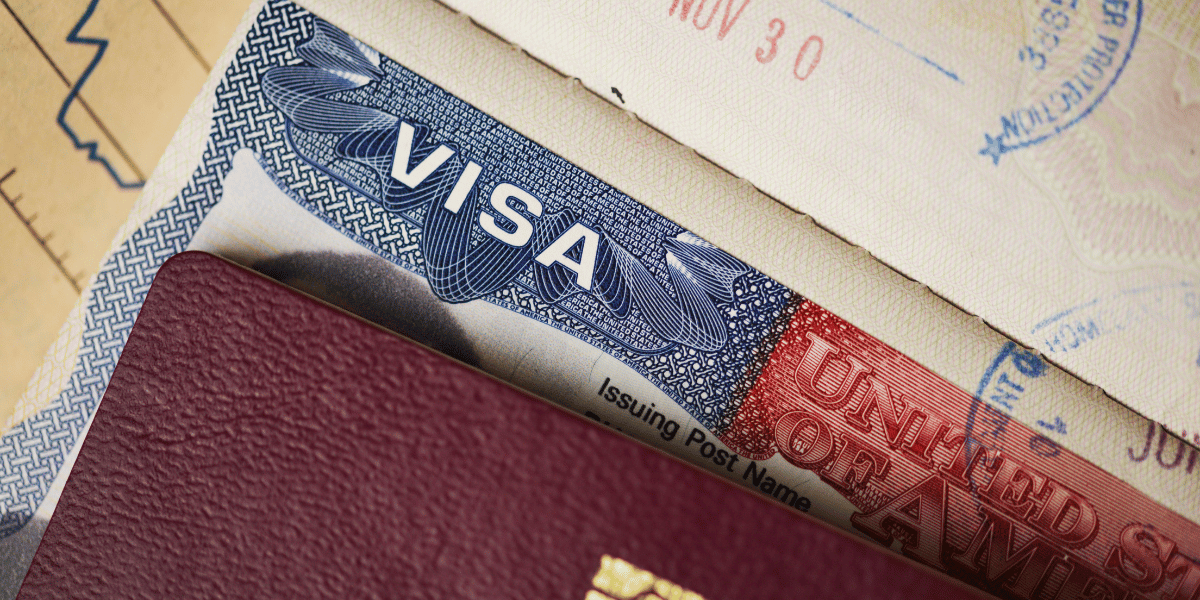
In order to apply for the Bhutan visa, there is a one-time fee of $40 which is non-refundable. Make sure that you provide a passport with a validity longer than 6 months and a recently captured passport size photo while you are applying for the visa.
The best way to apply for a visa is through a licensed tour operator. If you wish to apply independently, then you can do it online through their official government portal, but you will still need to provide an itinerary from a tour operator.
So to make it easier, you can just ask your tour operator to do it for you. It also reduces the chances of rejection, as the tour operators act like a local guarantor.
Sustainable Development Fee
Opening its doors to foreigners was also a challenge for Bhutan, a country that had preserved its heritage and traditions for centuries. So Bhutan designed their tourism policy based on the philosophy of “High Value, Low Volume” to balance and continue their efforts in preserving their culture and traditions.
This idea was initiated by the Great Fourth, King Jigme Singye Wangchuk. To this day Bhutan follows the same model for tourism, although various changes have been made throughout the years. However, this model is the main factor that determines a visitor’s experience and also their budget.
So that was how the Sustainable Development Fee (SDF) was developed, a direct product of their tourism policy. This is a mandatory fee that anyone entering Bhutan must pay for, although there are waivers for different circumstances.
We have provided the current SDF rates for visitors in the table below:
|
Nationality
|
SDF for Adults
|
SDF for Children (from the age of 6 before turning 12)
|
|
Indian Citizens
|
INR 1,200
|
INR 600
|
|
Other Nationalities
|
US $100
|
US $50
|
Note: Children below the age of 5 are exempt from SDF.
The SDF is charged per night, so if you are spending two nights in Bhutan, you must pay $200. If you are thinking that the SDF is overpriced, keep in mind that you are traveling to the only carbon negative country in this world.
The collected SDF is later distributed for other developmental budgets revolving around education, healthcare, tourism, etc. It is also allocated for various preservation and restoration efforts of historical and sacred sites as well as heritage artifacts.
Unless you are eligible for SDF waiver conditions set by the Royal Government of Bhutan, then you must pay SDF in order to enter Bhutan during the visa application process.
Now that the mandatory expenses have been covered, we need to discuss the daily expenses that you will have to prepare for.
Note: If your stay is shortened or cancelled, you are eligible for an SDF refund for the nights you did not spend in Bhutan. However, a small fee may be applied for bank transfer charges (3% - 5%).
Daily Travel Expenses in Bhutan
Before I continue this section, I hope you are aware that these expenses are covered in your package, as most of them are all-inclusive packages. And even if you have only opted for sightseeing packages, then this section can be of great help for you to estimate your travel costs.
Accommodation
Accommodation, along with food and transportation, are the essentials of every journey. When it comes to accommodations in Bhutan, then you have plenty of choices. From luxury glamping and rustic homestays to ultra-luxury five star hotels, Bhutan has everything to ensure that their visitors are safe and comfortable.
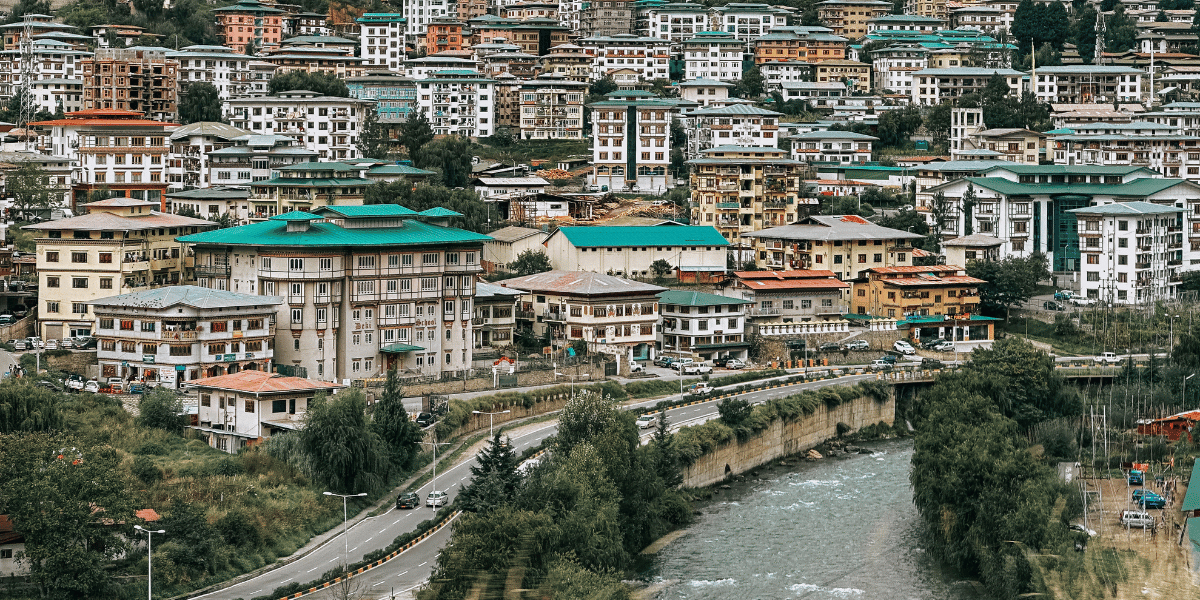
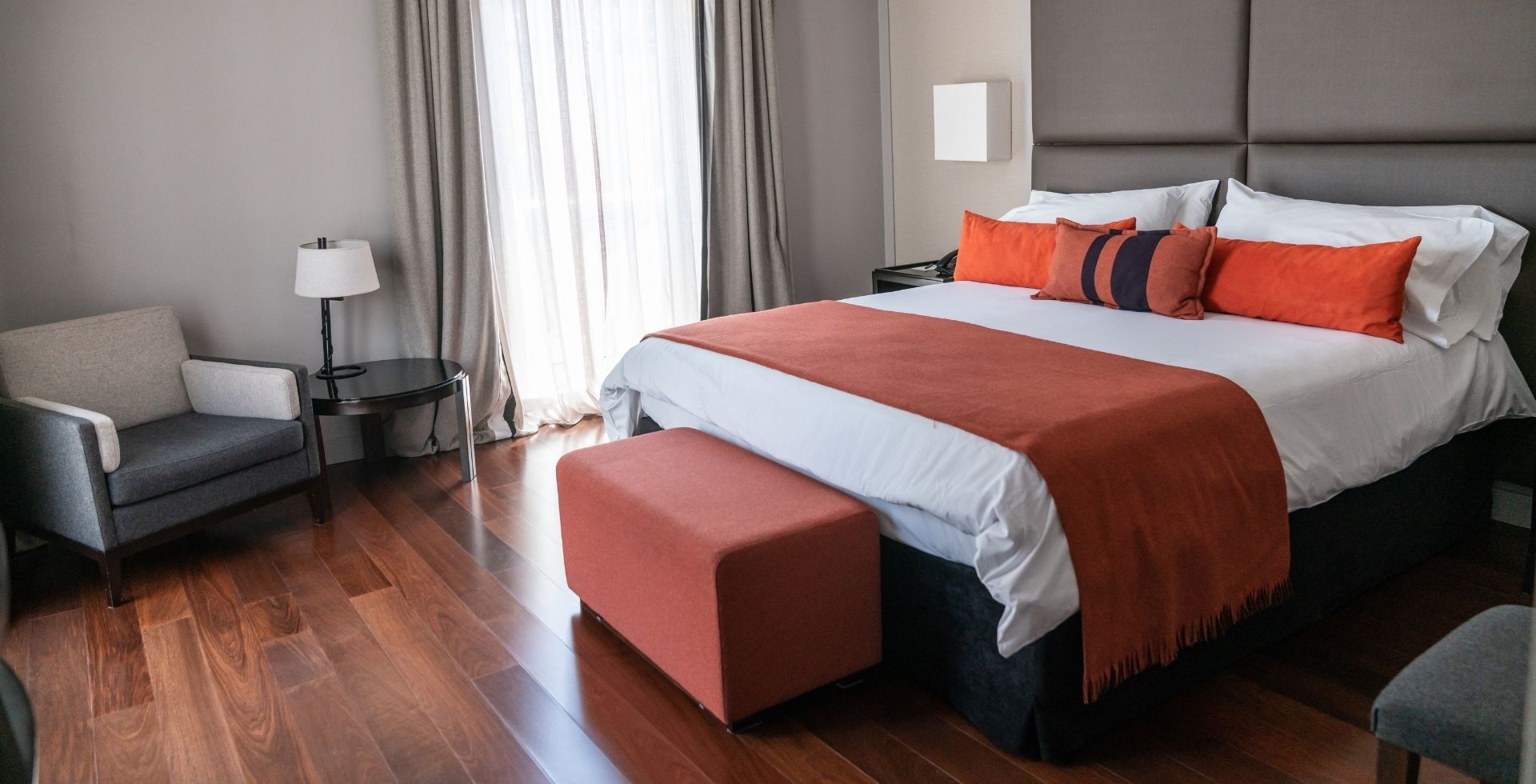
Some of the most standard choices of stay in recent times are the local 3-star boutique hotels that provide more than just the basic amenities. With a comfortable spacious room, their rooms come with an attached bathroom, bed or floor heating, air-conditioning, and every requisite amenity that you can think of.
Most of these hotels also have in-house tourist-standard certified restaurants that can provide you all three meals of the day.
And then there are 5-star hotels, where you have all the luxuries that you can imagine: sauna, swimming pool, saloon, fine dining, bar, et cetera.
Please look into the table below to see the range of prices for different types of accommodations.
|
Type of Accommodation
|
Price Per Night
|
|
Glamping
|
$80 - $150
|
|
Certified Homestays
|
$30 - $80
|
|
3-Star Hotels
|
$80 - $150
|
|
4-Star Hotels
|
$150 - $200
|
|
5-Star Hotels
|
$300 - $1,500+
|
Keeping the standard of hotels aside, there is one thing about Bhutan that visitors cannot deny; their hospitality is top-tier. The details of the decorations in the rooms all carry the essence of Bhutanese art and heritage.
Even the smallest of the details can play a valuable role in building your connection with Bhutan.
Food and Dining
In Bhutan, your guide is responsible for providing you meals, and as per the regulations, they can only take you to tourist-standard restaurants for meals. 'Tourist standard' is like a certification that is provided by the government to restaurants with regard to their commitment and practice of cleanliness and service.
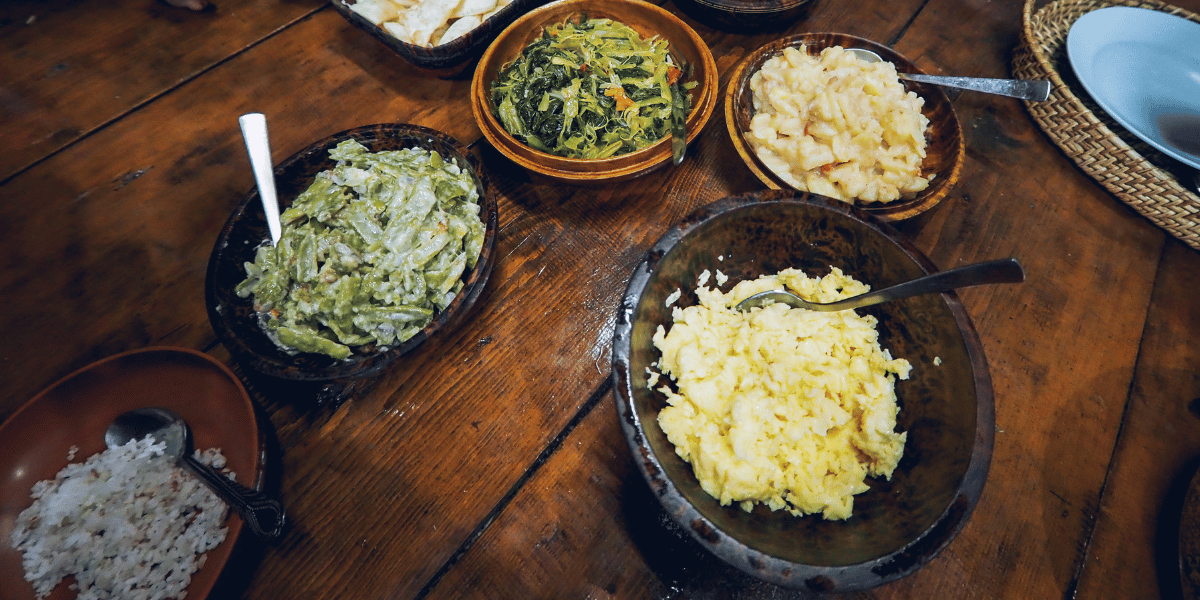
Please look at the table below to see approximate rates of the food in different types of restaurants:
|
Types of Restaurants
|
Range of price per meal
|
|
Tourist-certified local eateries
|
$10 - $20
|
|
In-house restaurants in hotels
|
$20 - $45
|
|
Fine Dining
|
$60 - $150
|
As you can guess, the local food is always cheaper. In Bhutan, the traditional cuisines generally cost less compared to continental cuisines. But this can also depend on the type of restaurant you go to.
Bhutan has some of the most delectable traditional foods. Make sure to try Ema Datshi and Sikam Paa, Bhutan’s beloved comfort foods. As for alcoholic beverages, you can try their rice spirit called Ara, or their locally brewed beers and whiskies!
Transportation
Now when I talk about transportation, I am talking about two different categories here. One is the transportation that is needed within Bhutan for travelling and sightseeing, and the other is the transportation that is required to reach Bhutan and leave Bhutan.
Let’s look into the subsections below that provide details on each one of them.
Transportation Within Bhutan
One of the most popular ways of travelling within Bhutan is through a private car that is provided by the tour operator. Most of the tour operators provide a group of guests with a private vehicle and a private tour guide to accompany them.
Taking the public transport can be a little challenging, as it has limited schedules and one can only take it if the guide agrees to accompany them. There are also domestic flights within Bhutan, but please remember that there are chances of delay and cancellation, depending on the season.
Even while you are trekking, you cannot do it independently and must be accompanied by a licensed guide. If necessary, the tour operator will also provide you with a trekking crew. Trekking is certainly one way to save costs on transportation, as you will be walking most of the days, but you will still have to pay the guide and the trekking crew.
To make it easier, we have provided a table below with the price ranges of private vehicles.
|
Modes of Transportation
|
Price Range Per Day
|
|
Car
|
$40 - $60
|
|
SUV
|
$80 - $130
|
|
Luxury SUV
|
$100 - $200
|
|
Minibus or Van
|
$150 - $300
|
|
Domestic Flights per person
|
$200 - $350
|
Note: Travelling in a group can be a more cost-effective way to travel, as the total amount of the private vehicle can be divided by the number of individuals in the group.
Transportation to Reach Bhutan
The cheapest mode of transportation that you take to enter Bhutan is from the Indian border, but that is often discouraged for international visitors. While the roadway fare costs between $10 to $15 to enter Bhutan from Indian border towns, I would not really recommend this route.
This is because the roadways are long and slow and some entry points do not have a proper immigration post. Furthermore, even after reaching border towns, you might have to drive for 8 to 12 hours (based on your entry port) to reach Paro or Thimphu. And this drive will only be possible if you have a licensed guide, a driver, and a privately hired vehicle provided by the tour operator.
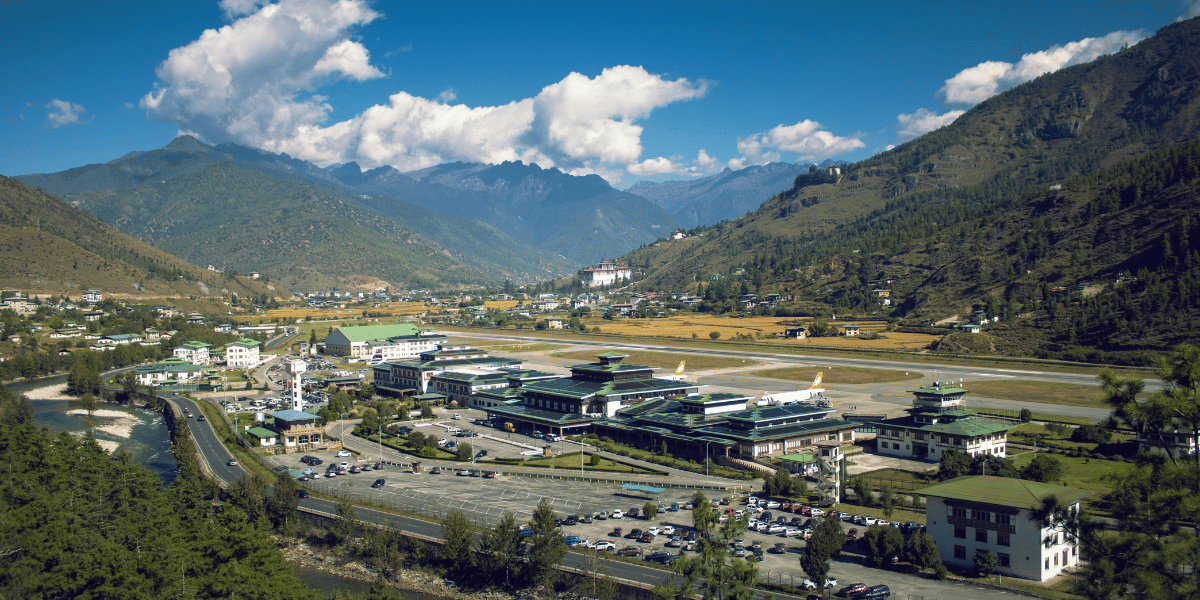
So what’s a cheap way to travel to Bhutan? A direct flight from Kathmandu that lasts for an hour. If you are already in Nepal, then travelling to Bhutan from Nepal can be one of the most comfortable and pocket-friendly routes.
The Tribhuvan International Airport in Kathmandu is one of the closest international airports to Paro International Airport in Bhutan. So the flight fares are notably cheaper than any other flight fares from other countries like Singapore, UAE, or other countries.
Other countries that operate direct flights to Bhutan are Singapore, Thailand, India, and Bangladesh. Countries like UAE and Malaysia also have flights to Bhutan, but they will have a short layover in one of the countries mentioned before.
Those flying from North America, Europe, and Australia must first fly to one of the countries mentioned above and catch a connecting flight to Bhutan. Therefore, the overall costs may vary depending on the location you are at.
Guide and Driver
Your tour is incomplete without a tour guide and a driver and a trekking guide if you are going on a trek. It is mandatory and you cannot go sightseeing without a travel guide. In Bhutan, the guides are licensed and have knowledge about the culture and nature.
The trek guides are well-educated about high-altitude regions and safety measures while trekking. Apart from speaking fluent English, the guides are certified from Bhutan’s Department of Tourism.
The table below provides a rough cost estimation of mandatory support staff for your tour:
|
Support Staff
|
Price Range Per Day
|
|
Tour Guide
|
$40 - $60
|
|
Trekking Guide
|
$40 - $80
|
|
Licensed Driver
|
$20 - $35
|
|
Porters or other trekking crews
|
$25 - $30
|
Tipping
Although it is not mandatory, it is quite common in Bhutan. For your guide and driver, accompanying you is more than a simple 9-to-5 job. They work extended hours, ensuring that your itinerary is completed in the smoothest manner while ensuring that you are comfortable throughout the trip.
Furthermore, they also take the role of a translator, allowing you to adjust to the culture seamlessly. By tipping your guides and drivers, you are not only helping them financially, but you are also taking a huge step in building trust and rapport with the people who determine how your trip in Bhutan goes.
|
Personnel
|
Tipping Rates (Per Day)
|
|
Travel Guide
|
$15 - $20
|
|
Trekking Guide
|
$15 - $25
|
|
Driver
|
$10 - $15
|
|
Porters while Trekking
|
$5 - $10
|
Note: While tipping, hand over the tip with both hands as a sign of respect. If possible, keep the tip in an envelope.
Sightseeing Charges
Last, but not least, we have the sightseeing charges, the main reason you are planning your trip to Bhutan. While paying for sightseeing, keep in mind that you are paying per site. This means each site has a different entrance fee.
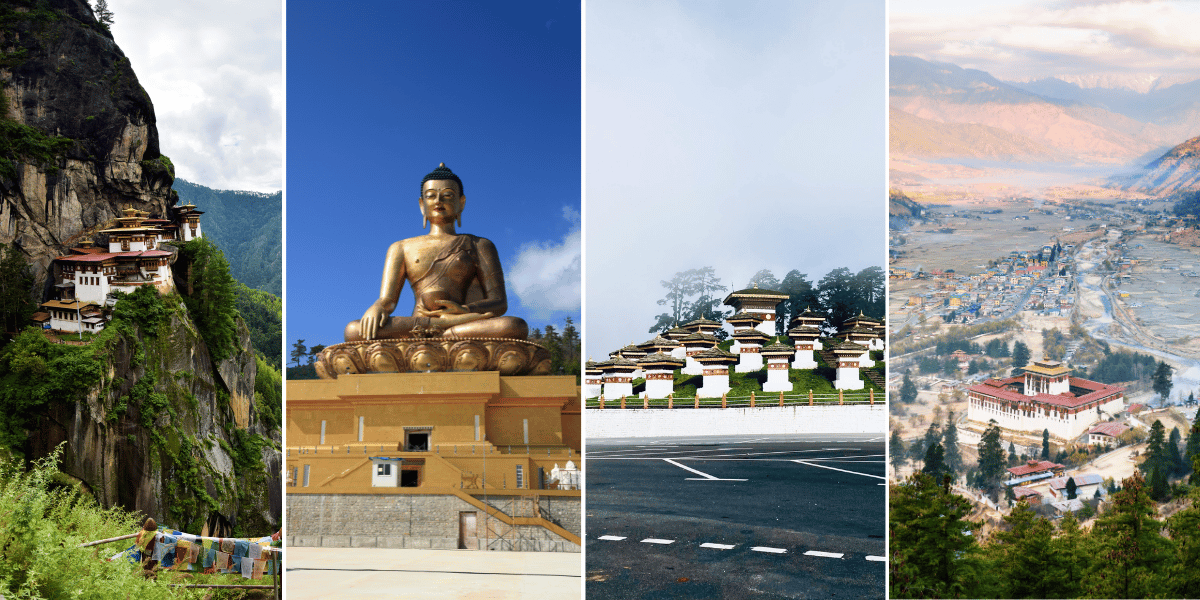
However, all the sightseeing charges are included in the packages provided by the tour operator so that you don’t have to pay each time you enter a site. So for a week in Bhutan, you might have to pay somewhere between $75 - $120, depending on the number of sites that you want to visit.
Here are the entrance fees to some of the prominent attractions of Bhutan:
|
Attractions
|
Locations
|
Entrance Fee
|
|
Tashichho Dzong
|
Thimphu
|
BTN 500
|
|
National Memorial Chhorten
|
Thimphu
|
BTN 500
|
|
Changangkha Lhakhang
|
Thimphu
|
BTN 500
|
|
Simtokha Dzong
|
Thimphu
|
BTN 500
|
|
Bhutan Postal Museum
|
Thimphu
|
BTN 250 for International Visitors
BTN 150 for SAARC Nationals
|
|
Punakha Dzong
|
Punakha
|
BTN 500
|
|
Chimi Lhakhang
|
Punakha
|
BTN 500
|
|
Trongsa Dzong
|
Trongsa
|
BTN 500
|
|
Taktsang Monastery
|
Paro
|
BTN 1000
|
|
Kyichu Lhakhang
|
Paro
|
BTN 500
|
|
Jambay Lhakhang
|
Bumthang
|
BTN 500
|
|
Wangdeu Phodrang Dzong
|
Wangdue Phodrang
|
BTN 500
|
Note: If you are travelling with children, children below the age of 5 can enter for free, and there are 50% discounts for children above 5 and below the age of 18.
As for photography, visitors can take pictures of the dzongs and temples from outside, but they are strictly prohibited from taking pictures of the inner sanctums of the sacred and administrative places. Please check with your tour guide regarding photography rules.
We have reached the end of this section, where the price range for all the services that you will require in Bhutan on a daily basis has been presented, except for the flight fares. The flight fares have not been provided, as they are subject to change based on the season and other things.
How Group size Affects the Travel Cost?
Your group size can play a huge factor in determining your expenses for accommodation, transportation, trip guide, and even tips.
Let’s start with accommodation. While most of the 3-star hotel rooms are provided on a twin-sharing basis, some hotels also provide triple-sharing rooms. If you are comfortable with your group members, you can easily cut costs on accommodation.
So if the hotel costs $90 per night, two people can share it for $45 per person, and 3 people can share it for $30 per person. However, if you want a private room, you will have to pay for the entire price.
The same kind of sharing is applied for transportation, travel guides, and drivers. So if renting a luxury minibus costs $300, it would only cost $50 per person for a group of 6. Similarly, if your travel guide charges you $60 per day, then the individuals in a group of 6 will only have to pay $10. And the tip of $20 divided among the group is much less.
Exclusive Experiences in a Big Group
It is also easier for larger groups to get access to exclusive performances such as masked dances, archery demonstrations, and traditional dinnings. These performances and activities are often hosted in intimate courtyards or private farmhouses, giving guests an opportunity for a deeper cultural immersion.
For example, during Tsechus, organizers can invite a group of masked dancers to perform in private ceremonies. While these private performances can cost about $350 on average, for a group of six, it would only cost about $55 per person.
Furthermore, there will also be monks invited for prayers and rituals. Guests can feel free to go up to them and ask for some blessings.
Estimated Bhutan Trip Cost by Travel Duration
Now that we have covered all the major expenses that you need to prepare for in Bhutan, let’s see an estimated range for the total amount needed to travel in Bhutan for an individual. These price ranges include SDF, accommodation, meals, transportation (roadway expenses within Bhutan), and sightseeing as well as tour guide charges.
|
Nights Spent in Bhutan
|
Mid-range Experience
|
Luxury Experience
|
|
3 - 4 nights
|
$800 - $1200
|
$2300 - $2500
|
|
5 - 7 nights
|
$1400 - $2800
|
$4000 - $7000
|
|
8 - 10 days
|
$2,800 - $4,000
|
$7,000 - $10,000
|
Note: The prices mentioned above are subject to change based on the number of group members. The higher the number of group members, the lower the expenses when it comes to shared services like transportation, tour guides, and accommodation.
Payment Methods for Tourists in Bhutan
The three types of payments accepted in Bhutan are cash, credit and debit card, and online payments. Let’s look into all three of these payment methods.
Cash
There is no doubt that cash is the best payment method in Bhutan. The official currency of Bhutan is the Bhutanese Ngultrum (BTN), whose value is equivalent to the Indian Rupees (INR).
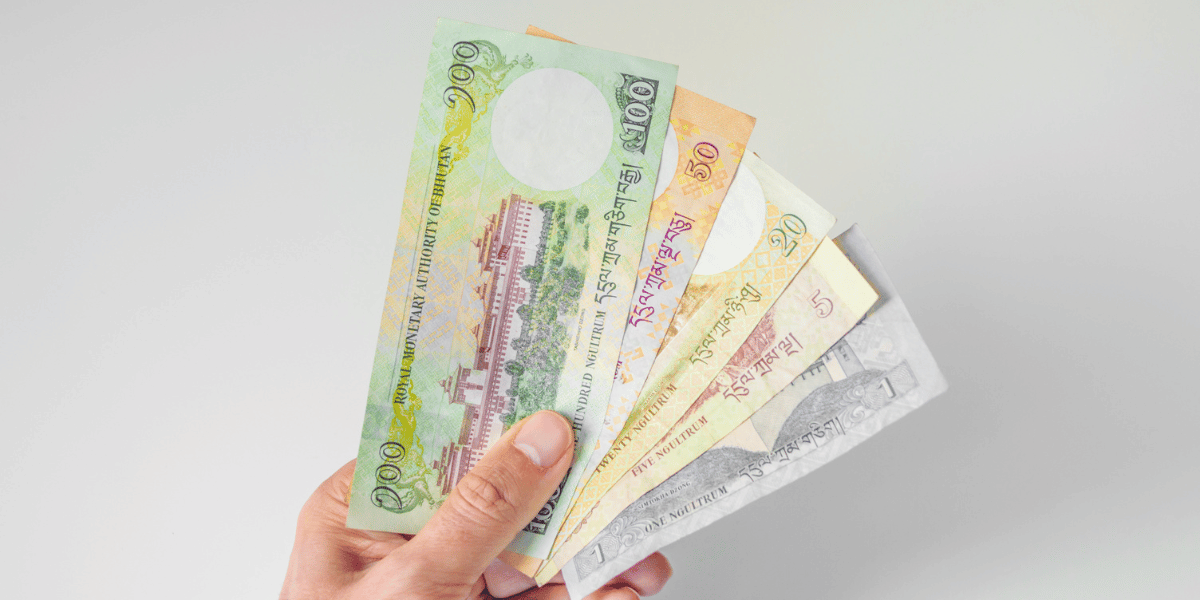
Apart from the BTN, INR is also accepted widely in Bhutan; however, visitors are requested to carry the denominations of Rs. 100 and Rs. 200 if paying in INR. In major tourist cities and towns, the vendors and restaurants also accept payments in USD.
If you are planning to visit remote areas of Bhutan, then cash is the best option that you have. Make sure to carry extra cash, about $200 - $300 every day for personal use, tipping, and emergency expenses.
Where to Exchange Currency?
The best place to exchange your currency in Bhutan is as soon as you land at Paro International Airport. At the arrival terminal, you will find Foreign Exchange Desks that accept currencies like USD, AUD, GBP, EUR, Canadian Dollars, Singapore Dollars, Hong Kong Dollars, Danish kroners, etc.
This means, if the currencies mentioned above are not your native currencies, then you need to exchange your currency for one of the currencies mentioned above (before you leave your home country) and then exchange them at the airport.
Apart from the Foreign Exchange Desks at the airport, you will also find plenty of currency exchange businesses once you step into the city. Furthermore, many hotels provide exchange services according to daily exchange rates.
Card Payments
When it comes to credit cards and debit cards, Visa, Mastercard, UnionPay, JCB, and Amex are widely accepted in hotels and high-end restaurants. Basically, if you are in an urban area, then you are good to go with your international card.
You can visit the ATM outlets of Bank of Bhutan if you have Visa, Mastercard, Maestro, JCB, UnionPay, or Amex. As for Bhutan National Bank, their ATM outlets accept Visa and UnionPay.
Some merchants might charge a transaction fee of 3% to 5%, so make sure to check that personally along with the charges for cash withdrawal in ATMs using international cards. The cash will be withdrawn in the local currency (BTN).
Online Payments
If you want to pay digitally, then you can download either GoBob by Bank of Bhutan or MyPay by Bhutan National Bank.
As per the latest app updates, you no longer need a local sim in order to create an account in either of the apps. To create an account in GoBob, you can sign up using your passport, email and phone number (an international number works); as for MyPay, you can simply register using your email address.
Verification will be done once you upload an image of your passport. Once all the necessary steps are completed, you can just link your international credit or debit card to the digital wallet.
These payment apps can be used to recharge your sim and pay at hotels, restaurants, and vendors through their QR. Indian citizens can also pay using UPI.
Note: Cards and digital payments are not accepted widely in remote areas. Visitors are advised to carry cash when traveling to such places.
How Seasons Affect Bhutan Travel Costs
Yes, the season you travel in can certainly determine your overall expenses. If you travel to Bhutan during spring (March to May) and autumn (September to November), then you will be met with tourist crowds almost everywhere.
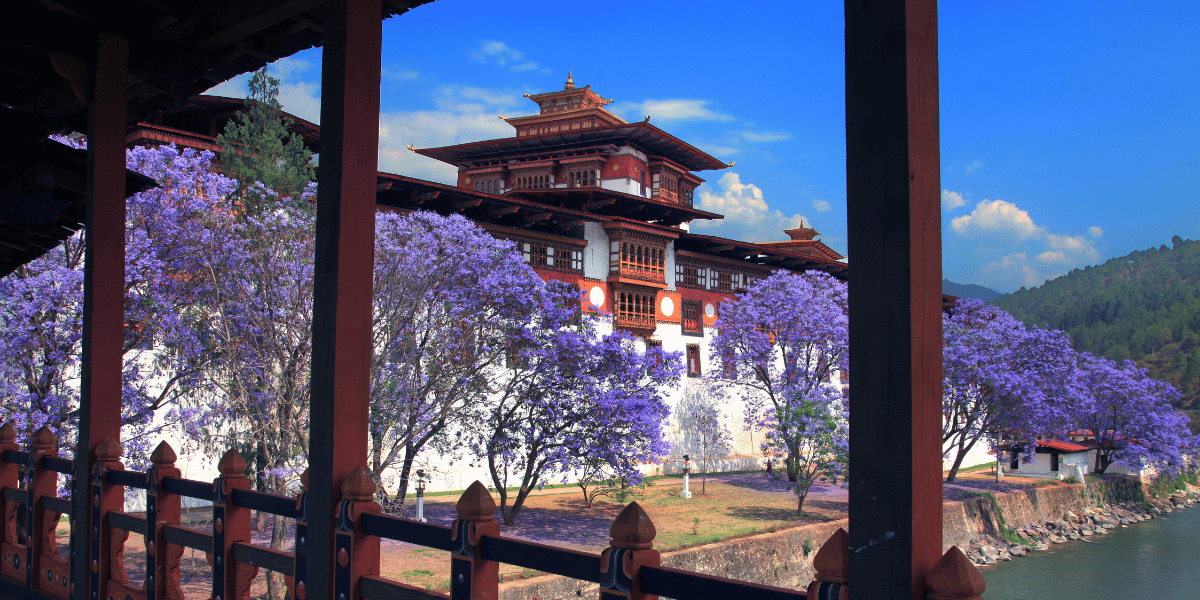
Being the peak season, the prices of accommodations and transportation go higher. Furthermore, the flight fares for both international flights to Bhutan and domestic flights within Bhutan are notably higher during peak seasons.
However, during off-seasons, summer (June to August) and winter (December to February), the prices for accommodations and transportation reduce. Furthermore, many tour operators are open for negotiation, and you might get a great package for a lower price.
But these benefits come at a different price (non-monetary). Although a few services are relatively cheaper, you will most likely face issues with logistics operations. First and foremost, travel delays are expected for both airways and roadways. Then we have the issue of road closures during heavy snow and landslides due to heavy rain.
While off-season is the best option for budget travelers, they need to be prepared for extra buffer days. So this means, even if they cut costs on daily expenses, they will still have to pay SDF for the buffer days.
Related Read: Best Time to Visit Bhutan
Travel Tips to Manage Costs
- Travelling in a group is by far the best way for you to save on expenses. You do not have to be a part of a large group. Having a group of 4 to 5 members can help tremendously in cost cutting.
- If luxury travel is not what you are focused on, choose 3-star local boutique hotels or traditional homestays. These places provide all the basic amenities and the rooms are spacious and comfortable enough.
- If you love trying new dishes, eat traditional food for your meals. You can get delicious Bhutanese comfort foods for a cheaper price compared to continental cuisines. If you are not a big fan of spicy food, you can ask them to avoid spice or reduce it.
- Book your flights earlier so that you do not have to pay for last-minute hikes in flight fares.
- Make sure that you have travel insurance so that you don’t have to pay large medical bills upfront at the hospital in case of an emergency.
- While many services are cheaper during off-seasons, make sure that your itinerary does not include places with risky road conditions.
Final Thoughts: Is Bhutan Worth the Cost?
You have made it to the end of the blog and I hope that your doubts regarding travel expenses for Bhutan have been cleared up by now. The SDF definitely makes it seem like an expensive destination, but once you land amongst the mountains and reach the secret kingdom, it will all make sense.
Some may call Bhutan one of the most expensive destinations in South Asia, but that’s incomparable to the cleanest experience Bhutan provides with its enchanting culture and traditions that are age old.
While the SDF is a non-negotiable factor for this trip, by following the tips mentioned above and by booking at the right time with the right tour operator, you can make sure that you get the best out of your tour package.
If happiness is a place, then it is Bhutan. And that’s something that you cannot put a price on!

 Suraksha Subba